Our Blog

10 señales que indican que tu perro no está siendo bien alimentado

Our Blog

10 signs that your dog is not being fed well

by Lobo Azul in Jan 17 2022
IF there is a topic that is transcendental in the lives of our pets and it is, without a doubt, feeding. This aspect of the life of a dog or any other animal represents great relevance, since aspects such as its health, its physical appearance or its behavior will depend on it. Identifying when our canine is not receiving adequate food, in the proportion and frequency it should, is essential. In this way, we will ensure that you maintain physical and mental balance. However, the large number of dog food brands has caused confusion among pet owners. This, on many occasions, results in the dogs not being well fed and presenting some difficulties and even diseases. For this reason, in the following article we will define 10 signs that will help you identify when a dog is not being well fed. Many of them are also common problems in our pets that can go unnoticed. Be sure to read the following information and discover the best way to keep your dog well fed and healthy. How do we know if our dog is well fed? We know that our pets do not speak, however, through their behavior or actions we can realize how their health is and how it may be affecting their well-being.   It is important, then, to observe each behavior in our canine. From their attitude, to those less pleasant aspects such as their feces, smell and appearance. These signs will allow us to get an idea of ​​how the dog is maintaining itself. 1. Gastric disorders This is usually one of the main signs that our dog is not receiving a correct diet. Although we cannot distinguish when they present upset stomach, it is possible to notice that something is not right through their bowel movements. We must know that our dog's stools are normally hard and wet. If we observe that his defecation has a different appearance, it may be due to a gastric alteration resulting from a food he has ingested. Another important detail is the time the canine takes to defecate, as this process should take no more than a minute. If you notice that it is difficult for him to pass stool, it is another sign that something is not right in his stomach. Both constipation and diarrhea are indications of a gastric disorder that can be caused by poor diet. 2. Gases Although some breeds have a tendency to be very flatulent, this appearance is not common when it becomes excessive. For this reason, it is considered a sign that something is not right. As in humans, the excess gases It occurs when some food is fermented in the stomach. This produces not only flatulence and constant repetitions of the taste of food, but also stomach upset. It should be noted that, when the food is suitable for the canine, it will under no circumstances cause stomach pain, discomfort, much less gas. If your dog has this condition, it is because the food you give him is not adequate and you must replace it immediately. 3. Unpleasant smell No breed of dog should have a bad odor. This appearance is not normal, for those who assume that canines normally have a bad odor. That is, if you notice an unusual smell on your dog, it may be that the food is not adequate. A normally unknown fact is that Feeding directly influences the smell of animals, especially dogs. Therefore, if you feel that it gives off an unpleasant odor, this may be the reason.   4. Frequent itching Parasites or dirt are not always the cause of continuous itching in our pets. In general, poor diet also influences this aspect. The deterioration of the body due to poor diet is more normal than it seems. This means that our canine can see its health affected by this aspect on a regular basis, and even more so if appropriate measures are not taken for it. One way to notice that something is not right is not only through itching, but also because it has duller, dryer, damaged fur and also excessive hair loss. 5. Obesity Unfortunately, canine obesity is a fairly common disease and the main cause of this problem is poor diet. The excess weight It causes different discomforts to canines, so taking care of their diet should undoubtedly be the priority of pet owners. Diabetes is one of the most recurrent diseases caused by obesity. Thanks to good nutrition it is possible to prevent the animal from having any pathology. 6. Frequent vomiting If a food is bad for our canine, the most reliable proof of this is that it presents symptoms of frequent vomiting. Thinking that it is normal excessive vomiting in our pets It is one of the most common and least valued errors.   Poor nutrition can cause repeated episodes of vomiting and other stomach discomfort, which can also cause loss of appetite in the dog. It is important, upon noticing that our canine friend vomits frequently and abundantly, to leave the used food in his diet. In addition, it is necessary to go to the veterinarian, in order to prevent this from being an inconvenience that affects your health more seriously. 7. Persistent otitis Although it is curious, and for some people almost impossible, it has been determined that the recurrent otitis In dogs it is closely related to poor diet. Allergies to some food can trigger an infectious process that is reflected in the canine's ears, which is why we must focus on adequate nutrition. 8. Discouragement If there is something that reflects a poor diet in canines, it is, without a doubt, their lack of energy. Dogs are generally energetic animals, although some more than others. When you notice that there is a decrease in this aspect in them, it may be due to poor nutrition. By not receiving a balanced meal, the necessary nutrients are not provided to your body, therefore, your body does not produce enough energy to stay active. The lack of nutrients such as vitamins and other essential elements in canine nutrition is consequently reflected in the dog's mood.   9. Behavior changes Especially if a dog is well trained, this aspect will be very noticeable. When there is a poor diet, the dog begins to bother about food, since what it receives cannot satisfy its hunger. Annoying at the table, rummaging through the trash, asking for food with exaggerated frequency... these details are essential to determine that the canine is not being well fed. It is not about the amount or frequency with which the dog receives food, it is about whether the food provided has the necessary nutritional components according to its age and size. This way, you can stay satisfied and not present anxiety crisis due to poor diet. 10. Loss of appetite Another very common case of poor canine nutrition is loss of appetite. It is actually the most common signal, because by not liking the food it eats, the dog will show it through the rejection of food that is supplied to you. It is not normal, but in these cases the canine prefers to spend a whole day without receiving food than to consume what it does not like or the same food as always. It is also necessary to change food from time to time, this way the dog will be attracted to the new dishes and will not lose its appetite. However, it is necessary to keep in mind that, when doing so, it is within what they can consume and ensure that they receive the necessary nutrients to feel healthy and strong. In conclusion As you can see throughout the article, there are different ways to notice when your canine is not being fed well. The importance of this topic lies in reducing the lack of knowledge surrounding canine nutrition, and ensuring that those responsible for pets acquire appropriate information on how to identify when there is poor nutrition. Taking care of your canine's health is making sure you have a long-term companion, so be sure to observe each of these signs and, if any occur, take the appropriate measures to avoid aggravating your dog's health. You will find more information about dogs here: 5 healthy eating guidelines for your dog Importance of proteins in our dogs' diet How to know if the food you give your dog does not agree with him Times a dog should eat Food allergy symptoms in dogs Toxic food for dogs.
Bloodhound - Conoce a la imponente raza

Our Blog

Bloodhound - Meet the imposing breed

by Lobo Azul in Jan 16 2022
Also known as Saint Hubert dog Due to the special history that underlies its beginnings, the Bloodhound It stands out for being one of the oldest breeds in the world that has gained popularity in England and Europe for its excellent hunting skills. Size: Big. Weight: Between 15 and 25kg. hair type: Short, Fine and hard. Character: Balanced, faithful and calm Health: Predisposition to develop some degenerative and hereditary diseases Life expectancy: Between 10 and 12 years. Its developed sense of smell, combined with a well-proportioned body structure, has made it become a tracking dog, frequently participating in police work. Although they have not been widely used as pets due to their size and weight, which can be intimidating, these dogs can become excellent household companions. He will establish strong bonds with his masters, in addition to offering protection and love to those he considers part of his family. Are you thinking about adopting one of these big guys? This is the opportunity to learn everything about this balanced but imposing breed. Don't forget to learn fundamental aspects such as its history, care, temperament, health and everything you need to train it properly. Join us as we review every detail of this hound's life in this article that we have prepared for you. History of the Bloodhound Its origin is marked by very particular events. Firstly, the breed is known to come from Belgium, specifically the Ardennes region. Although the indications are few, they have become sufficient to define that these hounds They had their origin in the Monastery of San Hubert, the name by which these dogs are also recognized. The data shows that the founder of the order, Monk Hubert, was an amateur hunter who owned a group of robust black and tan dogs of the breed. bullmastiff, who accompanied him in the activity. It is then assumed that these were the participants in the creation of the Bloodhound. After the death and canonization of the monk Hubert, the specimens remained in Belgian territory for some years without being made known. However, in the 11th century, King William "the conqueror" imported some of these dogs to England, where knowledge about this breed began to spread. The name Bloodhound was given to it once it was located in English territory, to refer to the purity of its blood. In this country he was recognized for his tracking skills, thanks to his excellent sense of smell. This made the dog's preference for tracking tasks and sports such as hunting immediate. Currently it continues to be widely accepted in these tasks, however, it has also been recognized as a loyal and noble dog, with highly valued characteristics to be an extraordinary pet. Characteristics of the Saint Hubert Dog According to the International Cynological Federation (FCI) In the breed standard, the Bloodhound (or Saint Hubert dog), is one of the strongest hound type dogs in the world. This qualification is not in vain since, in addition to its enormous stature, the body build of this breed is notable. A well-formed, muscular body, slightly longer than wide, giving a rectangular, solid and noticeably strong shape. Let's get to know in detail the most outstanding physical characteristics of the breed: Bloodhound Weight and Size The height of these dogs varies according to their gender. In this case, the females measure from 58 to 63 centimeters, while the males range from 63 to 70 centimeters at the withers. The weight can vary according to each dog, but is generally between 40 and 50 kilos. Despite this, it does not appear as a fat or coarse animal; on the contrary, its muscular structure provides it with strength and agility in its movements, as well as speed. head Pronounced, harmonically according to its body, it is wide and square in profile. Covered by notable folds and wrinkles, an aspect that undoubtedly defines the appearance of these dogs. A dog with elongated, thin and flexible ears, which are covered by a type of velvety fur, detected by touch. They are set low and their location makes them even more striking, as they are located almost at eye level or even lower, extending to the neck in some cases. Due to the folds on their face and distended eyelids at the bottom, the eyes of this breed can look sad and even show the conjunctiva part of them. So you have to be very careful, because visual diseases can appear easily. Nose His nose is large, with very wide and open nostrils, which makes him possessor of a keen sense of smell, which is one of its greatest virtues. Extremities This big guy's legs are straight, thick and strong. Providing great agility and dexterity when moving. Fur The hair of this breed is characterized by being short, straight and hard. In parts of the body such as the head and ears, it feels velvety and soft to the touch. While in areas like its tail it may be longer and a little rough. The colors accepted for these dogs are red or combinations of black and tan or tan and liver. In some specimens it is common to find white spots in the area of ​​the legs, tail and chest. Bloodhound Temperament Contrary to what many think due to its intimidating build, the Bloodhound's character is very pleasant. This is a dog with an affectionate, loyal and slightly introverted personality. They are dogs that, although self-confident, turn out to be very shy. Although yes, we are talking about an excellent protector, he will not hesitate to protect his loved ones and show his strength if necessary. Although some do not consider it a suitable option as a pet, having this breed at home can be quite positive. As in most cases, everything will depend on the socialization that the dog receives. However, these dogs are patient by nature, that is, in homes where there are children, these dogs adapt very easily to being friendly and fun with them. In the presence of strangers and other animals, these dogs are calm, confident and adapt to sharing everything with them. However, if it senses any danger, it will act immediately. Although their appearance denotes the opposite, these dogs are usually very dependent on their owners, especially when it comes to company. They do not tolerate loneliness, so leaving them alone for too long can trigger separation anxiety and even depression. Before adopting one of these animals, you should consider whether you have the time they need to dedicate to their care and attention. Otherwise, this dog may develop destructive and rebellious behavior. Bloodhound Training This breed turns out to be very docile. However, it is important that the education of the Saint Hubert Dog is carried out from a very early age and is constant, as the dog grows. In this way, balanced behavior and a properly formed character can be guaranteed. Around the third week of this dog's life, it is advisable to start the socialization process. If we want the dog to interact appropriately with people close to our environment and with other animals, it is necessary to be persistent in socialization as the first phase of training. Once the basis of their behavior has been established, which is socialization, at approximately three months of age, their training can be advanced. The basic rules of the home, learning where their rest area is located, not biting the furniture among other things, should be included within this educational period. It is important, for this, that all family members follow the same rules and instructions for the canine, in this way it will be a linear education and it will remain focused, otherwise it can get confused. Once this point has been advanced, the rules that regulate their behavior outdoors will begin, which is of great importance when going out for a walk. In addition to strengthening socialization, at this stage it is recommended to practice basic obedience commands such as doing your business in the street and also starting to play games that contribute to strengthening your mind and practicing physical exercise. It should be remembered that every stage of training must be carried out with positive reinforcement. That is, aspects such as motivation, cooperation and reward should not be missing in the training of these dogs. Bloodhounds, like many other breeds, do not respond favorably to shouting or mistreatment; on the contrary, they can be aggressive if they feel attacked directly. Therefore, it is important to take care of these details. Health This breed has a life expectancy of between 10 and 12 years. The care and affection provided will define your physical and mental well-being. However, like many other canines, the hereditary factor can significantly influence their health, especially when it comes to pathologies such as elbow dysplasia, the appearance of which in Bloodhounds is usually very common. Stomach torsion and obesity can be two recurrent conditions in these animals. In addition, conditions such as entropion, ectropion, conjunctivitis and prolapse of the third eyelid are other diseases that can alter the health of these pets. As mentioned at the beginning, the well-being of the animal will largely depend on the care and attention given to it by its owner. Although some pathologies are due to genetic causes, adequate veterinary control will be able to detect them in time to be treated appropriately. Bloodhound Care It is believed that due to its robust size it is a dog that does not require significant care. However, although it does not require great effort on the part of its owners in this matter, there are a series of aspects that should not be neglected, since they will ensure the healthy and balanced development of the animal. Next, we will mention the basic but essential care in this breed: Exercises Although it is a calm animal. These dogs store a large amount of energy that they must channel, so it is of great importance to maintain an adequate and constant routine of exercises. At least 3 daily walks, of 30 to 40 minutes, where games, sports and training alternate, will be enough to help the dog release the accumulated energy. In addition to this, they are animals that require considerable space at home to be able to move around, especially due to their size. Although they do not require living outdoors permanently, the importance of a large place where they can feel comfortable and move around is essential. Feeding Combined with exercises it is of great importance, because these dogs are prone to suffering from obesity. First of all, it is not advisable to provide the dog with excessive treats, as this will become a negative habit that will increase its weight. On the other hand, having quality feed that provides proteins and necessary nutrients is just as important. The most advisable thing to maintain its well-being is to consult with the veterinarian about the most favorable type of diet for the canine according to its characteristics (age, size, weight). Hygiene of the Bloodhound Bloodhounds, because they are dogs with short fur, do not require much effort in this regard. Hair brushing can be done once a week. While a monthly bath will be more than enough to maintain adequate hygiene. One aspect that should not be forgotten in the hygiene of these canines is to constantly check the folds and wrinkles that they have in specific places on their body, especially on the face, because moisture and bacteria can accumulate in these spaces and cause infections. On the other hand, hygiene and care for your eyes and ears is also required to avoid the appearance of diseases or unwanted problems. Affection and company As mentioned, this breed Bloodhound They are prone to developing separation anxiety and even depression if they feel abandoned or left alone for a long time. Therefore, it is important to consider whether there is sufficient availability to provide this dog the affection and care it requires, without your emotional health being affected. Medical checks Visits to the veterinarian, as well as compliance with the deworming and vaccination schedule, are very necessary to keep this breed healthy and away, as far as possible, from any disease that threatens its well-being. Conclusion Although they are more popular as tracking dogs, the Bloodhound is an ideal pet for outdoor activities. It has a docile, balanced and patient character which make it an ideal family companion, especially in the presence of children. His imposing appearance also makes him an excellent protector and a friend with whom you can have a lot of fun. It enjoys the company of its owners and requires great attention, as well as signs of affection to maintain its well-being. Having quality time to dedicate to these dogs will largely define the behavior that the pet adopts from birth to adulthood. Discover other large breeds of the canine world: German Shepherd Doberman Gordon Setter Labrador Retriever Siberian Husky Bobtail Cane Corso or Italian Mastiff
Cocker Spaniel Inglés: Todo lo que necesitas saber sobre esta amorosa raza

Our Blog

English Cocker Spaniel: Everything you need to know about this loving breed

by Lobo Azul in Jan 15 2022
If it is about love and company, the English Cocker Spaniel It is an undoubtedly perfect option as a pet. Characterized as a loyal, affectionate, active and playful dog, which provides its owners with great moments of fun, these canines have earned the favoritism of many, due to their behavior. Size: Medium. Weight: Between 12 and 16kg. hair type: Smooth, silky and very fine. Character: Playful, Affectionate, Friendly, Faithful, Quiet, Endearing. Health: Healthy Life expectancy: Between 12 and 15 years. Ideal for homes with children, older adults or large families, this breed exaggeratedly enjoys the company of its people, so much so that if it feels alone, it can fall into a depressive state. That is why, before adopting it, it is recommended to know everything related to them and, above all, if you have the necessary time to care for them. For this reason, on this occasion we will dedicate some time to knowing all the details of this breed. Characteristics, where it comes from, what its behavior is and how to keep it healthy, will be the key points that we will develop in the following article. Be sure to read this information and discover if this loving friend is the right breed for you. Origin of the English Cocker Spaniel The Cocker Spaniel has its origin in the United Kingdom, where he was valued as a great hunter. In the beginning, this breed was associated with others such as the Field and the Springer Spaniel. However, this changed with the appearance of Kennel Club, when the first of these animals was separated as an independent breed. The name of the breed transcended borders and gained great popularity due to its hunting skills. In addition, he was a figure in English literature, having places with renowned authors such as Shakespeare. Its size was a characteristic aspect to define the activities in which the breed would be used. In the same litter, the large Cocker Spaniels were used to hunt mammals, while the smaller ones hunted birds. At that time, the Cocker Spaniel, Field Spaniel, Springer Spaniel and Sussex Spaniel breeds were not distinguished independently, but rather they were referred to as a single group, until the 19th century, when the separation of each of them was carried out, and they were identified for the first time. But the story does not end here because, some time later, the breed was transferred to the United States. In North American lands, experts sought a change in the appearance of the already known Cocker, carrying out crosses with other breeds, a context disapproved of by British dog lovers, who raised the need to maintain the distinction between the English Cocker Spaniel and the American Cocker Spaniel. Since then, the recognition of the English Cocker Spaniel around the world has been undeniable. Beyond a hunting dog, it has been seen as an excellent companion, which has earned it the preference it occupies today. Physical characteristics This breed has very peculiar characteristics that easily identify it. Starting with its silky and fine fur, to its physical build, with which it appears strong and muscular, but without being heavy. It is a compact dog, with a sporty and good-looking appearance. Contexture It is a square-shaped dog, you could say, because it has the same height and length, which provides a kind of harmony to its entire muscular structure. It has thick and strong legs, with forceful footsteps and great agility, which facilitates the job of hunting for what it was originally intended for. Weight and size Although it was mentioned that their size can vary in the same litter, the English Cocker Spaniel can reach between 35 to 45 centimeters in height. While their average weight varies between 10 and up to 25 kilograms, regardless of their sex. head and face These dogs have a well-formed head, proportional to their body, without exaggerated pronunciations. Its snout is square in shape, and its nose, usually dark in color, is evidently widened. Their eyes are dark in most specimens. However, some may have hazelnut color. The ears, on the other hand, are long and especially hanging, covered with a light layer of fur. Fur One of the things that is most striking about this little English friend is his coat: smooth, silky and very fine. The colors can be varied, however, four characteristics are specifically included in the breed standard: The solid colors: Black, red, tan, gold and liver. In these cases, specimens have also been seen with a combination of these colors and a white spot on the chest. Particolors: These are variations between the colors black, white, orange and liver. Whether speckled or not. Tricolors: Black, white and tan. roans: Blue, orange, lemon, liver and tan colors are included, all roan. Character In general, the character of these dogs, like that of many others, will depend on the socialization and training they receive from their owners from a very early age. Specifically, the English Cocker Spaniel is a happy, loving animal and, above all, faithful to its family environment. With them, he will be affectionate, loyal and full of unparalleled tenderness. But, on the contrary, when faced with those he considers unknown, he will remain distant and distrustful, but without being aggressive. The personality of this breed describes a very attentive, intelligent and above all energetic dog. They love to play and do any type of activity with their owners, so those who wish to adopt an English Cocker Spaniel must make sure they have the time that these dogs require, otherwise, they may experience separation anxiety and even depression due to feeling abandoned. As mentioned, socialization is essential. We talk about an obedient dog, but if it does not have adequate training, it can develop some behavioral problems that are reflected in destructive behavior and the persecution of small animals that it considers "prey." Coexistence Regarding coexistence, This breed is really sociable by nature., and even more so when it is socialized correctly, which does not present difficulties in this matter. Although he is distrustful of people outside his family, he does not show signs of aggressiveness, and may even adapt once they live with him. With other animals, for this part, the same thing happens. If the Cocker is trained to coexist with other dogs, from a very young age, he will have no problems adapting. Without a doubt, an ideal dog for an active family that enjoys group and outdoor activities or in the tranquility of home. Education of the English Cocker Spaniel Intelligence, obedience and attention are innate virtues in the English Cocker Spaniel breed. Therefore, educating them will be quite an adventure, in which both the dog and its owner will have great fun. Although you do not need to be an expert in training these dogs, it is necessary to have basic knowledge to ensure that this canine responds correctly to commands, and above all, provide you with proper training. A point of notable importance is to strengthen education in positive reinforcement, beyond shouting, these animals respond better and show more progress in their training when this method is used, instead of shouting. In training, the first thing that should be highlighted is socialization, which should begin in the first weeks of the animal's life. If it is carried out when it is just a puppy, it will ensure that the dog can grow up with a balanced, happy and educated character at home and with other individuals. Dedicating enough time, not only to socialization but to the company of these dogs, is another key factor. Well, otherwise, they assume destructive behavior inside the house, even more so if they are left alone for a long time. That is why you should train yourself to be alone for a few hours, but not for too long, because it can be detrimental to your health. Teaching basic commands for your comfort and that of your environment is essential. Later, when a positive character has been forged, training can be undertaken with fun tricks and exercises that help the animal entertain itself. Health Although it is a healthy breed in many aspects, the English Cocker Spaniel, like many other breeds, is not exempt from being affected by some hereditary diseases. One of the most common ailments that this breed can suffer from is deafness. This pathology is more common in particolors, although the reason has not yet been determined. Eye diseases such as: progressive retinal atrophy, cataracts and glaucoma, are other pathologies that may be present in these dogs. Familial nephropathy, cardiomyopathies and hip dysplasia are added to the list of diseases that can harm the health of our beautiful friend. Periodic veterinary check-ups will help prevent their appearance or, in other cases, determine the presence of any of them at an early age and provide the indicated treatment. Care The usual care of any pet is what our companion also requires. However, mentioning what these are is always necessary for them to be carried out correctly. Bath and hygiene Brushing is one of the most important elements in the care of this breed. This process should be practiced at least three times a week to maintain the shine and silkiness of its coat. While dead hair should be removed at least twice a month. If you do not know how to do it, it is advisable to go to a dog groomer. A bath monthly or every two months will be enough to maintain it, as long as it does not accumulate so much dirt on its body. Take care of your ears Within hygiene, ear care is one of the most necessary aspects. Let us remember that this breed is prone to deafness, which in turn can be caused by an infection due to inadequate or non-existent cleaning of its ears. It is important care for and clean the ears frequently of this breed to avoid diseases. Exercises Performing exercises in these animals is very beneficial. Firstly, because it helps keep you fit and very energetic and, secondly, because it helps you stay emotionally balanced. Two walks during the day, of at least one hour, combined with exercises or practicing a canine sport will be enough for the health of the Cocker Spaniel. Attention As has been reiterated throughout the article, the attention and company that owners provide to these animals will directly influence their mood and behavior. Let us remember that This is a breed that requires a large amount of time in company. of yours, otherwise it can harm your emotional state. Veterinarian Periodic visits to the veterinarian, vaccination checks and deworming are equally important aspects. Even more so, because through this aspect different diseases to which the breed is exposed can be prevented. Visiting the specialist twice a year, and rigorously complying with the vaccination and deworming schedules, will be enough to guarantee the canine's good health and extend its life expectancy up to 15 years. Conclusion The English Cocker Spaniel is a breed that will bring joy, fun and a lot of tenderness to the family. A sweet and attentive animal, which combines loyalty with protection to yours. One of the most popular and attractive breeds in the world, not only for its fine coat, but for its attractive personality. Attentive and obedient, which makes training very entertaining. In addition, he loves the company of his human family. So, those who wish to adopt a specimen of this breed should consider whether they have the time they require for their attention, otherwise they could suffer separation anxiety from being alone for a long time. Taking care of these animals is not complicated if you really have the time and willingness. And, as a reward, you will receive all the tenderness, company and mischief that these animals have in store for their owners. You may also be interested in reading about these breeds: border collie The Samoyed Schnauzer water dog French Bulldog Beagle bull terrier Andalusian winemaker    

Cuidados para las almohadillas de tu perro

Our Blog

Care for your dog's pads

by Lobo Azul in Jan 15 2022
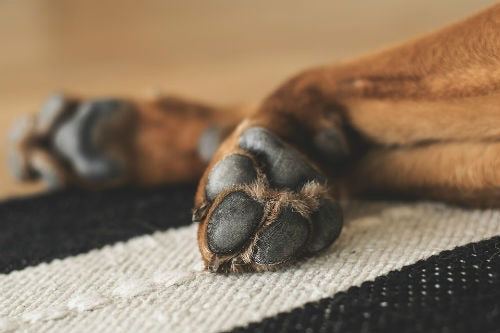
Comprehensive care of every pet is an essential issue to guarantee its health and well-being. From the physical to the emotional aspect, giving your four-legged companion timely attention will allow him to grow strong and healthy. However, within the hygiene that is provided to the dog, in most cases, it is usually left aside. caring for your pads. An aspect that, although it is not very taken into account, is of great importance, because they keep the canine paws protected. Buthow to care for my dog's pads? This question is very common among people who have a four-legged friend. Therefore, in this article we will focus on describing the care that canine pads require to stay healthy and provide protection to our best friend. What are our dog's pads for? Before talking about the care that this part of the legs needs, we must know what its function is in our pet's body. This will make us aware of their importance and the benefits it will bring to the dog if we keep them properly protected. Referring to the dog's pads is as if we were talking about the palms of our hands or the soles of our feet. The main function of these is, in addition to maintaining the dog's balance, to support the weight of its body without the legs suffering major damage, especially in large breed dogs. During our dogs' walks, hikes or exercises, these serve as shock absorbers, preventing the legs from being abused by the weight and pressure exerted in these movements. Although all this shows that Dogs' paws are one of the toughest parts of their body., they can present wounds, crack and even bleed. Climate changes also tend to affect them. That is why knowing the care they need and complying with it properly will allow them to remain in their usual form and continue protecting our dog. What can affect dogs' paw pads? From dryness to burns, wounds and punctures, dogs are prone to different conditions in their paws. Let's look at some of the most common ones below: Hyperkeratosis It consists of a excessive keratin buildup in the outer layers of the skin. This thickening occurs especially in dogs that suffer from obesity. The appearance of this condition requires veterinary guidance to alleviate the ailments it may cause to canines. Dryness and cracks In very heavy dogs, which also have hyperkeratosis, it is common to notice the presence of cracks and lack of hydration on the legs. This requires more common treatments aimed at moisturizing dogs' skin and keeping them crack-free. Cuts and burns It may also happen that, when stepping, the dog cuts himself on some object, or if the ground is very hot, he burns his “feet”, which would cause injuries to that part of the skin. There are also cases in which the dog can be attacked in that area by another animal, or step on some thorns or glass, and this can cause some injuries. However, all of these injuries can be prevented with proper care and treatment. Asphalt The asphalt represents one of the biggest causes of injuries in the canine pads, even more so when the animal's passage through these spaces is constant. Producing dryness and even cracks or burns due to high temperatures. Avoid, as far as possible, your pet walking on it for long periods of time. How should a dog's pads be cared for? Within this topic, there are different alternatives and strategies to keep dogs' pads well cared for. Both the practices carried out by the owners, as well as natural and topical products special for canines, can work if you want to keep this area of ​​the body in perfect condition for the dog's well-being. Let's look at some alternatives and products that can be used: Alternate walks A very practical way to combat the damage caused by asphalt to the dog's paws is alternate walks in different spaces. This will allow the canine to progressively adapt to walking on asphalt, in this way its “feet” will become resistant to this ground and will not suffer as much damage. Constant review After each walk with the canine, it is important carefully check their legs to rule out the existence of wounds or any sharp object embedded in them. Use of booties If the dog is going to be exposed to asphalt or other soils at high temperatures, the use of booties. In this way, the risk of burns or cuts, among others, will be reduced. In these cases the canine must progressively adapt to the use of the ankle boots. Check the area Making sure that the space where we are going to release the dog or where it walks and plays is free of risky objects is equally important to avoid injuries of any kind to its legs. Hydration and cleansing The hydration and hygiene of canine pads is an important factor in the well-being of any pet.. First of all, the use of creams that help to continuously hydrate the aforementioned area will keep them soft and help prevent the formation of cracks. It is important to highlight that moisturizing creams should be exclusively for use on animals. You cannot apply a cream for human use, since the pH of dogs is totally different and they may have an allergic reaction to human products. Complementary to hydration is hygiene. In these cases it is important to continually check the pads to remove any dirt that may accumulate on them. Likewise, carrying out baths according to the needs of the pets, also removing excess hair around the paws. Natural products The application of some natural products such as aloe vera are of great benefit for hydration and healing of wounds in the canine pads. It will be enough to apply a small amount once a day to these areas and wait for it to be absorbed, making sure that the dog does not lick its paws while they are wet since aloe vera, despite its multiple benefits for the skin, may contain some elements that are harmful for canine consumption. To summarize As we have seen throughout this text, there are different ways to keep our pets' pads cared for and healthy, without requiring great effort, just dedication and attention to the well-being of man's best friend. You may also be interested in reading: How to treat my dog's cold Food allergy symptoms in dogs How to change our dog's feed Toxic dog food Kennel cough, symptoms and treatments.    
Todo lo que debes saber si quieres ser voluntario ayudando a animales

Our Blog

Everything you need to know if you want to volunteer helping animals

by Lobo Azul in Jan 15 2022
To become volunteer to help animalsThe most important thing is that you must be sure that you feel love for them. From that feeling, you can do anything to help those helpless beings. If you do not have the possibility of having your own pet, you have the option of offering attention and affection to the animals, in addition to enjoying their company, sharing with them moments that you will not forget, through volunteering in associations dedicated to their care. Work of animal protection associations We are wrong to think that only people need help. Well, some animals also need attention and care. In fact, there are numerous associations that are dedicated to the welfare of animals, as well as defending their rights. They take care of the sanitary conditions of the animals, their vaccinations and legal registrations on behalf of the protective association. They are also dedicated to their education, training and rehabilitation, teaching them good behavior. And, their ultimate goal is to find responsible people to adopt the pets they protect. They are generally non-profit institutions and, obviously, these organizations need the help of volunteers to carry out their admirable work. Therefore, they offer different programs and activities that adapt to each one. For be a volunteer in a animal protection association You do not need to have a degree as a veterinarian, nor is experience in animal care essential. For most of these institutions, it is enough to be of legal age and, of course, the most important thing: to love animals and have true motivation, patience and responsibility to carry out this activity. Another very important aspect that is taken into account when becoming a volunteer is to have sensitivity against abandonment and mistreatment of animals. Tips for becoming a volunteer The first step to follow to work as a volunteer is to choose the appropriate society with which you can collaborate in the care of animals. It is important that it operates regularly in compliance with the necessary legal requirements. It should generate confidence in you, so we recommend that you inform yourself well before choosing it. Contacting the organization will help you to have more information and verify if you have the possibility of working with them. Once the organization is located, you must decide how you can participate and collaborate with the activities of the animal protector. The options are varied, you can help financially, work directly on site and even carry out any activity from your own home. Regardless of the way you choose to volunteer, keep in mind that it is a responsibility you are assuming, so you must show a commitment to the help you will provide and the activities you must carry out. As we have mentioned, it is generally not essential to have some type of experience to volunteer. When you sign up for the organization, the institution will be in charge of helping you in your training through courses facilitated by the community, talks information about the protection and care of animals, the performance of the protective institution and its objectives. Preparation courses are taught according to the task selected to be carried out at the center, as well as general knowledge about behavioral therapies and follow-up visits once the animals are adopted. Through this training, the volunteer can understand more deeply the importance of what the commendable work carried out by the reception center can mean and, in this way, they will be able to perform as well as possible in their role as collaborator. Which largely guarantees the main objective, which is the well-being of the adorable animals. It is necessary to remember and emphasize the importance of the responsibility and commitment that each volunteer must assume when making the decision to participate in this honorable activity. The correct functioning and success of the organization depends absolutely on the work carried out by the volunteers, therefore, to make their work possible, each one must seriously get involved in the activities under their responsibility. Activities of animal shelters An animal protection center always has a large number of activities to carry out, let's look at some examples: Volunteer directly at the center: The shelter requires people who collaborate with cleaning and maintenance, who are dedicated to the animals in terms of grooming, walks and feeding. Transport work: Transportation is also an important aspect, whether it is transporting animals to veterinary clinics, transporting donated items to the shelter or transporting rescued animals. Therefore, volunteers are needed for both transportation and rescuers. Animal adoptions and its monitoring: one of the functions of animal protection centers is to search and find those interested in adopting a pet. Therefore, they need to have collaborators available to establish contact with potential candidates to get to know them and verify if the animal will be in good hands. On the other hand, after the adoption process, monitoring must be carried out in order to verify the condition of the pet and help people with any questions or inconveniences that may arise. Contact and control can occur by telephone, email and visits. Dissemination in the media: disseminate the important function of the organization through the different available media and make the work and needs of the protector reach the largest number of people possible. Creation of editorial material: The center needs personnel who are in charge of preparing photographic material of the animals, writing articles and stories about them, and preparing designs for events, workshops or courses that are carried out. Public relations management: for the association to become known and have the possibility of requesting the collaboration of veterinary clinics, pet stores, companies or other foundations to raise funds to help cover the expenses generated by the shelter, it must have people who are in charge of handling public relations. These people must also be responsible for making the animals they have in their care known. To conclude As you can see, volunteering at an animal shelter is not an easy task, but it is very comforting for those who feel devotion to our furry friends. Think carefully about whether you want to dedicate yourself to this and then carefully research the shelter you choose before registering with the association. You can ask the shelter itself for information online or by visiting its facilities, so you can see how the animals live there. You can read more dog tips here: What is Agility? How to train a puppy 10 basic commands that every dog should learn
¿Cuánto vive un gato? 4 consejos para que sean muchos más

Our Blog

How long does a cat live? 4 tips to make them many more

by Lobo Azul in Jan 15 2022
Do you know how long a cat lives and what factors influence its life expectancy? Our small felines become another member of the family. They always lie down in the best place, ignore you when you approach and look for you to play at the least opportune moments. They also force you to be more organized and to do without black clothing, but above all, they are loved like one more member of the house. Advances in veterinary medicine, care and greater information and attention to their feeding needs mean that they live longer and longer and we can enjoy their company more. In today's article we tell you how to understand your cat's age, what factors intervene in the animal's longevity and how we can contribute to its quality of life. How many years does a domestic cat and a stray cat live? When asked how long a cat lives, it seems evident that there is no single correct answer. A domestic cat that does not leave the house or whose exits are very controlled can live for about twelve years, although it is increasingly common for these animals to live up to twenty. The oldest cat declared by the Guinness Book of Records was called Nutmeg and reached the age of 32. This average decreases in cats whose outings cannot be controlled, such as those that live in country houses, chalets or towns, since they are more likely to suffer an accident, a run over or a fight. At the opposite extreme are the strays, where the situation is very different. Malnutrition or poor diet and the lack of protection against diseases mean that these animals, although it is difficult to calculate exactly, have a significantly lower life expectancy, which is estimated between three and six years. To know how old your cat is, you can calculate it in the following way. In the first 12 months, your kitten will become a teenager, which would be equivalent to about 15 years in human age. The second year, he reaches adulthood, about 25 years old. From there it can be multiplied by four each cat year. Therefore, a 10-year-old cat would have reached the age of 56 for a person. Of course, it is an approximate calculation, but it allows us to understand the growth and age of our pet. Factors that influence the years of life of our cat Let's look at some of the factors that can help your little feline live longer. Good nutrition The animal's diet will largely determine its health. Obesity, liver problems and a long list of pathologies are caused by poor diet. Choose the correct feed based on age, size and needs Specific actions of the animal will help maintain the natural balance of its body and strengthen its immune system. At Lobo Azul we have different feeds adapted to the specific needs of each cat: feed for adults, for neutered cats and for puppies, because at each stage of their life they need a specific type of food.  Visits to the vet Advances in medicine have evolved a lot, allowing your furry friends to live longer and healthier. The veterinarian becomes another companion throughout your cat's life. You will go to him not only for the different vaccines, but also for any health problems you may have. Choose a center that inspires confidence and where you feel comfortable asking any questions that concern you about your condition. Cat breed and genetics Genetically there are breeds that have a longer life expectancy than others. For example, Siberians, Persians or Siamese are breeds that tend to last longer than average. It is something that nothing can be done about. On many occasions we do not even know what breed our kitten is and nothing happens, love and care do not depend on it. But if you're curious, you can check the average lifespan of your cat's breed. How long does a cat live: tips to make it healthier and live longer The factors we have just seen are some of the main ones, but not the only ones that determine the life expectancy of cats. By knowing your pet well and putting these tips into practice, you can help your small feline have a healthier, happier and longer life. 1. Know your cat's language and character A cat is not going to tell you that it feels bad or start crying, but in its own way it will convey its state of mind to you at all times. Knowing its peculiarities and its signs will be of great help when detecting when something is not quite right. Character also plays a key role. Like people, each animal is different, which will determine its way of relating to its environment. Thus, there are those who are more independent, more affectionate or more sociable. Understanding their way of being will help you provide them with the most appropriate care. 2. Avoid stress They are animals with a high degree of stress that can be harmful to their health. Make them feel comfortable at home, leave them their own space and integrate them into the family. Furthermore, they are not very fond of changes, try to avoid them as much as possible. 3. Understand their needs Cats are extremely agile, independent and clean animals. They need to play, explore and also sleep many hours. Depending on his age, he will require more play and sleep time. For example, young cats sleep less and need more physical activity while an adult cat needs more hours of sleep. Of course, on average these small cats rest and snooze for more than half the day to regain energy. 4. Cleanliness is essential Cats are very clean and they spend a lot of time washing themselves. But incorporating brushing once or twice a week at least, depending on the type of coat, is highly advisable. Even if it has short hair and you think it doesn't need it, it has many advantages for the animal's health. It will help you groom yourself, improve your circulation, and prevent the dreaded hairballs in your stomach. Cats are excellent companions, apparently less expressive and more independent than dogs, but they also need your time and care to have a healthy life. At the beginning of the article we wondered how long a cat lives. We don't have a magic ball, but we do have good advice. Enjoy the time he is with you, make sure he is healthy and happy and, above all, give him a lot of love. Other curiosities that may interest you: The most popular dog breeds in the world The best mobile apps for dogs Why do dogs howl? Diseases that pets and humans have in common
Beauceron - Inteligencia y energía en un solo perro

Our Blog

Beauceron - Intelligence and energy in one dog

by Lobo Azul in Jan 14 2022
Large breed dogs can repeatedly be perceived as a danger due to their strong and intimidating appearance. However, more than once it has been proven that behind that muscular image and large size, there is hidden an affectionate and energetic dog, as is the case of the breed. Beauceron. Size: Big. Weight: Between 30 and 70kg. hair type: Thick, rustic and short. Character: Loyal, protective, energetic, friendly and very cooperative. Health: Enjoys good health Life expectancy: Between 10 and 12 years. A dog of prominent size and well-formed body, which easily resembles the appearance of a Doberman, although it has no relation to that breed. It is a canine of French origin that has been little known outside the borders of this country, but its virtues have earned it the recognition and acceptance of the local community. Intelligent, energetic, attentive and loyal are some of the qualities that characterize the Beauceron's personality, making it, without a doubt, the ideal dog for various activities such as hiking, sports and even herding. Do you want to know more about this breed? Well, this article is intended to know all the details about him. History, character, physical characteristics, the care it requires and even diseases that can affect it. Learn every aspect of this breed and discover if it is a suitable choice to become your new best friend. History of the Beauceron As mentioned, around the world, this is not a very recognized breed today. However, in France it has gained the preference of many families for its character and, furthermore, for being of great help at different times. Being one of the most valued dogs in its country of origin, the Bas Rouge or Bauce Shepherd, as it is also known, earned the respect and admiration of French society from its beginnings on the plains of Paris known as Beauce, for being an excellent guardian, especially in activities such as herding flocks. It was considered a descendant of dogs existing in prehistory. However, its first recognition came in 1863, when the division of the sheepdog breeds was carried out. Long hair on one side and short on the other; and another with short hair only, where this dog mainly appeared. After that, in 1893, the Central Canine Society In the same country, he registered the first specimen of the breed, which led to the founding of the first Beauceron club in 1922. Despite these facts, this breed did not have much popularity in the country, which is why in 1960 a promotional campaign was started to change this situation. It was then when this little friend began to have a space in dog shows and some sports within the country. But these attempts were not enough to make the breed known in other territories in the rest of Europe and the world, where it is still little known. Physical characteristics Their physical appearance can undoubtedly be imposing and intimidating to many. It is a large, muscular and rustic animal. However, despite having pronounced dimensions, it does not appear to be a heavy animal; on the contrary, its robust body is harmoniously outlined. Let's look at some details of the physical appearance of this breed: Weight and size We are talking about a large breed. These specimens can easily reach 65 and even 70 centimeters in height at the withers in the case of males. And the females from 61 to 68. Being at all times taller than wide, although it is a slight difference that goes unnoticed in most cases. As for weight, there is no defined standard on it so far. But it has been determined that 30 and even 70 kilograms is their common weight, regardless of their sex. That is, a fairly robust and muscular breed. It has thick legs with firm treads. On its lower hind limbs, it is characteristic of the breed to have a notable dewclaw. head The skull of this breed is flattened or, in some cases, slightly rounded. Both the top of the head and the snout have a kind of symmetry, connected in parallel. On the other hand, their eyes are always dark in color, either black or hazel, and are positioned horizontally and have an oval appearance. While its nose is black and medium in size. Its snout is strong and pronounced. As for the ears, these dogs can have them hanging or in an upright position but in a very slight shape, they are medium and triangular. Queue Another unique detail of this breed is that it has a remarkably long and low-set tail, the tip of which ends with a kind of hook, curiously in the shape of a «J.«. It is worth noting that the official standard of the breed prohibits, in principle, amputating its tail, so it keeps it intact as it grows. Fur Like many breeds, this one has two layers of hair. The external one consists of a thick, rustic and very short coat; while the internal one is more velvety and fine, although denser. The accepted colors for the breed are a combination of black and tan or, in other cases, harlequin color. Character Although it is little known as a pet, He is an excellent companion dog.. It is a loyal, protective, energetic, friendly and very cooperative animal. He loves to always have something to do. That is why you need constant physical activity to stay healthy and balanced. We also talk about an intelligent animal, so training will not be a problem in any sense. Although sometimes it appears as a dominant breed, so its training must be patient and consistent. He greatly enjoys the company of his family, and although he remains distant and alert with strangers, once he adapts to living together, he will show his energy and affection to those around him. The presence of other animals is not a difficulty either, since by nature it is very friendly and shares its space with other dogs without a problem. Due to his herding work, he is, in most cases, very protective, especially if he perceives that one of his people is in danger, and he will not hesitate to defend him. In a home with children this dog will have a great time, as he loves to play and spend time with his family. In addition, their energy will allow the little ones to stay active with their dog companion. However, it is important to teach children how to treat pets, as the dog may react negatively to some games that it considers to be abuse. These dogs require space to exercise, run and spend all the accumulated energy. Therefore, although they adapt to any space, they prefer to be outdoors. That is why it is recommended that the owners live in an area with a garden to allow them to exercise or, failing that, take frequent walks to keep them physically and emotionally healthy. Dedicating time to walks and activities with these dogs is very necessary. Therefore, evaluate your disposition before adopting a specimen of this breed as a pet. Education and training Training the Beauceron is an aspect that will not be complicated. As has been said throughout this text, it is a very intelligent breed and has, like other breeds intended for grazing, the ability to adapt to different educational methods to learn various commands. However, it must be emphasized that these dogs do not respond adequately to traditional training nor to abuse, hitting or screaming. On the contrary, these actions can lead the dog to adopt negative, rebellious and even aggressive behavior if it feels attacked. The use of positive reinforcement, motivation and rewarding obedience as a training technique, starting at an early age of life (third week) will allow the dog to forge a balanced, secure and very cooperative character. In addition to this, emphasizing socialization, especially adaptation to its environment, other people and animals, will ensure that the dog can live peacefully with the family. Starting in the first instance with the basic commands of coexistence will accentuate the foundations for later, once he easily handles the basic commands, communication and for his well-being, we can begin to practice other types of training, such as tricks or intelligence games. The more effort is put into the training and socialization of the Beauceron, the greater the benefits will be in the character and behavior that the dog develops as it grows. He will appear mature and polite. Health Beauceron dogs generally They enjoy very good health. Their life expectancy can reach up to 12 completely healthy years, but this will also depend on the care provided to the breed, which we will talk about later. However, there are some diseases characteristic of the breed that require frequent attention so that they can be avoided or treated in time, before seriously affecting the dog's health. hip dysplasia Excessive physical activity or performing some bad movement can lead to the appearance of this degenerative disease. Hip dysplasia consists of a malformation that progressively affects the dog's mobility, due to pain and wear and tear of the bone system. Taking care of the time and types of exercises that the canine performs is essential to keep it away from this disease. gastric torsion This condition appears in canines when, minutes before performing their exercise routine, they are provided with excess water or food. The dog's digestive system seems to react to this and cause serious alterations that put its well-being and even its life at risk. Double spur As highlighted, Beaucerons have a dewclaw on their hind legs, which is prone to being injured while the canine is carrying out some activity. Taking care that this does not happen is essential, so it must be frequently monitored. In some cases, amputation of the spur is necessary to avoid even greater infections. These are the most frequent pathologies that can occur in this dog breed. However, it is possible to avoid them if correct attention and application is paid to the care it requires during its life. Beauceron care The Beauceron is a robust, resistant breed, generally accustomed to life in the countryside, outdoors. However, it has the ease of adapting to the city, as long as considerations are taken into account to offer it well-being and a good quality of life. Although they do not require extraordinary care, these dogs They require some attention that is part of their daily life, which will also help keep you physically and emotionally balanced. Next, let's see the care it requires throughout its life: Exercises Without a doubt, this is the most important element in the care and maintenance of the breed. The Beauceron is not a pet for sedentary people or people whose lives are so busy that they do not have room for exercise. This dog requires, at a minimum, three daily walks combined with exercise routines of at least 20 minutes. As if that were not enough, they prefer to live in large spaces, where they have freedom to move and exercise. It is necessary to consider this aspect before adopting a specimen of this breed, otherwise, it could exhibit aggressive and destructive behavior due to stress and lack of exercise. Vaccination and deworming Another elementary aspect in the life of the canine is compliance with the vaccination and deworming schedules as well as visits to the veterinarian. This will keep you away from diseases and strengthen your immune system. In addition, you will be able to detect any anomaly in time if the visits are met. Hygiene The hygiene of these canines does not require greater demand. The coat, however, must be kept brushed at least twice a week, in this way its loss can be controlled. As for bathing, it is necessary to do it only when the dog is really dirty. A period of 30 days between each bath is sufficient to maintain the shine and protection of its natural coat. Within hygiene, the care of your teeth, ears and eyes is of great importance, in this way the accumulation of dirt that could cause alterations in any of your senses will be avoided. Conclusion Although it is defined as an animal intended for herding, the company of a Beauceron breed dog at home is quite pleasant, especially for those who love outdoor activities and exercise frequently. Its energy, attention and sense of protection make it an excellent companion during daily exercise. But also, It is an affectionate animal, loyal and who enjoys time with his family. Able to adapt to any environment, as long as they receive the correct education, these dogs coexist very easily with familiar people and other pets, delighting those around them with their charm and intelligence. You can also read articles about other large dog breeds: Pachón Navarro Siberian Husky Labrador German Shepherd Doberman Bobtail The Mastin Italian
Cómo tratar el resfriado de mi perro

Our Blog

How to treat my dog's cold

by Lobo Azul in Jan 14 2022
The cold is not only common in humans, our furry friends are also prone to suffering from it. These discomforts are relatively frequent, especially in the fall and winter seasons. The causes may be due to viruses and pathogens that are maintained in the environment, such as Adenovirus type 2 or Parainfluenza, and due to the excessive cold. The canine cold It causes great discomfort, makes the dog tired and loses its appetite. In addition, you should be careful with the symptoms, since they are very similar to those of distemper, a very contagious condition that is caused by a Morbillivirus of the Paramyxoviridae family, and those of the disease known as kennel cough, which is often caused by a bacteria called Bordetella bronchiseptica. Therefore, when in doubt, we recommend going to the veterinarian for a more accurate diagnosis. If the cold is mild, the dog may improve within a week, as long as you give it proper care. You should know that, like humans, dogs also need to be warm, not get wet, and receive adequate nutrition when they are suffering from an annoying cold. Therefore, if they do not receive adequate care, what may be considered a simple cold could become serious and bring with it serious complications. That is why you must be very attentive to your dog's state of mind and health. It is part of the care you must give it and it is your responsibility to detect any anomaly in time. Symptoms of the canine cold Some of the symptoms What does a dog have when it is suffering? cold, are: Constant sneezing, runny nose and runny nose, cough in some cases accompanied by vomiting, respiratory distress, congestion, general muscle pain and weakness, lack of appetite, drowsiness, eye watering or discharge, fever, headache, inactivity and depression. If any of these symptoms are detected, it is best to have it examined by a veterinarian, since, as we have mentioned, they can be confused with those of distemper, which is a dangerous disease and can even be fatal. Other important aspects that you should pay attention to if your dog has a cold are: If the dog passes blood in nasal secretions or when coughing. If your faithful friend is already an old man or if he is still a beautiful puppy, his defenses are not as strong as those of a young dog. If you hear a strange whistling noise in your dog's chest when he breathes, similar to what is felt in people who suffer from asthma. What NOT to do if your dog has a cold The first thing you should know if your furry friend catches a cold is that NO you must medicate him without a veterinarian's prescription. As with humans, for dogs there are also dosages according to the patient, and medications cannot be administered to dogs in the same way as to people. Try not to expose it to cold or sudden changes in temperature. If the dog has a cold, it is preferable not to take it out for its routine walk, since its situation may worsen due to the cold and contact with other dogs. Well, your immune system will be weaker and you can catch any virus more easily. You should not give paracetamol, since it is contraindicated for dogs due to the serious problems it can cause in the liver and liver failure can cause death. One of the most affected areas when the dog has a cold is the throat, so be especially careful and do not touch it with sudden movements or place tight collars. The supply of expectorants, antibiotics, immunoglobulins and vitamin complexes must be done under medical prescription. You should avoid smoke and dust. Normally it is advisable to avoid the dog being exposed to cigarette, tobacco or any type of smoke but, especially when he is suffering from a cold, due to the respiratory problems what this represents. What to do if your dog has a cold With a medical diagnosis and appropriate treatment, in addition to following the specialist's instructions, you should pamper your pet more than you normally do. Due to the tiredness caused by the cold, you will need to sleep more than usual. You should let him rest as long as he needs. Make sure the house is warm, without annoying noises, and make their little corner a comfortable and quiet place. Prepare his bed with a blanket, place the bowl of water and food nearby so he can eat whenever he wants. Likewise, we recommend that you make sure that he drinks enough water to hydrate himself and that he eats enough to recover. If the dog is very congested, you can take him to the shower and turn on the tap with very hot water, so that he inhales the steam and helps him decongest. It is one of the most effective home remedies for cure a dog's cold. You can do this for about ten minutes. You can also inhale the steam of hot water with eucalyptus. If you have to bathe him, do so with warm water and then dry him well with a hair dryer. Although It is preferable not to bathe him while he has a cold. Due to the congestion caused by mucus, the canine will not be able to perceive the flavor of food well, making it difficult for it to eat. In this case, mix his food with a little hot unsalted chicken broth, this way the aroma of the food will motivate him to eat, or provide special wet canned food for convalescent dogs. If you notice that he is not drinking enough liquid, you should help him by giving him water with a syringe without a needle, this way you will keep him hydrated and the mucus will flow well and become diluted. If the dog's cough is very bad, you can give it a little honey, this will help relieve the cough. This is another effective home remedy to help our furry friends improve their cold. You can also read: Food allergy symptoms in dogs How to change our dog's food step by step Toxic dog food Diseases that pets and humans have in common Dandruff in dogs  
Agility: Deporte y diversión para perros y sus dueños

Our Blog

Agility: Sport and fun for dogs and their owners

by Lobo Azul in Jan 14 2022
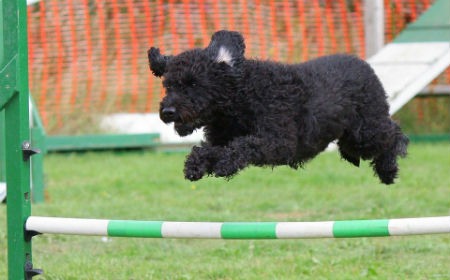
Like humans, dogs also need constant exercise to stay well physically and, in many cases, mentally. The presence of physical activity means that animals can not only acquire good health conditions, but also remain balanced in terms of their behavior, which makes this aspect a very important characteristic in the life of both the canine and its owner to the point of there being a sports routine that requires the participation of both to perform properly. This sport is known worldwide as Agility. A canine sport that requires coordination, attention and discipline but, above all, a lot of connection between the dog and its owner to be carried out effectively. It combines fun, entertainment, commitment and responsibility, the latter if it is a higher competition. With its origin in the United Kingdom, "Agility" was the term used by the British in 1977 to define what, some time later, would become one of the most popular dog sports in the world. And it is not only taken as a simple competition, but is also part of the daily life of a pet and its trainer as it is an excellent tool for canine education. But what does it consist of? Is it for all pets? What are its benefits? These questions will be answered below. If you do not know this sporting discipline for your pet, do not stop reading this information and start practicing this sport now. What is Agility? Agility is a modalidad deportiva que implica la participación del perro acompañado de su dueño. Without a doubt, this is the most distinctive feature of this competition. It essentially consists of the dog, without a leash and in the shortest amount of time possible, managing to overcome an entire circuit of obstacles only with the indication of its owner, who will accompany it throughout the entire route, guiding it with his voice. Although it may seem simple, the popularity of this sport is mainly due to the challenge that it constitutes for both the dog, its owner and trainer, to reach the goal overcoming obstacles and the time of other canines, without committing infractions. More and more people with pets are starting to practice this sport, due to the multiple benefits obtained thanks to this training, which mainly requires good physical condition and a very close relationship between the dog and its owner. That is why, outside of the competitive level, Agility is also an exceptional sport to practice at home, as it not only keeps your dog healthy, but also contributes to its behavior by promoting other areas such as education, obedience and attention. What breeds can practice it? Generally, Agility competition has three categories: large, medium and small. That is to say, that It is a sport available for any dog breed, since the circuits are adapted to the mentioned categories, taking into account the height at the withers of the canine, making the competition fair. It is important to note that, to participate in official competitions, dogs must be registered in a club in this modality. Generally, the dog being active and sociable is a sufficient requirement to begin the dog's participation in Agility. However, characteristics such as the size or age of the puppy can influence its action in competitions in many cases. However, the practice of Agility as a method to maintain canine health and, in addition, carry out activities with the dog, either at home or in a special center for this practice, is becoming increasingly common and beneficial for both the dog and the owner. What are its benefits? Although it is a modality practiced for a long time, its benefits never cease to surprise, as they evidently go beyond being a simple dog sport, to become a fun and healthy practice for the life of the dog and its best friend, man. The advantages of practicing this sport are becoming more and more notable. Below we will mention the most notable ones: Improves the owner-pet relationship If there is something to highlight about this practice, it is the connection that must exist between the dog and its owner to properly execute the circuits in the shortest possible time and without errors, only following the instructions provided by your voice and gestures. The strengthening of this relationship is increasingly seen in constant practices and is maintained outside of practice, as the canine trusts its master's instinct and lets itself be guided by it. While the master trusts in his pet's abilities. Helps emotional balance The emotional balance of both (dog and owner) is greatly influenced by the practice of this sport that requires movement, attention, and great agility. While they deal with overcoming obstacles, they release the tension of a bad day, for example. While the dog, if it is a breed that requires a large amount of exercise, is kept under control thanks to Agility. Mutual training Another of the indisputable benefits of practicing Agility is that contributes to improving and maintaining the dog's physical condition and his master. Both will require an increasingly greater proportion of energy to overcome obstacles. While the dog runs quickly along the track, the owner must follow his rhythm to help overcome the next challenge, so they will be able to maintain a rhythm of exercises that is quite favorable for their health. Improves concentration Aspects such as improving the dog's concentration, discipline and obedience are another benefit. And the animal needs to remain calm, but at the same time very focused on the track, to properly listen to the voice of its owner while it guides you. This fact means that your sense of concentration, discipline and obedience are increasingly strengthened as you advance in Agility practices. It's fun for both of us Agility is not only demanding, fun is also present in this training system, especially for dogs that love to jump or always be active. They will enjoy running accompanied by their owners, while the latter entertain themselves non-stop giving directions and running alongside their best friend. For both of you, practicing Agility will be a real challenge, full of fun and guaranteed entertainment. ¿Cuando iniciarse en este deporte? Those who wish to practice this sport with their pet must take some aspects into account. Although outside of competitions all dogs can practice this sport on a daily basis, there are some essential characteristics for this. First of all, it is important that the dog has reached its full development to start this practice, because it requires physical effort and agility. Heavy dogs cannot practice this activity competitively, as they could be injured if the necessary precautions are not taken or if the subject is not known. On the other hand, before start Agility practices, it is advisable to start adequate training with the canine, where it is taught important aspects such as walking together, listening to commands, sitting, walking, lying down and common movements within the sport. Finally, establishing a relationship of trust and comfort between you and the dog while the training is carried out, considering as a first point the positive reinforcement, motivation and reward for the practices, will give very effective results that will be reflected in the canine's performance. Other interesting articles: How to train a puppy. My dog bites everything, learn to avoid it Dogs who are anxious about food: 10 tips for training them 6 tips to walk your dog correctly 10 basic commands that every dog should learn
Todo sobre la Etología Canina: ¿qué es y para qué sirve?

Our Blog

All about Canine Ethology: what is it and what is it for?

by Lobo Azul in Jan 14 2022
Most people love having a dog as a pet. However, it is important to be aware of the responsibility that comes with having a canine at home. You must feed it, care for it, give it love, attention, train it and educate it. It is also relevant to highlight that there are cases in which it is not so easy to train a dog and that it may have strange behaviors or behaviors. But you should not despair if this is your case. The good news is that you don't have to be alone in that process. We tell you that they exist doctors specializing in dog behavior. This branch of behavioral biology is called canine ethology. An ethologist is a veterinary specialist who treats the behavior, communication and needs of dogs. Origin of ethology The meaning of this science is literally “Science of habit” and, like all sciences, it also has an origin. Ethology is a branch of experimental psychology that analyzes the behavior of animals in their natural environment, unlike the behavioral one, which focuses its studies in laboratories or artificial media. At the beginning of the 20th century, comparative psychology originated, which studied the behavior and psychological abilities of animals. But it was in 1973 when ethology began to be considered as a proper science, thanks to the studies on animal behavior carried out by the scientists and brilliant ethologists Karl R. von Frisch, Konrad Lorenz, and Nikolaas Tinbergen. Research that in turn made them creditors of a Nobel Prize. From there, comparative psychology became an integral part of this new science. Also in Europe, animal behavior research was developed, highlighting field studies and instinctive behaviors, and in the United States, research was carried out. research on the animal behavior, this time in controlled media. This study focused on learned behaviors. From there behaviorism was born. Already previously, in 1951, Niko Tinbergen had published one of his studies known as “The Study of Instinct”, in which he raised the four questions on which this science is based: the causes, development or ontogenetic, the evolution and the phylogenetic. In that same study he shows the distinction between comparative psychology and ethology. Bases of ethology There are questions that ethologists ask themselves to analyze the different behaviors of animals, these are: Causes: A professional ethologist tries to rule out the direct cause that generates the animal's behavior, and they can be internal or external causes. Sustainable development: An attempt is made to analyze the behavior of the animal caused by previous situations. Evolution: This question attempts to answer the benefits that a certain behavior represents for an animal and what evolutionary advantages it implies for it to adopt it. Phylogenetic: In this aspect, we seek to discover when certain behaviors appeared, based on the evolutionary history of the animal and its species. Learned and innate behaviors: This science is also concerned with addressing the problem about the basis of behavior, whether it is merely genetic or comes from learned behaviors. Although there are conflicting opinions on the matter on the part of ethologists and scientists, they finally came to the conclusion that regardless of the origin, the behavior can be motivated by both reasons "it requires learning or innate knowledge for its correct development." Consciousness in animals: Scientists who are experts in the matter maintain that animals have high levels of consciousness, which is why this science has been concerned with demonstrating their existence. When to go to an ethologist Sometimes, human beings tend to make the mistake of believing that our beloved four-legged friends feel, think and reason like a human being and, therefore, we do not pay the necessary attention to understand what they really want. Therefore, when your dog needs it, it is advisable to seek the help of a specialist to guide you to understand what your faithful friend really means. The reasons why a dog manifests problematic behaviors They are varied. They usually originate from poor upbringing, lack of socialization, or wrong methods of punishment including aggression. For these reasons, a dog can adopt inappropriate behaviors such as fear, problems with other dogs, phobias, eating disorders, hyperactivity, anxiety, stress and even aggression. However, there may be cases in which These behaviors can be manifested by natural mental problems. In any of these situations you should go and request the help of an ethologist. The specialist will diagnose the dog's behavior to rule out possible causes and prescribe the appropriate treatment. An important aspect that you should keep in mind is that the specialist must work personally with the dog and, generally, in its natural environment, which in the case of domestic canines is the home in which they live. This is the only way to correctly diagnose the animal. Therefore, you must be attentive and not be fooled by anyone who offers you their services remotely. On the other hand, it is important to emphasize that certain situations of bad behavior can be avoided if you properly educate your pet and provide it with the necessary attention and care. How to select a good ethologist If you want your canine to learn to live in an orderly and balanced manner, both with humans and other animals, then you must know the importance of clinical ethology and its need in an environment where people and animals coexist. You should always be aware of certain aspects when choosing a ethology professional to treat your beloved and faithful friend. For example, if you have a valid title in the place where you practice your profession, you should not be charged in advance for the treatment; they normally offer you a quote according to the dog's clinical case; and, very important, you must investigate the praxis which is used for diagnosis and cure. In no case should you use any form of aggression, punishment or torture towards the defenseless animal. Other curiosities that may interest you: The best mobile apps for dogs The most popular dog breeds in the world Why do dogs howl? 6 tips to walk your dog correctly. Toxic food for dogs.
Yorkshire terrier: Una gran personalidad en un cuerpo diminuto

Our Blog

Yorkshire terrier: A big personality in a tiny body

by Lobo Azul in Jan 13 2022
When it comes to small pets, there are various breeds that could complicate choosing an appropriate one. However, differences in character and other aspects can greatly facilitate this decision, even more so if you are looking for an extroverted and loving dog, such as the yorkshire terrier. Size: Small. Weight: Between 1.5 and 4kg. hair type: Fine, smooth, long and shiny. Character: Cheerful, restless, brave and brave. Health: Good health. Life expectancy: Around 15 years old. A dog that has a great personality in a tiny body, but with notable physical characteristics, especially for its delicate coat. These dogs make excellent domestic pets, since their company will be based on love, sweetness and a lot of fun. Energetic and with notable dexterity, this is how they are characterized, although this does not mean they stop being refined dogs that require abundant care. Therefore, it is necessary to have all the information possible about this breed before considering its adoption. Thinking about this, we have developed an article dedicated to this terrier: its history, its temperament, its health, its education and, above all, the care that these little friends need. We will detail all of this below to help you know if a specimen of this breed can become your new best canine friend. Origin of Yorkshire There are currently different theories about the history of the Yorkshire terrier, which may be really valid. However, the most specific thing that is known about this breed is that it comes from the Victorian era, from a place called Yorkshire, England. Hence the characteristic name of these dogs. Their offspring are closely linked to other Terriers such as the Maltese Bichon and the Clydesdale Terrier, a now extinct breed.. However, the exact origin of the Yorkie remains a mystery, although several theories that have individual credibility have focused on this topic. One of the most accepted is that These dogs were bred in the north of England, where urban workers could not adopt large dogs as pets, but wanted a small canine with great energy and personality, characteristics that this breed appropriately has. On the other hand, it has also been highlighted that the creation of these dogs was due to the need for a small hunter for rodents that invaded the galleries at that time, in addition to sneaking into the burrows to capture badgers and foxes. Another theory is that Scottish workers started this breed. However, the validity of this has not been established. What is really a fact is that the first Yorkshires were larger than the current ones and, furthermore, that their recognition spread considerably once the appearance of the current species was achieved. Its appearance outside England occurred in the mid-19th century, when it began to become popular in exhibitions held in the United States. From there his presence has been highlighted in different spaces, standing out for being a spoiled dog and unmatched companion. Physical appearance of the Yorkie The physical characteristics of this small terrier They are a theme that has made it stand out among many other races. It is a really compact, small animal, with a fine body with a distinguished appearance but very well formed, strong and muscular.. Perfectly suited to his energetic attitude. These dogs have distinctive aspects that identify them and attract them due to their beauty, especially if we talk about their coat. However, these attributes will depend on the care given to them. Let's learn a little more about the appearance of the Yorkie terrier. Size and weight It is one of the smallest breeds that has ever existed. Its height does not exceed 14 and even 17 centimeters at the withers. Being slightly longer than tall. On the other hand, its weight is also light, averaging a maximum of 4 kilos. head Like their body, the head of these dogs is small, covered by a smooth and elongated canvas. A tiny face, harmonious with its build, which gives it a certain touch of delicacy. It has a medium-sized snout, and its nose, normally black, is also medium and rounded. Their eyes are circular, large and round, generally black. While their ears are set high, short and in the shape of triangles, they are perfectly erect. Queue Set high, elongated, fine and also covered by extensive fur, characteristic of the breed. Fur If there is something that differentiates the Yorkshire terrier, it is its fine, smooth, long and shiny coat. Slightly abundant, even more noticeable on his head, giving him an appearance of tenderness and fun. The accepted colors for this breed are steel blue, on its body and tail, while the rest is brown. Yorkshire Temperament The small and delicate physical appearance of this breed can make one mistakenly think that it is a docile and calm animal, when in reality the opposite is true. The Yorkshire has an energetic personality, happy, dynamic and above all very restless, which in some cases is difficult to control. This is a remarkably spoiled dog, not only in the care it needs for its appearance, but also in pampering and emotional attention. Ultimately, these dogs are intended for people willing to pamper them and dedicate a lot of their time to them, otherwise they may suffer from anxiety, feel lonely, and develop behavioral problems such as being destructive and barking excessively. An innate quality of these dogs is the ability to perceive the mood of their owners, especially those closest to them, and shower them with affection if they find them sad. He is also very strong, brave and brave, which is why he has been considered an excellent guard dog, despite his tiny size. Although It is a dog accustomed to pampering and attention, Living in homes with children is usually a delicate issue, as they are very susceptible to excessive play with the little ones. However, they are an inexhaustible source of energy, which will help in the education of children. What is indicated in these cases is to teach the little ones how to treat these dogs and constantly supervise the games between them, in this way, there will be no problem. Meanwhile, coexistence with other animals is usually not very good, because these are dogs with a strong sense of ownership and do not like to constantly share their territory. This situation can be adequately treated with early socialization. Furthermore, These dogs have great adaptability, either to open spaces like the countryside or to life in the city. The important thing is the amount of attention they receive from their owners. They are very intelligent, confident and independent, so training will not be difficult if the appropriate measures are taken. The owner, however, must know about the canine, to know how to carry out this process. One of the aspects in which he can be the most stubborn is in learning to relieve himself outside the home. Training As said a little above, Yorkshires are very intelligent and attentive dogs., so the process of your education will not be complex. However, it is important to know the breed well to provide training that is truly in line with its personality. First of all, Socialization must be highlighted as a starting point for training, because these dogs are not usually very friendly in the presence of other animals.. Starting with this point and at an early age will allow the dog to acquire a friendlier orientation and get used to its environment, people and animals around it easily. It is important to be constant and patient in the education of this terrier, since there are aspects such as the place to relieve itself, which may take longer than others to learn. Basic commands are also very important, as they will allow the dog to establish limits on its behavior. In addition, it will prevent serious behavioral problems from developing. Applying positive reinforcement, motivation and, above all, showing yourself as a guide and leader to these dogs, without the need for abuse or shouting, will make the dog feel more comfortable and confident, greatly facilitating the learning process. Health This breed generally He enjoys very good health. Their life expectancy is around 15 years, also depending on the care provided. If there is something to highlight, it is that these dogs need permanent attention. However, despite their good physical condition, they can be affected by some diseases and conditions that alter their pace of life. First of all, althoughThey are very energetic and have a strong temperament, their body is quite fragile, that is, they can be easily hurt and suffer some trauma.. Therefore, care must be taken regarding the treatment given to these animals, even more so when they play with children at home. On the other hand, they are breeds that are not very tolerant of low temperatures; the cold can very frequently cause colds and even bronchitis, complicating the well-being of these canines. Yorkshire Care Although we have mentioned it throughout this article, this is It is a breed with a large number of demands when it comes to care., it's nothing else. It must be one of the dogs that demands the most attention from its owners, and it is truly a very special dog. Let's see what are the essential care you need: Food Obesity can be a common issue in these dogs if a proper eating process is not carried out. Even more so due to their short stature, care should be taken to maintain correct nutrition. To do this, consulting with the veterinarian about the appropriate feed, adjusted to their age and size, is ideal. A specific feed that provides adequate nutrients to the canine will keep it in perfect nutritional status. On the other hand, avoiding providing people food and other unnecessary treats is essential in the feeding process. Exercises Although They are not very athletic dogs, these dogs have incomparable energy, so they require a considerable amount of exercise time to manage this energy expenditure and maintain an adequate physical and emotional balance. At least two walks a day should be given to these dogs on a regular basis so that they remain well cared for. Hygiene Bathing, brushing, and eye and mouth care are essential for the good health of these dogs.. First of all, bathing should be frequent, at least once every two weeks, trying to use a specific shampoo and conditioners especially for dogs, to maintain the shine and straightness of their hair. Secondly, brushing, necessary at least three times a week to avoid the appearance of knots and incessant hair loss. It is important to use a quality brush, with adequate bristles that does not hurt the dog or its hair. If you do not know how to do it, it is recommended to go to a dog groomer to obtain correct information. For their part, these dogs are prone to the accumulation of lice, so constantly checking their eyes and cleaning them with a damp gauze, in a delicate and gentle way, is ideal to keep their eyes clean. In addition, oral health is of great importance, as you will avoid the presence of tartar and bacteria on your teeth if you brush properly. Honey If there is one aspect that cannot be ignored, it is the need for affection that these dogs present. It is essential that this is considered a basic aspect of care. The Yorkshire fully enjoys the company and attention of its people, so it should not be deprived of this. Medical checks Regular visits to the veterinarian, vaccination checks and deworming will help these dogs stay healthy and avoid the appearance of undesirable diseases. Conclusion A truly special dog, with a small appearance but with a huge personality, this is the Yorkshire Terrier. Lover of his family, loyal, protective, energetic and very delicate. It will fill your days with joy and, above all, with a lot of love. We must not forget that this is a dog that requires, in addition to a lot of care and dedication, constant and patient education to be able to behave appropriately. Finally, If you are looking for a loyal, active, tender companion that demands a lot of your time, without a doubt the Yorkshire terrier is the ideal dog for you.i. Learn more interesting dog breeds: Boston Terrier Pug French Bulldog Pomeranian Maltese Bichon Andalusian winemaker Scottish Terrier
Barbet ¿Conoces este perro? Te contamos todo sobre esta raza

Our Blog

Barbet Do you know this dog? We tell you everything about this breed

by Lobo Azul in Jan 13 2022
In some cases, the search for a pet is not only intended for company, but also for carrying out some activities or sports, such as hiking, swimming and even hunting or herding. That is why the choice of a dog can be conditioned according to its abilities, looking for it to have different qualities, as is the case of the Barbet. Size: Medium. Weight: Between 17 and 28kg. hair type: Abundant wavy hair Character: Loyal, friendly, affectionate and very fun. Health: Healthy Life expectancy: Between 13 and 15 years old. A breed recognized throughout its existence for its multiple abilities for the aforementioned contexts, this medium-sized dog has gained the fascination of many since its origins. Characterized by a notable beard that covers his chin and gives meaning to the name of the breed, he is classified as one of the oldest dogs in canine history, despite being in recurring danger of extinction.. A truly very complete and familiar dog, whose well-being will also depend on the care of its owners. That is why knowing everything about this breed is essential before deciding to adopt it. For this reason, we have prepared the following article where we will develop each aspect of the Barbet's life, learn what you need from these canines and discover if it is the ideal companion for you. Origin of Barbet The history of Barbet is not particularly clear, due to the existence of different theories. However, the one that gains the greatest strength is that of the beginnings of the breed in France, where it was used as a hunting dog in rivers and swampsIn this way, he was adopted as a French water dog to identify him. A truly ancient breed, since the first publications about these dogs were established around the 16th century. Likewise, around the year 1837, there were some records that identified him, although not yet with his current name. The popularity that this breed was gaining due to its skills as a hunter in aquatic spaces never ceased to surprise, to the point that royalty made it part of their family when King Henry IV adopted a specimen. Although in the 1700s the dog continued with great popularity as an excellent companion on boats and also an ideal companion pet, it was not until 1880 when it was recognized with the name it currently has, which in French is the meaning of the word beard. After this event, paintings of these dogs began to appear, commonly next to swamps, in order to indicate the happiness that being submerged in water brought them, even when the temperatures were cold. Despite its popularity, after the Second World War, the Barbet was in clear danger of extinction, like many other breeds. However, those who know their abilities, in this case, three experts dedicated to the breeding of these dogs managed to keep the species alive. Although it was often confused with a poodle of French descent due to its appearance, These dogs received their own international recognition. In 2005 he was recognized by the United Kennel Club. While the International Cynological Federation approved it in 1954, its official standard was published in 2006. Today, they are recognized in an extraordinary way, because although they have unmatched qualities, they are not as common as before the Second World War. It is worth highlighting the value given to them as excellent swimmers, hunters, herding dogs and even companion dogs. Physical characteristics The physical appearance of this French spaniel He stands out for being athletic, medium-sized and well-built. Muscular, but also covered in hair that provides greater volume to its original build. It has strong and thick limbs that provide it with great skill and presence, in addition to a muscular and broad build. Let's know in detail the physical characteristics of the Barbet. Size and weight The height of this breed will depend on its gender. What they have in common is that they both have a slightly longer body than they are tall. In the case of males, Their height averages between 55 and 65 centimeters, while the females are smaller, standing between 53 and 61 cm.. In relation to weight, these dogs can average between 17 and up to 28 kilograms, regardless of sex. head and face Depending on your height and build, The head of these spaniels is proportionally large, round and noticeably wide. It is covered by abundant wavy hair, which with effort allows its black or brown nose to be identified, depending on the color of the coat. His eyes are rounded, medium, also of similar colors to the nose. It has quite thick lips, brown or black on the edges.. A curious beard falls on his chin, giving meaning to the name of the breed and being a distinctive aspect of them. The ears of these dogs are long, thin, set low and flattened. Queue The tail of these dogs is set slightly high, has no curvature and is delicately raised. Fur The Barbet's coat is, without a doubt, one of its greatest attributes. They have a dense, thick, abundant and wavy canvas throughout their body. Also appearing, a type of longer locks. Its essential characteristic is that it is prepared to withstand very low temperatures without being cold, so you can enjoy being submerged in water or mud at all times without problems. However, The care it requires is notable, due to the presence of knots and abundant dirt on it.. Later we will explain how to maintain the hygiene of these canines. As for colors, the Barbet has unicolor specimens in chestnut, black, gray and fawn. In other cases, white spots may appear in any of the aforementioned colors. Temperament As if their athletic abilities were not enough, the Barbet's character makes these dogs more charming. They are loyal, friendly, affectionate and very fun animals, aspects that make it an excellent pet. He really enjoys spending time with his family, he is very playful and happy. Although they tend to be a little clumsy, these dogs have an obedient and very docile temperament. Worthy animals bred for huntingThey also have a very energetic spirit, they are always attentive and very active., so they require a considerable amount of exercise to stay balanced and not overflow energy into destructive behaviors. Regarding coexistence with other animals, these dogs adapt very easily to the presence of other dogs or any other pet, so it will not be a problem to share the space with other species. Living with other people is just as simple, they are very spontaneous and trusting animals that will have fun playing with all members of the family, especially with children.. However, in the case of the latter, you must be careful because they are medium and strong dogs, it is advisable to supervise to avoid incidents. Generally, these dogs They do not have behavioral problems, unless they are alone for a long time and without physical activity, who could suffer anxiety or become destructive, everything will depend on the attention provided. Activities such as Agility or swimming are widely recommended for this breed, they will enjoy them to the fullest and will also practice obedience and spend time with their owner.. Generally, they are dogs accustomed to life outdoors, that is, staying in the countryside is ideal for them. However, with proper training and a correct physical activity routine you can easily adapt to urban life. Education and training The Barbet is characterized by being an intelligent, attentive and, above all, obedient dog. That is to say, their training will be not only simple, but also fun, although this does not mean that it should not be constant and disciplined. This is a breed that will not cause problems in learning commands or tricks. However, maintaining adequate order in your education will lay the foundations for your behavior as an adult. For this reason, it is important to start at least 4 weeks after birth with topics such as socialization and then, according to their development, progress in learning commands and tricks. If there is something that should not be forgotten, it is the imperative need for adequate and regular training to prevent destructive behaviors from developing. Well, he needs, with great care, an abundant amount of exercises to help him maintain adequate balance. It is a cooperative and docile pet, which does not require an authoritarian or experienced owner.or. However, it does not respond to shouting or abuse; on the contrary, it can react unfavorably. Considering positive reinforcement as a fundamental technique in all training will foster a relationship of trust between the canine and its owner, in this way the training will be more comfortable and bearable. Health The Barbet, in general, enjoys very good health. Their life expectancy can average between 13 and 15 years, depending on their quality of life. Although the rarity of its existence has prevented more data from being acquired about diseases specific to the breed. However, we will present some of the most common pathologies that these dogs have come to present and that, due to their size, are constantly associated with them: Otitis Because they are aquatic hunting dogs, they are widely exposed to ear infections. This is very common, and although it is difficult to avoid it, in some cases, constant checking of the ears will help in this matter. In addition to a deep cleaning every time the canine gets wet. Hernias The appearance of umbilical, inguinal, perianal and diaphragmatic hernias can appear in this breed and cause discomfort and even pain in some cases. Epilepsy In some cases, these dogs can suffer epileptic seizures. Being a hereditary condition that affects your central nervous system. They are unexpected episodes in which the animal shows signs of a seizure. hip dysplasia This degenerative disease can progressively limit the mobility of these dogs. It is a multicausal pathology. It can be hereditary or generated by poor movement that causes wear and tear of the hip joints. The prevention of these pathologies, in most cases, will depend on the care and attention given to the dog. Care Although it is a healthy dog that is accustomed to rustic canine life, that is, it does not demand excessive care; It is important to know some important information that will ensure the quality of life of our French spaniel. Let's see what are the most necessary care that this breed needs: Exercises Without a doubt, regular exercise is what will keep this canine healthy, balanced and completely happy. At least a daily walk of one hour, combined with games and time to exercise, is ideal for this canine to maintain good health and good spirits.. Including sports, whether swimming or Agility for example, will be very beneficial for these dogs. Food He is a medium-sized dog, so he tends to eat abundantly. It is important to have adequate nutritional control with a veterinarian who can guide you about food proportions in order to avoid obesity or provide inappropriate food.. A quality feed, distributed in small portions throughout the day, could be very beneficial. Hygiene Bathing a Barbet is very important, especially if it is exposed to aquatic hunting activities or a life in the countryside, as this will prevent knots and dirt from adhering to its curly coat. It is important to apply at least a monthly bath. Cutting the coat is also necessary, at least every six months, to reduce between 8 and 12 centimeters of hair, to shape its body and also to avoid knots and shedding. Brushing is recommended to be done constantly, at least twice a week. However, after bathing, it is imperative to accompany it with a hair dryer so that you can cut correctly. Finally, hygiene should include constant and delicate nail cutting so as not to injure it. Veterinary checks Regular veterinary consultations, deworming and vaccination cannot be missed if you want to keep the Barbet in good health. Conclusion Although it is a rare dog due to its notable risk of extinction at one time, spaniels are unique and special animals. A combination of energy, obedience and fun is what characterizes this athletic and very active canine. Excellent daily companion, accustomed to fascinating sports such as swimming or work activities such as herding or hunting, this is a very complete dog, ideal as a pet. Full of intelligence, their training and maintenance do not require much effort, just adequate attention from their owners to enjoy this companion in good health permanently.. More curiosities about dogs: Samoyed Pastor Garafiano Schnauzer Belgian Shepherd border collie bull terrier english bulldog
Las mejores aplicaciones móviles para perros

Our Blog

The best mobile apps for dogs

by Lobo Azul in Jan 13 2022
Just as the dog became man's best friend, dizzying technological advances have also occupied an essential place in the daily lives of all individuals. Both in the work and personal areas, technology is present daily to contribute to the development of society and to facilitate different aspects of a person's life, such as having a pet. Nowadays, having a dog is very common, which is why, along with this fact, countless mobile applications have been created that facilitate everything from choosing a new pet to the care that must be provided to guarantee its quality of life. Available for both Android and iOS, the technological platforms designed for our dogs allow us to rigorously control their eating habits, health habits, walks, and even find a partner for them. Still don't know any of these applications? Do you want to adopt a dog and don't know where to look? Below we will leave you a small list of the best mobile applications to help you select and care for your best canine friend. Do you want to adopt? If you don't have a dog yet, but are eager to find the right one for you, there are apps that can help you with this task. Among them, the most popular are: Miwuki If you are considering adopt a new petWhether it's a dog, a cat, or any other option, Miwuki is the most outstanding application on this topic. It offers around 300 shelters and associations, where there are more than 90 thousand animals waiting to be adopted and start a new life full of family love. It has two ways of functioning: Miwuki Pet Shelter The mobile platform through which the pet selection and adoption process directly. It has photographs and descriptions so that users can meet their best friend. Miwuki Pet Center This part of the application is focused on the management and guidance related to the animal adoption and rescue process from the application. One of the most useful applications available for Android devices. Don't miss the opportunity to be part of the Miwuki family and save any of the protected animals. AdoptMe Available for Android and iOS totally free. The AdoptMe project works for the purposes of promote the adoption of different pets and also raise awareness in the population to reduce animal abandonment. It has one of the most complete applications focused on this topic and the procedure is completely free. Care If you already have your best canine friend, but you can't organize the care and attention it needs, using the following mobile applications can help you remember every aspect of your pet's life. 11pets Yes of care of our pet It is about elements such as your diet, hygiene and medical check-ups, which are the most important thing. However, among everyday occupations, some of these may be overlooked. To prevent this from happening there are applications like 11pets. This technology tool available on Android and iOS mobile phones has revolutionized the care of our dog, as it allows us to record every aspect related to it. Vaccinations, deworming, food or games are some of the reminders that can be placed in this new app, which is also kept permanently updated with really useful tips for canine lovers. Dog Health Another of the Useful alternatives for the care of our canine It's Dog Health. This application allows you to record all the important events in your dog's life such as birthday, height and weight. Medical check-ups, vaccinations, deworming, as well as events such as surgeries or other aspects can be kept recorded in this app available for Android. In addition, it allows you to register more than one canine with the pro version, and maintain contact with different veterinarians. Sports Because sports activities are essential for your dog's good health, you must include this aspect in his life. If you don't know how to do it, there are also mobile applications that will tell you what you need to know: Doge Do you want train your dog and you don't know how to start? Dogo is the mobile application you need. It has around 600 workouts that you and your friend can do. You will find training instructions, sports routines and tricks just by downloading the app on your Android or iOS device. You don't need to be an expert, just receive the instructions that the application offers you and you can start the training. Furthermore, it offers you the possibility of interact directly with experts in case of any doubt. Dog Walk If you are one of those who go hiking with your pet, this app will be really useful for you. Record not only the walks you take with your dog, but also the route, time and distance traveled. As if that were not enough, the places where your dog relieves itself will also be registered in this application, so that you can know your dog's favorite spaces for doing so. where to go If what you need is to know places where you can go with your pet without problems, this application will give you all the information you need. Pets welcome If you want to rest with your pet in a good cafe or restaurant, but you don't know the places pet friendly of your area, the Pets Welcome app will facilitate this situation. This useful and innovative mobile application will tell you which are the most appropriate places where you can enjoy a good meal, a coffee or a bar in the company of your canine. It is totally free and will help you make all the plans you want including your pet. To socialize If what you are looking for is to encourage coexistence between pets, applications for this also exist. Not only humans can find a space to make new friends, dogs have it too: matchdog An app that has gained the popularity of more than 15 thousand registered users is Matchdog. Considered the Tinder for dogs, this application allows you to select the ideal partner for your dog. Just by downloading the application on your mobile device and completing the registration with information about your canine, you will be able to interact with Matchdog users and get to know each other, this way you can help your pet find its right partner. Summing up As we have observed, there are a large number of applications that can be very useful when adopting and even taking care of the well-being of our puppies. Download the one you need and enjoy a happy and healthy pet. We also suggest: The most popular dog breeds in the world. Why do dogs howl? Why do dogs hide or bury food? The best dog breeds for children.  
Mastín Inglés -Te contamos todo sobre este gran perro

Our Blog

English Mastiff -We tell you everything about this great dog

by Lobo Azul in Jan 13 2022
Yes of big dogs it is about, the English Mastiff It is considered one of the largest breeds in the world. Not only because of its size, but also because of its surprising weight, up to 100 kilograms, which it can easily reach. Size: Giants. Weight: Between 80 and 100kg. hair type: Short, rough and smooth. CharacterA: Tender, peaceful and balanced Health: Healthy Life expectancy: Between 12 and 15 years. But appearance is not the only thing that this canine stands out for, in addition to being a very old and recognized breed, it has a personality that leaves you amazed. A calm, docile, tender dog, and above all a lover of his family, is what characterizes this beautiful breed. His company and loyalty will not be lacking at any time if you decide to have him as a pet. It is also considered an excellent protector. Are you looking for a huge dog with a unique personality? This breed can be the perfect option to be the new member of the family. But before adopting him, it is necessary to know some aspects of your life. That is why, in this article, we tell you everything you need to know about the breed. Care, health, characteristics and even its origin. Find out if the English Mastiff is the ideal companion for you! Origin of the English Mastiff As mentioned at the beginning, the history of the English Mastiff, shows that it is one of the oldest breeds in the world. It is presumed that his descendants are closely related to the Tibetan mastiff, existing in the 6th century, in the United Kingdom, where Phoenician traders brought it. By then, the function of these animals was combat due to their prominent size and incomparable strength, having to face ferocious animals such as bears, bulls and lions in the Roman circus. In addition to use in fighting, the Romans used this canine as a protector of flocks and other goods, bodyguards and later they were used as companions, gaining greater acceptance and popularity in the homes of Great Britain. Although it was gaining recognition, it was one of the breeds that was in serious danger of extinction after World War II. The remaining specimens were almost on the verge of disappearance. However, the transfer of these dogs to Canada and the United States prevented the total disappearance of the breed. The first specimen was taken to North America in 1620., but its official recognition took place in the 19th century. This allowed the breed to gain greater preference in society. Today, although it is not a common dog, it is a known breed, especially for its size and personality, which have made it an exceptional companion if what you are looking for is the company and tranquility that they can offer. Physical characteristics If it is about presence, the physical appearance of the English Mastiff makes it a very imposing breed, for a reason it is considered one of the largest breeds in the world. We are talking about a dog of formidable size and weight, with a well-proportioned build that denotes the great strength that characterizes it. Its voluminous body is usually rectangular, appearing longer than wide. It has well-formed limbs. Let's see more physical characteristics that define this dog: Weight and size If there is one aspect that stands out in these canines, it is, without a doubt, their weight. The English Mastiff can reach up to 100 kilograms, more frequent in the case of males. While females are usually between 80 and 90 kilos. This allows him to be a formidable dog with great strength. Their height is another issue to highlight, since the males are on average 70 or 80 centimeters high. Meanwhile, the females of this breed can subtract a few centimeters, but not many, from their height. These dimensions allow us to demonstrate the type of specimens that this type of breed offers, since due to this, it has great strength, becoming the dog with the greatest amount of body mass that has existed until now. head and face Like the rest of your body, head of the English Mastiff is also prominent. Square in appearance and noticeably wide, the skull of these dogs is notable. It has a slightly protruding snout, but enough to show its well-formed jaw, which denotes a bite with great strength. It has a medium-sized, black nose. Like his eyes, small in size and rounded in shape, which present a touching look.. Their ears, on the other hand, are set low, long and hanging down to their mouth. Another characteristic detail of the breed is the presence of a black spot that covers a large part of its face. Queue It has an elongated tail, set high. It is characterized by being notable, thickened at the origin and progressively narrowing until it reaches the tip. Fur A short coat, practically attached to the body, rough, smooth and fine is what defines the appearance of these dogs. Therefore, the care they require is not excessive in this regard. In relation to colors, specimens can be presented, peach, beige, cinnamon, brown, fawn and, in some cases, with spots on some parts of their body. Temperament When seeing the breed for the first time, you may think that it is an aggressive animal or with a complicated character, when in reality it is quite the opposite. Although it may not seem to go with its heavy appearance, The English Mastiff is an enormously charming dog. His temperament stands out for being tender, peaceful, balanced and above all loving., which accredits it as an excellent companion animal. Its strength is used to protect its loved ones, as it will not hesitate for a second to defend itself if it perceives that its owner or his family is in danger. He is a pleasant dog, although when faced with strangers he may feel a little distrustful at first, until his owner lets him know that he is someone he trusts. Regarding coexistence, These dogs have no problems in this regard, they love spending time with their family. Greatly enjoy outdoor games and activities. With the little ones in the house he is a playful, friendly and very patient dog. However, supervision is always necessary, because it is a very strong and large specimen. On the other hand, they socialize very well with other animals, although this aspect must be strengthened from an early age. It should be noted that these dogs tend to be unintelligent, so they generally let themselves be carried away by their instincts to act. It is important to have the time and patience to train them, so that they can become balanced pets. In relation to behavioral problems usually have none. However, prolonged loneliness and confinement can affect them like other breeds, causing aggression and even destructive behavior. Due to its large size, They require a considerable amount of exercise and, above all, space. Although they adapt to any place to live, if it is an apartment, they require very frequent walks and a lot of exercise to maintain their physical and mental well-being. Training The education of the English Mastiff It must be based on patience and perseverance, since these are dogs that are guided by their instincts, as we mentioned before. It is for this reason that we consider it advisable to begin, little by little, training in the first weeks of life, in order to form their behavior from a puppy. Firstly, it must be considered as an elementary aspect within education. socializationIn this way, the dog will learn to behave with other people, especially children, and also with other animals. Teaching commands should be a little slower than in other breeds, since they are canines that do not learn these aspects easily. It is important to repetitively apply positive reinforcement, in this way more effective results can be achieved., making the dog feel comfortable, safe and trust its owner or the person who trains it. Although no experience is needed to train it, the education of these specimens is a progressive process and it is not surprising that it takes a little longer than usual. This does not mean, however, that he will not learn any commands, but rather that he will do so slowly, as he takes his time learning lessons. Once you have taught him basic things like sitting, walking together or lying down, among other things, you can start teaching him some tricks for family entertainment, especially for children. Health The English Mastiff is considered a healthy breed. Their life expectancy is between approximately 12 and 15 years. But this will depend on the attention and care offered by its owner, which we will talk about below. However, like most large breeds, these dogs are prone to some diseases, such as obesity. Also, hip and elbow dysplasia are common in large breeds. In addition, deterioration of the paw pads is also common due to the weight they support. Added to the list are stomach and visual disorders such as gastric torsion and progressive retinal wear, respectively. Medical check-ups and appropriate care can prevent the appearance of some of these conditions in a timely manner and ensure the quality of life of our pet. Care Although they are a large, strong and generally healthy breed, they require some special attention to remain in an adequate state of health. Although aspects such as hygiene do not require a great amount of effort on the part of their caregivers, specific details such as exercises or nutrition must be rigorously controlled. Let's look in more depth at what care this breed requires: Exercises and nutrition If there is one aspect in this dog's life that should not go unnoticed, it is feeding. It is necessary to properly control the food intake of these canines, since they can easily become obese. According to its development, the veterinarian must indicate the amount of food it should eat and the frequency. What is necessary is a quality feed that provides the necessary nutrients for its well-being. In addition, diet must be complemented with exercise routines. Daily practice of some sport and long walks, among others, should be included in our dog's daily life. Walks of at least half an hour, twice a day, are very opportune and contribute to your health. Also, make sure you have a large space where he can move around calmly, remember that his size demands it. Hygiene Although it does not require excessive care when it comes to bathing, oral hygiene does require constant attention, since it is an animal with a tendency to drool frequently. Regular check-ups and brushing your teeth once a week will be enough to keep you well cared for. On the other hand, in relation to bathing, it is necessary to carry it out at least once a month or when the coat of this canine is really dirty. Company and affection They are large dogs, but they also require attention, affection and company from their owners. Otherwise they may suffer from abandonment anxiety and trigger negative behaviors. Consider if you have adequate time to fill him with love and enjoy his company for a good part of the day. Medical checks For correct deworming and vaccination, it is best to have a regular medical check-up by a veterinarian. In addition, this way you can avoid some of the diseases that can affect the breed. Remember that the veterinarian will be the one who best guides you on how to care for your pet. Conclusion As large in size as it is tender and loyal, the English Mastiff is a pet without equal. A dog with a noble and adorable attitude, but also protective and playful, its personality is the greatest attribute of this breed. An unmatched life companion who will give you moments of fun and entertainment, but who will also enjoy your presence and attention on all occasions. Willing to receive your care, you must consider every aspect before adopting it and, if necessary, seek the guidance of specialists to ensure that you offer the best life to your furry friend and that they can grow up happy, full of love and with an adequate quality of life. If you know how to take care of him, you will be able to extend his life expectancy and count on his love for a long time. Meet other giant dog breeds: spanish mastiff Leonberger Irish Wolfhound Newfoundland bullmastiff Tibetan Mastiff Italian Mastiff
5 pautas de alimentación saludable para tu perro

Our Blog

5 healthy eating guidelines for your dog

by Lobo Azul in Jan 13 2022
The feeding our dogs It will always be a topic of great relevance. The well-being of each pet will largely depend on this aspect. Therefore, taking care of what you eat, when you eat, and how many times you eat will be essential to ensure that you maintain an adequate balance in your health. In general, pet owners tend to share their food with their canines, a situation that is not recommended. It also happens that they provide the dog with a type of food that is not recommended or of low quality feed, which does not contribute to a healthy diet. It is important to always consider that every aspect of canine nutrition is covered, so that the dog receives, at all times, the necessary nutrients to maintain an adequate state of health. But how to feed the dog correctly? In the following article we tell you 5 guidelines especially aimed at your dog's healthy diet. Don't stop reading this important information. Discover simple and efficient steps to improve your dog's nutrition. Provides food according to your needs When it comes to food, there are different aspects that define the type of food we should give our pets. The age and size of the canine will always be relevant when providing any feed. In the puppy stage and in youth, dogs need a greater amount of energy and protein, these aspects must be supplied through feed. It is necessary that dogs, through adequate nutrition, receive the precise amount of nutrients. In relation to size, the growth of a dog varies according to the breed and, based on this, the diet will also vary. Our pet's nutritional needs will vary depending on its breed and the growth process. of this.   It is also important to highlight that there are different types of feed on the market, with special characteristics to contribute to the nutrition, growth and specific well-being of our pets. Furthermore, it is important to consider the exercise factor in our dogs' diets, since a canine that has an active exercise routine must receive nutrition that provides it with a greater amount of energy and keeps it strong. In these cases, the feed and all the food that the dog receives daily must be indicated for this purpose. Control portions properly If there is a common problem in the lives of canines, it is obesity. This condition frequently occurs due to having an incorrect type of diet, almost always from providing food in an exaggerated manner and a large number of times a day. Canine obesity occurs when the animal is fed more times than its body, size, age and breed require. In addition to this, if the feed provided does not meet the nutritional needs, the risk of the dog being affected by excessive fatness will be much greater. Although obesity is not considered a serious problem by most people, the health problems that it can cause to dogs are abundant. From limiting your movement, to heart and bone diseases and even death.   A positive aspect is that overweight can be avoided in different ways. The main thing is to feed the canine rigorously. Although there are human foods that can be shared with the dog, it is not always the most appropriate, as this contributes to its weight gain. It is important to avoid falling for canines' requests for food, since not only does it create a habit in the animal of making faces to ask for food, but it also causes the canine to not be satisfied with the portion of food provided and insist on receiving more. The best is control portions appropriately. To do this, it is important to get a feed that meets its nutritional needs and also provides what the dog truly requires to remain satisfied until receiving its next portion of food. Choose a good quality feed Seeking to economize when talking about dog food is one of the most common mistakes and one of the biggest risks that exist. We must remember that our canine's diet influences a large percentage of its health and well-being. For this reason, it is important that he maintain a medium-high level of quality in his diet. In general, feed with these characteristics is more expensive. However, this will ensure greater benefit to our pet. The best way to guarantee a balanced diet that in turn provides the canine with the nutritional needs it requires for its growth, is by providing it with a feed that meets all these characteristics of greater digestibility, a large amount of nutrients and energy contributions, among others. It must be considered that although feed with the aforementioned aspects usually costs more than a simple feed, the benefits it provides to our pet will be reflected in its behavior and even in its physical appearance, since a quality diet even influences the shine and condition of our friend's coat and skin. Another important detail is that quality feed not only benefits its diet, but also contributes to the dog's dental health. Generally, more expensive foods help prevent gum inflammation and gingivitis. These reasons are more than enough to provide an adequate and quality diet in the life of your canine friend. Remember that our pets deserve the best and one way to ensure their well-being and health is by providing them with a large amount of love and good nutrition. Don't feed him outside of time One of the main causes of obesity and overweight in our pets is feeding them outside of their normal time. Our dogs are naturally olfactory, when they perceive the smell of a pleasant food, they will want to receive some and will insist until they get it. This fact can be repeated frequently, but instead of doing our pet a favor, what is being caused is that there is a notable lack of control in its diet, to the point of becoming overweight. If we want our pet to be adequately fed, it is important Do not provide food outside of normal hours. In addition, it is necessary to avoid giving more than your share at the correct time.   Although it is difficult to resist the tender look of our dog asking you to share your meals, you should ignore his request and get his attention seriously, so that he understands that he should not ask for your food. With this, you will not only get your pet to stop the bad habit of asking for food, but you will also be able to have a healthy and balanced diet. Also, don't forget to keep your food out of your pet's reach, because if it were to consume the wrong food, it could trigger an allergy or a severe gastric condition. The best option will be to avoid snacking between meals and thus keep our dog healthy and strong. Discuss your canine's diet with the veterinarian. Although there are aspects known to anyone in relation to feeding a canine, it is best for the veterinarian to guide you about what foods are appropriate for our pets and in what quantity. It is important that every aspect related to our pet's diet and feeding be previously advised by the specialist. In this way it will be carried out in the most correct way possible and the well-being of the dog will be guaranteed. If you intend to change any detail in your pet's nutrition, be it the feed, the schedules or the food rations you provide, it is necessary to consult directly with the veterinarian first. This is essential. Your dog's doctor is the one who will determine what the process will be to make any changes to his diet. In addition, he or she will be able to advise you about the reactions that these changes may have in the dog and will also prepare you to act favorably in the face of it. In cases where canines have special dietary needs, whether due to some health condition or another aspect, the specialist's guidance should be essential, because they will provide information about what the canine can consume and in what quantity. Although simple, these five guidelines are essential to carry out a healthy diet for your dog. Each of these aspects will help you have a healthy, strong and happy pet. Check out more tips on dog feeding: Importance of proteins in the diet of dogs. How to know if the food you give your dog does not agree with him. Times a dog should eat. Can dogs eat fruit? Toxic food for dogs.
La importancia de las proteínas en la alimentación de nuestros perros

Our Blog

The importance of proteins in our dogs' diet

by Lobo Azul in Jan 12 2022
Dogs are carnivorous animals and for that reason their digestive system is prepared to receive and process high amounts of protein, which fulfills multiple functions within their body. to understand the importance of proteins in the lives of our pets It is necessary to know what they are for and why the body needs them for its proper functioning. Within the animal organism, proteins fulfill basic functions that can be classified into two types: Structural: are those proteins that make up bone and muscle tissues as well as hair and nails. Metabolic: are those proteins that have active participation in the physiology of the organism. This group includes enzymes and hormones that serve as catalysts of the metabolic process. Proteins perform vital functions within the body. These are structural components that are present in tendons, nails, ligaments, skin and hair. In addition, they are directly involved in the maintenance of muscle mass during all stages of canine life.  Proteins are considered all those substances that have direct participation in basic metabolic processes. There are hormones that are proteins and that perform transport functions, for example hemoglobin. In fact, the immune system itself is made up of proteins since antibodies, which are responsible for the body defending itself against diseases, are also protein molecules. In puppies, proteins allow tissues and muscles to be created and formed, therefore, a good amount of protein will help the puppy grow correctly, with health and strength. In adult dogs, proteins serve to maintain muscle mass, hair, skin, bones and maintain the correct functioning of vital systems. As dogs age, their protein needs decrease, but they remain equally necessary.  Dogs receive the necessary amount of protein they require directly from the food they consume, for this reason the diet must be adequate based on feed formulated to cover the nutritional needs corresponding to the stage of life in which the dog is, as well as its size, breed and general health. In contrast, When we feed our pet inadequately we can cause vitamin and protein deficiencies. which directly affects the dog's quality of life and accelerates the aging process and the possibility of degenerative diseases such as osteoporosis appearing. Importance of proteins from the canine diet The proteins that we provide to our pets through food are of vital importance, as they have the ability to provide them with the amount of essential amino acids they need to synthesize new proteins that will help them repair their tissues and maintain muscle mass in an optimal state.  The The quality of the proteins that the dog requires will depend directly on their digestibility.. Those that are digestible are those that contain essential amino acids that cover the animal's requirements, while those of low quality are difficult to digest and have a deficit of amino acids, so we need the former and we only get that in Premium quality foods. Proteins do not accumulate within the animal organism, the body is simply responsible for transporting it to the body tissues that require it and it is used by them, hence the bioavailability and value of the proteins that we provide to our pets is important, since their good health and quality of life depend on it. When the dog ingests excess protein, its body will get rid of it through urine. If excess protein lasts for a long time, it will begin to be stored as fat. So, if the dog is fed with little protein, the animal will show symptoms such as weakness, weight loss and its coat will become rough and dull. Finding the right protein balance Protein can be found in meats, dairy products and eggs and can even be found in some vegetables, grains and legumes. The dog's body does not have the capacity to store proteins as it does with fat and other nutrients, which is why protein has to be delivered daily in its diet and depending on the breed, age and health condition and the type of activities it does, it will have its own need to complete. For example, animals that have heavy work every day, such as guide dogs, hunting dogs, and rescue dogs, are all in constant activity and wear and tear, therefore they require a much greater amount of protein than a dog that leads a somewhat more sedentary life. Therefore, it is appropriate for dogs that perform demanding activities to be fed with feed with good energy and protein content.  The same occurs with pregnant and lactating dogs, which will require a higher nutritional and protein intake to satisfy their body's needs, as is the case with dogs that are injured, sick or in the process of recovery or convalescence, which require a greater amount of protein to recover satisfactorily. Now that we have learned the importance of our pet receiving a good protein intake in their diet, we need to learn to choose the right food and for this we need to look at the nutritional table that the feed bags have on the back. It shows the percentage of vitamins, minerals and proteins that the dog will be ingesting with each serving of food and depending on the ingredients involved in preparing the food, we can determine the quality of the protein that we are feeding our pet. Protein sources such as chicken, beef, ox, lamb and fish are preferable and in concentrations greater than 20%. Other articles that may interest you: Times a dog should eat. Food allergy symptoms in dogs. Can dogs eat fruit? German Shepherd Feeding. Toxic food for dogs.
Las razas de perros más populares en el mundo

Our Blog

The most popular dog breeds in the world

by Lobo Azul in Jan 12 2022
It's really hard to know how many dog breeds there is in the world, and of these, which are the most popular. The answers depend, in the first case, on the international institution that classifies dog breeds, since not all organizations accept all varieties of dogs as breeds. And in the second case, the popularity of dogs depends on the culture of a country, the tastes of the population and even the fame and characteristics of the animals themselves. So, if choosing a furry friend is going to be determined by their popularity, we will have to know a lot more about each breed. According to the International Cynological Federation there are 343 breeds of dogs in the world, other organizations count up to 800 breeds; The truth of the matter is that they are classified into groups according to their size, their function and their usefulness for human beings. In some countries the most popular dog breeds are: Siberian Husky: Popular for its strong muscles, its wolf-like appearance, the color of its eyes and its abundant fur. Of Russian origin, this is a noble animal with a docile character. golden retriever: It is a friendly, playful dog, with an abundant and silky coat. It is originally from the United Kingdom, serves as a companion for children and adults and has been used in the therapy of children with special abilities. Poodle or Poodle: It is very popular for its size and plush appearance, with silky, curled hair. It is docile and is classified in the group of companion dogs. Rottweiler: Historically it has performed various functions, from supporting the herding of sheep and goats, to helping in rescue situations, for blind people and loading and dragging merchandise. They are dogs that are strong in character and intimidate with their imposing body. They have a strength that sometimes overwhelms anyone who takes them out for a walk. Dalmatian: Its enormous intelligence and developed and sensitive sense of smell have made it popular among fire departments, especially for locating people when natural disasters such as earthquakes, tsunamis or landslides have occurred. They have a noble character and also owe their popularity to their incredible appearance: white fur with black specks. Boxer: It is popular in some parts of the world because they use it as a police dog due to its refined sense of smell. It has a stylized and muscular appearance, although it is a faithful and playful dog. Chihuahua: It is the smallest breed of dog in the world, which has undoubtedly made it very popular. This dog is so affectionate and faithful that he becomes the most jealous in the world with his master. Their high-pitched and loud barking scares away any intruders lurking around your room. english bulldog: This breed of dog is very popular because its appearance is truly curious, especially its face that is shown with an angry expression, although they are really docile and playful. Pug or Carlino: Originally from China, this breed of dog has become popular thanks to cinema, as it has appeared in several action films. It has a muscular body and round face, with large and expressive black eyes, short legs, and close, thick fur. They are noble, affectionate and faithful dogs. Labrador: These dogs are calm and very intelligent and intuitive, obedient, docile and affectionate. They are popular because they are good company for people of any age, and have been used by anti-drug security forces and to rescue missing people in tragic events. maltese dog: This is a small breed of dog, with white, silky fur. It has pendulous, hairy ears. He is in the group of lap dogs, companion dogs. They are friendly and playful. German Shepherd: It is another popular breed in the world. It is a robust and imposing-looking dog, which is why it is commonly used in security forces and in military operations. They are loyal pets to their masters. yorkshire terrier: It is a small dog, it can be carried in handbags. Their status as lapdogs is recent, as they were previously used as rat catchers in English factories and industries during the 19th century. border collie: It is a shepherd dog, it has an agile body, it has good physical resistance, it is faithful and has a reputation for being very intelligent. Samoyed: It is one of the most popular dog breeds in the world. Its abundant, white and silky fur is what attracts its admirers. It is elegant and strong, and in terms of its character, it is a friendly and cunning dog. Their fur requires special care since it is made up of two layers, an outer, rough and thick one, and a short, dense and soft inner one. Some rare breeds of great popularity: Tibetan Mastiff: They are large dogs, they can measure up to 80 centimeters and weigh more than 90 kilos. It has great muscles and its fur is incredibly thick, light brown, reddish or combined black and white. Shar Pei: It is another strange breed of dog. Its skin has very particular folds. It's like he's wearing a suit two sizes bigger than his body. They are tender, docile and serve as company. chow chow: This breed of dog is also native to China. They were used as hunters and guardians of flocks. They are calm dogs, although they are distrustful of unknown people, so it is common for them to attack unexpectedly. Its particular characteristic is its blue-black tongue. It has abundant fur and can be blue, gray, white, reddish, black or cream. Pekingese: This breed of dog is very popular due to its small size and thick coat. They serve as company but do not obey very easily. To make them obey you must be trained with patience and subtlety. Neapolitan Mastiff: This breed of dog was trained to fight bears, tigers and lions. They can be gray, black, bluish or fawn. It has a robust appearance and some specimens can weigh more than 90 kilos, in the case of males, but females can weigh up to 60 kilos.
Cómo educar a un cachorro

Our Blog

How to train a puppy

by Lobo Azul in Jan 11 2022
The arrival of a puppy at home is a moment of great joy, but we must remember that this new member requires care and will surely change the routine of the entire family. That is why in this post we will tell you how to train a puppy. Therefore, before adopting or buying one, you should be sure of your choice and, if you have any doubts, consult a veterinarian or a trainer for guidance. If you don't have the time or patience to train a puppy, simply don't adopt one. They demand a lot of attention, as they are in an exploratory phase and fight for their place within the hierarchy of their family. Adult dogs learn their place quickly and are calmer. From 50 days of life, The puppies can now be trained And although they learn at any age, starting training as soon as possible can avoid future behavioral problems. Soon your puppy will know what you expect from him and will avoid certain unwanted habits. The secret is to train a puppy. How to train a puppy to do its business wherever you want? Never attack your puppy, even if he has relieved himself in the wrong place. To prevent him from doing this, simply place coins or nails in a can and when you see him about to relieve himself where he shouldn't, hide and make noise to scare him away. When he tries to do them in that place again, he will remember the scare he had and will look for another more convenient place. Take a piece of newspaper, collect the debris and place it where you want it to be from then on. Clean the floor with a product that eliminates odor. Attention!: do not clean in front of him, as this will make him drink his urine or eat his feces to imitate you. How to stop him from biting the furniture? After the birth of the puppy, when it is still perceiving the world around it, the only thing that robs it of peace is its appetite, which is only satisfied by a breast full of milk. The days pass and for a while this sequence is repeated: appetite > anxiety > milk > peace. His mother's breast becomes an antidote to his anxiety. Since then, the puppy learns to use your mouth as an escape valve for that condition caused by insecurity, conflict or frustration. The same thing happens with humans, since it is common to use the mouth to relieve this disorder: pacifier, cigarette, drink, food, nail biting, etc. When the human family replaces the canine family from which the puppy came, it will have to set new rules. To do this, we will have to show him what the escape valves for anxiety are, which will be accepted from the moment he steps foot in the new home. Follow these tips for training a puppy and prevent him from biting furniture and other objects To train a puppy, prevention is the best remedy. Remove small objects from the puppy's reach, the same way you would with a child. Cover the outlets, put remedies and cleaning products up high, and lock the drawers. Protect the corners of furniture and the legs of chairs and tables from your pup's little teeth. To do this, you will have to use a bitter-tasting repellent over them, which is usually sold in stores. dog product stores, to prevent the puppy from chewing the furniture. Use these repellents daily. Leave on hand a toy that can bite to relieve your anxiety. Puppies, like children, change their teeth and need to bite something to relieve the pain they feel. If you see your puppy chewing on some furniture or object, draw his attention and put a chew toy at his feet. Take him for a walk daily, at least three times a day to prevent anxiety from building up and reduce the habit of biting. How to train a puppy not to eat plants? As curious as they are It is important to train a puppy so that you do not eat the plants, since many of them can be toxic. If you have indoor plants that are within reach, it is best to put them on top of a piece of furniture or a shelf so that they do not have access to them. You will also have to train a puppy to know that plants are not his toys. Every time you buy a plant, let it sniff it and then spray it with vinegar or lemon diluted in water (three parts water to one part lemon or apple cider vinegar). By doing so, the puppy will understand that he should not approach her. How to stop him from grunting while eating? Don't let him growl at you or other people and dogs when he eats, otherwise he may become food aggressive. If he threatens to growl, take the food out (without scolding or saying anything, just ignoring him) and offer it to him another time. When he's behaving well, give him a bite or pet him. How to train a puppy to sleep alone? If your dog howls or barks at night and requires your company, it is because he has been separated from his mother and siblings and is not used to sleeping alone. In this situation, do not yell at him, but rather ignore him so that he understands that the basket is his bed and that he should sleep at night, since if he receives attention, he will get used to waking you up at night. Furthermore, it is good that they get used to being independent and not being in the arms of their owners all day. Although the transition period is a bit annoying and during the first week he will howl, scratch at the door and bark at night, you should not put him to bed. If you don't want him to get on the bed or couch as an adult, then don't let him do it as a puppy. Otherwise, you will have to destroy a behavior that you yourself encouraged. Training a puppy can be difficult during the first weeks, so I advise you to let your neighbors know that you have added a new member to your family and that you need them to be patient if they hear him howling or barking. The first walk Trainers and animal behavior specialists recommend introducing the puppy to the street very early, that is, from two months of age. However, until it receives all the vaccines, the puppy should not step on the street or have direct contact with other animals that circulate on it. Before taking your puppy for a walk, have him accompany you in the car so he can become familiar with the sounds of the street. That will avoid behavioral problems. Whenever the puppy is exposed to something different, he will need to receive snacks and affection to keep him calm. Don't reward him if he is aggressive or anxious. Buy a leash of 1.15m or 1.80m maximum and a nylon or cotton collar according to the size of the puppy to take it for a walk. In the first few times, It is normal for the puppy to make attempts to pull of the strap. At these times, divert his attention by showing him a toy or a snack and give it to him when you have put the leash and collar on him. Take him for a walk inside the house for 5 to 15 minutes and reward him with his favorite snack if he walks without pulling or biting on the leash. Never drag or throw it. At the end of the session, remove the leash and put it away. Once you have achieved train a puppy to walk with the strap Without pulling or biting, keep training and wait until the vaccination is finished to take him for a walk down the street. Small dogs have a lot of energy and need activities to spend it. How to train a puppy to socialize? Socialization is the most important part in puppy development. Therefore, it is essential to educate a puppy to be sociable, since if it does not socialize, it may become an adult who does not know how to interact with other people, places and animals. Some dogs may be super anxious around the presence of people or other pets, while others remain distracted, scared, and insecure. Contrary to what many people believe, socialization is not simply taking your puppy to a park, putting him on a leash, and letting him play with other puppies. You need to have good experiences with all those new things. Socialization should be carried out up to a year and a half, and not only with other dogs, but also with other species such as birds, cats, horses and also with us, humans. Make him have good experiences and socialize with as many people as possible, since he needs to meet new people, new dogs and new places. It is also important to educate a puppy so that he knows that there will be dogs and people who do not want to interact with him just as you do not want to be greeted by all the people you meet on the street. Simply stay in the same environment as those dogs and make a positive association, training, playing or doing something that entertains your puppy. You can check the behavior of puppies of other breeds such as the Bernese Mountain Dog or the Tibetan Mastiff on our blog. Train a puppy with basic commands Teach him commands like sit, stay, let's go for a walk, lie down, let go and come. In addition to increasing the connection between you, training a puppy with these commands will be super useful for your routine. For example, let him sit down to put the leash on him, let him lie down when you need to brush his hair, let him stay still when you open the door, let him come when you need him to do something or go somewhere, let him drop toys or something he has grabbed and doesn't want to give back, etc. How to educate a puppy: teach him to live together Although They are super pretty and naughty, it is essential to educate a puppy so that it learns to live with us. Logically, learning will take time, but with patience coexistence will be perfect. When the puppy barks inside the house, don't pet him or laugh, just say “no” or “shhh” so he knows not to do it inside the house. When you are eating, avoid giving him part of your food, since it is not healthy for your puppy and, furthermore, he will get used to being next to you when you eat, waiting for a piece of food to fall or for you to give him one. If you don't, he'll probably start crying and making a sad face to convince you. Don't make the mistake of giving him your food, because he already has his. If he wants to play at a time when you cannot dedicate time to him, he must understand that you, as the alpha male, will give him the OK to play when you can. This does not mean that if it comes with a toy you should not sit down and play with it, because you can do so whenever you want. Finally, remember that puppies are puppies, and they will always want to play and discover the world. So don't waste your time training a puppy at all costs. Let it grow, but set your rules for it. As I mentioned at the beginning of the post, from 50 days of age you can begin to train a puppy, but, ideally, it should have a few months to do so. Enjoy every moment with him, Give him lots of love and reward him whenever he does something well. When they do something wrong, point it out to them with a simple and firm “no” so they don't do it again. Be responsible and do not forget that beyond educating a puppy, you will have to give it the necessary vaccines so that it grows healthy and strong. Take him to the vet if you have any symptoms that you consider abnormal, because as curious as they are, they tend to bite everything that gets in their way and can decompose if they bite or eat something toxic. one good education, adequate nutrition, a little exercise every day and a lot of affection is what a puppy needs to be happy. Never hit or abuse your dog, since he has a long memory and will remember it forever. In addition, you can cause fears and traumas that you will carry with you for the rest of your life. Having a puppy is not simply having a pet, but expanding the family. A dog is like a son, so you must always take care of him and accompany him. Other articles that may interest you: What should I do if my dog eats too fast? Why is my dog ​​afraid of other dogs? 6 Tips to walk your dog correctly Dogs who are anxious about food: 10 tips for training them Your dog's sense of smell.  
El Boston Terrier, un pequeño caballero americano

Our Blog

The Boston Terrier, a small American gentleman

by Lobo Azul in Jan 11 2022
There are many breeds and sizes of dogs, but if you want a dog that can be both in a house and in an apartment, whose size is neither too big nor too small, the Boston Terrier is the one. Size: Small Weight: Between 4.5 and 11kg. hair type: Short and thin Character: Friendly and intelligent Health: Tendency to suffer from certain diseases Life expectancy: Between 13 and 15 years old. The Boston Terrier is a breed that was born in United States, comes from Terrier and Bulldog crossbreed, with the characteristics of the bulldog being the ones that predominated in the mix. The Boston terrier or bull terrier As it is also known, it is a short-haired dog. They are usually black with white, although there are also brown, brindle and gray, all combined with white. In fact, the way their spots are located gives the idea that they are wearing a gala dress, which makes them look very cute. His nose will always be black. History of the Boston Terrier The Boston Terrier history It began in the New England area, it is said that approximately in the mid-nineteenth century, when the first crossing was made between the breeds: White English Terrier and the English Bulldog. The result was a large dog, weighing approximately 15 kilos, a dog very different from the current Boston Terrier, whose maximum weight is 10 kilos. As time went by, a breeder named William O'Brien, bought a copy of this Boston Terrier in 1865 and took it to Massachusetts. That Boston Terrier was crossed with another breed and from this crossing a Boston Terrier of shorter height and less weight was produced. Its legs were shorter, its snout was flat, its head was square, its eyes were bulging, and its build was more massive. The crossings continued until we reached a dog with the physical characteristics that we know now. In 1983, the American Kennel Club recognized the Boston Terrier breed. This little dog became very famous in the United States of America, everyone wanted to have one. They even used to appear in black and white film productions, and many renowned actresses of the time wandered with their pet everywhere they went. Boston Terrier Characteristics This is a dog with a robust build, they usually weigh between 6.5 and 10 kilograms. It has a brachycephalic skull, which is what is called the shape of the head of some dog breeds with a small face and short snout, quite close to the face. However, folds are not observed like the Pug or the French Bulldog. Occasionally, this characteristic can make them prone to diseases, however these are dogs that are in good health, as long as they have the necessary necessary care.  Ears Their ears usually stay erect naturally, however some specimens undergo surgery to make them look this way. Especially in the United States. This makes them appear to be very attentive to what is happening around them; which is true, although more out of curiosity than out of protective instinct. Queue Their tail is short by nature, it can grow straight or curled, which sometimes causes problems. For this reason it is common to see specimens with their tails cut off. Physical activity Boston Terriers do not need to exercise too much, you can take walks and enjoy their company, but they are not a breed that should burn energy daily. It has a lifespan of around 12 and 14 years. Boston Terrier puppies When they are puppies They are very small and defenseless so care must be greater. They should not be bathed during the first 3 months of life, it is best to clean them with damp cloths. It is important that they are in a warm and very well sheltered place; they must sleep in a dry and protected area. In fact, even in their adult stage, it is not advisable for them to be exposed to the cold, so they should be kept indoors.   It will always be necessary to take him to the vet regularly. In their first weeks, the specialist will tell you which vaccines you should give them, as well as the details about their feeding. It can also give you instructions on the doses required for deworming. As puppies it is the time when we give them more affection, but you should not spoil them too much because they will become spoiled. From an early age he tries to teach him vital things like respecting the objects in the house and recognizing the area where he should relieve himself. Boston Terrier puppies are excessively curious, for this reason be careful of the objects you leave within their reach. Make sure you buy enough toys for them to entertain themselves and not look for other types of objects. Although they are very sociable dogs, and in fact it is advisable to raise them with other dogs, even other breeds. When they are small, they must be protected from being mistreated by other animals, especially their eyes, as they are very exposed. Boston Terrier Feeding Like all dog breeds, the Boston Terrier should consume special dog food, especially for small breeds. The veterinarian will advise you on the appropriate amount and frequency according to their age and size. Something vital for the health of the Boston Terrier is that it never lacks water. These dogs tend to become dehydrated easily, therefore prevents them from going for a long time without drinking water. Even when they go for a walk you should bring them hydration. Boston Terrier Care When talking about care of our Boston Terrier, we refer to all the details that you need to take into account: Be sure to clean their ears and paws with disposable wet towels after going for a walk. This to avoid diseases. You should also clean and be very attentive to the health of your pet's eyes. This breed is delicate precisely because of this part of the body. They can even suffer from cataracts. Likewise, it is advisable to give him baths approximately every fifteen days. Bathe them with a special shampoo for their coat type so that it does not bother their eyes. Also ask the vet for recommendations on the frequency of their baths. Dry him very well after you bathe him. Brush their coat at least once a week, this way you make sure it looks shiny. Boston terriers are very prone to heart problems. Therefore, it is advisable to do their check-ups and not force them to do strong exercises or extreme heat. Situations where temperatures are very high can cause the so-called “heat stroke”. Some are allergic, so it is recommended that their sleeping area is always clean and dry. So that in this way it does not affect your skin or your respiratory tract. They are not good swimmers, so if you have a pool at your house or you take them to share a day at the beach with you, prevent them from entering both the pool and the sea, it can be very risky for them. Take him to regular consultations with his veterinarian, he will tell you the vitamin and beef complexes that you should give him. Character and personality of the Boston Terrier The Boston Terrier is a very friendly and docile breed.He is also characterized by being very intelligent. He is always aware of what is happening around him thanks to his innate curiosity. Although he is calm, he is quite playful and affectionate, requiring you to pay attention to him to play with him. Due to his personality, he is the best companion, both for children and adults. Well, it is a very loyal and faithful breed to its masters. Furthermore, it is not a dog that stands out for looking for problems, on the contrary it gets along very well with other breeds of dogs. Try not to leave him alone at home for too long. Loneliness affects them and they may, as a sign of complaint, destroy some things in the house. Although it is not really a destructive dog. Also keep in mind that these dogs tend to drool a lot and it is also very common for you to hear their snoring, since they snore very loudly. However, these are things that we can tolerate because they are so loving and calm that there is no way we can complain about one of these specimens. Boston Terrier Prices The prices for a puppy of this breed may vary. Elements such as their degree of purity and whether or not they have a pedigree can influence. Prices can range between 350 euros, 450 euros, 550 euros and up to 680 euros.. The most expensive ones have a guarantee of their parents' family tree. Although the cheapest ones can offer the delivery of vaccinated, dewormed puppies with their respective documentation. It is important that you make sure that the breeder applies the necessary measures to ensure the health of the animals he handles. Most of the Boston Terriers that you can find in Spain are sold with a microchip, vaccines, dewormed and with their respective documentation. Why have a Boston Terrier? It is more than known that the dog is man's best friend, although some differ. Those of us who love being in the company of a canine often do so because we grew up with one, as a life and play companion. Therefore, it is not unusual for us as adults to want to add one to our home. The Boston Terrier is a breed that is perfect for both house and apartment living. Among his features that attract the most those who decide to adopt one as a pet meet. They are calm They are not very big They lose little hair They are tender His loyalty is incomparable They have a very cute appearance They don't need as much space to run They are very playful and affectionate with children. They learn very easily They get along well with other dog breeds and even other animals. As curious facts about the Boston Terrier In 1979 in the state of Massachusetts, Governor King Edward proclaimed the Boston Terrier breed as the official mascot of the city. The Boston Terrier has been the protagonist of a Disney animated short. Its title is Feast, or “Feast”, its protagonist, named Wiston, only appears eating. However, the animation manages to highlight the beautiful characteristics of the Boston Terrier, especially its tender gaze and its friendly character. There are many celebrities who have had a Boston Terrier as pets or who have simply posed for famous photographs with this breed. From Marilyn Monroe, Princess Caroline of Monaco, Ben Stiller, Robin Williams and many more. Conclusions There are plenty of reasons to decide to buy a Boston Terrier, and adopt it as another member of our family. In him we will find that affectionate and tender companion, with a look that is impossible not to fall in love with. [embed]https://www.youtube.com/watch?v=9DLuFk8ELu4[/embed] Offer all the care your Boston Terrier deserves and you will have years of pleasant and sweet company in your home, for you and for each member of your family. And if you are single, what better roommate than a small breed dog like the Boston Terrier, to enjoy walks and games in dog parks or inside your home. So if you are looking for a faithful and tender breed, without a doubt, the elegant and fine Boston Terrier is the one. Other dog breeds that may interest you: Pug French Bulldog Pomeranian Beagle Andalusian winemaker Maltese Bichon Jack Russell Terrier
El Samoyedo | Guía completa para conocer al perro blanco ruso

Our Blog

The Samoyed | Complete guide to knowing the Russian White Dog

by Lobo Azul in Jan 11 2022
Happiness fills the life of Samoyed and those around him. This breed of dog has a good character and loves being with humans and receiving affection. In addition to her beauty, she is characterized by her constant smile, notable intelligence, and her family-oriented personality. Size: Medium. Weight: Between 23 and 20kg. hair type: White, long and smooth. Character: Intelligent, kind and loyal. Health: Healthy. Life expectancy: Between 23 and 30 years old. This canine hates loneliness. If you leave him alone for a long time, he will be very unhappy. Its fur stands out, which in winter becomes a fairly thick layer to protect it from the cold and then falls off. This means that in the hot months, there will be a lot of hair scattered everywhere. It sounds great, but not everything is positive with the Samoyed. Below we present all the details of this breed so that you know it well and have a complete idea if you are thinking of having it as a pet. History and origin of the Samoyed dog The Samoyed breed has an origin in Siberian area of northern Russia, where it was used as a hunting companion, as well as to pull sleds for the Samoyed inhabitants, from which it takes its name. After the workday, the animals were taken home and included in family activities. Since then, a closeness was created that gave rise to the trust and loyalty that characterize the breed today, with a sweet character and a lot of strength. Between the end of 19th century and principles of XX, the Samoyed undertook foreign routes for the purpose of polar expeditions. These were very unforgiving routes that affected the dogs, so only the fittest and strongest came out alive. The expansion of the breed occurred when the specimens were brought to the United States and England in the early 1900s. From then on, it became popular throughout the world. Physical characteristics of the Samoyed dog The Samoyed is characterized by being a working dog that presents an image of beauty, vigilance and strength. Sample agility, dignity and quite grace. Since it originated in cold climates, it has a heavy coat that resists low temperatures. It has a strong outer coat and a soft, thick inner coat, known as wool. This dog's coat colors can be pure white, white and biscuit, and cream or biscuit.. Males can reach a size of up to 57 centimeters and females 53 centimeters. Their weight ranges from 23 to 30 kilos and their average lifespan is 14 years. The Samoyed has strong and thick ears, erect, triangular and slightly rounded at the tips, which adjust to the size of the head. His particular expression is made up of a combination of eyes, ears and mouth: the ears raised and the mouth curved upward to form a smile. Regarding the neck, it is strong, muscular and erect, located between the inclined shoulders, so its head stands out. The chest is deep, with the ribs well extended from the spine and flattened on the sides to allow adequate movement of the shoulders and freedom for the front legs. The legs are strong, robust and straight, but have flexibility so they work correctly. Character and personality of the Samoyed dog The Samoyed is a dog with intelligence, kindness and loyalty. He integrates easily with all family members, as long as he is treated with affection. He hates loneliness, so he prefers to be with someone at all times. He is not capable of being left alone. Another point in favor of these canines is their sense of alertness, which makes them a great guard dog. Your house will be free of intruders because the pet will raise the alarm when necessary. True to its primitive nature, he loves to hunt. A Samoyed will live by chasing small animals and will often sneak away when not on a leash. You should avoid leaving it loose in open places. The character and personality of this dog will be marked by the factors that interfere with its upbringing, in addition to heredity, training and relationships with people. Nutrition and health of the Samoyed dog When feeding a Samoyed, its particular characteristics must be taken into account. The recommended daily amount of food for adults ranges from 1.5 to 2.5 cups of high-quality dry food, served in two servings. Good results are obtained with a high-quality dog ​​food, whether commercially manufactured or prepared at home with the supervision and approval of a veterinarian. The Samoyed puppies They need slow and constant growth. They do well on a high-quality, low-calorie diet to prevent them from growing too quickly and developing problems. Some dogs are prone to being overweight, so you should monitor your pet's calorie intake and weight level. Treats can be an important aid in training, but giving too many can cause obesity. Clean, fresh water must be available at all times. If you want to keep your Samoyed in good shape, feed him only twice a day. Obesity is detected by looking at it from above; If you can see the waist, no problem. You can also touch his ribs; If you don't feel them at once, your dog may be overweight. The Samoyed is a dog breed that is quite healthy.; However, it is exposed to some diseases that must be known and treated in time: Glaucoma: This is increased pressure in the eye; It can be hereditary or caused by decreased fluid caused by other eye diseases. It causes pain and loss of vision and the treatment, surgical intervention or drops, depends on the intensity of the disease. hip dysplasia: It is a hereditary condition that is characterized by the femur not fitting well into the hip. Pain and lameness in the hind legs are often observed in dogs. hereditary glomerulopathy: a genetic kidney disease; In males it occurs in the first three months and patients die from kidney failure around fifteen months. Females, on the other hand, develop mild symptoms, without leading to kidney failure. Patella dislocation: A common problem that involves dislocation of the kneecap and usually causes pain. Many dogs live normal lives despite having this condition. Hypothyroidism: a thyroid disorder that causes other diseases such as epilepsy, alopecia, obesity, lethargy, hyperpigmentation, pyoderma, and other skin conditions. It is overcome with medical treatment and a healthy diet. Diabetes mellitus: difficulty regulating blood sugar levels and causes weight loss. It is controlled with diet and insulin application. progressive retinal atrophy: is the progressive deterioration of the retina that causes blindness or limited vision. Subvalvular aortic stenosis: a heart problem that causes fainting or sudden death. Cancer: This disease causes swelling sores, ulcers, bleeding, and difficulty breathing. Various treatments are applied to control it. Many of these diseases are hereditary. For this reason, it is recommended to purchase specimens whose health is guaranteed. Likewise, the Samoyed should be taken to the veterinarian for a constant checkup. Samoyed dog care Apartments are not the right home for the Samoyed because these canines require a large garden in which they can put all their energy to work. Due to their nature of work they require plenty of space to play, explore, run and have fun. It is recommended in cold climates and even more so if it can play in the snow, so its fur will not be favorable in hot places. On hot days, exercise should be avoided and kept cool with air conditioning. If you plan to raise a Samoyed, you will have to follow special care that can be discouraging. Some of the recommendations are: Do not expose them to heavy work until they have reached two years of age. Stick to normal yard games and small agility drills. Brush daily when the coat is shedding and once a week when it is not. The bath is done every eight weeks or if it has become very dirty. Grooming includes soaking, rinsing with shampoo, and letting it dry thoroughly. Brush your teeth at least two to three times a week to avoid built-up tartar and bacteria that cause gum disease and bad breath. Trim your nails once or twice a month so you don't hurt yourself. Do not cut them too much, otherwise you will affect the blood vessels and cause bleeding. Check the ears every week for redness or bad odor, which may indicate an infection. They are cleaned with a mild liquid without reaching the inner ear. This grooming and care routine should begin from the first months of life, making it a rewarding experience for your pet. Take advantage of the cleaning sessions to detect in time something that is not going well in the Samoyed health. Education and training of the Samoyed Training a Samoyed could become a challenge. While it is true that this is an intelligent breed that learns quickly without problems, training must be done with the right attitude. He likes to be put to use his brain without so much boring repetition, so agility and tracking exercises are recommended. Keep him mentally challenged with ongoing training and dog sports. When bored, it seeks to dig, nibble, or escape to entertain itself. Another important aspect has to do with socialization so that they learn to be friendly and get along with other dogs and people. If the Samoyed is not socialized, it becomes shy. This is avoided by exposing him to unknown people, taking him for walks and giving him many different experiences. As for dog manners, you may be able to teach them in your own home or opt for formal classes. These canines learn to obey as long as you have a good attitude when teaching it. Despite being a friendly and intelligent breed, it is not easy to have a Samoyed as a pet. He is a very “talkative” dog. and he spares no effort to express his feelings with bellows, howls or loud barks. You'd better keep him busy all the time so he doesn't resort to annoying or destructive behaviors that give you headaches. Even a trained and educated Samoyed could have a bad attitude if not given enough attention; In addition, it should never be left loose in open spaces because its hunting instinct leads it to escape to very distant places. Conclusion The Samoyed is a dog breed with a mischievous and playful character, which also does not hesitate to show a lot of affection to all members of the family. He gets along very well with children and other dogs, thanks to his ability to socialize. He has an appearance of permanent happiness known as the “Samoyed smile”, since his mouth curves as if he were actually smiling because his eyes shine and his face lights up. Its origin in the Siberian region gave it a thick coat that covers its entire body and protects it from the cold. A Samoyed owner must be clear that the dog requires an open space where he can satisfy his needs for exploration and physical activity every day. It has remarkable intelligence, so training will not be a problem. It is worth having one of these canines that for generations have been a companion, work and security dog ​​with great power and agility. As if that were not enough, the maintenance cost is medium because it does not need excessive care. Despite all the benefits of this animal, it is recommended to think carefully before including it in the family to know if you are in a position to care for it as it deserves. You should also evaluate whether the Samoyed will give you what you are expecting from a pet. Don't miss these articles: Schnauzer Belgian Shepherd border collie bull terrier Boxer Pointer