Our Blog

¿Debo darle calcio a mi cachorro?

Our Blog

Should I give my puppy calcium?

by Lobo Azul in Feb 01 2022
A fairly common doubt in veterinary consultations is the possibility of give calcium to dogs. Due to ignorance, it is believed that in any context calcium will always be beneficial for our canine friends, when in reality, not having adequate considerations when providing this supplement can be harmful for different reasons. Since Inadequate calcium supply can affect the health of our dogs, we consider that this topic should be explained in detail. That is why, in this article, we will develop one of the most popular questions for those who are pet lovers: should I give calcium to my puppy? Calcium in puppies Calcium is one of the crucial elements that should not and cannot be missing in a puppy's life. Its presence is synonymous with well-being, as it helps prevent diseases and maintain an optimal state of health in our canines. A puppy dog ​​requires around 320 mg per kilo of calcium per day, while in the case of an adult dog, the dose usually decreases to about 120 mg per kilo per day. It must be taken into account that an important source of calcium is breast milk, but this supply stops reaching the puppy the moment the puppy is separated from the mother. However, supplying more than it should consume can be harmful to the animal's health. instead of contributing to its correct development and growth. While it is true that calcium is associated with the growth and strengthening of bones in puppies. But, we must keep in mind that the excessive supply of this supplement will not make our puppy grow faster or stronger. On the contrary, its abuse can cause serious side effects in the canine's life. There are puppy foods on the market that contain adequate levels of calcium, which can provide what our dog needs, considering aspects such as breed and age. In addition to this, homemade dog diets also offer the necessary supplement. However, these diets must be guided by a veterinarian so as not to exceed calcium consumption. In any case, it is necessary to recognize when a dog needs calcium, this way we can know how to act. A veterinarian will know how to determine if our canine has a calcium deficiency or not. Lack of calcium in my dog: how to identify it? Realizing that our dog lacks calcium is a somewhat complex task. In some cases, calcium loss may be gradual and symptoms do not appear immediately, so identifying this problem at first glance is difficult. However, the lack of calcium in puppies It can be perceived through some signs, which we mention below: Growth As we have mentioned, calcium directly influences the strengthening of bones and, therefore, the growth of puppies. Therefore, one way to notice that there is a lack of calcium in your body is to notice that your growth is not occurring adequately. If you think this is happening to your puppy, go to a specialist, he will determine if it is due to a lack of this component. cardiac disorder Lack of calcium in dogs not only affects their bones, but also their heart. Frequent tachycardia or arrhythmia are usually other symptoms that show the deficiency of this component. Given this, the dog will show apathy or fatigue with certain activities such as running. Spasms The presence of muscle spasms or convulsions is another recurrent manifestation in dogs with a lack of calcium. Hip and diluents In older dogs, hip dysplasia, and even tooth loss, can give us an idea that there is a calcium deficiency in our canine's body. So pay attention to these demonstrations. greenish urine If you see your dog urinating green, it may be because it is eliminating calcium through this route. And if it is complemented by vomiting, lack of appetite and fever, there may be a problem that is causing calcium to not be maintained in the blood. What to do when there is a lack of calcium Surely you are already thinking that your dog urgently needs calcium and you are looking for a way to supply it. Not overdoing it is one of the main things to avoid, because more than contributing to the health of our dog, we would be negatively influencing its well-being and growth. The first thing we should do in these cases is go to a veterinarian. He will tell us if our puppy really has the necessary calcium to grow healthy and strong. And, if not, it will give us recommendations to provide enough calcium appropriately. Food is one of the most influential factors and one of the main sources to provide the calcium required by our little friend. That the food we provide to our puppy is quality, adjusted to its age and size, is what assures us that it will be receiving the dose it needs. Bones are another good source of calcium. Letting our dog eat or bite a bone from time to time is not bad. Remember that they cannot be birds! And always be careful with excesses. Your calcium needs will always depend on growth and size. Don't forget to avoid a larger supply than you need, as well as the supplements associated with this component. An excess of calcium and phosphorus in the dog's body will produce an imbalance in its development that would permanently affect its life progress. Consulting with the veterinarian and naturally providing a diet that provides the right proportions of calcium will make our furry companion grow healthy and happy. Other articles of interest: My dog scratches a lot SOLUTION How to deworm a puppy Kidney failure in dogs Canine anemia: Causes, symptoms and treatments How to treat my dog's cold kennel cough
¿Por qué adoptar un perro?

Our Blog

Why adopt a dog?

by Lobo Azul in Feb 01 2022
Having a dog implies great responsibility and commitment in all circumstances. It is very common to compare the arrival of a puppy at home with the arrival of another member of the family, especially with children, since it is a being that requires food, basic care and, above all, a lot of affection. However, there are currently people who take this issue lightly and decide to acquire a pet from a very young age. It is throughout living with the dog that they discover the level of commitment assumed and prefer to abandon the animal or leave it in a shelter or kennel. This situation has caused an increasing number of dogs to be found on the streets or in animal shelters, so adopting has become a very viable alternative not only to help save the lives of dogs, but also for the benefit of the people who make this decision. Reasons to adopt a dog The adoption of animals, especially dogs, is a topic that is becoming increasingly relevant. This is because non-profit organizations such as shelters or foundations, among others, have dedicated their work to spreading messages about this process. In this post we will leave some reasons why Adopting a dog is one of the best options for lovers of these animals. Save the dog's life Through adoption it is possible to save a large number of animals that have been abandoned and have even suffered abuse from their previous owners. This process will allow the adopted dog to have the possibility of a better quality of life, adequate nutrition, the care necessary for its well-being and to extend its life expectancy. Meet your new friend A very common mistake when purchasing a dog is not giving importance to the breed or the care it requires. When we are going to adopt, it is advisable to receive guidance about these aspects, which will allow learn more about the new pet and know how to serve you correctly. You will create a strong bond Although it may not seem like that, An abandoned dog will create a really strong bond with the person who decides to adopt it. The loyalty and love that these puppies show usually surprises many. This is largely due to the fact that they have not perceived affection from their previous owners, quite the opposite, so they will greatly appreciate your affection. You contribute to adoption sites This reason is as important as the previous ones. Adopting a dog will not only help save lives, but also maintain a little better conditions for animals that have not yet been adopted within the spaces where they live. And, in addition, you also free up a space to accommodate another animal in a state of abandonment. You gain a new friend Adopting a dog will guarantee you a friend for a few years. Going for a walk, exercising, playing some sports... all of these are experiences in which your dog can accompany you and fun will undoubtedly be guaranteed. Awareness to others Adopting a dog can also help you generate social awareness within the family group or with friends about this topic. You can become a role model and be a spokesperson for the experience and responsibility that this entails. How to adopt a dog There are a large number of shelters and places where it is possible to carry out the adoption process. Many of these are free, some request some type of collaboration. In any case, adoption will always have a lower cost than purchasing a dog. In Spain, adoption can vary between 100 and 180 euros, depending on the characteristics of the animal and its age. Typically, dogs over 10 years old are adopted for free. In places where adoption is paid, the canines usually bring with them their respective vaccination, deworming and sterilization card, so the expense incurred is justified. Adoption cannot be taken lightly, as the aim is to prevent the dog from ever going through a situation of abandonment or another bad experience, such as abuse. That is why the committed entities carry out the relevant investigations of the new owners and, although it is a quick process, they seek to establish the ideal conditions so that the dog is in a safe and well-cared for environment. The key thing in these cases is to make sure you choose the right pet for you and be aware of the commitment that comes with adopting a dog. Learn more about dog care: Traveling with a dog - Everything you need to know The most original gifts for dogs Can dogs predict earthquakes? Top 10 Guard Dog Breeds All about canine ethology
Keeshond - Conoce todo sobre esta raza

Our Blog

Keeshond - Learn everything about this breed

by Lobo Azul in Jan 31 2022
In this installment we will dedicate ourselves to introducing you a breed of dog that is unusual, little known, but those who adopt them have in them a jovial, affectionate, faithful and very vigilant friend of their family. It is about the Keeshond. Size: Medium. Weight: Between 14 and 18kg. hair type: Long and dense. Character: Cheerful, Playful, Agile, Obedient. Health: Healthy Life expectancy: Between 13 and 15 years old. In this installment we will dedicate ourselves to introducing you a breed of dog that is unusual, little known, but those who adopt them have in them a jovial, affectionate, faithful and very vigilant friend of their family. It is about the Keeshond. The Keeshond or “people's dog” Our dogs are part of the joy of the home, and choosing a Keeshond as a pet is a good option. I invite you to continue with us to learn more about them. Dog breeds are very varied, from the loudest and smallest to the quietest and largest, these animals have accompanied humans since ancient times. Dogs have been companion animals, hunters, or watchmen and protectors of the houses in which they live, becoming an important part of many family units. In this post we are going to tell you what Keeshond dogs are like. It looks like a stuffed animal The Keeshond is a medium breed dog, with a double coat and a tender appearance that makes it look like a stuffed toy. He has an elegant bearing and is very agile and affectionate. Its origin and history Until 1926 it was called Wolfspitz, or wolf-type spitz. It is part of the classification of German spitz dogs, such as the large spitz, the medium spitz, the dwarf spitz and the Pomeranian, its closest relative. It is said that it originated in Germany, but now there are experts who consider it originating from Kingdom of the Netherlands, that is, he is a colleague from Holland. The Keeshond is a long-established breed, said to have been used for centuries as a family companion and guardian. The Keeshond could be found living on some farms or boats in Holland, where they protected their masters from vermin, and also provided faithful company. Having lived in Holland for a long time, the Keeshond became a symbol of the Patriotic Holidays of the 17th century. Kees de Gyselaer, leader of that group, assigned the name "Kees'dog" to the breed, which in Dutch translates to "kees hund«. The original Keeshond may have descended from the Arctic strain that gave rise to the Samoyed breed, the Norwegian hound and the Spitz. But its sweetness and devotion tell us that it has never been considered a hunting dog, but rather a companion dog. Features Physical Keeshonds are medium-sized dogs.Males measure 45 to 55 cm and can weigh between 25 to 35 kg. Females are generally smaller and lighter, about 43 to 45 cm in size and up to 25 kg. The shape of their heads is wedge-shaped and they have a small, rounded, black nose. The Keeshond's tail is medium in size with abundant, bushy hair curled over its back, which makes them look very elegant. The Keeshond has elongated eyes, very small and oblique, which resemble those of the wolf. Their ears are medium and erect, located on top of the head, triangular in shape, also similar to those of wolves. The Keeshond It has an abundant double coat, soft, long and smooth. The inner coat of hair is a pale gray or cream color, and the outer coat covers the inner hair, being a mixture of black and gray with black tips, which looks grayish like that of a wolf, hence the name. Wolfspitz. Due to the amount of hair, its legs seem very short for its size, but it is just a visual effect. The Keeshond is well proportioned, having a strong chest and a rather short abdomen. They easily adapt to the cold due to the characteristics of their fur, so they can be outside the house, but with shelter. On the contrary, they are not recommended for hot and humid climates. Personality The Keeshond is a characteristically guard dog, warning its family of anything it considers adverse. He is very friendly, he likes company, he is happy and affectionate (he is often called "smiling Dutchman"). They demand a lot of affection and prefer to be inside the home than to stay outside. He is very intelligent and easy to trainHe is also very playful. Behavior Being a purely guard dog, the Keeshond will always be alert, so he can bark frequently; although they very rarely bite and, if people are accepted into their home, they will behave friendly and affectionate. The Keeshonds they are dogs very intelligent, who learn quickly, and can follow orders, but often behave stubbornly. You must be patient and treat it with great affection. Food You must be careful with feeding these animals, because are prone to gain weight and can frequently develop skin problems. The Keeshond always requires an excellent quality diet, with the right amount and taking care that it is in accordance with the daily exercise time he performs. Health These They are dogs that They enjoy excellent health, they do not usually present hereditary diseases. But, they could suffer from epilepsy problems, hip dysplasia and, eventually, skin problems. You must maintain their veterinary control to keep them healthy. One of the cares you must take is with the dental health of this and all dog breeds. Be attentive to maintain proper dental hygiene, to prevent them from accumulating bacteria that could cause diseases. Life expectancy This breed of dog, with basic care and having them in a home that gives them the affection they need, can live 13 to 15 years. Specific care The care of this breed is similar to that of others of its size, here we tell you the basics you need to know about Keeshond specific care: Maintaining the coat of these pets will take you a lot of time, because you will have to brush him about three or four times a week, and if it is the shedding season, it will have to be daily. Since the hair is fine and straight along with its undercoat that is very woolly, you have to take great care of it or it will form knots that are impossible to remove. Regarding exercise, The Keeshond is a fairly active dog., but they do not require much exercise time. It is enough to take him for a walk twice a day and do activities with his family, like most dogs. They tend to adjust to living in small apartments. But if you have a backyard where he can run around, he will be even happier! Because of their thick fur, they live very well in cold climates, but hot climates can cause problems. Regarding training, like other dogs, The Keeshond need to be trained and have socialization from an early age and constantly. Some curious facts about the Keeshond Our dog friends, depending on their breed, have certain peculiarities. In the case of the Keeshond dog breed, we can tell you the following curiosities: Every 6 months, for about 3 weeks, the Keeshond sheds hair completely. Because of his thick tunic full of fur, we see Keeshond as larger than he really is. It's a square dog! The Keeshond is a dog that is as tall as it is long, and that gives it that look. It's a masked dog. A characteristic that makes the Keeshond easy to recognize is the species of mask that covers part of your face, from the outside of his eyes to the corner of his ears. Gray is the official color of the Keeshond breed. He looks like a lion cub. Due to its very thick fur on its neck, added to the fact that it is double-layered, it makes it look like a small lion. General analysis of this breed Keeshonds are dogs that They were originally used primarily as a working dog breed., functioning as watchmen on the boats, with tasks of hunting the vermin that sometimes got on the ships. At the end of the 19th century, Keeshond breed almost extinct because the boats were no longer used, although they managed to survive by starting surveillance and protection work on the farms of the people who had adopted them. Some examples of Keeshond dogs were transported from their native Holland to England, although in the United Kingdom at that time they were not very popular. It was in 1920 when, upon arriving in the United States, this breed gained great importance. They were finally recognized By the year 1930, our friends the Keeshond became famous, having a boost in their popularity, since They were recognized as companion dogs by the prestigious American Kennel Club. Although it does not have the fame of other breeds, the Keeshond breed dog is excellent as a companion because it is easy to handle and has a medium size, which makes it easy to adapt to small places. Despite this, the Keeshond is an animal that, having its origins in very cold places, does not tolerate high temperatures, which is why it is recommended for temperate and cold climates. They tend to be very calm dogs without showing aggression neither to humans nor to other animals. This changes when he feels that his family or home are threatened, precisely because of his protective instinct. The Keeshond as a pet If we choose a Keeshond as a pet, we must take into account that each breed of dog has its characteristic traits, and some may be inappropriate for the type of home we have or the climate of the city in which we live. Although the Keeshond dog breed adapts easily to almost any size home, we have to be aware that they need a certain amount of daily exercise and adequate nutrition. You must always be attentive to training him from a puppy and constantly reinforcing his education or he will cause problems in the neighborhood, because they can get very loud, barking at everything that moves. There are also specific tests that are recommended for puppies to guarantee their optimal state of health, and this can be indicated to you by a veterinary expert who knows Keeshonds well. Adopt a Keeshond When we choose a pet, we are free to choose the one with which we think we will feel most comfortable, but we must take into account all the particular aspects of our environment. Likewise, we must know how much time we have to care for the dog, since they demand specific care and affection from us, in addition to the health and feeding aspects. Therefore, if in the future you plan to have one of these dogs as a companion, it is highly advisable to consult the opinion of an expert breeder in Keeshond who can guide you on everything you need to know about them and how to keep healthy puppies. If you decide on one of these dogs, you will fall in love with them and They will quickly become another member of the family., since you will love its happy and playful character. They will thank you for your care by becoming loyal and alert watchers of your house, which they will consider as theirs, always being careful that no stranger approaches. All of these considerations will help you decide whether it is within your means to choose a Keeshond as your beloved pet. Analyze the pros and cons before taking them home. In any case, we assure you that, when you choose it, you will have someone who will welcome you with immense joy, jumping with happiness, and every time you return home you will have a faithful friend who will wait to play with you and also an inveterate protector. The decision is in your hands, we have given you all the necessary information that will allow you to make a better choice, based on knowledge of the Keeshond breed, with its strengths and limitations. You have the freedom of choice. Learn more about other races like: border collie Andalusian winemaker bull terrier Boxer golden retriever Samoyed
Mi perro se rasca mucho, ¿cómo solucionarlo?

Our Blog

My dog ​​scratches a lot, how to fix it?

by Lobo Azul in Jan 31 2022
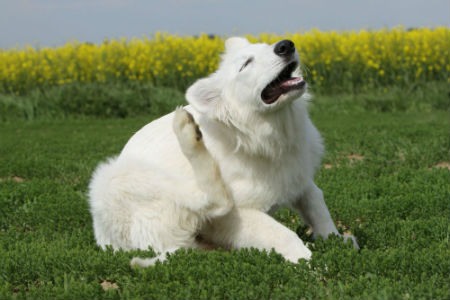
The see a dog scratch Sometimes during the day it is totally normal. It is not a cause for concern to see the canine scratching due to an insect bite or for any other reason. However, noticing that your dog scratches frequently or shows excessive itching may be the first sign that something is not right with him. If you have observed that Your dog has been scratching more than usual lately., and you perceive discomfort and despair during scratching, it may be due to a more severe reason. Given this, in addition to paying special attention, we recommend that you recognize the reasons why you are scratching and what to do to stop it. relieve the itch of our canine friend. On this occasion, in this article we will delve not only into the causes why your dog may scratch more than normal, but we will also provide some solutions that can help eliminate this problem in a simple way. How do I know that my dog ​​is scratching more than normal? As we have already mentioned, it is normal for the dog to scratch occasionally during the day. However, There is often the question of how and when to know that a dog is scratching more than normal.. We will explain how you can find out. First of all, the dog's scratching is accompanied by an alteration in its behavior. Knowing your pet allows you to notice some strange and even possibly compulsive behavior when it comes to scratching more. Another sign to identify that your dog scratches a lot is that doing so may possibly cause skin injuries. Which, depending on their depth, may be perceived with redness and even licking of the skin. Being attentive to these aspects and continually visualizing your dog at the moment he is scratching will allow you to perceive if something is wrong. My dog scratches a lot: causes There are numerous reasons why a dog may scratch a lot, which must be known before providing solutions for this situation. On this occasion we will list some of the most common ones, this way you will be able to more easily recognize if your dog scratches because of some of them. Allergies Allergies are one of the most common causes of dogs scratching.. They can be allergic to different things. Some plants, such as grasses, tend to make dogs itch and, therefore, increase scratching. Garden fertilizers or cleaning products are another factor that can cause allergies in canines. Thirdly, you can mention some types of foods that, by generating joy, produce piquiña. Dermatitis Mostly prone to young dogs. This skin disease in canines occurs due to hypersensitivity or allergy to external factors in the environment, such as pollen, mold or mites. In addition to redness of the skin, This disease produces high itching on the dog's bodyTherefore, seeing that he scratches desperately can be a sign of dermatitis. Scabies Caused by the presence of different mites on the skin of the canine. This dermatological disease is, without a doubt, one of the most prominent causes why a dog scratches a lot. Due to the existence of different types of mites, scabies is also usually of different types, and therefore, there is a treatment indicated for each one depending on its severity. Parasites The presence of parasites in our dog's body is another reason why you may constantly scratch and desperately. The presence of insects such as fleas, lice or ticks in dogs can cause bites that cause frequent scratching of different parts of their body. Feeding Whether it is a change in the canine's diet, or an imbalance within it, it can occur. alterations in your metabolic system that bring with them excessive itching, so seeing the dog scratching could be the product of a dietary alteration. You can avoid this situation by feeding it with quality hypoallergenic food. Hygiene This is one of the most common reasons why a dog scratches a lot. Lack of hygiene can produce not only dirt, but also irritability of the skin, which would cause the dog to scratch constantly and desperately. My dog scratches a lot: solutions It is important to know that, if your dog scratches a lot, the most prudent alternative is to take it to your veterinarian, this way they will be able to identify the cause and generate solutions to eradicate the itching much faster. However, there are some simple options with which you can improve the situation. Toilet If the cause why your dog scratches a lot It is the lack of hygiene. Bathing periodically every two weeks, using specialized dermatological shampoos for canines, can help eliminate this problem. If they have thick coats, combing them will also contribute to their well-being. Nutrition If it is a dietary problem, the ideal first thing is to identify what caused the dog's joy. In this way, avoiding providing that food again will help avoid the itching. Providing the dog with a balanced diet, with proteins and vitamins, through quality food, is another way to prevent it from scratching a lot. Antifungal treatments In the case of dermatitis or scabies, the veterinarian should be the one who provides the instructions for the medications necessary to reduce scratching. Whether they are antifungal lotions or other medicines that help the problem disappear. Antiparasitic treatments If your dog scratches a lot because of mites, fleas or ticks. An antiparasitic treatment will surely help you in this situation. Whether in pills, necklaces or injections. These treatments are generally very effective. In any case, the veterinarian will recommend the one that is most useful to your dog. skin lesions If it is a skin lesion, placing ice towels on the affected area will effectively reduce irritation and reduce scratching. Likewise with apple cider vinegar, in a cotton ball can help reduce injury and itching. Learn more about dogs: How to deworm a puppy Kidney failure in older dogs Canine anemia: causes, symptoms and treatments care for your dog's pads How to treat my dog's cold kennel cough
Cómo desparasitar a un cachorro

Our Blog

How to deworm a puppy

by Lobo Azul in Jan 26 2022
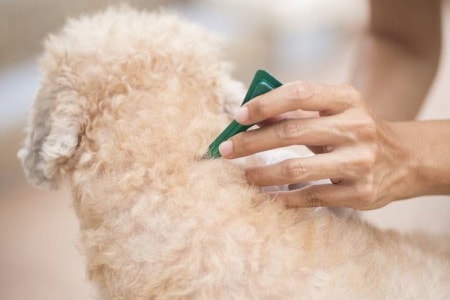
Maintaining your puppy's health is a topic that consists of various aspects: hygiene, feeding, exercises, vaccinations. Within these, deworming a puppy is essential if we want not only to prolong their life expectancy, but also to keep them in an optimal state of health. As is already known by most people with dogs as pets, parasites often cause serious illnesses in dogs, even more so in the first weeks of life, as that is when they are most susceptible to suffering from this condition. Due to the aforementioned, it is essential to regularly comply with a schedule to deworm a puppy, this will produce greater strength in your little friend's immune system, keeping him healthy and full of energy to enjoy more time together. But how do you know that the puppy has parasites? And how to deworm a puppy? If you still have this concern, in this article we will detail the information you need to facilitate the process of deworm in a simple and effective way. When is it necessary to deworm a puppy? In general, deworming a puppy is one of the first things you should do just weeks after its birth. Because it is during this time when our little friend is most vulnerable and needs to counteract the parasites that are forming since he is inside his mother's womb. A timely visit to the veterinarian when it does not exceed two weeks after birth is essential to start deworming a puppy, because, since it is the first days of life, it is prone to be more affected by the presence of larvae or eggs that have already been formed since its conception. Therefore, The veterinarian will provide treatment according to the puppy's age. to eliminate parasites. How do I know if my puppy has parasites? The presence of parasites in the puppy produces different symptoms that help us identify that our dog needs to be cared for, among them we can mention: lack of appetite When there is the presence of parasites, both internal and external, the puppy may manifest it through frequent inappetence or loss of appetite. Diarrhea or vomiting Both diarrhea and vomiting are common features to indicate that a puppy needs to be dewormed. This can also contribute to the dog's dehydration. Malnutrition Because the parasites feed on the food that the dog consumes, weight loss is visible in the puppy, also associated with the loss of appetite caused by the same condition. Discouragement Both malnutrition and the presence of parasites can cause a puppy to lack spirit and energy. distended abdomen A tense abdomen can be another cause that alerts us that it is necessary to deworm a puppy. Dull coat When it comes to external parasites, such as fleas or ticks, it is common for puppies to have a dull coat, with a rough and dull texture. excessive itching In the case of internal parasites, it can be observed that the puppy drags its anus along the ground or dirt as an act of scratching, this in most cases is indicative of parasites. In the case of the presence of external parasites, if you see that the dog scratches desperately and frequently, it may be the presence of fleas or ticks. How to deworm a puppy? Once you know the symptoms and when you should deworm a puppy, we will talk about the most important thing: how to do it. Depending on the type of deworming, there are some details to consider: External deworming Deworming a puppy externally It is necessary after he is around 8 weeks old. However, if before that time the puppy becomes infested with fleas or ticks, you should go to a veterinarian who will recommend the products to use. In general, the product begins its effect after three weeks, depending on its application. Therefore, it is necessary to combat these parasites promptly before they multiply. Internal deworming As mentioned, deworm a puppy internally It is a process that must be carried out after two weeks of birth. Depending on the age and intensity of the parasites, the veterinarian will indicate a treatment, the composition of which does not affect the puppy's digestive system. In the first weeks because it is still newborn, the puppy will receive oral treatment in syrup form. While after approximately six or twelve weeks, you will begin to give him pills, every three or four months, for complete deworming, according to the veterinarian's recommendation. Some recommendations It is important to remember the need to Go to a vet before proceeding to deworm a puppy the first time, because their young age and vulnerability can cause unwanted poisoning and affect the life of our little friend. Furthermore, compliance with a deworming schedule, combined with veterinary consultations, will prevent the dog from being affected by parasites. Preventive behavior is the best way to prolong the life expectancy of our puppy. Another equally important aspect, in the case of external deworming, is to maintain control over the hygiene and grooming of the puppy, as well as checking it manually to verify that there are no fleas or ticks. Regardless of whether the dog presents symptoms or not, all puppies, after two or three weeks of age, must be dewormed, even when they are in perfect health, because this is part of their care and will be part of their well-being. Finally, it is necessary to remember that parasites are not only transmitted between animals, but can also affect humans, so deworming the puppy will be beneficial for all members of the family to which it belongs. More tips like these: Kidney failure in older dogs Coronavirus in dogs Soft diet for dogs with diarrhea Hip dysplasia in dogs Elbow dysplasia in dogs canine anemia kennel cough How to treat my dog's cold
Pastor Bergamasco: un vigilante tranquilo e inteligente

Our Blog

Pastor Bergamasco: a calm and intelligent watchman

by Lobo Azul in Jan 26 2022
The Bergamasco Shepherd It is a breed of medium height with a disheveled appearance in which long locks predominate as a characteristic symbol of this animal. Size: Medium. Weight: Between 26 and 32kg. hair type: Curly and long. Character: Intelligent, Vigilant, Determined, Patient Health: Healthy Life expectancy: Between 13 and 15 years old. At the temperament level, he is distinguished by being friendly, making him an ideal candidate to be part of a family unit. Since herding is ingrained in its nature, it quickly adapts to rural life. This article will be very helpful to you so that you know everything about this breed and can be prepared to integrate it into domestic life appropriately. If the extravagance of the Bergamasco Shepherd catches your attention and you want to adopt him to keep you company, keep reading! Origin of the Bergamasco Shepherd The existence of the Bergamasco Shepherd is attributed to a group of sheepdogs used for guarding livestock. These dogs arrived from the East at a time when there was a boom in the migration of nomadic populations. The nomads traveled with their flocks, which they sold, including the shepherd dog as part of the purchase, who was transported along with the flock to the West to take care of it. This fact influenced the birth of the Bergamasco Shepherd as a result of the crossing generated between the different breeds of dogs during the constant exchanges of flocks that occurred between nomadic populations. Before the beginning of winter, these shepherd dogs were taken in the company of the flock to the Bergamo valleys of Lombardy and the Piedmont basin. It is said that it got its name because the conditions of the site influenced its morphology. It is estimated that the herding activities carried out by the Bergamasco date back to the year 1300 AD. But, as time went by, in the year 1700, there was a sudden decrease in its population due to the little pastoral activity there was. The practice of herding was losing its popularity at that time, endangering the existence of the dog, reaching the point of extinction with the development of the world wars in the 20th century. After the end of these historical events, this dog would maintain the nickname "mountain dog." Later, in 1949, in order to protect its integrity, a foundation was established in which, after some deliberations to choose the official name, the overwhelming decision was reached to call it the Bergamasco Shepherd. All this taking into consideration the stories related to its origin. But, according to the founders of the club, they do not represent exact information about its origin, due to the age of this breed. Over time, he gained notoriety for his instinctive abilities for herding contrasted with his always urgent predisposition to work. However, the recognition of this dog as a breed was awarded in 2015 by the American Kennel Club, having remained a secret due to the little interest shown in making its existence known. Due to this anonymity in which this breed was immersed, it is not very appreciated among people who love dogs. Although it is possible to find specimens spread throughout the European continent, as well as in some areas of the American continent. In ancient times they tended to be confused with the Komondor, a dog breed from Hungary. Pastor Bergamasco's Physique As the first feature to highlight in the physical characteristics of the Bergamasco Shepherd, are its dimensions. Its measurements are comprised of a height at the withers of 60 centimeters in the male and 56 centimeters in the females. With a weight that can be between 26 and 32 kilograms, differentiating itself from the male, which can have a weight between 32 and 38 kilograms. These values ​​constitute the body of this breed, which is also characterized by having a square profile because the measurement from the shoulder to the back has the same value as the height at the withers. His chest is wide and deep, allowing him to have enough space to accommodate the size of his heart since it is large. This is an advantage by offering the necessary resistance during exercise activities. The head has a large appearance covered by abundant fur that creates a perception where one thinks that the head is even larger in size. However, its proportion with the body remains harmonious. In relation to its eyes, they are large and have a dark brown color. A sweet, serene and alert expression is reflected in his gaze. But, due to the fur that covers its face, this is difficult to see. Their ears are suspended in a semi-drooping position, with rounded tips. It contrasts with a thick and strong looking tail at the base, whose diameter reduces as it rises towards the tip. There is no doubt that, of all the physical attributes, the coat is the most distinctive of the Bergamasco Shepherd. It is abundant, very long and, depending on the area of ​​the body, it will have different textures. In this sense, on the front part of the trunk the appearance of the fur is rough, similar to the hair of a goat. It differs from the fur on the head because it is slightly softer, hanging over the dog's face, covering the eye area. In all other parts of the body the fur is present in the form of tufts, generally having a gray hue with spots of the same color in different shades. But they can also alternate with black spots, with specimens existing in black but with an opaque hue. In this breed it is possible that white spots may appear, which are accepted as long as they do not cover more than a fifth of the dog's total surface. Character and personality In relation to the personality of the Bergamasco Shepherd, the perception that people have when considering this a sweet and tender breed is accurate, since this dog does not have a tendency to attack when it senses the presence of an invader in its space. Although this attitude should not be underestimated, since they can be distrustful of strangers. This causes the dog to generate an alert warning to the owners through its barking. This is one of the characteristics that gives it the necessary qualities to be a good pet in the home as well as a great company for children. It is a dog that, if it maintains daily interaction with its owners, will not present any behavioral problems. However, it is best to maintain constant supervision in an environment where there are small children near the dog, as well as other pets. Patient, attentive and intelligent, are some of the qualities that are part of the personality that characterize the Bergamasco Shepherd. All of them, together, make up a temperament that presents great concentration and stability. Thanks to this, you can develop the necessary skills to perform multiple functions, especially those related to the care and guidance of flocks. Another notable trait in this breed is pacifism which prevents them from showing aggression, placing them at a disadvantage as a dog that is not very effective in attack situations. In general, they tend to get along well with humans and children, including other pets such as cats or birds, and can interact with them without any problem. Although, to achieve this, it is necessary that the interaction be generated from the puppy stage. The Bergamasco Shepherd will not create situations of bad behavior as long as the environment has all the necessary conditions for habitability and recreation. Complementing this with a dose of attention from its owner. Although this dog is an ideal specimen for families with children, it is necessary to be careful when they interact with the dog in order to avoid a situation of abuse between them. It is not advisable for them to remain alone without being supervised by the presence of an adult. Care No matter how matted his fur looks, does not require much care in this area. These strands form naturally, although sometimes it may be necessary to separate them manually to prevent them from becoming tangled. If the dog feels its mobility or vision is hindered by a lock or dreadlock, the ideal is to cut it to solve the problem. Make sure you cut it to a level where the dog's natural look is maintained. Regarding the care of your nails, they do not need to be cut, since due to the physical activity you do, they tend to wear out on their own. The case may arise in which you must do it, and it is advisable to assign this work to a professional in canine aesthetic care, who will have the care and precision necessary to carry it out. In any case, you should take care of carrying out this task in cases where the nail touches the ground, is very curved or makes a sound while the dog walks. These are indicators that the time has come to trim our furry companion's nails. Except for this detail, it is advisable to bathe the dog only when it is really dirty. Especially if he sleeps outside. We will do this by giving it a deep bath only two or three times a year, in order not to weaken or alter the structure of its coat, since after the bath it can take a long time to dry. In terms of exercise, the Bergamasco Shepherd will need a good dose. It is not the type of pet that is just happy to lie around the apartment doing nothing all day. Due to the nature of its instincts, this dog is very useful for living on farms because it can function as a herd guide. But, in domestic environments, to stay active it will be necessary for the owner to take him for a long walk daily, also reserving time to play with him. Something that may be appropriate to channel this dog's energies are dog sports such as herding. Education and training If you are starting in the training of the Bergamasco Shepherd, it is necessary that you take into consideration the space where you carry out the routine. This should be calm to prevent the dog from becoming stressed or feeling nervous, as well as being able to stay focused on the instructions you give it. On the contrary, if you choose a public place to carry out the training, you will not be able to have control over what happens in the environment. Keep in mind that noise caused by people or other dogs would cause interruptions in the session, harming its effectiveness. Training sessions should have a maximum duration of 10 minutes to prevent the dog from becoming fatigued and losing interest in the routine. As for the exercise, you should practice it two or three times a day so that the dog becomes familiar with it until he can grasp it and execute it correctly. If the weather is very hot at the time of training, make sure that the duration of the session is short, since the Bergamasco Shepherd is sensitive to heat and may feel affected by it, becoming dehydrated if you do not apply the pertinent precautionary measures. This could also cause the dog to not feel motivated to do the training. Carrying out the practice at least once a day, when the dog is responding favorably to your instructions, you can alternate the sessions, leaving a day off so that the dog can rest and have enough time to assimilate the learned instructions. You can even have sessions twice a week to allow what the dog has learned to stay fresh in his mind. But you should not allow more than a month to pass without practicing the training, since after this time, the lesson will have completely lost its effect. Health of the Bergamasco Shepherd The physical condition of the Bergamasco Shepherd has a tendency to be healthy, the diseases typical of this breed being non-existent. Although this does not mean that its body cannot be affected in the same way as other breeds of dogs of the same size. These belong to the set of diseases that can generally occur in these species. For this reason, it is necessary to take the necessary measures to avoid pathological manifestations that put the life of your best friend at risk. Other articles of interest: golden retriever English Cocker Spaniel Barbet Samoyed border collie Schnauzer bull terrier Andalusian winemaker
Viajar con perro: todo lo que necesitas saber

Our Blog

Traveling with a dog: everything you need to know

by Lobo Azul in Jan 25 2022
The holiday season is coming and enjoying a family break is essential to recharge the energies of the entire group. But what will happen to your dog? It is increasingly common to see family groups that have taken the initiative to travel with their dogs, making them part of this well-deserved rest for everyone. But what do you need if you want to travel with a dog? What are the recommendations? Is it dangerous? These are some of the most common concerns when decide to travel with a dog to any destination. For this reason we developed this article with information that will be of great help when traveling with a dog, so that you can enjoy every moment before and during the trip. Before traveling with a dog If you have already made the decision to include your dog in your vacation plans or in your weekend getaway, you should know the steps to ensure that traveling with a dog is a successful process and together you can fully enjoy your days off. Here we will guide you in what you need to know to make this a reality: Get your dog used to short outings one very useful recommendation if you decide to travel with a dog It is to adapt him to short outings from when he is a puppy. This way when you decide to take trips, whether by car, train or plane, you will not feel so strange and will not show restlessness or fear. Plan the trip in advance Although traveling with a dog has never been as easy as it is now, thanks to the accessibility of places where you can go with your canine friend, the trip needs to be planned in advance. From the destination you will visit to the documentation and luggage you need to travel with a dog. Thinking about your dog when you choose the destination must be very important. Choosing a place that is not suitable for traveling with a dog can be a stressful situation for the dog, causing changes in its behavior and neither of them enjoying the trip. Select the appropriate transport Selecting the means of transportation you will use for your departure is another important aspect when traveling with a dog. Because it's not just about your comfort, but also that of your canine companion. Even if you travel by car, train or plane, one of the common recommendations is to select a travel cage, also known as a carrier, for transporting the dog. This ensures your comfort and safety during the journey. The carrier should be chosen according to the dog's height and build, so that it can remain comfortable throughout the trip. If you travel by plane, the first step is to review the airline regulations, whether they allow travel with pets and the procedure you must follow to carry it out. Check the documentation you need If you plan to travel with a dog to another province or state of your country or to another territory, it is important that you know what certificates they request to allow your canine access to the area. This is because the documentation may vary depending on the place you decide to travel with your dog. Certificates of routine control, vaccination, deworming and anti-rabies are some of the most common requirements to be requested if you travel with your dog. One of the requirements that has become very common is that the dog be around three months old, so that its immune system is stronger and there is no risk of getting sick or something similar. Make sure you choose the right accommodation Traveling with a dog involves a countless number of steps you must take to ensure you have a comfortable stay for both of you. Accommodation is an essential part of those steps. Nowadays there are numerous lodging places where you can stay with your pet, so you just have to choose the one that is most attractive to you. Prioritize your pet's health One aspect that you should take care of long before traveling with a dog is the health of our little friend. It is essential before making the trip to go to the veterinarian for a routine check-up, where in addition to verifying that you are in perfect health for the trip, you can obtain the certificates in order that may be requested depending on the place you are traveling. It is advisable to consult with the veterinarian about medications to mitigate any dizziness or nerves that the pet may suffer during the trip. Bring the right luggage Once you have the destination, the mode of transportation, requirements and documents, and you have visited the veterinarian, you can start packing your bags. Luggage for traveling with a dog must be made up of the basic elements: containers for drinking and eating, leash, harness, basic groceries, bags to collect waste, the tag with your identification data and, if necessary, your bed to sleep on. These are some basic elements that will undoubtedly They cannot be missing when traveling with a dog.. During the trip During the trip it is recommended that you be as attentive as possible to the dog's physical and emotional state, because it may cause dizziness or stress. Avoid overloading it with food, this will reduce the risk of nausea or vomiting during the journey. In addition, it visibly identifies the carrier, so that, if at any time you must be separated from the dog, it can facilitate its location. Familiarize your dog Traveling with a dog to a place unknown to him can cause him to feel distrustful and permanently alert. Try, when you arrive at your destination, Provide a trusting environment that helps the dog become familiar with the space, this way your stay will be more comfortable. Take care of your diet It is essential, when traveling with a dog, to take care of its diet. On many occasions, trips can cause nutritional imbalances due to unexpected changes in feed or foods that are not recommended. To avoid these alterations, you can take with you the usual feed that you use for their diet and do not feed them anything strange during the trip. Other curiosities that may interest you: Can dogs predict earthquakes? Why do dogs howl? The best guard dog breeds How does our dog talk to us with his tail? How long does a cat live? Agility: Everything you need to know The most popular dog breeds in the world
¿Por qué mi perro me sigue a todas partes?

Our Blog

Why does my dog ​​follow me everywhere?

by Lobo Azul in Jan 25 2022
Have you noticed that your dog follows you everywhere lately? Do you want to know why he does it? Do you want to prevent that from happening? Dogs are not only very sociable animals, but also very loyal to those they consider their owners or part of their family, so if lately you notice that they follow you everywhere, it may be because they see you as a leader or simply because they want to be by your side. This is no reason to worry. However, there are cases in which a dog's excessive dependence on its owner can become an illness, to the point of causing anxiety in the animal just by being left alone at home. If you want to know the reasons why your dog follows you everywhere, we invite you to read the following article, where we will explain the reasons for this situation and recommend how to act in response to this fact. Pure canine love One of the main reasons why your dog follows you everywhere is because he loves you. Without a doubt, love is what moves the hearts of these animals. So if you notice how he follows you wherever you move, it may be because he loves being close to you, hearing your voice and feeling your caresses. Dogs are really intelligent and they also have the ability to perceive when a person is good or has bad intentions, so if they follow you everywhere in the house, it is because he loves being around you and enjoy it, even if you are not doing anything special. Security If you notice that when you are on the street your dog follows you wherever you go, it is because your company provides him with security, especially in unfamiliar spaces. And inside the house it will be no different. Your pet will stay by your side, because in addition to enjoying your company, you make him feel safe and comfortable. This is why it will follow you everywhere you go in the house. Food In addition to love and security, another aspect that drives canines is food. And, without a doubt, this is one of the most prominent reasons why a dog can constantly follow you. Enjoying food scraps that fall on the ground or that you can give them, makes dogs become your loyal followers. But be careful, not all foods that are eaten by humans can be given to pets but, in some cases, offering them a little of what we eat (in case the dog can eat it) is not bad. And this makes your dog become your most faithful follower. What should I do to stop my dog ​​from following me? Probably, in some cases you find it uncomfortable that your dog follows you everywhere and you want to find a way to make him stop doing it. However, we should not think that this behavior is indicative of any disease or disorder. It simply means that your pet wants to spend most of the time with you. If it is because he enjoys your company, because he wants to play or because he feels safe and comfortable, following you is not a problem. On the contrary, depriving your dog of these moments in which he wants to be with you can cause depression or a feeling of loneliness that could possibly end up transforming his character in a negative way or cause episodes of anxiety due to lack of attention. The appropriate thing in this situation is not to prevent your dog from following you, because the limitations you put on the animal could make it feel isolated or deprived of your affection. The most advisable thing would be prevent this persecution from turning into dependency. This way, you won't have problems when you have to stay home alone. There are some ways in which you can train your dog to control him following you everywhere, let's look at some of them: Training Teaching your dog basic commands, such as sit or stay, will help him stop following you at some point. That is why training is considered a key element in the life of a dog. And in this case, very appropriate if you want to control that it follows your footprint everywhere. In this aspect of training, positive reinforcement should not be forgotten. Inappropriately forcing your dog to stop following you can cause changes in his behavior. Since this is not what is desired, achieving training through rewards and prizes will be more beneficial and productive for him and for you. Reinforcement of their socialization It must never be forgotten that the dog is a social animal, which requires maintaining interaction with other animals and, in most cases, with their owners. Therefore, you should not deprive him of your company. However, it is important to keep him in constant socialization and that he can enjoy moments with you playing or simply being by your side. another companion The presence of another animal could be an important element in reducing the fact that your dog follows you. These are used to living in a pack, and by having another companion by their side, they could focus their attention a little more on him than on following you. How do you know when this is a problem? In some cases, having your dog constantly follow you can become a non-beneficial situation. This is because by leaving him alone for some reason, he could feel abandoned and start an episode of anxiety. These cases can be identified given that the dog adopts negative behavior in which it causes destruction inside the house, may defecate excessively and even appears sad or cries frequently. The best way to avoid these situations is with adequate training of the canine and promoting socialization, so that it can adapt to those small moments in which you must leave the house and it is left alone without feeling that you abandoned it. Other articles of interest: Best treats for dogs Tricks to get your dog to eat feed What do I do to stop my dog from asking for food at the table? How to train a puppy 6 Tips to walk your dog correctly 10 basic commands that every dog should learn
Lhasa Apso - Un gran perro en un pequeño cuerpo

Our Blog

Lhasa Apso - A big dog in a small body

by Lobo Azul in Jan 25 2022
The company of a pet is complemented with various benefits, both for the animal and for the person in charge of its care. Love, sweetness, friendship, joy and even protection are the attributes that a dog can offer. But, in addition, some races have special distinctive features. For example, the Lhasa Apso It is considered a symbol of luck in its city of origin. Size: Small. Weight: Between 5 and 8kg. hair type: Long and smooth. Character: Playful, Assertive, Intelligent, Firm, Devoted, Fearless, Friendly, Energetic, Vivacious, Alert, Obedient, Energetic Health: Healthy Life expectancy: Between 12 and 14 years old. Mysticism and independence is what characterizes this particular breed, because in addition to being considered a talisman in the Tibetan society where it was first known, it was adopted as an impetuous guard dog, despite its size. With a small body but great character and personality, since its recognition it has become one of the most exotic breeds in the world, not only because of its interesting history, but also because of how attractive it is as a companion animal. However, despite its independent behavior, this breed requires significant care if you want to extend its life exponentially. That is why this article will be dedicated to learning more about the historical, behavioral and care aspects related to this little furry friend. History and origin If it is about mysticism, the origin of the Lhasa Apso is undoubtedly covered in it. There are numerous theories that have been put forward regarding the history of this breed. First of all, His name is associated with the city where he was known for the first time, Lhasa, in Tibet, whose creation was intended to protect the Tibetan temples, despite being a small race. In the monasteries of the aforementioned area, it was common to find a dog of this breed carrying out surveillance and protection tasks, because its barking warned of the presence of intruders. In fact, these places were guarded on the outside by mastiffs, while the inside was guarded by Lhasa Apsos. In the beginning of the race, in Tibet and other regions, it was known by the name of Apso Seng Kye, which translates as "lion sentinel dog", related to its furry appearance, similar to a tiny lion. His relationship with the Tibetan terrier and other canines dedicated to herding was undeniable. However, the International Cynological Federation (FCI) He showed these breeds separately, making the Lhasa Apso official. In its city of origin, the popularity and mysticism of this animal transcended exponentially, to the point of being considered a symbol of good luck capable of attracting prosperity and wealth to its owners. For this reason, on many occasions, specimens of these canines were granted to the leaders of foreign countries who visited Tibet, as a tribute. Its arrival in Europe was late, in the middle of the 20th century this animal crossed the borders of its native country. Because the Tibetans, considering it a sacred dog, wanted to keep it preserved. However, its popularity was growing. In Europe and other countries around the world, it is currently considered a companion and protection dog, ideal for outdoor activities such as hiking. Physical characteristics of the Lhasa Apso The Lhasa Apso can be a deceptive dog in relation to its appearance, because although it is a short animal, its body is robust and muscular, covered by a extraordinary and abundant fur, especially his head. Let's see below the physical characteristics of this breed: Size and weight To date, the FCI has not established a standard height and weight for this breed, so a slight variation in this aspect has normally been seen between the breed. However, the average size for these dogs is 25 centimeters for males, while females measure a little less (22 centimeters). Regarding weight, they can reach 7 to 8.5 kilograms, regardless of their sex. Some may slightly exceed these measurements. head and face A predominant physical appearance of the Lhasa Apso It is the head, because it is abundantly covered by its fur, similar to that of a lion, which makes it appear as if it had a large skull. But it is not like that. Its skull is small and round. His eyes are black, oval in shape, not very big. The nose is the color of his eyes, and small. While its ears, triangular and tiny, fall back slightly and are not easily observed as they are covered by the hair that covers its entire frontal space. Contexture The body of the Lhasa Apso breed is small but very well formed, longer than tall. This is covered by two thick layers of its extensive fur. Its legs are short proportional to the body, but well planted, they facilitate mobility with great dexterity. Queue It is set high and falls thinly on your back. Like the rest of the body, it is covered by its extensive fur, with a very slight wave at the tip, which can only be observed up close. Fur The Distinctive appearance of the Lhasa Apso It's his fur. As mentioned in previous paragraphs, it is abundant throughout its body, with special prominence on its head, where it resembles a tiny lion. It is dense, thick and long. In its native country, the Lhasa Apso's coat was allowed to grow so that it spread over the ground. However, nowadays, it is common to find domestic specimens with shorter hair. It also has two layers: the outer one, which protects it from the sun; and the even thicker interior allows you to stay warm during the cold season. The breed is accepted in different colors, from gold, through black, dark gray, white and brown, to shades such as sand or honey. It requires rigorous care and dedication, which is why the time available to dedicate to the maintenance of this breed must be considered. Temperament It is a happy dog, although reserved in exaggerated displays of affection, and also very independent. In general, the Lhasa Apso is not very sociable, distrustful of unknown people and jealous of the presence of other animals. However, this will change as you share life with them. In general, coexistence is not a problem if it is trained from an early age, with special emphasis on socialization. It is an intelligent and very skilled dog, so its education will not be a problem. If we talk about space, this animal easily adapts to small places like apartments, but it also requires outdoor activities to stay emotionally balanced. Although they may seem cold, they enjoy sharing time and games with their owners. However, one should not be excessive in the pampering to be given, as they tend to get upset easily. We must also remember that this is a breed that was originally used as a guard, so this ability is deeply rooted in the behavior of the Lhasa Apso. Because of this, it is normal for him to bark as a warning when faced with a situation that he considers suspicious or unusual, and he will stop doing so when he sees that everything is now under control. In a place with children, it can be calm, as it is loyal to its owners and very protective, however it must always be kept under surveillance when playing with the little ones. Training the Lhasa Apso The education of the Lhasa Apso is elementary, because it is an independent dog that can be considered an “alpha” in the family. Training these pets is not complicated.. We are talking about an intelligent and attentive dog, so it will be very easy to teach him commands if you start at an early age. It must be taken into account that the training process must begin with socialization. It is essential that the dog, as a puppy, acquires practice in relation to this topic, if you want it to be able to coexist easily with other people and pets, without being aggressive or distrustful. Educating him will allow him to be a balanced animal and behave well both at home and in other places. We must not forget the importance of positive reinforcement. The dog will respond obediently and attentively to commands if it is rewarded during training and treated with kindness. The opposite will happen if we try to train it with shouts or violence, because it can become rebellious and the training will not be useless. After socialization, you can learn other commands that will be useful, and also tricks that can be very fun. Health In general, this breed enjoys good health and a lot of energy. Its longevity has become the longest, reaching almost 20 years of life. It is rarely affected by hereditary diseases, such as hip dysplasia. On the other hand, they can be affected by some skin diseases, especially if they do not receive adequate bathing and hygiene care for their coat. Kidney problems and the appearance of ulcers are other illnesses that sometimes affect this breed, but none of them are usually common and they depend largely on the care they receive from their owners. Lhasa Apso Care We have reached one of the most important points of the article, and it is the care that must be taken into account if we want to adopt a Lhasa Apso dog. It is important to reiterate that This breed requires a lot of care which must be rigorously followed if you want to preserve its beauty and good health. Let's see the most basic ones below: Hygiene An essential aspect in the maintenance of this breed is hygiene, especially brushing. The Lhasa Apso requires its coat to be brushed at least once a day to avoid the appearance of knots that could damage its dense fur. Delicacy when performing this procedure is important, otherwise your hair may break. It should be moistened a little to prevent breakage and a soft comb or brush should be used. The use of a high-quality special conditioner for dogs is recommended so that the shine and silkiness of their coat can be maintained. Bath time is the best time to brush, as the hair is wet and thus we avoid the appearance of knots. Regarding bathing, it should be done at least twice a month. Food Almost as important as hygiene is the Lhasa Apso's diet, as it is directly linked to the maintenance of its coat and also its overall health. Firstly, providing quality feed, with an adequate amount of nutrients and also that promotes the shine of its coat, is essential for this breed to remain well cared for. On the other hand, feeding in small proportions, twice a day, will be enough to keep our little friend satisfied. The excessive use of snacks or rewards is not recommended, because it can cause obesity in the dog. Exercises This breed does not require an intense exercise routine. With a daily walk you can stay calm. It adapts to any space, so it won't be a problem if you live in an apartment or in the country. Vaccination and deworming Maintaining adequate control of vaccines, deworming and check-ups with the veterinarian is also of utmost importance. Well, in this way, you will receive the necessary medical care and remain free of diseases. Conclusion In short, the Lhasa Apso dog is not a breed intended for everyone. Only those who really have enough time to properly care for this dog can enjoy its company. An eccentric and loyal animal is what defines these small specimens but great energy and beauty. A dog full of skills, ideal for hiking and as a companion dog, can be a great friend. Consider if it is the pet you need and, above all, if you have the time to dedicate to taking care of its health and enjoying its company. Items we recommend: yorkshire terrier Papillon Westy Boston Terrier Pug French Bulldog Beagle Pomeranian Maltese Bichon Andalusian winemaker

Insuficiencia renal en perros mayores

Our Blog

Kidney failure in older dogs

by Lobo Azul in Jan 25 2022
Currently there are numerous conditions that can limit the good physical condition and well-being of our canine friends, even more so when they are older. One of them is kidney failure. The kidney failure in older dogs It is one of the most common diseases that can attack the health of these animals. In fact, it is one of those with the highest canine mortality rate in recent years. That is why in this article we will talk a little about kidney failure in older dogs: its causes, consequences and treatment are some of the important aspects that anyone with a pet dog should know to combat this condition. Kidney failure in dogs: what is it? Kidney failure in dogs is a condition that occurs when the animal's kidneys are not able to function properly in the elimination of waste, which produces the concentration of urine. The animal body generally naturally produces numerous toxins throughout the day. These toxins travel through the bloodstream to the kidneys, where they are filtered by water, and are later eliminated from the body through urine. Since this process is not carried out correctly, but rather the toxins remain stagnant in the bloodstream, this is when kidney failure occurs in dogs. Kidney failure in dogs can occur acutely or chronically. Acute It is a sudden process associated with different aspects, such as excessive blood bleeding, or conditions of the circulatory system in animals due to the ingestion of inappropriate medications or toxic substances. Generally anorexia, dehydration or urinary problems can be the cause of this kidney failure in dogs, and in most cases it is reversible. Chronicle It is a irreversible condition. Chronic kidney failure is generally referred to in older dogs because it is a slower process that grows as the dog ages. It is caused by prolonged acute kidney failure when it is not treated. Canine diseases, such as hypertension or diabetes, can negatively contribute to the appearance of this disease. Chronic kidney failure is referred to in older dogs when there is only 30% functionality in the kidneys. How do I know if my dog ​​may have kidney failure? We can notice the presence of kidney failure when the dog ingests excessive amounts of water during the day and it increases more and more. There will come a time when the level of water ingested by the animal will not be sufficient and conditions will begin due to the presence of harmful substances in the blood and the incorrect functioning of the kidneys in their elimination. This is known as excessive thirst: you will watch your dog constantly looking for water and urinating repeatedly. Discolored and poorly concentrated urine is another common symptom, as are loss of strength, pain when urinating, vomiting, decreased urine output, and breath that smells like ammonia. These are symptoms that the disease is constantly progressing, increasingly deteriorating the dog's health. In addition, kidney failure in dogs usually presents other symptoms, such as loss of coordination. In this case, the dog appears disoriented and discouraged. The absence of appetite, weight loss and decrease in muscle mass are other symptoms. characteristic symptoms of possible kidney failure in dogs. What consequences does kidney failure have in dogs? The complications of kidney failure in older dogs They tend to be diverse. From the deterioration of the canine's health and well-being, to other aspects of the animal, they can be some of the most frequent. Because harmful substances accumulate in the dog's body that should be eliminated through urine, one of the consequences of kidney failure in dogs is usually bad breath and the appearance of mouth ulcers. Alteration of the dog's blood pressure is another result of kidney failure. That, in turn, can cause visual disturbances. Anemia, dehydration, pain and fluid retention are some of the most visible complications when kidney failure occurs in older dogs. Treatment of kidney failure in dogs Once kidney failure in dogs is confirmed, the veterinarian will prescribe medications to maintain the canine's state of health. If it is an acute disease, the recommendations are aimed at improving the dog's diet, necessarily supplying amino acids and vitamins in the feed given to our friend, as well as vitamin supplements that help reduce this alteration in the animal. In more serious cases, in addition to feeding and supplying vitamins, we seek to establish a balance in the dog's body and kidney function, indicating medications to increase circulation and others that contribute to suppressing the toxins produced by the dog's body. Prevention of kidney failure in dogs Although kidney failure in dogs is difficult to detect and prevent in many cases, some aspects could contribute to reducing the risk of contracting it. Take care of the canine's diet: It is undoubtedly one of the most important aspects to avoid this disease. Taking care that food and water consumption is balanced will ensure that the possibility of kidney failure in dogs is minimized. As far as possible, reduce the use of medications of different types and surgical procedures: it also contributes to preventing kidney failure in dogs from appearing. Administer appropriate treatment indicated in time by a veterinarian in case of bacterial infections: It is undoubtedly another key element to eliminate the possibility of kidney failure in dogs. Finally, regular visits to the doctor and constant monitoring of the dog's health are an important part of this preventive process. Routine examinations and checkups are essential to keep the dog in good health and eliminate the possibility of kidney failure affecting its condition and well-being. Other articles about dog health that may interest you: Hip dysplasia in dogs elbow dysplasia canine anemia How to treat my dog's cold Food allergy symptoms kennel cough  
Perro lobo de Saarloos - un amigo enérgico y fuerte

Our Blog

Saarloos wolfdog - an energetic and strong friend

by Lobo Azul in Jan 25 2022
The Saarloos wolfdog It is a breed whose strong and balanced character is complemented by an appearance and behavior that directly links it to the wolf, being considered a shepherd dog. Size: Big. Weight: Between 36 and 41kg. hair type: Abundant and dense. Character: Proud, Trustworthy, Devoted, Energetic, Vivacious, Independent Health: Unknown Life expectancy: Between 12 and 14 years old. Little is known about this breed since there is not much documentation about its customs and lifestyle, but thanks to this article you will be able to obtain all the information you need to know it. Origin of the Saarloos Wolfdog Despite the similarities that this breed maintains with the wolf in terms of primitive appearance and behavior, little time has passed since the Saarloos wolfdog came into existence. The responsibility for this fact It is attributed to the Dutch Leendert Saarloos, who was an avid enthusiast of the breeding of the German Shepherd dog, whose practice he considered had reached excess, causing a weakening of the body of these dogs. This is how Leendert, with the purpose of obtaining improvements in the physical characteristics of the German Shepherd, carried out the crossing between a male of this breed, Gerard Van Der Fransenum, with a female Siberian wolf, which was given the name Fleuri. In the crosses that subsequently occurred between the offspring of these two breeds, specimens were obtained whose genetic load was made up of 25% wolf blood, which gave way to the creation of a breed called european wolfdog. Saarloos began to take advantage of the qualities of this breed, using it as a guide for the orientation of blind people, but over time it was determined that the cautious and introverted temperament of wolfdogs did not have what it took to be considered a working dog, much less to serve as a guide dog. It took 6 years after the death of Leendert Saarloos, in 1975, for the breed that he had developed to obtain recognition from the Kennel Club Dutch, officially designating it with the name of Saarloos wolfdog as an act of tribute to Leendert. Currently, this breed is still considered an exotic canine species that is not known outside of Holland, where it is even an unknown species. Physical characteristics of Saarloos wolfdog With regards to the physical characteristics of the Saarloos wolfdog, he has a slim build in which length predominates over height, with a straight back and a relatively wide chest, this being an indicative feature of the capacity that the man may have. wolfdog of Saarloos as an ideal species for jogging. Its legs have a muscular and long composition. The appearance of its head is formed by the same bone structure as that of the wolf, presenting a wedge shape, a flattened skull and a slight nasofrontal depression. Their eyes have an almond-shaped appearance, arranged obliquely on the face for better vision, reflecting a look that makes them appear as if they were in a constant state of alert and caution, which their yellow eyes help to create this perception. Speaking of their ears, they are medium-sized, arranged vertically, with a triangular shape and a round appearance at the tip. Its tail is set low, long, wide and covered with abundant fur, generally remaining in an almost vertical position or with a slight saber-shaped curvature. As for the coat, its growth can vary depending on the time of year it is. During the winter the inner layer is predominant, especially in the area around the neck, which combined with the outer layer offers the dog the necessary protection to withstand extreme cold. When summer arrives, the outer coat takes center stage but, regardless of the weather season in which the Saarloos wolfdog finds itself, its body will continue to maintain abundant fur, even covering the belly, the inside of the thighs and the scrotum. Regarding the color of the coat, it may present a light tone on the lower part of the body, as well as on the inner area of ​​the extremities and the back of the thighs. It is characteristic to observe specimens of this breed in shaded brown, shaded black and variations of white color that range from pure white to cream-colored degradations. The height at the withers of the male Saarloos wolfdog ranges between 65 and 75 centimeters, much greater than the height at the withers of the female, which is between 60 and 70 centimeters, with a weight between 36 and 41 kilograms. Character and behavior Saarloos wolfdog Taking into account that in the creation of the Saarloos wolfdog the use of specimens of this breed for the execution of a specific job was not contemplated, Their temperament does not correspond to the traditional character present in sheepdogs.. On the contrary, primitive habits are deeply rooted in its behavior that allow it to be linked directly with the wolf, which makes this a breed with an energetic, independent, active and intelligent character but which can be quite a challenge if it is intended to be trained. Due to its wolf genetic background, the Saarloos wolfdog is prone to introversion. This causes them to maintain a reserved position with strangers, showing shyness and reaching the point of fleeing when they find themselves in this type of situation, even being able to react aggressively if they feel threatened or cornered. However, this does not happen with unknown dogs, with whom they may have a more accessible relationship, as well as with dogs that have been part of their environment throughout their different stages of growth. But, despite this, the Saarloos wolfdog It does not represent a good company to be incorporated into the domestic environment if it must share space with other pets or be surrounded by children, since they would run the risk of being attacked due to the strong influence that its hunting instinct exerts on its behavior. In order to achieve this it is necessary to submit to the Saarloos wolfdog to a socialization process from the puppy stage, since their socialization threshold is lower compared to other dog breeds. Care of the Saarloos Wolfdog There are no special rules to apply when caring for the Saarloos Wolfdog, just some basic instructions. To maintain its coat, regular combing and brushing will only be required, and it is advisable to bathe it only when it really needs it, since it is not appropriate to do so very frequently. Due to the energy level he has, The Saarloos requires a lot of exercise to stay active Therefore, it is not enough to just take him for a short walk every day. In this sense, the physical activity of the Saarloos requires long walks that, if possible, include running in areas that are large enough so that it can explore them at its free will. For this reason the Saarloos is not a dog suitable for life in an apartment or a small house. Along with this, the Saarloos also requires great attention, a need motivated by the clan social structure in which it was raised, which means that it needs to spend much of its time with the family, either surrounded by humans or alternating this presence with that of other dogs. Health Since the Saarloos wolfdog is a relatively unknown breed, there is no detailed documentation about the different pathological manifestations that can affect its health. On the other hand, taking into account the large size of the Saarloos wolfdog and the direct link that it has as a descendant of the German Shepherd, it is prudent as the owner of this breed to take the appropriate measures to avoid the appearance of hip problems caused by dysplasia. In this sense, it is advisable to submit the Saarlos to a hip x-ray session when it reaches two years of age or when the veterinarian indicates it. Parallel to this, the Saarlos should be kept under periodic review, in order to monitor both the vaccines with the vaccination schedule and the deworming. Education and training If you are thinking about traditional dog training to apply it in the education of the Saarloos wolfdog, you must know that all your efforts will be in vain, since This breed has an autonomous way of thinking and behaving. This does not mean that they cannot assimilate and learn instructions, but that this will never have an effect on them under the standards of classical obedience exercised in other canine species, as well as in the traditional application of dog sports. For this reason, when training the Saarloos wolfdog, it is advisable to use clicker training. This consists of a mechanical device that generates a “click” (hence its name), which will serve to control the behavior of the Saarloos. By using this method, it is possible to exert safer and more appropriate stimulation on the dog to obtain the desired response from it, without running the risk of being attacked by negative reinforcement or punishment. Among the instructions given in the education of the Saarlos wolfdog, one of those that represents a real challenge is ensuring that they can remain calm in their travel cages. Since, for them, having to be confined in a small space produces anxiety, which makes their cooperation to accomplish this task difficult. Due to the primitive nature implicit in their behavior, the Saarloos wolfdog It is not a breed that enjoys much popularity to be considered as a potential pet in homes. This behavior can lead the Saarloos to have conflicts if it is introduced into urban life where there is a large population, making it advisable to incorporate it in rural spaces such as farms and cabins where they can have enough space to move around and feel calm. However, you must ensure that the Saarloos wolfdog Do not chase other pets or attack animals that may live with them on the farm. Learn more about the canine world: Rottweiler Doberman German Shepherd Bobtail Alaskan Malamute Siberian Husky Pachón Navarro Labrador Retriever Gordon Setter
Cotón de Tuléar - Una raza llena de ternura y amor

Our Blog

Coton de Tuléar - A breed full of tenderness and love

by Lobo Azul in Jan 24 2022
The choice of a pet in most cases is related to the activities that are part of our daily routine. If you are looking for a companion for outdoor activities such as hunting or hiking, there are large and strong breed canines ideal for this. If, on the other hand, you prefer the calm, tender and loving company of a small pet, different breeds meet this profile, among them is the Coton de Tulear. Size: Small. Weight: Between 4 and 6kg. hair type: Fine, dense and long. Character: Playful, Affectionate, Intelligent, Vivacious, Vocal. Health: Very healthy Life expectancy: Between 14 and 16 years old. A small, furry and friendly dog ​​is what defines this peculiar breed, whose fur resembles a cotton ball, which fits perfectly with its name and personality. Ideal for the company of older people, a home with children or simply to fill anyone with affection, these canines exude an unparalleled tenderness that makes them the favorite of many homes. However, the care that this little one demands is numerous. Likewise, the attention it needs can take up a large part of our time. Therefore, before deciding to adopt a specimen, it is good to know all the information about this beautiful breed and thus know if we can meet expectations when it comes to providing well-being and a good quality of life. In the following article we will not only learn about the care for the breed, but also its origin, behavior and the characteristics that define it. Be sure to read it and discover if this canine can become your new best friend. Origin of the Coton de Tuléar Although there are no consolidated records of the origin of this small but refined dog breed, The history of the Coton de Tuléar is geographically associated with the Tuliar city, known today as Toliara, in Madagascar. It is presumed that the presence of these dogs in this part of the world was influenced by French troops or Portuguese sailors who transported European bichon dogs to these lands, where the creation of the Cotón as it is known took place. Due to its appearance and style, this dog was easily positioned in the preferences of the upper class of Madagascar, where wealthy families most frequently acquired a specimen of this type. The popularity of the breed as seen so far has been a slow process throughout the world. Only in 1970, the International Cynological Federation made its recognition official, and in this same period, some specimens were transferred to America. However, their beautiful physical appearance and sweetness continue to gain ground in society and each time favoritism for this breed grows, as do the numbers of specimens within homes. Physical characteristics of the Coton de Tuléar It is a small dog and its weight is proportional to its size. According to the standard published by the International Cynological Federation, the height of the male Coton de Tuléar is between 26 and 28 centimeters, and the weight in this genus is between 4 and 6 kilos. For females, on the other hand, this index varies minimally, with 23 to 25 centimeters at the withers being the accepted size and a weight of 3.5 to 5 kilos. We talk about a breed of short stature but well-formed and muscular body. Its chest and back are well defined and slightly robust. Meanwhile, his belly, although delicately contracted, does not look thin. It is longer than it is wide. As for the head, it is characterized by having wide, short and triangular dimensions on its face. Its nose, commonly black in color like its eyes, is round in shape and large, giving the appearance of being in a permanent state of alert. The ears of these canines are set high, in the shape of a triangle, and fall subtly on their skull. As for its tail, it is slightly thin, covered by its fur. Depending on the mood and movements of the canine, it remains downwards if it is at rest, and raised to the back when in action. This will also allow you to determine if you are sad or happy. One aspect that stands out among the physical characteristics of the Coton de Tuléar is its fur. And its name is closely related to the fine, dense and long hair that covers the body of this animal: it resembles cotton, which, translated into French, is "cotton." Regarding color, according to the International Cynological Federation, this breed comes in white, with some traces of gray or slightly pronounced red on the ears. However, other organizations accept other colors. Character of this little one If what you are looking for is a tender, friendly, loving, happy and fun breed, the character of the Coton de Tuléar has all these attributes for its owners. It is a very easy pet to keep, because you only need to give it love and company to make it happy. This breed adapts very easily to different situations without problems. In relation to coexistence, this is not a problem either, since it gets along well with both other animals and other people almost as soon as it meets them. However, early socialization is an issue that plays an indispensable role in the lives of these pets. Although by nature they have an extroverted behavior, if it is not developed in depth with training, it can become a shy and unexpressive dog. Furthermore, we are talking about an intelligent and obedient dog, so training will be easy and even fun. Carrying out adequate training will allow us to enjoy a completely energetic and balanced pet. In general, the Coton de Tuléar does not present behavioral problems. If training and education are applied appropriately, this dog will not cause problems. It must be remembered that this is a very loving breed, so dedication of time on the part of its owners is essential. They require frequent displays of affection and companionship most of the day, otherwise they may experience separation anxiety and even depression. Before adopting a Coton de Tuléar, consider whether you have enough time that this pet needs to feel good at home. They adapt very well to outdoor places or small spaces, so their life in apartments or in the countryside is equally beneficial. They are ideal for walks, although due to their small size they are more prone to getting hurt, therefore you have to be careful. Training the Coton de Tuléar Educating the Coton de Tuléar is not a complicated job. As we have already mentioned, it is a fairly intelligent and obedient breed, so carrying out its training will be part of the fun with this pet. However, some important aspects must be considered for the training to be successful and to have an educated dog. One of them is socialization. Beginning socialization at an early age in this breed will allow the dog to lay the foundations of its consciousness with other animals and with people outside its direct environment. He will show education, but also affection and fun with the people he lives with. On the contrary, if this aspect is not trained properly, it could become an annoying and unsociable dog. Remembering positive reinforcement at all times will benefit the training process and provide a closer connection between the dog and its owner. If the training is carried out continuously, without shouting and rewarding the canine's good behavior, beneficial results will be achieved in a very short time. After socialization, other aspects such as simple commands, sit, walk, stop, are also important for the dog to learn. Health Life expectancy ranges from 12 to 14 years. In terms of health, it is a very healthy breed. Specifically, there are no known diseases specific to the breed. But that does not mean that the issue of health is unimportant. On the contrary, maintain good health In the canine it will lengthen its life expectancy and, therefore, its company. So, it is necessary to ensure that this little friend maintains his well-being and an adequate quality of life. Providing him with proper care, attention and lots of love, and establishing a close relationship with him will make him a healthy, loved and friendly pet. Beyond specifying a disease, emphasizing the prevention of common pathologies such as food allergies, depression due to loneliness, rabies, parvovirus, among others that can be avoided with adequate care, is what we are interested in highlighting. Coton de Tuléar Care Although it is a small breed, the care it requires is even greater. Although, as we mentioned, they do not usually get sick frequently, we are talking about care for both appearance and attention. Let's see them below: Hygiene The hygiene of the Coton de Tuléar is very important. Especially brushing your hair, which should be done daily to avoid the formation of knots. It is recommended that the coat be cut by a professional, and if you do not know how to detangle the Coton's hair, assistance from a hairdresser is equally important. Bathing is less demanding, it should only be done when it is really dirty. According to specialists, three baths throughout the year will be enough. Exercises Unlike other small breeds, the Coton de Tuléar requires a greater amount of exercise to release its energy. Therefore, it is advisable to take at least two walks a day in which he can interact with his environment. However, as said before, it is a breed that easily adapts to any environment. Due to his height, it will be easier for him to do exercises at home as a complement to walks. Affection and company This is the most important aspect in the care of this breed. The Cotón de Tuléar demands a large amount of time from its owners. Shows of affection, company, games... all of this the small canine requires to stay physically and mentally healthy. That is why it is recommended to evaluate whether this requirement can be met before adopting a puppy of this breed. Veterinary schedule Visits to the veterinarian, vaccination and deworming on the corresponding dates are essential to keep these animals in good health. Complying with these aspects will help the canine stay strong and free of common diseases in any breed. To sum up The Coton de Tuléar is a friendly, sweet and loving breed. Ideal for anyone, alone or a whole family, there will be no shortage of fun and tenderness if there is the presence of this little friend. However, the care it demands requires evaluating the possibilities of having this breed as a pet, because if we want to provide it with an adequate quality of life, we must have the necessary time for it. The adoption of this, and any pet, entails a responsibility and commitment that we must fulfill to ensure we enjoy the company of our friends for a long time. Discover more breeds: Havanese Westy yorkshire terrier Boston Terrier Pug French Bulldog Beagle Pomeranian Maltese Bichon Andalusian winemaker
Los regalos para perros más originales

Our Blog

The most original gifts for dogs

by Lobo Azul in Jan 24 2022
Whether because our dog's birthday is approaching, a special month like Christmas is coming, or simply because we want to have a tender gesture towards our best canine friend, giving him something useful and meaningful will always be of great importance. Traditional gifts, such as food or other items, are easy to obtain and will not take much work. But if it is a original gift, we must search a little more until we find what we are looking for. To make the decision of an ideal gift a little easier, we have developed the following article, where we present the most original gifts for dogs. Innovative and fun ideas that you will surely love and will also be very useful for your pet. Special bed for dogs Surely when you start reading this you will ask yourself: What is so original about a bed? Certainly, the dog beds They are one of the first and most common gifts that pets receive. However, beyond the bed, its design is what makes it an original gift. For example, currently there are quite comfortable and innovative beds that become pets' favorites. bed slippers A very original idea is a design called bed slippers. In this case, the beds, commonly for small or medium-sized dogs, are made like a slipper, specifically imitating the popular ones. Crocs, modern, comfortable and unique so that your puppy can rest peacefully. Cave or den bed These are other original models that can be found on the market and be an excellent gift option. The cave bed They are very sophisticated designs so that your canine is comfortable in a beautiful space, while the den bed They are a type of blankets, where dogs lock themselves up in search of warmth, ideal especially for cold climates. Collars and leashes Another option that, although it may seem unoriginal, may surprise you, are the collars and leashes. Although they are accessories found in any pet store, some more eccentric and even comical models are not so easy to find. sausage strap If you like to attract attention and even be a little funny when you arrive somewhere with your dog, with a sausage strap You surely won't go unnoticed, nor will your dog. It is a very original strap design, in the shape of sausages, which gives a funny and very original appearance. Luminous necklaces If eccentric and striking things suit your pet, one of these collars can be an ideal gift, and also very original. It is about some necklaces with fluorescent colors and great comfort for your furry friend. Also a very useful device, especially if night walks with your dog are common, these collars help identify it from a distance. Identifier There is nothing more important than keeping your dog identified, in case it accidentally gets lost, they will know where to find you to return it. But just because it is useful does not mean that it is unoriginal, on the contrary, there are very novel ideas and eye-catching nameplates for your canine, which can become a unique gift. Clothing The clothes It never goes out of style, and in the case of clothes for animals, is not the exception. There are countless designs adapted to any canine that will undoubtedly attract attention. Who better than the owner of a pet to buy the appropriate and original outfit. Let yourself be carried away by the most striking, exclusive models that are ideal for making your canine look like a fashion lover. dog umbrella If you love walks on rainy days but don't want your dog to get wet, a umbrella It is the perfect option for your pet. Protecting him in rainy seasons is a priority and giving him an original umbrella will be very useful for both of you. water fountain If it is about useful and original gifts, purchase one for your pet. water fountain It is one of the options that fits this description perfectly. Nothing brings more distinction to you and your friend than having your own water source. From where several pets can also drink at the same time. And besides, animals love it and you can avoid urinary tract diseases by having to bend down more to drink from other places. Consider this gift as one of the main ones. ball launcher If your dog is one of those who enjoys running in search of the ball excessively, this device is ideal for you. With its use, you will avoid the fatigue of throwing the ball all the time and your dog will have the most fun looking for it every time you send it away from where it is. It is not only a useful gift, but also fun and original. There are different shapes and sizes of ball throwers. You can choose the alternative that best suits your budget and preferences. Technological artifacts If you thought that technology had not reached the canine world, you are wrong. There are various very innovative gadgets that, although expensive in some cases, can be very useful for your pet's life and even for you. Let's look at some of them: Automatic food dispenser This gift is one of the most authentic on the market. A food dispenser can be programmed to provide up to four servings of food to your canine while you're away from home. As if that were not enough, this excellent device has a water dispenser And it also has a hearing aid that allows you to record messages for your pet that will play automatically as you program, so your pet won't feel so alone. A real novelty that will be of great help when you are alone. Neck surveillance camera When it comes to eccentricities, why not have one surveillance camera on the neck of your dog? With this tiny and very light device, you can record what your dog does while you are away. Record special moments during your walk and even show aspects such as intruders entering your house or anything else. If it comes to original details, this is undoubtedly at the top of the list. To finish As you can see, there are a large number of gifts that you can offer your pet on an important date or simply to show your affection for him. They are also a great gift idea for a friend or family member who has a pet. The possibilities are many, you just have to look for the one that fits your tastes and budget, so you will make your four-legged best friend happy with a very special gesture. More curiosities about dogs:
Rottweiler - Te lo contamos todo sobre esta increíble raza

Our Blog

Rottweiler - We tell you everything about this incredible breed

by Lobo Azul in Jan 24 2022
Although some large dog breeds are sometimes considered difficult to handle, the Rottweiler It is one of the dogs that has become popular because it is considered potentially dangerous, a reputation that has prevented it from being recommended as a companion pet. Size: Big. Weight: Between 35 and 60kg. hair type: Soft and woolly. Character: Firm, Self-confident, Devoted, Fearless, Good-natured, Alert, Obedient, Confident, Brave, Calm. Health: Healthy. Life expectancy: From 8 to 10 years. However, these dogs have characteristics and attributes that give them special interest as a guard dog, starting with their imposing and muscular build, to a loyal and brave personality. A strong, dominant and very self-confident dog that is also capable of being affectionate, especially when working on its socialization as a puppy. It is one of the oldest breeds that exist, which has earned it great popularity and recognition in different parts of the world. Well educated, These dogs are excellent companions., but it is necessary to know every aspect of the breed in detail if you want to adopt a Rottweiler. The following article will be of great help if you are considering this canine to become the new family pet. Origin of the Rottweiler An indisputable aspect in the history of the Rottweiler is its age. The breed dates back to the time of the Roman Empire, where dogs very similar to current specimens were used in herding and protection work. Some time later, the Rottweiler as it is known today, appears in Germany, specifically in the city of Rottweil, whose name was used to identify this breed, which was obtained by crossing dogs from molossoid type and native Germans. Surveillance, herding and other field work continued to be the main function performed by this dog breed, due to its size and proportional dimensions that also gave it great strength and effectiveness in these jobs. To such an extent that it was assigned as a police dog for his also notable tracking skills. However, as the breed spread, it became recognized as a good companion animal, although later this function would not be so common, because it was classified as a potentially dangerous dog. Physical characteristics of the Rottweiler Its dimensions are one of the Most notable traits of the Rottweiler's physical appearance. Robust, strong muscular and well proportioned is the appropriate way to describe this monumental animal. The differences between females and males are usually notable. Let's take a closer look at its physical characteristics: Weight and size Depending on the sex, the weight and height of these dogs can vary considerably. In relation to females, they can reach up to 40 kilos, and a height between 50 and 60 centimeters high at the withers. Meanwhile, the males exceed 50 kilos and measure between 61 and 70 centimeters at the withers. head At first glance you can see that these dogs have a large, widened head and a fairly hard and pronounced skull. Its snout is also large, square, revealing its strong scissor-shaped bite. The nose of these dogs is black and sufficiently pronounced. Round eyes that are not very large, while his ears are medium in comparison to his body. Pendants in rectangular shape, with high insertion. Queue Its tail is commonly long, thick, and is generally not seen raised. Although it is a practice rejected in many countries, it is common to see specimens of this breed with their tail amputated up to the second or third vertebra. Fur These dogs have two layers of fur, making them ideal for cold climates. The undercoat is soft and woolly, keeping him warm. While the outer layer is a smooth, fine hair, of medium length, well planted. The color allowed for this breed is mainly black and has tan or reddish spots on some parts of its body, such as the chest, throat, extremities, cheeks and under the tail. Rottweiler character Although they may seem imposing and inspire fear due to their strong and dominant appearance, these well-educated dogs, They are usually affectionate and friendly. However, by nature, The Rottweiler has a balanced temperament. They are excellent guard dogs, so they are always attentive and retain instincts to protect the integrity of their owners at any time necessary, especially if they feel they are in danger. He is distrustful of strangers, and although he may remain distant, he will not hesitate to face any situation in a brave manner. The same thing happens in the presence of other dogs, since He is a very territorial dog., and will be aggressive if it feels invaded by another animal. In homes with children, this pet is not recommended, due to its strength and build. Little ones can treat the dog inappropriately and unwanted accidents could occur. It also has a dominant personality, so they are not suitable dogs for a first-time duel, they require a person of character who knows how to handle the breed in the most determined way possible. However, it must be clarified that the temperament of females is a little more docile than that of males. The latter are generally more difficult to control and feel more dominant. These canines require great dedication, especially when it comes to training, otherwise, if left to chance, they can become really aggressive and develop negative behaviors very easily. In countries like Spain, these dogs are legally classified as dangerous, with the legal system establishing a set of requirements to be able to adopt a specimen of this breed. Among them, the license to handle dangerous animals is one of the most necessary requirements. Rottweiler education A firm and constant education is what characterizes the Rottweiler training process. As mentioned, this breed tends to present itself as a strong and dominant animal. At all times he will feel superior to his owner, even more so if he does not show enough character to train him. It is necessary to indicate that it does not respond to training based on shouting, abuse and authoritarian orders. On the contrary, when faced with these techniques, the dog may become aggressive and respond negatively. It is best to carry out training using positive reinforcement. Proper education focuses on establishing bonds of trust with the canine, in this way, it will understand the orders given to it and will progressively comply with them. Starting socialization at least three months after birth is essential. Just like that will be forged calm and well-mannered character of this breed and you can enjoy an excellent pet. Consistency in training is another aspect that cannot be overlooked, as well as training in basic commands. Learning to sit or walk, among others, will help the canine behave appropriately at all times. Rottweiler Health Like its body, the Rottweiler's health is also strong. It is a dog full of well-being and also resistant to different conditions. However, for this reason you should not trust yourself and neglect it, because instead, strengthening its well-being with your care will be the most opportune way to extend its life expectancy, which averages between 10 and 12 years. Although they enjoy very good health, obesity can appear in these dogs if they are fed excessively and even more so if they do not receive the appropriate amount of exercise. Likewise, gastric torsion can also surprise and affect the well-being of these canines. However, we must remember that these are diseases that can be prevented if proper care and guidance from a specialist are taken into account. Care Although it is about a strong and robust breed Although it does not require excessive care, the Rottweiler demands certain attention that will help provide it with a permanently better quality of life and well-being. Among the essential care are: Food As with any pet with a tendency to obesity and large size, it is necessary to control the quantity and quality of the food provided. Eating a balanced diet, with quality feed that also provides the nutrients necessary to strengthen your bones and body, will be the first indication that should be taken into account. On the other hand, avoiding excess food and treats is another necessary aspect if you want to have a healthy, healthy dog ​​at its ideal weight. Exercises This is a dog that also requires a large amount of exercise. Walks of up to three hours a day are one of the most recommended practices. Likewise, they need to have considerable space at their disposal to move around inside the house, so that they can stretch out and not lie down for too long. This will contribute to your health, weight and also to staying balanced. Rottweiler hygiene A bath every 15 days and brushing at least three times a week will be enough to maintain adequate hygiene control in these dogs. Checking your ears especially is essential to avoid the appearance of infections due to the moisture that can accumulate in them. Vaccines and deworming Medical control, as well as regular vaccinations and deworming, is another aspect that cannot go unnoticed in this breed. Only in this way will you stay strong and healthy, with the possibility of extending your life expectancy. Conclusion Although it is a dog considered potentially dangerous, these molosser-type dogs are also affectionate, loyal and strong when necessary. Education is an essential aspect in your growth and if you dedicate enough time to it, you will enjoy the best version of your Rottweiler. A faithful companion, hard worker and great protector. Remember that there are rules to comply with if you want to adopt it, otherwise you will not be able, under any circumstances, to coexist with these canines. An owner who knows about the management of the breed is the most advisable thing to achieve proper harmony with a pet Rottweiler. You may also be interested in: Doberman Labrador Retriever German Shepherd Cane Corso
Retriever de Chesapeake - Conoce todas sus características

Our Blog

Chesapeake Retriever - Know all its characteristics

by Lobo Azul in Jan 24 2022
The Retriever breed is made up of a wide variety of canines with very similar characteristics and others that stand out depending on the species. Famous, strong, stylized, of all kinds and with different aspects, among which the most notable is the Chesapeake Retriever. Size: Medium/large. Weight: Between 25 and 36kg. hair type: Thick and short Character: Intelligent, Affectionate, Cheerful, Dominant, Quiet, Protective. Health: Healthy Life expectancy: Between 10 and 12 years. An attractive dog due to its temperament and physical appearance. Energetic, intelligent, docile, protective, loving and hard-working are the main virtues that this dog breed has developed. In addition, it has more outstanding abilities that make it a very versatile canine. For example, an excellent sense of smell that makes it ideal for use as a hunting dog, or its performance both on land and in water. This Retriever is recognized for being the most resistant of the species. Its formidable build is evident, which makes it a highly recommended alternative as a companion pet. Although this characteristic has also been the reason for different opinions about the race. Let's get to know in depth the aspects related to this specimen. Origin, care, physical characteristics, health and temperament of this breed are some of the most important details that will be mentioned in the following article. If you are considering adopting a Retriever, this may be the option you have been waiting for. Read the information below and find out if it is the ideal pet for you. History of the Chesapeake Retriever The history of the Chesapeake Retriever is already known. These canines were used as retriever dogs, because as their name indicates, they “bring back” whatever they are told to do. However, the history of this particular ship dates back to approximately 1807, with the shipwreck of an English ship off the American coast of Maryland. More specifically in the Chesapeake Bay. In this shipwreck, two dogs, a male and a female, were rescued by a local ship, which were later given to wealthy people and dog lovers. At first, dogs were used for hunting, where they stood out for their excellent skills. Later, they were crossed with another type of retriever with the purpose of improving the conditions of the breed. The results of these crosses were more favorable than expected. The retrieving ability of these dogs was the highlight. In addition, other breeds were introduced, such as the English Otterhound and the Curly Coated Retriever, among others, which further refined these canines. This specimen appropriately stood out as a canine with very diverse abilities and an attractive temperament. This made it popular very easily and made it a dog required by many social classes. Already in 1884 the Chesapeake Retriever They had been established as an official breed, used in hunting waterfowl, above all. Subsequently, and to this day, this canine continues to be very useful in this regard. In addition to hunting ground birds and as a guard dog, its outstanding abilities in sports and as a pet are also undeniable. That is why its recognition has been growing increasingly stronger. Physical Inside the retriever community, this is one of the strongest. It is a canine with a formidable build, robust but not rustic, although it is ideal for aquatic and terrestrial hunting. He has a well-built build, strong legs, as well as his chest and back. It is a medium-sized dog but with great firmness and agility. Which is evident when it is in action in search of prey. Let's see below, the most outstanding physical qualities of this dog breed: Weight and size Generally, the body of this dog is longer than it is tall. It is medium size. Their dimensions, in the case of males, are between 58 and 66 centimeters. While females reach from 53 to 61 centimeters. The difference diameters are not very notable. As for weight, it is a strong and moderately heavy canine. Males weigh 30 to 37 kilograms. And females can reach between 25 and 32 kilos. In this case, you can differentiate between females and males based on their body structure. head The face and head of Chesapeake Retriever It is one of its most distinctive aspects. He has a hard and strong skull. Its head is prominently rounded, with inconspicuous fur, so the strength of its head is easily visible. It has a pronounced stop that ends in its protruding mouth, but not wedge-shaped or pointed. These dogs have strong teeth, slightly covered by almost invisible lips. Their facial features are particular to the breed. The eyes of the Chesapeake Retriever They are well separated, medium in size and yellowish or amber in color. Its small ears, set high, are always hanging on both sides of the head. Meanwhile his nose, although medium in size, is visibly notable. Dark in color, usually brown. Queue The tail of Chesapeake Retriever It is medium in size. Set high, although it does not curl over your back. They maintain a slight straightness in some cases, while in others they curve delicately. Fur of the Chesapeake Retriever Another distinctive detail of the Chesapeake Retriever, it is without a doubt, its fur. These dogs belong to the species with a double coat or canvas. This allows them to be temperate canines, that is, resistant to extreme temperatures. In the case of these, they have thick, short fur, noticeably attached to their skin. This outer layer has slight waves in specific parts of its body, such as the shoulder, neck and back, which protect it from the sun. While the inner layer consists of a denser and softer texture, allowing it to stay warm in low temperatures. Another characteristic aspect is that its fur is permeable, hence its ease of handling in water. Usually this characteristic is visible because these companions have a very high level of oil on their skin. As for the colors of the breed, generally the coat of these canines is brown in its different shades. In some cases, it presents with white spots on specific areas of your body, such as your feet. Character of Chesapeake Retriever The temperament of these dogs is a combination of sweetness and protection. It is about a pet with notable loyalty attributes, docile, friendly and above all attentive and intelligent. However, we are also talking about a territorial and protective dog when it comes to its environment. One of the main abilities of these canines is, without a doubt, being protectors. Given this, living with people outside your relationship can be a bit complicated. Like the presence of other animals, if they feel invaded they can adopt inappropriate behaviors. Although it is generally not an aggressive dog, we must not forget that it is a hunter and guardian par excellence. In other words, these dogs will not hesitate to step out in a dangerous situation or to run after smaller animals. Hence the importance of socialization to avoid these behaviors and to make him feel comfortable around some people unknown to him. The Chesapeake Retriever cWith children he will be friendly, protective and playful. However, it must be emphasized that this is a strong and independent breed, so supervision when playing with the little ones is very important. It is necessary that you receive a generous dose of daily exercise, so that you can balance your energy in walks and sports routines. Otherwise, you could feel overwhelmed and suffer from anxiety and other alternations. In addition, it is a very hard-working dog, versatile for adapting to any task that is required. That is, a very complete and ideal pet for the whole family. Training and education of the Chesapeake Retriever The education of this dog breed can be a controversial topic. It should be noted that although this is a remarkably intelligent and attentive breed, the same dynamism and energy that characterizes them can make them difficult to control on some occasions. These are strong and active specimens, that is, they require large amounts of exercise to maintain their pace of life. Unfortunately, people accustomed to a calm and sedentary pace of life will not adapt to the pace of this pet. It is necessary that an experienced person capable of properly handling these canines be present during the training, otherwise the training will not yield favorable results. This breed does not react well to traditional training based on orders, scolding and violence. On the contrary, this context can trigger inappropriate behavior in the dog. Innovative and practical methods must be used to carry out the training of the breed. For example, positive reinforcement and sports like Agility, whose dynamics will make the dog more willing to comply with orders. For hunting, they are very agile canines that are very easy to learn. Therefore, extensive knowledge is required to carry out teaching related to canine obedience. Health of the Chesapeake Retriever This dog breed is usually very healthy. Their life expectancy generally exceeds 10 years and up to 12. However, there are some diseases whose genetic origin makes them quite common in these dogs. The most notable are: visual alterations such as cataracts or progressive queen atrophy or joint problems such as hip dysplasia. Skin changes, such as alopecia, among others. Outside of pathologies caused by hereditary factors, these are healthy canines, which if maintained with the necessary care will bring joy to their families for a considerable time. Care Because it is a strong breed, the breed Chesapeake Retriever is Accustomed to a life in the countryside, it is believed that these canines are resistant to all types of eventualities and that they do not require a great deal of care. This is a common mistake. The specimens of this dog breed require a considerable amount of care that, although some are more important than others, their life expectancy and, above all, their well-being will depend on it. Some of the most important care are: Exercises Without a doubt, The exercise routine is one of the most essential aspects in the life of this retriever. They require at least three daily walks of up to an hour or more, where they can move freely. As a rule, they are canines that cannot stand being confined or inactivity, so it is very necessary to comply with this requirement in order to keep them healthy. It is important that you feel free to move and enjoy exercise, sports and, if possible, swimming to keep your energy level under control. Company Although it is a strong and independent dog, company is very necessary for them. They must feel the constant presence of the people close to them, otherwise it is very common for them to suffer from abandonment anxiety or, failing that, they will become a destructive canine to attract attention. It is essential to have adequate time to dedicate to it. Hygiene of the Chesapeake Retriever This aspect is not taken as one of the most demanding. Brushing should be done regularly, at least 2 times a week to maintain proper hygiene. Bathing, on the other hand, is only necessary when the dog is really dirty. Excessive bathing, in addition to being unnecessary, can cause the dog to lose its natural oils and this can damage its double coat. Deworming and vaccination Like any other pet, veterinary check-ups, vaccinations and deworming are essential if you want your canine to maintain an adequate level of health. This will not only keep your immune system strengthened, but will rule out any possible illness. To summarize The Chesapeake Retriever will undoubtedly make an excellent pet. As long as the breed is given the necessary care and attention it requires, we will have a hard-working, versatile, strong dog with an unmatched temperament. If you need a guard dog, a hunter, an agile animal or simply a canine that loves to play sports or run, the breed Chesapeake Retriever It is indicated in each of these aspects. Remember that they love being outdoors, so they are not suitable for living in apartments or closed spaces. Consider if you will have the time to dedicate to the company of these canines and enjoy the benefits that this breed has to offer you with its excellent presence. Other items you can't miss: Kelpie Azawakh Bedlington Terrier English Cocker Spaniel Samoyed Schnauzer border collie bull terrier Andalusian winemaker

9 razones para adoptar un gato

Our Blog

9 reasons to adopt a cat

by Lobo Azul in Jan 24 2022
We always talk about dogs on our blog, and we know for a fact that many of our readers are great animal lovers. Therefore, today we want to talk to you about the 9 best reasons to adopt a cat, taking into account everything that the second most popular pet in our country (and the first in the rest of Europe, according to statistics) can give you. Unique If you are used to dealing with dogs, the character of a cat will surprise you, and you will experience it in your flesh when you can observe it every day in your home. This is something you have to see for yourself to understand. They say that they are very independent animals, but this is not always the case. In fact, there are dog-cats, who always need to be accompanied and are very affectionate. Others, of course, are more solitary and will not need that dependence on constant social contact that characterizes dogs. You may be hesitant to give them a chance right now, but throughout the article you will see that they have their own way of showing you their love, and you may end up adopting one. Each cat is different, but they all share a great personality and overwhelming charm. Having several types of pets (each unique in its own way) can enrich your family environment and make coexistence much more fun. Having dogs and also cats (each unique in their own way) can be good for children's education. Relaxing According to some studies on psychology and cardiovascular health, having a cat could reduce the chances of you having heart problems. As you can see, the purring of a cat while you caress it has a therapeutic effect that relaxes us and makes us feel good. How would you feel if, when you got home stressed from work, you lay down on the couch and your kitten appeared on top of you, purring and kneading you? This is what most cats are like when they are cared for and fed well, and we can attest that it is the best thing in the world. Of course having a cat is relaxing, we don't need a study to know that! Having a cat has its own charm for the most calm and reserved people. Smart Do you think cats are not as intelligent as dogs? Think again. Our attribution of canine intelligence is due to the ease with which we can train them and how obedient they are. What we do not take into account is that we are unfairly comparing dogs and cats. Dogs are the gregarious animal species that has spent the longest time being domesticated in history, which means that they have been hand-selected to satisfy us. On the other hand, cats have domesticated themselves and are also solitary animals, who only obey if they want or are interested. It has been shown how cats can solve puzzles in any test, if they are motivated enough. This means that they do not usually obey for the sake of it or because they want to satisfy their caregiver, as many dogs would do. The capacity and intelligence are there, and luckily we understand this better and better thanks to science. Sleepyheads Another reason why you should adopt a cat is the peace of mind with which you will live, at least most of the time. In addition to being intelligent animals, they are also very quiet and calm. In fact they have a tendency to sleep 70% of the day. Some older cats can live up to almost 20 hours. Therefore, they are a very calm type of pet, at least on the vast majority of occasions. When you have a cat and you see it sleeping, this can also make you feel more relaxed, since it conveys that tranquility and comfort of home just by watching it stretched out on the couch. Fun Even though they sleep a lot, when they are awake at home they make themselves noticed. Especially when they are little, they can be very playful or have striking hobbies (like climbing on the door frame) and do very comical stunts, which makes them a perfect candidate to star in the most viral and funniest videos on the entire internet. [embed]https://www.youtube.com/watch?v=317jz-PU7Mg[/embed] It is no coincidence that these adorable pets are one of the most popular searches on the entire internet. Nice and clean Why deny it, the beauty of a cat is indescribable! The shapes of their eyes, cheeks and even their fur are beautiful, in any breed of this species. Since they are animals that take very good care of themselves and clean themselves often, their coat is always shiny. When you have a cat, forget about bathing or showering it, because it will do it itself. They don't need as much care as dogs, although that doesn't mean you should stop caring for them and giving them your love. Hunters As part of their instinct, cats have a tendency to look for prey to hunt, even if their stomachs are full. In fact, the regions of the brain destined for hunting have nothing to do with those for searching for food. Simply put, the characteristic movements and noises of their prey become irresistible to them. Thanks to this habitual behavior in them, they can help you eliminate pests and annoying wild animals that are roaming around your garden. No more unwanted rodents, birds and reptiles. They do their things where they belong If you know your cat well, you will know that he will always poop and pee in his litter box. For this, it would be important to choose the right place to place it, among other things, but once the cat learns where to do its things, you will stop having surprises in the living room. This is something that does not happen with many dogs, since they are more chaotic and you know that any day you can find a surprise anywhere. They can be left alone Another of the best advantages of adopting a cat is that, thanks to its characteristics as a solitary animal, it will have no problem being left alone. If it is young, you may have to take measures at first to avoid accidents, but if it already has some experience and education, you will have a calm pet that will almost never cause damage at home. Remember that a cat also has a series of needs, just like dogs, and that you must cover them well. You must stimulate it and give it a correct diet, like the one we recommend, with Lobo Azul food for cats. What do you think of these reasons to adopt a cat? Do you dare to give them a chance and add a kitten to your family? We assure you that you will not regret it! Other articles that may interest you: What are the best treats for dogs? Can dogs predict earthquakes? 10 Best Guard Dog Breeds How does our dog's tail speak to us? How long does a cat live? The most popular dog breeds in the world
Coronavirus en perros. ¿Existe? ¿Es peligroso? Síntomas, recomendaciones y casos conocidos

Our Blog

Coronavirus in dogs. Does it exist? Is it dangerous? Symptoms, recommendations and known cases

by Lobo Azul in Jan 24 2022
If you have a dog, the idea that it could catch the coronavirus surely terrifies you. But to what extent can a dog get COVID-19? The answer may surprise you, but there are known cases. For this reason, you must take extreme precautions and know all the data that exists today: The coronavirus has completely changed our habits and also those of our pets. That is why, if you have a dog, you surely want to take care of it and protect it so that nothing bad happens to it. This is all you need to know: Is it dangerous? First of all, is COVID-19 dangerous for dogs? Although the incidences of dogs infected with coronavirus are isolated cases, studies indicate that dogs are not very sensitive to the virus. Yes, puppies are at greater risk of suffering from a serious disorder than adults. However, it has also been revealed that the dogs have become infected not because of their outings, but because of their proximity to their owners infected with coronavirus. Likewise, it has been confirmed that people with COVID-19 can infect their pets, but with a very low probability. For now, we have no more information about whether the dogs have had an outbreak of this disease or if they are just carriers. There is no scientific evidence to confirm that dogs transmit the virus to others of the same species or to people. It is unknown. For this reason, extreme precautions must be taken. Known cases When it comes to known cases, one study suggested that the first two COVID-19 positive dogs in Hong Kong contracted it from their owners. Despite being the first cases, other dogs such as a Pomeranian and a German shepherd were also infected. Even a cat, four tigers and three lions at the Bronx Zoo in New York tested positive. Recommendations Although coronavirus in dogs does not seem dangerous, we do not know everything about the virus and we should be extremely concerned. It is important that both the owner and his dog comply with basic hygiene rules: Wash your hands regularly sneeze with your elbow Disinfect shoes and surfaces frequently Avoid close contacts without a mask Monitor what the dog does on his outings Bring the dog on a leash and a bottle of soapy water to clean the urine. Regarding outings, it is important that they are short and without going too far from the home. Better in your circle. Also, avoid socializing with other animals or people as much as possible, at least until everything calms down a bit. It is also essential to comply with the vaccination schedule to strengthen your immune system, avoid contact with other dogs' feces and also overly frequented places such as parks. By increasing safety precautions, you will be further protecting your faithful canine friend. That is why you should not skimp on this care. Important: do not disinfect the dog's paws after going for a walk. We insist on this point because safety and hygiene measures must be taken as far as possible. But without actually putting hydroalcoholic gel or surface disinfectant on the animal's paws. Keep in mind that it is sensitive and could dry out your skin and cause a skin problem. Don't do it. When in doubt, always consult with your trusted veterinarian. Symptoms and how to detect it What symptoms does a dog with possible COVID-19 have? Vomiting Fever abdominal pain lack of appetite Apathy Diarrhea If at any time we notice our dog a little strange, we should take it to a veterinarian so they can do a complete examination. If COVID is possible, it is very likely that the owner will be asked if he or she has had it. If these symptoms are greater, it can be diagnosed in other ways. With a blood or stool test it can be confirmed. For example: Gold standard test: allows the virus to be detected with an electron microscope or RT-PCR. Measuring the concentration of antibodies in blood. Examining the feces. This is how the presence of the virus in the animal can be detected and confirmed. What if the dog has COVID? To do? Treatment If the dog is diagnosed with possible COVID, it is important that the dog is isolated for the duration of the treatment. How is it treated? Many adult dogs recover on their own, without the need for medication. However, puppies may need some medication to overcome the canine coronavirus. If treatment is followed, it will be symptomatic. We could talk about a replacement of electrolytes and fluids to prevent the dog from becoming dehydrated, in addition to an appetite stimulant or an antiemetic to control vomiting. In addition to an adequate, balanced diet and physical exercise. Recovery time varies depending on the dog. However, even if he gets well, it is a contagious disease and you must follow all the veterinarian's instructions. How to manage a quarantine with dogs at home? If you have to be isolated at home or quarantined, it is important that the dog continues to go on its daily outings. Our advice is to ask a neighbor or loved one for help so you can walk the dog. Or even a dog sitter or walker if you have no other option. If you have a garden, it is perfect because you can go out to relieve yourself, get some fresh air and be entertained. Questions about COVID in dogs? We hope that this guide on canine coronavirus or COVID-19 in dogs has clarified your doubts. Keep in mind that it is something relatively recent and there is not much data. The important thing is to be very careful, go little by little and take extreme safety measures and take care of your diet. If you have any questions or concerns about how coronavirus affects dogs, use the comments. We hope to help you solve it ;) Other articles that may interest you: Soft diet for dogs with diarrhea Hip dysplasia in dogs canine anemia How to treat my dog's cold food allergy kennel cough
Dieta blanda para perros con diarrea

Our Blog

Soft diet for dogs with diarrhea

by Lobo Azul in Jan 20 2022
Gastrointestinal diseases are increasingly common in our dog's life, affecting not only his health, but also his mood. This causes great concern to his owners, whose wish is that this little friend gets better soon from his illness. Diarrhea is one of the most worrying episodes that deteriorate the well-being of the canine. Its continued presence can cause dehydration and this, in turn, further complicates the puppy's health. Therefore, carrying out all the necessary actions for our canine to improve is the priority in these cases. One of the main issues addressed in the presence of diarrhea in dogs is its causes. Generally, it is due to the ingestion of spoiled food, an unbalanced diet or inappropriate meals for our dog. In any of these cases, the veterinarian immediately recommends the application of a soft diet to avoid further damage. But what is the soft diet? And how can I give it to my dog? These are quite common questions from those who go to the veterinarian, which is why below, we will explain what the soft diet is about and what its benefits are for our puppy's health if he is suffering from diarrhea. Soft diet: what is it? As its name indicates, the soft diet is a dietary regimen that the dog must follow after an episode of diarrhea, vomiting, gastritis or any other pathology that affects the digestive system. The fundamental purpose of this diet is that the sick dog does not have problems digesting the food, but at the same time it provides all the nutrients that its weak body needs at the time of the condition. That is, the aim is to complement soft foods that are easy to consume, making the digestive system work to a minimum, thus contributing to the effective improvement of the dog. Features of the soft diet Some of the most basic characteristics of the soft diet for dogs with diarrhea they are: It is a fat-free diet. That is, when consuming food, we should avoid giving our dog foods with large amounts of fat as this can affect its recovery. Free of condiments and dressings, which may be intolerant to our canine. Free of fries. High protein content such as chicken, rabbit, turkey or hake (they contain less fat) are the main source of food in a soft diet. Ingredients of this diet Know the ingredients and proportions that make up the soft diet It is essential before starting this process with our dog. Due to its weakness and probable dehydration, providing it inadequately or excessively can cause an even greater intestinal problem. Here we leave you some of the ingredients that make up the soft diet: Chicken, rabbit, turkey or fish, preferably hake. Preferably raw to ensure easy digestion, or semi-cooked, that is, cooked on the outside, but raw on the inside. Vegetables or fruits that are easy to eat: carrots, potatoes, pumpkin or apple, boiled, in puree form, will be easier for our dog to digest. Including an egg in this diet can contribute favorably to the increase of protein and calcium in our dog's body. It can be served scrambled or grilled. In a liquid diet, it is recommended to provide chicken or fish broth, with salt, avoiding the use of onions, to hydrate it and stimulate the canine's appetite. Another favorable food for your body, in this case to stimulate the intestinal flora, is yogurt, as long as our canine is not lactose intolerant. These aspects should be discussed with the veterinarian and he will be the one to provide the necessary guidance to achieve an optimal recovery for our canine friend. Proportions The soft diet usually has well-defined proportions, focused on a higher percentage of meat or fish consumption. In this case it is presented as follows: 80% meat, chicken or fish. Either raw or semi-cooked, free of bones and thorns. 20% fruits, vegetables and water. Presented in the form of puree or crushed, so that they look appetizing for our dog. How should it be managed? This is another very common question. If it is an intestinal disease, the idea of ​​a soft diet is to directly contribute to the dog's improvement, reducing intestinal overload. That is, ensuring that the digestive system does not strain to digest food. Therefore, the knowing how to provide the foods in this diet appropriately is essential. The best way to administer food is in small but frequent quantities. Around 4 times a day, this is an ideal amount to avoid saturating the dog's stomach with food during its recovery period. As the improvement in the health of our canine is seen, his body will demand more food. At this point, the number of times per day could be slightly increased to 5, taking care not to exceed the quantities or small portions that are supplied, since the objective is to avoid a relapse. The duration of the soft diet will usually be decided by the veterinarian, who will evaluate the dog's condition and progress once the diet has been started. As mentioned, this nutritional treatment will respond to our dog's needs for improvement and its recovery will be much more effective and quicker to be carried out to the letter. Learn more about dog nutrition: Canine anemia: causes, symptoms and treatment 10 human foods that do the most harm to your dog 10 signs that your dog is not being fed well 5 healthy eating guidelines for your dog The importance of proteins in our dogs' diet How to know if the food you give your dog does not agree with him
¿Cuáles son los mejores premios para perros?

Our Blog

What are the best treats for dogs?

by Lobo Azul in Jan 20 2022
Although it may seem insignificant, one of the ways to reinforce good behavior and appropriate habits in our dog is by giving him a reward every time he does something correctly. Whether it is a trick, a pirouette, obeys a request on our part, or simply performs some action appropriately such as not breaking things or something similar, the rewards or prizes They should not be kept waiting. This, in addition to encouraging the dog to continue with these habits, is a sign of our love for him, so it is of great importance to keep these details in mind. However, not everything we consider an appropriate “treat” or reward for our prize usually is. For example, it is well known that canines cannot eat the same foods as an adult, so rewarding them with one of our treats can be harmful to their health. In view of this, we have developed this article with the purpose of identifying which are the best treats for dogs. In this way, we will make training easier and more satisfactory for our pet and for ourselves. How do you know which one is the best? Just like training a dog, finding an ideal treat for him is not an easy task either. Currently there are a large number of treats on the market that can be considered an ideal reward while practicing good habits in our pet. However, it is necessary to identify the one that our canine friend likes the most. In this way, he will feel greater motivation when carrying out the training practices, knowing that, if he does it well, he will obtain a reward that he will like. What should I consider when choosing a prize? The first thing that needs to be considered when choosing a treat for our dog is that it is a specialized product for them. That is, it contains not only an exquisite flavor, but is processed with the nutrients and proteins that the dog needs. This way you are not only pleasing him, but you are also contributing favorably to his nutrition. Avoid obesity Within this, it is essential to review the caloric and protein components that snacks commercials contain. Well, an excessive load of them can lead to the dog suffering from obesity, a situation that is not desired at all. Control rewards Another elementary aspect in providing treats to our dog is controlling the amount we give him. A very effective trick, also recommended by veterinarians, is to complement the treats with petting and a pleasant voice. In this way, the consumption of sweets as a reward will be moderate. Seek to maintain interest The idea of reward the dog when you are training it It is not only about contributing to their diet in a practical way, but also about maintaining interest in learning, since there will be a reward for it. What product should I choose? A common mistake is to downplay the importance of the product that is selected to reward the canine during its training. This, although it may not seem like it, can have negative consequences for your health. A low-quality treat, or one with little protein content, can cause obesity or intestinal allergies in the animal, causing diarrhea and other nutritional diseases. Hence, the importance of doing a thorough examination of the product we are thinking of purchasing. To a large extent, the well-being of our dog and even its performance in training will depend on it. There are currently physical stores and online stores where buying dog food products is very simple. In most of them you will find a description of it and the contributions they offer to the dog's health. Some aspects that can be considered when choosing a product are: The age of the dog: whether it is an adult or puppy Size: whether large or small To improve your coat Specialized: if the puppy has health problems In addition, taking into account the nutrients, vitamins and cereals they have is another important point. homemade prizes For those who are not convinced by commercial products, having homemade treats is a highly recommended option. And there are a large number of homemade foods that can be used as a reward for the dog during training. Some of them are: Fruits and vegetables Carrots, pears, melon, watermelon and apples are the most common and provide great nutritional value for a dog. Due to its high fiber content and exquisite flavor, it will leave our canine very pleased after training. Banana is also a good option. Like blackberries, strawberries and blueberries, they play a great role as antioxidants. Liver Liver is another very favorable and economical option. Cut it into small pieces or strips and then bake it without seasonings or dressings, which will make it a great delicacy as a reward for your dog. Chicken, turkey or fish This is another good alternative to reward our dog's arduous training. You just have to cook it a little and bone it, since cooked bones or spines are not recommended due to the risk of clogging the stomach and causing discomfort to the canines. What should I NOT give him? A fairly common question is what foods we should avoid giving our dog as a treat or reward. The list is a bit extensive, however, we will mention some of the less indicated ones, such as chocolate. Coffee, milk, raw meat, raw egg, raisins, salt, alcohol, onion, tea... among others. These foods are not recommended to be given as treats or snacks to our puppies, as they can cause side effects that affect the dog's health and well-being. Avoid the consumption of the latter and appropriately choose the reward that we will give to our pet During their apprenticeship it will ensure a happy animal and very beneficial training. Other training articles that may interest you: Tricks to get your dog to eat feed What can I do to stop my dog from asking for food at the table? Agility: Sport and fun for dogs How to train a puppy 6 tips to walk your dog correctly 10 basic commands your dog should learn
Terrier Negro Ruso -Todo lo que necesitas saber sobre esta raza

Our Blog

Russian Black Terrier - Everything you need to know about this breed

by Lobo Azul in Jan 20 2022
If you like large, dynamic dogs that protect you, the breed Russian Black Terrier It will surely be an alternative that will catch your attention. A happy and pretty species but also with a charming character, fully adapted to outdoor activities, sports and company. Size: Large. Weight: Between 36 and 65kg. Hair type: Curly and long. Character: Stable, Strong, Energetic, Vivacious, Confident, Brave Health: Healthy Life expectancy: Between 10 and 12 years. If you want to make this dog your best friend, the best thing to do is to know every aspect of its life. Origin, characteristics, behavior, how to educate it properly and, even more importantly, the care it needs. For this reason, on this occasion we have prepared an article in which we will describe in the most detailed way everything you need to know about the Black Russian Terrier. Be sure to read this information, which will surely bring you great benefits and help you decide if this breed of dog can become your new adventure companion. Origin of the Black Russian Terrier Most aspects of the Black Russian Terrier, Sobaka Stalina, are very interesting, and their story is no exception. It is a cross between the Rottweiler, Airedale terrier and Schnauzer breeds. Carried out by members of the Russian armed forces approximately in the 1940s. This is because the troops required a strong, large and brave animal that will help them in their defense work and other variety of jobs. Some time later, specifically in 1957, it was when The Black Russian Terrier breed was known by society. Eleven years later, the breed was presented to the International Cynological Federation, at which time the physical characteristics of the breed were made known more accurately. However, it was not until 84 when it was recognized as the breed is currently called. Although it is a little-known breed today, it has its followers and continues to remain one of the favorites among athletes or people who love outdoor activities. Appearance Due to its name “Terrier” it is mistakenly related to this breed with great frequency. But, on the contrary, it is a tall dog with characteristics closer to the Giant Schnauzer breed. Let's look at some of its most striking features. Body It is about a huge dog. Their height in males is usually between 66 and 72 centimeters, even exceeding this measurement. While females generally do not exceed 60 centimeters. As for weight, regardless of their sex, these dogs can easily weigh 65 kilos or a little more. Their robust, muscular build and proportionally notable shape give them a rustic appearance. Which denotes that they are dogs prepared for adventures. head and face According to their body, these dogs have a large, elongated head with a flat forehead. On the other hand, his eyes are dark and small. Their ears are also small and triangular in shape, hanging on both sides of their head. A peculiar aspect of the black Russian terrier is that it has a type of beard that gives the face a more square shape. Tail and legs The tail, like the legs of this animal, is noticeably thick. It is elongated, and most of the time it remains raised, which indicates that it is a constantly attentive dog. Fur A thick, rough and often very dense coat usually covers the black Russian terriers, generally black or black with gray, are the variations that can be found. Something particular is that, due to its color and the amount of hair on its head, distinguishing its features with the naked eye can be a bit complicated. In general, the characteristics of the Black Russian Terrier seem to make it an unattractive animal. However, it is quite the opposite, because he emanates an imposing presence according to every aspect of his personality. Black Russian Terrier Behavior Overall, this is an incredible dog. Intelligent, well-behaved... Ideal companion who will offer you protection and who also loves outdoor activities. However, due to the profession it originally developed, it is a somewhat distrustful dog, which can react aggressively to unknown people and places, as a way of staying alert. Loyalty is another great virtue of these animals. With their family circle, these dogs are totally affectionate and playful, even with children. Coexistence with other pets occurs easily in these animals. However, in the first instance, they are dominant and appear as a strong race. In addition, they are dogs that like life in open spaces. That is to say, an apartment or a building is not ideal for this breed. Poor mobility in a reduced area can generate stress and negative behaviors in the dog. Ideally, those who adopt these animals have basic knowledge regarding training and living with defense or protective dogs. Otherwise it may be a bit difficult to adapt it to an inactive life, and this can cause the dog to become aggressive. Training Since it is about dogs prepared for defense and work in military bases, in addition to great intelligence, they have extensive skill. Learning quickly is a virtue of the Black Russian Terrier, so training these animals will not be a problem. In the beginning, you can teach him basic activities such as socialization, not biting and where to relieve himself. Later, as your behavior develops, new practices will be generated in which more advanced aspects such as tricks or activities related to your safety can undoubtedly be included. Once he has advanced with these learning, he can also be educated to carry out tasks such as, for example, those carried out in the field, activities that he will enjoy because they are outdoors. Something that should not be forgotten is that, although This is a dog designed to receive strict ordersViolence or abuse during training is not recommended, as it is an imposing dog and can become aggressive if it feels threatened or attacked. Patience, tolerance and good spirit in the education of this breed will achieve excellent results. Health It is a breed with a great state of health. However, diseases may appear that affect this well-being. Among them: hip dysplasia, elbow dysplasia, progressive eye damage and even obesity. It may also present basic illnesses, such as allergies or stomach problems, but only in rare cases. As stated, these animals are generally in good health. To a large extent, this well-being will remain in accordance with the care we provide at home. Care of the Black Russian Terrier Like any dog breed, or other animals, Dogs of this species require basic care to ensure that their lifespan is extended long enough to enjoy your company. Some of them are: Brushed One of the essential care to which the Black Terrier breed must be subjected is to frequent brushing of your hair. This process should be carried out at least three times a week. Otherwise, significant loss will occur. Like fur cuts, they should be done at least every three months. Bath and hygiene Hygiene is of great importance. However, it is not recommended to overdo it in baths. For this reason, it is suggested to take a good bath monthly only if necessary. If not, it may be delayed up to a month and a half. Exercises As we have mentioned, they are dogs that love outdoor activities and are also very dynamic, so it is very necessary to exercise frequently, always taking care not to overdo it. Walking him at least three times a day and dedicating some time to games and training will be enough to keep him in good health. Attention and affection Although they are large and brave dogs, they greatly value the company and moments with their families. Therefore, it demands attention and displays of affection, otherwise anxiety or depression problems may be triggered. Food Although these are large dogs, excessive feeding can lead to obesity and even stomach diseases. That is why it is suggested feed him with feed appropriately two or maximum three times a day in small quantities. And combine this aspect with exercises and walks, so that you stay in good shape. To summarize Black Russian Terrier dogs are exceptional pets.. Although they are not widely recognized today, connoisseurs of this breed value their bravery and dynamism in sports and outdoor activities. It is recommended that these animals be raised in open places, especially in the countryside, as the constant movement of the city can cause stress or aggressive behavior. These are distrustful dogs by nature, so training from puppies is ideal to manage their behavior, identify those close to them and control their impulses to attack in any situation. Living in homes with children is not a problem for these animals, as they adapt easily, in addition to being playful and very affectionate with them. It is also necessary to offer quality time to this dog breed, because if they feel alone for a long time, they can suffer from depression or anxiety. Finally, like any other pet, vaccination checks and visits to the veterinarian will help them maintain good health and be well cared for to do their favorite activities and enjoy your company. Learn more about dogs: The Doberman German Shepherd Newfoundland bullmastiff The Tibetan Mastiff Cane Corso Saint Bernard