Gastrointestinal diseases are increasingly common in our dog's life, affecting not only his health, but also his mood. This causes great concern to his owners, whose wish is that this little friend gets better soon from his illness. Diarrhea is one of the most worrying episodes that deteriorate the well-being of the canine. Its continued presence can cause dehydration and this, in turn, further complicates the puppy's health. Therefore, carrying out all the necessary actions for our canine to improve is the priority in these cases. One of the main issues addressed in the presence of diarrhea in dogs is its causes. Generally, it is due to the ingestion of spoiled food, an unbalanced diet or inappropriate meals for our dog. In any of these cases, the veterinarian immediately recommends the application of a soft diet to avoid further damage. But what is the soft diet? And how can I give it to my dog? These are quite common questions from those who go to the veterinarian, which is why below, we will explain what the soft diet is about and what its benefits are for our puppy's health if he is suffering from diarrhea.
Soft diet: what is it?
As its name indicates, the soft diet is a dietary regimen that the dog must follow after an episode of diarrhea, vomiting, gastritis or any other pathology that affects the digestive system. The fundamental purpose of this diet is that the sick dog does not have problems digesting the food, but at the same time it provides all the nutrients that its weak body needs at the time of the condition. That is, the aim is to complement soft foods that are easy to consume, making the digestive system work to a minimum, thus contributing to the effective improvement of the dog.
Features of the soft diet
Some of the most basic characteristics of the soft diet for dogs with diarrhea they are:
It is a fat-free diet. That is, when consuming food, we should avoid giving our dog foods with large amounts of fat as this can affect its recovery.
Free of condiments and dressings, which may be intolerant to our canine.
Free of fries.
High protein content such as chicken, rabbit, turkey or hake (they contain less fat) are the main source of food in a soft diet.
Ingredients of this diet
Know theingredients and proportions that make up the soft diet It is essential before starting this process with our dog. Due to its weakness and probable dehydration, providing it inadequately or excessively can cause an even greater intestinal problem. Here we leave you some of the ingredients that make up the soft diet:
Chicken, rabbit, turkey or fish, preferably hake. Preferably raw to ensure easy digestion, or semi-cooked, that is, cooked on the outside, but raw on the inside.
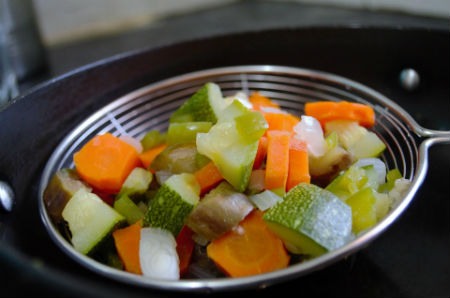
Vegetables or fruits that are easy to eat: carrots, potatoes, pumpkin or apple, boiled, in puree form, will be easier for our dog to digest.
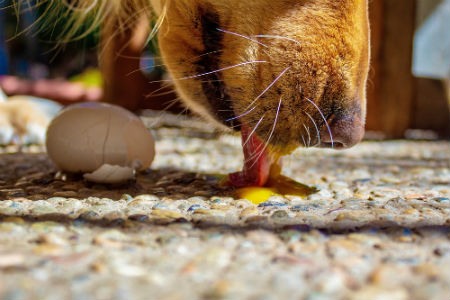
Including an egg in this diet can contribute favorably to the increase of protein and calcium in our dog's body. It can be served scrambled or grilled.
In a liquid diet, it is recommended to provide chicken or fish broth, with salt, avoiding the use of onions, to hydrate it and stimulate the canine's appetite.
Another favorable food for your body, in this case to stimulate the intestinal flora, is yogurt, as long as our canine is not lactose intolerant. These aspects should be discussed with the veterinarian and he will be the one to provide the necessary guidance to achieve an optimal recovery for our canine friend.
Proportions
The soft diet usually has well-defined proportions, focused on a higher percentage of meat or fish consumption. In this case it is presented as follows:
80% meat, chicken or fish. Either raw or semi-cooked, free of bones and thorns.
20% fruits, vegetables and water. Presented in the form of puree or crushed, so that they look appetizing for our dog.
How should it be managed?
This is another very common question. If it is an intestinal disease, the idea of a soft diet is to directly contribute to the dog's improvement, reducing intestinal overload. That is, ensuring that the digestive system does not strain to digest food. Therefore, the knowing how to provide the foods in this diet appropriately is essential. The best way to administer food is in small but frequent quantities. Around 4 times a day, this is an ideal amount to avoid saturating the dog's stomach with food during its recovery period. As the improvement in the health of our canine is seen, his body will demand more food. At this point, the number of times per day could be slightly increased to 5, taking care not to exceed the quantities or small portions that are supplied, since the objective is to avoid a relapse. The duration of the soft diet will usually be decided by the veterinarian, who will evaluate the dog's condition and progress once the diet has been started. As mentioned, this nutritional treatment will respond to our dog's needs for improvement and its recovery will be much more effective and quicker to be carried out to the letter. Learn more about dog nutrition: