Our Blog

Bull Terrier: Esto es todo lo que necesitas saber sobre esta excepcional raza

Our Blog

Bull Terrier: This is everything you need to know about this exceptional breed

by Lobo Azul in Jun 18 2023
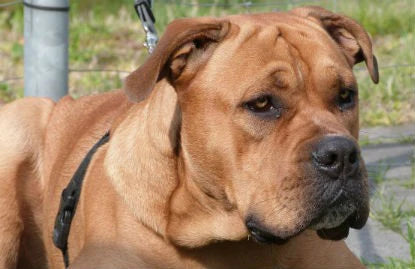
If you are looking for a dog to be your new best friend, it is important to select a breed that fits your personality and daily routine. Choosing an appropriate breed will allow you not only to enjoy the company of the canine, but also to offer the care that the dog needs to stay healthy and happy. In this case, if you like muscular, energetic, medium-sized dogs that can provide you with protection, the breed bull terrier It may be the option that meets all those requirements. A dog with very peculiar physical characteristics but ideal as a watchman, companion and lover of outdoor activities. If you feel attracted by some of the aspects mentioned and think that you could adopt a Bull Terrier as your new pet, then this article is ideal for you. know everything related to this breed. Be sure to read the information we provide about its care, characteristics and many more details that will be very useful. Size: Medium. Weight: 28kg approximately. hair type: short. Character: Fun, Loyal, stubborn and strong character. Health: Healthy. Life expectancy: Between 9 and 10 years. Origins of the Bull Terrier Although currently it is a nice, balanced dog and fantastic company, this breed was not always characterized as such and its origins demonstrate it. Its history is one of the oldest and is directly related to a bull and dog confrontation sport. Because these contests required muscular and strong animals, a cross between Bulldog and terrier, around 1835, with the purpose of polarizing these fights. Later, in Great Britain, fighting with bulls was prohibited, but these Terriers continued to be used in fights between dogs. The crossing resulted in an excellent combatant, as it was an animal that had the strength and resistance of the Bulldog with the agility of the Terrier, which earned it great popularity. The recognition of the breed occurred in 1850, when crosses were made between those already mentioned with other breeds. At that time, although with different physical traits, the basic dogs for the well-known Bull Terrier of today were created. In fact, at that time, He was already recognized as bull terrier or “the white knights”. However, it was not until 1917 when the current Bull Terrier, with the peculiar oval-shaped head, became known. The first of this breed was called “Lord Gladiator”, and with their particular appearance, these dogs gained enormous relevance in England. Bull Terrier Physical Characteristics If there is a topic within this breed that has special relevance, it is undoubtedly its physical characteristics. Let's see why. In general, it is a muscular dog, with a strong appearance, which can measure around 56 centimeters or more. The standard of his weight is very varied, however, an approximate limit would average 28 kilograms or exceed this amount, which supports his thick and well-formed build. skull If there is something that attracts attention about this dog, it is its egg-shaped head. This aspect is unique and characteristic of the breed. Its oval head is elongated and very fine. Its small eyes and nose, in line with its head, are positioned triangularly, the latter being located downwards at the tip of the face. Both black. Its jaws are well formed, which shows that it has a strong bite that closes in the shape of scissors. Their ears are well positioned and not so far apart, they remain elevated on their head at all times, giving the impression of always being alert. Contexture This stout breed has a long, thick neck, a deep chest and a fairly strong back. Queue It has a medium-sized tail, which is thick at the beginning and, later, towards the tip, it becomes thinner. Fur This breed is also characterized by having short and thick fur. Which gives a low brightness image. In cold seasons, these canines develop a second layer of fur that allows them to protect themselves from low temperatures.. White is the most common color for these dogs. However, it usually has variations in which dark spots may appear. Or also be black, red or tricolor. Behavior It is about a strong character breedThat is to say, due to its history it is a brave dog, although quite balanced and harmonious.However, its behavior will largely depend on the education the dog receives. There are countries where they are considered dangerous animals. However, in other areas they are accepted as friendly and affectionate pets. They also have a great protective sense, which is why using them as a guard or companion is an excellent idea. On the topic of coexistence, we are talking about a widely affectionate and very sociable dog, but it can appear distrustful of strange people or places. In relation to children, it is another aspect that you have to know how to handle. Although it is very likely that there will be no problems when playing between the bull terrier and a child, constant supervision is essential, and also explaining to children how to treat these animals will prevent any incidents from occurring. Regarding coexistence with other animals, this can be very protective of its land, which can cause suspicion in the presence of other dogs. However, if he is educated properly he can establish bonds with other pets without problems. On the other hand, we see a very patient and affectionate animal, which is why it requires a great deal of attention and displays of affection. Otherwise, you may be seriously affected by loneliness, which could trigger rebellious behavior or sudden attacks of aggression. Puppies From birth, This puppy is a muscular and strong dog., so early education is of great importance. This must also be combined with the necessary care so that the dog remains healthy. In the first weeks the puppy requires a lot of food, affection, comfort and sleeping peacefully accompanied by its canine family, in this way it will feel the attachment and obtain its first lessons in coexistence. This is when he begins to relate to the world and the development of his character will also depend on it. Around two months is when training begins, mainly with socialization, a base point so that our Bull Terrier does not become an aggressive and unsociable animal. As its growth progresses, this breed will require more pronounced training, as this will strengthen its behavior and prevent it from being considered potentially dangerous as a pet. Training and education of the Bull Terrier Bull Terrier training is a very important topic. First of all, we must remember that positive reinforcement is the key element to carry out a successful education of our dog, even more so when it comes to strong and determined breeds like this one. Firmness accompanied by rewards for good actions will forge a positive attitude in the animal. Secondly, it should be mentioned that this dog tends to be a biting breed by nature, that is, it is common to see them bite clothing or furniture inside the home. To avoid these behaviors, it is important to educate them from a young age about it. Using resources, such as toys that the dog can chew on, will greatly help him focus on that and not on household items. In addition to the socialization that must be applied from a puppy, training him with basic commands as he grows is also essential. That he learns not only tricks, but also useful maneuvers such as sitting or walking next to us, among others, will allow him to be a more balanced dog and we can calmly enjoy his company. Training is essential for canine development, not only because it directly influences their character, but also because they are a strong breed that requires knowing how to behave in situations. If not trained correctly, it could trigger negative behavior that affects coexistence at home. Health Although it is a muscular and strong dog, it is prone to being affected by some diseases such as obesity, deafness, patella dislocations, kidney, heart and skin conditions. Due to its short coat, this dog breed is usually highly affected by insect bites, which is why it is essential to keep it protected. Also, constantly check your skin to verify that it is free of bites that could cause allergies. Complying with the necessary care and attention will keep this animal healthy and in perfect condition to enjoy your company and great affection. Care Although its appearance may seem otherwise, the bull terrier requires some basic care to stay in perfect condition. The feeding It is necessary to maintain a dosage in the food provided to this breed and with a dog food adapted to your needs. Well Excessive nutrition can cause you to become overweight and, in extreme cases, gastric diseases.. It is imperative to feed it regularly, but in small quantities and also with quality feed. The exercise Food must necessarily be combined with daily exercises. Whether frequent walks, jogging or exercises in the park, it is necessary keep this breed constantly active because you may suffer from diseases associated with a sedentary lifestyle that will reduce your life expectancy and daily energy. Climatic conditions Although in winter it usually develops a second layer of fur to protect itself from the cold, it is recommended to keep it warm at this time so that it is not affected by low temperatures. Affection and attention It should not be forgotten that this canine requires a great deal of attention from its owners, otherwise it can develop anxiety, stress and even depression. Make sure you have the time to toast this strong friend. Visits to the vet Periodic visits to the veterinarian, combined with compliance with the vaccination and deworming schedule, are an important part of the care that the Bull Terrier permanently requires to guarantee its good health. Bathing and hygiene This breed has a very short coat, so it does not require extreme care. Bathing him once or twice a month, if he is completely dirty, and brushing him once a week will be enough to keep him well cared for. To sum up Without a doubt, this is a strong, determined and muscular breed, but also very loyal, overprotective and affectionate. Although in some places it is considered potentially dangerous, this dog can become an excellent companion if trained properly. The training plays a fundamental role in the formation of positive behavior in these dogs, so taking care of this aspect is vital to develop adequate coexistence and socialization, whether with people or other pets. Although it usually gets along well with children, it is advisable to maintain constant control when they are playing. And also educate the little one about how they should treat the dog. If you are considering adopting a specimen of this breed as your pet, make sure you have the time necessary to give it attention and love, otherwise they may suffer from the loneliness they feel. Other dog breeds that may interest you: Andalusian winemaker Belgian Shepherd border collie Schnauzer
Labradoodle - Descubre esta curiosa raza mezcla del Labrador y el Caniche

Our Blog

Labradoodle - Discover this curious mix breed of Labrador and Poodle

by Lobo Azul in Dec 08 2022
As with bad shi, The Labradoodle is another of those dogs that have been developed “in the laboratory”, consciously mixing two breeds of dogs, the Labrador and the poodle, giving rise to this dog that looks like a teddy bear. Size: from 45 to 55 cm Weight: between 10 and 25 kilos hair type: long and wavy, although there are specimens with straight hair Character: calm, sociable and cuddly Health: good, although they suffer from several genetic diseases Life expectancy: 14 years Origins of the Labradoodle The Labradoodle is one of the few dogs in the world that has its origins documented, so we know the exact year it originated, specifically, 1988. On that date Wally Conron came up with the idea of creating a non-shedding guide dog for blind people., because blind people with allergies could not enjoy a guide dog. One of the races was clear, the farmer and the other chosen one was poodle, very intelligent and also did not shed hair, being what is known as a hypoallergenic breed. Over the years its creator has regretted his idea, as he believes that his initial motivation has been perverted and now this animal is only raised in order to make money, something in which he is right. Furthermore, it seems that there are some problems with the health of many specimens, although in the United States and Australia they have already started to work with the idea of ​​professionalizing the breeding of the breed. In fact, the United States Kennel Club has recognized the labradoodle, something that we think will take a long time in Europe, where we can buy it without any type of documentation proving that it is a pure breed. Labradoodle Characteristics Being such a recent breed, not recognized in a good part of the world and on which work is currently being done, these characteristics are only a guide, as there are several different types of Labradoodle. So, It has a very long coat that is usually wavy, although it is not unusual to find specimens whose hair is straight or curly, and something similar happens with the colors, among which there are many different shades. We see white, black, caramel, silver, blue, gold dogs and all of those colors combine with each other, being valid at this time as there is no clear standard or guidelines on which are desirable. The size is medium, and something that immediately identifies them are their two long ears, which hang and move when this dog runs. It weighs between 10 and 25 kilos, which is a large variation and here we see again that there is a lot of variety in the different animals, measuring between 45 and 55 cm. Because over the years they have been bred without any type of order, some of them have lost the quality of being hypoallergenic, which was the reason why this breed was created. There are several types of Labradoodle and The one who wants to prevail is the Australian Labradoodle, since breeders are fighting to create a breed that has a defined standard, using others such as the cocker spaniel or the Irish terrier, always with the idea of establishing physical characteristics. The mixture has sometimes not given good results, since many dogs are created with an overly nervous character. Labradoodle Character Again, and taking into account that everything is provisional and changes a lot from one dog to another, as a general rule this is a sociable and very happy breed, which loves cuddles, children and family life. At the same time, it has a much higher than average intelligence and always wants to please its owner, which, on the one hand, makes it useless when it comes to guarding, but on the other hand, it makes it one of the best assistance dogs, which is what it was created for. This is not always the case, and sometimes It can give us more problems than we thought at first, since it is a cross between two hunting breeds., so instincts can come out and that would not make him suitable as a therapy animal. With good early education this can be redirected, so you have to start early with it. Labradoodle Education One of the first tasks when we are training a Labradoodle is to teach it to come to our call, which is the most difficult because the breeds from which it comes have a great hunting instinct. Here positive training will be our best ally, especially with a dog as intelligent and sensitive as this one, using rewards every time he does something well. Of course, violence is totally out of place, plus it would only scare him. With patience we can make great progress, since we must not forget that they have been used, and continue to be used, to help people with vision problems and that they are also excellent therapy dogs. It wouldn't be a bad idea to go to a dog school., at least at first with the intention that they help us in the initial training and in it we can practice Agility, since its intelligence and agility make it very good in this discipline, although there are some specimens that are reluctant to practice it. Labradoodle Health It is its weakest point, since although it is not a sickly dog, it does has several hereditary diseases that come from having crossed the poodle and the Labrador without any control. We always read that mixed-breed dogs are more resistant and this is true, but after many years of natural selection in which the sickest ones end up dying, only the strongest ones reproduce. This is not the case with the labradoodle, which is prone to hip dysplasia, elbow and progressive retinal atrophy. In addition, you can also suffer from skin problems due to the mixture of both hairs of two very different types and malformations in your teeth. That does not mean that you will have these diseases, but it does mean that You will be prone to them and they may appear throughout your life. Now “the ball” is in the court of breeders, who must get to work to banish these pathologies with selective breeding and genetic testing, stopping breeding with those dogs that have them. Labradoodle Care As happens with the Labrador, this breed is prone to being overweight, so we must control what we feed it, leaving aside treats and giving them quality feed, without grains or cereals. Hair is another specific care for the Labradoodle. and the heaviest of all, because due to the quantity and length it has to be brushed daily, or else it ends up being a bunch of knots. Its hair can be cut, but if we don't want to brush it often it is better to opt for another breed with a short, smooth coat. Continuing with the specific care, the ears can also cause us some other problems, since sometimes they have hair inside and when they fall down, ear infections will soon appear if we are not careful. You must exercise and they like to swim like labradors, so perhaps it is not the best dog to spend the day locked up in a small apartment, and it is more convenient for it to live with us in a chalet with a plot or in a country house. Adopt a Labradoodle In Spain it is not a popular breed, although it is possible to see the first specimens, but they are not common in shelters. We can look for them, since over time it is possible that we will find one, but if we find it we have to be careful, because Some specimens do not have the best character in the world and it is likely that they are in a shelter for that reason.. Retraining an adult animal is something that can be done, but it is not within everyone's reach. Therefore, if we find a Labradoodle, it is advisable that we spend some time with it, or even consult the possibility of living with it at home a few weeks before the final adoption. This helps us know how it behaves, and if we like what we see we will really enjoy it, especially if we are fond of going out into the countryside and have a nearby watercourse or swimming pool at home. Other dog breeds that may interest you: Dingo American Bulldog english bulldog Shar Pei Boxer golden retriever Samoyed Schnauzer Belgian Shepherd border collie
Dingo - Todo lo que debe saber de esta extraña raza de perro

Our Blog

Dingo - Everything you should know about this strange breed of dog

by Lobo Azul in Sep 29 2022
In Australia there is a rather unclassifiable canid called the dingo. Zoologists have been arguing for years about whether it is a wolf, a wild dog or a domestic one without reaching an agreement. Right now it is a vulnerable species, since it is being hybridized with dogs and is even sold as a pet, which will put this animal in danger in the coming years if things do not change. Size: up to 59 cm for males. Weight: its average weight is up to 32 kilos hair type: It is usually earthy in color, with tones such as yellow, red and mixtures of both can be seen. If the animal is pure, it will have white hair in areas such as the tip of the tail, legs and chest. Its length is medium. Character: It is very similar to that of the wolf, and the males can become very aggressive during the mating season. Health: good, because in theory it is a wild animal. Life expectancy: about 12-15 years old. What is a Dingo or Canis lupus dingo? To this day it is not well known what a dingo is and there are eternal discussions between experts for many decades now. One of the opinions is that it is a dog, an ancient lineage that arrived in Australia at some point and developed there apart from domestic dogs. Others say that it is a domestic dog as such, that it is the same as those we have had at home for thousands of years, while there are those who opt because it is a subspecies of dog or wolf that traces its origins to the Asian wolf. Finally, other specialists say that it is nothing of the above and that it is a separate species, so the confusion continues even though there has been news of it since the 19th century. Perhaps one of the best definitions that have been given of this animal belongs to the anthropologist Pat Shipman, who tells us that the dingo is a wolf that was going to become a dog, but never completed the process. It is increasingly difficult to distinguish it from dogs, since it has been hybridizing with these for a long time and that is endangering the survival of this animal, which may disappear in the coming decades. History of the dingo It seems that the origin of the dingo may be in New Guinea, since it is very closely related to the singing dog of New Guinea or the New Guinea highland wild dog. Thanks to genetics we know when it first arrived in Australia, something it did around 8,000 years ago, finding fossils dating back to around 3,500. It is known that it must have been brought by some human population that sailed to what is now Australia., but it is not known which one and it did not carry out any type of selection, because thanks to the fossils we know that during those more than three millennia the dingo has not changed its appearance. Around 1788, the first British settlers who arrived in Australia commented that there were some dogs that accompanied the indigenous Australians, so it seems that they had domesticated them and a symbiotic relationship was established between the two. Coexistence with the settlers was not good, because as they began to take cattle, the dingo saw the cows and sheep as easy prey and did not take long to attack them, so measures were taken in order to control their numbers, which have never been very efficient. In fact, dingo populations rose as those of the settlers did, as they introduced new species to Australia such as sheep or rabbits, which served as food for the dingo. There were more problems with the sheep, but none with the rabbit, because he could hunt them in the field without bothering people, who left him alone if he didn't go near the livestock. Right now it is recognized as a native animal of Australia, so it enjoys protection in some areas of the country, although it seems that hybridization may put an end to it. It is not usually represented in cave paintings, which is rare due to its antiquity and because it is a very prominent animal in the Dreamtime stories of the Australian Aboriginals. Dingo Characteristics The moment we see them, what happens before our eyes is a dog, which when it is an adult can measure 50 to 59 cm and weigh between 23 and 32 kilos, although some animals have been seen that have exceeded 50, which is very exceptional. As in most dog breeds, males are larger than females, and this change in size also occurs within males depending on where they live, since those from southern Australia are almost always smaller than those from the north or west. If we have time to look at them calmly, we can realize that compared to a similar dog, the dingo has a larger snout and longer incisors, although perhaps only specialists can see this. The skeleton is where it is most distinguished from dogs, since the bones are flatter and the neck area is larger. Their hair has colors designed not to stand out in the Australian desert environment, so it is possible to see different shades of yellow and red, with albino specimens being exceptionally visible. The coat may be a different color, which means that this specimen is not a pure dingo, which also has white spots on its legs and chest, as well as on the tip of its tail. They usually live alone, although they all belong to packs that do not spend 24 hours together, but rather they meet once every few days and consist of up to 12 animals, whenever there is reduced human activity in the area. Within the packs, they establish different hierarchies for males and females, and only the dominant pair reproduces, something that is simple, since the female remains in heat for two consecutive months a year, always in the same season. The rest of the members of the pack are dedicated to raising the cubs, so the population of these animals has not grown uncontrollably, especially considering that they have been controlled and killed since the first white man set foot in Australia. It barely barks and does howl like wolves, having three basic howls that serve to attract group members or to warn of the presence of intruders. A single pack can have a huge territory of more than 200 square km, which depends a lot on how dispersed its prey is, which on a continent of this type can mean a large number of km to cover. In fact, animals have been studied that have traveled up to 250 km from their place of birth, so they are capable of traveling enormous distances. Food Dingoes eat everything and are not picky when it comes to choosing their diet, since in Australia It is known that more than 170 species are included in their diet., with very diverse sizes ranging from small insects to enormous water buffaloes. Depending on the region where they live, dingoes are more specialized in one animal or another when it comes to hunting, and those who live in the north capture the magpie goose, the dusty rat and even the wallaby, which is like a miniature kangaroo. There are also dingoes in Asia and here their diet changes, because due to the overpopulation of the continent they are closer to humans. In this way, while in Australia they are carnivores, in Asia they are omnivores and do not dislike foods such as rice or fruit that humans give them. Their way of hunting varies depending on the size of the prey they are going to stalk. Thus, if it is small animals like a rabbit they do it alone, but if they go after kangaroos they create groups just like wolves. We must not forget that livestock is also a part of their diet, although it is true that only in those times when the species they usually hunt are scarce. Where do they live? Currently, their main habitat is in Australia, although there are several areas where there is hardly any population of these animals, such as the southeast of Tasmania and a part of the southwest of the island. Furthermore, has a presence in Southeast Asia, where it seems to originate, in countries like Indonesia, Thailand or the Philippines, although there are no populations as large as those in Australia, perhaps because human pressure is greater in this area The Dingo as a pet Is it possible to have a dingo as a pet? The answer is yes, but only if we live in Australia, since there it is considered a vulnerable species and cannot be taken out of the country. It is fashionable to have these animals as if they were dogs, and in fact it seems that there are even kennels specialized in them, although they do not always keep them in the best conditions, and that is why it is recommended to adopt one if possible. You should never pick up any adults from the street, as they are still wild canids, which can become very aggressive when they are confined in a home or in a garden, at which point they attack. Among their virtues are that they are very independent, that they do not smell and that they hardly bark, although they do howl. Being so independent allows you to have a type of dog that is less attached to its owner, which is what some people look for in rural areas where these animals usually live in conditions of semi-freedom. Of course, we must never forget that they are not actually domesticated, so you always have to be careful with them, especially during the breeding season when the males will try to escape using the means at their disposal. Educating him is not easy at all, so training him to listen to our commands can be almost impossible, something that we must be willing to accept with these animals. In fact, it would be advisable to have some type of prior training before he arrives home, because if we are going to have him like any other dog, he must learn some rules that will not be easy to teach him. Kept as a pet you will hardly need to visit the veterinarian, since having been selected in nature it is very resistant to all diseases. As for feeding, they don't cause problems, but if we have them as pets, the simplest thing is to give them quality feed, suitable for the size they have, which if taken to that of dogs would be the average, similar to that of a German shepherd. If you give it premium food, it will live better and have excellent health, although you can also feed it with meat, whatever is on the market at a low price at that time. It is advisable that the meat be cooked, as this will prevent parasitic diseases that can affect the dingo in the same way as any other dog or wolf.  How much does a Dingo cost? Within Australian territory you can buy a dingo for a price that ranges between 500 and 1000 dollars, a reasonable amount if we take into account the standard of living in the area, so it can even be said that it is cheap. There are specialized kennels that are legal there, so living in Australia we can have our own dingo. Other articles that may interest you: American Bulldog Croatian Shepherd whippet english bulldog Boxer golden retriever Samoyed border collie Beagle  
Pastor Croata - Las maravillosas cualidades y características de esta raza

Our Blog

Croatian Shepherd - The wonderful qualities and characteristics of this breed

by Lobo Azul in Mar 10 2022
There are dogs in the canine world that, although they have excellent physical and behavioral characteristics, are not widely recognized outside their country of origin. This, although it gives them a certain exclusivity, also makes them unknown animals to many people and with little chance of being adopted at some point. As happens with the Croatian Shepherd Dog. Size: Medium. Weight: Between 13 and 250kg. hair type: Curly and long. Character: Intelligent, Energetic, Enthusiastic, Agile, Alert, Sociable Health: Healthy Life expectancy: Between 13 and 14 years old. A dog with wonderful abilities that make it not only exceptional for herding, but a very nice companion dog. Although many things are unknown about their beginnings, it is known that these dogs originate from Croatia, where since they were known, they have been used as a herding dog. Uncommon in other countries, these canines have a tireless work spirit making them ideal for life in the countryside. However, their pleasant, balanced and pleasant character also makes them very appropriate as companion canines. Although sometimes, based on its appearance, you might think otherwise. Do you want to know more about the Croatian Shepherd Dog? Be sure to read the following article where we will detail everything you need to know about this incredible dog breed. Origin of the Croatian Shepherd As mentioned at the beginning, the history of this sheepdog is little known. Its origin is a topic that has not been established with complete clarity. However, it is presumed that it is one of the oldest breeds that has existed, since by the middle of the 14th century, specimens with the characteristics of today were already recognized. What is clear is that these dogs come from Croatia, a country where from the beginning They were used as herding dogs, where they stood out in a timely manner. Except for their size, there is no differentiation between the dogs of the aforementioned era and those of today. That is, we are talking about the same group. The recognition of the Croatian Shepherd officially was a late issue. More than thirty years after its appearance, its acceptance took place. Mainly the Yugoslav Kennel Club was responsible for adopting the first breed standard, in 1968. This document was approved by the International Cynological Federation (FCI) a year later, accompanied by the recognition of these dogs as an official breed. Action that some time later was carried out by the United Kennel Club (UKC). However, these recognitions were not enough for the dog to be known outside its country of origin. Although their use in herding has decreased, these dogs continue to be suitable as companion animals within Croatia. Physical characteristics of the Croatian Shepherd The physical appearance of the Croatian Shepherd gives it a fairly stable physical condition. He has an athletic and well-built body, which is curiously longer than it is tall, giving him a rectangular appearance. His build is robust, formidable and strong, which has given him great agility during his physical development. Let's see more physical details of these dogs: Dimensions The weight of Croatian Shepherds has not yet been established within its standard. However, it is estimated that these dogs can easily reach between 14 and 16 kilograms in weight. What it gives you quite a beefy appearance. In terms of height, these dogs are between medium and large. At the withers it can measure 40 to 50 centimeters. Head Its head has a fine and light appearance. It appears in the shape of a wedge, although it is quite strong. The eyes of this animal are medium-sized and oval, black in color, denoting an innocent, although always attentive look. The ears of the Croatian Shepherd are set high, set in a rectangular shape, moderately visible, erect or semi-erect. As for his nose, it is also medium-sized, black and slightly visible on his face. Queue The specimens of this breed have an elongated tail set high, thick at the beginning and tapering towards the tip. This is covered by an abundant and thickened layer of hair. Fur Although it may not seem like it, the coat of these dogs is really soft. Its structure can vary, so in some cases it can be smooth and, in others, wavy. Another characteristic of this coat is that it can be seen more abundant in some specific areas, such as, for example, on its back. While on the face and legs it is shorter and lighter. Temperament Although it is unusual as a companion animal today, the character of this breed reflects it as an excellent companion. It is an attentive, intelligent, agile and dynamic dog. For this reason, the job of pastor suited him so well. A fast and coordinated animal, as well as strong enough to endure long days of work. Especially if it involves life in the countryside. These canines prefer to live outdoors, in a large space, where they can get around easily. However, if they are educated properly, they can know how to live in smaller places, as long as they have a frequent number of walks. Regarding coexistence with other animals, Croatian Shepherds are generally not aggressive in the presence of other pets. However, in some cases it may feel uncomfortable with the presence of other dogs, so it is important to adapt it progressively, if there will be more than one pet at home. Now, with children, coexistence is usually more enjoyable, if education is good for the canine, your little one will be able to count on an excellent playmate. In any case, it is important to supervise the activities of both, since the dog can have natural attitudes towards children due to its behavior as a shepherd. They are docile and obedient dogs, so training will not be complicated far from fruitless, as long as it is done using the appropriate mechanisms. Croatian Shepherd Training Training the Croatian Shepherd does not require excessive effort, it simply requires time, perseverance and dedication, as with most pets. It is important to start from an early age of the canine, emphasizing mainly socialization. It is important that coexistence with other people and animals is put into practice from the dog's growth, in this way its territorial instinct will decrease and it will be receptive in situations in which it has to live with third parties. Generally, these dogs They do not have behavioral problems, unless they are not given the necessary attention. In this case, it is important to note that, like other breeds, they require company and exercise to a great extent; if they do not receive them, they can develop negative behaviors caused by anxiety or depression. Use basic obedience rules in training to adapt it to a routine of exercises, walks and being alone for a few hours, will help these dogs maintain physical and mental balance. It is important to emphasize positive reinforcement as a key resource in the training of these specimens. This technique will help establish a relationship of trust between the dog and its guardian, and will provide more effective results in the space. Croatian Shepherd Health Although it is an ancient breed, the strong and resistant body of the Croatian Shepherd also gives it a solid state of health and physical condition. In general, these are very healthy dogs that are not affected by hereditary diseases or any other type of pathology. However, in some cases and as a result of the work they do in the field, for example, they can develop knee dislocation and other joint problems. However, this is a very unlikely condition in these dogs today. Despite the good health of the Croatian Shepherd, it is important to maintain different care that will help this dog stay just as healthy. It is necessary to comply with the attention they demand, so we can enjoy their company for 12 to 14 years, which is approximately their life expectancy. Care As mentioned recently, these dogs enjoy very good health, however, it is necessary to contribute to this well-being by providing essential care for it. Some of the most basic care: Brushing and hygiene These canines do not require excessive effort to care for their coat. Brushing and combing it at least once a week will be enough. It is important to emphasize that this shepherd loses abundant hair, which is why they are not recommended dogs for allergy sufferers. As for bathing, it is not necessary to do it frequently. In fact, it can be harmful to your skin's natural oils. These dogs should enjoy a good bath when they are really dirty. It can be every two months. Exercises and company If there is something that should be paid attention to, it is the amount of exercises and attention offered to our dog. It is therefore necessary to have enough time to give him at least two long walks daily. Additionally, complementing these walks with dog exercises or intelligence games will be very convenient. In this way, not only will your physical well-being be stimulated, but also your mental well-being. The company is a point that should not be neglected, it is necessary, therefore, to spend time during the day with these canines, otherwise they could develop negative behaviors. Medical care Consistency in veterinary consultations will be a key factor in keeping our Croatian Shepherd healthy and strong. Compliance with controls, vaccination and deworming schedules will make these dogs a very energetic and stable pet. Conclusion Although they have been little-known pets outside their country of origin, The Croatian Shepherd Dog is an exceptional and unique dog who has an ideal temperament to be a recommended companion. His energy, intelligence and agility make him a perfect canine for going for a walk, exercising or simply enjoying activities such as hiking. As if that were not enough, they are animals that do not require excessive care, so the time that you will not invest in it, you can dedicate to keeping them company, as they greatly enjoy sharing with their owners. They are attentive and loyal dogs, so you will never lack a four-legged friend to count on. So, if you have what it takes and you have the opportunity to adopt a specimen of this breed as a pet, do not hesitate, because you will not regret it. Don't miss out on meeting… border collie Xoloitzcuintle Polish Plains Shepherd Shepherd Vdisgust Finnish Spitz english bulldog Boxer Catalan Shepherd Shepherd bergamasco golden retriever
Whippet - Todo lo que necesitas sobre este veloz e inteligente

Our Blog

Whippet - Everything you need about this fast and intelligent

by Lobo Azul in Mar 07 2022
Of the sighthound family, the whippet It is a breed that enjoys great popularity and favoritism. Usually, their athletic yet elegant appearance makes this the main reason. The canines of this breed are characterized by a shy character but notable intelligence. In addition to this, these dogs have a positive and very playful temperament. His energy is very attractive. That is why it requires great attention and a large number of exercises. If you are considering adopting a dog, it is important that you know everything this canine needs to stay balanced. Learn about its characteristics, physical appearance, health and the education that this particular dog should receive from its first months of life. Size: Medium. Weight: Between 6 and 19kg. hair type: Very short and smooth. Character: Affectionate, Quiet, Friendly, Intelligent, Vivacious, Gentle Health: Healthy Life expectancy: Between 12 and 15 years. Origin of the Whippet The history of these dogs dates back to approximately the 18th century. Time in which it was known as its own breed, although its resemblance to the Greyhound was undeniable. Even more so because the latter was used in the cross that originated the Whippet breed. Its beginnings are in Great Britain, where it was known as the race of the poor. This is because Greyhounds were characterized as dogs for the upper class. That is, only wealthy people had the power to acquire them. Meanwhile, the Whippet was a more accessible, lower-cost breed. It was used as a hunting dog in the first instance, due to its tracking abilities and, above all, its admirable speed. The ancestors of these dogs also stood out in speed races. And this dog can exceed 60 kilometers per hour, a speed that is impressive for a dog. From there its popularity grew, becoming the favorite of British society. In addition, other qualities of the breed made it more attractive. However, it was around 1890 when these dogs were officially recognized as a breed, thanks to the intervention of the English Kennel Club. Physical appearance Its appearance reveals a canine with unsurpassed athletic gifts, specifically dedicated to racing. His strong, elegant, restless and well-composed appearance reveals each of his physical gifts. He has a marked and slender body, which combines very well with his energy and great dynamism. Its dimensions give it outstanding agility that allows it to excel in speed in a race. Weight and height Whippets do not have a standard regarding weight. However, for both sexes, the average weight can be between 9 and 20 kilos. In relation to height, this can vary between males and females. The first can reach between 47 and 51 centimeters. Females, for their part, measure between 44 to 47 centimeters. Both the weight and the height at the withers of these dogs are evidenced by a formidable and well-formed body structure. head The head is thin, elongated and looks flat at the top. Towards the muzzle, its face becomes narrower. The latter is also long and thin. He has eyes similar to two hazelnuts. Its oval shape combines perfectly with the energetic, but innocent expression that its eyes show. On the other hand, the nose of these dogs is medium, dark in color, usually black. Meanwhile, the ears of these animals appear small, set high, triangular in shape and slightly drooping forward. Queue Its tail is long and thin. However, at the base it can become a little thicker, ending up narrower at the tip. Fur What characterizes the Whippet's coat is that it is short, thick and dense. But it has a lot of shine. The color of these dogs can be varied: black, white or brown. Although the white remains, it has spots that can be black, tawny, brown, chocolate or a combination of all. Whippet Character In addition to its excellent appearance, his temperament is a very attractive attribute, especially if it is a dog intended for the company. It is about a dog with a really docile character, obedient, tender, sensitive and affectionate. He also stands out for being intelligent and gentle. A true pet that will fill your days with love and entertainment. The Whippet is a dog that is protective and distrustful of strangers, especially if it perceives any danger. In other words, he will show suspicion if he does not feel comfortable in situations with people who are strangers to his environment. As for coexistence, Whippets are very spontaneous, affectionate and playful. That is, they are perfect when it comes to companions for children. However, it is important to care for and avoid mistreatment of animals, as this can lead to aggressive behavior. In general, they do not tolerate rough play or abuse. It is important to consider these aspects to ensure the proper development and well-being of our pet. Especially in the case where there are very young children. In relation to coexistence with other pets, it is a little more delicate, since being a hunting dog, the presence of a smaller animal can awaken this instinct and provoke a chase. It is an ideal dog for outdoor activities, sports, walks, hunting or simply to provide quiet company within the home. In both scenarios it will adapt very easily. Whippet Training Despite being a somewhat shy dog, the Whippet has outstanding intelligence which will help you facilitate training for your tutor. It is important to start with socialization, an issue that will be handled without problem, since these dogs are very sociable. However, it is necessary that, from a young age, they live with other animals and people, this way the process will be much more bearable and they will feel at ease with their surroundings more easily. Whippet training, like that of any pet, should be based on positive reinforcement. This is a dog with a very sensitive temperament to respond to commands based on traditional training. It is also important to practice basic commands with these dogs. Mainly because this aspect will influence their behavior significantly. And secondly, because it will establish a strong link of communication with its owner. Health Although it is generally a strong breed, these dogs can suffer from some diseases that affect the breed to a greater or lesser extent, depending on the care provided. Cataracts, progressive retinal atrophy, heart problems, allergies, skin wounds or hypersensitivity to some chemicals are some of the illnesses that can influence your health. Their life expectancy is between 12 and 15 years. However, the pathologies mentioned above can be directly related to the longevity of the canine. It is important establish a complete care plan, which includes vaccines, deworming, good nutrition, among other aspects; in order to maintain the well-being and health of this breed for as long as possible. Whippet Care The care that must be offered is not complicated. However, it is necessary to know them and comply with them appropriately if you want to extend the life expectancy of these canines and enjoy them for as long as possible. Aspects related to skin care, feeding, exercise and medical check-ups will be necessary to guarantee the dog's well-being at all times. In addition to preventing some of the diseases that commonly affect the breed. Let's see below some of the most important aspects of its care. Food Feeding, as with most dogs, must be controlled periodically. Not only to avoid excess food, but also to offer quality feed that helps keep them healthy. The right food will provide the dog with the necessary nutrients to keep it strong and healthy at all times. Also combined with exercises, it will be a very good look to maintain your athletic figure. Exercises Exercise practice is strictly necessary for these dogs. Daily walks, lasting 2 to 3 hours, cannot be missed. In addition, they should be alternated with exercises, sports and games. This will help you maintain balance and release the energy accumulated in your body. If they do not receive a daily dose of exercise, these dogs can suffer from anxiety and adopt destructive behaviors inside the home. It is important to have time to dedicate to walking, training and playing with these dogs, in this way their excess energy can be controlled and they can remain balanced. coat Its fur, although hard and dense, is very fine. Without an undercoat, you are likely to be left unprotected in cold temperatures or at risk of frequent skin injuries. This is why protection must be very necessary. First of all, a dog coat to prevent him from getting cold in low temperatures. And, secondly, check their paws after each walk, to make sure that no injuries have been made to the pads. Medical checks A detail that cannot be avoided in the care of these little friends is the constant visit to the doctor. At least a checkup every four months will help keep these canines healthy.   In addition, deworming and vaccination will be ideal to strengthen your immune system and thus prevent the appearance of undesirable pathologies. Conclusions The Whippet will be an excellent playmate for children, an ideal friend for adults and a top athlete for athletes who want company on their walks or fun practices. This dog has the character and energy necessary to always stay active and enjoy any family weekend plan. He has an exemplary, loyal, docile and affectionate temperament that will not hesitate to protect his loved ones in any situation. But he is also tender and very attentive. So it is a perfect combination. This canine, like others, requires proper training to reinforce its behavior. And also that the necessary care is provided to guarantee their well-being from very early on. Only in this way will it be possible to enjoy for a long time the excellent qualities that this dog has to offer to his human family. If you liked this post, we have more for you: Hungarian Shorthaired Pointer english bulldog Boxer golden retriever Azawakh Pointer inenglish gtosomething Afghan Hound Samoyed Schnauzer Belgian Shepherd
Pastor Polaco de las Llanuras: conoce a este juguetón amigo peludo

Our Blog

Polish Plains Shepherd: Meet this playful furry friend

by Lobo Azul in Mar 04 2022
The extensive list of dog breeds that exists makes selecting one a complicated process. Furthermore, the characteristics of each one may vary. In this long list, hunting, herding, playful and energetic dogs are the ones that work the most, one of them, the Polish Plains Shepherd. Size: Medium. Weight: Between 14 and 23kg. hair type: Smooth and very long. Character: Intelligent, Self-confident, Gentle, Vivacious, Agile Health: Healthy Life expectancy: Between 12 and 15 years. This canine, as its name indicates, is used as a herding dog and also as a companion canine, as it has, among other abilities, an energetic, pleasant and very playful temperament, which makes it very attractive. Do you want a copy of this shepherd as a pet? So it is important that you know the most basic care that this breed will need in your care. Also, characteristics, origin, health and the education he must receive to maintain his pleasant temperament. In the following article you will learn about each of those details. Origin of the Polish Plains Shepherd Like other dogs of ancient breeds, the origin of the Polish Shepherd Valée Shepherd (as it is also called) is difficult to pin down. According to some records about these dogs, Its origin dates back to the Middle Ages, where he stood out from the beginning as a dog with precise herding skills. The plains of poland It was the first scene where this canine began his work as a shepherd. According to these abilities, it is presumed that this dog arose from a cross between Tibetan and Hungarian dogs, which would explain the structure of its coat. Like many other breeds, these canines were harmed by the devastating effects of World War II, where they were endangered. However, the insistence of breeders who love the breed made it possible for them to be maintained and survive to the present day. Today, although it is a little-known canine outside of Europe, it has many followers of the breed. Well, his physical characteristics, skills and temperaments have made him worthy of admiration and popularity. Physical appearance of the Polish Shepherd If there is something that characterizes this shepherd, it is his abundant coat, which makes him look robust. Although it is a muscular, strong canine with a deep and formidable chest, its characteristics are slightly pronounced. These are dogs with a rectangular body, slightly longer than they are tall, although this detail cannot be clearly distinguished because it is not as pronounced. Weight and height The height of the Polish Shepherd is medium. At the cross, males average their height between 45 and centimeters, while females are smaller, between 42 and 47 centimeters. Unlike height, the weight of these dogs is standard for both sexes. Thus, these dogs can weigh up to 15 kilograms in their adult stage. Head and features These canines have a pronounced skull, although smaller than the coat makes it seem. Its head is medium-sized, but large, strong and robust, in line with the size of its body. His facial features are pronounced. The nose is dark, medium-sized, as are its eyes, which are oval-shaped and cinnamon-colored. They transmit innocence, but at the same time energy, an aspect that characterizes them. The ears of this specimen are pendulous, giving a characteristic appearance and a touch of grace. They have a remarkably high insertion, thin and elongated, with a peculiar heart shape. Line The tail is another detail that characterizes this shepherd. In general, it is common to see these dogs born with or without a short tail. On some occasions, it can be medium or long. Fur As can be seen just by looking at it, the fur of these shepherds is considerably abundant, thick, dense and long. That is, your entire body is covered by it. In addition, they have a softer layer that allows them to stay warm in the cold and also in excessive heat. Color is an unimportant aspect, because they can be any color. Character of the Polish Shepherd If there is something favorable about the adoption of the Polish Shepherd, it is his character. These are characterized by having different qualities that make it a very attractive pet. From a high level of intelligence to a balanced and very patient behavior is its main characteristic. They are also very energetic and attentive animals. It will remain vigilant at all times, which is why it is highly recommended as a guard dog, as well as a shepherd. This number of qualities, therefore, also make it a loyal and protective canine. Affection is another characteristic that stands out in these dogs, since they require a great deal of attention. They love to play with their family, so the time spent caring for these dogs should be considerable. The issue of coexistence is a bit limited, because although these dogs are very loving with their own, with unknown people they tend to be reserved and unfriendly, although without acting aggressively. In relation to other pets, they have no problems coexisting with other animals. However, they like to enjoy their own space freely. In these cases, socialization is essential. Only in this way will the dog adapt to the presence of other pets and we will not have to worry about it being aggressive or shy. Although their character tends to be quite balanced, excessive barking is one of the most common behavioral problems in this breed. This is due to their ability to graze. However, adequate training can minimize this situation. Usually They are an excellent company for homes with children, because they are playful and patient. However, it is necessary to guide children about the treatment they should give to animals. Well, otherwise, they may feel uncomfortable. These canines do not tolerate confinement, although they can live peacefully in country houses or apartments, it is important that they have considerable space to move freely. Education of the Polish Shepherd As mentioned above, this dog breed is highly intelligent. This means that their training will not be a complicated issue. But his strong and determined character can limit this process a bit. It is important, then, that the person in charge of training these dogs has patience and is able to handle the orders appropriately so that the animal feels comfortable with them and can comply with them without problems. Without a doubt, Positive training is very necessary to train these dogs.. It is necessary to have basic knowledge about the most appropriate way to treat this breed in training. And, also, use aspects such as motivation, reward and consistency within training. Violence or shouting does not work properly. In fact, they can attract a negative effect because the dog, not feeling comfortable, will demonstrate its rejection of commands that are given to it inappropriately. Outdoor activities and dedicating at least 30 minutes a day to the training of these specimens is what is needed to ensure that the educational process is effective. It is important to highlight that socialization and, later, basic commands, are the first aspects that should be highlighted within the training process. Once this knowledge is acquired, the canine will not hesitate to learn tricks and tricks as part of the game. Health Polish Shepherds have a life expectancy that generally exceeds twelve years. And in this period, it is very rare for them to suffer from any disease characteristic of the breed. That is to say, they are largely strong and healthy dogs. However, this does not mean that adequate care and attention is not necessary, since only in this way will they be prevented from being affected by any common disease that may affect them from birth. The skin of these dogs should be a topic of attention. Well, due to its double layer of fur, it is possible that if it is not cleaned well it could suffer from irritation or infection. Likewise, you must remain constantly attentive to your ears and eyes. Polish Shepherd Care Although the Polish Shepherd is a breed with a great state of health, strong and stable, Care is as important as with any other pet.. Your well-being and the preservation of your energetic and vigorous spirit will depend on them. This care does not merit as much complaint as in other species. However, compliance with it will ensure that this animal is a strong and healthy pet during its life stage. Let's look at some of the most important aspects of your care: Exercises A basic aspect in the life of this pastor is the recurring practice of physical activity. These dogs must receive at least 3 walks a day, accompanied by exercise routines, games, training or, if possible, the application of sports such as Agility. In this way, not only will the canine remain active, but aspects related to obedience will be reinforced. It is important that the dog has enough space within its environment to move and feel free. If this is not the case, they may become aggressive or depressed, due to not being able to enjoy a spacious place at ease. It is important to consider these details, since the acquisition of a destructive character due to this issue is a difficult process to endure. Hygiene Maintaining hygiene is essential. These dogs require rigorous daily brushing, because the density of the layers of their fur means that, in addition to losing a lot, dirt accumulates constantly. Even more so if they are outdoors, exposed to different external agents. Bathing, for its part, is not as necessary as brushing. It should only be done when it is really dirty and needs a good thorough cleaning. Every two months these dogs may need a shower. Attention Another unquestionably necessary aspect in its care is attention. They are very affectionate, so sharing with their human relatives, spending time and playing with them is essential for them. In this sense, it is important that you have adequate time to dedicate to it because, if they feel abandoned, they may suffer from anxiety or, failing that, become destructive. Medical visits Veterinary checks, deworming and vaccination are other important details. Rigorously complying with this schedule will guarantee that we enjoy a dog with excellent health and efficient strength to be a great companion for a long time. In conclusion Although it is a little-known dog in different countries around the world, the Valée Shepherd is a dog that has earned the appreciation and appreciation of many. His excellent temperament, strong physical build and skills for herding, guarding and being an ideal companion pet make him very easy to get attached to. Taking care of your health and well-being is something that will take up a lot of your time. However, it is important that the attention and dedication to provide to the pastor is considered essential. Otherwise they could feel abandoned and suffer from anxiety or become a destructive canine. In homes with children these dogs are great. That is, if you need a companion with very complete qualities and also intelligent and playful, this furry friend may be the option you are looking for. Don't miss out on getting to know other races: Andalusian winemaker bull Terrier border collie Beagle Belgian Shepherd Schnauzer French Bulldog english bulldog golden retriever
Cairn Terrier - una raza de perros audaz

Our Blog

Cairn Terrier - a bold dog breed

by Lobo Azul in Mar 01 2022
One of the most daring and cheerful dog breeds recognized in the canine world is the cairn terrier. This friend is among one of the favorite options to be adopted as a family pet, given his friendly character and dynamism, which makes him ideal for playing with the little ones in the house and as a companion dog. If you want to know more about the Cairn Terrier species, care, origin and behavior, among other details, this article is exactly what you are looking for. Size: Medium. Weight: Between 6 and 8kg. hair type: Long, wavy and dense. Character: Strong, Assertive, Fearless, Intelligent, Cheerful, Active Health: Healthy Life expectancy: Between 12 and 15 years. Origin of the Cairn Terrier The Cairn Terrier is recognized for being one of the oldest breeds in the canine world. Its beginnings are related to hunting small animals in areas such as Highlands or Isle of Skye, in Scotland, around the 15th century. The short legs of this canine were not an impediment to being an expert in hunting. Precisely, the name of the breed “Cairn” is due to its presence in caves and mountain ranges where this dog roamed to warn about prey that it located there. Later, hunting dog breeds were bred separately, and the Cairn Terrier was classified as a companion dog. Until now, the Cairn Terrier continues to represent one of the best canine options to be adopted by the family group, due to its different qualities and characteristics that we will mention below. Physical characteristics of the Cairn Terrier The Cairn Terrier is often considered a compact size breed, visibly longer than tall. Its height, in the male, is between 25 and 33 centimeters. While in the female they can reach up to 30 centimeters, balanced with their weight, approximately 6 to 8 kilos for both. The coat of this breed of dog is usually of various colors, among the most notable are gray, reddish tones, cream and a shade of black. A characteristic that is worth highlighting is that the Cairn Terrier's coat is waterproof, since it has a double layer: dense and soft on the inside and abundant and hard on the outside, but this does not make it rough or uncomfortable for the mobility of the breed. The physical appearance of the Cairn Terrier totally matches its personality. His head is perfectly suited to his body build. Wider and shorter than other dogs of the Terrier species. Its eyes, symmetrically aligned with the size of its head, are tan and slightly sunken. Its snout is elongated, accompanied by its upturned and tiny black nose. The ears and tail of this breed are the ones that most express its alertness. The first are small, profiled, straight and triangular in shape. While the tail, high but not very long, always stays up. Both make it appear that the Cairn Terrier is alert at all times. Character of the Cairn Terrier Energy and fun are the qualities that best define the Cairn Terrier behavior. Being permanently alert to any situation easily makes it an ideal dog to watch over the home. It also stands out, among the characteristics of this dog breed, the love and joy of sharing with their masters, which is why adapting to any space is very easy for this dog. The intelligence of these dogs makes their training easier., also adapting with complete peace of mind to any space, making it ideal for families where there are children of any age. Cairn Terrier Care Even if special care is not involved, the Cairn Terrier requires an adequate quality of life to ensure a longevity of up to 17 years. That is why the owners of this canine species must take into account important aspects such as feeding, hygiene and health, if you want to keep your pet by your side for a long time. Food It does not require any specific diet. However, it is recommended that this need be covered with quality dry food. In this way, benefits will be guaranteed, not only for the body's health, but also for the pet's dental health. Choosing foods according to your age, size and physical activity will give you greater well-being. Hygiene The Cairn Terrier hygiene, like any other dog breed, is crucial, even more so if it remains in constant contact with the family unit. That is why this aspect must be taken care of frequently. First of all, dental hygiene. To avoid the accumulation of tartar and bacteria, it is necessary to get the dog used to brushing its teeth at least once a week, using products especially for dogs. Coat care is also important. A monthly bath will be enough to keep the Cairn Terrier's skin clean. On the other hand, brushing is essential and it is recommended to do it frequently, at least once a week. Health The Cairn Terrier health It also focuses on compliance with vaccines that will keep it protected against various diseases, accompanied by frequent physical activity to maintain the dynamism of this pet. Inguinal hernias, myasthenia, hemophilia, hip dysplasia or allergies due to consumption of inappropriate foods are the most frequent diseases that these canines can suffer from, which is why maintaining a good diet, exercises and vaccines is of great importance to prevent them. Puppies The Cairn Terrier puppy It does not require different care than adults. Maintaining its coat, feeding and proper vaccination from the beginning will be sufficient for the well-being and proper health of the animal. However, rigorous training is necessary, because if not, they can become stubborn and arrogant. Using the reward within the Cairn's training will ensure that it becomes more attentive and obedient. Regarding the physical features of the puppy, the smallness and darkness of its face and ears stand out, which gives it a funny appearance. As evidenced, the Cairn Terrier has different qualities that make it an ideal pet for the whole family. Learn more about dogs at: border collie Schnauzer english bulldog Shar Pei Boxer golden retriever Belgian Shepherd Samoyed
Harrier - Te presentamos esta amigable raza de sabueso inglés

Our Blog

Harrier - Introducing this friendly breed of English hound

by Lobo Azul in Feb 28 2022
If you are thinking of adopting a pet and are looking for a friendly, dynamic dog breed with an athletic but distinguished bearing, the Harrier may be the ideal canine for you. A species from the United Kingdom, where it was developed with the purpose of being used in hunting. Size: Medium. Weight: Between 20 and 30kg. hair type: Very short and smooth. Character: Tolerant, Affable, Cheerful, Extroverted, Friendly, Active Health: Healthy Life expectancy: Between 10 and 12 years. It is an old and very popular dog due to its hunting skills, but above all because of its similarity to the Beagle, in addition to its athletic and muscular carriage that makes it a excellent companion for activities such as long walks and hiking. But these dogs are also known for requiring some care. That is why, on this occasion, we will talk about the Harrier. The care, health, education, history and characteristics of this breed will be described in this article, to help you learn much more about these dogs. Origin of the Harrier The history of the Harrier is a topic that has not been fully clarified. There are numerous doubts in this regard, because the theories are many and very different. However, there are some aspects that have managed to be registered, an example of this is the place of origin of these dogs, the United Kingdom. A dog of english origin, which was developed with the aim of being used for hunting. However, his skills as an excellent companion made him easily recognized. However, there are records of a first group of terrier during the 18th century. The attributes of this furry friend led him to become popular outside his place of origin. His arrival in the United States, as a dog dedicated to hunting, earned him a special place among lovers of this activity, for being able to follow his trail on foot. From there, it became one of the favorite options as a pet. Until it was recognized by the United Kennel Club in 1949, while The International Cynological Federation granted it recognition in 1974.. Physical characteristics of the Harrier Its appearance makes is perceived as a muscular and powerful dog, but at the same time distinguished and light. It is a strong, medium-sized hound with a harmonious body. On different occasions it has been compared to the English Foxhound, however, the latter are usually smaller than it. Veamos en detalle algunas características de este perro: Dimensions The height at the withers averages between 48 and up to 5 centimeters, this in the case of males. Females usually have a shorter height than this. head and face The head of the Harrier is generally broad, elongated forward in shape. The snout is long, ending with its black nose and easily evident due to its medium size. The eyes are large, also dark in color. For their part, the ears are high inversion, flat and drooping until they pass their cheeks. Queue These dogs have a medium-sized, elongated tail set high. The presence of thick and long hairs is noticeable at the tip. Harrier Coat This friendly hound is characterized by having a thick coat, but at the same time smooth and flat, giving it the appearance of being excessively short, which is a mistake. Generally, This dog is distinguished by its white coat with orange and black spots.. However, in the French version of this canine, the standard accepts coverage on its back by its black coat. Behavior Although it is a dog developed in hunting activities, The Harrier's temperament is characterized by being sociable, loving and very expressive with both animals and people. However, this aspect can vary in each canine of this breed, mainly taking into account the education it receives and the context in which it is raised. In general, these dogs are very friendly with everything, although they may be predisposed on some occasions. Furthermore, if an adequate socialization process is not carried out, it is possible that a tendency to hunt small domestic animals may arise. As for coexistence, these dogs are very easy, especially if you want to get them to live with children because they are friendly and playful. They also love outdoor activities, for this reason it is important to provide them with walks, hikes or games in the park, in this way we ensure not only that they remain in good physical condition, but also emotionally. They do not require care or excessive attention. However, this does not mean that the dog should be left alone for a long time and frequently, as this could cause it to develop negative behavior. Let's remember that no matter how independent a pet is, it will always require a little time and dedication from its owners. Harrier Education Training this dog is a simple matter. However, some important aspects must be taken into account if you want to carry out an adequate education. In principle, it is necessary to recommend that the adoption of this canine be carried out approximately when it reaches two months of age. In this case, this dog will have already shared enough time with its family of origin and will have adapted favorably to the company of other canines. Subsequently, it will be easier for him to integrate into his new family, where he will begin another cycle in the socialization process, which will be establishing ties with people. Once he is older and has received most of his vaccines, it is advisable to begin education with basic but necessary orders and habits for coexistence, one of the most necessary, relieving himself outside the home. Next, the dog will be ready to learn more advanced commands such as sit, respond to its master's calls and lie down, among others. After this, move on to a higher level, which includes everything from tricks to the practice of dog sports, which help you strengthen the aforementioned aspects and also positively stimulate your mind and body. Health The Harrier is usually a healthy breed, with a life expectancy of around 10 to 12 years, without any inconvenience. However, your state of health will largely depend on many factors, among which the most notable are the care provided by your family and also adequate medical control. There are, however, some pathologies that can affect the health of these dogs, some of them are: hip dysplasia The hip dysplasia is a degenerative disease, caused, commonly by hereditary causes. This is wear and tear on the musculoskeletal tissues, which can considerably reduce the mobility of the canine, while causing pronounced pain. Visual disorders Although they are uncommon in these dogs, it is possible that they may appear in some cases. Progressive retinal atrophy is the disorder most likely to affect the breed. Ataxia This pathology, also known as cerebellar abiotrophy, is a condition associated with a coordination problem in the mobility of the canine. Imbalance that can be caused by a strong blow, which has caused injuries to the brain area, producing an alteration in the gait of the canine. Epilepsy Commonly a condition caused by hereditary factors. Harrier Care Aunque se trata de un can saludable, se ha dejado claro que estos perros pueden sufrir de ciertas enfermedades que requieren atención oportuna tanto de su familia como del veterinario para su adecuada prevención y disminución de factores de riesgos asociados a las mismas. On the other hand, it is important to take into account other care that these canines require, in order to improve their quality of life and guarantee that they remain healthy. Let's see what are the care that must be provided to the Harrier. Bath and hygiene Although these dogs do not require bathing regularly, it is necessary to do this step at least once a month or two months, or when the dog is really dirty. Meanwhile, brushing does require greater repetition to, in this way, keep the coat free of knots, reduce its loss and, above all, avoid skin diseases due to the presence of external parasites, associated with dirt. Brushing twice a week will be enough for the dog to stay properly groomed. Exercises It is important to remember that this is a dynamic animal, full of energy, so, without a doubt, it will greatly require going out for a walk or playing. Our companion should receive at least three walks a day, accompanied by games, to help him balance his energy. On the other hand, although they are domestic dogs, living in places with limited space can be overwhelming for this dog. It is advisable to have a large place where it can run or play to use up its energy and thus maintain its well-being. Food The importance of adequate nutrition for these dogs cannot be overlooked. A I think it provides necessary nutrients, adequate homemade diets, and avoiding overeating is essential to avoid not only obesity, but also other diseases associated with poor diet. Medical checks Carrying out adequate medical control is essential to maintain the health of the puppy and guarantee the extension of its life expectancy. It is widely necessary for this dog to visit the doctor at least every six months. Likewise, ensure that they receive their complete vaccination and deworming schedules, this way they will undoubtedly remain healthy. Conclusion about this breed Without a doubt, this is an animal that has the necessary characteristics to be an excellent pet. Not only for hunting enthusiasts, but also for those people who like to practice outdoor activities, hiking, among others. Friendly, energetic, intelligent and fast, these aspects simply define the personality of this dog who will become your best friend if he receives the necessary care from you. You will have the loyalty of a dog who will show his love, filling you with fun and entertainment with his occurrences. If what you are looking for in an exercise partner, The Harrier may be the ideal option for you. It will adapt to your walking routines, without any problem. Don't forget that they are independent dogs, but they will still need attention and dedication from their owners. With proper education, these dogs will appear balanced and distinguished, but at the same time fun and loving. Consider whether you have the time to dedicate to your pet and whether the Harrier is the companion you are looking for to share your daily routines. Other medium dog breeds that may interest you: Belgian Shepherd border collie english bulldog Boxer Pointer golden retriever Samoyed Schnauzer Beagle
Bulldog Inglés - Origen, características, alimentación y mucho más

Our Blog

English Bulldog - Origin, characteristics, feeding and much more

by Lobo Azul in Feb 25 2022
The english bulldog It is a very "combative" and brave dog that we will only rarely hear complain. It is considered a faithful dog that needs to be in constant contact with its owners. People who have interacted with these dogs say that they tend to be very possessive with their toys and food. They are ideal for families who are used to dealing with pets or who are willing to dedicate special attention to them. Size: Medium. Weight: Between 18 and 25kg. hair type: Very short and smooth. Character: Voluntary, Docile, Friendly, Gregarious Health: Pretty fragile health Life expectancy: Between 8 and 10 years. History and origin of the English Bulldog dog It is an ancient African dog called “Kelb thal gliet”, or simply Maltese bulldog, a breed native to England, which crossed with the ancient mastiffs gave rise and origin to the Old English Bulldog. The English Bulldog was previously much lighter, purely an athlete. The origin of its name is coined from the fact that it was a butcher's dog, basically its main function was to make the cattle run to take them to the slaughterhouse and in this way the meat was obtained of better quality and softer. There are those who claim that its name is a distortion of the term “Band Dog” what it means “Warrior Dog”. In England they were bred for many years, during the 18th century, English Bulldog dogs were used for "blood sports", which consisted of putting the dogs to fight against bears, wild boars and other animals. Furthermore, it became very fashionable to organize large confrontations between bulls (bulla) and these dogs. This hobby increased over the years. In 1835 the British Parliament banned these macabre “sports”; This ban was carried out due to the great rise in awareness about animal suffering. However, it was not until the end of the 19th century that this activity ceased. These “blood sports” were the main reason why the breed was on the verge of disappearing. The English Bulldog was used to create other breeds, such as the Boxer, the french bulldog, the bull terrier, the bullmastiff and even some old types of beagle. Physical Characteristics of the English Bulldog Dog We must take into account that Old English Bulldogs look nothing like current ones., since the first ones were a little lighter, more athletic, stronger and more resistant, they did not have the flat snout that we see in this breed today. Regarding their current physical appearance, English Bulldogs are characterized by their thick shoulders, a large head in proportion to their body, and usually have thick folds of skin on their forehead. They have black, round and very large eyes. They have a short, wide and flat snout, with folds on their nose, their dewlap always hangs down, pointed teeth and drooping lips. Its legs are short, muscular and strong. In general their skin is loose and wrinkled. Its coat is smooth, short and elegant, it does not need to be combed constantly. Its predominant color is white, however, it presents somewhat reddish, beige or brindle colors, with a mixture of colors and somewhat irregular or unusual spots or stripes. Black is not a common color in English Bulldogs. Many dog ​​breeds have their tails docked after they are born, but that is not the case with the English Bulldog, as they naturally have a short, curly tail. The fact that one is born with a long, erect tail could be considered a defect or alteration in the breed. There are standards with very small differences regarding the weight of this breed of dog, since in the United Kingdom, its place of origin, the usual weight of a male english bulldog is from 25kg approximately, while that of the english bulldog female is from 22kg. However, in the United States of North America, the established weight of an adult male is 22 kg and that of females is 18 kg. Character and personality of the English Bulldog dog Although in appearance they are ferocious, The English Bulldog has a character that is usually affectionate and calm.. They are considered a very faithful breed of dog because they hardly change owners. The English Bulldog is a very relaxed animal, but brave and affectionate, they are very friendly, they like to meet people and other dogs. They are very sociable and pleasant. Some English Bulldogs, mostly males, can become territorial and somewhat dominant with other dogs, but with the right training, these make good family dogs, fun and patient. It can be said that English Bulldogs are a little less obedient compared to other breeds; however, This does not mean that they cannot be trained.It will simply take some more time than others. It is an excellent dog to be in homes where there are children, as they have a calm, calm character and, above all, very patient. This breed is also well known for its innate laziness, it has great stubbornness, a very admirable unalterable character, an incredible capacity for suffering without complaining, it does not tolerate brutality. They are faithful and defensive when circumstances demand it, but they can be very playful in family privacy. They are docile, calm, proud. They are credited with a very good sense of humor. They are faithful lovers of human warmth and fear loneliness, which means that they must be educated very gently, always stimulating their intelligence, they like to be surrounded by tenderness. When strangers approach, the English Bulldog is a vigilant and determined animal, but without aggression. After he is sure that this stranger is trustworthy, he will frown again and continue grumbling. They are not noisy dogs, they bark little and the times they do it, it is always with an apparent reason. They are tolerant of other dogs, but on the condition that they do not attack them. The breed is extremely docile, they can move very quickly, but over very short distances, they can be capricious like themselves. He is very attached to the family and his friendly nature allows him to get along well with each and every one of its members and of course, with other pets. English Bulldog Puppies To the puppies of this breed They are considered too tender animals with inexhaustible energy and that is true, compared to adults, they have much more energy, and behind the serious and worried appearance that some may have. These hide a character full of vitality, they are usually mischievous and, when sleeping, you will see them with an almost angelic expression. During their first months of life, they are characterized by being curious and inquiring, however, they do not stop being playful and gluttonous. Food and health of the English Bulldog dog Regarding the english bulldog feedingUnlike other breeds, these have a flat snout, which often prevents them from feeding correctly, because the containers are mostly too deep. So for these canines we must have or buy dishes with a non-slip rubber base, this will allow them to have greater access to the food. After 40 days of birth, the English Bulldog puppy stops feeding on the milk it extracts from its mother and begins to eat food. It is always recommended to offer a balanced and high-quality food such as feed Blue Wolf for dogs, the puppy should be fed at least 3 or 4 times a day, always respecting the portions indicated on the concentrate packaging. By following the instructions, we will create a eating habit in the animal that will probably last a lifetime. In its middle stage, the English Bulldog should start a different or slightly less frequent diet plan, as it is recommended that it eat only 2 times a day. In addition, we must be very attentive and control their weight, since this breed of animal is very prone to suffering from obesity. When the English Bulldog reaches its adult stage, You must have nutritional care that ensures complete nutrition, without turning it into an obese dog. When these canines reach maturity, they perform much less exercise than a puppy, as they become lazier and do not have as much energy, therefore, they do not need as many nutrients as a puppy to live fully. In absolutely all life stages of English Bulldogs it is important that they drink water whenever they like, as they tend to suffer from heat and stomach problems. We must always provide fresh water. On the other hand, regarding the health of dogs of this breed, experts always recommend that they do some type of exercise so that they develop their muscles and increase their ability to breathe, although they do not tolerate excessive exercise. The structure of its nose is complex, so it tends to have breathing problems when the heat is very stifling. It is important to highlight that English Bulldogs have a life expectancy of about 8-10 years.. The jaw must be closely monitored, because if they have a very pronounced prognathism, that is, their lower jaw protrudes, this can cause a lot of drooling. The English Bulldog suffers from many hereditary and congenital anomalies or diseases, among them we can highlight, hip dysplasia, split palate in the case of puppies, lameness in their front legs, ectropion and entropion, dermatitis, stenosis of the nasal passages, which causes obstruction and elongation of the soft palate. In the area of mating, they usually undergo artificial insemination due to their difficulty in natural mating, since their morphology does not help them when mating. Once the gestation period is over, in most cases it is necessary to perform a cesarean section for the birth of their puppies, this is due to the bone shape of their hip, which is not ideal for females to develop a natural birth without risks. For the last days of pregnancy, it is recommended to visit the veterinarian to check the general condition of the mother and her puppies. Here, at Lobo Azul feed, you can find a wide variety of high-quality complete dog food. English Bulldog Dog Care Facial hygiene is essential in English Bulldogs, because the wrinkles they have on their faces are fine when they are puppies, but they become accentuated as the years go by and if they are not cleaned correctly they can accumulate moisture and potentially harmful agents. Due to their large number of folds, these dogs need to be groomed constantly and without leaving a trace of moisture on their skin, as this prevents them from suffering from skin diseases. The English Bulldog is not the ideal dog to live in a garden, They do not resist variations in climate, so it is recommended that they live inside a house, they adapt very well to life in apartments. We must avoid exposing them to heat, as they cannot withstand high temperatures. Their brushing should not necessarily be constant, as their hair falls out regularly, They can be brushed 2 or 3 times a week. To keep the English Bulldog in good health, You should exercise between 20 and 30 a day or at least, every 3 days, with medium-paced walks during the cool hours of the day. Education and training of the English Bulldog education and The training of these English is relatively easy, their instinct and innate intelligence do not oppose obedience. We must keep in mind that the process is facilitated when they are trained with positive, non-aggressive methods. When traditional dominance techniques are used in canine education, conflict is created and the animal does not respond in a good way. Conclusion The English Bulldog is an extremely familiar dog, very intelligent, kind, fun and who likes to be expressed affection., is always sociable and a little agile. It can be easily adapted to apartments, and to both large and small families. It is an excellent pet option if there are small children in the family, but you must take appropriate care regarding their health, because as previously mentioned, they tend to suffer from numerous hereditary and congenital diseases. You may also like: Shar Pei Border collie Boxer Samoyed golden retriever Cocker Spaniel Schnauzer
El Pastor Catalán - un excelente compañero de juegos

Our Blog

The Catalan Shepherd - an excellent playmate

by Lobo Azul in Feb 17 2022
This beautiful dog shows us that a guard dog must not only appear imposing, but can also be such an adorable looking pet that causes you to hug him day and night. The Catalan Shepherd is an example of this, it is well known for being a loyal and passionate pet with their ownersThey make excellent companions for children and also make amazing watchdogs. Size: Medium. Weight: Between 16 and 20kg. hair type: Long and wavy/straight. Character: Intelligent, Agile, Protective, Endearing Health: Healthy Life expectancy: Between 12 and 14 years old. The Catalan Shepherd has wonderful intelligence, in the right hands, its training can bear many fruits, becoming unmatched guard dogs, thanks to their instincts that always keep them alert and their protective nature. Something that will always be evident with this beautiful breed of dog is their unwavering patience with children, they are equally energetic and playful, which makes them ideal companions. Appearance of the Catalan Shepherd As is obvious, her hair is thick and long, ranging from wavy to straight. On his face, his eyebrows and mustache give him a most friendly appearance, its legs and tail are also completely covered by abundant and thick hair. As for their colors, they vary greatly, the Catalan Shepherd can range from black and white to gray and white, silver and black, and other combinations in the same range of colors.   The Catalan Shepherd It is a medium breed of dogTheir height varies, usually adult dogs range between 45 and 55 centimeters in height, and their weight ranges from 16 to 20 kilograms, with females being slightly smaller and thinner than males. Its friendly expression is complemented by a pair of ears on the top of the skull, adorned, like the rest of the body, by abundant hair. His highly expressive eyes are a dark amber color, and his lips are also dark in color, hiding a strong jaw full of incisors. History of the Catalan Shepherd The origins of Gos D’Atura or Catalan Shepherd, unfortunately, are not well documented, being one of the oldest races on our planet, there are many assumptions about where it could come from, however, nothing is truly proven. The most accepted idea is that the Catalan Shepherd descends from the dog native to the Italian Alps, the Bergamasco. As its name indicates, the Catalan shepherd He is originally from Catalonia, northeast of Spain. Initially, in Spain it was known as the Catalan shepherd's dog, was used as a guard dog on the farms and fields of farmers in this Spanish area. However, as time went by, it became very popular throughout the region thanks to its kind, loyal personality and great courage.   From the beginning, he accompanied farmers as a guardian of their properties, or as an assistant in farm work. They were used as messengers or guards during the Spanish Civil War, which in turn gave them a reputation for being dogs with evident intelligence. The Catalan Shepherd breed It was on the verge of extinction by the time that followed the Second World War although, fortunately, a few years later, the breed was rescued through breeding programs that gave very good results. This does not imply that the Catalan Shepherd is an extremely widespread dog at present. Currently, in addition to being very good companions at homeThey also perform in agility or beauty competitions. Their great charisma and intelligence helps them achieve each of the goals they may set. How the Catalan Shepherd behaves His temperament makes the Catalan Shepherd one of the best companion dogs that a family can adopt, including that they are also, without a doubt, wonderful guard dogs. All people who have the joy of having one of these friendly puppies know that their personality is lively, fun and very affectionate for those they consider part of their closest family. One of the qualities that stands out the most when talking about the Catalan Shepherd is his indisputable intelligence. That is why over the years they have been the main stars in many contests where skill, agility and intelligence is the key to finding the winners in contests of different kinds. They quickly learn both tricks and manners, and it must be said: bad habits too. They stand out as athletes, since their charisma, active personality and physical agility are the particularities that stand out the most in them. The Catalan Shepherd as a guard dog obtains an equally outstanding score, it is always attentive to its surroundings in case a stranger enters its domain. They are certainly very protective of their family members, not to mention how jealous they can become when it comes to their food.   Although they may be overprotective with people, this does not mean that the Catalan Shepherd is a dangerous pet when strangers are invited home, they tend to be more reserved until they get to know the people around them. A good quality as guard dogs is that they will not attack, and in return, they will promptly notify their owners if something out of the ordinary occurs. The Catalan Shepherd is very calm, this is part of its nature. However, despite their impressive ability to learn, this learning must begin when puppies are very young, so that they can memorize not only tricks, but also good manners that will help them when dealing with strangers. Their energy is very high, that is why they must be able to drain it daily, The Catalan Shepherd requires regular exercise to stay healthy and in good shape. The most recommended way to train them starts from a very young age, this way they will learn to improve their skills as a guard dog, their strength and their personality. Catalan Shepherds are known for their patience with children, in fact, they are one of the dog breeds that get along best with the little ones in the house. And they also tend to get along very well with other pets, as long as they are well socialized from a young age. Their energy is comparable to that of a small child, neither of them will find a better playmate. Special care of the Catalan Shepherd Two basic aspects stand out when it comes to the care that we must give to our Catalan Shepherd for the proper development of his mental and physical well-being. Each one is essential for our pet's progress in a healthy and active way. Exercise and physical activities A puppy's physical health is an important step to the well-being of all pets. The Catalan Shepherd is one of those dog breeds that need a daily dose of exercise. Generally, a good walk would be enough to cover the physical needs of a normal dog, however, for the Catalan Shepherd this is just a warm-up. The ideal for them is to complement with games that stimulate your agility and intelligence. That is why having a large garden can make a difference since, in it, the dog will be able to complete its daily exercise routine.  Toilet As with any breed of shaggy-haired dog, the Catalan Shepherd needs frequent coat care. Shedding is not an immediate concern, although their coat should be brushed at least three times a week to prevent tangling and to clean stuck debris. Periodically checking our pet's fur when brushing it not only helps strengthen the bonds between the owner and pet relationship, but also helps us verify that everything is in order, whether with a wound on the puppy's skin, hidden under the fur, or verify that it does not suffer from fleas or other pests. We must regularly check their ears and paws, checking that everything is kept in order. It should be noted that the Catalan Shepherd usually sheds its coat in spring and autumn, shedding first the front part of the body and finally the rear part. A curious fact is that every time the fur grows back, it does so in a different tone than the previous one. Catalan Shepherd Puppies If you bring a Catalan Shepherd puppy home, there are several things you should keep in mind for its proper development. First: socializing your puppy can make a big difference in his life in the long term, as he will be able to behave naturally around strangers and other animals. Puppies usually have plenty of energy, and when exercising their social skills they turn out to be better in scenarios where they encounter strangers and other animals. Puppies need a safe place to grow comfortably, which is why, when adopting a pet, regardless of what it is, we must ensure that its environment is completely positive and comfortable. When adopting a puppy, its age must be taken into account; it is not highly advisable to take them away from the mother too soon and, in the same way, it should not be done when the puppy is already very old.   Offering them a quiet place to rest is part of our task at adopt a Catalan shepherd puppy, since they are like small children who need their hours of sleep to be able to expand all their abilities. And in comparison, they also need time outside to play and learn to use their motor skills and burn off all the energy these dogs are so known for. At the end of the day, one of the most valuable things we can offer our pets is the love and respect that they show towards us, accompanied by regular visits to the veterinarian and a healthy diet. Feeding of the Catalan Shepherd As with every breed of dog, feeding our Catalan Shepherd high-quality food will make a difference in his growth and prosperity. It is always good to accompany our pets' diet with the necessary amount of exercise, since they could easily develop obesity and with it, a host of medical problems that would be better to leave aside. Depending on the age of our pet, it is important to take into account: A puppy needs to eat at least three or four times a day, unlike an adult dog, who will only need two meals a day. When the dog is small, its diet must be high in nutrients and proteins so that it can grow adequately. Once the twelve-month age limit has passed, the dog can be considered an adult. Your food should be of high quality and high in nutrients to provide you with all the values ​​you need to maintain your physical and mental well-being. Things to keep in mind before adopting The Catalan Shepherd needs a lot of physical and mental exercise to stay in good shape. This includes long walks and games to keep him active, fetching the ball will keep him busy for a while. They shed their coat in spring and autumn, this can give them a very particular look, and because of the way they shed their coat they can sometimes look like two different dogs depending on where you look at them. They are dogs very dependent on their owners, although this does not mean that they should be left alone since they love the company of their loved ones. What do we discover about Gos D’Atura? Adopting one of these puppies will mean a journey of emotions for the family that receives it. They are so charismatic and lively that there will not be a moment of the day when you do not enjoy their occurrences. The little ones in the house will be the ones who like his company the most and will surely find a best friend in this Catalan Shepherd. From his tousled and colorful coat, to his playful and childish eyes, this beautiful dog will give the family a good dose of love, tenderness, loyalty and, above all, protection. You can learn more about other races here: English Pointer golden retriever border collie Cocker Spaniel Samoyed Schnauzer French Bulldog
Keeshond - Conoce todo sobre esta raza

Our Blog

Keeshond - Learn everything about this breed

by Lobo Azul in Jan 31 2022
In this installment we will dedicate ourselves to introducing you a breed of dog that is unusual, little known, but those who adopt them have in them a jovial, affectionate, faithful and very vigilant friend of their family. It is about the Keeshond. Size: Medium. Weight: Between 14 and 18kg. hair type: Long and dense. Character: Cheerful, Playful, Agile, Obedient. Health: Healthy Life expectancy: Between 13 and 15 years old. In this installment we will dedicate ourselves to introducing you a breed of dog that is unusual, little known, but those who adopt them have in them a jovial, affectionate, faithful and very vigilant friend of their family. It is about the Keeshond. The Keeshond or “people's dog” Our dogs are part of the joy of the home, and choosing a Keeshond as a pet is a good option. I invite you to continue with us to learn more about them. Dog breeds are very varied, from the loudest and smallest to the quietest and largest, these animals have accompanied humans since ancient times. Dogs have been companion animals, hunters, or watchmen and protectors of the houses in which they live, becoming an important part of many family units. In this post we are going to tell you what Keeshond dogs are like. It looks like a stuffed animal The Keeshond is a medium breed dog, with a double coat and a tender appearance that makes it look like a stuffed toy. He has an elegant bearing and is very agile and affectionate. Its origin and history Until 1926 it was called Wolfspitz, or wolf-type spitz. It is part of the classification of German spitz dogs, such as the large spitz, the medium spitz, the dwarf spitz and the Pomeranian, its closest relative. It is said that it originated in Germany, but now there are experts who consider it originating from Kingdom of the Netherlands, that is, he is a colleague from Holland. The Keeshond is a long-established breed, said to have been used for centuries as a family companion and guardian. The Keeshond could be found living on some farms or boats in Holland, where they protected their masters from vermin, and also provided faithful company. Having lived in Holland for a long time, the Keeshond became a symbol of the Patriotic Holidays of the 17th century. Kees de Gyselaer, leader of that group, assigned the name "Kees'dog" to the breed, which in Dutch translates to "kees hund«. The original Keeshond may have descended from the Arctic strain that gave rise to the Samoyed breed, the Norwegian hound and the Spitz. But its sweetness and devotion tell us that it has never been considered a hunting dog, but rather a companion dog. Features Physical Keeshonds are medium-sized dogs.Males measure 45 to 55 cm and can weigh between 25 to 35 kg. Females are generally smaller and lighter, about 43 to 45 cm in size and up to 25 kg. The shape of their heads is wedge-shaped and they have a small, rounded, black nose. The Keeshond's tail is medium in size with abundant, bushy hair curled over its back, which makes them look very elegant. The Keeshond has elongated eyes, very small and oblique, which resemble those of the wolf. Their ears are medium and erect, located on top of the head, triangular in shape, also similar to those of wolves. The Keeshond It has an abundant double coat, soft, long and smooth. The inner coat of hair is a pale gray or cream color, and the outer coat covers the inner hair, being a mixture of black and gray with black tips, which looks grayish like that of a wolf, hence the name. Wolfspitz. Due to the amount of hair, its legs seem very short for its size, but it is just a visual effect. The Keeshond is well proportioned, having a strong chest and a rather short abdomen. They easily adapt to the cold due to the characteristics of their fur, so they can be outside the house, but with shelter. On the contrary, they are not recommended for hot and humid climates. Personality The Keeshond is a characteristically guard dog, warning its family of anything it considers adverse. He is very friendly, he likes company, he is happy and affectionate (he is often called "smiling Dutchman"). They demand a lot of affection and prefer to be inside the home than to stay outside. He is very intelligent and easy to trainHe is also very playful. Behavior Being a purely guard dog, the Keeshond will always be alert, so he can bark frequently; although they very rarely bite and, if people are accepted into their home, they will behave friendly and affectionate. The Keeshonds they are dogs very intelligent, who learn quickly, and can follow orders, but often behave stubbornly. You must be patient and treat it with great affection. Food You must be careful with feeding these animals, because are prone to gain weight and can frequently develop skin problems. The Keeshond always requires an excellent quality diet, with the right amount and taking care that it is in accordance with the daily exercise time he performs. Health These They are dogs that They enjoy excellent health, they do not usually present hereditary diseases. But, they could suffer from epilepsy problems, hip dysplasia and, eventually, skin problems. You must maintain their veterinary control to keep them healthy. One of the cares you must take is with the dental health of this and all dog breeds. Be attentive to maintain proper dental hygiene, to prevent them from accumulating bacteria that could cause diseases. Life expectancy This breed of dog, with basic care and having them in a home that gives them the affection they need, can live 13 to 15 years. Specific care The care of this breed is similar to that of others of its size, here we tell you the basics you need to know about Keeshond specific care: Maintaining the coat of these pets will take you a lot of time, because you will have to brush him about three or four times a week, and if it is the shedding season, it will have to be daily. Since the hair is fine and straight along with its undercoat that is very woolly, you have to take great care of it or it will form knots that are impossible to remove. Regarding exercise, The Keeshond is a fairly active dog., but they do not require much exercise time. It is enough to take him for a walk twice a day and do activities with his family, like most dogs. They tend to adjust to living in small apartments. But if you have a backyard where he can run around, he will be even happier! Because of their thick fur, they live very well in cold climates, but hot climates can cause problems. Regarding training, like other dogs, The Keeshond need to be trained and have socialization from an early age and constantly. Some curious facts about the Keeshond Our dog friends, depending on their breed, have certain peculiarities. In the case of the Keeshond dog breed, we can tell you the following curiosities: Every 6 months, for about 3 weeks, the Keeshond sheds hair completely. Because of his thick tunic full of fur, we see Keeshond as larger than he really is. It's a square dog! The Keeshond is a dog that is as tall as it is long, and that gives it that look. It's a masked dog. A characteristic that makes the Keeshond easy to recognize is the species of mask that covers part of your face, from the outside of his eyes to the corner of his ears. Gray is the official color of the Keeshond breed. He looks like a lion cub. Due to its very thick fur on its neck, added to the fact that it is double-layered, it makes it look like a small lion. General analysis of this breed Keeshonds are dogs that They were originally used primarily as a working dog breed., functioning as watchmen on the boats, with tasks of hunting the vermin that sometimes got on the ships. At the end of the 19th century, Keeshond breed almost extinct because the boats were no longer used, although they managed to survive by starting surveillance and protection work on the farms of the people who had adopted them. Some examples of Keeshond dogs were transported from their native Holland to England, although in the United Kingdom at that time they were not very popular. It was in 1920 when, upon arriving in the United States, this breed gained great importance. They were finally recognized By the year 1930, our friends the Keeshond became famous, having a boost in their popularity, since They were recognized as companion dogs by the prestigious American Kennel Club. Although it does not have the fame of other breeds, the Keeshond breed dog is excellent as a companion because it is easy to handle and has a medium size, which makes it easy to adapt to small places. Despite this, the Keeshond is an animal that, having its origins in very cold places, does not tolerate high temperatures, which is why it is recommended for temperate and cold climates. They tend to be very calm dogs without showing aggression neither to humans nor to other animals. This changes when he feels that his family or home are threatened, precisely because of his protective instinct. The Keeshond as a pet If we choose a Keeshond as a pet, we must take into account that each breed of dog has its characteristic traits, and some may be inappropriate for the type of home we have or the climate of the city in which we live. Although the Keeshond dog breed adapts easily to almost any size home, we have to be aware that they need a certain amount of daily exercise and adequate nutrition. You must always be attentive to training him from a puppy and constantly reinforcing his education or he will cause problems in the neighborhood, because they can get very loud, barking at everything that moves. There are also specific tests that are recommended for puppies to guarantee their optimal state of health, and this can be indicated to you by a veterinary expert who knows Keeshonds well. Adopt a Keeshond When we choose a pet, we are free to choose the one with which we think we will feel most comfortable, but we must take into account all the particular aspects of our environment. Likewise, we must know how much time we have to care for the dog, since they demand specific care and affection from us, in addition to the health and feeding aspects. Therefore, if in the future you plan to have one of these dogs as a companion, it is highly advisable to consult the opinion of an expert breeder in Keeshond who can guide you on everything you need to know about them and how to keep healthy puppies. If you decide on one of these dogs, you will fall in love with them and They will quickly become another member of the family., since you will love its happy and playful character. They will thank you for your care by becoming loyal and alert watchers of your house, which they will consider as theirs, always being careful that no stranger approaches. All of these considerations will help you decide whether it is within your means to choose a Keeshond as your beloved pet. Analyze the pros and cons before taking them home. In any case, we assure you that, when you choose it, you will have someone who will welcome you with immense joy, jumping with happiness, and every time you return home you will have a faithful friend who will wait to play with you and also an inveterate protector. The decision is in your hands, we have given you all the necessary information that will allow you to make a better choice, based on knowledge of the Keeshond breed, with its strengths and limitations. You have the freedom of choice. Learn more about other races like: border collie Andalusian winemaker bull terrier Boxer golden retriever Samoyed
Pastor Bergamasco: un vigilante tranquilo e inteligente

Our Blog

Pastor Bergamasco: a calm and intelligent watchman

by Lobo Azul in Jan 26 2022
The Bergamasco Shepherd It is a breed of medium height with a disheveled appearance in which long locks predominate as a characteristic symbol of this animal. Size: Medium. Weight: Between 26 and 32kg. hair type: Curly and long. Character: Intelligent, Vigilant, Determined, Patient Health: Healthy Life expectancy: Between 13 and 15 years old. At the temperament level, he is distinguished by being friendly, making him an ideal candidate to be part of a family unit. Since herding is ingrained in its nature, it quickly adapts to rural life. This article will be very helpful to you so that you know everything about this breed and can be prepared to integrate it into domestic life appropriately. If the extravagance of the Bergamasco Shepherd catches your attention and you want to adopt him to keep you company, keep reading! Origin of the Bergamasco Shepherd The existence of the Bergamasco Shepherd is attributed to a group of sheepdogs used for guarding livestock. These dogs arrived from the East at a time when there was a boom in the migration of nomadic populations. The nomads traveled with their flocks, which they sold, including the shepherd dog as part of the purchase, who was transported along with the flock to the West to take care of it. This fact influenced the birth of the Bergamasco Shepherd as a result of the crossing generated between the different breeds of dogs during the constant exchanges of flocks that occurred between nomadic populations. Before the beginning of winter, these shepherd dogs were taken in the company of the flock to the Bergamo valleys of Lombardy and the Piedmont basin. It is said that it got its name because the conditions of the site influenced its morphology. It is estimated that the herding activities carried out by the Bergamasco date back to the year 1300 AD. But, as time went by, in the year 1700, there was a sudden decrease in its population due to the little pastoral activity there was. The practice of herding was losing its popularity at that time, endangering the existence of the dog, reaching the point of extinction with the development of the world wars in the 20th century. After the end of these historical events, this dog would maintain the nickname "mountain dog." Later, in 1949, in order to protect its integrity, a foundation was established in which, after some deliberations to choose the official name, the overwhelming decision was reached to call it the Bergamasco Shepherd. All this taking into consideration the stories related to its origin. But, according to the founders of the club, they do not represent exact information about its origin, due to the age of this breed. Over time, he gained notoriety for his instinctive abilities for herding contrasted with his always urgent predisposition to work. However, the recognition of this dog as a breed was awarded in 2015 by the American Kennel Club, having remained a secret due to the little interest shown in making its existence known. Due to this anonymity in which this breed was immersed, it is not very appreciated among people who love dogs. Although it is possible to find specimens spread throughout the European continent, as well as in some areas of the American continent. In ancient times they tended to be confused with the Komondor, a dog breed from Hungary. Pastor Bergamasco's Physique As the first feature to highlight in the physical characteristics of the Bergamasco Shepherd, are its dimensions. Its measurements are comprised of a height at the withers of 60 centimeters in the male and 56 centimeters in the females. With a weight that can be between 26 and 32 kilograms, differentiating itself from the male, which can have a weight between 32 and 38 kilograms. These values ​​constitute the body of this breed, which is also characterized by having a square profile because the measurement from the shoulder to the back has the same value as the height at the withers. His chest is wide and deep, allowing him to have enough space to accommodate the size of his heart since it is large. This is an advantage by offering the necessary resistance during exercise activities. The head has a large appearance covered by abundant fur that creates a perception where one thinks that the head is even larger in size. However, its proportion with the body remains harmonious. In relation to its eyes, they are large and have a dark brown color. A sweet, serene and alert expression is reflected in his gaze. But, due to the fur that covers its face, this is difficult to see. Their ears are suspended in a semi-drooping position, with rounded tips. It contrasts with a thick and strong looking tail at the base, whose diameter reduces as it rises towards the tip. There is no doubt that, of all the physical attributes, the coat is the most distinctive of the Bergamasco Shepherd. It is abundant, very long and, depending on the area of ​​the body, it will have different textures. In this sense, on the front part of the trunk the appearance of the fur is rough, similar to the hair of a goat. It differs from the fur on the head because it is slightly softer, hanging over the dog's face, covering the eye area. In all other parts of the body the fur is present in the form of tufts, generally having a gray hue with spots of the same color in different shades. But they can also alternate with black spots, with specimens existing in black but with an opaque hue. In this breed it is possible that white spots may appear, which are accepted as long as they do not cover more than a fifth of the dog's total surface. Character and personality In relation to the personality of the Bergamasco Shepherd, the perception that people have when considering this a sweet and tender breed is accurate, since this dog does not have a tendency to attack when it senses the presence of an invader in its space. Although this attitude should not be underestimated, since they can be distrustful of strangers. This causes the dog to generate an alert warning to the owners through its barking. This is one of the characteristics that gives it the necessary qualities to be a good pet in the home as well as a great company for children. It is a dog that, if it maintains daily interaction with its owners, will not present any behavioral problems. However, it is best to maintain constant supervision in an environment where there are small children near the dog, as well as other pets. Patient, attentive and intelligent, are some of the qualities that are part of the personality that characterize the Bergamasco Shepherd. All of them, together, make up a temperament that presents great concentration and stability. Thanks to this, you can develop the necessary skills to perform multiple functions, especially those related to the care and guidance of flocks. Another notable trait in this breed is pacifism which prevents them from showing aggression, placing them at a disadvantage as a dog that is not very effective in attack situations. In general, they tend to get along well with humans and children, including other pets such as cats or birds, and can interact with them without any problem. Although, to achieve this, it is necessary that the interaction be generated from the puppy stage. The Bergamasco Shepherd will not create situations of bad behavior as long as the environment has all the necessary conditions for habitability and recreation. Complementing this with a dose of attention from its owner. Although this dog is an ideal specimen for families with children, it is necessary to be careful when they interact with the dog in order to avoid a situation of abuse between them. It is not advisable for them to remain alone without being supervised by the presence of an adult. Care No matter how matted his fur looks, does not require much care in this area. These strands form naturally, although sometimes it may be necessary to separate them manually to prevent them from becoming tangled. If the dog feels its mobility or vision is hindered by a lock or dreadlock, the ideal is to cut it to solve the problem. Make sure you cut it to a level where the dog's natural look is maintained. Regarding the care of your nails, they do not need to be cut, since due to the physical activity you do, they tend to wear out on their own. The case may arise in which you must do it, and it is advisable to assign this work to a professional in canine aesthetic care, who will have the care and precision necessary to carry it out. In any case, you should take care of carrying out this task in cases where the nail touches the ground, is very curved or makes a sound while the dog walks. These are indicators that the time has come to trim our furry companion's nails. Except for this detail, it is advisable to bathe the dog only when it is really dirty. Especially if he sleeps outside. We will do this by giving it a deep bath only two or three times a year, in order not to weaken or alter the structure of its coat, since after the bath it can take a long time to dry. In terms of exercise, the Bergamasco Shepherd will need a good dose. It is not the type of pet that is just happy to lie around the apartment doing nothing all day. Due to the nature of its instincts, this dog is very useful for living on farms because it can function as a herd guide. But, in domestic environments, to stay active it will be necessary for the owner to take him for a long walk daily, also reserving time to play with him. Something that may be appropriate to channel this dog's energies are dog sports such as herding. Education and training If you are starting in the training of the Bergamasco Shepherd, it is necessary that you take into consideration the space where you carry out the routine. This should be calm to prevent the dog from becoming stressed or feeling nervous, as well as being able to stay focused on the instructions you give it. On the contrary, if you choose a public place to carry out the training, you will not be able to have control over what happens in the environment. Keep in mind that noise caused by people or other dogs would cause interruptions in the session, harming its effectiveness. Training sessions should have a maximum duration of 10 minutes to prevent the dog from becoming fatigued and losing interest in the routine. As for the exercise, you should practice it two or three times a day so that the dog becomes familiar with it until he can grasp it and execute it correctly. If the weather is very hot at the time of training, make sure that the duration of the session is short, since the Bergamasco Shepherd is sensitive to heat and may feel affected by it, becoming dehydrated if you do not apply the pertinent precautionary measures. This could also cause the dog to not feel motivated to do the training. Carrying out the practice at least once a day, when the dog is responding favorably to your instructions, you can alternate the sessions, leaving a day off so that the dog can rest and have enough time to assimilate the learned instructions. You can even have sessions twice a week to allow what the dog has learned to stay fresh in his mind. But you should not allow more than a month to pass without practicing the training, since after this time, the lesson will have completely lost its effect. Health of the Bergamasco Shepherd The physical condition of the Bergamasco Shepherd has a tendency to be healthy, the diseases typical of this breed being non-existent. Although this does not mean that its body cannot be affected in the same way as other breeds of dogs of the same size. These belong to the set of diseases that can generally occur in these species. For this reason, it is necessary to take the necessary measures to avoid pathological manifestations that put the life of your best friend at risk. Other articles of interest: golden retriever English Cocker Spaniel Barbet Samoyed border collie Schnauzer bull terrier Andalusian winemaker
Bedlington Terrier - Te explicamos todo lo que debes saber sobre esta raza

Our Blog

Bedlington Terrier - We explain everything you need to know about this breed

by Lobo Azul in Jan 20 2022
Do you like energetic and intelligent dogs? Do you want a small pet but with great behavior? Do you need an outdoor activity companion? If you identify with these characteristics, the Bedlington Terrier could be that friend you are looking for. Size: Medium. Weight: Between 7 and 10kg. hair type: Wavy and similar to sheep's wool. Character: Intelligent, Affectionate, Energetic. Health: Healthy depending on your care. Life expectancy: Between 12 and 14 years old. It is one of the oldest and favorite breeds in Britain. Its lively, intelligent and very attentive behavior made it a highly valued animal for different activities and until now it has not been different. The recognition that this dog has earned in society is undeniable, and not only for having a striking character, but also for its physical appearance that attracts all eyes. A particular aspect that combines sweetness, elegance and delicacy on the outside, with an extroverted, dynamic and very active behavior. Do you want to know more about this breed? Its origin, temperament, physical characteristics, education, the care it needs and much more, we will describe in the following article. Be sure to read this important information and discover everything you need to know before making this specimen part of your home. Origin of the Bedlington terrier Although there are no precise records of the first appearance of this little friend, it is known that the first specimens of this breed began to be present around the 18th century, in the mid-80s. What is certain is the place where It originated, and was in the north of England, practically on the border with Scotland, known as Northumberland. Within this place, in a town called Bedlington, these canines were first seen. However, at that time they were known by the name Rothbury terrier. Being around the year 1825, when it began to be called by its current name. The Bedlington terrier, as it is known today, was influenced by the crossing of three breeds, from which it inherited an appearance that characterizes it. For example: the Poodle, its wavy coat, similar to sheep's wool. Then we find the Whippets, from whom he inherited his morphological characteristics and agility. Finally the Dandie Dinmont terriers. In principle, these dogs were used by the town's inhabitants to protect their mines, within which their main function was to hunt rats and other rodents. Some time later, observing its valuable hunting skills, it began to be used to capture other animals such as foxes and weasels. His great skill allowed him to quickly gain acceptance from the inhabitants of Bedlington. This meant that a century after its appearance, the Bedlington terrier club was born in England, and later in 1967, the American Kennel Club would officially recognize the breed, publishing the standard. Currently this breed has not decreased in popularity, however, in addition to activities such as hunting, many specimens have been positively accepted as companion animals, playing a great role, as they are affectionate, attentive and playful. Bedlington Terrier Physical Appearance If there is something that attracts people's attention to this dog, it is, without a doubt, its physical appearance. This is because its resemblance to a lamb is truly impressive and also unmistakable in the presence of other breeds. In fact, it is not surprising that it can be confused with one, especially due to its woolly fur. Let's look at some of the most notable physical characteristics of this breed. Contexture The Bedlington Terrier presents itself as a dog with a muscular, well-formed anatomy. However, it is not a rough dog, on the contrary, it becomes more delicate. This, like its fluffy and wavy coat, has caused it to be confused with a sheep. Its legs are muscular, highlighting the hind limbs more, which seem to be more formed than the forelimbs. However, both are long and strong. Which provides great agility when moving. Size and size This breed is medium in size. However, its height may vary depending on sex. Males can reach between 41 and 43 centimeters, while females can measure between 38 and 41 centimeters. As for weight, the sex of the breed has no influence at all. Both the male and the female reach a weight ranging from 7 to 10 kilograms. head A notable feature is its pear-shaped head. They have a rounded and deep skull. With his face slightly elongated forward. The top of his head is covered by a lock of white, wavy hair. Regarding their eyes, they are small, triangular in shape and slightly sunken. The colors may vary depending on the specimen, they may be black or a little lighter. A similar appearance is presented in the nose of this breed, large and well defined, its color is usually black, but in some specimens it is presented in another shade. In addition, its snout is large, it does not have hanging lips. Scissor-shaped jaw, with well-formed jaws, represent a strong bite. The ears of these canines are set low, flattened, long and hanging down to the cheeks, covered with their dense wavy fur. Queue It has a low, elongated insertion, appearing thick at the beginning, and narrower towards the tip. With a delicate curvature that does not go beyond the back of the animal. Fur Without a doubt, one aspect that distinguishes the Bedlington Terrier from the rest is its coat. Noticeably dense, wavy and long give these dogs a particular appearance that does not match other dogs. When you look at it, it may appear to be hardened. However, it is not rough to the touch, on the contrary. The standard cut that is given to this breed makes its appearance, very similar to that of a sheep, look more pronounced, since its face is more framed once its hair is cut. The breed standard allows the coat to be up to 3 centimeters long, and the colors accepted until now are blue, liver and sand, sometimes presenting tan spots. Bedlington Terrier Temperament The character of this canine is an aspect that can impress many. Although from its appearance it seems like a delicate, shy and calm pet, it is very different once you get to know it more closely. An energetic, brave, but also friendly and loving breed is what is combined in the behavior of these animals. One of their most pronounced virtues is that Bedlingtons can adapt to any lifestyle or family where they are adopted. While it is true that he prefers life in the country, as he loves outdoor activities and staying on the move, staying in the city in smaller spaces is not a problem as long as he is given frequent walks to channel his energy, otherwise he can become destructive. He enjoys spending time with those he considers his family, playing and receiving affection. In a home with children, these dogs fit perfectly, as they seem to be an inexhaustible source of energy with which they will know how to entertain the little ones in the house. However, before the games, it is important to teach children about the treatment they should have towards the canine, since in some cases they can react inappropriately if they are disturbed a lot. In any case, adult supervision is always important. Socialization is not a difficulty for this breed either, they are friendly, even with people they do not know, however, we are talking about a hunting and guard dog by nature, that is, even when it is very sociable, it will warn its owner of some danger or the presence of an intruder. On the other hand, these dogs usually get along very well with other animals in the first instance, they are very flexible and love to play with other dogs, as long as their space is respected. This will also depend on the socialization provided to these dogs. Although it is about a pet with a very calm and sweet temperament, he will not hesitate to protect his space and his family if he perceives any threat, at that moment he will let out his courage and strength without hesitation. Training the Bedlington Terrier The Bedlington terrier is considered one of the most intelligent dogs, for this reason their training will not be a problem, as long as the appropriate measures are considered for it. First of all, we must remember that by nature these dogs have a preference for hunting, meaning that the presence of other pets may be uncomfortable if they have not practiced socialization since their first weeks of life. Start with this topic at an early age, allow it to adapt easily to the company of other dogs. It is a very dynamic animal that loves to bark and dig, therefore, although it is not necessary to be an expert to train it, basic knowledge is elementary, especially when giving commands to these dogs and gradually modifying their habits. The advice of specialists in this matter is very beneficial, in this way, the dog will understand the instructions and learn without problems. The education of this terrier must be constant, patient and based mainly on positive reinforcement and motivation, also combined with a frequent exercise routine that these dogs need to remain in good physical and mental condition. Health This is one of the healthiest breeds known so far. Its longevity reaches up to 15 years. However, there are records that show the existence of a dog of this breed for up to almost 20 years. It is characterized as an animal that enjoys great well-being. However, this will depend on the care and attention provided by their adoptive family, because although they are full of vitality, there are diseases characteristic of the breed, which can affect their health to a greater or lesser degree. Some of these pathologies are presented below: Liver disorders One of the hereditary conditions The most common occurrence in Bedlington Terriers is hepatitis, also known as copper hepatotoxicosis. It is a disease caused by the poor elimination of the latter from the canine body. In addition, cupro toxicosis, related to liver difficulty processing the food the dog consumes. This is why taking care of the Bedlington terrier's diet is of great importance if you want to portray the appearance of this disease. The veterinarian will provide a strict diet, which includes healthy foods and eliminates others that contain copper to prevent the dog from being seriously affected. Eye disorders Vision problems, such as cataracts, are another illness that can alter the well-being of our faithful companion. Constant cleaning of the areas around your eyes can help control the appearance of this and other problems. Other conditions The appearance of bumps on the pads, skin allergies and knee dislocation are other minor problems that can appear in the Bedlington terrier. However, the care given to this breed can greatly reduce the risk of contracting any of these pathologies. Bedlington terrier care Although there was talk of a fairly healthy breed, with a risk of some conditions, the care they demand will help not only reduce these risks, but also maintain high well-being. Bathing and brushing If there is something that should not be left aside, it is brushing the Bedlington terrier's coat. Although it does not shed its hair, its density requires it to be brushed at least once a day. It is important to create the habit of brushing your dog, as it requires time and dedication. Once you learn the proper brushing technique, it will take you no more than 10 minutes a day. In relation to the bathroom, These dogs require proper hygiene.Even more so if they live in the countryside, a bath every 30 days will be enough for this. However, cutting and maintaining their hair is essential; it is recommended to go to a dog groomer at least every 15 days, so that they can maintain their characteristic cut. Food For your health and well-being, Taking care of the Bedlington terrier's diet is essential. Ensuring that the feed supplied is of quality and with a large amount of proteins and natural fats is of utmost importance, even more so knowing the diseases that it can present due to this aspect. Avoiding excessive sweets, inappropriate foods and the amount of them provided per day will be necessary to avoid obesity and other pathologies related to the digestive system. Exercises If there is one aspect of care that cannot go unnoticed, it is undoubtedly exercise, for different reasons. As we mentioned, the Bedlington terrier is a very energetic and active breed, which requires constant exercise to maintain balance physical and mental. That is why at least one hour a day should be dedicated to walks, games and training outside the home. The exercises also help prevent the dog from becoming a sedentary and inactive animal, prone to suffering from obesity. Vaccination and deworming Because some of the diseases that can affect the breed are hereditary, it is necessary to maintain regular check-ups with the veterinarian, so that some of them can be detected early. In addition, vaccination and deworming control is important to strengthen the canine's immune system. Conclusion Before adopting a Bedlington terrier, it is important to know the breed well, from the care it needs to its dynamic personality. This way you will be prepared to meet the demands of attention and care that these dogs need to be happy. Consider that it is a breed that requires great exercise for its physical and mental stability, so you must have a good amount of time for this task. Likewise, you should know that as puppies, Bedlington terriers are energetic, fun and very active, so you must arm yourself with patience and perseverance in their education, if you want to turn them into a happy but calm animal. In addition to the above, it is still a docile, brave, loving and loyal animal to its family, so it will really enjoy the company of its loved ones and will make them laugh with its antics. We recommend you read: English Cocker Spaniel Kelpie Samoyed Schnauzer border collie bull terrier Andalusian winemaker english bulldog

Azawakh - Conoce los detalles más importantes de esta raza de perros

Our Blog

Azawakh - Learn the most important details of this dog breed

by Lobo Azul in Jan 19 2022
Choosing a dog among the different existing dog breeds can be somewhat complicated. Even more so, because there are some that are only known in their country of origin, despite having different attributes that make them worthy of recognition. Such is the case of Azawakh. Size: Medium. Weight: Between 15 and 25kg. hair type: Short, smooth and fine. Character: Reserved, Attentive, Affectionate. Health: Healthy Life expectancy: Between 10 and 12 years. The Azawakh is a dog breed from the African continent, it has characteristic aspects that make it an exceptional pet, mainly his dynamism and inexhaustible energy, which also allow him to excel in racing sports and also in hunting. It is a slender animal, with an impetuous character and numerous skills typical of sighthounds like him that its owner should know. It is for this reason that the following article focuses on detailing the most outstanding characteristics of this incredible dog. History, physical appearance, behavior, health, education and the care it requires are the most relevant topics before adopting this or any other pet. Be sure to read the following information and learn in depth everything related to this fascinating dog. Origin of Azawakh As we have said, the Azawakh's abilities, which we will mention later, have made it a popular dog in its country of origin, Africa. It is presumed that These canines come from the Mali region, an area near the Sahara desert. In principle, these canines were included within an African tribe, in which they were used for hunting and surveillance. This is because they innately showed great abilities in speed, vision and camouflage in nature, thanks to their physical characteristics. Initially, hunting consisted of capturing small animals. However, they were advancing in this aspect and including larger creatures such as foxes, jackals and even lions in their hunt. As time went by, it was not only an animal for hunting, but it was also considered a canine of great help in everyday life. That is, an excellent companion and pet, because in survival their participation was essential. The care and preservation of the breed became a priority, to the point that the sale of these dogs inside and outside the territory was prohibited because they were considered good luck charms. This is the main reason why the breed has not been as recognized in other parts of the world. In fact, it was not until the mid-1970s when these canines were transferred and known within the European continent, although they have not achieved the same popularity as other greyhounds. However, connoisseurs of this breed place great value on its different qualities. Physical characteristics The physical appearance of the Azawakh is very similar to that of the rest of the sighthounds, mainly characterized by their slender and stylized body, which provides them with great elegance. Long, thin legs, slim build and a notable height above its length. However, despite being a thin breed, they are known for having great strength, mobility and considerable speed. Which fits perfectly with its build and gives it the possibility of moving agilely whether in search of prey, playing or doing sports.   Next, let's look at some of the aspects related to the physical appearance of the Azawakh. Azawakh height and weight As mentioned, it is a dog evidently taller than it is long, its build is thin and fine although formidable and muscular. The females of these canines stand out for having a height between 60 and up to 70 centimeters, combined with a weight of up to 20 kilos. Azawakh males, for their part, have superior measurements: weight is between 20 and 25 kilos, while height averages between 64 and up to 74 centimeters. head Like the rest of its body, the head of this African greyhound has a thin and elongated shape. This gives even more presence and elegance to the breed, in addition to having become a defining aspect of it. These canines have elongated and thin necks, although they look muscular in detail. On the face, its muzzle also stands out, also elongated and slightly straight, forming a thin line that becomes narrower towards its black nose. On the other hand, the eyes are dark in an amber hue, while their ears are flat, triangular in shape, set high and hanging downwards, specifically at the level of their cheeks, which are also flat. Fur The Azawakh's coat is commonly fine, short, shiny and smooth. This makes it much easier to appreciate your body build. It is an animal with scant fur. In relation to the shades, they can be diverse, including different shades such as light sand or dark fawn. In some specimens it has become normal to find black or white spots, depending on the location. For example, in the breed standard it is normal to find them on the neck. Azawakh Behavior In addition to its physical appearance, if there is one detail that makes this or any other breed of greyhound stand out, it is its remarkably dynamic behavior. The energy of these canines is often uncontrollable in some cases. That is why they require not only an experienced owner to control them, but also a lot of physical activity on a daily basis. Dedication to this last aspect is what those who adopt this breed of dog should consider the most. The physical and emotional stability of this breed within your home will largely depend on an adequate exercise routine and other important care. In general, Azawakhs are kind, affectionate and intelligent dogs. However, they are also very independent and highly value their space, in addition to the tranquility that it generates, especially when they eat or rest.   They are considered appropriate dogs for hunting because, together with their speed and agility, they have a great attention span. That is, they are always attentive to any event and remain active much of the time. It is recommended that these dogs remain in open spaces, where they have enough freedom to discharge most of their energy. Otherwise, it is appropriate to have enough time to dedicate to exercise routines and walks outdoors. Azawakh training One of the most important aspects in adopting the Azawakh and any other dog breed is its education. Whether the canine becomes a stable and suitable pet to stay at home will largely depend on this aspect. In the case of these specimens, training should start from an early age. This will ensure that the bases for your behavior are well founded. The first step that must be taken into consideration is, without a doubt, socialization. It is important that while it is a puppy, the animal learns what is necessary to establish bonds with other pets and other people. The third week of life is the appropriate time for the puppy to acquire the necessary practices in this area. In conjunction with socialization, it is essential to take advantage of the first three months of the canine's life to provide guidance on how to relieve itself outside the home and the basic rules within the home. Later, when he has grown more, it is necessary to start taking walks and socializing outside his home, with the environment, and in this way also start practicing the basic obedience commands: walking, running, stopping, among others. Each of these steps will provide balanced and healthy behavior for the canine, as long as they are applied based on positive reinforcement. It is very unlikely that with traditional training, and especially based on shouting or violence, the dog will respond adequately. On the contrary, this and any other breed can respond negatively to these negative stimuli, so they are not recommended in any case. Once you have applied the previous recommendations, it is possible to continue the educational training with more difficult commands and more complex tricks or tasks, which the dog will surely learn easily as long as they are taught correctly. Azawakh Health The Azawakh is also characterized by having an optimal state of health. They are recognized as formidable and healthy canines. However, they require, like other breeds, care to ensure good health, as there are some diseases that, although rarely, can be present. Some of them are: Hypothyroidism, heart problems, hip dysplasia, drug allergies, stomach torsion, among others. In many cases, these diseases are difficult to prevent because they have genetic or degenerative causes; however, it is possible that they can be adequately controlled if they are detected in time.   It is important, therefore, to contribute with the care required by this dog breed to ensure in this way its longevity of up to 13 years. Azawakh Care Although we are talking about a largely healthy dog, care is just as necessary for this dog as for any other pet. These details, although simple, are very necessary if you want them to have good physical and emotional health. Hygiene Hygiene is one of the most important care that must be provided to these canines. It is therefore necessary that you enjoy one or two hair brushings a week. Like one bath a month, or when strictly necessary. It is important not to repeat the bath frequently, because this will eliminate the natural oils from the skin and cause the canine to lose the shine of its coat. Exercises Without a doubt, one of the essential care for maintaining the well-being of the African greyhound is dedication to an adequate and complete exercise routine. From daily and long walks outdoors, to exercise routines or practicing a sport, it is important to keep these canines always in constant activity. Let us remember that this is a highly energetic animal and exercise is one of the most effective alternatives to control its energy levels. Otherwise, they may suffer from anxiety, stress or adopt destructive behaviors at home. Feeding Complete, balanced and adequate nutrition is another care that must be provided to this breed. It is important to provide adequate amounts of water and food. Just like a quality feed that contributes to the growth and strengthening of the canine in different aspects. Veterinary care Visits to the veterinarian represent another important aspect. While it is true that this is a healthy canine, we have mentioned some common diseases that can affect its health in some cases. It is important to check with the veterinarian every 6 months, in combination with deworming and vaccination sessions. In this way, the dog will keep its immune system strengthened. Conclusion Although the Azawakh is a little-known dog breed, it is one of the most recommended alternatives as a pet. We are talking about a faithful, friendly, independent, intelligent and very energetic dog, so the company of an active person, accustomed to exercise or hunting, will suit him very well. It is a dog that easily adapts to any context. However, it is advisable to keep him in homes with spaces where he can move freely and have the opportunity to discharge his energy throughout the day. It is important that you have the time and the necessary disposition to offer the Azawakh the care it needs, because although these are not difficult aspects to manage, compliance with them is very important if you want to keep these animals in good health and happy. Learn more about other breeds: English Cocker Spaniel Barbet The Samoyed Schnauzer water dog French Bulldog Beagle border collie bull terrier Andalusian winemaker
Kelpie Australiano - Una de las razas favoritas

Our Blog

Australian Kelpie - One of the favorite breeds

by Lobo Azul in Jan 18 2022
The Australian Kelpie, in its country of origin and in many other places, is a widely recognized dog. Its physical qualities and wonderful temperament are a special combination that make this canine very attractive in the eyes of potential owners. Size: Medium. Weight: Between 10 and 25kg. hair type: Short and smooth. Character: Intelligent, Friendly, Energetic, Loyal, Alert, Enthusiastic Health: Healthy Life expectancy: About 12 years. The Australian Kelpie is happy, faithful, affectionate and very docile are some of the main attributes of this little friend's temperament. To which is added a fine, athletic and slender appearance that makes him very good looking. These dogs are considered excellent companions for both children and adults. Families enjoy a playful and obedient animal, as well as sociable. However, like all existing dog breeds, this one requires some important care to maintain its well-being. That is why in the following article we will develop all the details related to this special dog breed. Discover all the aspects associated with it and consider if this pet is the right one for you. Origin of the Australian Kelpie Very little is known about the beginnings of the Australian Kelpie. Its history is not widely recorded. However, it is known that their descent is attributed to Scottish dogs, that is, they are closely related to the different types of Collie. The ancestors of these dogs were brought to Australia for herding activities. At that time, the numerous herds required dogs with outstanding skills in this profession. The Collie, of course, excelled in this. However, the quest to improve canine skills resulted in English collies being crossed with other breeds. In one of these attempts, a little dog named Kelpie, which was the first of this dog breed. As they expanded throughout Australia, their popularity grew. Mainly because of their excellent skills as a herding dog, which never ceased to surprise. And secondly, for the excellent temperament that characterizes them. These dogs earned the preference of the inhabitants of this country, especially in the fields, where they were in great demand. Thus they were also transferred to other countries such as Europe where they were also widely accepted, although to a lesser extent. physical appearance Although these are dogs of average height, that is, medium-sized, the physical appearance reveals an athletic, muscular dog with a well-proportioned body. Characteristic of herding dogs that generally have great physical dexterity. Australian Kelpies are strong, robust dogs, but at the same time elegant in appearance. Among the physical characteristics of these dogs, what stands out most is the difference in height between males and females. The latter are generally smaller. Let's look at these aspects in more detail below: Weight and height The weight of these dogs can average between 11 and 20 kilos for both females and males. Meanwhile, in height, the difference is notable. Males can measure between 46 and 51 centimeters. The females, for their part, are between 43 and do not exceed 50 centimeters in height at the withers. That is, they are visibly shorter than the males. head and face A formidable and wide head, with a slightly rounded shape. His eyes are dark, almond-shaped and medium in size. A particular aspect of these dogs is their medium-sized nose, its color varies depending on its coat. The ears, on the other hand, stand well erect. High set and medium size. They have a triangular shape that is displayed in a pointed finish. Fur These dogs have the quality of being air-conditioned. Well, its fur divided into two layers, one external and one internal, allows it to adapt very easily to low temperatures. And also to the sun's rays. Its fur is visibly dense, hard and bushy. It can measure between two or 3 centimeters. The colors allowed are black, fawn, chocolate, red, and also combinations ranging from black and tan to red and tan. Character of the Australian Kelpie The main reason why Australian kelpies are one of the most sought after breeds in countries like Australia and other areas is their wonderful temperament, which does an exceptional pet. They are quite energetic dogs, full of dynamism, as well as collaborators, so they will carry out the tasks ordered to them immediately. Their intelligence is another admirable quality in them.. For this reason, training will not be a matter of excessive concern. They are docile, obedient, affectionate and very happy, that is, an ideal pet in homes where there are children, with whom they will surely get along very well and always remain playful.   They are also protective and loyal dogs to their human family, meaning that love and company will not be lacking in homes where one of these specimens exists. His temperament helps him feel comfortable in different spaces. It can live peacefully both in apartments, closed spaces, and in fields with large plots of land. However, it must be taken into account that because they are very dynamic animals, they greatly require walks and time outdoors in which they can release all the accumulated energy. Also accompanied by a considerable amount of exercise. In this way, the dog will remain happy and in a completely healthy state of well-being. Coexistence with other pets is also a favorable point with these dogs. He generally gets along very well with other races. However, constant and adequate socialization will ensure that this dog maintains the special character that characterizes it. Education As mentioned, their level of obedience and intelligence mean that training is not a matter of great concern. However, in some cases it is often difficult to handle a dog with an excessive amount of energy, as in this case. For inexperienced tutors, this can be frustrating, and they mistakenly end up using conventional methods for their training. Abuse, yelling, or punishment will never be an efficient alternative for training any pet. On the contrary, the use of these methods can encourage a negative, even aggressive, attitude in the canine that is not favorable for anyone close to it. The appropriate thing is to use positive reinforcement, motivation and reward when the dog pays attention to the instructions given to them. Start the education process of these dogs with socialization as the first topic, and then addressing the basic obedience commands (sit, walk, come, lie down...) is essential to reinforce the canine's communication and good behavior. Once these aspects are covered, the canine will be ready to practice more complex commands, tricks and games that it will surely love and will be very useful to improve its energetic behavior. [embed]https://www.youtube.com/watch?v=XxHZm79vw2M[/embed] Australian Kelpie Health If the character of the Australian Kelpie is impressive to you, its health is another of its strong points. It has a life expectancy of approximately 12 to 14 years. In which you will enjoy a canine companion, healthy, strong and resistant. On rare occasions, these dogs may suffer from visual problems such as alterations in the retina, but this rarely affects their well-being. However, their impressive strength makes them feel more energetic when they are sick, so it can be difficult to determine the presence of any discomfort in these dogs. Periodic medical check-ups are one of the most appropriate ways to maintain the Kelpie's health. Care Although we have mentioned that it is a strong, resistant and healthy canine, they require, like other pets, care to maintain good physical and emotional conditions. Let's look at some of the most basic ones below: Australian Kelpie Feeding Adequate nutrition is key to ensuring good health. It is important to consider feeding it with a quality feed that provides the necessary nutrients so that the dog grows stronger and, in addition, its coat remains dense and shiny. Exercises If there is one aspect that should not be neglected, it is the constant practice of exercises, walks outdoors and games. It is important that the Australian Kelpie maintain an active exercise routine, play dog sports or take long walks daily. The energy that these dogs have is impressive and must be controlled. Otherwise, they may adopt destructive or depressive behaviors at home due to the lack of space in which to function. Up to 4 daily walks are necessary in the life of these canines. Therefore, dedication to this aspect must be rigorously fulfilled. This is a nice detail to consider when adopting a Kelpie as a pet.   Hygiene Due to the structure of their coat, care is not as demanding as other pets. However, it is important to consider at least weekly brushing, in order to maintain its shine and cleanliness. Bathing these dogs should only be done when they are really dirty. That is, when they really need a deep clean. Otherwise, they can lose the natural oil that gives shine to their coat and protects their skin. Medical checks As mentioned, visits to the veterinarian are very necessary to maintain the well-being of the canine. At least a check-up every 6 months will be indicated for this to be a healthy dog. Vaccination and deworming on the indicated date is also an aspect that needs to be strictly followed. Only then will it be a truly healthy and strong dog to entertain the whole family. Conclusion When it comes to good pets, without a doubt this wonderful dog occupies one of the first places in people's favoritism. And its attractive character, combined with a strong and athletic physical appearance, make this specimen ideal for all people. As a sports companion, to go running, walking, playing, or simply filling your human family with love, These dogs will adapt very easily to any space and context.. They are docile, intelligent and very loyal. That is, their owners will enjoy not only their company but also their protection and attention at all times. Despite this, they are also very independent dogs so, outside of exercise, they do not demand that their owners always be by their side. These dogs will fill your entire home with joy, fun and love. However, it is important to consider the exercise demand they need, because if you do not have the time to dedicate to this aspect, the breed may present a destructive or anxious character that will not do it any good. Consider whether you have the time to devote to Australian Kelpie physical activity and enjoy the love and fun that this beautiful pet has to offer. Other dog breeds that may interest you: border collie Andalusian winemaker bull terrier French Bulldog Beagle The Samoyed Schnauzer
Barbet ¿Conoces este perro? Te contamos todo sobre esta raza

Our Blog

Barbet Do you know this dog? We tell you everything about this breed

by Lobo Azul in Jan 13 2022
In some cases, the search for a pet is not only intended for company, but also for carrying out some activities or sports, such as hiking, swimming and even hunting or herding. That is why the choice of a dog can be conditioned according to its abilities, looking for it to have different qualities, as is the case of the Barbet. Size: Medium. Weight: Between 17 and 28kg. hair type: Abundant wavy hair Character: Loyal, friendly, affectionate and very fun. Health: Healthy Life expectancy: Between 13 and 15 years old. A breed recognized throughout its existence for its multiple abilities for the aforementioned contexts, this medium-sized dog has gained the fascination of many since its origins. Characterized by a notable beard that covers his chin and gives meaning to the name of the breed, he is classified as one of the oldest dogs in canine history, despite being in recurring danger of extinction.. A truly very complete and familiar dog, whose well-being will also depend on the care of its owners. That is why knowing everything about this breed is essential before deciding to adopt it. For this reason, we have prepared the following article where we will develop each aspect of the Barbet's life, learn what you need from these canines and discover if it is the ideal companion for you. Origin of Barbet The history of Barbet is not particularly clear, due to the existence of different theories. However, the one that gains the greatest strength is that of the beginnings of the breed in France, where it was used as a hunting dog in rivers and swampsIn this way, he was adopted as a French water dog to identify him. A truly ancient breed, since the first publications about these dogs were established around the 16th century. Likewise, around the year 1837, there were some records that identified him, although not yet with his current name. The popularity that this breed was gaining due to its skills as a hunter in aquatic spaces never ceased to surprise, to the point that royalty made it part of their family when King Henry IV adopted a specimen. Although in the 1700s the dog continued with great popularity as an excellent companion on boats and also an ideal companion pet, it was not until 1880 when it was recognized with the name it currently has, which in French is the meaning of the word beard. After this event, paintings of these dogs began to appear, commonly next to swamps, in order to indicate the happiness that being submerged in water brought them, even when the temperatures were cold. Despite its popularity, after the Second World War, the Barbet was in clear danger of extinction, like many other breeds. However, those who know their abilities, in this case, three experts dedicated to the breeding of these dogs managed to keep the species alive. Although it was often confused with a poodle of French descent due to its appearance, These dogs received their own international recognition. In 2005 he was recognized by the United Kennel Club. While the International Cynological Federation approved it in 1954, its official standard was published in 2006. Today, they are recognized in an extraordinary way, because although they have unmatched qualities, they are not as common as before the Second World War. It is worth highlighting the value given to them as excellent swimmers, hunters, herding dogs and even companion dogs. Physical characteristics The physical appearance of this French spaniel He stands out for being athletic, medium-sized and well-built. Muscular, but also covered in hair that provides greater volume to its original build. It has strong and thick limbs that provide it with great skill and presence, in addition to a muscular and broad build. Let's know in detail the physical characteristics of the Barbet. Size and weight The height of this breed will depend on its gender. What they have in common is that they both have a slightly longer body than they are tall. In the case of males, Their height averages between 55 and 65 centimeters, while the females are smaller, standing between 53 and 61 cm.. In relation to weight, these dogs can average between 17 and up to 28 kilograms, regardless of sex. head and face Depending on your height and build, The head of these spaniels is proportionally large, round and noticeably wide. It is covered by abundant wavy hair, which with effort allows its black or brown nose to be identified, depending on the color of the coat. His eyes are rounded, medium, also of similar colors to the nose. It has quite thick lips, brown or black on the edges.. A curious beard falls on his chin, giving meaning to the name of the breed and being a distinctive aspect of them. The ears of these dogs are long, thin, set low and flattened. Queue The tail of these dogs is set slightly high, has no curvature and is delicately raised. Fur The Barbet's coat is, without a doubt, one of its greatest attributes. They have a dense, thick, abundant and wavy canvas throughout their body. Also appearing, a type of longer locks. Its essential characteristic is that it is prepared to withstand very low temperatures without being cold, so you can enjoy being submerged in water or mud at all times without problems. However, The care it requires is notable, due to the presence of knots and abundant dirt on it.. Later we will explain how to maintain the hygiene of these canines. As for colors, the Barbet has unicolor specimens in chestnut, black, gray and fawn. In other cases, white spots may appear in any of the aforementioned colors. Temperament As if their athletic abilities were not enough, the Barbet's character makes these dogs more charming. They are loyal, friendly, affectionate and very fun animals, aspects that make it an excellent pet. He really enjoys spending time with his family, he is very playful and happy. Although they tend to be a little clumsy, these dogs have an obedient and very docile temperament. Worthy animals bred for huntingThey also have a very energetic spirit, they are always attentive and very active., so they require a considerable amount of exercise to stay balanced and not overflow energy into destructive behaviors. Regarding coexistence with other animals, these dogs adapt very easily to the presence of other dogs or any other pet, so it will not be a problem to share the space with other species. Living with other people is just as simple, they are very spontaneous and trusting animals that will have fun playing with all members of the family, especially with children.. However, in the case of the latter, you must be careful because they are medium and strong dogs, it is advisable to supervise to avoid incidents. Generally, these dogs They do not have behavioral problems, unless they are alone for a long time and without physical activity, who could suffer anxiety or become destructive, everything will depend on the attention provided. Activities such as Agility or swimming are widely recommended for this breed, they will enjoy them to the fullest and will also practice obedience and spend time with their owner.. Generally, they are dogs accustomed to life outdoors, that is, staying in the countryside is ideal for them. However, with proper training and a correct physical activity routine you can easily adapt to urban life. Education and training The Barbet is characterized by being an intelligent, attentive and, above all, obedient dog. That is to say, their training will be not only simple, but also fun, although this does not mean that it should not be constant and disciplined. This is a breed that will not cause problems in learning commands or tricks. However, maintaining adequate order in your education will lay the foundations for your behavior as an adult. For this reason, it is important to start at least 4 weeks after birth with topics such as socialization and then, according to their development, progress in learning commands and tricks. If there is something that should not be forgotten, it is the imperative need for adequate and regular training to prevent destructive behaviors from developing. Well, he needs, with great care, an abundant amount of exercises to help him maintain adequate balance. It is a cooperative and docile pet, which does not require an authoritarian or experienced owner.or. However, it does not respond to shouting or abuse; on the contrary, it can react unfavorably. Considering positive reinforcement as a fundamental technique in all training will foster a relationship of trust between the canine and its owner, in this way the training will be more comfortable and bearable. Health The Barbet, in general, enjoys very good health. Their life expectancy can average between 13 and 15 years, depending on their quality of life. Although the rarity of its existence has prevented more data from being acquired about diseases specific to the breed. However, we will present some of the most common pathologies that these dogs have come to present and that, due to their size, are constantly associated with them: Otitis Because they are aquatic hunting dogs, they are widely exposed to ear infections. This is very common, and although it is difficult to avoid it, in some cases, constant checking of the ears will help in this matter. In addition to a deep cleaning every time the canine gets wet. Hernias The appearance of umbilical, inguinal, perianal and diaphragmatic hernias can appear in this breed and cause discomfort and even pain in some cases. Epilepsy In some cases, these dogs can suffer epileptic seizures. Being a hereditary condition that affects your central nervous system. They are unexpected episodes in which the animal shows signs of a seizure. hip dysplasia This degenerative disease can progressively limit the mobility of these dogs. It is a multicausal pathology. It can be hereditary or generated by poor movement that causes wear and tear of the hip joints. The prevention of these pathologies, in most cases, will depend on the care and attention given to the dog. Care Although it is a healthy dog that is accustomed to rustic canine life, that is, it does not demand excessive care; It is important to know some important information that will ensure the quality of life of our French spaniel. Let's see what are the most necessary care that this breed needs: Exercises Without a doubt, regular exercise is what will keep this canine healthy, balanced and completely happy. At least a daily walk of one hour, combined with games and time to exercise, is ideal for this canine to maintain good health and good spirits.. Including sports, whether swimming or Agility for example, will be very beneficial for these dogs. Food He is a medium-sized dog, so he tends to eat abundantly. It is important to have adequate nutritional control with a veterinarian who can guide you about food proportions in order to avoid obesity or provide inappropriate food.. A quality feed, distributed in small portions throughout the day, could be very beneficial. Hygiene Bathing a Barbet is very important, especially if it is exposed to aquatic hunting activities or a life in the countryside, as this will prevent knots and dirt from adhering to its curly coat. It is important to apply at least a monthly bath. Cutting the coat is also necessary, at least every six months, to reduce between 8 and 12 centimeters of hair, to shape its body and also to avoid knots and shedding. Brushing is recommended to be done constantly, at least twice a week. However, after bathing, it is imperative to accompany it with a hair dryer so that you can cut correctly. Finally, hygiene should include constant and delicate nail cutting so as not to injure it. Veterinary checks Regular veterinary consultations, deworming and vaccination cannot be missed if you want to keep the Barbet in good health. Conclusion Although it is a rare dog due to its notable risk of extinction at one time, spaniels are unique and special animals. A combination of energy, obedience and fun is what characterizes this athletic and very active canine. Excellent daily companion, accustomed to fascinating sports such as swimming or work activities such as herding or hunting, this is a very complete dog, ideal as a pet. Full of intelligence, their training and maintenance do not require much effort, just adequate attention from their owners to enjoy this companion in good health permanently.. More curiosities about dogs: Samoyed Pastor Garafiano Schnauzer Belgian Shepherd border collie bull terrier english bulldog
Cazador de alces noruego o Elkhound - Descubre cada aspecto de esta raza

Our Blog

Norwegian Elkhound or Elkhound - Discover every aspect of this breed

by Lobo Azul in Dec 08 2021
Energy, loyalty and tenacity is what defines one of the best-known dogs in the canine world, the Norwegian Elkhound. The hunting skills and excellent athletic abilities have positioned this canine as one of the favorites of society, beyond its country of origin. Size: Medium. Weight: Up to 27kg. hair type: First layer soft and the second dense. Character: Loyal, loving and excellent companions Health: Healthy and strong. Life expectancy: Between 10 and 12 years. The history of these dogs has interesting aspects, one of which stands out the most is accompanying the Vikings on different boats. In addition to its growth as an increasingly sought-after hunting dog. But that's not all, the temperament and physical characteristics of the Norwegian elk hunter have been another notable attribute among other breeds. A loyal, energetic and fun dog, ideal as an excellent pet. Combined with its imposing and striking appearance. Do you want to know more about this canine? Be sure to read the article below. Discover why it is one of the most interesting breeds today. Origin of the Norwegian elk hunter Also known as Elkhound, these spitz type dogs They are originally from Norway, where it is presumed that they took their first steps in the practice of hunting. In fact, The name of these dogs refers to the country of origin and their specialty, big game, which in this country refers to elk. The mountains of Norway were home to the canines of this breed, whose history is believed to be much older than is known. Different archaeological discoveries have been made in which fossils of the body of specimens with characteristics identical to those of this dog were located in Viking vessels of the time. That is to say, there is a possibility that these canines were the ones who accompanied the Vikings on their long journeys. As time went by, the recognition of this animal became greater and greater. Firstly, because of their undeniable ability to hunt elk and other animals such as badgers, pumas, bears and lynxes, among others. And, secondly, their popularity grew because they are excellent companion dogs, which has been demonstrated by their wonderful character. Both aspects made him the owner of a privileged position in different homes in Norway. Later, the breed spread to other territories until it became one of the most recognized in the world. Although it is still a hunting dog, It is currently more used as a companion dog., especially in large families, where he receives everyone's attention. Elkhound Physical Characteristics Its physical characteristics make it seen as an imposing dog with great presence. It is no wonder, since it is a canine with a robust body structure. Its square build provides it with a solid but light body to move quickly in search of its prey. It has thick and formidable legs, which give it the appearance of a truly strong and very agile canine. Weight and size In relation to weight, these dogs are quite pronounced. Males can reach up to 27 kilograms, while females usually do not exceed 25 kg in weight. In stature, these animals are described as medium to large. Well, the height at the withers, in the case of females, is between 45 and 50 centimeters, while males average between 45 and 55 cm. In some cases, the body builds of dogs are so similar that their sex is not a way to distinguish them. Head The skull is robust and strong. Its head has a wedge shape that becomes smaller towards the nose, ending with a slightly tapered frontal appearance. His nose is black, medium in size. While his eyes are dark in color, almond-shaped. The ears are medium-sized, triangle-shaped, thin and not so pronounced. They are always in an upright position, which gives them an image of being permanently attentive. Queue Like the ears, its tail is set high, thin and noticeably long. It generally appears thicker than it really is due to the dense layer of hair that surrounds it. Fur These dogs belong to the types of breeds with two coats. The first is soft, similar to wool, and dense, which keeps it protected from cold and heat, as the case may be. While the outer layer is even thicker, longer, smooth and rough. Especially in its country of origin, these two layers are very useful, since low temperatures can be an important enemy for this breed. In relation to the color of its coat, the Elkhound is characterized by not having much variation. A scale of shades of gray is what distinguishes these canines. In areas such as the chest and legs, it may be mixed with the black color, presenting some spots. While on the muzzle and ears it can be even darker, without leaving the only color accepted by the standard (gray). Elkhound Character In addition to its beauty and simplicity in physical appearance that make it an attractive canine, its true strength is its unique character. These are very active dogs. His behavior is mainly endowed with incomparable energy, in addition to remarkable attention. He is always attentive to any situation, which gives him great value as a guard dog. At the same time it enhances their hunting skills. On the other hand, they are loyal, loving animals and excellent companions. Although they can be jealous and appear imposing if they feel that someone is invading their space. However, they are not aggressive dogs. The issue of coexistence with this breed is not a matter of concern. It is about very sociable dogs, both with people outside their close circle, and with other dogs. However, we must remember that we are talking about an animal intended for hunting. That is, the presence of smaller animals can enhance their hunting instinct and initiate a fast chase. That is why, although these are sociable dogs, it is necessary to adopt training rules aimed at avoiding this behavior. Now, dealing with children is ultimately what should be highlighted. It is an energetic dog, so it will be an excellent company for the little ones of the house, who will enjoy playing games next to these dogs. As if that were not enough, they are excellent protectors, so they will keep children away from danger. Although it is an independent dog, it will always need a space to rest, move and release accumulated energy; These specimens require attention from their owners. Especially in topics such as walking, otherwise you could feel trapped and adopt negative behavior. Elkhound Training As we have mentioned previously, these are attentive dogs, so Your education can be easy on the topic of comprehension and retention. However, we detail that it is a strong and independent animal, so the way in which it should be trained should be considered important. If the dog feels that commands are being given inappropriately, it will not feel comfortable and the process will not yield the expected results. That is, conventional training does not work favorably with these canines. It is important, mainly, to start training at a very early age. The first three weeks of the canine's life will be enough for it to begin practicing the aspects related to its education. On the other hand, consistency is essential. Because, if continuous training is not carried out, the dog will be rebellious to the sporadic practice of any teaching. Socialization is a key point in the training of these animals. It is necessary that this dog be trained to coexist with people and animals outside its circle. In this way, unnecessary persecutions can be avoided. A key aspect in the education of these canines is that they are sweet-toothed animals, they love snacks. This aspect can contribute to its training, because by basing it on positive reinforcement, the dog You will receive a treat for each order fulfilled, this way you will feel motivated and the process will be carried out favorably. Respect, motivation and continuous effort are key elements in your training. This will establish a relationship of trust with the canine, which will make it feel comfortable and perform the assigned tasks, as long as it is done appropriately. On the contrary, if they feel attacked, this dog can respond negatively and, although they are not usually aggressive, they will protect themselves if they feel that shouting or violence in training puts them in danger. It is important that the training of these canines does not exceed 15 to 20 minutes a day, as this can lead to fatigue on the part of the canine and performance would decrease considerably. Maintaining a slow but progressive pace will be the most appropriate way to educate the Norwegian Elkhound correctly. Health He is a fortunately healthy and remarkably strong dog. These are canines whose life expectancy usually exceeds 12 to 15 years, enjoying a perfect state of health. Hereditary diseases are not part of this dog breed, since the vast majority are healthy and robust specimens. This is one more reason why it is also a favorite breed. Although it is rare, skin diseases can appear in your life on some occasions. This is because due to its dense coat, it is likely that the coat will not be properly maintained and traces of dirt will remain. However, this can be avoided with proper care to maintain the favorable health and well-being of this dog breed. Care Although it is true that it is one of the healthiest dog breeds, care is not enough. Well, to a large extent, the well-being and strength of these dogs will depend on them. If we want our furry companion to remain healthy for a long time, it is important perform some simple care, but essential. Food If there is one aspect that must be taken care of, it is food. As mentioned in previous paragraphs, these are dogs that love treats. But this does not mean that the consumption of them should be exceeded, as it can cause obesity or other stomach diseases. It is important to moderate the intake of snacks and also promote a good diet by providing a balanced and quality feed. Exercises Exercise is as important as diet. This will not only help these canines stay healthy, but will also allow them to drain the large amount of energy that is building up in their body. It is essential to provide daily walks, at least three times a day for up to 1 hour. Also combining them with exercises and games will allow you to maintain your physical condition and also a healthy mental condition. If these processes are not carried out, the dog could adopt negative behavior. Hygiene To avoid skin infections, coat care, bathing and hygiene are of great importance. Brushing the coat of these dogs should be done at least 3 times a week thoroughly. This will help dispose of all the waste that is stored in its dense coat of hair. For its part, baths should be done only when strictly necessary, this is because it is not advisable to exceed the number of baths. It can be carried out up to once every two months if really necessary. Medical checks An aspect that should not be left aside is the strict medical control for these canines. Complying with vaccination and deworming schedules will help strengthen your immune system and also eliminate any possible disease from the body. Conclusion Without a doubt, one of the most complete and attractive breeds is this one. Both for their hunting skills and their exemplary behavior, they will make you enjoy unparalleled company at all times. This dog breed has different attributes that make it worthy of a place in any home. However, it is important that the person who decides to adopt it has enough space and time to dedicate to the walks that these dogs require. Consider each of the aspects indicated in this article to determine if it is the pet that you and your family want to have. Other breeds that may interest you: border collie Hungarian Shorthaired Pointer Australian Kelpie Shar Pei  
Ca de Bou o Dogo Mallorquín: Imponente pero dulce

Our Blog

Ca de Bou or Mallorquin Dogo: Imposing but sweet

by Lobo Azul in Nov 26 2021
With a brave, strong and muscular appearance, this is how dogs are recognized in society Ca de Bou, also known as the Mallorcan Dogo or the Mallorcan Presa Dog. These highly courageous canines have a very interesting history. Size: Medium. Weight: Between 30 and 38kg. hair type: Short and dense. Character: Balanced, strong and brave breed. Health: Healthy but likely to suffer from common diseases in molosser dogs Life expectancy: 12 years of average life. Originally from the Balearic Islands, this breed did not have a very successful beginning, as its recognition came from its participation in fights between bulls and this breed. That's where the name Ca de Bou comes from, which in Catalan means «bull dog«, for these confrontations. However, with the passage of time this changed and the Dogo Mallorquí went from being a fighting animal to becoming an excellent guardn, affectionate and above all loyal to his family environment, as he is known until now. It is also an athletic and intelligent dog. But it is important to know much more about these canines before welcoming them into our home. Needs, health, behavior and origin are some of the most prominent topics. That is why on this occasion, we will dedicate this article to studying everything related to the Ca de Bou breed, since keeping yourself informed about it will make you become a responsible owner, who knows how to care for this beautiful specimen. Origin of the breed The offspring of This breed dates back to approximately the year 1232, the time in which the conquest of the Balearic Islands by King James I took place.. Their arrival in this territory accompanied by Molosser and Alan dogs from the Iberian Peninsula is the key reference point for their origin. Years later, the islands became part of English lands, as a result of the Treaty of Utrecht, a fact that was not very positive for these canines. The English, at that time, used animal fights as entertainment. The confrontation between bulls and dogs was one of the most popular "sports", which is where these canines began to be used for this purpose. The need to look for a powerful, brave animal with enough strength to prevail against the bull and also capable of withstanding the temperature of the islands gave rise to different crosses. Different molossers, among them the Bulldog, were used in this process until reaching the Mallorcan Presa Dog. His name is translated as «bull dog» in Catalan, attributed mainly to his beginnings in fights. And, furthermore, because it is an animal used by butchers to kill cattle and control their livestock. The return of the islands to Spanish territory put an end to what would be the bull and dog fights. The Ca de Bou breed then began to be seen differently, standing out as an excellent guard dog and butcher's assistant. The Majorcan Dogo, as it is known today, is an imposing dog but very loyal to its owners., which is why it has not hesitated to consider itself a pleasant option if you are looking for a protective and balanced companion. However, they require great socialization at an early age, otherwise they can become an aggressive animal. Physical characteristics of the Majorcan Dogo When we look at a dog of the Ca de Bou breed, we can notice its robust, muscular and strong build. This is what mainly characterizes the specimens of this species. We are talking about an animal of medium height with a thick and heavy body, longer than wide, deep chest and obviously well formed. Let's see more details regarding his physical appearance below: Weight and height According to data from the International Cynological Federation, whose officialization of the breed was made in 1996, the weight of this breed remains at 35 to 38 kilograms for males and in the case of females, from 30 to 34. The standard also highlights height according to sex, males stand out for measuring between 55 and 58 centimeters, and females from 52 to 55 cm. head and face The head of this breed is proportional to its body, that is, large, robust and generally square in shape. Its skull is large, as is the front or stop of his face, which is quite remarkable. It has an intimidating look, emphasized by its large, oval-shaped eyes that are usually dark in color. Its nose is medium-sized, black, and its snout is wide, with large teeth, which shows a fairly strong bite. The ears, for their part, are set very high, but located well apart on the sides of the head. They are small, triangular and appear to be placed backwards. Queue The Majorcan Dogo has a thick but profiled tail from the beginning to the tip. Commonly, low insertion. Fur Brindle, fawn or black in color. This breed has a dense coat, although very short and dense. In some specimens white spots are allowed on the chest and legs. While in others it is common to find the black spot that covers the face and gives it that even more dominant and intimidating appearance for many. Character and behavior Like a good guard dog, and also honoring its past, this breed is very balanced, strong, brave and above all determined. That is, he will not hesitate to attack anyone he considers to be a danger to him or his family. However, for this reason it should not be characterized as a dangerous animal. The Majorcan Dogo, when well socialized, can become an ideal company for outdoor activities. We are also talking about a reserved animal, that is, one that will not bark excessively if it is not considered necessary. But he will remain alert to any activity he sees suspicious and will protect his usual environment above all. They get along well with their family environment, but they do not usually show frequent signs of affection. In fact, they are very independent and not very affectionate, so a lot of “pampering” by their owners can cause some discomfort. On the other hand, these animals are quite athletic. In other words, they require frequent exercise to stay fit and emotionally stable. Living with them Living with these dogs is not such an easy issue to handle, since we are talking about an animal that is distrustful by nature, difficult to adapt to the presence of strangers in a simple way. On the contrary, he will appear intimidating to these people. The same thing happens with other animals, it can even attack other dogs if it feels that they are invading its space. In relation to the family, these dogs are loyal, patient and above all protective. In the case of homes with children, it is necessary to maintain vigilance to avoid unexpected incidents. Its behavior both at home and with other people and animals will largely depend on the socialization provided to the dog. An adequate education will define the foundations for this strong friend to behave appropriately and remain even more balanced. Training the Mallorcan Presa Dog The education of a Ca de Bou is imperative from the first weeks of these canines' lives.. Constant and persistent, although very patient, must be the training that this breed receives. Well, by its nature, They require more socialization than some other breeds. It is essential to start training as soon as possible and do so with socialization first. These animals require learning to behave in the family environment and coexistence with other animals, so that it is easy to make them part of any home. Although it is not a truly obedient dog in the first instance due to its independence and drive, these animals can receive orders, as long as they are given in a good way. Like many breeds, they do not respond to shouting or mistreatment, so positive reinforcement should be considered from the beginning as a more suitable measure of training. You will hardly be able to learn basic commands quickly, but perseverance and patience will be decisive for training of these animals. It is important that the person in charge of training has control and knowledge about the breed. In this way, you will know how to carry out the training properly and you will obtain positive results for the canine and your family. Health of Ca de Bou Particularly, there are no diseases associated with these dogs. This could translate into a very healthy breed, with a life expectancy that averages 12 years and even a little more. However, there are some common pathologies in molosser dogs which, due to their physical build, can also affect these dogs. These are: elbow dysplasia hip dysplasia ectropion Entropion Respiratory and cardiac deficiencies It is worth noting that some of these diseases can be hereditary. However, according to the care and attention provided to this breed, an optimal state of health can be maintained. Care you need The Ca de Bou is a breed that does not demand special or forced care from its owners. Just pay attention to a few details and it will be enough to keep this canine calm and healthy. First of all, we must consider that it is not a dog that requires rigorous brushing. He has a very short coat, so two brushings a week will be enough for him. Like the bathroom, whose frequency should be monthly (if you live in an apartment or apartment) or when it is really dirty. Otherwise it is not necessary. On the other hand, the issue of exercise and nutrition is, ultimately, one of the most important. These dogs are quite athletic, which means that they require at least three walks a day, accompanied with physical activity, to stay in shape and also emotionally calm. As for food, it must be complemented with exercise to avoid obesity in canines, provide adequate nutrients through feed and take care not to overeat and treats will help the dog maintain its ideal weight. They are not ideal pets for small spaces. These animals require a considerable amount of land to play, run and maintain. If confined in too small a place, it can become destructive. Finally, although it is a robust dog, the care and control of vaccines, deworming and visits to the veterinarian are essential to maintain its adequate state of health. Conclusion The Ca de Bou is a special pet. In other words, it cannot be for everyone. Although it does not require much care to maintain, its owner must have knowledge of the breed, in this way he will be able to control it and act appropriately if the dog becomes aggressive. Let us remember that, although it is not a potentially dangerous animal, the nature of these canines has forged a special character in it that needs to be socialized so that it acts in a balanced way. For everything else, we are faced with a loyal, protective and permanently vigilant race, intimidating due to its physical appearance, but with a noble heart towards its direct environment. It will protect your loved ones from any unforeseen event, because bravery is part of your natural character, and will undoubtedly attack if it perceives danger or risk. It is a dog that requires a lot of physical activity, which is why small places are not suitable for its coexistence. And, although it does not require much care, keeping it in shape and well fed should be the most important thing for these animals. Consider each aspect read before deciding if the Majorcan Dogo is the ideal companion for your home. Learn more dog breeds here: border collie Belgian Shepherd english bulldog Canary Hound Catalan shepherd