
Our Blog

Our Blog
Portuguese water dog | Everything you need to know
by Lobo Azul in Dec 04 2021
Animal lovers, especially dog lovers, know the importance of being well informed before adopting a new pet, not only because in this way you can know which breed is ideal for each person, in terms of personality and also needs, which is why we present to you the Portuguese Water Dog.
Size: Medium.
Weight: Between 15 and 25kg.
hair type: Curly and long.
Character: Friendly, dynamic, loyal and outgoing
Health: Healthy
Life expectancy: Between 10 and 14 years old.
Behavior, skills, size, nutrition and care are some of the aspects that must be considered when adopting a dog. And, for us, offering data about the description of different dog breeds is really very entertaining.
That is why in this post we will dedicate ourselves to delving into everything related to the portuguese water dog, a highly recognized dog breed, striking not only for its beautiful appearance, but also for its outgoing and dynamic attitude.
Do you want to adopt a puppy and don't know if the Portuguese Water Dog is the right one? Next, we will give you all the details that will convince you that this canine is an ideal pet.
Origin of the Portuguese Water Dog
The name given to this breed is the perfect indication of its origin. This is a canine species from the coastal province of Algarve, Portugal. In its beginnings, The Portuguese water dog was a faithful companion of fishermen, for their high skills in hunting and protecting boats.
His company during the fishing season was quite useful, because he pursued his prey intensely, preventing his owners from losing sight of him. In addition to being necessary, he would dive into the water to catch them himself. It should be noted that swimming was one of his most valued skills.
Another very popular virtue of these canines was their widely acute vision, which allowed them to appreciate the presence of ships in the fog, which on numerous occasions prevented serious accidents from occurring, with barking alone being the only warning for maritime vessels.
In 1960, the breed was on the verge of becoming extinct, because its use in maritime tasks had been replaced by technological devices, with Portuguese water dogs reaching a number of no more than 50 specimens in the aforementioned province. However, a group of admirers of the beauty and agility of these canines dedicated themselves to preserving their species, saving it from disappearance.
Physical Characteristics of the Portuguese Water Dog
In general, it is a corpulent canine, of medium height. In the case of females, the average size is usually no larger than 50 centimeters; while males can measure 55 centimeters. Both genders reach a weight that ranges from 15 to 25 kilograms.
head
Their head is usually prominent in size and broad in build.
eyes and ears
With round eyes, not very large, generally dark in color, and drooping ears.
Nose
The color can vary depending on the coat, however, it is very common for it to be black and large in size.
Body
It has a well-defined but robust body.
legs
Thickened and aligned in shape, while his feet have a webbed molding that allows him to more easily perform his swimming skills.
Queue
The tail of our Portuguese water dog also has a shape that facilitates its movement in the water as it is slightly detached from the body. Noticeably thick at the base and smaller towards the tip.
Fur
One of the most striking features in the appearance of the portuguese water dog It's his fur. First of all, the colors can be black, white or brown. Or combined, such as: black and white or white and brown. The density of the coat is abundant and thick. Portuguese Water Dogs can be seen with long, straight hair or very short, curly hair.
One of the common cuts in the coat of the Portuguese water dog is what is known as the “lion cut.” In this case, the back part of the fur was released, allowing it to move more quickly in the water. While the front part remains abundant, which protects you from the cold in the water.
Portuguese Water Dog Temperament
We not only talk about a canine with positive physical characteristics, but also a friendly, dynamic, loyal and outgoing behavior. To which is also added the ability to exercise and stay in constant movement. So, if you like sports training, the Portuguese Water Dog can be an excellent companion.
Fidelity towards its master and its family is another of the qualities of this beautiful animal. It is a protective dog, so entrusting the care of your home to this dog will not be a problem either. It easily adapts to life in any space, however, if it involves living in places with limited space, such as an apartment, it is necessary to take it for frequent walks, as it needs training and constant physical activity.
With other pets
The relationship of the Portuguese water dog with other pets is quite good. So, if you want to have more than one dog, there will be no problem.
With children
It is a playful, sweet and very active dog. So he will easily adapt to a home with children, as he loves games and entertainment.
Caring for a Portuguese Water Dog
The Portuguese Water Dog requires general care, just like any other pet. Make sure you take proper care of it to extend its life expectancy and also maintain the complete well-being of the canine.
Hygiene
Both body and dental hygiene are really important in the life of the Portuguese Water Dog. In the case of the first, it is recommended to bathe and dry the animal at least twice a month. Using a special shampoo for dogs and, also, a moisturizer, because the large amount of hair it has can cause dry skin.
Although it is a breed with abundant fur, it does not require brushing, quite the opposite. It requires care that helps avoid knots, such as separating its fur into parts before bathing.
On the other hand, dental hygiene is just as essential. Adapting the Portuguese Water Dog to these habits as a puppy is the most recommended. Surely the canine will not find it pleasant, but we will avoid a large number of oral diseases.
Food
Taking care of the diet of these animals is just as important. Feeding it moderate amounts twice a day will be enough to maintain a balanced diet. For this purpose, I administer feed with a high content of nutrients and vitamins.
Exercises
Because it is a large dog with a robust body, it needs to constantly practice exercises. This way you will avoid atrophy in your joints and obesity. Frequent walks and games in the park will help you stay in good health.
Deworming and vaccination
Compliance with the vaccination and deworming of the Portuguese water dog, as recommended by the veterinarian, is strictly necessary if you want to extend its life expectancy between 12 to 15 years. This is a dog that is more susceptible to external and internal parasites, so rigorous control must be maintained to avoid greater evils.
Portuguese Water Dog Training
It is about a very intelligent and attentive dog, so training is not difficult at all when it comes to these canines. Avoiding barking is very necessary, since we are talking about a breed that is very prone to this behavior. Be authoritative but calm and coherent, this way he will know that you are serious.
Not giving them too much freedom is advisable because, in some cases, they may think that they have control over their owners, so patiently teaching them the limits of things is highly recommended and will ensure that your dog is trained in the correct way.
Difference between a Portuguese water dog and a Spanish one
Although these are water dogs that share ancestral history thanks to the “Turkish dog”, they have different characteristics that make them different. Among them:
Origin
The main difference between these two animals is that one comes from Portugal and the other from Spain.
Contexture
In addition to this, height is another notable difference. The Portuguese water dog, both male and female, usually measure around 10 centimeters longer than the Spanish one. As with its weight, the Portuguese water dog “beats” the Spanish, due to its muscles and robust build, which they develop more easily.
Fur
The coat is another difference between both dogs. While the Portuguese Water Dog accepts two versions (straight and curly) of its coat, the Spanish Water Dog commonly has wavy hair, usually grayish in color.
Barak Obama's companion
An interesting curiosity about the Portuguese water dog is that it is the breed of dog in the family of former United States President Barak Obama, who has been seen on numerous occasions playing with them and posing for the press.
https://www.youtube.com/watch?v=MNnIX6oT2-M
Without a doubt the Portuguese water dog can be an ideal companion, not only to stay at home, but also to carry out outdoor activities, including swimming. So if you are thinking of adopting a pet, the Portuguese Water Dog is surely one of the main options you should consider.
Other dog breeds that may interest you:
Azawakh
Shepherd Brie
Polish Shepherd
Chesapeake Retriever
Elkhound
Our Blog
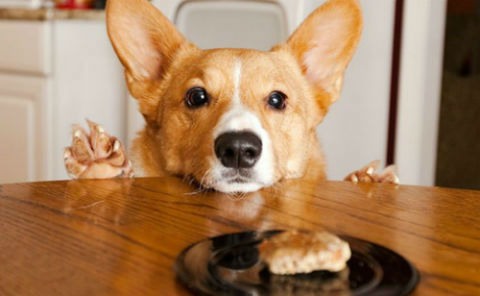
How to change our dog's food step by step
by Lobo Azul in Nov 30 2021
Although he dog food It is something that should normally remain constant and without variations, at certain stages of its life, or under certain treatments, a change in diet may be necessary. Here we give you a summary of how you can do it step by step in a safe way for your pets, even puppies, also considering some complications that may arise in the food transition process and how you can solve them in the best way.
The dog's digestive system
We must begin by understanding that our dog's digestive system is very different from the human one, and while it is more nutritious for us to have a changing diet with multiple foods, due to the bacteria found in our pet's body, they a constant diet is convenient for themThat is, it is healthier to eat the same type of food every day.
The dog has a greater problem facing a change in diet, so if we simply change their feed from one day to the next, it is likely that we will cause diarrhea or other eating disorders, which is why we must plan to carry out a change. gradual diet change.
Make sure it is the right time for the food transition
The first thing we must do is be certain that the time has come to change our pet's diet. The most common reason is due to age, although remember that it is recommended to consult with your veterinarian, since the maturation process is different for each breed. For example, small dogs normally only require a few months to stop being considered puppies, although large breeds must spend up to more than a year, and sometimes almost two, on the same type of initial food.
Improve the quality of your pet's feed, is also another reason to make a dietary transition, as this can allow you to improve your health, physical condition, and of course also your appearance with a shinier coat.
For health reasons, they may also require changes in a dog's diet, and unless it is an urgent change indicated by the veterinarian, the process should be carried out gradually.
How to apply the diet change
The recommended period of time to make our dog's food transition is one week, of course it can be a little less or a little more, although you can take this period of time as the main basis.
Days 1-2
The first two days, it is recommended to add 25% of the new feed Within the dog's food bowl itself, certainly not separate, it is good to stir it, so that our pet cannot divide it so easily either, and thus begins to get used to the new flavor.
Days 3-4
If everything goes well, and your dog has not had a negative reaction to the new food, from the third day you can mix the food bowl with 50% of the new food and 50% of the previous food, at this point, Your pet should accept the new flavor more easily..
Days 5-6
From day 5 onwards it is recommended to maintain a proportion of 75% of the new feed and only 25% of the previous dog food, just to somehow keep the previous consistency present, but already having a greater proportion of the new food.
Day 7
If you have passed the sixth day without problem and your pet eats the new food acceptably, you will then be ready to take the final step from the seventh day, that is, giving a full ration of the new dog food, and so you can continue until necessary.
Complications that may arise, and some tricks to overcome them
Of course, not all dogs have the same ease in changing food, if you notice that yours is reluctant to eat the new food, here we present some possible solutions.
Get them used to their time
In general, a recommendation that is always in force for the feeding dogs and puppies It is the fact of trying to get them used to eating at their own times, although sometimes this is a factor that we do not give importance to and that, particularly in processes of changing their diet, can generate even more complications.
If you notice that your dog has no appetite for new food intakes, then you have a great excuse to start generating a more exact feeding rhythm. A trick to pressure him a little to eat the new food is to serve him his meals only for short periods, for example an hour. In this way, your pet will begin to get used to it, and will know that it has to eat at a certain time, otherwise it will no longer have food available. It may sound a bit cruel, but it is actually quite beneficial for dogs, as it is also beneficial for their digestive system.
Improves consistency
On some occasions, the consistency of the food may be different, which may cause some confusion and repulsion in your dog towards the new food. Although you can also indulge him a little during this food transition stage and add a little warm water or chicken broth to the food. Of course it doesn't have to be very hot and your dog doesn't need salt either, but this way it will have a more appetizing presentation that encourages it to consume the new food. You won't have to do it every time, but at least it will be helpful in this phase to change your diet.
Any special ingredient
Yes not even with this your pet accepts the new food, you can also consult with your veterinarian about some alternatives to season the new food in an even more attractive way. For example, by adding a little melted butter you could add an attractive smell that your dog will hardly resist. Also some other strong ingredients, such as a little tuna, can serve to attract your pet's sense of smell and seduce him to try the new food.
Just remember that each change in your dog should always be made gradually, and if you are advised by a specialist you can have greater confidence that you are taking your pet through a safe process that will end up being beneficial for its health.
Other tips that may interest you:
Foods your dog should never eat.
5 healthy eating guidelines.
Why do dogs lose their appetite?
10 signs that indicate your dog is not being fed well.
Our Blog
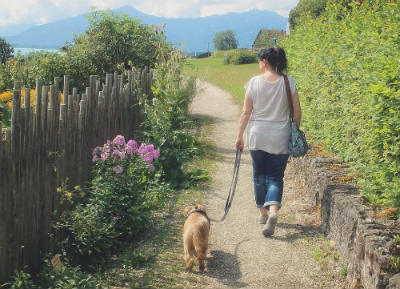
6 Tips to walk your dog correctly
by Lobo Azul in Nov 29 2021
go out to walk with your dog It can be fun or become complicated, it all depends on the education you are giving your pet. Most dogs become anxious when they go out, so communication between the two is important: it must be trustworthy and with firm words when you tell them the rules.
It is important to walk your pet, so you will have a healthy life and feel happy every time you do it.
To learn how to walk your dog correctly, follow the following tips
Care
It is not recommended to walk him before three months of age., vaccines are of vital importance to protect you from latent diseases on the street.
When he is still a puppy and you are going to walk him for the first time, try to take him to a safe place to avoid falls.
Areas with feces and urine from other pets could be harmful to your health.
Do not expose it to the sun directly and try to make it for a short time.
Protect it from cold and humidity, that kind of environment could give him a cold.
Training
Teach him from a puppy to leave the leash on. He shouldn't be anxious when you put it on him, wait for it to calm down so you can leave.
When your four-legged friend is older, you will know that it is time to walk just by showing him the strap.
Don't let him get impatient. If it does, go back inside, wait a moment and try again, Remember that you must leave the house first than him..
Show him that it is you who commands, you should always go ahead of him, this way he will see you as the leader of the pack.
The marking device It is an option to train the dog to walk. With the sound it makes in the form of a "click" you will be told when you follow the orders correctly and then you will be rewarded with a cookie of your choice.
Team
Acquire the equipment more appropriate to your weight and age, so that you feel comfortable and safe and not uncomfortable during the walk.
Trust the recommendations that the veterinarian can give you, he can help you choose what is best for your pet.
Necklaces: On the market there is a wide variety of necklace models with sizes, brands and colors available. Below, we mention some necklace options:
Standard: Perfect for the puppies.
Traditional: (with buckle and hook) is the most suitable for calm pets.
sliding necklace: Ideal for dogs that are distracted with ease because they help you maintain control.
Harnesses: there is various types of harnesses, among them we find:
Anti-shot: Designed for train to walk without pulling of the strap
Easy Walk: When the dog pulls the rope, it makes slight pressure on the front legs without suffocating it, but it can cause damage due to constant rubbing on the top of the front legs
Sense-ible: Same structure as the Easy Walk but exerts less pressure to the dog due to its wider straps
Merhi-Long: More comfortable for the dog because it has a padding system on the chest, neck and withers area. Suitable for large dogs with developed muscles.
Out for a walk: Perfectly grips the front paws and chest area
Pack Leader Style: Alone for dogs that are very active and they like to pull a lot.
Choose at all times the short straps, this detail will help you have better control in case your pet wants to pounce on another dog, a child or adult.
quality time
Dedicate quality time to your petAt the end of the walk they can play races, catch the ball or a frisbee.
Release the leash and let him walk, let him enjoy the walk to the fullest and mark his territory, sniff everything in his path and discover new spaces.
Teach him other commands, tricks and take the opportunity to reinforce what he has learned.
Socialize
Allows socialize with other dogs and explore nature and its surroundings.
Enjoy him playing with other pets, running and sharing with other people.
Monitor your pet's attitude and that of the other dogs. If any of them behave aggressively, slowly back away from them, keeping your dog securely on the leash.
If having contact with other people bothers him, still leave and calm him down without raising your voice.
Rewards
Reward your pet with cookies, their favorite food or giving them a toy.
After a walk where they both enjoyed, It's good that you tell him how well he behaved and thank him for being an excellent companion.
Show him how much you love him: caress him and give him lots of hugs.
Recommendations
Choose a fixed time for your pet to do its business, it will get used to the schedule and you will prevent it from dirtying the house. Remember to always carry plastic bags with you to collect waste..
When taking a long walk or hike, remember to bring water to keep both of you hydrated.
Make sure the dog is comfortable with the collar and it is not hurting him.
Stop the walk if the dog wants to pull you.
Do not expose your pet to high temperatures to go for a walk or do your business. Early in the morning or late at night are the most recommended times for them.
Remember to take a break during the walk for your pet to rest or track.
Your dog should go next to you or behind you during the course, you are the one who controls the walk.
Being at home, Your dog should wait for you to calmly take off the leash.. You continue to lead at home, don't forget.
Back home, brush your dog's coat to clean it, give it water, and feed it to rest.
It's time to walk your dog and enjoy the trip. Physical activity will help you both stay in shape. Your reward will be a relaxed and happy pet.
More curiosities about dogs:
10 basic commands that every dog should learn.
How to train a puppy.
Why is my dog afraid of other dogs?
Why does my dog follow me everywhere?
Our Blog
by Lobo Azul in Nov 27 2021
It is well known that people like to eat good things. Sometimes it is even difficult to resist a good dish or entering a sweet shop...
Who hasn't wanted to share their food with their dog? But be careful, we should not believe that our dog has the same nutritional needs as us, your body is different from his, a product that is good for us will not necessarily be good for him.
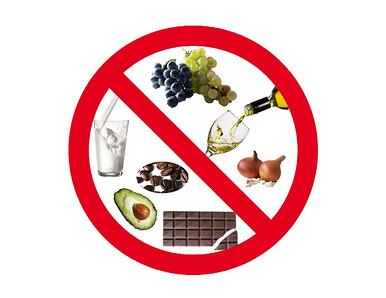
So that the kitchen, the basement or the garden do not become dangerous places for your dog, here are some foods that it is advisable to keep away from his snout.
The chocolate
Indeed, chocolate is not good for dogs, especially dark chocolate, which causes rapid heartbeats due to the theobromine contained in the product. If the dog has ingested chocolate, it may have vomiting or diarrhea. Namely, 50 grams of dark chocolate can kill a 5 kg dog.
Mushrooms
We all know about mushrooms that are toxic to humans, and they can also be toxic to dogs. Therefore be careful when you see each other during the walk.
The bread
Daily food for us, bread, especially fresh, represents a danger for the dog. The yeast contained in the dough can rise in the stomach and cause it to rupture. If the dough rises, it can also cause alcohol poisoning after the release of ethanol contained in the product.
Walnuts
Macadamia nuts and nutmeg are the most dangerous for dogs. They can cause fever, weakness and hallucinations if the dog eats too much.
Avocado
All avocado is extremely toxic to dogs. The leaves and bark contain Persine, a toxic fatty acid derivative that can cause respiratory distress, intestinal disorders, and even death if ingested in large quantities.
onion and garlic
Onion is the more dangerous of the two, as it contains a higher amount of thiosulfate, highly toxic to dogs. Ingestion of onion causes shortness of breath and intestinal disorders in dogs due to toxins that affect red blood cells. Symptoms do not appear immediately, but do appear a few hours after ingestion.
The grapes
Grapes, raisins specifically, contain an unknown toxic substance that causes kidney failure in dogs. It is essential to avoid raisins as well as fresh grapes.
These are just a few examples, a small part of the foods that attract humans and are, in parallel, toxic to animals. If your dog is a victim of poisoning, immediately contact the nearest veterinarian, only he or she can diagnose the poisoning and tell you what to do.It is important to remember that the dog does not need to have a varied diet and it is better that you reward him with a dog treat and your affection. Give your dog a high-quality dog food to provide him with everything he needs in his nutrition and enjoy a long and healthy life.
Other feeding tips for your pet:
How many times should a dog eat?
How to feed a puppy
Should dogs eat fruit?
Food allergy symptoms in dogs
Our Blog
Ca de Bou or Mallorquin Dogo: Imposing but sweet
by Lobo Azul in Nov 26 2021
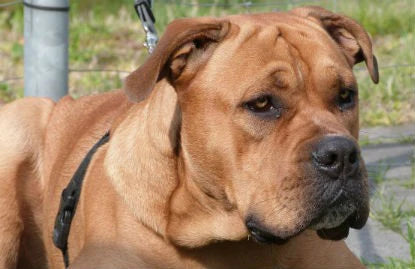
With a brave, strong and muscular appearance, this is how dogs are recognized in society Ca de Bou, also known as the Mallorcan Dogo or the Mallorcan Presa Dog. These highly courageous canines have a very interesting history.
Size: Medium.
Weight: Between 30 and 38kg.
hair type: Short and dense.
Character: Balanced, strong and brave breed.
Health: Healthy but likely to suffer from common diseases in molosser dogs
Life expectancy: 12 years of average life.
Originally from the Balearic Islands, this breed did not have a very successful beginning, as its recognition came from its participation in fights between bulls and this breed. That's where the name Ca de Bou comes from, which in Catalan means «bull dog«, for these confrontations.
However, with the passage of time this changed and the Dogo Mallorquí went from being a fighting animal to becoming an excellent guardn, affectionate and above all loyal to his family environment, as he is known until now.
It is also an athletic and intelligent dog. But it is important to know much more about these canines before welcoming them into our home. Needs, health, behavior and origin are some of the most prominent topics.
That is why on this occasion, we will dedicate this article to studying everything related to the Ca de Bou breed, since keeping yourself informed about it will make you become a responsible owner, who knows how to care for this beautiful specimen.
Origin of the breed
The offspring of This breed dates back to approximately the year 1232, the time in which the conquest of the Balearic Islands by King James I took place.. Their arrival in this territory accompanied by Molosser and Alan dogs from the Iberian Peninsula is the key reference point for their origin.
Years later, the islands became part of English lands, as a result of the Treaty of Utrecht, a fact that was not very positive for these canines. The English, at that time, used animal fights as entertainment. The confrontation between bulls and dogs was one of the most popular "sports", which is where these canines began to be used for this purpose.
The need to look for a powerful, brave animal with enough strength to prevail against the bull and also capable of withstanding the temperature of the islands gave rise to different crosses. Different molossers, among them the Bulldog, were used in this process until reaching the Mallorcan Presa Dog.
His name is translated as «bull dog» in Catalan, attributed mainly to his beginnings in fights. And, furthermore, because it is an animal used by butchers to kill cattle and control their livestock.
The return of the islands to Spanish territory put an end to what would be the bull and dog fights. The Ca de Bou breed then began to be seen differently, standing out as an excellent guard dog and butcher's assistant.
The Majorcan Dogo, as it is known today, is an imposing dog but very loyal to its owners., which is why it has not hesitated to consider itself a pleasant option if you are looking for a protective and balanced companion.
However, they require great socialization at an early age, otherwise they can become an aggressive animal.
Physical characteristics of the Majorcan Dogo
When we look at a dog of the Ca de Bou breed, we can notice its robust, muscular and strong build. This is what mainly characterizes the specimens of this species.
We are talking about an animal of medium height with a thick and heavy body, longer than wide, deep chest and obviously well formed. Let's see more details regarding his physical appearance below:
Weight and height
According to data from the International Cynological Federation, whose officialization of the breed was made in 1996, the weight of this breed remains at 35 to 38 kilograms for males and in the case of females, from 30 to 34.
The standard also highlights height according to sex, males stand out for measuring between 55 and 58 centimeters, and females from 52 to 55 cm.
head and face
The head of this breed is proportional to its body, that is, large, robust and generally square in shape. Its skull is large, as is the front or stop of his face, which is quite remarkable.
It has an intimidating look, emphasized by its large, oval-shaped eyes that are usually dark in color. Its nose is medium-sized, black, and its snout is wide, with large teeth, which shows a fairly strong bite.
The ears, for their part, are set very high, but located well apart on the sides of the head. They are small, triangular and appear to be placed backwards.
Queue
The Majorcan Dogo has a thick but profiled tail from the beginning to the tip. Commonly, low insertion.
Fur
Brindle, fawn or black in color. This breed has a dense coat, although very short and dense. In some specimens white spots are allowed on the chest and legs. While in others it is common to find the black spot that covers the face and gives it that even more dominant and intimidating appearance for many.
Character and behavior
Like a good guard dog, and also honoring its past, this breed is very balanced, strong, brave and above all determined. That is, he will not hesitate to attack anyone he considers to be a danger to him or his family.
However, for this reason it should not be characterized as a dangerous animal. The Majorcan Dogo, when well socialized, can become an ideal company for outdoor activities.
We are also talking about a reserved animal, that is, one that will not bark excessively if it is not considered necessary. But he will remain alert to any activity he sees suspicious and will protect his usual environment above all.
They get along well with their family environment, but they do not usually show frequent signs of affection. In fact, they are very independent and not very affectionate, so a lot of “pampering” by their owners can cause some discomfort.
On the other hand, these animals are quite athletic. In other words, they require frequent exercise to stay fit and emotionally stable.
Living with them
Living with these dogs is not such an easy issue to handle, since we are talking about an animal that is distrustful by nature, difficult to adapt to the presence of strangers in a simple way. On the contrary, he will appear intimidating to these people.
The same thing happens with other animals, it can even attack other dogs if it feels that they are invading its space.
In relation to the family, these dogs are loyal, patient and above all protective. In the case of homes with children, it is necessary to maintain vigilance to avoid unexpected incidents.
Its behavior both at home and with other people and animals will largely depend on the socialization provided to the dog. An adequate education will define the foundations for this strong friend to behave appropriately and remain even more balanced.
Training the Mallorcan Presa Dog
The education of a Ca de Bou is imperative from the first weeks of these canines' lives.. Constant and persistent, although very patient, must be the training that this breed receives. Well, by its nature, They require more socialization than some other breeds.
It is essential to start training as soon as possible and do so with socialization first. These animals require learning to behave in the family environment and coexistence with other animals, so that it is easy to make them part of any home.
Although it is not a truly obedient dog in the first instance due to its independence and drive, these animals can receive orders, as long as they are given in a good way.
Like many breeds, they do not respond to shouting or mistreatment, so positive reinforcement should be considered from the beginning as a more suitable measure of training.
You will hardly be able to learn basic commands quickly, but perseverance and patience will be decisive for training of these animals.
It is important that the person in charge of training has control and knowledge about the breed. In this way, you will know how to carry out the training properly and you will obtain positive results for the canine and your family.
Health of Ca de Bou
Particularly, there are no diseases associated with these dogs. This could translate into a very healthy breed, with a life expectancy that averages 12 years and even a little more.
However, there are some common pathologies in molosser dogs which, due to their physical build, can also affect these dogs. These are:
elbow dysplasia
hip dysplasia
ectropion
Entropion
Respiratory and cardiac deficiencies
It is worth noting that some of these diseases can be hereditary. However, according to the care and attention provided to this breed, an optimal state of health can be maintained.
Care you need
The Ca de Bou is a breed that does not demand special or forced care from its owners. Just pay attention to a few details and it will be enough to keep this canine calm and healthy.
First of all, we must consider that it is not a dog that requires rigorous brushing. He has a very short coat, so two brushings a week will be enough for him. Like the bathroom, whose frequency should be monthly (if you live in an apartment or apartment) or when it is really dirty. Otherwise it is not necessary.
On the other hand, the issue of exercise and nutrition is, ultimately, one of the most important. These dogs are quite athletic, which means that they require at least three walks a day, accompanied with physical activity, to stay in shape and also emotionally calm.
As for food, it must be complemented with exercise to avoid obesity in canines, provide adequate nutrients through feed and take care not to overeat and treats will help the dog maintain its ideal weight.
They are not ideal pets for small spaces. These animals require a considerable amount of land to play, run and maintain. If confined in too small a place, it can become destructive.
Finally, although it is a robust dog, the care and control of vaccines, deworming and visits to the veterinarian are essential to maintain its adequate state of health.
Conclusion
The Ca de Bou is a special pet. In other words, it cannot be for everyone. Although it does not require much care to maintain, its owner must have knowledge of the breed, in this way he will be able to control it and act appropriately if the dog becomes aggressive.
Let us remember that, although it is not a potentially dangerous animal, the nature of these canines has forged a special character in it that needs to be socialized so that it acts in a balanced way.
For everything else, we are faced with a loyal, protective and permanently vigilant race, intimidating due to its physical appearance, but with a noble heart towards its direct environment.
It will protect your loved ones from any unforeseen event, because bravery is part of your natural character, and will undoubtedly attack if it perceives danger or risk.
It is a dog that requires a lot of physical activity, which is why small places are not suitable for its coexistence. And, although it does not require much care, keeping it in shape and well fed should be the most important thing for these animals.
Consider each aspect read before deciding if the Majorcan Dogo is the ideal companion for your home.
Learn more dog breeds here:
border collie
Belgian Shepherd
english bulldog
Canary Hound
Catalan shepherd
Our Blog
Diseases that pets and humans have in common
by Lobo Azul in Nov 23 2021
In addition to affection and companionship, humans can share other things with their pets, including some illnesses. Well yes, there are different diseases that, although it may seem incredible, can affect the health of both humans and that of a dog or cat.
Although the manifestations of some of these pathologies may be different in dogs than in humans, the condition is the same, and its presence could put the lives of pets at risk.
What are these diseases that dogs and humans can share? How to identify them in our pet?
Below, in this article we develop some of the most common pathologies that humans can share with their pets. And we will also present some symptoms that will allow them to be identified in time.
Diabetes
This is one of the most common pathologies between humans and their pets. Specifically, in animals such as dogs and cats, the appearance of Diabetes type 1 or 2 is becoming more common.
In humans, the appearance of this disease is caused by a sedentary lifestyle, poor diet or genetic reasons. In the case of animals, the causes do not usually vary, and diabetes is linked to the same risk factors.
Inadequate pet nutrition, lack of exercise or walks, and even hereditary causes can cause type 1 diabetes in our dogs, which is the most common in these animals.
How to identify Diabetes in a dog?
The symptoms of this disease in our pets are very precise. Noticeable weight loss is the first evidence that something is wrong.
If, in addition, this is accompanied by an excessive need to drink water and urinate frequently, it is very likely that the pet is being affected by some type of diabetes.
Going to the veterinarian immediately if you observe any of these irregularities is the most reasonable thing to do to determine whether or not it is this pathology.
Thyroid problems
Although it can occur with different frequency in each animal. The presence of hyperthyroidism in cats and hypothyroidism in dogs It is quite common.
The causes of this disease in animals have not been clearly determined, however, it is usually closely associated with hereditary reasons, to a large extent.
How to identify a Thyroid problem?
When it comes to very active animals that are affected by this disease, it is identified with a clear decrease in energy on the part of the animal. Our dog is seen tired, slow and with a tendency to constantly gain weight. If these symptoms are observed, they may indicate that the dog is suffering from a Thyroid problem and it is recommended that a veterinarian examine it to determine if this is the case.
Epilepsy
Episodes in which frequent seizures occur, both in humans and animals, are signs that identify Epilepsy. This disease affects both humans and their pets considerably.
A neurological condition, or genetic reasons, are the most common reasons why this disease manifests itself.
How to recognize epilepsy?
The detection of the epilepsy in animals It's not usually that simple. The disease is usually discovered by the presence of a seizure.
Some veterinarians recommend dog food rich in fatty acids for their reduction and even prevention. In other cases, this condition is treated with drugs, although they are not always effective.
In any case, it will be the veterinarian who will be in charge of indicating the best way to treat this pathology.
Pulmonary hypertension
Another common disease that humans and pets share is pulmonary hypertension. Very common, especially in dogs.
The causes of this pathology can be diverse, so determining a specific one is a bit complicated.
Although it may seem unusual, the treatment provided to pets with this condition is Viagra. Although it is used in humans for very different purposes, in dogs it is used to reduce high pressure in the lungs.
How to identify it?
The dog's collapse or shortness of breath is the most direct way to discover this disease. If you notice the presence of any of these symptoms, it is ideal to consult your veterinarian as soon as possible.
heart problems
The heart disease They are another very common disease in both humans and pets.
Arrhythmia and even heart attacks can affect the central muscle of our animals, as well as our own.
Inadequate diet, a sedentary lifestyle and hereditary causes are the main factors that intervene in the health of humans and pets to keep their hearts healthy.
Dogs that tend to have nervous behavior are more prone to suffering from this disease.
How to identify it?
Nervousness and weakness are some of the ways to identify this condition. However, it is very common for a heart attack to come unexpectedly. Maintaining veterinary control is a way to prevent this pathology.
Obesity
This is a very common condition in both people and animals. In both cases, the cause of the disease may be associated with inadequate or uncontrolled diet. This pathology is more inclined towards the lifestyle and nutrition that the individual has, and the same happens with animals.
How to identify obesity?
The way of identify obesity It's very simple. A progressive weight gain that causes difficulty moving, discouragement or apathy on the part of the dog when performing physical activities is the most obvious.
Maintaining a balanced nutrition, combined with exercises or long walks, will help the pet avoid this pathology. You can also read our tips to help our dog lose weight.
To summarize
All of the aforementioned diseases can occur in both humans and pets, commonly in dogs and cats. And in both, the causes may be similar.
Although some of the pathologies presented are genetic, most can occur due to inadequate or uncontrolled diet, sedentary lifestyle and other causes that can be prevented.
Keeping your pet well fed, exercising daily and maintaining proper follow-up with the veterinarian will be enough for your companion to lead an adequate lifestyle and stay healthy.
[embed]https://www.youtube.com/watch?v=2YWSV1oJwQI[/embed]
Other curiosities that may interest you:
The best dog breeds for children
How to read dog food labels
Why do dogs howl?
The most famous dogs in film history
Our Blog
by Lobo Azul in Nov 18 2021
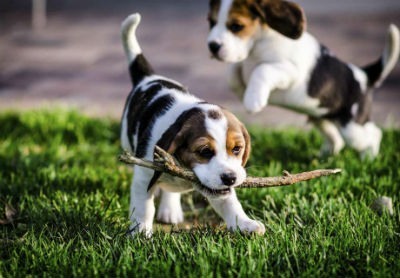
The beagle is he bloodhound par excellence, full of energy, extroverted and independent, giving an impression of robustness and plenty of elegance; These characteristics have ensured this canine species a privileged place throughout history.
This is a long-standing breed that fought for its survival during the world wars. Several centuries ago, Beagles had been part of English royalty, when figures such as Henry VIII, Elizabeth I and Elizabeth II adopted them as companion dogs., especially for their hunting skills.
His temperament, his Playful and tender behavior, its size, as well as the lack of congenital health problems, make the beagle an ideal pet.. They are very active and impulsive dogs, who need families who give them enough attention and who are passionate about sports or excursions.
Size: Small - medium.
Weight: Between 10 and 20kg.
hair type: Smooth, short, dense.
Character: Stable and balanced.
Health: Healthy but with a tendency to gain weight
Life expectancy: Between 10 and 15 years.
We are then faced with a dog that, with proper training, can become a great hunting companion and a great friend in the home. It is advisable to acquire it as a puppy to adapt its behavior. It is important to remember deep knowledge about dogs and especially each breed, ensuring a healthy and happy coexistence of the dog with its human family. Therefore, We will provide you with as much information as possible so that you can develop a great bond with your pet., and in turn, you can maintain the physical and mental stability of your beagle.
Origin of the beagle
Beagle means “the smallest of hunters”, possibly from French becguele "noisy person" or literally "open throat". The origin of this breed dates back to more than 2,400 years. Although there are no exact dates in this regard, as is the case with most dog breeds, its first reference is made by the philosopher Xenophon in Ancient Greece, around 400 BC, when describing a hare-tracking dog.
Some beagle-type hounds arrived in Italy from Greece and are believed to have been introduced to the British Isles during the Roman occupation. It would be there where the breed developed.
From the century XVI Beagles were already a popular species. The English aristocracy adopted a variety known as "pocket beagles" (a genetic line that is now extinct), that measured between 20 – 25 cm and were functional for horseback hunting, because they could be carried in a pocket to the starting point of the hunt and then released to do their job. In addition, it is known about large packs raised by kings for such purposes. Beagles were developed primarily to hunt hares and rabbits.
They were ideal hunting companions for elderly people, who followed them on horseback without much effort. Modern specimens date from 1830 for the breeding of dozens of beagles in the United Kingdom, which in 1840 were already imported from the United States (where today they are one of the most popular breeds).
Later, in 1890, the Beagle Club of England was founded with the first exhibition of this breed six years later. The world wars, the first between 1914-1918 and the second between 1939-1945, stopped these social activities whose protagonist was the beagle, but interest in the breed managed to endure for the next decades.
Physical characteristics
The beagle is characterized by its elegant bearing, has a muscular body and a pronounced chest. The head is elongated, generally more stylized in females. Their ears are large, rounded and droop naturally.. Large, brown eyes, which usually give the impression of sadness and that is not necessarily the case. The jaw is slightly square and the nose is wide. The back is straight and long, as is its tail. The coat is quite short and smooth.
Average Height (Adult):
Males: 38 cm
Females: 33cm
Average Weight (Adult):
Males: 10 – 20 kg
Females: 10 – 20 kg
As for the colors of this breed, they are divided into tricolor or bicolor, with white tones essentially on the chest and lower part of the body; in addition to brown and black on the back, ears and tail:
Tricolor – Classic tri: White base, where black predominates over the entire spine and some brown spots.
Tricolor – Dark tri: In this combination the light brown spots are mixed with black marks, again on a white base.
Tricolor – Faded tri: Few black marks mixed with dark brown spots on a white base.
Tricolor – Pied: Mostly white base, with yellowish and brown spots without standing out, the black almost imperceptible.
Bicolor: Almost the entire body is white with some brown spots of various shades.
Health and Care for the Beagle
The beagle is a healthy and resistant dog, it is not usually subject to congenital diseases, although like all breeds it can have some conditions but only in exceptional cases:
Life expectancy is between 10 and 15 years, a typical longevity for dogs of its size.
Among all dog breeds, has one of the most developed senses of smell.
The shape of their ears obstructs the passage of air, it is an area that remains moist, which makes it a potential source of infections if it is not cleaned regularly.
Glaucoma and corneal dystrophy are the most common eye conditions in beagles.
Being overweight as a result of a dog's sedentary lifestyle can lead to heart and joint problems.
Characteristic of the beagle is the condition known as “funny puppy”, in which the puppy develops slowly, with weak legs and a slightly twisted back.
Occasionally they may suffer from epilepsy or hypothyroidism., both controllable with medication.
Over the years, beagles are also prone to damage to their intervertebral discs, as a result of the constant rocking they do when they walk on their short legs.
Beagles are not demanding regarding care. For example, their short hair is easy to care for and It does not require extraordinary grooming. Brushing 2 or 3 times a week and bathing once a month will keep it neat and smelling good., always taking into consideration the occasions in which it is exposed to dirt.
Caloric intake must be strictly controlled, since the beagle does not get satiated easily and will eat whenever they have food within reach. Uncontrolled eating leads to obesity, a common problem of this breed, especially in the adult stage.
Physical activity is essential and has to do with what was described above. A sedentary lifestyle in their breed quickly ends in obesity. It is also about the dog's mental health, confinement and inactivity will cause anxiety. If you live in a small house or apartment, daily walks are a necessity.
Constant play works as a sporting activity, hiding objects in the ground and making him dig is one of his favorite activities, as for any bloodhound.
Beagle Behavior
Beagles are dogs with a stable and balanced temperament.They are rarely seen irritated, although they do have a high tendency to bark in any situation. They tend to be very guttural, this means that they constantly express their emotions by making noises with their throat. Undoubtedly, they are intelligent, noble, faithful and extremely affectionate dogs.
The affection that these dogs give is expected to be reciprocated, so they demand a lot of attention from their human family and if they are not given security, they will howl every time their owner leaves the house.
The beagles They need a loving and tolerant family, but at the same time set limits and not allow yourself to be manipulated by the capricious and measured actions of the beagle. They are very determined and clear about what they want, so they tend to want to “impose themselves.”
Given their adventurous and curious spirit, it is advisable not to leave them locked up at home, as this generates anxiety and they can cause great damage. For the same reason, the walk and Beagle recreation should be a routine, daily if possible.. Their hunting instinct and the need to track everything within reach usually distracts them during the walk, so they are prone to accidents.
If it is a walk in places with car traffic, it is best to take them on a leash. The dynamic in these cases is that, as soon as it smells something interesting, it will pull you until it finds it. Furthermore, lWeak attention in public spaces could also hinder a training process. Likewise, although they are obedient dogs, toilet training can be a long task.
It is a quite sociable dog, in fact it prefers to be in packs. However, its relationship with other species has to be careful; Once again, their hunting instinct is an influential factor, although if they get used to coexistence from puppies, there is no major problem.
As an adult, the beagle should go through a period of adaptation to cohabit with other species. Either way, it never hurts to supervise your relationship with cats, rabbits, birds or crawling animals. In families with children it is the ideal pet, his behavior is zero aggressive and it will be more of a playmate for infants.
Curiosities
Beagles can be considered a “famous” breed. In past centuries, great poets and playwrights such as William Shakespeare, John Webster or William Cowper, made mention of these dogs in their works. They even appear in the famous Greek epic “The Iliad” attributed to Homer. With modernization, they appeared in comics, movies and television. The “most famous beagle in the world” is known as Snoopy, one of the main characters of the Peanuts comic strip, developed by Charles Schulz.
From stardom, beagles have moved on to field work. Their great olfactory abilities and tracking instinct, sharpest on land, put them on the list of candidates as detection dogs. To put you in context, beagles have about 220 million scent receptors in their noses, compared to about 5 million that humans have. Beagles are used by New Zealand Ministry of Agriculture and Forestry, as well as by the Australian Quarantine and Inspection Service, for the detection of prohibited agricultural imports and quarantined food products.
They are also used by the United States Customs and Border Protection to locate illicit substances. The docility of these animals also makes them functional for activities such as search and rescue or animal therapy.
On the other hand, when we talk about scientific experiments on animals, we usually think of monkeys and mice, but medical research has also made use of dogs, and The beagle breed is one of their “favorites” because they do not suffer from congenital diseases, they are docile and reliable..
The experimental industry claims that they adapt well to living in a cage and that feeding them is economical. Therefore, They are used for animal experimentation to test cosmetics, pharmaceutical products, household products and other scientific curiosities.
Likewise, they are subjected to multiple toxicity tests, which are synonymous with poisoning; mutagenicity, which causes genetic damage; teratogenic, which causes birth defects; toxicokinetics, to study the absorption, metabolization, distribution and excretion of chemical substances; and carcinogenicity, a physical carcinogenic agent, is applied to them. According to the organization Beagle Freedom Project, In the United States more than 60,000 dogs are being subjected to these types of studies and almost 96% of these dogs are beagles..
Standard industry practice is to euthanize animals once the experiments are over, so that Dogs do not escape from the great global pharmaceutical emporium, nor from the cruelty of some humans. If you have the opportunity to make a beagle part of your family, it is not a decision you should think twice about. Remember that the only essential thing to have a pet is love and patience.
https://www.youtube.com/watch?v=BGYGkjNzEhc
Other dog breeds that may interest you:
Pomeranian
Schbauzer
Boxer
Shar Pei
Pug
Our Blog
Dandruff in dogs: tips to cure and prevent it
by Lobo Azul in Nov 06 2021
In the same way that occurs in humans, dogs can also suffer from dandruff, which can be dry or related to seborrheic dermatitis. In any case, you need to give the pet the proper treatment to correct the problem and take the necessary preventive measures to prevent this annoying condition from occurring that affects the quality of life of our pets. Food is an essential part of preventing and improving the quality of hair and skin. At Lobo Azul we have a feed high in omega 3 and omega 6. Super Premium Salmon Feed is formulated with more than 30% dehydrated fish and salmon oil. Thanks to the high fish content, the coat is improved.
What is dandruff?
It is a set of scales or dead cells that come off the skin cornea for different reasons and remain on the dog's skin and hair.. Although dandruff appears to be a cosmetic problem, in fact it has other symptoms that can be annoying for the animal, such as irritation, small bumps, scabs and hair loss. Additionally, because of the itching, the dog will scratch, which causes wounds and infections to appear.
It can be of different types and causes, which will be decisive in applying timely treatment and taking the most appropriate preventive measures. It is necessary to understand that this is not an aesthetic problem, but rather a health problem.
Causes of dandruff in dogs
Understanding the reason why dandruff is occurring is the first step to correcting it permanently.
Poor grooming routine. Using human hygiene products, bathing too much or too little, applying colognes that are not suitable for them... all are signs of a poor grooming routine and can be a potential cause of the skin problem.
Dry climate. There are environments that at certain times of the year are very dry and eliminate the natural humidity of the canine dermis, something that usually happens in winter. Restoring skin moisture may require dietary changes.
Infections. It is not a common case, but bacterial and fungal infections can cause this problem and even cause blisters with pus. These are treated with specific treatments.
Nutritional deficiencies. Food is important to ensure the general health of the pet and not providing it has consequences such as dandruff and poor functioning of its vital systems.
Allergic states. Exposure to an allergic or irritating element can cause this condition. Irritations can come from grooming products such as human shampoo.
Other factors. A sedentary lifestyle, Cushing's disease, and thyroid disorders are other possible, but less common, causes.
How to eliminate dandruff in dogs
The first stage of treatment is always symptomatic, aimed at correcting the problem directly. Generally, a canine shampoo is used that has in its formula a principle that helps control the discomfort. To choose this product, the type of damage that is occurring in the dermis must be taken into consideration, in order to properly choose the products to be used. Mistaking treatment can trigger severe dermatitis, so diagnosis is an important step.
The selection of the treatment must be carried out by a specialist, since each type of shampoo has particular chemical elements that fulfill specific functions, such as sulfur, selenium sulfide, coal tar, benzoyl peroxide, salicylic acid and iodine. It is necessary to dispense with all those hygiene items that may cause imbalances in the dog's skin, in this way we avoid causing further damage to our pet's skin.
Tips to prevent canine dandruff
Brush the coat weekly and groom your furry friend with a mild shampoo, specially created for dogs, it is necessary, as well as complying with the recommendation for bathing frequency according to the breed. This is one of the basic guidelines to avoid the appearance of skin problems in dogs.
Diet is another key factor in ensuring that canine skin is healthy enough to prevent dandruff from occurring. Foods that offer a correct balance of vitamins and minerals are appropriate, especially those that have Omega 3 in their formulation. Consult your veterinarian beforehand and do not change food abruptly. If it has been determined that one of the causes of the problem is stress, then the solution may be small doses of painkillers that eliminate the nervous state in dogs with a high level of stress and making them do physical activities so that they use up energy. Start with natural products to avoid the use of drugs, always under strict veterinary supervision.
Home remedies to treat canine dandruff
There are certain recipes or home remedies that can be used to alleviate this problem in a simple way:
apple cider vinegar. Due to its strong smell, it prevents dogs from scratching, and it also has the ability to reduce irritation, making the problem decrease significantly and in a very short time.
olive oil. If it is due to dryness, the simplest step is to place a little olive oil on the dog's skin, and with that restore its hydration level.
oatmeal. Bathing your dog with oatmeal can be a quick relief for skin problems because it helps restore the natural balance of skin oils and thus eliminate itching.
tea tree oil. This only serves to make our dog stop scratching, due to its unpleasant taste, but be careful, because if he ingests it he can end up with terrible indigestion.
lavender essential oil. The concentration to use this product is 1% in fresh water. Lavender has healing, antiseptic and anti-inflammatory properties, which is why it can relieve irritation and itching.
Following the tips from this guide, you can ensure that your pet will find dandruff free very soon if you are suffering from this problem and, in addition, you will know how to avoid these episodes in the future. Carefully follow your veterinarian's advice along with the recommendations given today to ensure that the treatment is effective. Learn about the health of other dog breeds here:
Why do dogs eat grass?
Gas in dogs
Vaccines for dogs: Which ones are mandatory?