
Our Blog
Our Blog
Diabetes in dogs - Discover its symptoms, causes and treatment
by Lobo Azul in Sep 15 2022
Just like it happens with people, Dogs develop diabetes due to different circumstances, being a disease that can destroy the animal's body if it is not treated in time.
The worst thing about diabetes in dogs is not the immediate symptoms, which are usually very bad in themselves, but rather that in the long term it affects a large number of organs until many of them stop functioning properly.
What is diabetes?
To stabilize blood glucose levels, dogs' bodies (and ours) generate a hormone called insulin, which the pancreas is responsible for.
In this way, the correct levels are established and glucose, which provides energy, does not cause problems, but that is different when diabetes appears.
This is a chronic disease, which will not be cured as long as the dog lives, and which causes either the pancreas is not able to produce enough insulin or our best friend's body does not use it as it should.
Among other problems, in the short term it causes glucose levels to rise and fall uncontrollably, potentially killing the animal due to both an excess and a deficiency of this hormone, since both scenarios are equally serious, perhaps the sudden drop is a little worse.
Types of diabetes
In order to complicate things even more, there is not only one type of diabetes in dogs, but the veterinarian has to face two possibilities and do tests to find out which of them our dog suffers from, since the treatment is different.
Type I Diabetes
It is the most common and the one that is most difficult to treat, since as a general rule the animal becomes dependent on the injected insulin.
Your body is not able to produce this hormone, so your blood glucose levels skyrocket.
Type II Diabetes
Less common and with a simple treatment, since it is not necessary to inject our best friend with insulin daily.
It usually occurs because the body does not adequately use the insulin that the pancreas produces, or because it generates too little for glucose levels to be stable.
Symptoms of diabetes in your dog
The symptoms of diabetes can be confused with other diseases, or sometimes we don't even think that something strange is happening to him, but rather he goes through a period of less activity or when he is more hungry.
You must always be attentive to changes in behavior, since this sudden lack of energy may not be due to the heat, but rather because your blood sugar levels are very high or low.
One of the clearest symptoms is weight loss. Little by little we notice that even though he eats more, the dog is losing weight, which should put us on alert, in the same way as when we notice that he drinks more water and urinates often.
We may think that it is normal that he urinates more now, but what is not natural is that he suddenly drinks so much water, going so far as to pee inside the house when he had never done so before, or at least not since he was a puppy.
It is also possible to notice that the animal lacks energy, stops playing or sleeps more than necessary, which is due to sudden changes in glucose levels.
Almost always these changes in the dog's attitude appear combined, so it is easier to get alarmed, although just one of them should make us make an appointment with our trusted veterinarian right away.
Causes of diabetes in dogs
Diabetes usually has a series of causes, or at least there are some that favor its onset, which can sometimes be avoided or delayed as long as possible.
Genetic factors
There are breeds like canihey, the schnauzer or the dachshund which are more likely to suffer from this disease, although dogs of other breeds and even mixed breeds also have it if one of their ancestors has suffered from it.
The age
As the years go by, the body begins to function worse, as if it were getting tired, and unfortunately for us, this happens early in dogs, who from the age of seven already enter what we call old age.
For this reason, it is after seven years that most cases occur, which are very rare in puppies and younger dogs.
Thus, as the dog's age advances, the possibility of having diabetes increases, although we should not be scared because it is not a very common disease.
Obesity
At the beginning we said that in some cases diabetes in dogs can be prevented and this is the situation in which we can intervene so that diabetes does not appear.
In fact, The main cause of diabetes in pets is obesity, so if our dog is overweight, we must take action on the matter as soon as possible, always in agreement with the veterinarian.
There are specific foods that help dogs lose weight without going hungry, adding more fiber so they feel full sooner, and moderate exercise helps speed up the process.
Life expectancy of a diabetic dog
The life expectancy of a dog with this disease depends a lot on when it is detected and if appropriate treatment is given.
If detected early, life expectancy does not have to be significantly shortened, so that a diabetic dog will live the same as one that does not have diabetes receiving appropriate treatment.
Solutions or treatments
There are several solutions that manage to control diabetes in dogs, and which must always be combined under strict veterinary monitoring that must be periodic, since the animals have to be checked every so often.
One of the solutions is through exercise. This keeps obesity away and also ensures that glucose is used up, since the dog's body burns it when it does sports.
This exercise must be adapted to the breed, age and weight of the animal, since a young German shepherd will not be able to do the same sport as an old one or a dog like the English bulldog.
It is very important to stick to the foods that the vet tells us, so there is no more giving him what we are eating, such as pieces of bread, French fries, etc., and we must educate the family to do the same, especially the children.
We must always keep in mind that this disease is chronic, which means that it cannot be cured and that it will accompany our dog for the rest of his life, so we can even change some of our own lifestyle habits, going out for walks with him more.
Specific food for diabetic dogs
In addition to insulin, a fundamental part of treating diabetes in dogs is diet.
It has to be very rich in protein, low in fat and with little starch, and contain a good amount of fiber, which makes glucose absorption slower.
It should have more L-carnitine than normal, an amino acid that stimulates the body to produce insulin.
Luckily, this stopped being a problem years ago and Right now on the market there are several brands that offer both wet and dry food, with which we will not have to worry about offering our best friend adequate food.
It is true that these feeds that many call “veterinary diet” can be a little more expensive than normal ones, but the price does not rise too much compared to a premium feed of the best quality.
now can be purchased easily through the Internet, and the veterinarian will also bring them to us if we ask him to, the best option if we have time, because this way we take advantage of it in order to ask him a question.
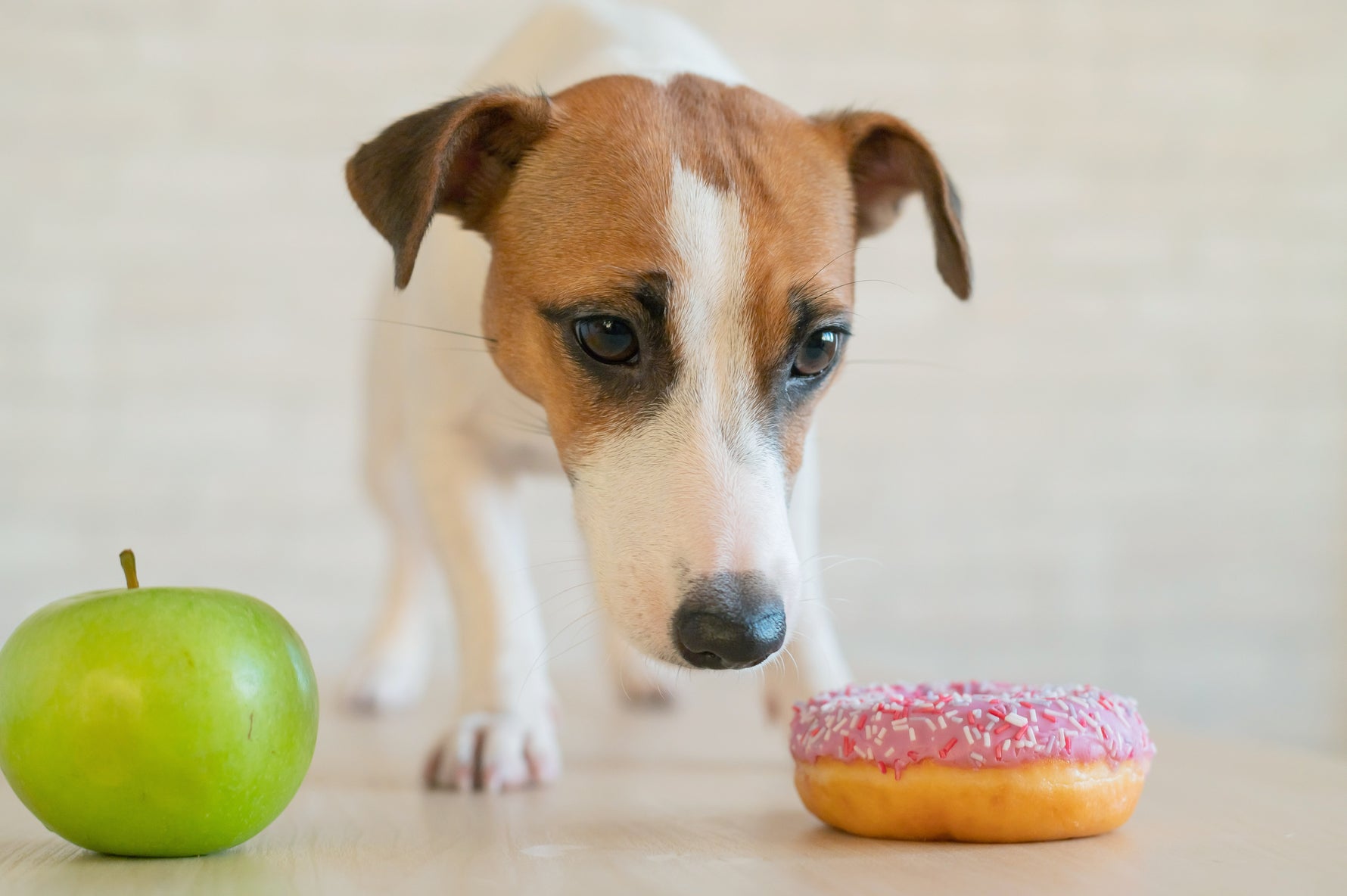
If we want to give him food made by us, we must ask the veterinarian, brown rice will work very well as a base, and also some fruits such as apples, which dogs usually love for their flavor.
Specific medications
In the case of type I diabetes, which occurs because the body does not produce insulin, there is no other remedy than administer insulin as injections, with which we will avoid the complications of the disease.
The veterinarian will be the one to explain to us how to do it, how to use it and what dose to give, it being very important that we respect the initial dose and that we learn to adjust it ourselves depending on the blood glucose levels.
We will know these levels thanks to the controls we will do at home, with a glucose meter that works by putting a little blood on a test strip.
It is crucial here that the meter is specific for dogs, since the calibration has to be different from that of human devices because glucose is more concentrated in the plasma in dogs.
It will be necessary to carry out check-ups from time to time at the veterinarian, so that he can perform the necessary tests in order to monitor the evolution of the disease.
We should not worry about having to prick dogs daily, since there are cases of animals that "seek" us to give them the injection, since they quickly associate that when we give them they feel better.
There are also a number of supplements in tablet form, almost always coming from plants, which can help keep glucose more stable, and which will be suitable for both types of diabetes in dogs.
You have to talk to the vet about it, because some do use them and others won't want to, although the truth is that we don't lose anything by trying it for a while and measuring the results.
Other health articles that may interest you:
Conjunctivitis in dogs
Rabies in dogs
Parvovirus
kennel cough
Asthma in dogs
elbow dysplasia
gastric torsion
hip dysplasia
Our Blog
Gas in dogs: causes, symptoms and treatment
by Lobo Azul in Feb 25 2022
The gas in dogs They are more common than you imagine, and although there is a wide variety of causes - some totally harmless and sporadic -, they also could be a symptom of a serious incident that could be putting your life at risk.
Below, we discuss some basic considerations that you should know about this problem.
Causes of gas in dogs
The reasons may be various, the most common and basic is that they are swallowing air when eating, which usually happens in young dogs, who eat with great vigor.
However, some dogs also brachycephalic like him boxer, chow chow, and others like them, due to the shape of their jaw, do not chew well, which also generates a lot of air and consequently flatulence, so in these cases it could be within the normal range.
Although the feeding, can also be a factor that produces gas in dogs, even more so when you are offering them too many legumes, since these types of foods move slowly through the digestive system, thus promoting flatulence.
Likewise the carbohydrates and fiber They become factors that encourage this problem, so you must pay attention to the type of food you give them, and also the quality of the feed.
Other factors, such as age, can also be another relatively natural cause of gas in dogs, since through conditions such as breathing difficulties, this type of inconvenience is encouraged.
On the other hand, more serious diseases such as pulmonary edema and some heart conditions They can be the cause of flatulence. one stomach obstruction, it can be a complication that leads to a stomach torsion, which can be fatal, and keep the following symptoms present, which you can see below.
Symptoms of gas in dogs
Every mammal is prone to gas, although knowing your dog well will help you distinguish when it is going through a normal period, or if things begin to become more serious, as other types of symptoms also present.
When your dog has been having constant gas for several days, it is already an indication that something is not right, although in the same way the intensity of the smell can be a warning call, however, the absence of intense odors is not a reason to rule out any illness, since sometimes they occur stealthily.
When faced with a suspicion of this type, it is important to try to pay attention to the noises from your stomach, since grunting in the intestines can begin to give us an idea of where the problem could be.
If he appears down or apathetic, and has no appetite, it may be an indication that there is something else that is causing the problem; And if you notice that he brings his abdomen closer to the ground, adopting unusual positions, it will be an indication that he is also suffering from pain in his stomach, so it will be important to pay attention to whether he is vomiting or diarrhea.
Likewise, if you notice that your dog is also having problems absorbing food, we recommend that you seek immediate medical attention, as in this case there could be some type of obstruction.
Treatment for gas in dogs
If it is something light, and you recognize factors such as a sudden change in their diet, you may have the solution yourself, which could be return to your normal diet or opt for high-quality dog food, some premium alternatives, such as those we offer at Lobo Azul, stand out precisely for their good digestibility.
But, if you suspect there may be a bigger problem, the consult with your veterinarian It will help you clear up doubts. A basic examination may provide sufficient elements, but depending on the symptoms, blood tests, ultrasounds, x-rays and/or a stool sample could also be used to clarify the cause more precisely and define an appropriate medical treatment.
Sometimes, probiotics for canines can help solve the problem, although treatments using digestive enzymes or activated charcoal are usually the choice for any gastrointestinal condition.
For gas in dogs, physical activation will also be important. In this sense, it is useful to try to do various exercises with your pet, just remember that you should not feed them before or after exercising, which is also a preventive recommendation to help them avoid this type of incident.
With a little attention and appropriate measures, you will see that it is possible to minimize flatulence, or solve the problem that is causing it.
You may be interested in reading:
Asthma in dogs - Causes, symptoms and treatments
Hiccups in dogs: Causetos and solutions
Gastric torsion in dogs
What vegetables can dogs eat?
How to deworm a puppy
Soft diet for dogs with diarrhea.
Our Blog
Vaccines for dogs: Which ones are mandatory and when to give them?
by Lobo Azul in Feb 19 2022
We all want that when we open the door to a new member of the family, he or she can always be happy and healthy, and if possible, last forever. Normally, we want to give a good, very long and healthy life to that pet with whom we plan to give and receive love. To comply with this there are several things we must do; First of all we must give the dog vaccines, complying with the scheduled dates; secondly, feed them correctly depending on the type of pet it is and, finally, we must make sure to give it its share of daily exercise that will allow you to always be healthy. This, of course, without leaving aside the affection and love they need. As you see, all this seems to be simple, but it is certainly quite a commitment. One of the main and first problems that arise is that many times, due to lack of knowledge, we fail to comply with these aspects.
As for vaccines, this aspect should not be neglected, as it will cause major problems that can even make the animal suffer. Sometimes our carelessness can be due to lack of time, since our daily occupations distract us from following a plan or vaccination schedule, which could cause us to skip it. Commitment to our pets deserves greater interest and time to dedicate. In addition to this, many times we do not really know What are the functions that vaccines have? on the dog's health and how serious it can be if you do not put them in at the right time or postpone them. This time we will talk about it, about vaccines, about that first step that we must take for our pet, and how important it is for our dog to be healthy and happy for a long time.
The moment to meet our dog
Whether we are going to acquire it from a professional breeder, we are going to buy it in a store or in fact we are going to adopt it from a shelter, it is very useful and necessary that they grant us the dog vaccination record. This will greatly facilitate continuing with the vaccination process for the good health of our pet. It doesn't matter if the dog is still a puppy or is already older, there will always be various dog vaccines that it will need to have, some may even be of such importance that they can slow down the adoption or purchase process until they have been applied to the dog. And believe it or not, depending on the dog and the breed it owns, it can even be the difference between life or death in a puppy. So, It is always important to require the dog's vaccination record whatever way it comes into our lives.
Puppies and vaccines
Much has been said about the importance of dog vaccines and how they can affect the dog's health. It is the puppies who have to deal with this process, from their first weeks, they should usually begin to receive them. It is the puppy's mothers who provide the first immunological defenses; through breastfeeding, they provide their children with antibodies that begin to work even within the first 24 hours of birth. Unfortunately, these defenses only last a short time and as the puppy gets used to the outside environment they gradually disappear from his system. Apart from the first immunological defenses, the mother also provides some parasites to the puppy through breastfeeding and the placenta, which is why It is recommended that before starting the vaccination process the puppy be dewormed. After 6 weeks of birth, puppies begin to receive vaccines that will help them face the world. This proximity to its birth is due to the fact that a puppy should not be in contact with other dogs outside its litter before the first vaccination, since this can make it extremely sensitive to any bacteria or infection that a third party could carry. You also have to take into account when a puppy's teeth come in so that you can provide him with the best possible care.
Types of vaccines for dogs
There are different types of vaccines for dogs which vary depending on the age of the puppy and the function they have in their health and well-being. Each of them represents a deficiency in the dog's immune system and some must be granted at different times in the dog's life. Some must be applied monthly or annually and others, on the contrary, are a once-in-a-lifetime issue. All of this will depend on its function and chemical composition.
Mandatory vaccinations for dogs
The mandatory vaccines, as their name indicates, are those that are vital in the dog's life. These are provided while the dog is a puppy, and usually start from 6 weeks old. The vaccines for dogs that make up this group are the following:
Parvovirus: Parvovirus is a vaccine that helps prevent Canine Parvovirus, a disease that affects the intestines, causing diarrhea with the presence of blood in them. This vaccine is usually one of the first and main ones applied to puppies.
Distemper: As for Distemper, it is a disease that can even affect cats, it is highly dangerous since it affects the digestive, respiratory and nervous systems of the puppy. It is a contagious disease, and can only be prevented with their respective vaccines, so, like Parvovirus, it is also usually given to the puppy in its first weeks.
Rage: Previously, the rabies virus was deeply rooted worldwide, although this has changed, there are still several regions where it is still active, so it is important to prevent. The rabies virus is spread through saliva, which can enter the dog's blood system through a bite, and can affect its nervous system. It is not recommended to apply it while the dog is a puppy, since the correct absorption of its components is not guaranteed.
Optional Dog Vaccines
Just as there are mandatory vaccines, there are also those that are more of an option, since one could say, they go according to the veterinarian's recommendations according to what he considers necessary for the dog according to the breed and the place in which it develops. The optional vaccines, are commonly administered annually, and there is the possibility that these are implemented through the modality of cocktails or multipurpose, which consist of various vaccines for dogs mixed into one, which serve to prevent the appearance of various diseases such as: Leptospirosis, Canine Hepatitis, ParaInfluenza, Lyme, Kennel Cough or Coronavirus.
Multipurpose Vaccines
There are various types of multipurpose vaccines, these are classified according to their main functions or components. Among the most recognized are the following:
Pentavalent: Contains among its components the vaccine for distemper, hepatitis, kennel cough, parvovirus and parainfluenza.
Hexavalent: Contains all of the above, plus the leptosipirosis vaccine and another strain or population of parvovirus.
Octovalent: It has the previous vaccines in their components plus, other strains of leptosipirosis, parvovirus and parainfluenza, and also the coronavirus vaccine.
These types of vaccines should be administered to the dog when it is bigger and stronger, around its first year.
Other types of dog vaccines
There are currently some vaccines for dogs, which, although they are not strictly necessary or compromise their health, still greatly facilitate the dog's health and lifestyle. These can be the following:
Bardotella: They are used to prevent a disease of the same name, which attacks the respiratory system. It has several side effects and has therefore caused much debate among veterinary communities.
Against ticks and fleas: This type of vaccine for dogs is in fact very controversial, many veterinarians insist that it is not really a vaccine, but a medicine. Even so, it can be of great importance, and should be placed annually depending on its quality.
Average Vaccination Plan
As we already know, a few weeks after birth is when we must begin to administer the first mandatory vaccines, in order to make sure that the puppy can create the respective antibodies.
The administration of these vaccines usually has an average schedule, which may vary depending on some consideration taken by the veterinarian. Vaccines for dogs are to promote and guarantee the health of whoever is administered, whether animal or human. Even so, these are still chemical compounds that enter the bloodstream, so on some occasions one or another consequence may occur, which is mostly derived from the body's reaction.
Side effects of dog vaccines
If any adverse effects arise after applying a vaccine to a dog, these are normally mild, although they depend on the age of the dog. The more puppies there are, the higher the percentage they have of appearing. In any case, these side effects, especially in mandatory vaccines, are not usually very serious; This is because before applying any vaccine to the dog, they have been previously tested and tested. So for the most part, these are really good for the dog. Likewise, here are some of the most common side effects:
Apathy: It is normal for the dog to distance himself a little from his master in a reaction of reproach for having put him through great stress.
Numbness: The dog may feel some type of tiredness and even need to sleep a little.
Gastrointestinal disorders: Some vaccines can cause stomach pain, diarrhea and even vomiting in dogs, which can influence their appetite.
Respiratory problems: On some occasions, receiving a vaccine can cause coughing, sneezing, or a runny nose. In fact, it can be relatively common for you to experience the flu.
inflammation: After receiving the vaccine, some type of lump may form around where the vaccine was applied, this is because the liquid has not yet spread. This can be a fairly common effect. Avoid scratching to also prevent other disorders that may arise such as the appearance of dandruff due to stress or dermatitis.
Aphallaxia: This is perhaps one of the most serious effects that can arise when vaccinating a dog and consists of a cluster of afflictions that vary between swelling of the throat or muzzle that prevents the dog from being able to breathe normally, weak pulse, redness of the skin, diarrhea or vomiting. In this case, we must be very careful and take him to the vet as soon as possible.
Average Dog Vaccine Prices
In terms of costs, what a dog owner spends on dog vaccines depends on the doses supplied, which in turn depend on the weight and volume of the dog. As the dog gets bigger, the dose is higher. That is why it is necessary that before administering vaccines to the dog, it is consulted by the veterinarian, in this way inconveniences are avoided. You can consult your veterinarian if vaccines affect other breeds differently, such as the Andalusian buzzard or the Spanish Alano breed. If we delve into vaccine prices, it is necessary to indicate that each price varies according to the country or region, in addition to the quality or brand of the vaccine and, of course, the type of vaccine. In the case of Spain, prices range between:
Heptavalent Vaccine: Around 40 and 50 euros.
Trivalent Vaccine: They have an estimate between 30 and 40 euros.
Rabies Vaccine: They are usually found among the 20 and 30 euros.
Other articles on animal health that may interest you:
Spaying and neutering in dogs
Dogs with anxiety
Leishmaniasis in dogs
kennel cough
Osteoarthritis andn perrors
Our Blog
Hip dysplasia in dogs: symptoms, treatment and most affected breeds
by Lobo Azul in Jan 19 2022
Although there are diseases that can be prevented depending on the quality of life of our pet, there are a number of pathologies that appear due to factors that are difficult to control, such as genetics. One of the most mentioned in this case is the hip dysplasia. A very common condition in dogs of different breeds that can affect the mobility of the canine, to the point of completely limiting its walking, due to the pain that progressively worsens. But what is it? How to identify it? What should we do about this disease? All of these questions are common, because although it is very common in dogs, there are owners who still do not know it. For this reason, we have developed an article dedicated to delving into hip dysplasia. Don't stop reading it, it will help you learn in detail about each aspect of this condition.
What is it?
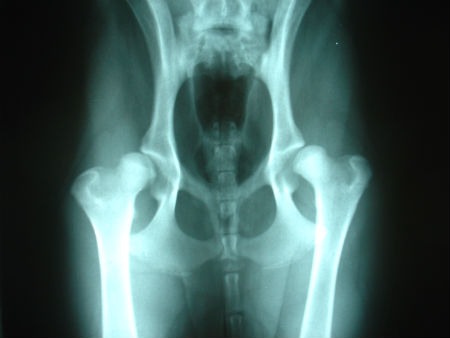
Like the human body, the skeletal system of dogs is linked by a type of "gears", which allows the function and mobility of each joint. If these gears do not fit perfectly in any of their cavities, an alteration may occur in the canine, among the most common of which is hip dysplasia and elbow dysplasia. This guy is about a deformity in the hip area, also known as the coxofemoral area, which occurs when the head of the femur (whose shape is a ball) does not fit properly into the concave cavity that corresponds to it (called the acetabulum) and is located within the pelvic bone.
This imbalance causes the development of the joint to not take place properly. This happens given that the head of the femur, not being covered, does not remain in the aforementioned cavity, but, on the contrary, moves disorderly, which in the long run produces weakness of the dog's musculoskeletal tissues, accompanied by pain and inflammation. We talk about a degenerative disease. That is to say, it is not clearly evident in the first weeks of the canine's life, but rather becomes noticeable with its growth and development, since the wear and tear of the tissues with inadequate movement of the head of the femur makes the pathology progressively more visible. So it will be up to four or six months, and in some cases in adulthood, when signs of this disease begin to be noticed.
What are the breeds most affected by hip dysplasia?
This pathology most frequently affects large and heavy dogs, even more so when they have not received adequate care such as the necessary supply of calcium, a balanced diet and a favorable exercise routine to strengthen their joints. However, in certain cases, this disease can appear in small breed dogs, but with less incidence than in those mentioned. Next, let's look at some of the Breeds most likely to be affected by hip dysplasia:
German Shepherd
Belgian Shepherd
Saint Bernard
Great Dane
Pyrenean Mastiff
Neapolitan mastiff
french bulldog
english bulldog
These breeds are the most associated with the disease, due not only to their size and weight, but also to other factors that make them more likely to suffer from it. Knowledge about the breed and how to prevent or reduce the risk factors associated with this condition can help provide our pets with adequate care for their well-being.
Causes
Hip dysplasia can be seen as a multi-causal disease, because it has different risk factors (both biological and environmental) that can increase the possibility of its appearance. Let's see below the risk factors associated with it:
Environmental
Among the environmental factors, one can locate aspects related to quality of life that people offer their pets, because, if the dog receives the necessary care, the possibility of suffering from this condition will decrease. We can mention the following as environmental factors:
Bad diet
Without a doubt, inadequate nutrition is one of the factors most related to hip dysplasia. Accompanied by a deficiency of calcium and minerals in the canine diet. If a dog does not receive adequate nutrition, it can also trigger obesity, an aspect that significantly influences the appearance of the disease.
Hiking
Although it may seem insignificant, practicing exercises in a dog's life is essential. Even more so if they are large and heavy breeds, as this will help them stay in shape and avoid such important aspects as obesity. A sedentary lifestyle for dogs can be really harmful, because in addition to gaining weight, it can atrophy their joints and increase the chances of dysplasia appearing.
Biological
The factor considered the most critical cause of hip dysplasia is hereditary. In these cases, it is most frequently associated with large dogs and heavy like those in the previous list. However, in canines of smaller weight and size, such as Spaniel or Pug, it is normal for this disease to appear on some occasions. In any case, although the genetic factor is always a constant and difficult to prevent, environmental factors are usually controllable to a large extent and will allow the dog to enjoy a good quality of life and health, if it is given adequate care.
Symptoms of hip dysplasia
Because it is a progressive and degenerative disease, the symptoms do not appear all at once, but rather become more acute as the dog grows. They are also intermittent, that is, they may not always be present. Let's see what manifestations canines with this disease can present:
Refusal to perform physical activities such as climbing stairs
Tendency towards inactivity
progressively sharp pain
Difficulty moving
lameness
Stiffness in the rear
Instability
sadness
Apathy to play or run
Curved back
Limitation to get up
Increased front muscles
These are the most common symptoms of hip dysplasia in dogs. As the disease progresses, factors such as pain may increase, as well as difficulty moving, to the point that the dog may completely lose mobility due to the discomfort this causes.
Treatments
Properly, This is a disease that has no cure.. However, certain treatments can be applied to the dog that help improve its quality of life, minimize episodes of pain and feel a little more relieved.
These treatments can be surgical or non-surgical, both will largely depend on the progression of the disease. Also considering other factors, from the size and age of the dog, to the cost of the treatment. Below we explain what each of these treatments consist of:
Surgical
The surgery to try to correct dysplasia hip is defined as triple pelvic osteotomy. In this case, the head of the femur is linked to the corresponding cavity artificially using plates that help it stay in place. This surgery is performed, in most cases, when non-surgical treatment no longer has the same effect. However, it presents great risks, so it is necessary to have the guidance of the veterinarian at all times to decide whether we should do it or not.
Non-surgical
The non-surgical medical treatment is more inclined to administer medicines that help the dog relieve the pain and discomfort caused by the disease. Anti-inflammatories and analgesics are the ones most commonly supplied for this purpose. On the other hand, these are complemented with hydrotherapy and physiotherapy sessions that help strengthen muscles and relieve pain. Non-surgical treatments are applied when the dysplasia is in its mildest phase. In this way its progression is slowed down even if it does not stop.
Although hip dysplasia is a disease not curable and difficult to prevent due to its genetic factor, there is the possibility of offering our pets a good quality of life, attention and care that keeps them healthy and prevents this condition as far as possible.
Other articles on canine health that may interest you:
kennel cough
canine anemia
Toxic plants for dogs
How to treat my dog's cold
Food allergy in dogs
Dandruff in dogs
Our Blog
Diseases that pets and humans have in common
by Lobo Azul in Nov 23 2021
In addition to affection and companionship, humans can share other things with their pets, including some illnesses. Well yes, there are different diseases that, although it may seem incredible, can affect the health of both humans and that of a dog or cat.
Although the manifestations of some of these pathologies may be different in dogs than in humans, the condition is the same, and its presence could put the lives of pets at risk.
What are these diseases that dogs and humans can share? How to identify them in our pet?
Below, in this article we develop some of the most common pathologies that humans can share with their pets. And we will also present some symptoms that will allow them to be identified in time.
Diabetes
This is one of the most common pathologies between humans and their pets. Specifically, in animals such as dogs and cats, the appearance of Diabetes type 1 or 2 is becoming more common.
In humans, the appearance of this disease is caused by a sedentary lifestyle, poor diet or genetic reasons. In the case of animals, the causes do not usually vary, and diabetes is linked to the same risk factors.
Inadequate pet nutrition, lack of exercise or walks, and even hereditary causes can cause type 1 diabetes in our dogs, which is the most common in these animals.
How to identify Diabetes in a dog?
The symptoms of this disease in our pets are very precise. Noticeable weight loss is the first evidence that something is wrong.
If, in addition, this is accompanied by an excessive need to drink water and urinate frequently, it is very likely that the pet is being affected by some type of diabetes.
Going to the veterinarian immediately if you observe any of these irregularities is the most reasonable thing to do to determine whether or not it is this pathology.
Thyroid problems
Although it can occur with different frequency in each animal. The presence of hyperthyroidism in cats and hypothyroidism in dogs It is quite common.
The causes of this disease in animals have not been clearly determined, however, it is usually closely associated with hereditary reasons, to a large extent.
How to identify a Thyroid problem?
When it comes to very active animals that are affected by this disease, it is identified with a clear decrease in energy on the part of the animal. Our dog is seen tired, slow and with a tendency to constantly gain weight. If these symptoms are observed, they may indicate that the dog is suffering from a Thyroid problem and it is recommended that a veterinarian examine it to determine if this is the case.
Epilepsy
Episodes in which frequent seizures occur, both in humans and animals, are signs that identify Epilepsy. This disease affects both humans and their pets considerably.
A neurological condition, or genetic reasons, are the most common reasons why this disease manifests itself.
How to recognize epilepsy?
The detection of the epilepsy in animals It's not usually that simple. The disease is usually discovered by the presence of a seizure.
Some veterinarians recommend dog food rich in fatty acids for their reduction and even prevention. In other cases, this condition is treated with drugs, although they are not always effective.
In any case, it will be the veterinarian who will be in charge of indicating the best way to treat this pathology.
Pulmonary hypertension
Another common disease that humans and pets share is pulmonary hypertension. Very common, especially in dogs.
The causes of this pathology can be diverse, so determining a specific one is a bit complicated.
Although it may seem unusual, the treatment provided to pets with this condition is Viagra. Although it is used in humans for very different purposes, in dogs it is used to reduce high pressure in the lungs.
How to identify it?
The dog's collapse or shortness of breath is the most direct way to discover this disease. If you notice the presence of any of these symptoms, it is ideal to consult your veterinarian as soon as possible.
heart problems
The heart disease They are another very common disease in both humans and pets.
Arrhythmia and even heart attacks can affect the central muscle of our animals, as well as our own.
Inadequate diet, a sedentary lifestyle and hereditary causes are the main factors that intervene in the health of humans and pets to keep their hearts healthy.
Dogs that tend to have nervous behavior are more prone to suffering from this disease.
How to identify it?
Nervousness and weakness are some of the ways to identify this condition. However, it is very common for a heart attack to come unexpectedly. Maintaining veterinary control is a way to prevent this pathology.
Obesity
This is a very common condition in both people and animals. In both cases, the cause of the disease may be associated with inadequate or uncontrolled diet. This pathology is more inclined towards the lifestyle and nutrition that the individual has, and the same happens with animals.
How to identify obesity?
The way of identify obesity It's very simple. A progressive weight gain that causes difficulty moving, discouragement or apathy on the part of the dog when performing physical activities is the most obvious.
Maintaining a balanced nutrition, combined with exercises or long walks, will help the pet avoid this pathology. You can also read our tips to help our dog lose weight.
To summarize
All of the aforementioned diseases can occur in both humans and pets, commonly in dogs and cats. And in both, the causes may be similar.
Although some of the pathologies presented are genetic, most can occur due to inadequate or uncontrolled diet, sedentary lifestyle and other causes that can be prevented.
Keeping your pet well fed, exercising daily and maintaining proper follow-up with the veterinarian will be enough for your companion to lead an adequate lifestyle and stay healthy.
[embed]https://www.youtube.com/watch?v=2YWSV1oJwQI[/embed]
Other curiosities that may interest you:
The best dog breeds for children
How to read dog food labels
Why do dogs howl?
The most famous dogs in film history