Hip dysplasia in dogs: symptoms, treatment and most affected breeds
Although there are diseases that can be prevented depending on the quality of life of our pet, there are a number of pathologies that appear due to factors that are difficult to control, such as genetics. One of the most mentioned in this case is the hip dysplasia. A very common condition in dogs of different breeds that can affect the mobility of the canine, to the point of completely limiting its walking, due to the pain that progressively worsens. But what is it? How to identify it? What should we do about this disease? All of these questions are common, because although it is very common in dogs, there are owners who still do not know it. For this reason, we have developed an article dedicated to delving into hip dysplasia. Don't stop reading it, it will help you learn in detail about each aspect of this condition.
What is it?
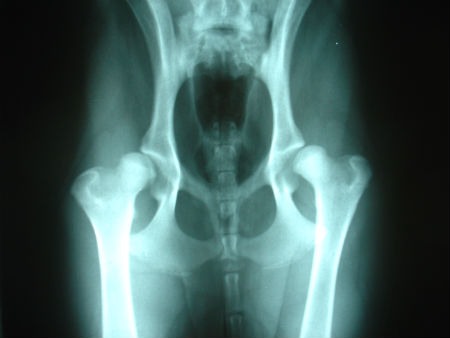
Like the human body, the skeletal system of dogs is linked by a type of "gears", which allows the function and mobility of each joint. If these gears do not fit perfectly in any of their cavities, an alteration may occur in the canine, among the most common of which is hip dysplasia and elbow dysplasia. This guy is about a deformity in the hip area, also known as the coxofemoral area, which occurs when the head of the femur (whose shape is a ball) does not fit properly into the concave cavity that corresponds to it (called the acetabulum) and is located within the pelvic bone.
This imbalance causes the development of the joint to not take place properly. This happens given that the head of the femur, not being covered, does not remain in the aforementioned cavity, but, on the contrary, moves disorderly, which in the long run produces weakness of the dog's musculoskeletal tissues, accompanied by pain and inflammation. We talk about a degenerative disease. That is to say, it is not clearly evident in the first weeks of the canine's life, but rather becomes noticeable with its growth and development, since the wear and tear of the tissues with inadequate movement of the head of the femur makes the pathology progressively more visible. So it will be up to four or six months, and in some cases in adulthood, when signs of this disease begin to be noticed.
What are the breeds most affected by hip dysplasia?
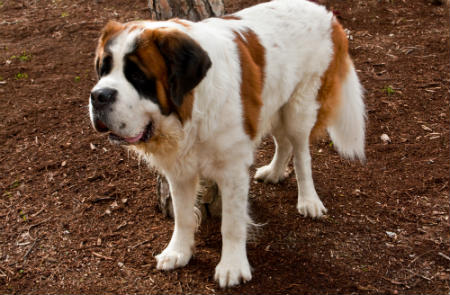
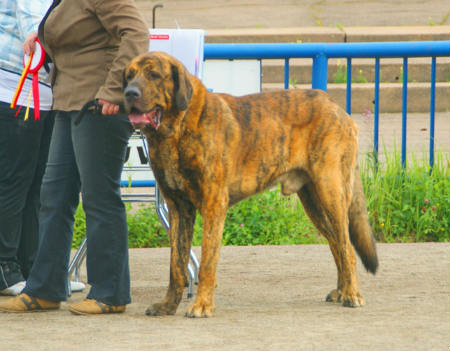
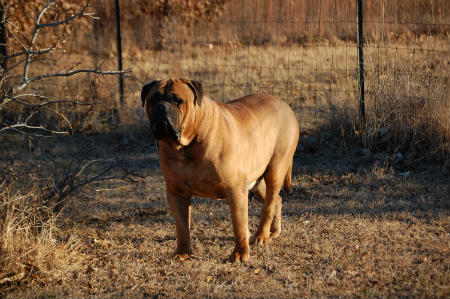
This pathology most frequently affects large and heavy dogs, even more so when they have not received adequate care such as the necessary supply of calcium, a balanced diet and a favorable exercise routine to strengthen their joints. However, in certain cases, this disease can appear in small breed dogs, but with less incidence than in those mentioned. Next, let's look at some of the Breeds most likely to be affected by hip dysplasia:
These breeds are the most associated with the disease, due not only to their size and weight, but also to other factors that make them more likely to suffer from it. Knowledge about the breed and how to prevent or reduce the risk factors associated with this condition can help provide our pets with adequate care for their well-being.
Causes
Hip dysplasia can be seen as a multi-causal disease, because it has different risk factors (both biological and environmental) that can increase the possibility of its appearance. Let's see below the risk factors associated with it:
Environmental
Among the environmental factors, one can locate aspects related to quality of life that people offer their pets, because, if the dog receives the necessary care, the possibility of suffering from this condition will decrease. We can mention the following as environmental factors:
Bad diet
Without a doubt, inadequate nutrition is one of the factors most related to hip dysplasia. Accompanied by a deficiency of calcium and minerals in the canine diet. If a dog does not receive adequate nutrition, it can also trigger obesity, an aspect that significantly influences the appearance of the disease.
Hiking
Although it may seem insignificant, practicing exercises in a dog's life is essential. Even more so if they are large and heavy breeds, as this will help them stay in shape and avoid such important aspects as obesity. A sedentary lifestyle for dogs can be really harmful, because in addition to gaining weight, it can atrophy their joints and increase the chances of dysplasia appearing.
Biological
The factor considered the most critical cause of hip dysplasia is hereditary. In these cases, it is most frequently associated with large dogs and heavy like those in the previous list. However, in canines of smaller weight and size, such as Spaniel or Pug, it is normal for this disease to appear on some occasions. In any case, although the genetic factor is always a constant and difficult to prevent, environmental factors are usually controllable to a large extent and will allow the dog to enjoy a good quality of life and health, if it is given adequate care.
Symptoms of hip dysplasia
Because it is a progressive and degenerative disease, the symptoms do not appear all at once, but rather become more acute as the dog grows. They are also intermittent, that is, they may not always be present. Let's see what manifestations canines with this disease can present:
Refusal to perform physical activities such as climbing stairs
Tendency towards inactivity
progressively sharp pain
Difficulty moving
lameness
Stiffness in the rear
Instability
sadness
Apathy to play or run
Curved back
Limitation to get up
Increased front muscles
These are the most common symptoms of hip dysplasia in dogs. As the disease progresses, factors such as pain may increase, as well as difficulty moving, to the point that the dog may completely lose mobility due to the discomfort this causes.
Treatments
Properly, This is a disease that has no cure.. However, certain treatments can be applied to the dog that help improve its quality of life, minimize episodes of pain and feel a little more relieved.
These treatments can be surgical or non-surgical, both will largely depend on the progression of the disease. Also considering other factors, from the size and age of the dog, to the cost of the treatment. Below we explain what each of these treatments consist of:
Surgical
The surgery to try to correct dysplasia hip is defined as triple pelvic osteotomy. In this case, the head of the femur is linked to the corresponding cavity artificially using plates that help it stay in place. This surgery is performed, in most cases, when non-surgical treatment no longer has the same effect. However, it presents great risks, so it is necessary to have the guidance of the veterinarian at all times to decide whether we should do it or not.
Non-surgical
The non-surgical medical treatment is more inclined to administer medicines that help the dog relieve the pain and discomfort caused by the disease. Anti-inflammatories and analgesics are the ones most commonly supplied for this purpose. On the other hand, these are complemented with hydrotherapy and physiotherapy sessions that help strengthen muscles and relieve pain. Non-surgical treatments are applied when the dysplasia is in its mildest phase. In this way its progression is slowed down even if it does not stop.
Although hip dysplasia is a disease not curable and difficult to prevent due to its genetic factor, there is the possibility of offering our pets a good quality of life, attention and care that keeps them healthy and prevents this condition as far as possible.
Other articles on canine health that may interest you: