
Our Blog
Our Blog
by Lobo Azul in May 30 2023
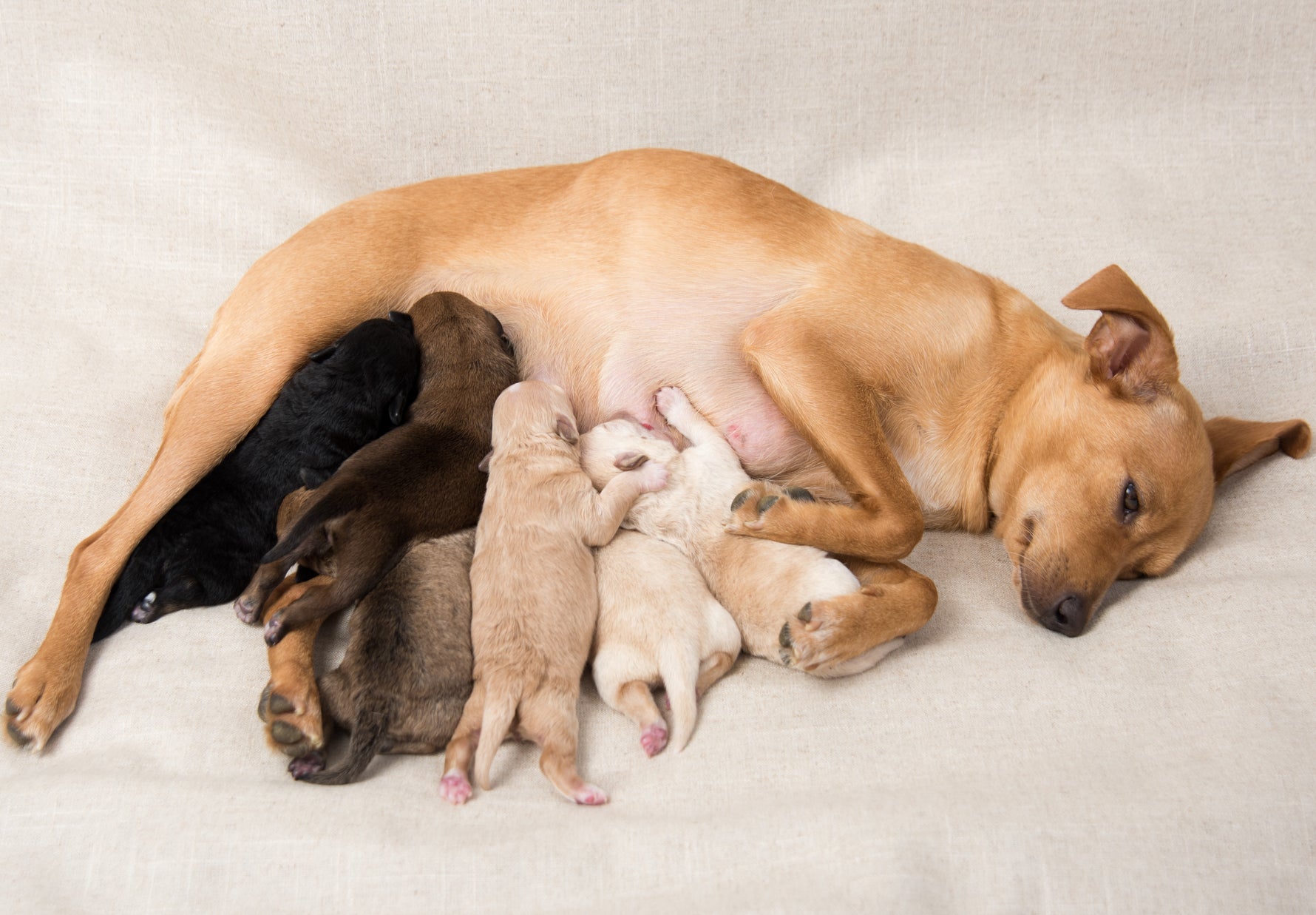
Mastitis in dogs is a disease that is located in the mammary glands of the females, almost always when they are raising puppies, but sometimes even if there is a psychological pregnancy, something that is more common than we think.
Causes
Canine mastitis is nothing more than an inflammation of the female breasts, which may or may not be accompanied by infection, since sometimes there is only swelling.
Among the most common causes is the way in which puppies obtain their mother's milk, especially when they get a little older and gain weight. then They press hard on the breasts with their paws and nails, causing small injuries.
This is usually combined with a lowering of the mother's defenses, which makes it easier for inflammation and infection to occur, which would not otherwise occur.
On other occasions it is not necessary to have puppies suckling, since sometimes mastitis appears in psychological pregnancies. The dog is not pregnant, but she believes she is and the body acts accordingly.
In fact, even though there is no actual pregnancy, the breasts become swollen and hard, which sometimes leads to mastitis.
How to know if my dog has mastitis
The diagnosis must be made by a veterinarian., but we must be attentive to our dog if she has puppies, checking her breasts regularly in order to see if we notice them very hot, hard or swollen.
Furthermore, in the event that our dog changes her behavior, it is also the first thing we should look at, in case she had a psychological pregnancy that has led to mastitis.
If you are breeding, we will not only appreciate mastitis in our bitch, but puppies can also put us on alertFor example, if we notice that they stop gaining weight.
In any case, a visit to our trusted veterinarian will provide us with an accurate diagnosis in order to act accordingly, which always begins by removing the puppies, otherwise the problem will only get worse and worse.
This professional can do different tests, but sometimes a physical examination and taking the dog's temperature are enough. In order to be sure, you can analyze the breast secretions if there are any or perform a milk culture.
Symptoms
There are several symptoms that are common to all dogs with mastitis, although it is true that sometimes it is not easy to associate them with this pathology if we do not do an examination, since some, such as fatigue, are associated with breeding, especially if there are many puppies.
Thus, with mastitis The first thing we notice is that the dog is very tired. and fatigued, moving less than normal or moving very slowly. We should not think that it is a breastfeeding thing, especially if you have also lost your appetite.
If, despite having several puppies suckling, they do not eat, it is best to start the examination as soon as possible.
What do we notice in the breasts of a dog with mastitis?
With this disease in mind, we are going to explore the breasts and we may see other very clear symptoms, such as very swollen and hard breasts, which may hurt if we explore and touch them.
At this point it is common that the mother avoids nursing the puppies, since they cause quite strong pain that he can no longer bear.
In turn, the area around the breasts is likely to be red and irritated or even have some lumps or bumps.
Other symptoms, among the clearest, are hemorrhagic secretions with pus., perhaps what alerts us the most, since we all know that milk is neither red nor green.
You may also have vomiting, diarrhea and fever, although of course the most obvious signs are those we see in the breast area.
Puppies also suffer from some symptoms
Although puppies do not catch mastitis, not even when it occurs as an infection, they do present symptoms that also indicate that the mother may suffer from this problem.
Suddenly, we notice that they are not gaining weight as they should. In fact, they even lose weight because they do not breastfeed enough, because their mother prevents them from doing so.
Its activity also decreases. The once restless puppies that didn't stop moving are now weak and complain all day, as if they were hungry.
As if that were not enough, they can have diarrhea and vomit, in addition to losing their hair due to lack of nutrients by not ingesting all the milk they need.
Treatment
At first, and if caught in time, mastitis is not a serious disease, but it can get worse if it goes unnoticed.
Treatment begins with a broad-spectrum antibiotic such as amoxicillin. for about two or three weeks. After that time, if the mastitis has not disappeared or subsided almost completely, it is necessary to do a culture.
With this, you can see which specific bacteria is causing mastitis and you can prescribe the best antibiotic to eliminate it.
In addition, the veterinarian will give the female an anti-inflammatory in order to relieve the pain as soon as possible and reduce the swelling, which will be accompanied by a prescription so that we can give her tablets at home for a few days.
Another treatment consists of removing the milk that is retained and if there are wounds in the breast area, some treatment can be applied (even a natural one) with the idea that it improves as soon as possible.
There are serious cases in which the dog has to undergo surgery, since all the pus accumulated in the mammary glands must be drained and a mastectomy may be a good decision.
To finish the treatment, at first the veterinarian will probably give the dog an intravenous serum with some vitamins or even glucose, especially if she has a fever or seems very weak.
Prevention
We already know the symptoms and the treatment, but the most important thing is the prevention of mastitis in dogs, since puppies have to suckle and there is nothing better than doing it with their mother, ingesting natural milk.
We will start with breast hygiene. Once or twice a day we will clean them with water and a sterile gauze., something that will not affect the puppies, since they will not perceive any strange taste.
This will allow us to immediately notice if the breasts are changing or there is a problem that leads to mastitis.
The puppies are also part of the prevention, so with the same procedure we are going to clean their paws, eliminating dirt and feces, which we do not want to end up in the mother's breasts.
Finally, when the puppies are suckling you have to see if they are doing it from all the teats. If they leave one, we will take one of the puppies and put it to suck there, well It is essential that all mothers “work” and allow milk to come out through them so as not to cause retention.
Other articles that may interest you:
hip dysplasia
elbow dysplasia
kennel cough
Otitis in dogs
Leishmaniasis
Conjunctivitis in dogs
Rage
Parvovirus
Our Blog
Otitis in dogs - Diagnosis, treatment and prevention
by Lobo Azul in Mar 28 2023
Otitis in dogs is a fairly common disease. It can occur in any dog throughout its life., although the truth is that there are some breeds more prone than others and environmental conditions also have a lot of influence.
Causes of otitis in dogs
There are several causes that can cause this inflammation in the ear of dogs, starting with the animal producing a lot of wax or having too much hair inside the ears (a combination of both also produces otitis).
It also occurs if a foreign object is introduced, which is common in dogs that go out into the countryside often, although it can also occur if we use cotton swabs when cleaning their ears.
Mites are other culprits, as well as allergic reactions. Otitis in dogs can also develop due to tumors in the ear, due to hormonal changes or because the animal produces a lot of keratin.
Even the breed can predispose a dog to have otitis, as is the case of those with large, floppy ears., of the type cocker, the basset and hounds in general.
Finally, a humid environment helps dogs suffer from this infection from time to time, which does not happen as often if they live in dry climates.
How do I know if my dog has otitis?
There is no better way to know if a dog has otitis than by going to the vet, although we will see that the animal behaves in a strange way, as if it had pain in the upper area of its head.
Symptoms
Although we have to go to the veterinarian, who will make the diagnosis through a series of very simple tests, The truth is that otitis in dogs is very easy to detect. because it has characteristic symptoms.
The dog walks with its head tilted
One of the most characteristic signs is that the animal begins to walk with its head tilted, which catches our attention and makes us immediately alert.
The side towards which you place your head indicates the ear in which you have otitis, because although it can occur in both, the normal thing is that the disease only occurs in one of them, or at least that it does not appear in both at the same time.
Bad smell in the ear
Another symptom of otitis is a bad odor inside the ear. The smell is quite nauseating. It reaches us when it is close to us and places our ear near our nose, or when we are grooming it.
This bad odor is usually accompanied by yellow or green secretions, which are another indication that there is an infection.
The animal does not stop shaking its head
If the dog has otitis, it will have pain, which it tries to relieve by shaking its head very often., especially on the side of the ear where the infection is. This symptom is usually accompanied by the first one we have seen, having the head tilted to one side.
Pain in the ear when touched and may even stop eating
When the pain is not as severe, there may be no visible symptoms. However, if we touch it, it complains when we put our hand near its ear and may even stop eating due to the discomfort caused by the movement of its jaws.
Loss of balance and deafness
Luckily, severe otitis in dogs is not common, but it does occur (it is more serious the further it gets into the ear) the symptoms go further and even cause the dog to fall.
As in humans, the balance organ is in the ear, so when it is affected the dog is not able to stand.
Deafness is also another of the complications of severe otitis in dogs, something that we notice if we call it and it does not come (before it always did) or in sudden reactions when we touch it, there is a very loud noise, etc.
Diagnosis
The diagnosis is very simple for a professional, who just by seeing the symptoms that the dog has as soon as he walks through the door of the clinic, he will know what is happening to him.
The first thing you will do, even if you already suspect that there is otitis, is check the ear in order to check if there is a bad odor, if there are secretions and what color they are, since this guides you about the type of bacteria that caused it.
You can take a sample in order to look at it under a microscope, thus ensuring the diagnosis and advising the best treatment.
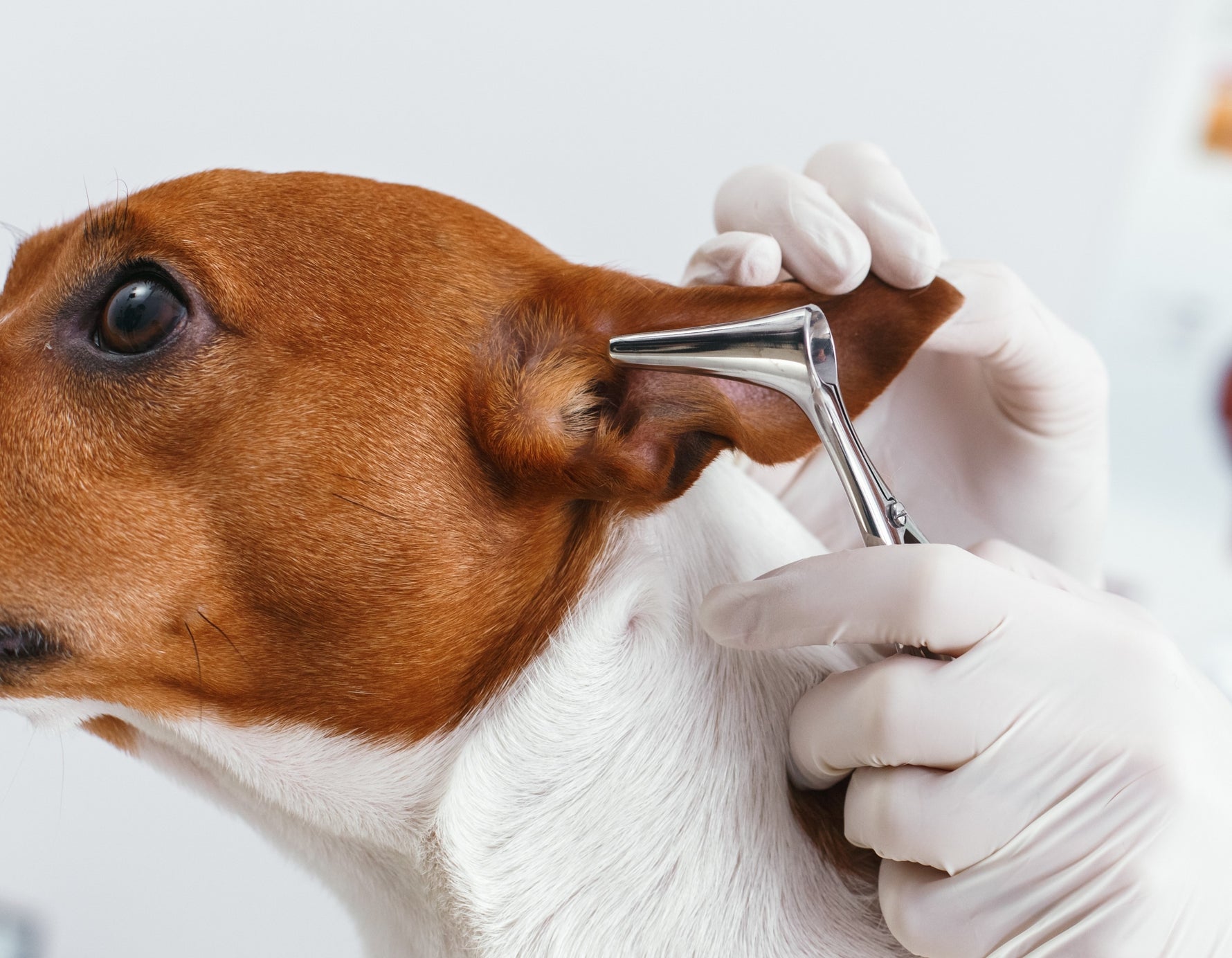
You will also use the otoscope, although the truth is that if the dog is in pain it will not be easy, although it is possible to use local anesthesia in order to facilitate the task.
This is done to see the damage in the ear, in order to verify how far the infection has reached, and especially when it comes to make sure there are no foreign bodies that are responsible for causing otitis.
In the event that there is something inside the ear, such as a piece of branch, if it is not removed, the medications will be of little use, since the otitis will continue its course.
Treatment
The treatment is usually quite simple and It almost always consists of broad-spectrum antibiotic ear drops., which fight the bacteria that cause otitis.
In turn, the veterinarian usually cleans the ear and will tell us how to do it in order to remove the wax, as well as the secretions. The reason is that although the drops work in dirty ears, they do better if the inside of the ear is clean.
When there is pain, which is noticeable because the dog shakes its head a lot or scratches, you can also administer some medication to alleviate it. They almost always give him the first dose, so he acts immediately, and then they can prescribe us some pills.
Cases of severe otitis in dogs are less common, but if we are unlucky enough that our dog suffers from it (a good way to avoid it is to go to the vet at the first symptom) Treatment usually consists of an operation to fix the damage caused by the infection.
Prevention
Otitis can be prevented in most cases by following a series of guidelines that are quite simple.
With regular cleaning we will avoid a good part of infections. It can be done a couple of times a week and we only need some gauze and saline solution, although we can also buy a specific product.
Another way to avoid infections is to shave the hair inside the ear. We can do it with a clipper for dogs, with one for people with a narrow comb or with scissors, thus preventing the wax from having places to accumulate.
Checking the ears when we come from abroad also helps a lot., since this way we will see if there are objects inside that will cause otitis in dogs with complete safety.
If we see a branch, a leaf, etc., and we cannot remove it, we will go to the vet immediately. Thus, we will ensure that the infection does not occur.
Other articles that may interest you:
Leishmaniasis
Diabetes in dogs
Conjunctivitis - Causes, symptoms and treatment
The rage
Parvovirus
Gas in dogs
Asthma in dogs
elbow dysplasia
hip dysplasia

Our Blog
Leishmaniasis in dogs: symptoms, treatment and prevention
by Lobo Azul in Mar 09 2023
Leishmaniasis is the medical term used to describe the disease caused by the protozoan parasite known as Leishmania. In dogs, it is a condition that can be fatal. Also known as leishmaniasis, occurs in two different forms: cutaneous leishmaniasis and visceral leishmaniasis. Different species of the parasite are associated with each form of the virus. It is believed that there are around 20 types of Leishmania that can transmit the disease to different mammals, including humans.
Transmission of leishmaniasis disease
Leishmania is a diphasic parasite which completes its life cycle in two hosts: a sand fly that harbors the flagellated extracellular promastigote form and a mammal in which the intracellular amastigotic parasite form develops. That is, the parasite is inactive while it is on its first host: the sand fly or sand fly. Once the parasite has contact with the next host, a mammal, it develops and reproduces, becoming lethal.Transmission is a complex process that requires a special adaptation between the sand fly host and the particular species of Leishmania transmitted. There are numerous species of sand flies, of which only a minority can act as competent carriers of the parasite. The incubation period of infection until symptoms appear ranges from a month to many years. Some dogs may be infected with the leishmaniasis parasite for an extended period of time and not show any symptoms of the disease.. In asymptomatic dogs, the parasite may remain inactive for some time, even for years, before an external stimulant such as stress or an illness activates the parasite, causing it to multiply and attack the body where it resides. Eventually the dog could develop a skin infection or a visceral reaction. However, in both symptomatic and asymptomatic cases, the hosts are capable of infecting the sand fly which would subsequently infect other animals.Symptoms and types of leishmaniasis Each of types of leishmaniasis in dogs, visceral or cutaneous, presents different characteristics, below are the most common symptoms in cases of leishmaniasis: Visceral leishmaniasis. It is sometimes referred to as systematic leishmaniasis. It commonly occurs two to eight months after the bite of the sandfly. It mainly damages internal organs, such as the spleen, kidneys or liver. It also harms the animal's immune system and spinal cord. If it is not treated, this type of leishmaniasis can be fatal.Main symptoms of visceral leishmaniasis:
Loss of appetite.
Severe weight loss as a result of lack of appetite.
Diarrhea.
Tarry stools.
Vomit.
Nosebleed.
Movement intolerance.
Cutaneous leishmaniasis. This can cause ulcers on the dog's skin, it is the most common form of the disease. Sometimes treatment is not necessary, however, it is advisable to speed up the healing process and prevent complications. Main symptoms of cutaneous leishmaniasis infection:
Hyperkeratosis is the most common symptom. Epidermal peeling with thickening of the skin, depigmentation (loss of color in the skin) and cracks in the paw pads, in some cases abnormal growth may be shown in the hooves of the canine.
Alopecia, dry and brittle hair with symmetrical hair loss.
Nodules on the surface of the skin.
Intradermal nodules and ulcers.
Brittle nails are normal in some cases.
Other symptoms associated with leishmaniasis:
Lymphadenopathy: disease of the lymph nodes with skin lesions in 90 percent of cases.
Slimming.
Signs of kidney failure: excessive urination, excessive thirst and possible vomiting.
Joint pain.
Inflammation of the muscles.
Swollen spleen in about a third of patients.
[embed]https://www.youtube.com/watch?v=ghJ3_0WELYE[/embed]
Causes of leishmaniasis
Pets, and even humans, can being exposed to the virus when traveling to endemic regions, areas where it is most common to find the sand fly, this being the most common way to contract the disease. The parasite lives and multiplies inside the female sand fly. This insect is most active in humid environments during the hottest months of the year. Domestic animals, such as dogs, can serve as vessels for the parasite. Leishmania is a parasite that affects rodents, carnivores, marsupials, dogs and humans. The disease becomes more serious when the host is human or in dogs, It is characterized by skin lesions or deterioration of internal organs, especially those in the abdominal area.In which places is leishmaniasis most common? Geographically, this disease is found anywhere in the world, except Australia and Antarctica, however, 95 percent of cases occur in the following places:
America
Central Asia
The Mediterranean basin
The Middle East
In 2015, about 90 percent of the cases occurred in the following countries:
Brazil
Ethiopia
India
Kenia
Somalia
Sudan
Portugal and Spain are the most common places to find this parasite. However, there have been sporadic cases in Switzerland, northern France and the Netherlands. Also endemic areas of South and Central America, and southern Mexico.
Diagnosis of leishmaniasis infection
It is important to take into account the places that were visited, this way the veterinarian will know what to look for when performing physical or blood examinations, it will also be easier to rule out possible diseases.Diagnosis of cutaneous leishmaniasis The veterinarian must take a small sample of the skin To perform a tissue biopsy, this is taken by scraping the surface of the ulcer. Normally the DNA or genetic material of the parasite is searched; there are varieties of methods to identify what type of parasite it is. Once diagnosed and treatment started, the dog has a great chance of surviving with few or no side effects.
Diagnosis of visceral leishmaniasis
It is difficult for humans to remember when they were bitten by a mosquito, it is even more difficult when the person affected is a dog, this can make it difficult to early detection of infection. Knowing what the pet was exposed to can be very helpful. When the presence of visceral leishmaniasis infection is suspected, the doctor should examine the internal organs in search of lesions or inflammation, paying more attention to the kidneys, liver and spleen, as these are the main organs affected in most cases.Complications of leishmaniasis Cutaneous leishmaniasis may include:
Bleeding.
Other infections due to weak immune system.
In the long term, ulcer scars can lead to disfigurement; treatment can reduce their severity.
Meanwhile, visceral leishmaniasis usually has fatal effects since it weakens both the internal organs and the immune system. Visceral leishmaniasis is fatal due to its silent spread in the body; after two years, if not treated appropriately, it is irreparable.Treatment against leishmaniasis Regarding the treatment for combat leishmaniasis, this consists mainly of two drugs:
The meglumine antimoniate, an antiprotozoan whose effect is to inhibit the glycolytic enzymes of the parasite
The allopurinol, whose purpose is to reduce the production of uric acid in the body.
Meglumine antimoniate is best administered in twice daily doses of 50 mg/kg or once daily at a dose of 100 mg/kg. Treatment usually lasts about 4 weeks, however, if symptoms do not disappear completely, treatment can be extended for a couple more weeks.As for allopurinol, treatment could last from six to two months, 10 mg/kg is administered twice a day. A balanced diet can be prescribed by the veterinarian, however, this may vary depending on the animal. one diet rich in antioxidants and proteins with low uric acid content is the most recommended so that the dog can recover its physical strength, muscle mass and motor abilities.
Cutaneous leishmaniasis
Ulcers formed by leishmaniasis usually do not require any treatment, they heal on their own. Likewise, treatment can help speed healing and reduce the risk of complications. Likewise, ulcers can cause disfigurement in the host of the infection. Depending on their severity, these lesions may require plastic surgery.Visceral leishmaniasis Visceral leishmaniasis will always require treatment. Various medications are available. Commonly used medications include sodium stibogluconate, amphotericin B, paromomycin, and miltefosine.
How can we prevent leishmaniasis?
There is no vaccine or medicine that helps prevent contact with the Leishmania parasite. The safest way to avoid contracting this infection is avoid sand fly bite.Some of the preventive measures that can be taken are:
Dogs should undergo periodic clinical and laboratory checks to detect infection early.
Every dog (healthy, infected or sick) should be protected with pyrethroids (which antiparasitic pipettes contain) to reduce contact with sand flies.
Surely you are also interested in finding out in our blog about:
kennel cough
Hiccups in dogs
Common diseases in dogs
Our Blog
Rabies in Dogs – Discover what it is, what symptoms it has and its treatment
by Lobo Azul in May 05 2022
Of all the diseases that our dogs can have, rabies is one of the best known, since there are texts from centuries ago that name and describe it very well, as humans have lived with it, suffering from it and dying when they were infected.
Luckily it is extinct in mainland Spain., and there are only sporadic cases in Ceuta and Melilla, which is why dogs continue to be vaccinated with a frequency that depends on each autonomous community, although in recent years they have been more strict due to the cases that occur in these two autonomous cities.
How is it spread?
It is a viral disease present in mammals, such as dogs, cats less frequently, foxes or bats.
The means of contagion is saliva, so the most common way for it to pass from one animal to another or even to humans, since it is a zoonosis, is through a bite.
When an animal bites another animal or a person, the virus that is in its saliva passes into the blood and begins its incubation period, but sometimes a bite is not even necessary.
Although it is less common, it is known that it can also be spread if an infected animal licks another on a mucosa or in an area where it has a wound.
It is not at all common, since bats are in contact with our dogs, but this mammal is a reservoir of the disease and infection is possible without a bite, only through contact with its urine or feces.
What are the symptoms of rabies?
This disease presents a very broad symptomatology, so much so that it can often be confused with neurological problems that have nothing to do with it.
If there is even the slightest suspicion, it is best to go to the vet., whose expert eye and tests (if deemed necessary) will tell us if our pet has rabies or another health problem.
Aggressiveness
One of the best known is irritability and aggressiveness. Suddenly, an animal that has never caused any problems begins to act in a strange way, being aggressive towards us, strangers and other animals.
This change in behavior should make us suspicious, and although it does not mean that the animal has rabies, it is best to go to a veterinary clinic, as it indicates that something is happening that is affecting our dog's health and requires immediate attention.
Excessive salivation
Salivation is another of those symptoms that we associate with rabies., since in all ancient representations mad dogs are shown with their mouths full of drool, which falls abundantly.
This hypersalivation is due to the fact that one of the parts of the body that this virus attacks are the animal's salivary glands, something that helps it expand, since it spreads through contaminated saliva.
Phobia of light and water
An aversion or phobia of light is not as much associated with rabies, but Another symptom that has been known since ancient times is the phobia of water..
Dogs do not usually have problems with water, but when they have rabies they do not want to go near it, running away or becoming aggressive if we try to get them wet. Likewise, light bothers them a lot and they tend to hide from it.
Other lesser known symptoms
There are also other symptoms that specialists know well, but that those of us who do not have notions about animal health do not associate with the disease.
Some of them are fever, facial paralysis and general paralysis, which usually appears at the final moment when the dog is about to die from this virus.
Phases of rabies in dogs
From the moment an infected animal bites the dog, rabies begins to develop following a series of phases that are very well studied due to all the time we have been living with the disease.
The phases can occur more or less quickly, but in the end the animal will go through them all if we do not remedy them first, which is impossible in stray dogs, which are the ones that should really worry us, since there is no one who cares about them.
Incubation
When an infected animal bites a dog, it transmits the disease (if it is not immunized through the vaccine), but it does not manifest immediately, but rather goes through an incubation period.
The dog is already infected, but asymptomatic for a period of time ranging from a week to several months.
It seems that this period varies depending on the area of the bite, so that the closer it is to the brain, the shorter the incubation.
It is impossible to know that the dog has rabies at this time, unless we see the animal that has transmitted it and suspect that it is infected due to its behavior or because it salivates excessively.
Prodromal
In this second phase, the first symptoms begin to appear, which are not usually associated with rabies, since the dog looks tired and scared. You may also feel nervous.
There is no aggression and at this moment it hardly represents any danger to humans or other animals, but rabies is there and it will not stop advancing.
Aggressiveness
After two to ten days of the previous phase, the risk begins, the moments in which a dog with rabies is a danger to anyone around it, regardless of whether it is animal or human.
This is when the symptoms associated with rabies occur, such as aggression and excessive salivation., with retraction of the lips due to a spasm that makes the teeth look very good, which intensifies the feeling of danger.
It will try to bite other animals, people and even its own owners if they do not take precautions and it is best to lock it up while the vets come.
Paralysis
We reach the end of the disease, when the throat and jaw become paralyzed. Little by little, the dog loses control of movement and collapses, becoming paralyzed and even falling into a coma until it eventually dies, which can take several days.
Diagnosis
There are two ways to make the diagnosis. With the oldest one, you had to wait for the dog to die and take a sample of the brain tissues, in which the virus can be seen.
Now it is also used if the animal has died and it is believed that the cause was rabies, since it is the simplest test and the one with the least risk.
If the dog is alive, the vet can do a blood test to find out if the symptoms are due to a neurological disease or the dog has rabies, thanks to the polymerase chain reaction.
Treatment of rabies in dogs
There is no treatment for rabies in dogs. It is a deadly disease that we cannot do anything about. rather than notifying the authorities, since the laws require us to do so.
Seeing what happens as the phases of the disease progress, the best thing for the animal is to sacrifice it, otherwise the only thing we will achieve is for it to suffer terrible suffering.
Furthermore, we must not forget that the disease can transmit to us if we do not act quickly, which is also very serious in humans and causes death if not treated in time.
Although it is hard to think that we cannot do anything for our pet, rabies makes it a danger and if we do not euthanize it in the end it will still die suffering unnecessarily, paralyzed and from asphyxiation.
Prevention of rabies in dogs
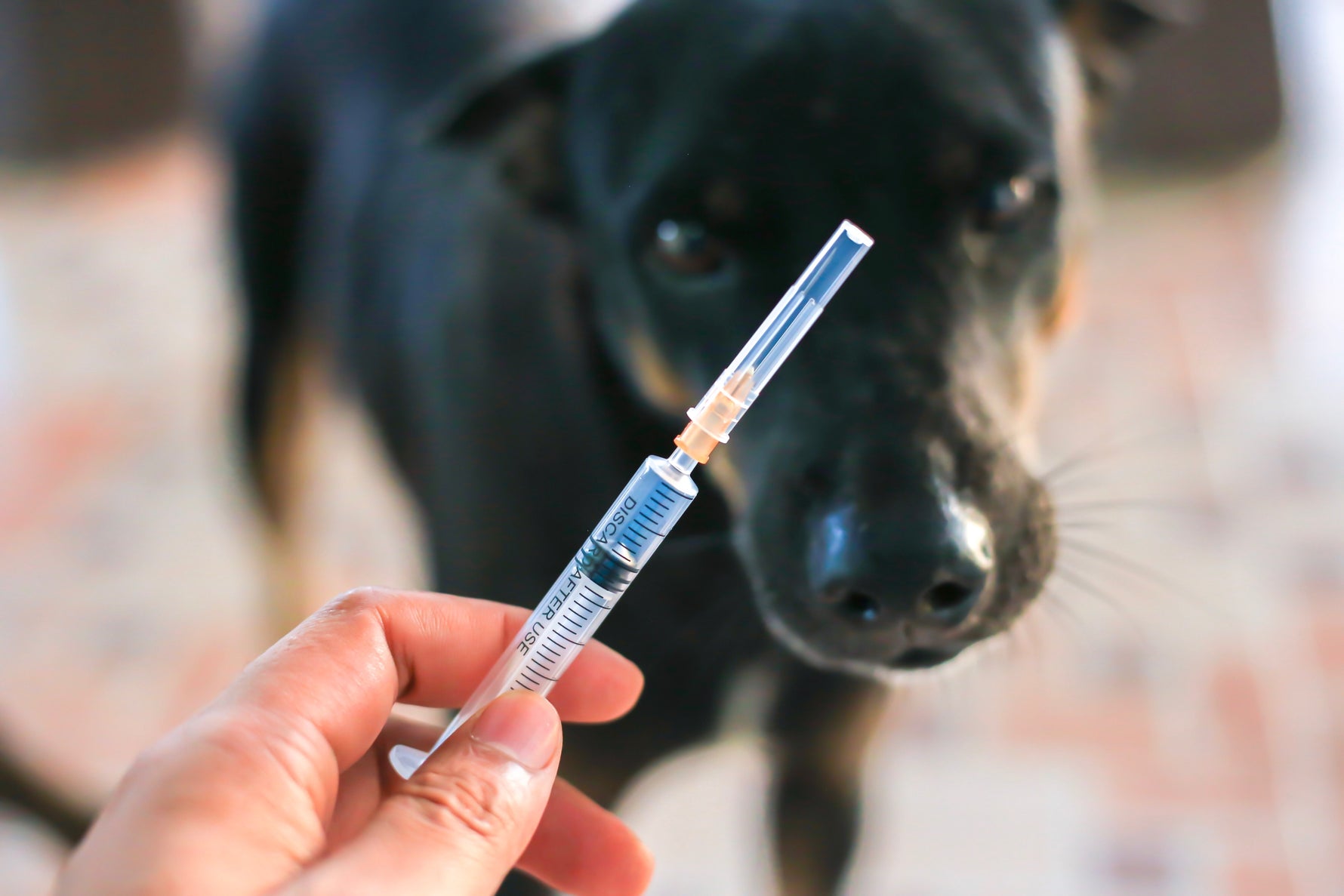
Luckily, Preventing rabies in dogs is very simple and all we have to do is follow the vaccination schedule of our autonomous community.
It is important to know when to vaccinate the animal, since it is not an optional injection, but rather it is mandatory so that this terrible disease continues to be eradicated in our country.
Sometimes, this calendar is a bit confusing, because in recent years it has changed a few times, with some communities even eliminating the mandatory nature of the vaccine or giving it every two years.
Now the schedule is stricter and even the puppies have to be vaccinated, so The best way to stay up to date with vaccinations is to ask our trusted veterinarian, which is aware of all legislative changes.
Because of how important it is rabies vaccination, campaigns are carried out in all Spanish municipalities, so residents do not have to leave their towns in order to vaccinate their dogs, since it is the veterinarians who travel to give the injections.
Other canine diseases that may interest you:
Parvovirus in dogs
kennel cough
gastric torsion
hip dysplasia
elbow dysplasia
Kidney failure
Leishmaniasis in dogs

Our Blog
Gastric torsion in dogs: causes, symptoms and recommendations
by Lobo Azul in Feb 15 2022
Our pets are an important part of the family and that is why we always try to ensure their well-being. We take care of their diet, hygiene, illnesses and, in general, all aspects that allow them to maintain a healthy life. To contribute to the care you give to your pet, today we will talk about gastric torsion in dogs: its causes, its symptoms and some recommendations, since it is a disease that can be life-threatening if not treated immediately. It is always important to offer a good diet, in this case it is advisable to use feed with a lot of digestibility from the Super Premium range. As it is more digestible, the daily ration will be lower and the dog will be better fed. In breeds that are very prone to or have this pathology, it is recommended to give them the daily ration divided into two doses. In Lobo Azul feed, we have Super Premium Lamb Feed available, which gives very good results in dogs with delicate stomachs.
What is gastric torsion?
Gastric torsion, whose full name is gastric dilation-torsion syndrome, is an acute disease that occurs in many groups of animals, including man. In dogs, Breeds more prone to gastric torsion They are the big ones, with deep chest, type boxer, great dane, german shepherd,giant schnauzer, doberman, bulldog, dalmatian, among others, although smaller breeds can also suffer from it if they are not provided with adequate nutrition.
What happens during gastric torsion in dogs?
Gastric torsion in dogs is caused by the accumulation of gases in the stomach and the inability of the body's own physiological mechanisms to empty them. This accumulation causes the dilation of the stomach walls and their rotation or twisting on its longitudinal axis, causing in turn strangulation of the veins and arteries that supply it, hypovolemic shock – or reduction in the amount of blood circulating through the body – and severe ischemia – or decreased blood flow – of the walls of the stomach. Sometimes, More or less pronounced torsion of the spleen may also occur. by the pressure exerted by the stomach and also twisting or intestinal strangulation, what is known as volvulus. The entire picture of difficulty in blood flow, plus the accumulation of substances that mediate inflammation, causes cardiac arrhythmias and severe poisoning in the dog. In addition to the inability to empty the stomach due to the torsion it suffers.
Causes of gastric torsion in dogs: some hypotheses
It is not known exactly the causes that cause gastric torsion in dogs. One of the proposed hypotheses is the inability of the ligaments that support the stomach to adequately support it due to the great dilation it suffers from the accumulation of gases. However, it is also believed that It may be related to some abnormality in stomach movements and even that it has some hereditary component. Its appearance has been associated with copious food intake in one sitting, as well as eating very quickly, drinking a large amount of water, and eating immediately before or after performing physical exercise. The development of stressful situations for the dog during mealtime has also been mentioned.
Symptoms of gastric torsion in dogs
Initial symptoms
The first symptom that may appear is inflammation or swelling of the stomach, which should attract your attention and be a reason for careful observation of the dog, as it can progress rapidly until gastric torsion occurs. Given these first symptoms, it is important to take appropriate precautions, which may include a visit to the veterinarian, since early detection will allow for adequate and timely treatment that can save your dog's life.
Associated symptoms
In addition to inflammation or swelling, your dog can begin to have other symptoms associated with the internal process that is being developed:
Produces a lot of gas or belching.
He appears restless and complains.
suffer from abdominal spasms that make you nauseous and want to vomit, but are not able to do so; spit foamy saliva.
The abdominal cavity sounds like a drum if you tap it gently.
You can present difficulty breathing.
You will see that something is happening because he will be depressed, weak and without appetite.
Treatment of gastric torsion in dogs
Initial treatment
The main treatment is Immediate attention to your dog from the veterinarian who will proceed with the diagnosis, for which he can be helped with an x-ray that will allow him to see how distended the stomach is. As soon as possible, you should stabilize him by giving intravenous fluids and antibiotics and, if possible, emptying the stomach to reduce the pressure. Once stabilization of the dog's general condition is achieved and depending on the severity that the torsion has reached, surgical intervention may be necessary to return the stomach and spleen to their natural position and eliminate the parts of intestine that have suffered necrosis. Sometimes the stomach must be connected directly to the colon to avoid future episodes of torsion and must be fixed to the costal wall to avoid the risk of future torsion.
Postoperative treatment
In addition to all the care that must be followed in emergency treatment and possible surgical intervention, you must be especially careful with subsequent treatment due to the risks of infection that may arise that could lead to peritonitis. However, one of the largest postoperative complications It may occur due to the resumption of blood supply to the affected tissues. When normal blood circulation is restored, cardiac arrhythmias may occur that must be treated with the indicated drugs.
Recommendations
For prevent your dog from suffering gastric torsion, the main recommendation is to control the amount of food you consume at each meal. It is preferable that you divide his meals and establish a more or less fixed schedule for him to eat them. It is also recommended to control water intake after each meal and avoid exercise one hour before and at least three hours after eating. Also help him by maintaining a relaxed atmosphere when he eats. Remember that these preventive measures will not necessarily prevent your dog from suffering from gastric torsion, so you should always be aware of its condition and immediately go to the veterinarian in case of any suspicion. [embed]https://www.youtube.com/watch?v=KaxbF4u-JRg[/embed]
Other dog conditions that may interest you:
Spaying and neutering in dogs
Dogs with anxiety: What to do?
Osteoarthritis in dogs
hip dysplasia
elbow dysplasia
Kidney failure in older dogs
canine anemia