
Our Blog
Our Blog
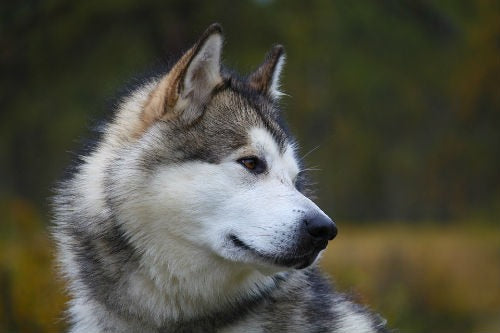
Alaskan Malamute - Origin, characteristics and behavior of this breed
by Lobo Azul in Jan 19 2022
Among the great variety of breeds that exist, getting lost between the distinctive aspects of one or another is very easy. The search for a new canine companion can be complicated, especially if you do not know exactly the care and characteristics that each of these species has. Therefore, andIn this article we are going to introduce you to the great Alaskan Malamute
Size: Big.
Weight: Between 32 and 43kg.
hair type: Long and dense.
Character: Playful, Friendly, Devoted, Affectionate, Dignified, Loyal
Health: Healthy and resistant breed
Life expectancy: Between 10 and 12 years.
Whether due to its size, need for exercise, food, space, hygiene or affection, knowing which is the ideal pet for any person should be a fundamental aspect before choosing the one that could become the best friend. That is why we have prepared a special article about a particularly interesting breed, as well as beautiful appearance. It is about the Alaskan Malamute, whose recognition, until now, has been for being an excellent sled puller and possessing great strength for this activity. Below you will find all the information you need to know this breed better, such as care, characteristics, history, health and the training required, among others.
Origin
The Arctic is the place where this dog breed is based, where existing tribes first bred it around the 19th century. His strength, great size and imposing appearance made him stand out as the most experienced dog in pulling sleds. Although it was not the fastest, it could carry up to 70 kilos of weight during a trip. The name adopted by these dogs is due to the existence of Eskimos named "Mahlamuits» or «Mahlemuts«, which they used to transport food and items necessary for their survival in these frozen areas.
In addition to being an excellent sled puller, these dogs were also recognized in the tribes for their hunting skill. He was frequently observed in battle with polar bears, wolves or walruses, among other Alaskan animals, and emerged victorious. This also allowed travelers to be safe, so the protection of the tribes was also another function that this race played effectively. As such, The Alaskan Malamute were recognized in 1935. approximately. And since then they have become popular for their beauty and character.
Alaskan Malamute Body Characteristics
A muscular dog, with a strong and robust build. This is how the physical appearance of the Alaskan Malamute is presented. Because it is a sled-pulling dog, it has a notable firmness in its build, providing the image of tenacity and strength that the activity it has carried out since its beginnings requires: transporting sleds with heavy loads. The standard ideal size of these dogs is 93 centimeters. However, males reach up to 65 centimeters at the withers, while females average a height of 63 cm. In relation to weight, a male Alaskan can easily reach 70 kilos and females can reach between 48 and 63 kilos.
It has a head proportionally adjusted to its physical build. Long and wide in shape. It always remains upright, which gives it an appearance of great security and majesty. A curious look is what characterizes the eyes of this breed, which are medium-sized and almond-shaped. Commonly dark or brown in color. Their ears are oval in shape, facing downwards. They are small and with round tips. However, when they are upright, they point outwards. The lower extremities of this breed are as prominent as the rest of its body. Firm, muscular and covered by their dense fur. Its legs have a type of thick pad that provides greater comfort and ease of movement. Regarding the coat of the Alaskan Malamute, it can be perceived as abundant and divided into two. An inner layer, softer and thinner, and another outer layer. The outer layer is thicker and rougher. Both protect it from the low temperatures in which it was raised. The coat color of this breed can be varied. It may well be unicolor (black and white the most common) or bicolor, or with different combinations of these shades.
Behavior
The character of the Alaskan Malamute breed can present some very detailed traits. To a large extent, this aspect depends on both your education and your environment. Let's see why: It is, in principle, a serene, self-confident and balanced dog. He has a calm demeanor most of the time. This does not mean that it is a trusting dog, on the contrary. When he perceives any danger or suspicion of risk around him, he immediately acts. It is a dog that does not usually bark unnecessarily, but rather warns of any scenario that requires it in order to protect its loved ones. Therefore it is characterized as a good company. It has an imposing presence, and thus continues to protect its home and loved ones. This breed has a tendency to be destructive if it feels overwhelmed by confinement. That is, living in a small space, such as an apartment, is not suitable for Alaskans. As for living with other dogs, he can be a little distrustful at first and feel invaded. However, this will happen as the days go by and as long as you do not feel attacked, you will remain calm. Later, he will adapt and coexist calmly with the other dogs.
In relation to people, although he has a serious appearance, this breed is usually playful, affectionate and very happy, so living with new friends is not a problem once you know them. The need for exercises and outdoor activities is essential so that this dog keeps its energy channeled and does not become a rebellious, destructive and depressive animal. Therefore you should consider the time you have to dedicate to walking these animals. Loyalty, sweetness and protection towards their owners are the main characteristics that define the personality of this breed. However, at times he may develop tough behavior. In most cases, each of the aspects related to the behavior and character of the Alaskan Malamute will be determined by the education that is given to the breed from an early age.
Alaskan Malamute Training
Due to their origin and genetics, dogs of this breed can exhibit aggressive behavior and always be on the defensive if they are not properly educated. If you want to enjoy a sweet, balanced and energetic pet, the ideal is begin the training of the Alaska Malamute from the first weeks of life, this will guarantee, as he grows, a well-behaved dog.
One of the aspects that should be considered a priority is teaching him to live and socialize with other animals, especially those smaller than him. This is because, by nature, this breed tends to be a hunter par excellence, and identifies smaller animals as its prey. Learning to live together will prevent you from running after any animal when you go outside. So this is a key aspect to train. For greater safety, leash walking can be adopted. However, this can be counterproductive, because it is a large animal that can easily drag its owner when fleeing. The most convenient thing is to constantly practice dog training to avoid these episodes. Although it is an intelligent and obedient dog, it is usually very independent, and this can influence its training. Being patient and using positive reinforcement will provide the best results in dog training. In addition, constantly doing short practices (10 to 15 minutes) will be enough for the dog to acquire the necessary knowledge based on good behavior. And we must not forget basic commands such as sit, stay still and walk with us. All this will be very useful in the routine of these animals.
Health
In general, The Alaskan Malamute is usually a very healthy animal, strong and robust. However, like other breeds, their health can be affected by diseases caused by genetic causes or external factors.
None of these diseases are exclusive to the breed, that is, they can appear in this or any other canine. The most common are:
Elbow and hip dysplasia
Both pathologies are hereditary, that is, they will depend largely on the dog's offspring. This is a malformation in the hip or elbow joint of the animal. This disease has a greater tendency in large and heavy dogs. Hip dysplasia is usually more common than elbow dysplasia in Alaskan dogs.
eye diseases
Glaucoma, progressive retinal atrophy and corneal dystrophy are the most common conditions that can affect the visual health of this breed. They are of genetic origin in most cases. These pathologies can cause progressive deterioration of the dog's vision and even cause it to lose this sense completely.
Loss of muscle mass
In older and middle-aged dogs, this condition can appear very frequently. Also accompanied by lack of stability and coordination of movements. This cause may be associated with multiple factors. It is usually due to a polyneuropathy, which must be determined by the veterinarian.
Epilepsy
These dogs may at some point have continuous seizures. Which would affect your neurological system. In any case, when observing symptoms of any of these diseases, the most sensible thing is to visit a veterinarian periodically. In this way, it will be possible to determine, at an early age, how to treat these pathologies.
Alaskan Malamute Care
Because it is a rustic, strong and muscular dog, the care required by the Alaskan Malamute is not usually as special as in other more delicate breeds. However, it is necessary to maintain some conditions to take care of their health and well-being, especially during their puppy stage. It could be said that the first months of the Alaskan Malamute's life are where the foundations will be laid for it to continue its adult life with good health and energy.
Let's see below some care that is needed to ensure the well-being of this great friend:
Food
As is common in large breed dogs, food plays a fundamental role to prevent the dog from suffering from obesity, in addition to maintaining the care of its shiny coat and preventing it from falling out. The joints of these dogs need to be constantly strengthened, and ensuring that their diet contains the elements that help them in this process is, without a doubt, of vital importance. Maintaining a balanced diet, with food that provides the necessary requirements for good health and that also provides the satiety that the dog needs, is the most recommended. Not exceeding the amount of food is equally necessary, as this produces overfeeding in the animal that can generate, in addition to obesity, other health conditions.
Exercises
Combining the Alaskan Malamute's diet with exercise is an essential task to ensure the health of our dog. Let us remember that this is a very energetic animal and is also accustomed to life outdoors, so if it does not receive walks or exercise routines constantly, it could develop not only obesity, or some other pathology, but also rebellious and aggressive behavior. Three daily walks, accompanied by 15-minute games or training, or one long walk a day, will be enough to keep these dogs calm and in good shape. Excessive exercises are also not recommended, as they can cause joint problems in the animal.
Veterinarian
Periodic visits to the veterinarian, complying with the vaccination and deworming schedule, are also essential to keep this breed free of diseases.
Affection and attention
Although it is a balanced and independent breed, the love and company of its owners cannot be missing. If you feel neglected, you may start causing damage to attract attention. So dedicate a good part of your time to showing your love for the Alaskan Malamute you have as a pet.
Bath and Hygiene
Although it is a rustic dog, it requires at least a bath once every two weeks or when it is really dirty. Brushing twice a week will be enough to keep his coat well-groomed and shiny.
Conclusion
A strong, muscular, intelligent and loyal breed is what characterizes Alaskan Malamute canines. This is a dog that, in addition to being excellent for hunting and transporting up to 70 kilos on a sled, can incessantly protect its owner and his home. Education in these dogs cannot be lacking, since their behavior will largely depend on it. So consider whether you have the time and patience to properly train this dog if you want to adopt it as a pet. What is known is that love and energy will never be lacking in your life if you keep this breed in mind. Get to know other dog breeds:
Argentine Dogo
Flanders Mountain Dog
English Mastiff
Spanish Mastiff
Newfoundland
German Shepherd
Doberman
bullmastiff
Tibetan Mastiff
Cane Corso
Saint Bernard
Our Blog
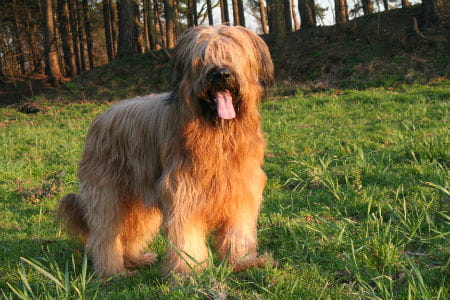
The Brie Shepherd, an intrepid furry friend
by Lobo Azul in Jan 18 2022
the dog Brie Shepherd It is a specimen belonging to one of the oldest French breeds and is part of a large group of European shepherd breeds. It is also known as briard (as it is called in English) or Berger de Brie, and is related to the Beauce Shepherd or Beauceron, from which it was differentiated only until the end of the last century when P. Ménguin determined a difference in the coat, indicating that the Brie is long-haired, while the Beauce breed has short hair. Like all European dog breeds, this shepherd also has an interesting history.
Size: Big.
Weight: Between 23 and 41kg.
hair type: Curly and long.
Character: Intelligent, Faithful, Fearless, Loyal, Obedient, Protective
Health: Predisposition to certain diseases
Life expectancy: Between 10 and 12 years.
Origin of the Briard
It is said that the evolution of the Brie Shepherds comes from the Brie region, France, and the furry ones that share their lineage live in various areas, from the Balkans to Scotland. It is a descendant of the sheepdog breeds that were found on the plains of the Paris Basin.
An excellent guard and companion dog
This breed of dog has been used for many generations as a herding dog and as a guard dog, even during times marked by war. But thanks to its friendly character, it has become and is currently highly appreciated as one of the guard and companion dogs par excellence. The Brie Shepherd is identified with one of those breeds that transmit a lot of calm and tranquility. They are super affectionate animals with their owners and, especially, with the little ones in the house, with whom they share and show great tolerance for carrying out any type of activity. Furthermore, They are very loyal to their owners.
Behavior of the Brie Shepherd
Dogs of this breed are primarily working dogs, however, they currently also make excellent companion pets. Since it was known, it has been used basically as a shepherd dog, but also as a guard, defense, rescue animal and even as a guide dog. They have a great capacity to fulfill their herding role. In fact, there are those who claim that two or three dogs of this breed can easily control large quantities of animals, around 500 to 700 head of livestock. When used as surveillance and defense dogs, these magnificent specimens are very attentive to what is happening around them and are always ready to go into action in case the area they must guard is subject to invasion by an unknown person. Despite their rustic nature, the excess of energy and even rebellion that characterizes them, they are very intelligent, sensitive and happy dogs. Therefore, it is important to channel all these traits by educating them correctly, to achieve an excellent and harmonious coexistence with them. And, a very important aspect due to their great sensitivity, is that they require demonstrations of large doses of affection and you must make them feel the pleasure of living in a home with a family.
Brie Shepherd Temperament
Those who breed this breed know its temperament perfectly and, for these people, it is especially important to make the most of this great treasure of qualities that characterize the Briard. This beautiful animal has great mental balance and, despite being an excellent guard dog, does not demonstrate aggressive behavior. As for his way of relating to people close to him, he is not a shy dog. In addition, he shows a lot of self-confidence, he is very strong and really fearless. His tenacity and intelligence allow him to learn very quickly and easily. Thanks to its temperament, it is possible to train it to develop the great traits that this breed of dog has. It can become a versatile canine such as a guide dog, a search and rescue dog, a therapy dog, a detector of illegal substances and even an effective police dog.
Physical appearance
As for its appearance, it is a rustic but very well proportioned, flexible and muscular dog. Its body structure is of a medium size and its measurements range between 55 to 68 centimeters in height, measured at the withers. Maybe the size is a little bigger if you measure from the ischium to the end of the shoulders. Its weight can reach up to more than 30 kilos. These dogs have dark eyes, which are usually covered by their hairy eyebrows. Their average life expectancy is between twelve and fourteen years.
The peculiar fur coat of the Briard
This dog's distinctive feature is its hair. In fact, he has an abundant coat on his face and fur on his chin that turns into a beard. This coat is made up of a type of hair very similar to “goat hair”. Its coat is long, wavy, dry, soft and has an undercoat of fine, thick hair, which serves as protection against the cold and also gives it more volume. The coat can be found in various colors, but never white. A coat in gray, black and blue tones can be combined with slightly lighter areas and there are also fawn tones. On the other hand, gray tones are quite common in combination with any other color mentioned. For experienced Brie Shepherd breeders who are interested in improving the breed, The cloak represents one of the most important aspects and that requires greater care. In fact, they have to maintain a standard in size, that is, they must have a length of seven centimeters or more and not be straight or woolly. If they do not meet the ideal characteristics, they are set aside and cannot be used to proliferate the breed.
Care of the Brie Shepherd
The Brie Shepherd's coat is relatively easy to care for, compared to other similar breeds. This is due to the rustic and strongly textured mantle that covers it, even though it is long and abundant. But, equally, it is important to maintain a care routine to avoid damage to the coat. It should not be washed very often, but it should be brushed with a hard textured brush.
Bathroom
When bathing your Brie Shepherd, you can use a shampoo with the appropriate pH to keep its hair hydrated and, if necessary, a conditioner can be included in the process to prevent and undo knots. It is important to focus on the undercoat, which must be well soaped, free of knots and, when rinsing, care must be taken to completely remove the applied products. Any remains left on the dog's coat can cause dermatitis or any other problem on the animal's skin. Don't forget that it is a breed with a double coat of hair, so it retains a lot of liquid and soap.
Brie Shepherd Brushing
The hair on the head, cheeks, beard, eyebrows and ears should be brushed firmly with a metal-toothed comb, but taking care not to pull out the hair. While, to brush the body, start with the undercoat with a metal bristle brush and by hand, to ensure that this area is free of knots. Then, with a metal-toothed but wider comb, brush the cover coat, being very careful not to break it and eliminating any tangles that appear. And, to care for the tail, a comb should also be used to smooth the fringes.
Ear and paw care
The ears of the Brie Shepherd Dog are one of the parts of a sheepdog's body that require the most care. Therefore, its cleaning is essential. First of all, you must keep the ear canal free of hair and, to clean the inside of the canal, there are cleaners available on the market that come in liquid or powder form. Finally, for the outermost area, you can use wet wipes designed especially for this purpose. To care for the paws, you should brush in the opposite direction of hair growth, with a metal card, to easily remove particles and dirt accumulated on the feet. Once the paws are clean and tangle-free, comb them down to restore the natural shape of their hair. Finally, you should keep the nails short to avoid mobility difficulties for the dog. They should be cut crosswise and being careful not to reach the fleshy part of the nail.
Brie Shepherd Feeding
This very active and large breed of dog requires a specific balance of nutrients, so they must eat a diet rich in vitamins, minerals and mainly proteins, especially from meat, in order to guarantee the health of the dog's muscular system. And, for the well-being of your skin and coat, as well as some organs, it is also necessary to focus on the quality of fatty acids and fats. On the other hand, you must control your partner's great appetite, since he is prone to stomach problems such as distension of the organ. Therefore, a good technique to avoid stomach problems is to provide reduced portions more frequently.
The health of the Brie Shepherd
This is a breed of dog that generally enjoys good health. However, like many other breeds but very infrequently, there can be cases of hip dysplasia, which can lead to mobility problems or hereditary eye diseases, such as retinal pigment epithelium dystrophy or stationary night blindness. On the other hand, there is a more serious health problem that this breed is prone to suffer from, stomach torsion. In any case, it is advisable to subject the puppies to medical examinations to rule out any of these conditions and take the appropriate actions if they suffer from them. Likewise, the best thing to do is to go to the veterinarian for the ideal treatment that the animal requires in case of any disease and, of course, for routine vaccination and deworming control and treatment.
Training and exercise
It can be said that the Brie Shepherd is a dog that can be adopted by any type of person. However, whoever decides to have it as a pet must consider that this dog needs the dedication and company of its owners to carry out the necessary physical activity that allows it to satisfy all its energy. But, although he loves living outdoors, he also loves sharing moments inside the house, with his family. It should be noted that a person who is starting out in the world of pets, and especially those who have a dog for the first time, may need a little support from someone with experience to start training these dogs. But, with a little information, you will surely not find any major difficulties in training this beautiful canine.
To develop and take advantage of all the qualities of the Brie Shepherd, proper training is absolutely necessary. Many experts in the world of dog training consider that this breed learns a little slower compared to other shepherd breeds, but this is because they require greater concentration and analysis to protect the animals in their care. The best thing to do is to start training when they are puppies and always firmly, but with tenderness and patience, since these dogs in their “adolescence” stage tend to be dominant and challenging. So, the goal is to teach them to socialize properly, and in this way, you will have a manageable and obedient pet companion. Regardless of the age of the dog, the training of the Brie Shepherd must begin quickly and be constant. On the other hand, you must consider that these dogs do not respond to severe techniques used for their training, nor do they adapt to injustice or excesses of authority. On the contrary, in these types of circumstances they could develop aggressive behavior. If you are lucky enough to train a dog of this breed from a newborn, you must teach it to socialize from the first moment and, in this way, you will be able to have a more versatile dog, teaching it everything from search and rescue tasks to protection and police dog work. We also recommend:
German Shepherd
Cane Corso
Argentine Dogo
Flanders Mountain Dog
Pachón Navarro
Labrador Retriever
Doberman
Our Blog
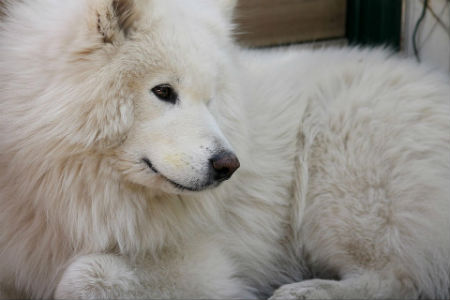
The Samoyed | Complete guide to knowing the Russian White Dog
by Lobo Azul in Jan 11 2022
Happiness fills the life of Samoyed and those around him. This breed of dog has a good character and loves being with humans and receiving affection. In addition to her beauty, she is characterized by her constant smile, notable intelligence, and her family-oriented personality.
Size: Medium.
Weight: Between 23 and 20kg.
hair type: White, long and smooth.
Character: Intelligent, kind and loyal.
Health: Healthy.
Life expectancy: Between 23 and 30 years old.
This canine hates loneliness. If you leave him alone for a long time, he will be very unhappy. Its fur stands out, which in winter becomes a fairly thick layer to protect it from the cold and then falls off. This means that in the hot months, there will be a lot of hair scattered everywhere.
It sounds great, but not everything is positive with the Samoyed. Below we present all the details of this breed so that you know it well and have a complete idea if you are thinking of having it as a pet.
History and origin of the Samoyed dog
The Samoyed breed has an origin in Siberian area of northern Russia, where it was used as a hunting companion, as well as to pull sleds for the Samoyed inhabitants, from which it takes its name. After the workday, the animals were taken home and included in family activities.
Since then, a closeness was created that gave rise to the trust and loyalty that characterize the breed today, with a sweet character and a lot of strength.
Between the end of 19th century and principles of XX, the Samoyed undertook foreign routes for the purpose of polar expeditions. These were very unforgiving routes that affected the dogs, so only the fittest and strongest came out alive.
The expansion of the breed occurred when the specimens were brought to the United States and England in the early 1900s. From then on, it became popular throughout the world.
Physical characteristics of the Samoyed dog
The Samoyed is characterized by being a working dog that presents an image of beauty, vigilance and strength. Sample agility, dignity and quite grace. Since it originated in cold climates, it has a heavy coat that resists low temperatures.
It has a strong outer coat and a soft, thick inner coat, known as wool. This dog's coat colors can be pure white, white and biscuit, and cream or biscuit..
Males can reach a size of up to 57 centimeters and females 53 centimeters. Their weight ranges from 23 to 30 kilos and their average lifespan is 14 years.
The Samoyed has strong and thick ears, erect, triangular and slightly rounded at the tips, which adjust to the size of the head. His particular expression is made up of a combination of eyes, ears and mouth: the ears raised and the mouth curved upward to form a smile.
Regarding the neck, it is strong, muscular and erect, located between the inclined shoulders, so its head stands out. The chest is deep, with the ribs well extended from the spine and flattened on the sides to allow adequate movement of the shoulders and freedom for the front legs. The legs are strong, robust and straight, but have flexibility so they work correctly.
Character and personality of the Samoyed dog
The Samoyed is a dog with intelligence, kindness and loyalty. He integrates easily with all family members, as long as he is treated with affection. He hates loneliness, so he prefers to be with someone at all times. He is not capable of being left alone.
Another point in favor of these canines is their sense of alertness, which makes them a great guard dog. Your house will be free of intruders because the pet will raise the alarm when necessary.
True to its primitive nature, he loves to hunt. A Samoyed will live by chasing small animals and will often sneak away when not on a leash. You should avoid leaving it loose in open places.
The character and personality of this dog will be marked by the factors that interfere with its upbringing, in addition to heredity, training and relationships with people.
Nutrition and health of the Samoyed dog
When feeding a Samoyed, its particular characteristics must be taken into account. The recommended daily amount of food for adults ranges from 1.5 to 2.5 cups of high-quality dry food, served in two servings.
Good results are obtained with a high-quality dog food, whether commercially manufactured or prepared at home with the supervision and approval of a veterinarian.
The Samoyed puppies They need slow and constant growth. They do well on a high-quality, low-calorie diet to prevent them from growing too quickly and developing problems.
Some dogs are prone to being overweight, so you should monitor your pet's calorie intake and weight level. Treats can be an important aid in training, but giving too many can cause obesity. Clean, fresh water must be available at all times.
If you want to keep your Samoyed in good shape, feed him only twice a day. Obesity is detected by looking at it from above; If you can see the waist, no problem. You can also touch his ribs; If you don't feel them at once, your dog may be overweight.
The Samoyed is a dog breed that is quite healthy.; However, it is exposed to some diseases that must be known and treated in time:
Glaucoma: This is increased pressure in the eye; It can be hereditary or caused by decreased fluid caused by other eye diseases. It causes pain and loss of vision and the treatment, surgical intervention or drops, depends on the intensity of the disease.
hip dysplasia: It is a hereditary condition that is characterized by the femur not fitting well into the hip. Pain and lameness in the hind legs are often observed in dogs.
hereditary glomerulopathy: a genetic kidney disease; In males it occurs in the first three months and patients die from kidney failure around fifteen months. Females, on the other hand, develop mild symptoms, without leading to kidney failure.
Patella dislocation: A common problem that involves dislocation of the kneecap and usually causes pain. Many dogs live normal lives despite having this condition.
Hypothyroidism: a thyroid disorder that causes other diseases such as epilepsy, alopecia, obesity, lethargy, hyperpigmentation, pyoderma, and other skin conditions. It is overcome with medical treatment and a healthy diet.
Diabetes mellitus: difficulty regulating blood sugar levels and causes weight loss. It is controlled with diet and insulin application.
progressive retinal atrophy: is the progressive deterioration of the retina that causes blindness or limited vision.
Subvalvular aortic stenosis: a heart problem that causes fainting or sudden death.
Cancer: This disease causes swelling sores, ulcers, bleeding, and difficulty breathing. Various treatments are applied to control it.
Many of these diseases are hereditary. For this reason, it is recommended to purchase specimens whose health is guaranteed. Likewise, the Samoyed should be taken to the veterinarian for a constant checkup.
Samoyed dog care
Apartments are not the right home for the Samoyed because these canines require a large garden in which they can put all their energy to work. Due to their nature of work they require plenty of space to play, explore, run and have fun.
It is recommended in cold climates and even more so if it can play in the snow, so its fur will not be favorable in hot places. On hot days, exercise should be avoided and kept cool with air conditioning.
If you plan to raise a Samoyed, you will have to follow special care that can be discouraging. Some of the recommendations are:
Do not expose them to heavy work until they have reached two years of age. Stick to normal yard games and small agility drills.
Brush daily when the coat is shedding and once a week when it is not.
The bath is done every eight weeks or if it has become very dirty. Grooming includes soaking, rinsing with shampoo, and letting it dry thoroughly.
Brush your teeth at least two to three times a week to avoid built-up tartar and bacteria that cause gum disease and bad breath.
Trim your nails once or twice a month so you don't hurt yourself. Do not cut them too much, otherwise you will affect the blood vessels and cause bleeding.
Check the ears every week for redness or bad odor, which may indicate an infection. They are cleaned with a mild liquid without reaching the inner ear.
This grooming and care routine should begin from the first months of life, making it a rewarding experience for your pet. Take advantage of the cleaning sessions to detect in time something that is not going well in the Samoyed health.
Education and training of the Samoyed
Training a Samoyed could become a challenge. While it is true that this is an intelligent breed that learns quickly without problems, training must be done with the right attitude. He likes to be put to use his brain without so much boring repetition, so agility and tracking exercises are recommended.
Keep him mentally challenged with ongoing training and dog sports. When bored, it seeks to dig, nibble, or escape to entertain itself. Another important aspect has to do with socialization so that they learn to be friendly and get along with other dogs and people.
If the Samoyed is not socialized, it becomes shy. This is avoided by exposing him to unknown people, taking him for walks and giving him many different experiences.
As for dog manners, you may be able to teach them in your own home or opt for formal classes. These canines learn to obey as long as you have a good attitude when teaching it.
Despite being a friendly and intelligent breed, it is not easy to have a Samoyed as a pet. He is a very “talkative” dog. and he spares no effort to express his feelings with bellows, howls or loud barks.
You'd better keep him busy all the time so he doesn't resort to annoying or destructive behaviors that give you headaches. Even a trained and educated Samoyed could have a bad attitude if not given enough attention; In addition, it should never be left loose in open spaces because its hunting instinct leads it to escape to very distant places.
Conclusion
The Samoyed is a dog breed with a mischievous and playful character, which also does not hesitate to show a lot of affection to all members of the family. He gets along very well with children and other dogs, thanks to his ability to socialize.
He has an appearance of permanent happiness known as the “Samoyed smile”, since his mouth curves as if he were actually smiling because his eyes shine and his face lights up.
Its origin in the Siberian region gave it a thick coat that covers its entire body and protects it from the cold. A Samoyed owner must be clear that the dog requires an open space where he can satisfy his needs for exploration and physical activity every day. It has remarkable intelligence, so training will not be a problem.
It is worth having one of these canines that for generations have been a companion, work and security dog with great power and agility. As if that were not enough, the maintenance cost is medium because it does not need excessive care.
Despite all the benefits of this animal, it is recommended to think carefully before including it in the family to know if you are in a position to care for it as it deserves. You should also evaluate whether the Samoyed will give you what you are expecting from a pet.
Don't miss these articles:
Schnauzer
Belgian Shepherd
border collie
bull terrier
Boxer
Pointer
Our Blog
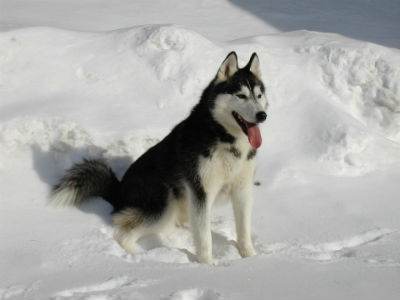
Siberian Husky, the dog breed native to Siberia
by Lobo Azul in Jan 05 2022
A breed of dog that has won everyone's hearts is, without a doubt, the Siberian Husky. With her captivating gaze, great talents and intelligence, she has appeared on magazine covers and appeared in film productions. Initially they were used as sled dogs in northern Asia, but their popularity increased little by little and is present throughout the world.
Size: Big.
Weight: Between 25 and 45kg.
hair type: Long.
Character: Balanced, faithful, shy, intelligent and affectionate.
Health: Healthy.
Life expectancy: Between 10 and 12 years.
Despite the beauty of the Siberian Husky, it is not a breed for everyone. Because? Because he has complex character traits that you might not like at all. Keep reading to find out details about this strong, beautiful, independent dog and great family companion.
History and origin of the Siberian Husky dog
The origin of the Siberian Husky goes back to a tribe of nomads from the northwest of Siberia, call Chukchi. Although the exact beginning of this breed is not known, genetic research has shown that it is one of the oldest dog breeds.
The nomads of the Asian part of the Russian Federation took advantage of the strength and speed of the Siberian Husky to use it in their means of transportation. Likewise, they began to domesticate them and adopted them as another member of the family, giving them appropriate care and affection.
At the beginning of the 20th century, specifically in 1908, the Siberian Husky, after spreading through Asia and Europe, arrived in America. In Alaska, specifically, they served as a sled dog while the gold rush occurred and they also began to be included in sled races, where they continue to excel.
This breed prospered thanks to its export from Siberia and is currently recognized as a dog breed by the main organizations in the area. They have also been created Specific associations of the Siberian Husky who are dedicated to different activities related to these canines.
Physical characteristics of the Siberian Husky dog
The Siberian Husky is a medium-sized dog, whose appearance surprises at first glance. On average, adult males are between 53.5 and 60 centimeters tall, while heFemales reach between 50.5 and 56 centimeters. The weight of the adult male is between 20.5 and 28 kilos.; for its part, females can weigh 15.5 to 23 kilos. You can see more about their standard here.
Their coat can come in all colors, but some of the most famous ones have silver tones and other dark colors mixed with white. A Siberian Husky is characterized by its speed, lightness and elegant behavior with a smooth and effortless gait.
It has a compact body full of hair, its medium-sized pointed ears remain erect and it has a brush tail. It shows a physical build and body shape that combine to give it power, resistance and speed with a life expectancy of approximately 12 years.
Character and personality of the Siberian Husky dog
The Siberian Husky dog is used to a leader telling him what to do. For this reason, training is not complicated. The breed is usually obedient and respectful, although sometimes it likes to take control of the situation..
In case your dog wants to go outside the rules, you should not allow it. You have to demonstrate your leadership with attitude, without beatings or abuse. He will understand. This canine sees its human as a guardian who provides it with food, treats, toys and other necessary elements. That's why he respects him.
This breed likes to escape, so it is recommended to seal any space where it can sneak through. Otherwise he will go out for walks alone and that can cause serious accidents or prevent him from returning.
The Siberian Husky is known as a high-energy dog that can be destructive, especially if bored. For this reason, you should keep them exercising so that they do not destroy your house when you leave them alone. They also like to dig in the garden, but if you train them they won't damage your flowers.
Its mischievous and playful nature makes the Siberian Husky fall in love with its owners. In addition, they have no problems socializing with other dogs and people, as they like to show their talents and make friends.
Unlike most breeds, these dogs don't barkBut they love to howl, which can be annoying. A negative point about their character is that unfortunately they do not function as guard dogs because they do not usually suspect strangers and will not alert in case of intruders.
Siberian Husky Puppies
The Siberian Husky puppies They generally show a pleasant temperament; They are curious and playful and like to be with people. It is recommended to meet one of their parents to get an idea of their character, as this way you will know what they will be like in their adult life and you will ensure that everything goes well.
It is recommended that puppies of this breed come into contact with people, objects, sounds, images and training from a young age. These socialization tasks allow the Siberian Husky to grow up to have a well-formed personality with all its senses working as they should.
If you have a puppy, take advantage of taking it for a walk to busy places so that it can improve its social skills. Otherwise, it will be an unruly dog that you will want to get out of as soon as possible.
Before buy a Siberian Husky puppy, dedicate yourself to knowing all the details of the breed so that you are not disappointed. Always opt for guaranteed breeders who will give you a healthy specimen that is free of genetic diseases and has good behavior.
Choose puppies that have been raised in clean environments with well-cared for parents. It is also recommended to subject them to temperament tests, perform an analysis, deworm them and socialize them so that the beginning of life is healthy and safe. Look for a good breeder who will show you the parents' health certificates and this way you will avoid many future problems.
Feeding and health of the Siberian Husky dog
Regarding the feeding, the Siberian Hausky is easily maintained thanks to its genetics. Due to their origins as transport dogs at low temperatures, food intake was done less frequently during long journeys.
For this reason, an adult Siberian Husky can easily be maintained on two cups of high-quality feed daily, divided into two portions, as long as it is of high quality. However, The amount of food needed depends on the characteristics of each animal, such as size, age, structure, metabolism and activity level.
Not all require the same amount of food, since active dogs require more than sedentary ones. Remember to buy food that has the necessary nutrients for optimal development and consult with a veterinarian about appropriate foods that promote health.
The Siberian Husky is characterized by being a very healthy breed.; However, like other dogs, they are exposed to some pathologies.
Huskies are generally healthy, but like all breeds, they are prone to certain health conditions. Among the most common diseases in this species are some related to vision, which are:
Falls: consists of a disease that affects vision because the lens of the eye becomes opaque. It is distinguished because the eye becomes cloudy. They generally appear in old age and are resolved with surgical intervention.
corneal dystrophy: This pathology occurs in the cornea, which is the transparent external part of the eye, due to the accumulation of fats in the organ of vision. It tends to affect young women more and there is no cure, although it does not seem to cause any problems with vision.
progressive retinal atrophy: a degenerative pathology of the eye that can lead to blindness because the light receptors in the back of the eye are lost. This condition is detected before it causes blindness and fortunately a dog can live a happy and fulfilled life even though it cannot see.
hip dysplasia: This is a very common disease in canines, which is characterized because the hip joint does not develop normally.
All of these health problems are well known to breeders, who carry out a periodic evaluation with ophthalmologists to avoid breeding a Siberian Husky that has such health conditions. Likewise, those specimens with hip disease are removed from breeding programs in order to prevent the diseases from continuing to be transmitted.
It goes without saying that for maintain the general health of the Siberian Husky It is necessary to take him regularly for a consultation with the veterinarian, who will perform a detailed evaluation in order to detect any problem and correct it in time to avoid further problems.
Siberian Husky dog care
You will be guaranteed one thing with a Siberian Husky: there will be no time for boredom. An adult specimen of This breed requires a daily exercise routine between 30 and 60 minutes, which is something basic in its care. They are an excellent companion for running, as long as it is not in hot climates because they prefer the cold.
Despite his size and physical activity, a small garden will be enough to drain his energy. Remember that if you leave him alone in your apartment, you will most likely get a bad surprise when you return. Take him with you on hiking and other outdoor sports to keep him healthy and happy.
If you want the beauty of the Siberian Husky to always be present, you will have to carry out the basic cleaning routines of any breed: bathe it when necessary, brush it constantly to remove dead hair, clean the ears and brush the teeth. Without much effort, your pet will remain shiny all the time.
Education and training of the Siberian Husky
Education and training is not a problem in the Siberian Husky because it is very intelligent. On the contrary, it is necessary to train them to learn the basic rules of obedience that will help you keep it under control most of the time.
In your own home you can teach him the necessary tasks to help you master it, but you also have the option of investing in specialized classes. It all depends on how much you want to exploit the talent of these canines.
Something curious happens with these canines: While they are in class they behave perfectly, they follow instructions and follow orders, but at home they may not pay attention at all..
If this happens to you, you must be very patient and stay calm. Do not mistreat your dog because it will be counterproductive. Speak to him with love and he will listen to you. With dedication and the correct techniques, you will be able to establish a lasting relationship where there will be a lot of love.
Within the main Siberian Husky training, breeders recommend crate training, which becomes a shelter and keeps them safe when they feel tired. On the other hand, leash training becomes an obligation, since these dogs should never be left loose in open spaces.
When you go for a walk with your dog, always keep him on a leash because he loves to run and get lost. If you do not follow this recommendation, you will surely lose it and may not see it again. It has nothing to do with you, it's in his adventurous nature.
Conclusion
Before deciding on a Siberian Husky puppy as a new member of your family, it is best to evaluate whether it will meet your needs and adapt to your lifestyle. Although puppies are playful and fun, they require a lot of time and effort before they become the dog of your dreams because they require constant exercise.
The Siberian Husky is independent, friendly, elusive, affectionate. Remember that it is more like a companion dog than a guard animal. If you think you meet the profile to have a Siberian Husky, go ahead.
This beautiful dog will be easy to train, will not require very complex care, will stay healthy and will become the best friend of all family members for an average lifespan of 12 years.
You will find more information about dogs here:
Labrador
Gordon Setter
Doberman
German Shepherd
Bobtail
Dalmatian
Our Blog
SCHNAUZER | Origin, characteristics and feeding
by Lobo Azul in Jan 01 2022
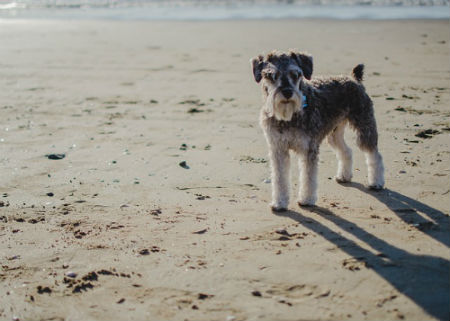
Within so much canine variety that exists in the world, we have the schnauzer. Each breed is recognized by some characteristic and this breed is recognized by its particular beard and abundant eyebrows.
If what you want is a medium-sized dog, the schnauzer is the one to be the ideal companion for families with children.
It is an affectionate, friendly, protective and very active breed due to its hunting instinct. Furthermore, it is a very well known breed that has been crossing borders and is increasingly sought after as companions for both family groups and dog lovers.
Size: Medium.
Weight: Between 14 and 20kg.
hair type: medium, hard and thick.
Character: Friendly and affectionate.
Health: Healthy and strong.
Life expectancy: Between 10 and 16 years depending on the type.
History and origin
All dog breeds come from somewhere in the world, in the case of the adorable schnauzers They were born in Germany, in the current city called Wurtemberg. It is a breed that dates back to the 15th and 16th centuries.
Previously they were often seen in the stables of houses, hunting rats and mice, for this reason they were classified as rat dogs.
Schnauzers are a very energetic breed., that is why at that time it was very common to see the dog running around the grounds all day, chasing some of those rodents to hunt them, and in this way keep the houses free of those unpleasant pests.
During the First World War it was very common to see schnauzers among German soldiers, since this breed that is characterized by being very intelligent. It was used among members of the Red Cross of the German army to perform the “mail” function, and in this way move medicines or messages from one place to another.
For this reason, it is said that schnauzers discovered new lands outside of Germany, due to many soldiers who fell in love with the breed and took some specimens outside the country, for example to the United Kingdom. And in this way they were raised in new countries and cities around the world.
So you can say that the schnauzer is a german dog which, currently, has reached many places in the world and whose breed is very recognized.
Physical characteristics
The schnauzer is a very active dog, he always wants to be burning energy. The most advisable thing, if you do not live in a house but in an apartment, is that you take him out daily so he can burn off energy by running in a free area where he can play, and in this way stay active, something very characteristic of these.
His greatest characteristic to identify him is his abundant and pronounced beard, as well as his very bushy eyebrows.
There are various sizes of schnauzers, from the miniature size to the giant, but the most common one to see out there is the standard size.
His hair is medium, hard and thick.
Its common measurements are: the miniature, which does not exceed 35 centimeters, the standard between 45 and 50 centimeters and the giant between 60 and 70 centimeters.
Of course, depending on the measurements, there are the ideal weights for each dog. Miniature: its weight should be between 4 and 8 kilos, Standard: between 14 and 20 kilos, and finally the Giant: with a weight between 37 and 45 kilos.
Mostly their fur is black and their characteristic goatee or mustache is lighter in color, as are their bushy eyebrows. There are also those with gray tones, one part is a stronger gray tone than the other, which gives the impression that they are gray hair and is the so-called “salt and pepper”
His tail is short.
The average lifespan of schnauzers is approximately 14 years, so it can be said that it is a dog of average longevity.
Character and personality
Regarding the characteristics of its character and personality, the schnauzer is particularly characterized by:
Being a very friendly and affectionate breed, ideal for family groups and even more so if there are children, since they are very playful.
Intelligent, they learn very quickly
His character is very energetic and always awake.
He is always aware of what is always happening in his environment.
Very faithful and loyal to its owner.
He relates easily to other dogs, so when you take him for a walk you won't have problems with other dogs.
It is an ideal breed to feel accompanied, since it is always active and making itself felt throughout the house.
If you want him to take care of the home, he is the right one, since he barks when he senses a different activity. If, for example, it senses someone outside the house, in the garden or near the other side of the door, it will bark to announce that a stranger is there.
Sometimes you may encounter a moody schnauzer, but usually they are very naughty and friendly.
Personality undoubtedly also depends on where you are raised and who educates you.
If adults or children bother him, do not expect a very friendly reaction from these dogs, since his dignity does not allow him to forgive attacks.
It is a watchdog, so it is always alert to what is happening around it.
Because they are a guardian, with their forceful barking, they try to alert their owner of some stranger or irregular situation in their environment.
schnauzer puppies
Like all newborn babies, Schnauzers must be cared for so that they grow healthy, you must be aware of the food that your mother gives you through breastfeeding, see that the entire litter tries to eat the same amount each, since that first month is essential for their growth. If the mother does not give them enough milk, a nutritional plan duly recommended by a veterinarian can be used.
Keep them protected in a place where they have an ideal temperature environment as well as the lighting of the place.
You must understand that the puppy stage of all dogs is about discovering and getting to know each other. That is to say, although they are characterized by being a very intelligent breed, it is common for you to surprise them by tearing papers, shoes and many other things with their new teeth.
It is your duty to guide them and scold them when necessary, this way you will educate them to be a very well-behaved dog in the future.
Teach them where they are going to relieve themselves, allocate a place for that, or teach them that they should do it when it is their time to go out.
Like any puppy, he will want to climb on furniture, beds, it is up to you whether you allow him or not.
In the puppy stage is when they should be dewormed and vaccinated. The most important thing is vaccinations, to avoid serious illnesses, which is why it is recommended to visit the veterinarian so that he can assign the dates for his vaccinations.
While he is a puppy, talk to him, so that he begins to recognize the voice of his owners. In the same way, pet him and allow him to smell each member of the family, so that his nose recognizes them.
Food and health
The schnauzer's diet during its first month of life is through breast milk, through which it will receive the vitamins and minerals necessary for the development of its first days.
If the mother for some reason is not supplying enough milk, it is recommended that you consult a veterinarian how the milk can be prepared for the puppies, as there are special preparations for them. Powdered or pasteurized milk for human consumption is not recommended for puppies and can cause diarrhea or other discomfort.
After reaching five months, it is recommended to feed them three times a day with an amount of 250 grams of food. And in this way increase the grams and reduce the number of times a day, until it is only twice a day.
As we all know, the ideal for dogs are the foods that are available in stores specialized in dog food. Created especially for them. These special foods for dogs have varied presentations, designed for each stage of your pet's life.
Like food, you should also be aware of water consumption. It is best to have a full bowl of water for the schnauzer to drink whenever it is thirsty. Because they are a very active and energetic breed, it is common for them to drink water quite frequently.
It is also advisable, from time to time, make special meals mixing meat, vegetables or chicken and varying the diet. You should consult your veterinarian about which foods are harmful to these dogs, to avoid allergies and poisoning.
Schnauzer dog care
All dogs need special care. In the case of schnauzers, they also have their own:
Comb it at least 3 times a week to remove the few hairs that fall out.
Brush his characteristic mustache and check it daily, as he usually gets dirty when he eats, this way you will eliminate food remains.
Use special shampoo for the schnauzer's hair type, which is hard hair.
Take him regularly to your veterinarian to have his nails cut and shaved, this way he will renew his coat.
Allow him to exercise daily, take him for a walk, there are special parks for dogs.
Feed it with special foods for these dogs, this way you will avoid stomach upset or allergies on the animal's skin.
Education and training of the schnauzer
All races must be educated and trained to coexist with humans. The schnauzer, being a hunting breed, hyperactive and always energetic, It is necessary to educate and train them from the time they are puppies.The most advisable thing is at a dog school or with specialists on the subject. Basically, the aspects to take into account for your training are:
Reinforce at home, scolding them when necessary, so that they understand that some attitudes are not appropriate.
Educate them in the designated place to relieve themselves.
Also the times of your meals.
A very common way to train them is to give them an order and when they comply, reward them with a special dog biscuit, this way they will be motivated.
Reprimand him when necessary, if he bites an object or furniture, this way he will learn that this should not be done and in the future you will avoid having a destructive dog in your home.
Conclusion
The schnauzer is a breed that has appeared in history at all times, such as in times of war, on hunts and in many happy family moments.
If you want to share a few years of your life with a faithful companion, to accompany you at home, to enjoy long walks, don't think about it, adopt a schnauzer, since thanks to his always active personality you will not feel alone.
If you have a family with children, this breed is the right one, since they are very friendly with children, so they will play together, run and each one will enjoy their company.
If you live in an apartment, the best schnauzer for you It is the miniature size, ideal for small places, and you can carry it comfortably in the car.
If you live in a house, you can comfortably have a standard size one, where it will run through the gardens and large spaces of the house.
Also because of their hunting nature, you can be sure that your home will remain free of unpleasant pests, such as mice and rats.
Because they are a very attentive breed, they will alert you to something new with their barking.
If you are looking for a loving, friendly and intelligent breed, you don't have to look any further, the schnauzer is the one. And as they say: “Ehe home where there is a dog is a home with good people"So allow him to be a member of your family or be your life partner and in this way accompany each other.
Other medium dog breeds:
border collie
english bulldog
Boxer
Pointer
Samoyed
Our Blog
Portuguese water dog | Everything you need to know
by Lobo Azul in Dec 04 2021
Animal lovers, especially dog lovers, know the importance of being well informed before adopting a new pet, not only because in this way you can know which breed is ideal for each person, in terms of personality and also needs, which is why we present to you the Portuguese Water Dog.
Size: Medium.
Weight: Between 15 and 25kg.
hair type: Curly and long.
Character: Friendly, dynamic, loyal and outgoing
Health: Healthy
Life expectancy: Between 10 and 14 years old.
Behavior, skills, size, nutrition and care are some of the aspects that must be considered when adopting a dog. And, for us, offering data about the description of different dog breeds is really very entertaining.
That is why in this post we will dedicate ourselves to delving into everything related to the portuguese water dog, a highly recognized dog breed, striking not only for its beautiful appearance, but also for its outgoing and dynamic attitude.
Do you want to adopt a puppy and don't know if the Portuguese Water Dog is the right one? Next, we will give you all the details that will convince you that this canine is an ideal pet.
Origin of the Portuguese Water Dog
The name given to this breed is the perfect indication of its origin. This is a canine species from the coastal province of Algarve, Portugal. In its beginnings, The Portuguese water dog was a faithful companion of fishermen, for their high skills in hunting and protecting boats.
His company during the fishing season was quite useful, because he pursued his prey intensely, preventing his owners from losing sight of him. In addition to being necessary, he would dive into the water to catch them himself. It should be noted that swimming was one of his most valued skills.
Another very popular virtue of these canines was their widely acute vision, which allowed them to appreciate the presence of ships in the fog, which on numerous occasions prevented serious accidents from occurring, with barking alone being the only warning for maritime vessels.
In 1960, the breed was on the verge of becoming extinct, because its use in maritime tasks had been replaced by technological devices, with Portuguese water dogs reaching a number of no more than 50 specimens in the aforementioned province. However, a group of admirers of the beauty and agility of these canines dedicated themselves to preserving their species, saving it from disappearance.
Physical Characteristics of the Portuguese Water Dog
In general, it is a corpulent canine, of medium height. In the case of females, the average size is usually no larger than 50 centimeters; while males can measure 55 centimeters. Both genders reach a weight that ranges from 15 to 25 kilograms.
head
Their head is usually prominent in size and broad in build.
eyes and ears
With round eyes, not very large, generally dark in color, and drooping ears.
Nose
The color can vary depending on the coat, however, it is very common for it to be black and large in size.
Body
It has a well-defined but robust body.
legs
Thickened and aligned in shape, while his feet have a webbed molding that allows him to more easily perform his swimming skills.
Queue
The tail of our Portuguese water dog also has a shape that facilitates its movement in the water as it is slightly detached from the body. Noticeably thick at the base and smaller towards the tip.
Fur
One of the most striking features in the appearance of the portuguese water dog It's his fur. First of all, the colors can be black, white or brown. Or combined, such as: black and white or white and brown. The density of the coat is abundant and thick. Portuguese Water Dogs can be seen with long, straight hair or very short, curly hair.
One of the common cuts in the coat of the Portuguese water dog is what is known as the “lion cut.” In this case, the back part of the fur was released, allowing it to move more quickly in the water. While the front part remains abundant, which protects you from the cold in the water.
Portuguese Water Dog Temperament
We not only talk about a canine with positive physical characteristics, but also a friendly, dynamic, loyal and outgoing behavior. To which is also added the ability to exercise and stay in constant movement. So, if you like sports training, the Portuguese Water Dog can be an excellent companion.
Fidelity towards its master and its family is another of the qualities of this beautiful animal. It is a protective dog, so entrusting the care of your home to this dog will not be a problem either. It easily adapts to life in any space, however, if it involves living in places with limited space, such as an apartment, it is necessary to take it for frequent walks, as it needs training and constant physical activity.
With other pets
The relationship of the Portuguese water dog with other pets is quite good. So, if you want to have more than one dog, there will be no problem.
With children
It is a playful, sweet and very active dog. So he will easily adapt to a home with children, as he loves games and entertainment.
Caring for a Portuguese Water Dog
The Portuguese Water Dog requires general care, just like any other pet. Make sure you take proper care of it to extend its life expectancy and also maintain the complete well-being of the canine.
Hygiene
Both body and dental hygiene are really important in the life of the Portuguese Water Dog. In the case of the first, it is recommended to bathe and dry the animal at least twice a month. Using a special shampoo for dogs and, also, a moisturizer, because the large amount of hair it has can cause dry skin.
Although it is a breed with abundant fur, it does not require brushing, quite the opposite. It requires care that helps avoid knots, such as separating its fur into parts before bathing.
On the other hand, dental hygiene is just as essential. Adapting the Portuguese Water Dog to these habits as a puppy is the most recommended. Surely the canine will not find it pleasant, but we will avoid a large number of oral diseases.
Food
Taking care of the diet of these animals is just as important. Feeding it moderate amounts twice a day will be enough to maintain a balanced diet. For this purpose, I administer feed with a high content of nutrients and vitamins.
Exercises
Because it is a large dog with a robust body, it needs to constantly practice exercises. This way you will avoid atrophy in your joints and obesity. Frequent walks and games in the park will help you stay in good health.
Deworming and vaccination
Compliance with the vaccination and deworming of the Portuguese water dog, as recommended by the veterinarian, is strictly necessary if you want to extend its life expectancy between 12 to 15 years. This is a dog that is more susceptible to external and internal parasites, so rigorous control must be maintained to avoid greater evils.
Portuguese Water Dog Training
It is about a very intelligent and attentive dog, so training is not difficult at all when it comes to these canines. Avoiding barking is very necessary, since we are talking about a breed that is very prone to this behavior. Be authoritative but calm and coherent, this way he will know that you are serious.
Not giving them too much freedom is advisable because, in some cases, they may think that they have control over their owners, so patiently teaching them the limits of things is highly recommended and will ensure that your dog is trained in the correct way.
Difference between a Portuguese water dog and a Spanish one
Although these are water dogs that share ancestral history thanks to the “Turkish dog”, they have different characteristics that make them different. Among them:
Origin
The main difference between these two animals is that one comes from Portugal and the other from Spain.
Contexture
In addition to this, height is another notable difference. The Portuguese water dog, both male and female, usually measure around 10 centimeters longer than the Spanish one. As with its weight, the Portuguese water dog “beats” the Spanish, due to its muscles and robust build, which they develop more easily.
Fur
The coat is another difference between both dogs. While the Portuguese Water Dog accepts two versions (straight and curly) of its coat, the Spanish Water Dog commonly has wavy hair, usually grayish in color.
Barak Obama's companion
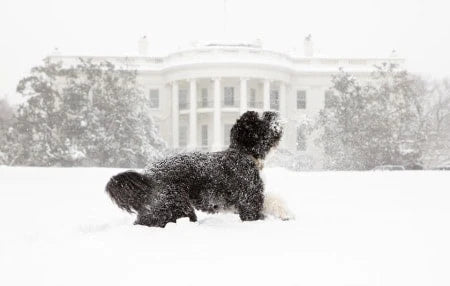
An interesting curiosity about the Portuguese water dog is that it is the breed of dog in the family of former United States President Barak Obama, who has been seen on numerous occasions playing with them and posing for the press.
https://www.youtube.com/watch?v=MNnIX6oT2-M
Without a doubt the Portuguese water dog can be an ideal companion, not only to stay at home, but also to carry out outdoor activities, including swimming. So if you are thinking of adopting a pet, the Portuguese Water Dog is surely one of the main options you should consider.
Other dog breeds that may interest you:
Azawakh
Shepherd Brie
Polish Shepherd
Chesapeake Retriever
Elkhound