Our Blog

Bulldog Americano – Origen y características

Our Blog

American Bulldog – Origin and characteristics

by Lobo Azul in Jun 02 2022
When we see an American bulldog we have a strange feeling, because It seems to us that we are seeing a giant English bulldog and in a way it is like that, since this breed in its origin was what the American is now and had little to do with the animals that can barely move that we have now. The lineage of the “American cousin” comes from England, although it developed separately in the new continent where it adapted to some functions that saved it from complete extinction, which was about to happen. Size: medium or large, depending on the line to which it belongs. Weight: 55 to 70 kilos. hair type: short, smooth and thick. Character: strong. Affectionate with its owners, but can be very territorial and dominant. Health: very good because of how it has been selected for decades. Life expectancy: 12 to 14 years old. Origin of the American Bulldog Here we cannot go back many centuries, as is the case with European races, but we only have to go to the beginning of the 19th century, when emigration from England to the United States was very numerous. Their dogs went with the emigrants and among them was what was then the English bulldog., whose appearance resembled that of what is today the American bulldog, a powerful, strong and functional dog. While the English breed was crossed with pugs in order to become the companion dog it is today, when bull-baiting was banned as a sport, it remained intact on the other side of the ocean. The emigrants took advantage of the strength of these animals and used them to guard their properties and also in hunting, without any care when it came to breeding and breeding them, since for them it was a mere working dog. His jaw also helped a lot at livestock fairs, where he could hold cattle without suffocating from his flat snout, and it should also be mentioned that it was used in dog fights in the United States. In addition to all these tasks, some of which are worth forgetting, one of the tasks they did best was hunting wild pigs, which were introduced to North America, and which, having no predators, became a pest. In fact, it is said that this was what saved it from extinction, since At the end of World War II there were no longer any examples of the breed as such and it only resurfaced thanks to the efforts of John D. Johnson, a former combatant who upon returning home decided he had to do something. He looked for the best specimens that were left and began a breeding program, which has continued to this day with the participation of many people, although the breed has not yet been recognized by the International Canine Federation.   Characteristics of the American Bulldog One of his main characteristics is his physique. We immediately realize that we are looking at an athletic dog, with enormous strength and a very powerful jaw. Right now there are two breeding lines. One is called “bully” which produces heavier dogs and the other is called “standard” and produces lighter dogs.. For this reason, the breed standard does not mention a maximum weight, just that it is proportionate to the body. The height is large, from 53 to 67 centimeters at the withers, which combined with a weight of around 40 kilos in males means that it commands respect from everyone who sees it. By standard he must have prognathism, the lower jaw is advanced with respect to the upper one, which makes him bite even harder, something that comes from his time when he faced bulls and other animals. The hair is very short and at least 10% of its body must be white, although almost all dogs have a coat of this color, almost all of them are accepted except for black, blue, merle and tricolor. Despite how strong they are, when they walk they have to give a feeling of fluidity, that they move with total ease without their weight affecting them. There are a series of differences between both lines, which in our opinion does little to help the breed, or at least its international recognition. In fact, even the different North American clubs differ in what they allow or not, with one of them accepting that their tail be cut off. Character of the American Bulldog He is very comfortable with those he considers his own, with his owner and his family. With them he will be affectionate and very protective, but That changes with strangers who he doesn't accept just like that. and he will only relax if he sees that they are friends or acquaintances of his owners. He is very territorial, which makes him an exceptional guard dog (his origins are in the care of farms), but that can cause us some problems, especially with other dogs that he does not accept willingly. For this reason, and so that it is not dangerous when we are away from home, the best thing we can do is socialize it from a very young age, surrounding it with other dogs and people as soon as it has its first vaccinations. In fact, It wouldn't be a bad idea to visit a trainer soon, especially if we notice that he starts to want to dominate us. or shows aggression at very early ages.   American Bulldog Health They have very strong health, since we must not forget that since their appearance they were selected to be useful on farms and for hunting, so specimens with defects and less agile were discarded. Now, breeders take health into account, much more than in other breeds, although As a large dog, there are diseases that it can suffer from, including hip dysplasia and elbow dysplasia.. Completely white animals suffer more allergies than usual and also deafness, which is a common disorder in dogs of other breeds with this coat. They tend to snore because of the shape of their head, although this is not a problem and their eyes are another of their weak points, especially if we choose a puppy from one of the lines that focus a lot on “creating” very striking heads, as this makes their eyes water. They live between 12 and 14 years, almost a record for dogs of this weight and size, so by choosing a good breeder we are assured that health problems will be rare. Food As with all dogs, you should always provide them with quality food, better if it is a premium range, one that does not contain grains and is made with meat or fish suitable for human consumption. That's right, We must know that they are quite greedy dogs, so they have a tendency to gain weight and their weight will have to be controlled. throughout their entire life, for which we can take measures such as using a I think light. When choosing it we will always do so in agreement with the veterinarian, who will be the one who will guide us on the amounts it should eat in order to be healthy. In any case, we can avoid obesity if we give him the recommended portions for his weight, with the exact amount, seeing how it affects his body because not all dogs have the same metabolism, so we can increase or decrease the amount depending on whether he loses or gains weight. It is advisable that we give him some of those snacks that they sell so that he can clean his teeth, so that they will be healthier while he does what this breed likes most, which is eating. What care does it need? His care is very simple, starting with his hair, very short and dense, which hardly needs brushing, as it is enough to do it once a week with a mitt or rubber comb. Baths can also be spaced months apart if it doesn't get stained in muddy areas or smell bad, and we will always use a shampoo for dogs with this type of coat, although it won't be necessary if we brush it every week. Yes, you have to be a little more careful with your eyes and ears.. The former tend to cry a lot, so we can clean them with gauze and saline, at least once every two days or when we see that the tears accumulate. As for the ears, like all dogs that have a closed ear, they have a certain tendency to otitis. We can clean them with the same serum and gauze that we use on the eyes or with an ear cleaning product. We will go to the vet if he has otitis, something we will know if he walks with his head tilted and shakes it a lot, and also by the bad smell that comes from the inside of the ear.   How much exercise does the American Bulldog need? The American bulldog is a dog that must exercise, but always in moderation. It can run alongside its owner and ride alongside the bicycle, although It is important that we avoid very hot days, since it can suffer a collapse due to the shape of its jaw, being an animal that breathes worse than other dogs. The physical constitution is what limits it, since it will not be the fastest dog or the first in agility competitions, although it can practice various sports disciplines. In any case, he will settle for the walks we give him daily like any other dog, since going for a ten km run every day is not going to come out of that. In short, it is an animal that settles for moderate exercise and that he can do some more intense ones if we help him a little, although for this it is best to visit the veterinarian first in order to check how his hips and elbows are. Can I have an American Bulldog? This is a breed that can live with us in the city if we have a large apartment, since it is a large dog that should not be confined in 30 square meters. He will have enough to go out to the park several times a day and we can let him run whenever we have the opportunity, that is, when he does not bother or scare anyone and he cannot fight with other dogs. The biggest limitation to having an American bulldog is experience, since as with all breeds of this type, it is not the best for those who have not had dogs before, since its character is usually very strong. It is true that we can take them to a trainer to help us, but It is better that if it is our first dog we opt for another breed with less strength and less territorial, which will not give us problems. When it comes to having a very strong breed, it is not usually mentioned, but the truth is that we should have a certain amount of physical strength to be able to take an American bulldog out on the street, since if we lack it we will likely end up on the ground without the possibility of controlling it if it attacks, something that can happen. If he is well socialized, there is no problem with him living with children, especially if he has been raised with them since he was a puppy. In fact, it is normal for him to protect his family's children to the point that it is advisable to tell strangers not to approach the little ones when the bulldog is with them. Finally, although it is a fairly stubborn and stubborn dog, the truth is that training is not as complicated as it may seem at first glance. In fact, they usually learn tricks very quickly and it doesn't take them long to sit down, shake hands, etc., although another thing is to get them to behave well with other dogs. Other dog breeds that may interest you: Harrier english bulldog Boxandr Schnauzer Great Dane Dogue de Bordeaux Neapolitan Mastiff Rottweiler  
Las 10 razas de perro más rápidas del mundo

Our Blog

The 10 fastest dog breeds in the world

by Lobo Azul in May 26 2022
If we ask about fast animals, everyone talks about cheetahs or some African antelopes, but few people would think of mentioning dogs, despite the fact that many breeds reach speeds of around 60 km/h. Among all the breeds that exist, some do have the appearance of being very fast animals, but there are others that will surprise us because they do not have the appearance of a sprinter. Greyhound The English greyhound holds the honor of being the fastest dog on the planet, as it can exceed 70 km/h for a short period of time, which is what you need to finish the race at the dog track. The reason it runs at this speed is that it has been selected for decades to run faster in these designated places, since right now off the track they are not able to hunt anything. As a curiosity, many of these animals end up being adopted by people from all over the world, because after a very short life in racing their future is uncertain, something that is avoided by dog ​​lovers spread around the globe, who organize themselves in order to save them. saluki Salukis are one of the most elegant sighthounds.That is, something that is helped by the mix of areas with short and long hair, like the one we see on its tail, which sways in the wind when it runs. It reaches 67 km/h and in this case it is capable of running in the countryside, since it has never been used in dog tracks as happens with the greyhound. It may be one of the oldest breeds in the world. It is supported by genetic studies and is also native to Iran, an area where civilization as we know it was born. It is possible that he was the companion of the first nomadic people who settled in the East, and there are carvings that are more than 6,000 years old that show dogs that look like a Saluki. Afghan Hound There is no more elegant dog in the world than the afghan greyhound, which reaches 64 km/h while making its hair fly when chasing its prey, although now we see it more in exhibitions, where it is always one of the stars. Originally from Afghanistan, it is one of the few sighthounds with long hair, something that is due to the fact that the area where it was born is very cold in winter. It can be quite a challenge when training him, as he has a very independent personality, similar to that of the inhabitants of the country where he was born. In fact, it seems that they choose an owner, who is the only one they will pay attention to. Vizsla A first surprise on the list is this dog originally from Hungary, and from its appearance no one would say that it can run at the same speed as an Afghan greyhound. Its origin is in hunting, like sighthounds, but it has nothing to do with them, since the Vizsla is a dog that does not catch pieces, but points them out to their owner and also collects them in the water. It is not the best companion to have in an apartment, since it needs a lot of activity, and as a curiosity, it has come to us by chance, since after World War II it was very close to extinction. Due to his speed, in World War I he was used as a messenger, carrying information from one place to another under enemy fire. Jack Russell Terrier 61 km/h is the speed at which this car can reach Jack Russell Terrier, which no one expects to be on a list of sprinters, but that's how it is. Again, it is a hunting dog, although different from all those we have seen, since it was selected for and for fox hunting, something we owe to a parish priest who is the one who gave its name to the breed. Like the Vizsla, it is not the best companion dog if we are going to keep it locked up at home, because then it will give us a lot of problems. Dalmatian Disney has made Dalmatians are one of the best-known breeds in the world thanks to their movies., although they do not show that it can run up to 56 km/h. He was born in what is now Croatia and the reason he runs so much is that he was a carriage dog, who had to watch the carts and horses when they stopped, in addition to “decorating” so that everyone knew that someone very rich was passing by. Due to unresponsible breeding, deafness is now one of the biggest problems of the breed., since it is estimated that up to a fifth of dogs born have this disease. Borzoi We return to the sighthounds and now we go to Russia, country of origin of the Borzoi, which runs up to 57 km/h, something he needed to catch up with the rabbits and foxes. He also hunted wolves, although always in teams of three dogs, since a wolf is a very tough prey, which can kill a dog without flinching. Although it is a sighthound, it does not need as much exercise as others and if we let it, it will spend a good part of the day resting, always next to its masters. whippet It can be said that it is a miniature greyhound, despite which it reaches 54 km/h, a figure that is not bad at all and that allows him to be a fearsome hunter. EThe Whippet is of English origin and it may be that it was used by the poorest people to hunt rabbits, often poachingly. Doberman Louis Dobermann gave us one of the fastest breedss, exceeds 50 km/h, and one of the best guardians on the planet with whom we can be sure that nothing bad will happen to our family, especially to the children with whom he is protective. It needs to be busy, so we will only buy one if we are going to give it the necessary attention and we can play sports with it, otherwise it can give us problems. Due to its physique, it is very likely that this tax collector who created the breed used some type of greyhound, as it is a very graceful animal that has a certain similarity to short-haired sighthounds. German Shepherd The best-known dog in the world is also fast, reaching 48 km/h when it starts running., although the truth is that these speeds are better achieved by working dogs. The German Shepherds Those who have been selected for the exhibitions have been raised with a kind of descending line of the trunk that causes hip dysplasia and other types of hereditary diseases. Thus, if we want a healthy one, it is best to opt for a working dog, or contact a responsible breeder who gives us every guarantee that he is selling us a dog that does not have dysplasia, something that is possible thanks to x-rays and DNA analysis. Other curiosities that may interest you: Hachiko's story 5 tips to protect your dog from the heat The 10 best-known dog breeds The most famous dogs in history 12 dog breeds that do not shed hair
Terrier escocés (Scottish terrier) – Toda la información sobre esta pequeña y valiente raza

Our Blog

Scottish Terrier (Scottish terrier) – All the information about this brave little breed

by Lobo Azul in May 19 2022
Within the terriers we find an enormous diversity of breeds, with animals of various sizes and all with something in common such as their energy and their hunting instinct. This Scottish terrier or Scottish Terrier is one of the members of the best-known group, because their appearance attracts a lot of attention and several North American presidents have had one, which has made them very famous dogs. Size: small, about 15 to 35 cm at the withers. Weight: from 3 to 10 kilos. hair type: medium length, very thick and hard. Character: independent as a good hunter, but attached to his own. Health: robust, although with a large number of diseases to which they are very prone. Life expectancy: 12 to 14 years old. Origin of the Scottish Terrier The origins are confusing, but what is It is known for sure that the Scottish is one of the terriers that were born in Scotland. and hence its name, which leaves no room for doubt. There are written records dating back to 1436 that speak of a dog similar to the Scottish terrier, when it is described in a book called “The History of Scotland 1436-1561”. If we move forward two centuries we come across the first graphic proof of its existence, since the English painter Sir Joshua Reynolds made a portrait of a young woman caressing a dog very similar to the current Scottish terrier. In 1829, in a book called "Biological Notes and Authentic Anecdotes of Dogs" its author says that there is a short Scottish terrier with a muscular body, a large head in relation to the trunk and short legs. Already in 1881 the first club of the breed in England was founded and in 1930 the definitive standard was set, becoming popular among the general British public because it was a dog that attended exhibitions a lot. Characteristics of the Scottish Terrier The main characteristic of this breed is its head, which immediately attracts attention because it is disproportionate to the body, being too large for such a small dog. What gives the head its appearance is the very long snout.. This is seen much better in dogs with light coats such as wheat, which is accepted although it is less visible than black. If we take him to the hairdresser regularly, his beards also stand out a lot, especially if they are black specimens, and the same goes for his characteristic haircut, very short on top and long on the bottom, which makes it reach to the ground. Its legs are also typical of the breed and contribute to making it unique, since they are very short and with the hair it seems that the animal barely takes off a few centimeters from the ground. We should not be fooled by their “lap dog” appearance, since although they are a perfect companion animal, the truth is that they are very strong dogs, with great muscles that can endure very long walks through the countryside, tiring us before them. What is the personality of the Scottish Terrier like? This breed is characterized by being very independent, but affectionate with its loved ones.. This means that he does not approach strangers easily and only allows his family members to touch him. Therefore, it can be a good pet for those dog lovers who do not want their pet to be always on top of them, something that also helps them to be left alone without feeling bad. It is very rare, if not impossible, for him to show aggression towards people, even if he does not know them at all, so he is not one of those dogs that can bite a child in a park or someone who was running. With other animals, its personality changes completely and the Scottish terrier becomes a kind of demon. that will try to attack every small animal it sees. We must not forget that for centuries it has been a hunting dog, which was dedicated to exterminating all types of vermin, especially if they dug burrows, so if it sees a mole, a mouse in the park or in the field, it will try to hunt it down by all means. This also goes for cats, especially when they are small, so if we bring a kitten home we will have to be extremely careful so that it does not hurt it. We can educate him from a young age and socialize him, making him see other animals and scolding him if he tries to attack them, but it will be difficult to overcome his hunting instinct. His bravery is very close to recklessness, so you have to take precautions when you come across large dogs, as it is possible that he will try to attack them without realizing that he has everything to lose.  Scottish Terrier Health Health is one of the weak points of the breed, and although it is not a fragile dog, there are a series of diseases that attack it very frequently and some are even specific to the breed. The reason is not well known, but cancer is one of the pathologies that affects the Scottish terrier. In fact, these dogs are very prone to suffering from them in their most diverse forms, attacking them when they are older. Another of the conditions that are associated with this curious animal is Van Willebrand disease. It is a type of hemophilia, so if our pet gets a wound it will take time to close and may bleed from the nose frequently. Almost all Scottish Terriers have it in what is known as grade I, which is not serious. If it appears with grade II or III, the problem is already more serious and can have a fatal outcome. Such a long snout is also the cause of occasional visits to the vet, since they can suffer from conditions related to it. One of the most common is known as Scotty's jaw. What happens here is that the lower part grows more than the upper part, although luckily this stops when the terrier becomes an adult and does not usually require any action on our part. You also have to be especially careful with your skin, because allergies are common and can cause itching, wounds and even hair loss. Finally, it is possible that our Scottish terrier will never get sick, since they are very tough dogs, but the possibility of having a condition like the one we have seen is higher than in other breeds. Do you need special care? The hair of Scottish Terrier It's going to give us a lot of work, since you have to spend a lot of time maintaining it, at least four times a week. Each of the sessions must be dedicated to combing it well and separating its layers of hair, thus avoiding tangling and knotting, at which point we will have to cut corners and we will destroy its aesthetics. Furthermore, At least three times a year you have to go to the dog groomer. in order to have your hair cut and shaped, a visit that we can take advantage of to teach us how to comb it and recommend what type of comb we should use. Beards also require attention, in this case daily. When he eats, he stains them and will get them wet when drinking water, so it is a good idea to dry and clean them with a paper napkin at least once a day. It may seem like you have to be on top of him at all hours, but once we get used to it it doesn't take us more than 15 minutes and it's time we spend with him and that we take advantage of to play. As for where he has to live, he will be happy in the outdoor garden, but we cannot leave him alone all day because in the end he will feel abandoned and will start with one of his favorite entertainments, which is digging holes in the garden. They will always have this tendency, so you have to be careful with the fence, as it is possible that it escapes by going under it after making a huge hole if we give it the necessary time. In fact, Maybe we have to create an area with dirt so that it can spend time making holes., teaching him that he can only dig in that area that will be for him. How does the Scottish Terrier interact with other dogs? The Scottish Terriers interact poorly, especially if both are males. Furthermore, before we said that he was very brave and that can put us in more than one problem, since he is not afraid of facing dogs of a much larger size. His relationship with other dogs is also conditioned by his jaw, which can also give us some annoyance, because he is a hunting dog and has a very strong mouth. This behavior must be avoided by working on socialization when he is very young. If from a puppy we surround him with other dogs to play with and try to make the experience positive, he will always be more permissive. If he attacks dogs in his path anyway, we will have to contact a professional, and we can also talk to the veterinarian about the possibility of neutering him. With a female we will avoid many of these problems, but the character of the Scottish terrier is still there and instead of attacking males it can repeat this behavior with females, so you have to work the same as with males.  What should I take into account when raising them? The first thing is to get to know them, since although the Scottish Terrier is a striking breed, the truth is that they are not seen much on our streets. Therefore, a breeder should attend as many exhibitions as possible, in order to become familiar with the breed. We have already seen that health can be a problem, so it should always come before a bigger head or a nice jaw. This means that animals free of hereditary diseases must be chosen., and better if we can ensure that their parents and grandparents are also “clean”, something that can now be known thanks to DNA tests. Raising dogs responsibly is never lucrative, but in the case of the Scottish terrier it is even less so, especially since you will have to go to the vet from time to time for a small condition such as an allergy. In Spain there is an official club, which is where they can best help us if we want to start breeding. There we can meet expert breeders and we will have litters available in order to buy our first dogs, thus starting this beautiful hobby. Conclusions The Scottish Terrier or Scottish Terrier is one of those dogs that causes people walking down the street to turn their heads, since it is a very striking and pretty dog. In fact, he is usually funny, although he is not a toy dog, the kind that needs to be kept warm on cold days. Its past as a vermin exterminator dog is attenuated by decades of selection, but it is still there and we should never forget it. It is not unusual to have other pets such as cats, rabbits, guinea pigs, and perhaps this breed is not the best in order to live with them. If we do not have other animals, it is a dog suitable for beginners and can live in the city, even in the smallest apartments, well he will have enough with the exercise that we provide him with going out and playing with him inside the house. You will have to be careful with other dogs, as they tend to be aggressive and do not tolerate them very well. This will improve with a good socialization job, but their instincts will always be there and we must remain attentive to the signals they give us. Expenses will be another thing to take into account. Their allergies may force us to give them a hypoallergenic feed., which is more expensive than normal, and its health problems will make us visit the vet often. You will also have to take into account hairdressing expenses, which you must go to several times a year if we want you to look your best, since your hair is not easy to handle by people who do not have knowledge. Despite everything, we recommend it, especially when due to its size it can be the perfect companion in the city, an independent animal that will not always be asking for attention and that we can leave alone without problems. The field will be the ideal companion of our Scottish Terrier, whether we go on sporadic outings or if we live in a rural area, where you will enjoy looking for vermin and can even help us keep rodent pests under control, as you will not hesitate to eliminate everyone you see. Of course, we will have to be careful, since we do not want this behavior to be reproduced in nature, since here it can be very harmful if we go through the same area every day and we give it total freedom to do what it wants. Here we must remember instinct, which means that if it smells an animal that interests it, it may escape and run away, without us being able to catch it until a long time later. Other dog breeds that may interest you: dachshund Brazilian Terrier norfolk terrier Jack Russell Terrier Chihuahuas yorkshire terrier boston terrier Pomeranian
Gran Danés – Descubre su historia, características, aspecto y salud de esta raza

Our Blog

Great Dane – Discover its history, characteristics, appearance and health of this breed

by Lobo Azul in May 12 2022
The Great Dane or German Bulldog, which is the other name by which this breed is known and the one most commonly used, It is a dog of enormous size, one of the largest in the world and the kind that attracts attention wherever it goes. Although its appearance is imposing, the truth is that it is a kind and noble animal, ideal as a companion as long as we have plenty of space and do not mind spending money on its maintenance. Size: 76 cm for females and up to 81 cm for males. Weight: The range goes from 45 to 59 kilos, but males reaching 80 are not uncommon. hair type: short, very easy to care for. Character: Affable, with little tendency to bark and very dependent on its owner.  Health: we can classify it as average. Very conditioned by its enormous size. Life expectancy: 6 to 8 years old, although specimens that do not reach six are not uncommon History of the Great Dane As with most breeds, there are those who say that in Egypt you can see paintings showing dogs similar to the Great Dane, although the truth is that they had little to do with this breed, apart from being thin and large. The most credible story tells us that Its origin dates back around four centuries in an area that covers both Germany and Denmark and hence the name by which it has been known for years., and by which he is still named especially in Anglo-Saxon countries. Apparently, its characteristic appearance comes from the cross between mastiffs and sighthounds, with the idea of ​​being able to have a powerful and at the same time fast dog, something that is still done today in the rehalas, where mastiffs and hounds are mixed. The first news we have of a dog that does resemble the current German Bulldog dates back to the 18th century, where the nobility used them to guard their estates and even their carriages when they moved, which was a sign of prestige. Already in the 19th century we can see the first representations of the Great Dane similar to the current one, and in fact there were famous people such as the chancellor of the German Empire, Otto von Bismarck, who had dogs of this breed for about six decades. Becoming an animal related to nobility is what saved it from disappearing, as happened with other breeds, when firearms became widespread and dogs became less and less necessary in the guarding and defense of property. Coupled with this, there has been no “refoundation of the breed” as it was not necessary, something that has happened in other breeds that have survived to this day after searching for the last specimens and making crosses. As for the name German Bulldog, it seems that it comes from an exhibition that was held in 1876 and in which the judges proposed it, something that has been generating controversy ever since, since in many places it is still known as the Great Dane. In any case, the truth is that Germany's union with this breed is very close, since this was where the first club of the breed was born in 1888. Characteristics of the Great Dane It is a perfect companion dog, a calm animal and very affectionate with its master., so much so that it is not a dog that can be alone for a long time, since it will always seek the company of its owner. They tend to be a little stubborn and due to their size it is advisable to educate them very well from a very young age, which will help us in management. With strangers he is reserved, but never aggressive and the same goes for other dogs, since we could say that he is aware of his size and does not need to bark or show his teeth to command respect. There is no problem with him living with children or other pets, because he tolerates games very well, having his ears pulled, etc., although here you have to be careful with the size, especially when they are puppies and do not measure their strength well. We can use it in guarding, although it is not a dog that has instincts for it. Here its great asset is its size, so much so that it is not unusual for people to cross the sidewalk when they see us “just in case”, although this dog will never attack anyone for no reason. Appearance Its appearance is what defines it, because males can weigh 90 kilos and measure 80 cm to the withers, which means that from his head to the ground there can be about a meter in height. When people who do not know the breed and see it, they are struck by how it moves, because it is not a molosser of the type of mastiffs with clumsy movement, but rather it has the elegance of a sighthound and we are not wrong when we say that it is majestic. Regarding colors, the standard recognizes three coats that should not be mixed. One is the fawn brindle, the other spotted and black, where we find what is the most spectacular variety of the breed, the harlequin bulldog and finally the blue, by far the tone that gives it greater elegance. Until a few years ago, their tails and ears were cut off, which gave them an aggressive appearance that does not correspond to the character of the breed, while now these mutilations are prohibited and that makes this huge dog look friendlier. Great Dane Health If we look for a weak point of this breed, it is in health., since 30% of the specimens do not live more than five years and there are very few that exceed 10, although the latter is common to all large breeds. The hip dysplasia It is the most frequent problem, again as in all large and giant breeds, so we will have to be very attentive to this aspect and acquire certified dogs, with which we minimize the risk, although it is always there. We must not forget that dysplasia, in addition to coming from inheritance, can also arise for environmental reasons, so veterinary control has to be strict during the growth stage. We must also be careful with the stomach torsion, an acute and very serious problem in which the stomach literally turns upside down. It can lead to the dog's death and is prevented by placing the food at the proper height and dividing the portions. It is prone to bone cancer and heart problems, although this should not scare us when buying one, since all breeds, even the smallest, have their own diseases or that they tend to suffer from more frequently. In order to have the healthiest dog possible, it is best to buy it from a breeder who gives us the maximum guarantees, such as that the ancestors are free of dysplasia and who can provide us with DNA tests in which we can see that there are no latent genetic diseases. Breeding of this breed When breeding him, the first thing to take into account is his health above all, controlling genetic diseases very well and giving up some characteristics such as a strong jaw, if we know that by doing so we encourage the bulldog to become permanently ill with conjunctivitis. Aggressive dogs must be ruled out, although they do not usually appear because they have been selected for more than a century to be close to people, as a companion dog of enormous size. Their breeding is not complicated, and those who dedicate themselves to it usually say that it is easier than with mini breed dogs, although Yes, you have to be very high above the female, because due to the size of the puppies, it is normal for them to be born through a cesarean section.. Due to the weight of the mother and the puppies, it is a very expensive breeding, which as future owners of a German Bulldog is very good for us, since only true hobbyists breed them, since it is almost impossible to make money with them. In any case, if we want to buy one, it is best that we go to the Spanish club, since they can advise us here and even have a DNA record of their dogs in order to control the appearance of diseases as much as possible. How do I train a Great Dane? A Great Dane has to start his training as soon as he gets home, since he is very stubborn and his size does not help trying to handle him by force because we will not be able to pull him or lift him. So, from a very early age you have to teach him to get into the car on his own, to get into the bathtub, and above all not to throw, for which we can use an anti-pull collar (never with a punishment or choke collar). We must not forget basic education, with commands such as sit, lie down, stay still or come when called, insisting a lot that he walks on the leash without pulling and always at our pace. We must completely stop violence, which although it should never be used to train a dog, it is not convenient for us when we talk about animals with this physical power. Our best ally will be treats, especially at the beginning, to reward with caresses as time goes by. They can be a bit stubborn, so we have to arm ourselves with patience and be firm, seeking professional help if we see that the situation is beyond us and because of how stubborn they are, it is best to do short sessions so that they do not get tired or distracted. What should I take into account if I want a Great Dane? Taking into account its physique, it is not a dog for beginners.. Thus, if we have never had a dog, it is better that we opt for another breed that is more manageable and easy to maintain, since the Great Dane is an animal for people with a lot of experience. Space is another of the conditions when bringing a German Bulldog home, and its 80 kilos make it inadvisable to live in an apartment, no matter how large it may be, and the same goes for the city. It is an animal that needs large spaces, which cities cannot provide, so To be comfortable we must live in the countryside, in a town where we have access to large areas where I can exercise and run freely without knocking anyone to the ground. Our economy must be very healthy in order to be able to have what it deserves, eating a high quality feed (essential for it to grow without problems) which can cost us about 150 euros per month. To this we will have to add visits to the vet, which will be frequent and when medicine is needed they will be the most expensive as they will have to give several tablets, since medicines for dogs are administered according to weight. In order to move it, the size of the car will also be a determining factor, due to the fact that it does not fit in the classic utility vehicle. Maybe by removing the rear seats and the trunk tray you can fit inside, but then our car will become a two-seater without a trunk. We talked about the importance of training and avoiding pulling, but despite this It is advisable that the person who takes him out onto the street has physical strength and can control it at all times. His 80 kilos are not easy to hold and we must not forget that despite his education he is an animal and obeys his instincts, that he can get scared, nervous and put us through complicated situations that we can only solve if we can restrain him. Other dog breeds that may be of interest to you: boerboel Eurasier Lebrel Afghan Bernese Mountain Dog Saint Bernard Neapolitan Mastiff Dalmatto Rottweiler dorgo Argentine Labrador Retriever
Rabia en Perros – Descubre qué es, que síntomas tiene y su tratamiento

Our Blog

Rabies in Dogs – Discover what it is, what symptoms it has and its treatment

by Lobo Azul in May 05 2022
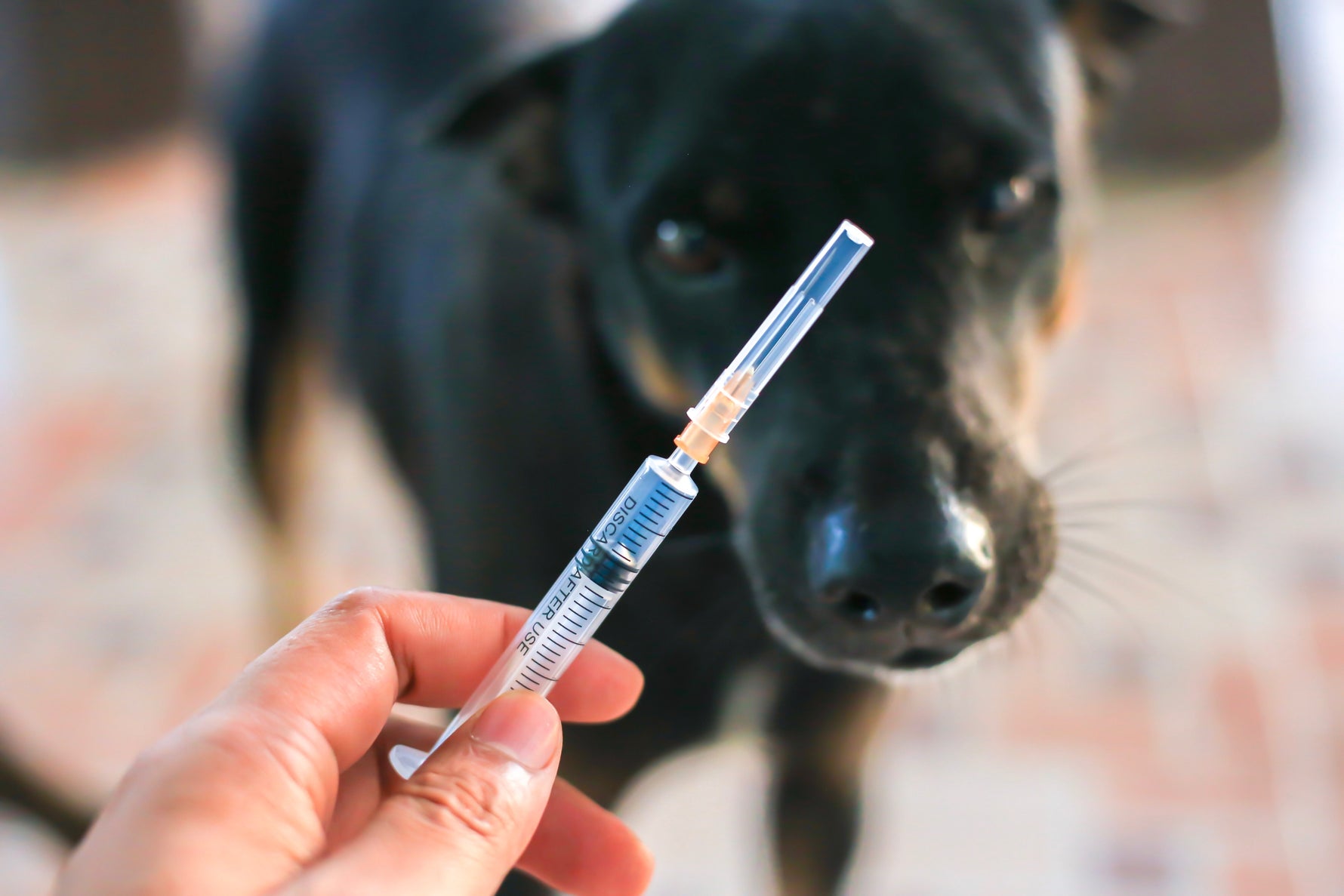
Of all the diseases that our dogs can have, rabies is one of the best known, since there are texts from centuries ago that name and describe it very well, as humans have lived with it, suffering from it and dying when they were infected. Luckily it is extinct in mainland Spain., and there are only sporadic cases in Ceuta and Melilla, which is why dogs continue to be vaccinated with a frequency that depends on each autonomous community, although in recent years they have been more strict due to the cases that occur in these two autonomous cities. How is it spread? It is a viral disease present in mammals, such as dogs, cats less frequently, foxes or bats. The means of contagion is saliva, so the most common way for it to pass from one animal to another or even to humans, since it is a zoonosis, is through a bite. When an animal bites another animal or a person, the virus that is in its saliva passes into the blood and begins its incubation period, but sometimes a bite is not even necessary. Although it is less common, it is known that it can also be spread if an infected animal licks another on a mucosa or in an area where it has a wound. It is not at all common, since bats are in contact with our dogs, but this mammal is a reservoir of the disease and infection is possible without a bite, only through contact with its urine or feces. What are the symptoms of rabies? This disease presents a very broad symptomatology, so much so that it can often be confused with neurological problems that have nothing to do with it. If there is even the slightest suspicion, it is best to go to the vet., whose expert eye and tests (if deemed necessary) will tell us if our pet has rabies or another health problem. Aggressiveness One of the best known is irritability and aggressiveness. Suddenly, an animal that has never caused any problems begins to act in a strange way, being aggressive towards us, strangers and other animals. This change in behavior should make us suspicious, and although it does not mean that the animal has rabies, it is best to go to a veterinary clinic, as it indicates that something is happening that is affecting our dog's health and requires immediate attention. Excessive salivation Salivation is another of those symptoms that we associate with rabies., since in all ancient representations mad dogs are shown with their mouths full of drool, which falls abundantly. This hypersalivation is due to the fact that one of the parts of the body that this virus attacks are the animal's salivary glands, something that helps it expand, since it spreads through contaminated saliva. Phobia of light and water An aversion or phobia of light is not as much associated with rabies, but Another symptom that has been known since ancient times is the phobia of water.. Dogs do not usually have problems with water, but when they have rabies they do not want to go near it, running away or becoming aggressive if we try to get them wet. Likewise, light bothers them a lot and they tend to hide from it. Other lesser known symptoms There are also other symptoms that specialists know well, but that those of us who do not have notions about animal health do not associate with the disease. Some of them are fever, facial paralysis and general paralysis, which usually appears at the final moment when the dog is about to die from this virus. Phases of rabies in dogs From the moment an infected animal bites the dog, rabies begins to develop following a series of phases that are very well studied due to all the time we have been living with the disease. The phases can occur more or less quickly, but in the end the animal will go through them all if we do not remedy them first, which is impossible in stray dogs, which are the ones that should really worry us, since there is no one who cares about them. Incubation When an infected animal bites a dog, it transmits the disease (if it is not immunized through the vaccine), but it does not manifest immediately, but rather goes through an incubation period. The dog is already infected, but asymptomatic for a period of time ranging from a week to several months. It seems that this period varies depending on the area of the bite, so that the closer it is to the brain, the shorter the incubation. It is impossible to know that the dog has rabies at this time, unless we see the animal that has transmitted it and suspect that it is infected due to its behavior or because it salivates excessively. Prodromal In this second phase, the first symptoms begin to appear, which are not usually associated with rabies, since the dog looks tired and scared. You may also feel nervous. There is no aggression and at this moment it hardly represents any danger to humans or other animals, but rabies is there and it will not stop advancing. Aggressiveness After two to ten days of the previous phase, the risk begins, the moments in which a dog with rabies is a danger to anyone around it, regardless of whether it is animal or human. This is when the symptoms associated with rabies occur, such as aggression and excessive salivation., with retraction of the lips due to a spasm that makes the teeth look very good, which intensifies the feeling of danger. It will try to bite other animals, people and even its own owners if they do not take precautions and it is best to lock it up while the vets come. Paralysis We reach the end of the disease, when the throat and jaw become paralyzed. Little by little, the dog loses control of movement and collapses, becoming paralyzed and even falling into a coma until it eventually dies, which can take several days. Diagnosis There are two ways to make the diagnosis. With the oldest one, you had to wait for the dog to die and take a sample of the brain tissues, in which the virus can be seen. Now it is also used if the animal has died and it is believed that the cause was rabies, since it is the simplest test and the one with the least risk. If the dog is alive, the vet can do a blood test to find out if the symptoms are due to a neurological disease or the dog has rabies, thanks to the polymerase chain reaction. Treatment of rabies in dogs There is no treatment for rabies in dogs. It is a deadly disease that we cannot do anything about. rather than notifying the authorities, since the laws require us to do so. Seeing what happens as the phases of the disease progress, the best thing for the animal is to sacrifice it, otherwise the only thing we will achieve is for it to suffer terrible suffering. Furthermore, we must not forget that the disease can transmit to us if we do not act quickly, which is also very serious in humans and causes death if not treated in time. Although it is hard to think that we cannot do anything for our pet, rabies makes it a danger and if we do not euthanize it in the end it will still die suffering unnecessarily, paralyzed and from asphyxiation. Prevention of rabies in dogs Luckily, Preventing rabies in dogs is very simple and all we have to do is follow the vaccination schedule of our autonomous community. It is important to know when to vaccinate the animal, since it is not an optional injection, but rather it is mandatory so that this terrible disease continues to be eradicated in our country. Sometimes, this calendar is a bit confusing, because in recent years it has changed a few times, with some communities even eliminating the mandatory nature of the vaccine or giving it every two years. Now the schedule is stricter and even the puppies have to be vaccinated, so The best way to stay up to date with vaccinations is to ask our trusted veterinarian, which is aware of all legislative changes. Because of how important it is rabies vaccination, campaigns are carried out in all Spanish municipalities, so residents do not have to leave their towns in order to vaccinate their dogs, since it is the veterinarians who travel to give the injections. Other canine diseases that may interest you: Parvovirus in dogs kennel cough gastric torsion hip dysplasia elbow dysplasia Kidney failure Leishmaniasis in dogs
Parvovirus en Perros – Qué es, síntomas, diagnóstico y tratamiento

Our Blog

Parvovirus in Dogs – What it is, symptoms, diagnosis and treatment

by Lobo Azul in Apr 26 2022
Parvovirus is a common disease in dogs, so veterinarians are more than used to treating it. It is very serious, since the animal's chances of survival are around 50%.. It must be prevented by all means and for that there is nothing better than knowing it thoroughly, knowing what it is, how it is spread, what symptoms it causes, etc., with the aim of being able to go to the vet as soon as we suspect that our dog has it. What is canine parvovirus? Parvo, as it is known colloquially, is a infectious disease caused by a virus that spreads extremely easily.  Additionally, it is very lethal, which is a problem that veterinarians around the world have to deal with. It affects puppies from four weeks of age, hence the importance of vaccinating when necessary, and also adult dogs that are immunosuppressed due to a health problem, so there is no need to give a booster dose every year. There are breeds that are more likely than others to suffer from it, such as the rottweiler, the german shepherd or the doberman, so we must redouble prevention efforts if we have one of these animals at home. How is parvovirus spread? One of the problems with parvovirus is that it is very contagious. In fact, it has several ways to infect our pets, the first being intrauterine, so it is possible that if the mother harbors this virus, she can transmit it to the puppies. Another route is the mouth and nose.. If a dog has oral or nasal contact with an infected animal, it will become infected and the same thing happens if it smells or licks the feces of carrier dogs., which also infect objects and surfaces. Thus, if we think of an infected dog in a park, it is easy to imagine the number of animals it can infect, since dogs smell each other, do the same with the feces of their peers, lick each other, etc. Between five and ten days after infection, the parvovirus begins to act. It focuses, above all, on the stomach and in the heart, although it also generates inflammation and infection of other organs. What are your symptoms? It can produce a huge variety of symptoms, and hence the importance of going to our trusted veterinarian when we notice that the puppy is apathetic and does not want to eat. The most typical are bloody diarrhea and vomiting.. Due to both, dehydration occurs that is very dangerous in puppies, and sometimes a hypovolemic shock due to blood loss, so that the heart is not able to pump enough blood and the death of the animal occurs. Pain when palpating the abdomen and fever may also occur, although the most common symptom is diarrhea sprinkled with blood. This diarrhea and blood are due to the parvovirus attacking the intestine, generating lesions that give these characteristic symptoms and favoring the appearance of infections that must be treated. It is possible that the symptoms are very variable, since they depend greatly on the age of the animal, whether it has had a vaccine, the viral load to which it has been exposed and even the breed, since as we have seen, some are more prone than others. Diagnosis In most cases, experienced veterinarians do not need to do any diagnostic tests to know that they have parvo, but to confirm their suspicions they can do a blood test. The results will give an alteration of leukocytes and lymphocytes, which are our body's defenses that fight against viruses and bacteria. There is another simpler test that works by taking a stool sample and that it is quite accurate from the eighth day of infection, since before that it can give false positives. In addition, while the animal is admitted, more tests must be done to see how the body is reacting and to check that the virus has not spread to the lungs, heart or marrow. Treatment There is no treatment that can kill the virus right now, so veterinarians treat the animal so that its body can defeat it, alleviating the symptoms and making the dog as strong as possible when facing parvo. The first thing is to stop dehydration, which is very dangerous and would kill the dog in a few hours. For this purpose, drippers with serum are used, through which the medications can be dosed without having to disturb the puppy. Antibiotics are supplied through this catheter, because as we have already seen, bacteria are released from intestinal wounds that can end up in the blood, causing widespread infection and death. A dog in this state does not eat and the fight against the virus lasts several days, so part of the treatment is feeding through a tube, which can go directly to the stomach or a vein, depending on what the professional assesses. With the most serious cases, blood transfusions are also used, thus alleviating the loss that occurs due to bloody diarrhea. This technique has been used for some time in dogs, so it is completely safe and veterinarians know very well how to proceed. Finally, a nasogastric tube, in addition to serving to feed the dog, also controls stomach pain, making it easier for the animal to start eating on its own as soon as possible, which is key to recovery. Can Parvovirus be prevented? Yes, it can be prevented, although not 100% as with any infection. In any case, if we take preventive measures and the animal becomes infected, what we can expect is that the disease will pass without as many symptoms and with a much higher chance of survival. The best way to prevent this disease is with vaccination. We will ask our trusted veterinarian and we will pay attention to the deadlines regardless of what we read on the Internet. The veterinarians in each locality are the ones who best know when this disease attacks in their area, so they are the ones who must set the deadlines to give the vaccines at the right time. Another measure is to prevent the puppy from going outside until it has the complete vaccination schedule, or at least doing so where there are no other adult dogs that are immune to the disease, but that may have the virus in their bodies. Many times we have heard that puppies should be carried in your arms, preventing them from touching the ground, and the reason is the parvovirus, which can wait in the feces that an animal has left on any corner. With these measures it is very difficult for our puppy to become infected, avoiding enormous suffering, since it is a complicated disease that can kill him, and if it does not do so, he will have to spend several days at the vet fighting and creating enormous anxiety due to the uncertainty. Other articles on canine health that may interest you: kennel cough Asthma in dogs Vaccines for dogs: Which ones are mandatory and when to give them? elbow dysplasia hip dysplasia gastric torsion Osteoarthritis
Cómo alimentar a un cachorro: consejos y trucos

Our Blog

How to feed a puppy: tips and tricks

by Lobo Azul in Mar 11 2022
One of the most frequently asked questions to the veterinarian is how to feed a puppy. It seems like a simple thing that we can take for granted, but how to feed a puppy is not that easy. Adequate nutrition, carried out from puppyhood, ensures optimal physical development for the dog, safeguarding its health in the future. First of all, when we know that a puppy is coming home we must make sure have the right puppy food for him in order to avoid the fact of not having anything to give him at the time of his arrival, this is something that tends to happen quite often. It is advisable to make a visit to the veterinarian to establish the best diet for your puppy; a high-quality puppy food is usually the right option. Knowing how to feed a puppy is essential for its correct development.  The puppy's diet We must keep in mind that the dog is an omnivorous animal; in general, its diet consists of approximately 40% proteins, another 40% carbohydrates and 20% fats. A quality puppy food offers all of this perfectly dosed. This is a consideration to take into account if we are going to offer our puppy a completely homemade diet. Remember that not all foods that people consume are valid for dogs and that it must be carried out by an expert veterinary nutritionist. If you have any questions about how to feed a puppy, consult your veterinarian. Regarding commercial dog food, it would be good to make a clarification. There are some people who declare themselves completely against this type of dog food. These people argue that there is little certainty about the origin of the raw materials that make up dog food. At this point a certain type of reasoning must be done. It is true that There are many brands of dog food and that there are many of very low prices that do not have quality, in these dog foods it is likely that some of the raw materials of which they are composed are of low quality and do not meet the nutritional needs of dogs. If we choose these options we may be saving a little money, but our dog will not be fed in the best way. However, as with everything in life, there are brands of dog food and very high quality puppy food that ensure the origin of all their raw materials and provide the dog with healthy and balanced nutrition. Many of the people who ban dry or canned dog food or dog food do so with leftover human food, such as dinner leftovers or other supermarket products that are no longer suitable for human consumption. Without a doubt, this is much more harmful to our dog's health. From here we believe that Offering your puppy quality dog food is the most appropriate option. and practice. weaning During the first 3 or 4 weeks of life the puppy feeds on its mother's milk. Sometimes, the mother cannot offer all the breast milk to her puppies, this can happen for various reasons (a litter that is too large, stress...) In these cases, special powdered milk for dog puppies must be integrated into the food for one-month-old puppies and administered during the first 2 weeks throughout the day every 3 hours. This should be supervised by a veterinarian. Another option is a vaccine, but this can cause problems such as diarrhea. Powdered dog milk is more expensive, however it is a better option, as it is rich in protein, fat, calcium and phosphorus. Naturally, at 3 weeks the puppy will become interested in its mother's food. At first it is normal for him to put himself fully into the food container, which is a very funny and tender action. Little by little, as he watched his mother, the puppy will start eating solid food. Often in the weaning phase, soft foods are introduced into the puppy's diet to artificially breastfeed. Once again following the suggestions of a veterinarian.  This is a important stage in our puppy's life, so we must inform the veterinarian of any changes that we may observe in the puppy, if it is not growing, if it is not very active, if it cries at all times or any other behavior that draws our attention, it is likely that it requires analysis by the veterinarian. Remember that the transition from liquid to solid diet should always be done gradually. If the puppy does not begin to try solid food, you can bring him a little food so that he becomes familiar with it, sometimes it is just a matter of distrust. Puppy food At 6 weeks old, the puppy should have been completely weaned, which means it should be fed solids and no longer needs milk, needs specific puppy food. Many people mistakenly believe that a puppy needs to drink milk until it is 6 months old. From weaning onwards, mother's milk has already fulfilled its function in the puppy's life by giving it the necessary antibodies. Continuing to give our puppy milk can cause intestinal problems. In this way, milk should never be considered a substitute for water. Giving milk instead of water would increase the food ration too much, since milk is a complete food, and the puppy must always have fresh water available. Many times this decision is made when the owner observes that his puppy drinks little water and that is when they decide to replace it with milk, this is a serious mistake, this would not be the correct way to feed a puppy. It is normal for dog puppies not to drink a lot of water since they have the ability to absorb a large amount of water from food. When we give our friend puppy food, he is likely to drink more water since it is dry food.  To choose what type of puppy food we want to give our dog First of all we must make the decision whether to give homemade or commercial food. Let's remember that homemade food must be supervised by a veterinary nutritionist. Veterinarians usually recommend a diet based on quality puppy food, for the simple fact that they are correctly balanced and present healthy and strong nutrition. When it comes to puppies that need to grow a lot in a short period of time, it is very easy to make mistakes regarding the food we provide them, hence the confidence of a veterinarian in offering a complete diet through a guaranteed puppy food. Another consideration to take into account is that the most expensive dog food is still cheaper than homemade food for a puppy correct and quality, as well as much more practical. However, although a puppy food offers a balanced and correct dietSometimes growth disorders can appear in puppies, so in the first months of our puppy's life it is important to take him to the vet frequently to check his correct development. If we realize that its development is very rapid, it is likely that it needs less food or a change in diet. The opposite is true, if it takes a while to grow and develop, it is possible that it needs more food or a change in diet. The veterinarian will be the one to help us diagnose how to feed a puppy. Usually in small dogs These problems of how to feed a puppy do not occur, but even in this case, if the puppy is not fed correctly it will develop health problems, which is why it is important to feed it well with quality puppy food and never feed it with leftover food. How many times should a puppy eat As for the number of meals, for a puppy it is recommended that they be small and frequent, around 4 or 5 times a day. As the puppy grows, we must reduce the number of daily meals until reaching 3 and then 2 like an adult dog.  If in the process of feeding a puppy we decide to give it homemade food instead of puppy food, we have to take into account a series of considerations: Choose good quality meat. It is expensive, but if problems arise in the puppy's growth, its treatment will be much more expensive. Avoid connective tissue, fats and tendons. Select quality cuts of meat, preferably beef or chicken. If intolerance or allergy problems arise, consult with your veterinarian for another protein source. The meat should be boiled or grilled and without condiments or sauces. Boiled vegetables such as carrots or zucchini should also be added without seasonings or sauces.  We must keep in mind that many of the products that people consume daily are harmful to dogs, which is why if we choose to feed our puppy food homemade must be supervised by a veterinarian expert in canine nutrition. Choosing quality puppy food is simply more practical, cheap and prevents us from making serious mistakes when feeding our puppy. How a puppy should eat We will give you some tips on how to feed a puppy to provide you with a good education. We must choose a place to install the water bowl and the food bowl, this place will always be the same and our puppy must be able to access it without problems. Remember that a dog must always have fresh water at its disposal. It is highly recommended always give our puppy meals at the same times thus following a routine. Frequent changes can destabilize the dog and make it nervous, they are animals of habit. When we prepare taking food for puppies We should offer it when the dog is calm and sitting, we should not give it food while it is upset, jumping and fluttering around happily because it is time to eat. We must wait without talking to him (if we do, we increase his emotion) and maintain a neutral expression until he calms down. That is the moment when we should give him the bowl of puppy food and walk away. We should never stay with the puppy until he finishes eating, if he gets used to it, he will not eat if we are not close to him. As we already mentioned, the water container must always be available to the puppy with clean, fresh water. Unlike food. The dog should not have unlimited access to the food bowl, this is an important factor in training how to feed a puppy. It is important to control one hundred percent the food our puppy eats, the quantity and frequency.  The most appropriate thing is to leave the bowl with the food within reach of the puppy for about 10 or 15 minutes, then return and remove it, regardless of whether the dog has finished the puppy food or not. This is done so that the dog understands that this is the time to eat, if it is done this way, our puppy will immediately understand and quickly learn what the meal times are. We should not worry if the first few times they have not emptied the food bowl, if we follow this process they will always get used to it very quickly. The most suitable time for feed our puppy It is usually after we eat, so the dog associates that the leader of the pack (the owner) is always the first to eat. This behavior is appropriate for dogs because they are gregarious animals and must play a role in their pack. If our puppy resists completely eating the food we provide, we should never give him something substitute like a cookie. You may end up using this behavior to only eat foods that are not recommended at all. And finally, we must remember that It is not good to regularly change our dog's diet. If we choose to give him a puppy food and he does well, it is not advisable to constantly change brands and, if you do, it is important to do it gradually so that he assimilates the new arrangement of nutrients little by little and thus avoids the development of gastrointestinal problems. If you follow this simple routine on how to feed a puppy, he will grow up healthy and happy. You may also be interested in: How to feed our dog during pregnancy and lactation How diet influences our dog's hair and skin Foods your dog should never eat Benefit of fish oil for your dog 13 myths about your dog's nutrition Should I give my puppy calcium? Times a dog should eat
Teckel - Todo lo que debes saber sobre el Perro Salchicha

Our Blog

Dachshund - Everything you need to know about the Dachshund

by Lobo Azul in Mar 11 2022
Also known as “dachshund” or Dachshund, a term of German origin, where this breed comes from. The popularity of dachshund It is broad, and there are plenty of reasons for it. Size: Small. Weight: Between 4 and 5kg. hair type: Medium length and wavy or short and straight depending on type. Character: Smart, Playful, Stubborn, Devoted, Vivacious, Independent, Active, Brave Health: Healthy although may suffer from small congenital problems Life expectancy: Between 12 and 16 years old. The Dachshund Characterized as a breed with excellent temperament, balanced, agile and playful, since its appearance it has gained great attraction for society. Both its ability to adapt to any living space, as well as its unmatched physical characteristics and numerous qualities, made it an unparalleled pet, maintaining this recognition to this day. However, like many other dog breeds, the Dachshund requires special care and different knowledge to ensure its well-being and emotional balance during its development. Do you want to adopt a Dachshund or Dachshund and don't know anything about it? You will find information about its origin, care, physical appearance, health and the care that this dog needs in this complete guide to the breed, prepared especially for all those who wish to learn more about this type of dog. Discover all the details about the unique dachshund in the following paragraphs! Origin of the Dachshund Although its origin is considered to be partly from the 18th century, in Germany The history of the Dachshund dates back to approximately the Middle Ages. This dog is one of those that prevailed over the different crossbreeds of hounds to obtain a breed with physical characteristics appropriate for underground hunting. Its unique morphology made it a valuable resource for hunting and tracking below the surface, especially when capturing badgers. In fact, the name "dachshund» in German means «dachshund», attributed to this dog for its outstanding ability to catch these animals. In addition to these skills, his surface performance also garnered great recognition. These dachshunds were rated as excellent barkers, trackers and very skilled in pursuit. Therefore, their preference as guard and companion dogs was an aspect that became characteristic of the breed. In 1888 the first German Club of the breed was founded, known as Deutscher Teckelklub, when the first official breed standard was written. All of this caused the breed's appeal to grow at international levels, causing the first presentation of these dogs to take place at a dog show in England. Even today, The Deutscher Teckelklub is the institution that is considered official when referring to this dog. In fact, the standard published in 1989, coming from this institution, is what has formally forged the reputation of the breed. Today, this breed continues to be one of the most recognized dogs worldwide. Today three sizes of the breed stand out: the standard, the miniature and the one known as kaninchen. Its popularity has been on a large scale thanks to its qualities, but on a larger scale, due to its peculiar appearance. Physical characteristics of the breed If there is something to highlight about the Dachshund, it is its unique physical appearance, not in vain is it known as a "dachshund." And its small body is elongated, in the shape of a sausage, but at the same time it has great muscles and strength. Its shortened size, evidently longer than tall, has not been an impediment for this dog to possess great skill and, above all, remarkable bravery. Let's see below the most notable physical characteristics of these canines. Size and weight This breed does not have specifications regarding its size in the official standard. However, it is common to find different measurements within its variety. Generally, height can average between 25 and 30 centimeters at the withers and a weight of up to 10 kilograms at most. Face The Dachshund also has an elongated head. From a frontal view, its face appears wide, specifically its snout. However, as you move towards the tip it becomes slightly narrower. It has a large, outward, black nose. Their eyes are also quite pronounced, oval, whose colors are variants between different shades of brown and black. The ears of these dogs are set high, but hanging and rounded enough to be evident, which gives them great mobility. Extremities The Dachshund's legs are not very long but they are quite strong, well arched and not too far apart. Its pads are strong and quite resistant, which provides it with great dexterity. Queue It has a long and well set tail. Low insertion and with a slight curve at the tip. Dachshund Coat The coat of these dogs is as peculiar as their physical build, as there are three specific varieties: short-haired, wire-haired and long-haired. As for colors, there are a large number of variations in which they can be found, whether unicolor, bicolor or spotted, ranging from reddish to yellow, with black spots, among others. Furthermore, one way to identify the existing variety of Dachshund is through its coat, as there are three types: short hair They were the most popular, presenting their smooth, shiny and quite dense fur, also covering their entire small body. hard hair The characteristic of wire-haired dogs is that they have a combination of layers: external and internal, throughout the body, except for the ears, eyebrows and muzzle. Although they were the last to appear, these wire-haired dogs gained great popularity and, to this day, still maintain it. long hair While those with long hair have a notable extension of hair, especially in areas such as the neck, where it is longer; Its canvas is smooth, shiny and close to the body. These dogs have also become very recognized, especially at the beginning of the 20th century, where fans and exhibition lovers set their sights on the long-haired Dachshund. Dachshund Varieties Although the breed is commonly established with the distinction of the standard, some time after its appearance, two more specimens emerged with distinctive characteristics, more specifically its size, since it was smaller than that of the common specimen. These variants were the result of various crossings in order to carry out more specialized hunts. These specimens are: the miniature (or dwarf) and the kaninchen, also known as specimen for rabbit hunting. Although the differences between the breed are few, in attitude and abilities they can be distinguished very easily. The Standard Dachshund was selected for its abilities and appearance for tracking and hunting foxes and badgers. And, on the other hand, the miniature and the kaninchen, because they were smaller in stature, were appropriately included in the hunting of hares and rabbits respectively, whose job was carried out by the ferrets. However, his wild temperament did not give good results to hunters. Once these specimens appeared with great skill, they were engaged in hunting the aforementioned prey. However, in the case of the Kaninchen, their upbringing was not very fortunate due to frequent genetic alterations. This resulted in it becoming the species with the smallest number of specimens. Because its maintenance and care required exaggerated dedication on the part of the breeders of this breed. A characteristic aspect of this variety of Dachshund is that, although they are distinguished by their dimensions, it is not precisely their size or weight that is considered within this distinction. In fact, the International Cynological Federation (FCI) It does not have a standard in this regard. However, to identify each specimen of the breed, its chest size is considered. Being characterized as follows: Standard Its chest diameter should be up to 35 centimeters, and its weight generally does not exceed 10 kilograms. miniature 30 or 35 cm in diameter on his chest. Kaninchen 30 cm thoracic diameter maximum. Because the differences are very small between the dimensions of each species, it is expected that the dogs reach at least 15 months of life to carry out the corresponding measurement of their chest. Dachshund Behavior A combination of strength, vitality, energy and security ideal for hunting, with the presence of loyalty, fun, joy and affection excellent as a companion animal, is what mainly defines the temperament of the Dachshund. It is, without a doubt, a very balanced animal, with a character that is difficult to find in any other breed, because it provides practically everything an owner wants. We talk about a dog with a very flexible adaptability, so you can live with complete peace of mind in the city, in a small space, or fully enjoy the outdoor life that the countryside offers. In any case, these dogs will serve as exceptional companions. They are brave, willing and always active dogs, so their company will be full of fun and entertainment. Although they do not require excessive exercise routines, they greatly enjoy walks outdoors and, above all, games. Coexistence Although these are very sociable dogs with their family nucleus, they will be devoted and loyal to those they consider close without hesitation. However, it is a somewhat difficult animal to educate, because they are also a little stubborn, which is why they require firmness and leadership from their guardian to establish basic commands. Regarding the presence of other animals, the Dachshund may have problems, because it is a hunting animal, so in the presence of smaller animals they will feel the innate impulse to chase them like their prey. They may also appear somewhat uncomfortable in front of other dogs, as they tend to be very territorial and are not at all sociable with other canines. However, early socialization can be a solution to this problem. Apart from what has been said, these dogs may have some behavioral problems, such as excessive barking or frequently digging in gardens, because due to their nature as hunters underground, there is a tendency for them to adopt these behaviors. The proper education of these dogs will ensure that behavioral problems are minimized and their adorable and fun personality prevails in their daily life, with their family. Dachshund training As mentioned in the previous section, this is a highly intelligent dog breed, so its education is not difficult if the appropriate considerations are taken and, furthermore, it begins from the early weeks of the puppy's life. It is about a very self-confident dog, balanced but with great presence, which in many cases is underestimated due to its physical appearance and size. Sometimes, these dogs are given the same treatment as a simple domesticated companion dog, ignoring that they are an animal of a hunting nature with a brave, active and progressively controllable personality. This requires not only an owner dedicated to the education of the canine, but also knowledgeable about the breed so that the training process carried out with these dogs is appropriate. One of the main points to consider is to appear firm, as a leader who will guide the dog in its training. To do this, it is not necessary to assume an authoritarian and aggressive figure, but rather to make it clear with actions who is in charge of the training. Once this position is established, it is important to begin education with socialization, in the first instance with their environment, other animals and people. This will allow the dog to develop a broader sense of coexistence, especially with other animals, and not feel invaded in some cases. After this step, showing the basic commands for the canine will help it establish guidelines for its behavior, an issue that in many cases is not done and behavioral problems end up appearing such as biting furniture, hiding objects and digging excessively, mistreating the gardens. These aspects are the ones that require the most dedication from the guardian of this dog. Once continuously practiced and learned, we can move on to the lessons of tricks and games, which cannot be missing from the personality of these canines. It should be noted that although It is an intelligent and dynamic animal, do not respond effectively to traditional training, on the contrary, they are rebellious to learning. These dogs, like many others, require an efficient connection with their owner, which is why the use of positive reinforcement is recommended at all times during their practice. Dachshund Health Although we talk about the Dachshund as a strong and active breed which generally remain in good health and reach a longevity that exceeds 15 years and can reach up to 20 in some cases, these dogs can be affected by pathologies specific to the breed. The appearance of certain diseases, in some cases, is inevitable. Due, mainly, to its morphology and also to the care that is provided by its owners, who in many cases, neglect the attention that this breed requires. One of the illnesses most associated with these dogs is herniated discs. Its appearance has become a characteristic and not very opportune episode for this breed, whose discomfort can even limit its mobility. On the other hand, due to its curious body structure, the dachshund can suffer from cardiovascular and digestive disorders, mobility problems, diabetes and, the most common, urinary tract problems. Furthermore, obesity is a delicate point in these dogs, due to their size in particular, and because, in general, they do not eat a diet appropriate to their physical build, which puts them at obvious risk of suffering from this condition, making it a risk factor for the appearance of health problems such as those mentioned above. For this reason, the importance of providing necessary care to this breed and controlling, above all, its diet and well-being, making periodic visits to the specialist, in addition to other care that we will see below, are essential. Dachshund Care Although the care may vary depending on the type of Dachshund you decide to adopt, in general, the attention that these dogs require is similar. They are all focused on providing these dogs with an appropriate quality of life and extending their longevity to the extent possible to enjoy their company for a long time in good health. Let's look in more detail at the care that the breed requires for a correct physical and emotional balance: Food Feeding is one of the essential care that must be taken into account, given that this is a breed with a frequent tendency to suffer from obesity. You have to know that These dogs tend to eat a lot, so controlling this aspect by dividing your food into small and frequent portions will be a great help to stay satisfied. Try, in turn, provide quality feed that offers him, not only the adequate nutrients for his physical well-being, but also the fats that this breed needs to maintain its good health. Depending on its size and age, the veterinarian will be able to tell you which is the best feed to ensure its favorable development. Exercises Complementing their diet with a favorable exercise routine to maintain the canine's health is of great importance. However, it should be noted that, although it is a very active and energetic dog that greatly enjoys outdoor activities, this breed does not require excessive exercise routines. Two walks a day, where they are allowed to move freely, will be enough to maintain their emotional balance and good body shape. Hygiene This element will vary depending on the type of Dachshund. However, the care is very similar. First of all, brushing can be done at least once a week. With the exception of the times when the hair begins to shed, a greater frequency of this process will be required to avoid the presence of hair throughout the house. Now, in relation to bathing, regardless of the variety, it is important to carry out this process only when the breed is really dirty and requires it. Other care such as medical control, deworming and vaccination are of equal importance and will keep the Dachshund's health in perfect condition, away from diseases. Conclusion As we have learned throughout this article, the Dachshund is a very complete breed in terms of personality and character. He is brave, but at the same time intelligent, noble and funny. What it does to you an ideal option as a companion dog or for special activities such as hunting. Although their adaptation is notable to any space, outdoor life is preferred for these dogs that love to run around large places. However, you will live comfortably in either space. What is notable is the importance of training and the necessary presence of an experienced tutor who is knowledgeable about the breed during training and who identifies himself as a leader who will guide the canine. In this way, bonds of trust will be established and the dog's education will show very positive results. Finally, if you consider this breed as an ideal pet for you, you will enjoy the company and energy of a dog like no other. Find out more about other dog breeds: Argentine Stack Brazilian Terrier Westy Pomeranian Chihuahua Maltese Bichon Löwchen Jack Russell Terrier yorkshire bodegAndalusian uero Scottish Terrier

Kuvasz - Te explicamos cómo es este seguro y valiente perro

Our Blog

Kuvasz - We explain what this confident and brave dog is like

by Lobo Azul in Mar 10 2022
If you are attracted to large, imposing but at the same time noble and adorable dogs, the Kuvasz may be the right breed for you. A dog with the aforementioned characteristics and many more that definitely make it a charming animal. Size: Big. Weight: Between 35 and 52kg. hair type: Curly and medium length. Character: Intelligent, Protective, Clown, Independent, Loyal, Patient Health: Healthy Life expectancy: Between 10 and 12 years. Originally from Hungary, this breed has become increasingly popular, not only for its excellent work as a herder, but also for its brave, confident and balanced character that makes it considered an ideal companion pet. Adopting him will provide you with a friend, a guardian and a co-worker in field activities such as herding. However, these dogs need some care to stay healthy and active. Do you want to know more? In this article we teach you everything you need to know about the brave and adorable Kuvasz. Care, history, characteristics, health and all the information that will help you know if this dog breed is right for you. Origin of Kuvasz The history of the Kuvasz is not concretely defined at present. However, there are indications that it is a very old breed. The breed as it is known today She is originally from Hungary. However, the offspring of these canines is associated with accompanying Asian dogs of the Magyares tribe. The use that this tribe gave to the ancestors of this dog was as a protector and watchdog of their flocks, due to the presence of predators around their camps. In addition, they were skilled at hunting animals such as wild boars, bears and pigs, so on many occasions it was intended for this purpose. Aristocratic life was also part of this big hair at some point. Specifically, in the 15th century, during the reign of Matthias Corvinus. Dogs became popular because accompany members of royalty on their hunting activities. However, this good life would be short-lived, because as a result of the world wars, the reduction of the Hungarian people was notable and threatened to extinguish the race as a whole. Fortunately, this fact did not come to fruition definitively. Although the herding practice and the function of the Kuvasz as a cattle dog were reduced. It gained acceptance as a companion pet, still retaining its innate qualities of protector and guardian. Currently, it is very common to see the presence of this breed as a companion to police and military armies in their country. His hunting activity has provided him with a high level of tracking and pursuit, complementing this with the bravery and security that characterizes the enormous dogs of this dog breed. Features If this is the first time you see a Kuvasz up close, you will be surprised by its size and imposing presence. You will get a robust dog, with a rustic appearance and a formidable build. It is evidenced by strong bones. However, this does not detract from its noble and elegant image, typical of its coat and facial expression. Its body is longer than it is tall, giving the appearance of having a rectangular shape. It also has powerful muscles, accompanied by strong, well-profiled limbs with firm footing, which provide great agility and strength to move. It is undoubtedly a dog that can intimidate any person or animal. Let's see more details of his physical appearance: Weight and height According to the standard issued by the International Cynological Federationl, this is a large breed dog. Their height is between 71 and 76 centimeters high at the withers, for males. In the case of females, it is 66 to 70 centimeters. In relation to weight, sex also has differences in this aspect. Males reach 45 to 52 kilos. While females average between 35 and 40 kilos. Although they are obviously heavy dogs, their body image does not appear uncomfortable or obese. Its body is harmonious and remarkably well proportioned and it has, although it may not seem like it, great agility to move with ease and precision when required. head The head of this dog distinguishes it from other cattle dogs. Well, it is located in the shape of a wedge, well proportioned and in line with the rest of your body. At the same time, the face provides it with a certain elegance. Starting with his ears, set high, hanging in the shape of an inverted triangle to his cheeks. Thin. Oblique eyes, similar to an almond, have a brown color. While its nose is black and medium in size. They have a protruding and pronounced snout, although it is not pointed. Its bite is strong and sure. Queue This animal has a thin tail, disguised with abundant and messy fur. This is low insertion and is positioned straight down. At the tip, there is a slight upward curvature, but it does not bend completely. Fur The Kuvasz is one of the dog breeds that has two layers of coat that make it a dog. tempered, that is, prepared for hot or cold climates. In this sense, the inner layer is a kind of soft and comfortable wool that keeps you warm. While the external one is thicker, denser and a little hardened. In places such as the legs, ears and head, the outer hair becomes shorter. Which allows you to show the firmness and pigmentation of your skin. The accepted colors for this breed are only white and ivory. Character of the Kuvasz As highlighted in the previous section, The physical appearance of the Kuvasz is that of a helpless dog. And his behavior is not far from reality. It is a canine whose bravery and security are the most outstanding aspects at all times. If it is about performing some action such as herding, or simply taking a walk with their master, these dogs will appear balanced and stable. However, although much of their behavior is associated with their lineage, the education, attention and, above all, treatment they receive from their relatives will define their temperament. If you treat these animals with love, patience and respect, you will get the same from them. In addition to his loyalty and protection, his instinct to protect the integrity of his family never disappears. These dogs establish very strong bonds with their family members, becoming jealous and uncomfortable in the presence of third parties close to them. As for coexistence, it is a somewhat delicate aspect, because like most guard dogs, the Kuvasz can be distrustful and annoyed by the presence of strangers. Both animals and people who are not common in their circle will not receive friendly treatment from dogs of this breed. It is important that these dogs are adopted by experienced owners, capable of handling them patiently and focused on give him a proper education, because otherwise, they may present serious behavioral problems and even be aggressive on some occasions. Although it is not a rebellious nor dangerous dog, it is necessary to educate it, especially if it will be destined for a home with children, and always maintain constant supervision to avoid rough games in which the latter could get hurt. Education of the Kuvasz We could say that the Kuvasz's education interferes 70% with its behavior and temperament. That is why the importance of this aspect should not be taken lightly. That is, the owner or family that adopts a canine of this breed must be committed to its education to guarantee that a balanced, calm and stable dog is formed. Starting education at an early age, focused on socialization, is very important. This aspect will greatly define how the dog of this breed adapts to the presence of people and animals outside its family nucleus, while interacting with its environment on a regular basis. It is important that from a puppy age the dog receives instructions regarding the rules of the home, the habits that are handled and, above all, how to behave. In these cases, positive reinforcement will be the best ally of the instructors of this specimen. It is very important that the transmission of knowledge regarding the lessons given to the dog is harmonious, patient and always in good tone. The dog may respond negatively if you try to teach it using the usual training of handling and yelling. On the contrary, if motivation and reward are considered as a close tool, it is likely that the canine will feel comfortable and develop its skills in such a way that learning flows quickly and appropriately. Another important point in training is to reinforce, both in the canine's youth and adulthood, each lesson learned. In this way we will ensure that they are not overlooked, and that their compliance is common according to the context where it is found. You must also monitor socialization, considering that in principle the learning of basic rules will be carried out within the home. Later, when the dog has already passed this stage, we will begin to identify its environment, among other things, and then face teaching tricks. Remember that it is necessary to define the lessons that are being taught. In this way, Monitoring will allow adequate progress to be made on each aspect of the training., once the canine has memorized them. Starting with the first stage of its education around the first three weeks of the dog's life will be the best time to achieve favorable results. It is recommended that the training be carried out by a person knowledgeable in the handling of these dogs, since in this way, each procedure will be carried out in the appropriate way, without bothering the canine. Kuvasz health The Kuvasz It is a healthy breed, capable of reaching 12 years of life if cared for properly. However, like many other dogs, the presence of hereditary diseases is present. Among them are: hip dysplasia and elbow dysplasia Dermatitis Deafness Falls In addition to these pathologies caused by genetic causes, the presence of aspects such as obesity, which can begin if they are not fed properly and also lead a sedentary life, can considerably affect the health of these furry friends. Kuvasz care Although hereditary diseases are difficult to control and even prevent, the care provided to this and any other pet will help ensure a better quality of life and improved well-being. Although the Kuvasz It is a robust and formidable dogThere is care that is necessary if you want the dog to remain strong and balanced. Among the most essential care that this breed requires is, first of all, the need for a space large enough for it to move freely and calmly. Hygiene If there is one aspect that requires dedication and availability on the part of the Kuvasz owner, it is the maintenance of its coat, especially when it comes to brushing. These dogs They need to be brushed at least 4 times a week. This will help eliminate dead and dry hair that appears on the canines. On the other hand, in times where the dog begins to shed its fur and shed it all over the house, it is advisable to brush it more frequently, this way the hair loss will not be as pronounced. As for bathing, these canines they do not require frequent baths, as this would contribute to the dryness of their fur. It is recommended not to exceed the amount of one bath every 15 days. If possible, if you can take a bath every two months, it would be the most appropriate. Exercises If there is one aspect that is essential in these dogs, it is the need for constant physical exercise. Mainly to avoid obesity, so it must be complemented with an adequate diet. In addition, an exercise routine is necessary because these dogs have a restless and agile behavior, usually curious, and accustomed to life outdoors, so requires daily walks accompanied by frequent exercises. This will not only guarantee a healthy and adequate weight, but also maintain a mental balance in which the levels of stress and anxiety that the canine may experience from being confined in small spaces will be reduced. Agility practice can be very positive for these dogs. Walks, for their part, should last at least 30 to 40 minutes a day. Food Proper nutrition is another fundamental aspect in the life of these canines. In principle, because you are prone to suffering from obesity if there is a lack of nutritional control. And also to avoid stomach diseases. Good quality balanced feed, provided as indicated, will be enough to keep these dogs strong and healthy. However, the guidance of a veterinarian will be the most ideal to carry out their nutrition in a timely manner. Medical checks Both vaccination, deworming and visits to the veterinarian are essential to keep him well cared for. Preventing diseases and monitoring their health and well-being will be carried out more effectively if you have the supervision and advice of a veterinary specialist. Conclusion The Kuvasz is without a doubt an excellent companion, either for herding work or as a pet. Their safety, protection and bravery will make you feel well protected and above all with a loyal and reliable friend. However, these dogs require dedication in aspects such as education and care. Well, if these aspects are not taken properly, the dog will develop negatively, both in health, appearance and behavior. It is necessary that the training of the Kuvasz be carried out by a person with knowledge regarding the handling of these animals, otherwise the teaching process could be negative and the dog would comply with the orders of its guardian. What is certain is that this breed has great abilities that make it a very interesting pet. Before adopting this breed, consider these details and the information provided in this article. We recommend you also visit: German Shepherd Alabai long haired collie Great Blue of Gascogne Bernese Mountain Dog Czechoslovakian Wolfdog San Bertuberose Neapolitan Mastiff Dalmatian Rottweiler Terrier Negror Russian
Bienestar en los alimentos para perros

Our Blog

Wellness in dog food

by Lobo Azul in Mar 10 2022
The well-being that a great dog food provides Do you know the usefulness of vegetables in your dog's diet? Extracts of green algae and aloe, among others, are gaining more and more recognition for the multiple benefits they provide to the diet. What do they provide in dog food? What are its virtues? Spirulina algae This algae grows in some lakes in tropical regions and was used by the Incas. This is the algae that is especially present in the food of our four-legged companions. Spirulina algae is a microalgae that contains vitamins and minerals in large quantities. It is also rich in essential fatty acids and trace elements. This cocktail of elements has antioxidant and bioregulatory actions, thus promoting healthy, quality hair and providing and improving the strength and vitality of your pet. aloe vera In addition to the already known benefits of aloe vera, it also has nutritional benefits and there is a general consensus that it is effective in cleansing the digestive walls and stimulating muscle and joint functions. It contains more than 160 natural active ingredients that significantly improve metabolism, nutrient assimilation and antibody production.  This is how these vegetables participate in your dog's well-being through their daily diet. You can find high-quality dog ​​food in our specialized store that provides the necessary well-being thanks to elements found in the composition of the dog food. Other articles of interest: Tips to help your dog lose weight Why do dogs eat grass? Vegetarian dog foodtono? Foods your dog should never eat Carbohydrates in our dog's diet
Cómo alimentar a nuestra perra durante la gestación y la lactancia

Our Blog

How to feed our dog during pregnancy and lactation

by Lobo Azul in Mar 10 2022
Below we present a step-by-step guide with the most recommended tips for optimal skin care. feeding a pregnant dog, a very special process of life for mammals, which in a period of 63 to 67 days will require certain special care. Here we tell you the basic points that you should not lose sight of. The first 2 weeks of a pregnant dog After detecting your pet's pregnancy, a common mistake is to quickly change feed for another alternative, however you should take things slowly. It is best to think about other types of needs first, such as space and attention, since the feeding a pregnant dog, at least for the first two weeks, should remain the usual one. What will be important is to carry out a routine check-up with the veterinarian, as an assessment of her physical condition is important to know if she is fully capable of carrying out a healthy pregnancy. It will also be essential to know the number of puppies that come in the litter, since this will be a factor to consider when designing your most appropriate diet. Weeks 3 and 4 of pregnancy From the third week onwards you should start looking for a more specialized feeding alternative, If what you are looking for is to pamper and offer the best to your pet during this period, there are super premium starter feed alternatives specially designed for this phase. This type of feeds are composed of natural and high quality foods, which are in fact suitable for human consumption, although they are designed to offer a composition free of preservatives, genetically modified organisms, colorants and, in addition, it is prepared to cover all the nutrients necessary for this stage, including vitamins and minerals that will be of great contribution to your body. This type of food, in fact, includes various high-quality ingredients such as tuna or salmon, important for their high proportion of Omega 3, which provides important advantages to strengthen the necessary contribution of fats, which will be another element to take into account.  Normally from the third or fourth week you will have to change your diet. It is best to do it gradually, gradually increasing the proportion of the new type of feed, in a process of about a week, until you completely stop the previous diet. If you prefer, you can also opt for puppy food, one of the main objectives of this type of feeding a pregnant dog It is to provide you with the nutrients to be strong, but it is also important to begin generating breast milk. This is a important stage in the pregnancy processIt is also totally normal for your pet to feel nauseated and even vomit, for this reason it is best to give smaller but more frequent portions. In any case, if you consider that the mother is suffering a lot of discomfort, it would be best to have her checked by a veterinarian. At this stage, weight checks should also begin to be regular. A common problem is not detecting excess weight in our pet, because it can appear to be part of the normal pregnancy process. However, you must Consult the veterinarian about the appropriate weight, according to their breed and number of puppies in pregnancy.  Of course, you must also consider that neither at this stage, nor at any other, is it advisable to take medications, only in case of strict medical recommendation. Tips for weeks 5 and 6 It will not be until week 5 when the puppies begin to take in a greater volume within the mother, who will therefore also begin to need a larger amount of food, this is where the portions should begin to become more abundant. Depending on the number of puppies in pregnancy, the increase in the amount of food will also vary. For example: if there are 4 puppies, it is advisable to increase the amount by 5%. amount of feed each week.   The growth of the puppies inside the mother is quite exhausting for her body, which is why they must eat abundantly so as not to generate some type of decompensation, neither in their nutrition, nor in that of the puppies. For this reason, from the sixth week you can also begin to provide nutritional supplements to strengthen the diet of the pregnant dog, and although this does not have to be necessary if you are already using super premium feed specially designed for this stage, it can be an alternative if instead you are feeding your pet with puppy food, which is also another cheaper and less efficient option, but at least more advisable than continuing to feed her with the food she consumed before pregnancy. Weeks 7 and 8 of pregnancy Here the control will have to be more rigorous, since the definitive stage in the development of the puppies is approaching and multiple risks also arise for the mother. Therefore, the weight check should be punctual, as well as the routine check-up with the veterinarian. It is important to monitor the level of weight gain, since growth less than recommended can cause malnutrition and, as a consequence, malformations in the puppies. On the other hand, being overweight can also be lethal for the mother.   It is best to calculate that they are on the right track so that with the pace until that date, it can be concluded that they are advancing consistently so that, reaching 9 weeks, they will gain between a third and a quarter of their initial weight, which will not only be due to the puppies. In fact, most of this weight will be due to the placenta. Here it will also be essential a good protein intake, which represent most of the energy that will be essential for this exhausting process that the mother will go through. Final stage of pregnancy If everything continues well, from the ninth week your dog will already be in the final stretch of the pregnancy process. Because the space in your stomach is already beginning to be more limited, food portions must also be smaller, but still frequent to be able to thus providing you with the necessary nutrients.   If you notice that the pregnant dog begins to lose her appetite, it may be normal, as it could be an indication that the time of delivery is about to arrive. For this reason, it will be important to always keep fresh water and some food within reach, in addition to checking with your veterinarian, so that you can also be prepared for the day of delivery. First weeks of breastfeeding When the moment of birth arrives, which is a quite special event, and beyond the usual measures that you must take to care for the puppies, regarding the mother's diet, it will also be important to begin to increase the intake, since the food needs They will also be very demanding for the breastfeeding process.   The mother requires not only nutrients to recover from the tiring process of pregnancy and childbirth, but she must also obtain extra nutrients to be able to offer adequate breastfeeding to puppies newborns, who will be hungry and grow quickly, which is why very particular measures must be taken during the first three weeks of life. In the first week you should increase the mother's usual amount of food by 50%. This measure should increase in the same proportion, that is, in the second week it should be double the amount of food you usually ate; and this rhythm should be extended at least until the third week of lactation, where the amount of milk that will need to be produced will be greater and therefore the dog should already have three times as much food available.   For this reason, and depending on the number of puppies that have been born, you can even offer the mother free access to feed, that is, a diet as she pleases, since she has the ability to sense when she requires a diet. greater amount of food so that you can continue the essential breastfeeding process properly. From the third or fourth week, the puppies will be able to begin to eat solid food. It will also be time to reduce the amount of food for the mother, trying to do it proportionally. However, breastfeeding is recommended to extend at least for a period of 6 to 8 weeks. By taking the appropriate measures, and pampering your pet properly, you will see that it is possible to have a healthy pregnancy and parenting process.   In any case, the constant assessment of your veterinarian, as well as assistance in case of any doubt or strange symptoms, will be essential to lead a happy pregnancy and allow this important moment in your pet's life to come to fruition. Remember that good nutrition will be the key main to give life to healthy and strong puppies and at the same time take care of the integrity of their mother. Other dog food articles that may interest you: Wellness in dog food Vegetarian dog food? Foods your dog should never eat The digestibility of dog food 13 myths about your dog's nutrition Tips to strengthen your dog's defenses
Xoloitzcuintle, un desconocido compañero

Our Blog

Xoloitzcuintle, an unknown companion

by Lobo Azul in Mar 10 2022
Mexico, a country inundated with a vast culture inherited from its indigenous ancestors, with an exquisite and varied gastronomy, a country that maintains great respect for loved ones who have left this world. But it is also the cradle of a very peculiar species of canine, which has been represented in Mexican culture throughout its history. This is called Xoloitzcuintle and is seen very frequently in rural areas of Mexico as well as in some Central American countries. Size: Small/Medium. Weight: Between 4 and 25kg. hair type: No hair. Character: Cheerful, Intelligent, Reserved, Alert, Protective, Sociable, Calm Health: Healthy Life expectancy: Between 12 and 14 years old. Origin of the Xoloitzcuintle This interesting breed of dog Born in Mexican lands, also known in some regions as the Aztec dog, it has its origin approximately 3,500 years ago in a place called “Huapalcalco”. When the Spanish arrived to colonize Mexico, they confused the animal with a species of dwarf horse. During the Spanish colonization this canine came to the brink of extinction because in some areas it was used as food. But thanks to the collaboration of the members of the “Canophile Federation of Mexico” a movement was created for its preservation. Today it is considered a symbol of Mexican culture and its history. Features Below we will see the most outstanding characteristics of the curious Xoloitzcuintle that will make you want to take care of and pamper yours. Physical This species has the peculiarity of having almost no hair on his body and the coloring of His skin is a mix between black and brown in some areas. It has a slim build and elongated legs. Genetically these dogs they tend to lose their teeth and hair as they develop, this is known as canine ectodermal dysplasia, this gene is not of a sexual nature but of the genotype as such and is partially dominant. In some cases the Xoloitzcuintle can maintain fur and this is because the dominant gene for hair loss does not affect all the offspring, but even so the canine still retains that part in its genetic material. These, having almost no hair, They often suffer scratches and lacerations, but they have a rapid regeneration capacity in the face of this type of wound. They tend to be cold due to their little fur and their body has to maintain an internal temperature of around 40 degrees Celsius. That is why they are very comfortable in hot climates. Xoloitzcuintle usually weigh 4 to 20 kg. They have triangular ears, which can move forward or backward at will. It has elongated eyes and a long, slender neck. Behavior The Xoloitzcuintle is a dog that shows affection and loyalty to its ownerIn their miniature version, these tend to be more playful and curious, being able to climb up to 2 meters and get into holes where their head fits. These dogs are territorial, so They are very good at performing jobs as surveillance and protection dogs., this is capable of dying defending its owner and its home. Their coexistence with other animals is usually pleasant (this will depend on the type of training) it does not matter if they are dogs, cats or birds, the Xoloitzcuintle will not cause discomfort to none of these. General care The average lifespan of the Xoloitzcuintle is around 12 to 14 years, but if it is well cared for and fed its life expectancy can increase by about 2 more years. The feeding As for food, it really doesn't usually go beyond normal standards. In his puppy stage you can feed him a good quality puppy dog ​​food. Now, it is true that because it does not have many teeth, it is advisable to add soft and semi-soft foods to its diet. Just like in his adult dog stage, the Xoloitzcuintle has to change the type of food to one that adapts to its characteristics, which will depend on its size, and likewise introduce soft food into its diet for greater comfort. Xoloitzcuintle hygiene It is very important for any owner to keep their pet clean, and in the case of the Xoloitzcuintle it is of utmost importance. take constant care of your skin, since, as with humans, they can also suffer from dry or oily skin. It is recommended that, in the puppy stage of the Xoloitzcuintle, Weekly exfoliations and moisturizing creams are applied, this is because the puppy's skin usually has a large number of wrinkles. If you are going to receive a lot of sun exposure, you should apply a layer of sunscreen in order to keep your skin protected from the impact of UV rays. Logically, it must be anticipated that these animals are very susceptible to the cold, so when they have prolonged exposure to icy climates, a coat must be placed on them to minimize the loss of their body heat. In the case of the dental hygiene of the Xoloitzcuintle, emphasis must be placed on their care and surveillance, it is recommended that they visit the veterinarian at least once a year so that inspections of their muzzle and teeth can be monitored. Bathing and drying the canine Because dirt and bacteria tend to lodge in the pores of the Xoloitzcuintle with some frequency, it is recommended to take 2 monthly baths to prevent the appearance of pimples and rashes. It would only be enough to use a special shampoo for dogs and a sponge, if it is of plant origin much better, and then a moisturizing cream for their skin. Vaccines and dewormers for the Xoloitzcuintle When the dog is adopted, a letter must be delivered with the vaccines that were given and the date of application. This is to keep track of the vaccines that the animal requires and know the time to reapply the vaccines. In the case of parasites that all other breeds of dogs suffer from, it can be said that The Xoloitzcuintle only needs an intestinal dewormer, since it does not suffer from ticks or fleas. The health of this breed After the problems of losing teeth and caring for his skin, the Xoloitzcuintle does not suffer from any other illness breed characteristic, it can be said that they have an excellent immune system and enjoy vitality and energy. How should you train a Xoloitzcuintle? This breed too is characterized by being extremely intelligent, if we add to this his affectionate behavior, the result It is an easy to train and obedient dog. at the command of its owner. Training should begin at a very early age, around 4 or 6 months, so that the child can assimilate the information and memorize it. If he is not trained in his puppy phase, he may find it difficult to assimilate new concepts and rules in adulthood. It must be remembered that the Xoloitzcuintle must not only strive to learn on its own, but also that the owner must possess two fundamental characteristics when teaching it. These aspects are patience and dedication, there is no point in trying to train the canine without keeping this in mind. When training the Xoloitzcuintle, some basic criteria must be taken into account: Understandable and firm rules: to prevent the dog from not understanding something and getting confused, you have to be firm when giving a command. An example would be that if you do not want the Xoloitzcuintle to get on the bed, you must use the “NO” command and always maintain it. Conduct short sessions to train it: Because dogs have a high capacity to be easily distracted, short training sessions should be carried out (about 10 minutes) so that they do not forget what they have learned. Stay calm during training: If the dog cannot perform an action, you should not punish it, you just have to stay calm and wait for it to successfully carry out the order. Implement training sessions before mealtime: This will create a relationship between action and reward in the Xoloitzcuintle. This system is the best when training any animal. The Xoloitzcuintle is a canine with a great amount of energy, so it is recommended that you try to carry out walk routines and play times. This way, the dog will be able to drain all that energy and will be calmer when returning home. If these training routines cannot be scheduled, you should spend time with him and do small physical activities at home. Thus, although it does not drain all the energy, our friend will feel better by giving him a little attention. Curiosities about these companions Etymology of the name Xoloitzcuintle In Mayan mythology the name of Xoloitzcuintle comes from the meanings of the words “Xolotl” which is the name of the god of twins and the sunset. And the word “Itzcuintli” which means dog, so the union of these forms “Xolotl Dog”. Art The famous Mexican artist Frida Kahlo, along with Diego Rivera and Rufino Tamayo, had one of these dogs as a pet. And it was so influential for her that several of her works are marked by the Xoloitzcuintle. Cinema In the Pixar animation studio film called coconut You can see how the protagonist is accompanied by his faithful dog called “Dante”. This is a Xoloitzcuintle, and its name “Dante” comes from the name of the main character in “The Divine Comedy” and the relationship that exists between them is that they travel to the underworld (although the Dante of the divine comedy travels through the Catholic underworld). mythology In Mayan mythology it was believed that the Xoloitzcuintle was a sacred dog, which had divine qualities, one of them said that if a Xoloitzcuintle rubbed a wound with its paw, it would heal quickly. In some ethnicities the Xoloitzcuintle was treated like a God, since it was thought that this was the God Xólotl himself. As a nationalist symbol After the Mexican revolution ended, it was decided to use Xoloitzcuintle as a representative symbol of Mexican culture before it was impregnated with European culture, also representing the legacy of its ancestors. Today the Xoloitzcuintle is considered a representative image of all of Mexico. At dog shows Thanks to the great intelligence of the Xoloitzcuintle and its ability to assimilate orders, this breed was able to participate in several canine beauty contests in the United States in the 1980s. Although due to its physical appearance it could not obtain greater acceptance among American society. Nowadays it is very common to see them in various dog beauty contests and they have achieved acceptance and affection from the world's population. Approximate age of the breed and intervention with man Some specialists agree that the age of the Xoloitzcuintle is approximately 7000 years. The incredible thing is that after so many years of existence this curious dog has not suffered any genetic mutation due to human factors. You could say that the Xoloitzcuintle belong to the group of oldest dog breeds of the planet and also those that still preserve their natural purity. General analysis of the Xoloitzcuintle As you can see, this breed of dog has unique qualities and characteristics that make it an ideal pet, since his behavior with family members, friends and acquaintances is very calm and affectionate, to the point of becoming a little “clingy”. The Xoloitzcuintle as a surveillance dog is very effective because its hearing ability and intelligence make it one of the best security alarms, always being attentive to any strange sound or movement. They have great resistance to diseases due to their strong immune system, in addition to not suffering from flea or tick infestations due to their sparse hair. They are always full of energy to carry out any physical activity, whether outdoors or indoors. And although the Xoloitzcuintle is a fairly unknown breed outside of Mexico and some people dislike its physical appearance, it can be concluded that it is a great dog, an affable and friendly companion. Discover more dog curiosities at: Argentine Stack Brazilian Terrier Norfolk Terrier Westy yorkshire terrier Belgian Griffon Pekingese Cirneco del Etna Chihuahuas Pomeranian
Pastor Croata - Las maravillosas cualidades y características de esta raza

Our Blog

Croatian Shepherd - The wonderful qualities and characteristics of this breed

by Lobo Azul in Mar 10 2022
There are dogs in the canine world that, although they have excellent physical and behavioral characteristics, are not widely recognized outside their country of origin. This, although it gives them a certain exclusivity, also makes them unknown animals to many people and with little chance of being adopted at some point. As happens with the Croatian Shepherd Dog. Size: Medium. Weight: Between 13 and 250kg. hair type: Curly and long. Character: Intelligent, Energetic, Enthusiastic, Agile, Alert, Sociable Health: Healthy Life expectancy: Between 13 and 14 years old. A dog with wonderful abilities that make it not only exceptional for herding, but a very nice companion dog. Although many things are unknown about their beginnings, it is known that these dogs originate from Croatia, where since they were known, they have been used as a herding dog. Uncommon in other countries, these canines have a tireless work spirit making them ideal for life in the countryside. However, their pleasant, balanced and pleasant character also makes them very appropriate as companion canines. Although sometimes, based on its appearance, you might think otherwise. Do you want to know more about the Croatian Shepherd Dog? Be sure to read the following article where we will detail everything you need to know about this incredible dog breed. Origin of the Croatian Shepherd As mentioned at the beginning, the history of this sheepdog is little known. Its origin is a topic that has not been established with complete clarity. However, it is presumed that it is one of the oldest breeds that has existed, since by the middle of the 14th century, specimens with the characteristics of today were already recognized. What is clear is that these dogs come from Croatia, a country where from the beginning They were used as herding dogs, where they stood out in a timely manner. Except for their size, there is no differentiation between the dogs of the aforementioned era and those of today. That is, we are talking about the same group. The recognition of the Croatian Shepherd officially was a late issue. More than thirty years after its appearance, its acceptance took place. Mainly the Yugoslav Kennel Club was responsible for adopting the first breed standard, in 1968. This document was approved by the International Cynological Federation (FCI) a year later, accompanied by the recognition of these dogs as an official breed. Action that some time later was carried out by the United Kennel Club (UKC). However, these recognitions were not enough for the dog to be known outside its country of origin. Although their use in herding has decreased, these dogs continue to be suitable as companion animals within Croatia. Physical characteristics of the Croatian Shepherd The physical appearance of the Croatian Shepherd gives it a fairly stable physical condition. He has an athletic and well-built body, which is curiously longer than it is tall, giving him a rectangular appearance. His build is robust, formidable and strong, which has given him great agility during his physical development. Let's see more physical details of these dogs: Dimensions The weight of Croatian Shepherds has not yet been established within its standard. However, it is estimated that these dogs can easily reach between 14 and 16 kilograms in weight. What it gives you quite a beefy appearance. In terms of height, these dogs are between medium and large. At the withers it can measure 40 to 50 centimeters. Head Its head has a fine and light appearance. It appears in the shape of a wedge, although it is quite strong. The eyes of this animal are medium-sized and oval, black in color, denoting an innocent, although always attentive look. The ears of the Croatian Shepherd are set high, set in a rectangular shape, moderately visible, erect or semi-erect. As for his nose, it is also medium-sized, black and slightly visible on his face. Queue The specimens of this breed have an elongated tail set high, thick at the beginning and tapering towards the tip. This is covered by an abundant and thickened layer of hair. Fur Although it may not seem like it, the coat of these dogs is really soft. Its structure can vary, so in some cases it can be smooth and, in others, wavy. Another characteristic of this coat is that it can be seen more abundant in some specific areas, such as, for example, on its back. While on the face and legs it is shorter and lighter. Temperament Although it is unusual as a companion animal today, the character of this breed reflects it as an excellent companion. It is an attentive, intelligent, agile and dynamic dog. For this reason, the job of pastor suited him so well. A fast and coordinated animal, as well as strong enough to endure long days of work. Especially if it involves life in the countryside. These canines prefer to live outdoors, in a large space, where they can get around easily. However, if they are educated properly, they can know how to live in smaller places, as long as they have a frequent number of walks. Regarding coexistence with other animals, Croatian Shepherds are generally not aggressive in the presence of other pets. However, in some cases it may feel uncomfortable with the presence of other dogs, so it is important to adapt it progressively, if there will be more than one pet at home. Now, with children, coexistence is usually more enjoyable, if education is good for the canine, your little one will be able to count on an excellent playmate. In any case, it is important to supervise the activities of both, since the dog can have natural attitudes towards children due to its behavior as a shepherd. They are docile and obedient dogs, so training will not be complicated far from fruitless, as long as it is done using the appropriate mechanisms. Croatian Shepherd Training Training the Croatian Shepherd does not require excessive effort, it simply requires time, perseverance and dedication, as with most pets. It is important to start from an early age of the canine, emphasizing mainly socialization. It is important that coexistence with other people and animals is put into practice from the dog's growth, in this way its territorial instinct will decrease and it will be receptive in situations in which it has to live with third parties. Generally, these dogs They do not have behavioral problems, unless they are not given the necessary attention. In this case, it is important to note that, like other breeds, they require company and exercise to a great extent; if they do not receive them, they can develop negative behaviors caused by anxiety or depression. Use basic obedience rules in training to adapt it to a routine of exercises, walks and being alone for a few hours, will help these dogs maintain physical and mental balance. It is important to emphasize positive reinforcement as a key resource in the training of these specimens. This technique will help establish a relationship of trust between the dog and its guardian, and will provide more effective results in the space. Croatian Shepherd Health Although it is an ancient breed, the strong and resistant body of the Croatian Shepherd also gives it a solid state of health and physical condition. In general, these are very healthy dogs that are not affected by hereditary diseases or any other type of pathology. However, in some cases and as a result of the work they do in the field, for example, they can develop knee dislocation and other joint problems. However, this is a very unlikely condition in these dogs today. Despite the good health of the Croatian Shepherd, it is important to maintain different care that will help this dog stay just as healthy. It is necessary to comply with the attention they demand, so we can enjoy their company for 12 to 14 years, which is approximately their life expectancy. Care As mentioned recently, these dogs enjoy very good health, however, it is necessary to contribute to this well-being by providing essential care for it. Some of the most basic care: Brushing and hygiene These canines do not require excessive effort to care for their coat. Brushing and combing it at least once a week will be enough. It is important to emphasize that this shepherd loses abundant hair, which is why they are not recommended dogs for allergy sufferers. As for bathing, it is not necessary to do it frequently. In fact, it can be harmful to your skin's natural oils. These dogs should enjoy a good bath when they are really dirty. It can be every two months. Exercises and company If there is something that should be paid attention to, it is the amount of exercises and attention offered to our dog. It is therefore necessary to have enough time to give him at least two long walks daily. Additionally, complementing these walks with dog exercises or intelligence games will be very convenient. In this way, not only will your physical well-being be stimulated, but also your mental well-being. The company is a point that should not be neglected, it is necessary, therefore, to spend time during the day with these canines, otherwise they could develop negative behaviors. Medical care Consistency in veterinary consultations will be a key factor in keeping our Croatian Shepherd healthy and strong. Compliance with controls, vaccination and deworming schedules will make these dogs a very energetic and stable pet. Conclusion Although they have been little-known pets outside their country of origin, The Croatian Shepherd Dog is an exceptional and unique dog who has an ideal temperament to be a recommended companion. His energy, intelligence and agility make him a perfect canine for going for a walk, exercising or simply enjoying activities such as hiking. As if that were not enough, they are animals that do not require excessive care, so the time that you will not invest in it, you can dedicate to keeping them company, as they greatly enjoy sharing with their owners. They are attentive and loyal dogs, so you will never lack a four-legged friend to count on. So, if you have what it takes and you have the opportunity to adopt a specimen of this breed as a pet, do not hesitate, because you will not regret it. Don't miss out on meeting… border collie Xoloitzcuintle Polish Plains Shepherd Shepherd Vdisgust Finnish Spitz english bulldog Boxer Catalan Shepherd Shepherd bergamasco golden retriever
Consejos para ayudar a tu perro a bajar de peso

Our Blog

Tips to help your dog lose weight

by Lobo Azul in Mar 09 2022
Our dog's health is a fundamental issue; it is one of the greatest responsibilities and concerns that pet owners have. Being overweight has very serious implications for the health and quality of life of domestic animals, which is why it is necessary to substantially modify the diet for dogs and follow some basic rules to avoid being overweight and, if they already have it, follow the most appropriate advice to help your dog lose weight in a healthy way.  Letting our dog become overweight can shorten its life considerably and prevent it from performing basic activities, which is why a sedentary lifestyle adds to the list of complications associated with excess weight. Heart disease, infections, stomach problems, liver problems and diabetes are some of the direct consequences of being overweight and poor diet in dogs. How to help your dog lose weight? As we already know, dog food and the problems associated with being overweight in dogs have serious consequences for them and a direct impact on their quality of life and longevity. In addition to this, each breed has its own nutritional needs and its own habits, therefore it is important to know the characteristics of each breed to guarantee the most appropriate diet.  But if the dog is already overweight, there are ways to help it lose those extra kilos. improving dog food and when you stop being obese you can truly begin to enjoy a pleasant and happy life. You may be interested in: Guide to the Belgian Shepherd Check if you are overweight The first thing we will have to do is determine if our dog is truly overweight. All you need for this is a physical inspection. Because each breed has a different body type, we have to analyze its appearance and take three fundamental aspects as a reference to confirm that the dog is obese and be able to determine. changes in dog food. Looking over our dog, we should notice a silhouette or curvature just in front of the hind legs. Likewise, it must present a curvature that defines the difference between the dog's abdomen and chest. Looking at one of the sides, you should notice the difference between the volume of the abdomen and the volume of the chest. The dog should have a well-defined waist. When the dog has a wide, flattened back and its abdomen hangs, it is a clear indication that it is suffering from obesity. Another way to check if our dog is obese and needs to start a diet Immediately, it is by performing the so-called “Rib Test”, which consists of trying to feel your pet's ribs by placing your hand on any part of its chest. A dog with the right weight cannot see its ribs, but we can feel them individually. If you can't feel his ribs, your dog is undoubtedly overweight.  Finally, the most accurate way would be to weigh the dog and compare that weight with a table that specifies the average weight it should have. Of course, these consultation tables present standardized weights, therefore the dog may be somewhat above these values ​​and not suffer from obesity, but obviously if the difference is substantial and also the result of the two previous tests is not correct, then we can confirm that the dog needs to start a diet that includes nutrient-balanced dog food and an exercise routine so that it can lose weight immediately. Develop a meal plan With the help of your veterinarian you can develop a dog feeding strategy that helps your dog lose weight. This new eating plan may require the inclusion of a type of food specially formulated to promote weight loss. The veterinarian will give you suggestions on the types of snacks and treats that you can give, as well as indicating the size of the portions and the frequency of feeding, as well as the most recommended amount of exercise so that the dog's metabolism begins to activate and it begins to lose weight. Dog food has to be rich in nutrients and balanced in portions and calories.  Start executing the eating plan After consulting and following your veterinarian's instructions, you should begin feeding your dog the specific diet that has been developed for him. Remember that dog food is essential for the proper functioning of their body. This diet can be as simple as reducing the portion of food that the dog receives or combinations of foods rich in fiber that are easy to digest and make your dog feel fuller and not suffer from anxiety due to the lack of the usual portion of food.  To follow the dog food plan You must have strict control over the amount or size of the ration you give to your pet, this way it becomes possible to quickly notice any change in appetite that may indicate another problem and, in addition, it allows you to evaluate the functioning and effectiveness of the eating plan that has been developed. Tips and advice to help your dog overcome obesity Reduce the amount of sweets and unhealthy foods. The vast majority of dog treats that are marketed are very rich in calories, being very similar to the treats that people eat. There are certainly low-calorie treats, but if you want your dog to lose weight you need to replace the treats with healthy and more appropriate snacks in dog food. For example: carrots, broccoli, celery and apples, which are safe for dogs, unlike some other items that can cause allergies and other problems. Exercise your dog frequently. Exercise has several functions, since in combination with dog food, it improves muscle tone and accelerates metabolism, promoting caloric expenditure that leads to weight loss in the dog. In other words, exercise allows the dog to spend part of the calories that the dog consumes in its diet and in this way it will begin to lose weight. Therefore, developing a daily exercise routine activates the metabolism and begins weight loss. A simple way to start exercising your dog is through short walks and, little by little, increase the distances and then start playing games with him. Prevent your dog from eating too quickly. To do this, kibble dispensers can be used that make it a little difficult for the dog, in the midst of anxiety, to eat too quickly, voraciously, since this has an impact on the way the food is digested. Increase the number of meals. Surely this indication will be given to you by the veterinarian when developing the eating plan, so you should try to comply with it. Divide the daily ration into a minimum of two portions and a maximum of four. Try measuring by cups or weighing each serving of food. By weighing the food you will be sure to give your dog the exact amount of calories he requires without giving him too many and continuing to contribute to his overweight. Monitor your dog's weight. Weigh weekly and write down the results, since this is the only way we can see real progress and measure the effectiveness of the diet and know if we need to apply new corrective measures to the rations. Remember that bringing the dog to an appropriate weight is a process that can take at least a couple of months, since the idea is not to make it starve and cause health problems due to an insufficient diet. Keep a daily log. Take a notebook and record the amount of daily food you give your dog, treats and the amount of exercise he gets, play times and weekly weight. This will help you evaluate the dog's evolution and will serve as a guide for dealing with the veterinarian at the next appointment so that with this information you can work together and adapt the plan and diet for dogs if necessary. Avoid homemade food. Homemade food is completely prohibited. Keep in mind that seasonings and excess salt in human food are not suitable elements for a canine's digestive system and, in fact, can cause allergies and irreversible damage to their body.   You must combat your dog's obesity immediately. Canine obesity is a problem that must be corrected immediately upon detection, since the consequences of a poor diet for dogs can be very serious and represent a decrease in the life expectancy of your pet. Other articles that may be of interest to you: How diet influences our dog's hair Why do dogs eat grass? Vegetarian dog food? Foods your dog should never eat What happens if the dog eats the cat's food? Can dogs eat bread? What vegetables for dogs can my pet eat?
Cómo influye la alimentación en el pelo y la piel de nuestro perro

Our Blog

How diet influences our dog's hair and skin

by Lobo Azul in Mar 09 2022
The feeding It is one of the most important factors to maintain healthy coat and skin in dogs. In this article you will learn about some of the most essential elements to take into account, as well as some tips to better take care of your health and appearance. What the dog's coat should be like To begin with, it must be kept in mind that hair characteristics are different according to the different existing dog breeds. Remember that there are more than 300 different breeds currently classified and each one requires different needs.  For example, with respect to Schnanuzers, sometimes there are owners who strive to ensure that their dog has soft fur and even believe that if it is hard and bushy it is a sign that something is wrong. But no, on the contrary, this is the natural characteristic of its coat, which is why, from the outset, it is recommended to verify the characteristics of the coat within the racial norm of your pet and, although the owner's expectation is also valid, its natural characteristics should always also be considered. However, there are some elements that Yes, they must be present in every dog, regardless of race. For example, if your pet's hair breaks easily, falls out excessively, or appears too dry and rough, it could be a sign that something is wrong. Likewise, if your skin begins to peel or there is abundant dandruff, it is best to consult your veterinarian, as it could also be a symptom of some disease.  If you don't have much experience with pets and you notice that your dog is starting to shed its coat, don't be too worried either, dogs normally shed at least two abundant hair changes per year. Important elements to care for the dog's hair and skin To take care of the appearance of your hair, the most important element to take care of is diet. Some time ago, the use of nutritional supplements became almost a fashion. However, with the quality of today's foods, this practice has been totally contraindicated, since quality food can provide all the necessary nutrients that your pet needs. Supplements are only recommended for cases where your dog has a condition and requires specific reinforcement of some component, although this is something that only your veterinarian can prescribe. Proteins Almost a third of the protein your dog consumes goes directly to the skin and coat. For this reason, proteins are one of the primary factors to take into account, since they are an essential component to keep them healthy and strong. It is not only important that it contains quality proteins, but you should also consult its bioavailability, that is, the percentage that is able to reach the blood flow.  Fatty Acids In order to encourage a shiny image of your pet's coat, fatty acids are also an important factor, particularly those rich in omega 3 and biotin, since these components allow the hair follicle to be strengthened, which will generate better oxygenation and consequently a coat with greater shine and resistance. Fatty acids are also a factor in taking care of our pet's skin, as they will help maintain a more elastic dermis, which is an important factor in avoiding irritation. These types of fats also have an anti-inflammatory effect, which is very helpful in avoiding itching, among other allergic conditions that can cause damage to your skin.  Carbohydrates Carbohydrates also play an important role in a dog's diet. While it is true that some poor quality foods unnecessarily increase this proportion to save costs, it is also important to consider that its deficiency can cause proteins to be absorbed in the form of glucose, instead of fulfilling their main function to promote metabolism and strengthen your pet's lean tissues. Likewise, they are of great value to keep your glycemic index balanced, as well as to promote your glycogen reserves, something that is essential to provide energy to your muscles. Antioxidants Also remember that, just like in humans, in dogs free radicals They are a factor that accelerates aging. In this sense, a sufficient intake of antioxidants will protect cell membranes, which will allow maintaining a healthy coat and skin for longer. Likewise, this is a factor to counteract the presence of toxins, which are often the factor that counteracts vitality and generates skin conditions in dogs.  Minerals There are various minerals that are directly related to dogs' coats. One of the most important is the zinc. Zinc is important to give greater shine and color to hair. Likewise, its deficiency is also a factor in generating scabby areas on the skin, and it can also produce coarse hair. Another important element is the biotin, which also considerably reduces skin peeling, in addition to improving the natural barrier that this organ has. Remember that the skin is the largest organ of the animal and requires important care. Vitamins In addition to regulating multiple functions of the body, vitamins A, B, C and E They are very important to take care of the health of dogs' skin. In this regard, there are foods with improved bioavailability of this type of nutrients, which translates into better health for your pet. Other factors Finally, we must also consider that the brushed of your pet is also essential, if your pet has very long hair this is recommended daily if possible, although generally doing it 3 days a week will be enough to maintain the vitality of its coat.  The use of a correct soap Free of chemical agents that can inflame or damage the skin is also important. In fact, there are currently naturopathic alternatives that contain vitamins and minerals that will be beneficial for your pet.  You just have to remember that bathing is recommended at intervals of at least 4 weeks. If you have any questions, you can consult your veterinarian for appropriate treatment based on the breed of your pet. Other dog food articles that may interest you: Most common canine diseases that can be caused by poor diet This is the diet of the German Shepherd Food allergy symptoms in dogs Soft diet for dogs with diarrhea 10 human foods that do the most harm to your dog 5 healthy eating guidelines for your dog 13 myths about your dog's nutrition
Podenco Ibicenco - Quiero adoptar un uno ¿Qué debo saber?

Our Blog

Ibizan Hound - I want to adopt one, what should I know?

by Lobo Azul in Mar 09 2022
Although the name of this breed is unusual, they are really popular dogs in Spain, their country of origin, especially among people who love hunting and similar activities. The Ibizan Hound It is an elegant dog with a very particular style. His agility when walking and running allows him to move with great dexterity. Its elongated body helps to lighten its movements, which makes it an excellent hunter. In addition to its hunting skills, this dog is considered a very good watchdog and also an excellent companion. It is active, attentive and dynamic, so it requires a considerable amount of exercise, making it ideal for activities such as hiking or long walks. On the other hand, they are independent dogs. Although they require specific care, they do not require excessive attention as is the case with other breeds. Getting to know this breed will be very entertaining. That is why, on this occasion, we will describe in detail everything related to this dog breed. Origin, character, physical characteristics, health, education and the care you need to stay healthy. Before adopting a dog of this breed, find out if it is the right one for you. Size: Medium. Weight: Between 20 and 30kg. hair type: Very short and smooth. Character: Clown, Attractive, Intelligent, Stubborn, Independent, Active Health: Healthy Life expectancy: Between 10 and 12 years. Origin of the Ibizan Hound The Ibizan Hound is native to various European islands. Mallorca, Ibiza, Menorca and Formentera are some of the places related to the beginnings of this dog breed, where it is known by the name “Ca Eivissenc”. Although there is no specific date of their origin, the antiquity of these dogs stands out, because it was Phoenician traders who transported these originally Egyptian dogs to the aforementioned islands, where they were recognized mainly for their skills as a hunter. According to some documentation, the first signs of this canine were recorded in the year 3400 BC. However, different studies related to the genome ensure that it is a more recent breed. What is certain today is that this breed was recognized by the International Cynological Federation in May 1982, date on which its official standard was validated. Since then, although these dogs have not been very famous outside their country of origin, they have received recognition from the Spanish as an innate hunter, making their appearance common, especially when hunting rabbits. Appearance of the Ibizan Hound At first glance, the physical appearance of the Ibizan Hound It looks like that of an elegant and delicate animal. However, it is not only a dog with a stylized and slender appearance, but its agility, resistance and, above all, its athletic build, which is very beautiful, must be highlighted. It has a body that is longer than it is tall and its back is straight and formidable, but flexible enough. For its part, the chest of this breed is narrower and deeper. It is an animal with a fine build, but well formed. Let's see more specifications of the physical characteristics of the breed: Weight and height As has been highlighted, it is a dog with a fine, thin and elongated body. Your weight It is between 20 and 25 kilograms in either sex. However, the height It varies slightly between females and males. The first can measure between 60 and 67 centimeters. While males reach a height of 66 to 70 centimeters. head and face The head It is elongated and narrow, it has a cone shape that is characteristic of this breed. Although it is slightly smaller in relation to the body of these dogs. As for the face, his eyes show a noble and shy look, although they also highlight his intelligence. They are small, usually light in color, and are oval in shape. The truffle is flesh-colored, medium-sized and with open nostrils. The snout of these dogs appears prominent, although narrow and long. Like the nose, it is flesh-colored, providing a certain harmony in reference to the coat color. The ears are another defining aspect of the breed, they are oblique in shape and set low. Its size is medium. They stand out for always remaining rigid, whether directed forward, to the sides or behind. When the dog is very upset, they can be very mobile. They do not have hair inside. Queue The tail The podenco has a low and elongated insertion. At its beginning it appears slightly thick and tapers towards the tip, where it is covered by a more open and noticeable coat. Fur These dogs are characterized by having a fur dense, long or hard. It has such a peculiar coat that it is divided into three varieties: Smooth: Does not appear silky. But it is strong and bright. hard: This coat is usually coarse. It appears longer in areas such as the thighs and inside the tail. The beard with this type of fur is also evident in the hounds. On the ears and head this fur is shorter. long: It stands out for having a length of up to 5 centimeters in diameter. Being more prominent in the head, which tends to be very crowded. In relation to the color of the coat, this stands out for presenting specimens of white and red color. Types of fawn-colored hound, although the most common are those already mentioned. Character The Podenco temperament It defines an active dog, with a large amount of energy that demands, therefore, frequent physical activity, forcing the owner to do some type of exercise, especially because these dogs love outdoor routines. We also identify him as an independent animal in many ways, confident in himself and his abilities. However, if there is something to highlight about this animal, it is the loyalty and love for those it considers its family, so it will greatly enjoy sharing part of the time with them. His skills in hunting small animals, such as rabbits, have given him impressive agility, while at the same time allowing the development of his senses in a notable way, especially smell and hearing, so tracking and surveillance activities are also good resources that this canine can boast of. Regarding coexistence, it is a dog that enjoys life in the country. This is due to his role as a hunter accustomed to rural areas. However, it can adapt very easily to life in the city, being a domesticated and educated pet, as long as it is provided with walks and activities outside the home. In the presence of strangers he may appear distrustful and a little restless. As in the case of other animals, especially if they are small creatures, they can awaken their hunting instinct. It is important, for this reason, to begin the socialization process from a very early stage, in this way, the dog will reduce its desire to hunt and will be able to coexist peacefully with other dogs and animals of another species. It is important that the canine receives training focused on coexistence with other animals and people, in this way it will be able to establish its life anywhere in a balanced way and with good behavior. Education of the Ibizan Hound As with any pet, the training of the Ibizan Hound It should be focused on positive reinforcement. It is important to carry out this system, since these dogs do not respond favorably to traditional training. Contrary to popular belief, they can be uncomfortable and even aggressive if you try to educate them in an authoritarian manner. Proper education in these dogs should be focused on motivation, reward and, above all, perseverance. Although these are intelligent dogs, it is important to start training from an early age, this way good behaviors will be ingrained and the dog will grow up to be a balanced dog. We are talking about an independent dog, which is why the socialization aspect needs to be significantly reinforced, so it will adapt to the presence of people and animals outside its family group. On the other hand, learning basic commands is also necessary. Let's remember that this is a fairly active dog that will need control and training will help in this matter. Once these orders are clear, continuing with the tricks will be the most advisable. The Podenco is a very reserved dog when it comes to barking, however, there are episodes where the opposite is true, especially when it is neglected for a long time. The training of these dogs must be constant and not demanding; at least 20 minutes a day dedicated to their education will be enough to achieve positive results. Health of the Ibizan Hound Ibizan Hounds are fortunate in terms of health, as they do not have any particular diseases of the breed. Their life expectancy is easily between 10 and 12 years., growing strong and healthy. However, some specimens may rarely present unilateral or bilateral deafness. On some occasions, this problem can occur at birth, and then regulate itself after a few weeks and grow into a completely healthy dog. In other less fortunate cases, deaf and blind canines are born due to an obstruction in the auditory and visual canals, which may be reversible some time after their birth. In any of these contexts, it is best to go to a veterinarian, in this way the well-being of the puppy and its growth as a completely healthy dog ​​will be guaranteed. Care Like most dogs with hunting skills, these dogs are undemanding when it comes to aesthetic care. However, this issue will depend on the type of fur. Let's look more specifically at the care of the breed: Hygiene As highlighted, it will depend on the type of coat. In the case of the straight-haired Ibizan Hound, brushing every fifteen days or monthly will be enough to keep it groomed. If it is those with hard hair, it is necessary to brush it at least once a week. Those with long hair require more attention when brushing, this being necessary at least twice a week. In relation to bathing, doing it monthly will be more than enough to keep the dog clean. Exercise An aspect that should not be overlooked in the life of the podenco is the performance of a daily exercise routine. Whether it's just long walks, or combining walks and other activities, it is necessary for these dogs to stay in good physical and mental condition. Exercise will provide you with sufficient well-being, so you must fully comply with this care. Furthermore, if you do not do so, the dog can develop negative behavior, being destructive and rebellious. Although it is a dog that adapts easily, the most recommended thing for it is life in the countryside, with a large garden where it can move freely. Keeping it in a small place will not be pleasant for the canine. Medical checks Although it is a healthy dog, a visit to the veterinarian, vaccination checks and deworming, logically, should not be neglected. On the contrary, it is necessary to be rigorous with this issue, this will ensure that the dog continues to enjoy good health. Food The feeding of the Ibicenco Podenco must be in accordance with its energy expenditure and its active character. A complete and balanced feed, rich in nutrients and especially proteins, will be the most appropriate to maintain the health and energy of our friend. Conclusion Although it is a little-known dog outside its country of origin, the Ibizan Hound has earned particular fame in Spain, more specifically in the Balearic Islands, not only as an excellent hunting animal, but also as a companion dog. His energy and vitality are contagious, and he is a very entertaining companion who will never fail to fill you with fun and good times. If you like outdoor activities, a companion like this will be ideal to enjoy walks and exercises daily. In addition, it is an intelligent and independent dog, so if you know how to give it the care it needs, you will enjoy its company for a long time. Don't miss also: border collie Polish Shepherd english bulldog Shar Pei Boxer English Pointer golden retriever Barbet Samoyed Belgian Shepherd water dog  
Eurasier - Te presentamos esta raza de perro grande y elegante

Our Blog

Eurasier - Introducing this large and elegant dog breed

by Lobo Azul in Mar 09 2022
If we talk about recently known breeds, the Eurasier falls within this qualification. It was not until a few years ago that this dog breed came into society's recognition as a strong and imposing dog, but at the same time reserved and calm. Size: Big. Weight: Between 18 and 32kg. hair type: Long, smooth and dense. Character: Reserved, Vigilant, Peaceful, Intelligent, Alert, Calm Health: Healthy Life expectancy: Between 11 and 12 years old. It is a breed belonging to the family of Spitz, a dog breed whose main characteristic is having two layers of fur, one similar to sheep's wool and short that protects it from inclement cold temperatures and the other a denser, thinner, smoother and more abundant layer, which gives it similarity to a teddy bear. In the case of the Eurasier, it was a species designed with the purpose of combining the characteristics of the chow chow and the Wolfspitz in a single animal. The result was exactly what the breeder of this breed expected. Julius Wipfel, since it brings together both physical characteristics and some temperament traits of both breeds used. Do you want to know more about these canines? On this occasion we present everything you need to know about this great dog. Its origin, behavior, health, the care it needs and how you should train it. If you are interested in adopting this breed, this information will be very useful. Find out everything below. Origin of the Eurasier The Eurasier history, also known as Eurasian, began in the 1960s in Germany when a breeder named Julius Wipfel decided to enhance the qualities of the Chow Chow and the Wolfspitz by crossing them. The result was as expected, however, the breeder continued to perfect his crosses and included a tthird race called Samoyeds, until reaching the result that is known today. Due to the delicacy in each procedure, Wipfel had a team of specialists in canine genetics who helped him carry out the necessary procedures to obtain an enhanced, healthy breed that met the expectations of what was desired. The success of the breed was undeniable and its social recognition occurred a few years after its origin. Already in 1973 the International Cynological Federation (FCI) had recognized it as a dog breed. Today these dogs have great popularity and prestige in society, as an ideal pet. The creation process was so particular that numerous drafts have been made in order to document everything that represented the beginning of this dog breed, which is mainly characterized by its balanced, tender, loyal temperament and, above all, attached to its family, with which it is playful and very active. Physical characteristics of the breed The appearance can make it appear that it is a dominant and aggressive dog. Well, at first glance you can see a dog of large, muscular and formidable size and build. A muscular and formidable dog in its bone structure. One of the features that most distinguishes this breed is its face, very similar to that of the Samoyed. Elongated, with defined teeth and evidently very powerful. On the other hand, its robust body makes this dog a feared animal in the first instance, however, its behavior speaks for itself. Let's look at some of the most notable traits of the breed below: Weight and size Both the weight and height of these canines are influenced by sex. In this sense, the males reach a weight between 23 and 33 kilograms, and a height at the withers 52 and up to 60 centimeters. On the other hand, in females these aspects decrease a little, the weight is between 18 and 26 kilograms, and the height at the withers can be between 48 and 56 centimeters. In any case, they are strong dogs with a formidable body. head and face The head of this breed is particularly triangular and elongated, the front part of its face It is not very prominent and its snout is thin and sharp. As for their eyes, they are usually dark in color, rounded and not so big. The ears are medium-sized, set high and also in the shape of triangles but with a rounded tip. Of these dogs, it is also notable that some have a bluish color on their tongue, so it must be kept in mind that it comes from the Chow Chow and not that it is some anomaly of the canine. Queue The tail It is characterized by its abundant fur, which is dense, making it look very thick, however, it is not that big. It comes with a slightly more pronounced thickness in the back area. Fur As we have mentioned, this breed has two layers of hair that allow it to adapt perfectly to different temperatures. The undercoat is dense, short and a little thicker, which keeps it warm on cold days. While the external one is a slightly longer coat, the length of which will be different depending on the areas of its body. For example, on the face, neck and legs it is shorter than on the back and tail. This dog is accepted in various colors, however liver color, or with white spots, are not part of the standard. Eurasier Temperament If you are looking for a large but adorable and balanced dog to adopt, the Eurasier is the ideal option. The character of this dog is calm, playful, sociable and really tender. Loyalty and spending time with those who consider part of their family are other qualities that describe the personality of these dogs. On the subject of coexistence, these dogs are lovers of company, that is, they require a lot of time to be with their owner, otherwise they may feel abandoned and present separation anxiety and in some cases, depression. They are very attached to their loved ones, and they need you to have a good part of your disposition to accompany them. Although they are very friendly, in the presence of strangers, they may present themselves with a little fear or shyness. It is important, in these cases, that the approach to someone else be carried out progressively, this way you will avoid them reacting negatively. In relation to other animals, it will adapt to living with other pets without any problem. Although it is a large canine, it is also ideal for homes with children. This dog is playful, mischievous and will be a perfect entertainment companion for the little ones. In general, these dogs do not have behavioral problems, nor are they usually aggressive. However, as mentioned, they can be very naughty, even more so in their puppy stage, it is important to keep an eye on them and, above all, educate them favorably to avoid certain pranks that can be disastrous. Eurasier's cub An adorable “teddy bear” is what would perfectly describe the physical appearance of the eurasier in its puppy stage. In fact, these dogs have been part of the list of puppies that look like bears, due to their very similar appearance, especially in the facial area. During these stages they are dogs very similar to the Samoyed, one of the breeds used in crossing for their creation. However, there are details that distinguish it, such as the shape of its ears. As for behavior, as a puppy, these dogs are even more adorable, but less balanced, they tend to be more restless and get into some mischief. To do this, it is necessary, in addition to constantly monitoring him, to educate him progressively and constantly, so that he reaches maturity and this behavior decreases. [embed]https://www.youtube.com/watch?v=1hkf3BcYmY0[/embed] Eurasier Education Although it is a balanced dog and attached to its people, the Eurasier is one of the dogs whose maturity can be late, which causes it to be a stubborn dog and above all independent in terms of the actions it performs, therefore, Your training must be based on patience and perseverance. if you want to achieve positive results. It is important, first of all, to start from an early age, this will ensure that the learning acquired at this stage is really strong. Likewise, you should know that these dogs tend to obey the person they generally follow and consider their reference. That is why, when a puppy of this breed arrives at home, the entire family works together on its training. Agreeing in consensus to give the same commands to the canine will help it adhere to them effectively. Otherwise, he may be irreverent and not carry out any instructions given to him. In addition, it is important to base training on positive training. This is because, in many cases, it can be exhausting to repeat the same lesson so many times, but it is a requirement that the dog demands in order to learn. Doing it with patience and motivation towards the canine is the best way to show love. Otherwise, if violence exists, the dog may adopt unwanted negative behavior. The starting point of training in these cases should be socialization, to try to reduce the shyness that these dogs may feel in the presence of strangers and, in turn, strengthen their friendly and tender behavior. Eurasier Health In the beginning of this breed, congenital diseases were really common. However, as time has passed, Eurasier has become a strong, healthy and robust animal. With a life expectancy that exceeds 12 years if proper care is given. However, like most large dogs, these dogs are prone to very common joint disorders. Among them, the one that stands out the most is hip dysplasia, which is a condition that cannot be avoided but, when diagnosed early, it is treated in a better way for the dog. Knee and elbow dislocations can also occur in the dog's life, although less frequently than the previous one. Disorders such as hypothyroidism, or eye diseases such as entropion and ectropion, can also affect the health of our pet. It is important to carry out medical checkups, which help diagnose and in some cases prevent the appearance of these and any other pathology that puts the well-being of our canine friend at risk. Eurasier care Although this is a normally healthy dog, except for the possibility of the appearance of the aforementioned diseases, the Eurasier requires some basic care, especially if you want to ensure your well-being and quality of life. Although it is nothing extraordinary, taking this care into account will ensure that the dog remains balanced not only physically but also in its temperament, which will result in a healthy and happy pet. Basic care is: Food As for the feedingAs in most cases, a high-quality complete feed ensures balanced and correct nutrition for its development. Hygiene The hygiene It is one of the most important aspects in the care of this breed. Although they generally do not leave an unpleasant odor and are very clean dogs, it is necessary to consider brushing their dense coat a rule, which must be followed daily to avoid knots and excessive shedding. The bathroom, on the other hand, is less demanding. It should only be done when the dog's coat is really dirty. Or once a month, at most, if that is the case. Attention Give this breed constant attention, affection and company It is, without a doubt, an aspect that should not go unnoticed within care. It is an animal that demands great attention from its owner or family. The Eurasier does not tolerate being locked up or tied up for a long time, which is why daily walks must also be carried out fully. In addition to offering him moments of play and accompanying him for a large part of the day. If you do not have the time necessary to care for a dog of this breed, it is better to consider adopting another dog as a pet, as it could adopt depressive or anxious behavior if it does not have the necessary company. Medical checks Take into account the vaccination, deworming and regular visits to the vet It is of great importance if you want to keep the Eurasier's health in optimal condition and avoid the prevention of common diseases of the breed such as those already mentioned. Conclusion Without a doubt, the Eurasier is a breed with a love and tenderness as great as its size; and all ready to share it with your best human friend and family. These adorable and energetic dogs are very popular due to their particular temperament that makes them a canine desired by everyone. They are also healthy and strong dogs, which will guarantee their company for a long time, as long as they are cared for properly. And above all, they are given the necessary attention, since we have made it clear that they require great affection from their loved ones. Consider the information detailed in this article before adopting a canine of this breed, this way you will ensure the correct well-being of both and enjoy a truly healthy pet. Other dog breeds that may interest you: Boerboel long haired collie Afghan Hound German Shepherd Bernese Mountain Dog Doberman Rottweiler Saint Bernard Cane Corso
Alabai - conoce al gran Pastor de Asia central

Our Blog

Alabai - meet the great Central Asian Shepherd

by Lobo Azul in Mar 09 2022
The Central Asian Shepherd, also known as Alabai, is one of the oldest dog breeds in the world. Without a doubt, its dimensions and the expression of its eyes make it a dog capable of commanding respect. This is why the International Cynological Federation (FCI) officially recognizes him as a dog molossus. Thanks to its strength and intelligence, it is one of the preferred dog breeds for guiding livestock. Size: Big/giant. Weight: Between 40 and 79kg. hair type: Medium length and very dense. Character: Strong, Curious, Unflappable, Bold, Independent, Adaptable Health: Healthy Life expectancy: Between 12 and 15 years. Origin of the Central Asian Shepherd This dog is also known by names such as Alabai, Tohmet, Sage Koochee, Sredniaziatskaya and Ovcharka. In fact, the word Ovcharka In Russian it perfectly describes this breed, since it means “guard dog” or “shepherd dog”. To date there is no exact definition of its place of origin. However, as its name indicates, it is known that comes from the rocky areas of central and southern Asia. In particular, there is data that proves that this dog is native to the region that extends from the Caspian Sea to the Pamirs and from the border between Afghanistan, Russia and Iran to southern Siberia. Currently, it remains a little-known breed outside its native area. On the other hand, it is known that it is one - or perhaps the oldest - of the dog breeds in the world. It is estimated that it has existed for approximately 4,000 years, and is considered a pure breed.   Physical characteristics of the Alabai He is characterized by having considerable height and an imposing physique. Males can grow up to 65-90 cm, while females average 60-75 cm. In addition, males weigh between 55 and 90 kilos and females between 40 and 65 kilos. They have a harmonious body and wide back. And despite its large dimensions it is an agile, fast and resistant dog. Their life expectancy ranges from 12 to 14 years, under normal conditions. They are generally very muscular and robust dogs, but they have a fairly thick coat that gives them a “bear” appearance. This makes them tolerant of the cold and, throughout history, they have been subjected to extreme weather conditions during their work as herding dogs. The hair color of this dog varies between white, brown, black and cream, including their combinations. Regarding hair length, there are dogs of this breed with short hair (between 3 and 5 centimeters) and long hair (between 5 and 8 centimeters). Another important characteristic of this breed is the shape of the head: rectangular and considerably larger in males than in females. The nose is broad and black, although in white shepherds it may be a little lighter. The muzzle is wide and imposing, but not too long, and tapers slightly towards the nose. A feature of these dogs that attracts a lot of attention is their eyes. In fact, he is known for having an incredibly penetrating gaze. His eyes are dark, sunken and widely separated from each other, with the upper eyelids slightly drooping. Under normal conditions, the lower eyelids do not droop and are black. The lack of pigmentation on the eyelids of these dogs could indicate that something is wrong with their health. Due to the role they play, the tail and ears are traditionally docked. However, it is a practice that fortunately has been banned in many countries. Care and maintenance of the Central Asian Shepherd or Alabai As it is a mountain dog and has historically worked under adverse weather conditions, it does not require particularly delicate care. Despite this, it is advisable to start training it from its first months if the intention is to tame it. In general, the Eastern Shepherd should be bathed at least once a month, always protecting its ears and eyes.   Most of the year they shed little hair and weekly brushing is enough to keep their coat in order. However, especially when they have long hair, it is advisable to comb them regularly in the direction of hair growth. This need increases especially during summer or shedding, periods in which brushing should be done at least every two days. Like any dog, it needs constant monitoring by the veterinarian. This includes all worming and helminth vaccinations, and any other preventative measures against the spread of bacteria and infections. Food Regarding food, our companion must have a meat-based diet. You can consume it both raw and cooked and should preferably be lean beef or veal. It can also consume some waste products such as the kidneys, heart and liver. Pork is not the best option to feed this breed, since the fat contained in this type of meat is not absorbed by its body. In addition, they can be fed cereals such as rice and oats, and fresh or steamed fruits and vegetables. Vegetables represent the main source of vegetable fiber, so it is good to include zucchini, carrots and spinach in our dog's diet. In adulthood, the Alabai can be fed twice a day, in the morning and at night, using portions that correspond to its weight and height. Of course, feeding a dog home-cooked food can pose a problem for people who have a hectic lifestyle. In these cases, packaged or canned food will always be a good option. However, it is important to ensure the origin of these products in order to satisfy all the dog's nutritional needs. You can find this type of food in our store, of course. In addition, some solid foods should be included in the diet of the Alabai or Central Asian Shepherd Dog to help it develop its powerful jaw. Physical activity Since ancient times, this dog played the role of guard dog. He is able to guide cattle, protect his owner and his property. Work that, over time, has strengthened his character both physically and morally. He may seem a little lazy when he is focused on his role as a guardian, but he is a dog with a lot of energy that needs to be released to grow in good conditions. For this reason, Physical activity is another main requirement in the life of this breed, since you must develop your strength and endurance. Generally, it is capable of withstanding demanding physical efforts, but it also requires long periods of rest.   The ideal would be to take it for a jog or long walks daily. It should be in a large space, where it can run and practice jumping. Otherwise, you may start to suffer from heart disease, weight gain, diabetes, or joint problems. If at least two hours a day of physical activities are not allocated for him (walking, playing, jumping, taking active walks) his life expectancy could decrease. Most common diseases in the Central Asian Shepherd This is a very healthy dog, if you follow a proper eating plan and exercise routine. But in general terms, he does not develop many diseases throughout his life. This is because it was born and was predisposed to develop in truly extreme conditions such as living with minimal resources, outdoors and subjecting itself to the effects of natural selection over time. Among the most common diseases that this breed can develop are hip dysplasia and elbow dysplasia. Hip dysplasia is a very common condition in giant breeds due to their weight. Additionally, it is a hereditary disease, meaning that certain breeds may be prone to it. It can cause a lot of pain to the dog, to the point of incapacitation, and it is a degenerative pathology. However, it is a condition that develops during the puppy's limb growth phase and is detected after 2 or 3 years of age. It can become osteoarthritis in the animal's hips. For this reason, it is recommended that the puppy not be subjected to rough play or significant falls during its development. Although no specific studies have been conducted to determine other incident conditions, other illnesses recorded for this breed include: heart problems, back problems, arthritis, swelling, deafness, glaucoma, cataracts, and heat intolerance. Alabai Temperament This furry friend was born to be a leader, and his physical appearance definitely confirms it. It is a dominant but calm and balanced breed.. Plus, as long as you don't consider them a threat, you can even get along with other animals, such as cats or other smaller dogs.   However, when they find themselves in unknown territories, they could behave with a much more reactive attitude. After all, they have evolved with a well-defined mission since their appearance on Earth: to protect. That is why this breed needs an owner who is able to understand and manage its behavior in any situation. It has even been classified as a potentially dangerous breed, which requires the typical licenses for this type of animal. They must be raised and domesticated from puppies. with a calm but defined character, so that they can follow the rules from a young age. They have a great sense of responsibility and carry out their duties with impressive ethics. In environments where there are more than one specimen of this breed, puppies tend to accompany adults when grazing from a very early age (around 4 months). Thus, even the little ones learn the trade by imitating older dogs. They are brave, intelligent dogs with a very defined personality. In fact, they tend to evaluate for themselves when they should intervene and when not. Generally, they really enjoy walks outdoors and living in spacious places, which does not make them suitable for life in the city or in small apartments. They do not usually bark, so they usually go unnoticed when they are working. Relationship with people As mentioned above, this is a calm dog that does not intimidate. They are very independent, trustworthy and are not aggressive unless they determine a reason to attack. When they are raised from a young age in a family environment, they become a faithful and devoted companion. Despite being a sweet and cheerful dog, it is not suitable for any type of family. From an early age he needs a person to help him manage his instincts. It is not the best option for inexperienced or weak-willed owners. It must be a person capable of making you understand who is the one who sets the rules.   He tends to get offended very easily if he is scolded for no reason and is also capable of remembering that offense for a long time. It is a dog that is very sensitive to the emotional environment that surrounds it. Normally, you do not know how to handle stress, conflicts or fights. These types of situations have a negative impact on your health. When they are puppies they are characterized by being very playful, but this trait disappears as they grow. As an adult, it is a dog that is dedicated to its work and usually positions itself at strategic points to see all the territory they must protect. This attitude might make them seem a little indifferent or unfriendly, but the truth is that they are putting their full attention into every detail. Actually, This dog is extremely good and affectionate with children and family.. He is also very obedient and is always very attentive to the needs of those around him. However, it is important to pay attention to the interaction with the little ones in the home due to their large size. Other dog breeds that may interest you: Saint Bernard Brazilian Row Bernese Mountain Dog Tosa Inu Airedale Terrier Hovawart Dalmatian Russian black terrier
¿Por qué los perros comen hierba? Explicación científica contrastada

Our Blog

Why do dogs eat grass? Contrasted scientific explanation

by Lobo Azul in Mar 08 2022
It is commonly believed that dogs eat grass as a way to induce vomiting. However, among the great variety of materials that exist on the Internet, this topic is almost never addressed based on the scientific research that exists on the matter, and which shows more clearly how much truth there is in this. In this article we will analyze the main evidence that has been reliably discovered, as well as some recommendations made by experts to take into account when our pets register this type of behavior. What studies exist on this matter? If you have a pet - and even if you don't - you've probably noticed that dogs sometimes eat grass, although perhaps you didn't know that this can actually have several meanings and origins.   An extensive investigation of the University of California Regarding the topic, he began investigating the results of 47 dogs belonging to the same number of veterinarians; Of course, only dogs that had access to areas with grass or grass, and that could be regularly observed by their owners, were included. The first important fact is that 79% of veterinarians acknowledged having detected their dogs chewing and ingesting some type of grass; This is not just any number, it would mean that Dogs eat grass in 4 out of 5 cases on a regular basis! This, from the outset, already showed signs that it is a behavior quite common and normal in dogs, so much so that we begin to rule it out as a pathology, disease or oddity. Do they do it out of discomfort? Also striking was the fact that only 8% of those questioned stated that they had noticed some sign of discomfort prior to ingesting herbs, and just a 12% indicated that vomiting had occurred some. Although the experts wanted to delve even deeper, they launched an online call to participate in a scientific study to find more data about why dogs eat grass. More than 3 thousand people sent applications, but in the end they were 1571 dogs those who qualified with their respective caregiver. In this study, herbal intake was also recognized as quite common; 68% of owners acknowledged having detected their dogs doing it -although there were also fewer capacities to fully ensure this-, and it also coincided with a percentage of the 8% of cases where signs of discomfort were present, while Vomiting was present in the pets of 22 percent of those interviewed. From these data, the presence of the grass as the type of grass that is most frequently chewed and swallowed by dogs -around 79%-. Another notable finding is that no relationship was documented between the fact that dogs eat grass and their sex, your race or your type of diet. However, a notable link was found in relation to age. It was detected that young dogs had a greater tendency to eat both grass and other herbs, in addition to the fact that ingestion preceded by discomfort, and consequently subsequent vomiting, was also less frequent. The reason why it was recorded that dogs eat grass more frequently in young people is that they usually have a most curious behavior, where they like to experiment with new edible flavors, in addition to even serving as a kind of relaxing. Dogs eating grass is normal In conclusion, the scientists noted that Eating grass was not an indication that something was wrong with the dogs' health, but rather a normal habit, which very possibly comes from the genetic information of their ancestors, the wolves, who have developed this habit for thousands of years in their natural state. Wolves have eaten grass and herbs both to calm anxiety when they don't have to eat, and also to purge themselves of bacteria.   This also coincides with another subsequent study carried out by researchers from the University of New England in Australia, who claim to have carried out the first scientific experiment - the previous one was based on information from witnesses -, for which they recorded in detail the behavior of 12 dogs over a period of 6 days. After analyzing the results, the scientists also concluded that The fact that dogs eat grass is not associated with any illness or disease, and on the contrary, it seems to be a normal routine for dogs. When do dogs eat grass and what causes it? Although, something that the researchers discovered is that, in fact, the consumption of grass was more frequent before eating than after eating, which is why it was also related more as an issue of anxiety and even as a way to appease hunger, which would be much more common than doing it for purgative purposes. Likewise, they also noticed that this behavior was performed more frequently in the early stages of the day, which was also associated with less satiety. Even so, it is also recognized that grass on the dog's intestinal walls encourages the emergence of gastric acids, which are ultimately what generate vomiting. Furthermore, this plant material actually also facilitates the dragging of worms, which, combined with the intestinal contractions produced by the fiber in the grass, allows encourage the evacuation process, which is generally not expressed through vomiting, but through better digestion.  So, is it good or bad for dogs to eat grass? In conclusion, we can affirm that eating grass is a completely normal behavior in dogs, and which in most cases occurs as a way to calm anxiety, although it also has digestive and purgative purposes for dogs. Only on occasions when dogs eat grass suddenly and with great speed and vigor, could it be a more urgent discomfort that the dog could make to try to expel something in its body, so in these cases it does not hurt to consult with the veterinarian to consider other symptoms. For this reason you do not have to scold your dog when he eats herbs, it is only recommended be careful in unknown terrain, both due to the presence of poisonous herbs and toxic fertilizers, which would be the only risk factors in these cases. You may also be interested in: Vegetarian dog food? Foods your dog should never eat What happens if the dog eats the cat's food? Carbohydrates in our dog's diet kennel cough Allergy symptoms todietary in dogs Canine anemia: causes, symptoms and treatment
Boerboel - un perro guardián ideal

Our Blog

Boerboel - an ideal guard dog

by Lobo Azul in Mar 08 2022
For those who think that large breed dogs are not suitable for children, the breed Boerboel It is the obvious exception to the rule. Well, despite being a large dog, it is the ideal pet for sharing family time, especially with the little ones in the house. Size: Large / Giant. Weight: Between 55 and 79kg. Hair type: Very short and straight. Character: Obedient, Dominant, Territorial, Intelligent, Loyal, Confident Health: Healthy Life expectancy: Between 10 and 12 years. When it comes to protection and loyalty, this imposing breed knows how to provide both to its owners, which is why it has become one of the favorites for the care of any home, given that it combines its size with a loving and happy attitude. Coming from South Africa, these dogs were bred for life in the countryside, so they are adapted to the outdoors and adventures. However, there is some care that must be provided, without hesitation, to Boerboels if they want to maintain good health and extend their life expectancy. Next, we will detail the most relevant aspects of the breed: the care it requires, its character and origin. This way, you will have all the information to know if these canines are the most suitable for your home. Origin of the Boerboel The 1660s is the period in which this breed had its first signs, on the African continent. It is a dog belonging to the family of molossers or bulldogs. Closely related to race bullmastiff, Great Dane and Bullenbeisser (now extinct), which were brought to this territory with the purpose of protecting the settlers' farms. For this reason, It is recognized as a farmer and guard dog. The different crosses have resulted in the specimen that is currently known, however, the Boerboel breed itself has not yet been recognized by The International Cynological Federation (FCI), nor any other world-class organization. Only local organizations such as the South African Boerboel Breeders Association (SABT) and the Elite South African Boerboel Association (EBBASA) have validated this breed within the country. Currently it is not only used as a guard dog, but also as an excellent companion, especially in homes with children, due to its friendly and loving character that grants it the favoritism of people, despite being a large and heavy dog. Body characteristics A evidently strong and imposing dog It is the image that this race projects, due to its physical appearance. It is a muscular, robust animal with a well-formed body. Let's learn more about the physical appearance of this great friend below: Weight and size One of the most striking aspects of this breed of dog is its height and weight. Both males and females can exceed 100 kilograms, appearing quite muscular. In relation to height, specimens of this breed reach an average size of up to 70 centimeters at the withers. Given its weight and height, the Boerboel requires an owner capable of controlling its movements and training it properly because, although it is a very sociable animal, an unexpected attack can cause injuries to other people. Physical As we have mentioned, this dog is quite muscular. His body has a robust and pronounced build. Both its chest and back stand out noticeably, providing an imposing and intimidating image to other animals and even people. Its legs are thick and firm, they perfectly support the body, allowing it stable mobility and great agility to move despite its weight. Face The skull of this breed is distinguished by being wide and flat, proportionally large, in line with its body. Its face offers a deceptive image, as it makes it appear that it is an aggressive dog when in reality it is quite the opposite. Their round eyes can be chocolate, hazelnut or yellow, a very distinctive characteristic of them. The nose is black and medium in size. And their ears are medium-sized, hanging and separated from each other. Fur The Boerboel is characterized by having a short and dense coat. The colors so far accepted for the breed are dark red, brown, yellow and brindle, very similar to the color of its eyes. In some specimens there may be a black mask on the face, however, not all of them have this characteristic. Boerboel Behavior In general, we are talking about an obedient, educated, balanced, loyal and loving dog with its adoptive family. He is a protective dog, so they may be distrustful in the presence of strangers. However, upon noticing the acceptance of these people by their owners, they will remain calm but always alert. It is about a noble and very affectionate dog with whom he considers his family, and will care for his loved ones above all else. That is why if you are in danger, the Boerboel will not hesitate to help you, even having to attack other people. This issue is a bit delicate, since giving these dogs the impression that they are in danger, when they are not, can awaken their protective instinct and attack the person they consider is harming you. Socialization is very important if you want to reinforce education and behavior towards people close to the family environment. Coexistence Coexistence with the Boerboel does not represent a problem, since It is a dog with great adaptability. Although it is a large dog that requires enough space to move, run and exercise, its emotional state will be related to the quality of life and the training provided. In a home with children, this breed fits perfectly. They are friendly, patient and protective, so they will take proper care of the little ones. However, the child must be carefully instructed in how to treat the dog, since when faced with abuse or blows, they usually react negatively. Now, coexistence with other animals is not usually so positive in the first instance. Let's not forget that this is a breed that takes excessive care of its space, which is why it may, in principle, show some misgivings in front of other dogs. However, this will also depend on education, because if he is taught to socialize with other pets at an early age, it will not be difficult for him to adapt to new canine friends later. Always keeping an eye on training is a beneficial way to build the character of the Boerboel. Education and training of the Boerboel This breed is of great intelligence and obedience, so It won't take long to learn the orders that are provided to you within your training time. However, it is necessary that the person in charge of this process has knowledge about the breed and its management, since the dog is aware of its size and what this represents for people. It is necessary to show determination and security, but without yelling at him or treating him aggressively, as he will react negatively. The ideal is to make him feel that he is collaborating with the training, so it will be more bearable for both of you. Positive reinforcement is very important, in this way a correct interaction and relationship of trust will be achieved between the dog and the trainer, which will result in correct education. Starting training around the third week of the puppy's life will allow progress to be seen in a short time, and as it grows, it will become a balanced and educated animal. If, on the other hand, training is not given importance, it is possible that these animals grow up with aggressive and rebellious behavior. Health These dogs are generally healthy. They have a life expectancy that increases from 12 to 14 years. However, it will depend largely on the care that its owners offer it to maintain its health and quality of life. There are some diseases that can directly affect the breed. Among them, those related to weight and height stand out: hip dysplasia, elbow dysplasia and obesity. The first two can be for hereditary reasons or caused by bad movements. Also, excessive exercise carried out by the animal can contribute to the appearance of these. On the other hand, obesity is very common if not fed properly. Let's remember that he is a large dog, so he requires a good amount of food to stay satisfied daily. In addition, eye and hearing diseases are another of the evils that can affect this breed. However, if proper care is maintained, these animals will manage to live in optimal health, offering joy and protection to their family environment. Care Although it is a large and robust breed that does not require much care, the Boerboel needs some attention from its owners to stay strong and healthy. Emphasizing that it is a large dog highlights the importance of considering aspects such as physical activity, essential for its well-being. Let's see below the care that this breed needs: Exercises As we have said before, we are talking about a breed of large size and weight, so daily exercise and long walks are essential if you want to keep the dog active and with a balanced weight. Taking at least two walks a day accompanied by a pleasant exercise routine for the animal will help maintain its health. It is necessary to pay attention to what the pet wants to communicate to you. When you appear tired from the exercises, it is an indication that it was enough, the time has come to stop and rest. Otherwise, excess can cause alterations in your health. Food Another important point in the life and maintenance of this dog is feeding. This breed needs around 800 grams of feed per day to stay satiated. That is, it needs a large amount of food, so it is necessary to complement it with exercise to prevent it from developing overweight. An aspect that should not be overlooked is that your diet must necessarily be intended to provide nutrients, especially calcium, so that it strengthens your bones and can continue to support the weight of your body. Hygiene Unlike other breeds, the Boerboel is not so demanding when it comes to the care of its coat. Brushing at least once or twice a month, and a bath every four weeks, will be enough for this breed to stay sufficiently groomed. Veterinary checks Vaccination control, deworming and visits to the veterinarian are necessary if you want to keep the breed away from diseases. Prevention is a great ally in the well-being of this and other dogs that may be affected by a pathology such as those mentioned in previous paragraphs. To sum up The Boerboel is a very special dog, because its presence and physical appearance can be intimidating for those who do not know it, not knowing that behind that robust body is an animal full of love, loyalty and protection towards its own. It is a large animal, so requires training from puppyhood to achieve socialization and positive behavior. The person who trains him must be a person who knows about the breed and is able to control his actions. Ideal for living with children, as it easily adapts to the little ones, being patient and affectionate. And above all, protector in situations that he considers dangerous. Without a doubt, this breed not only guarantees family care, but also fun and loyalty in every shared moment. Get to know other breeds like: Saint Bernard Cane Corso Neapolitan Mastiff German Shepherd Doberman Rottweiler Bernese Mountain Dog Tosa Inu Labrador Retriever