Our Blog

Otterhound - Un perro al borde de la extinción

Our Blog

Otterhound - A dog on the verge of extinction

by Lobo Azul in May 23 2023
The Otterhound is one of those dogs whose changing habits have brought it to the brink of extinction. It was created to hunt otters, but that practice has been banned and their census is quite scarce. Weight: 30 to 52 kilos, depending on sex hair type: dense, rough, hard and impermeable Character: intelligent, very active and faithful to their owners Health: very strong Life expectancy: between 10 and 12 years Origins Not much is known about the origins of the Otterhound, but it seems that its trace is lost in medieval England and there is already news of a similar breed in the 12th century. Moving forward to the 18th century, there are already representations of a dog almost identical to this one. It seems that English and some French hounds were involved in its creation, using them to hunt otters, which were considered vermin when they sneaked into ponds, as they ate the fish. As a curiosity, the Airedale terrier It descends directly from the Otterhound, so with that we can get an idea of how old the breed is. Already in 1978 otter hunting was banned in England, since they were about to disappear, so the Otterhound began a decline. which has led to the fact that there are currently no more than 1,000 specimens, the majority in the United Kingdom, so it can be said that it is in danger of extinction. So much so, that the The Kennel Club has it on the list of the most vulnerable breeds in the United Kingdomo, and experts say there is a good chance it will disappear in the short term. Main features He is one of the best swimmers of the canine genus., since otter hunting is impossible if the dog is not an excellent swimmer, since the hunts were carried out within lakes or water courses. It has very rough and waterproof hair, and this breed has large feet and webbed toes. With this, you can stay in the water for a long time. Its sense of smell is another of its distinctive elements, being one of the best among all dog breeds, helping it to smell otters even at enormous distances. We are before a large breed that reaches 61 cm and that can weigh up to 52 kilos in the case of males, so that they attract a lot of attention, which is helped by the presence of long, hanging ears, curling at the tip and appearing to have folded. The accepted colors are fawn, black and cream, liver, blue and tan and black and tan, often with white spots in areas such as the head, the tip of the tail or the feet. Character He has an excellent character and makes him a good companion dog as long as we do not live in an apartment, because due to his past he has a powerful voice and is a barker, which does not help him get out of the danger of extinction. If we ignore this, We are facing a balanced, ingenious and very intelligent animal. who solves problems when he is in a situation that interests him. With his family he is loyal, fun and very good, sociable with other dogs and pets, as well as with children. Education He can be a somewhat stubborn dog, so if we are inexperienced we may have to turn to an experienced trainer, although, on the other hand, his intelligence makes him learn quickly. Training should always be positive, since although they have the appearance of a tough dog, the truth is that they are very sensitive dogs and do not tolerate shouting or bad manners well. The most complicated thing when it comes to training him is that he has a highly developed hunting instinct. In this regard, the Otterhound is a very primitive breed that does not repress its instincts, which can put it in danger by getting lost or even hit by a car. Care They do not need much exercise to be healthy and are content with typical walks, better in areas where they can swim, since they will be very happy, especially if they live in the countryside, unless they are dogs suitable for life in an apartment. You don't have to pay too much attention to the hair, butand a couple of brushings a week will be gooda, as well as keep an eye on the ears, which are large and drooping. We will have to clean the inside frequently, removing excess wax, and check them when we come from the field in case there is any foreign object inside. Health This breed does not have its own diseases, since it is a very strong dog and whose crosses come from very ancient times. Furthermore, having never been in fashion, it has escaped indiscriminate breeding. Their most common illnesses are the same as those of anyanimal of its size: hip dysplasia, the elbow dysplasia and the stomach torsion. The first two are prevented by purchasing a specimen that comes from a dysplasia-free line. There is not much to choose from given the small number of specimens that exist, but you must always ask for an x-ray of the ancestors, at least that of the parents. Regarding torsion, there is no effective way to avoid it, but it seems that its incidence is reduced if we do not feed the Otterhound before going out to exercise, in addition to avoiding by all means that it feeds too quickly. Food As in all large breeds, we must provide a quality feed adapted to each stage of their life. This is essential when they are puppies, as they develop a huge body in a short time. Any high-end feed will do., which we will provide carefully so that it does not gain weight, especially when it grows, as this could cause joint problems such as the dreaded dysplasia. By talking to the veterinarian we will be able to find out what feeds may be good for him, although as always it is best to try. Once we give a feed that the dog is comfortable with, it shows in the shine of the coat, we will not change it anymore. Due to their size, it may be a good idea to opt for those that have a lot of protein, whose main ingredients are quality meat or fresh fish in large quantities, complemented by the most varied vegetables and without grains such as wheat, barley or corn. Adopt There are breeds that are difficult to adopt in Spain, but getting an Otterhound in our country is impossible, since we are talking about an animal in danger of extinction and of which there are barely 1,000 specimens left. In any case, if we have fallen in love with the breed, It is best to start searching in England, where we could find some specimen for adoption with which we should breed and thus work with the idea that the breed is perpetuated. We do not need to go to the country, but we can make the first inquiries from Spain, contacting breeders, shelters, the breed club, etc., since there is always someone who for one reason or another cannot take care of their dog, even if it is as special as the Otterhound. Other large dog breeds: Bobtail German Shepherd Argentine Dogo Cane Corso American Bulldog Great Dane Dalmatian Rottweiler Labrador Doberman
Tos de las perreras: qué es, síntomas y tratamiento

Our Blog

Kennel cough: what it is, symptoms and treatment

by Lobo Azul in May 18 2023
If you have or have had dogs, you know how important it is to dedicate ourselves to their care. To prevent them from being affected by any disease It is necessary to comply with the respective vaccinations and control appointments with the veterinarian. In addition, it is important to know the different diseases to which they are susceptible. By knowing its symptoms we can be alert to any changes in our pet.   Among the diseases that can affect dogs is the so-called Kennel Cough. This can be identified with some ease as it causes the dog to keep emitting a constant coughing sound. We notice it because it is not a common custom for them. When faced with this symptom, it is best to spend a few hours of observation, attentive to confirm that it is something delicate. We must immediately go to the veterinarian who, after confirming that indeed the animal is suffering from the disease, will proceed to apply the necessary treatment to attack it before it becomes complicated. To both prevent and help recovery, it is necessary to provide a good diet. It is very important to offer good quality nutrients. During the flu period, we must offer him clean water and provide him with a quality and balanced diet. We highlight the Blue Wolf Salmon dry food as a food, a great ally to strengthen the dog's immune system, with great digestibility, the fatty acids in the fish help maintain the optimal condition of the skin and reduce inflammatory processes in general. A great advantage of salmon feed is that it is combined with rice, leaving aside corn and other cereals. In addition, it contains vegetables to enhance the vitamin intake. If we are in charge of an animal shelter, or as volunteers, it is recommended know kennel cough. So that, in this way, we can be alert with the dogs that are in our care. In these places the risk of contagion increases exponentially, so it is vital to prevent it from spreading. If it is diagnosed and attacked in time, with proper treatment and care, it is not a disease that will lead the dog to death. It is also not a disease that is spread to humans, being exclusive to dogs. What is kennel cough? It is a disease caused by bacteria Bordetella Bronchiseptica, which attacks the respiratory system of dogsIn addition, the disease can increase its severity when a second bacteria acts: Mycoplasma spp. This disease is also called barking cough, canine infectious tracheobronchitis or canine respiratory complex.. The bacteria of barking cough lodges in the dog's trachea and bronchi, which makes it difficult for you to breathe. For this reason, they desperately search for air, as if they were drowning, generating the coughing sound characteristic of this disease. Affected dogs open their mouths as much as they can, trying to get air into their lungs. When they do that, we think they are choking on something they ate. This the first sign of the disease. What comes after the dog's retching is the expulsion of vomit, usually white and foamy, which is which confirms that the dog is infected. Kennel cough is characterized by a dry, strong cough.. It is really exasperating to observe a dog that suffers from it, as it makes a great effort to cough and expel vomit. It is more common for kennel cough to affect dogs found in boarding homes, daycare centers, stray dog ​​shelters, special pet parks, dog hotels, etc. This is because it is a highly contagious infectious disease. Dogs become infected by contact with the bacteria which is found in the secretion or vomit expelled by dogs infected with barking cough. This means that if your dog is infected, you should not take it to places where other dogs are, in order to prevent kennel cough from spreading. Furthermore, it is necessary to be very attentive when walking the dog and it encounters vomiting in the street with the characteristics described above. Well, our pets by nature inspect what they find on the street. For this, it is very important to educate your dog from a puppy. Symptoms of barking cough When we have had dogs for years, we know their behaviors and we learn to identify when something is not right, because they do not act as they normally do. This is when we turn on the alerts and can detect something strange that may be happening. If you notice any of these symptoms of barking cough, you need to take your pet to the vet as soon as possible: Difficulty breathing. The dog keeps panting to get air into its lungs. one strong cough and very dry. They begin to secrete mucus more and more frequently. In some cases, discharge can be observed in your nasal passages. Sometimes they present greenish phlegm. The cough usually causes vomiting white in color and foamy consistency. It is not common for them to present fever. However, in isolated cases, fever affects them, being a sign that the infection has advanced, affecting other organs. They usually arch the body as if looking for a way to expel an object that is blocking the airway. If the dog vomits yellow, it is not kennel cough. They can sneeze more than common. Something that may confuse us is that, with this disease, the dog usually does not lose its appetite. They continue to eat and drink water as normal. In some cases, losing their appetite is a sign that their throat hurts when eating. With barking cough your eyes can also be affected and start a eye discharge. In some cases, dogs have fatigue, especially when the disease is advanced. If kennel cough is not treated in time, the dog can end up with pneumonia, which can be much more delicate for our pet, and can lead to death. How to avoid the spread of Kennel Cough Whenever we have a pet dog we must be aware of the place where they sleep and make sure it is clean. In addition, we must prevent them from sleeping directly on the floor, since the cold can cause bacterial diseases or caused by the cold itself, kennel cough is sometimes spread that way. When we go out to the streets and parks where they can play and share with other dogs, we must be aware of what they eat and prevent them from picking up things from the ground. Likewise, be aware of the other dogs, if they have any symptoms of sneezing or coughing, this may be a sign that they are infected with the bacteria that causes kennel cough. Take your dog regularly to the vet for check-ups to rule out diseases that often do not present a lack of appetite or fever, this being the case of kennel cough. Be very attentive to the dog's grooming, bathing it in the corresponding period. There are vaccines for prevent canine infectious tracheobronchitis, so it is recommended to consult your veterinarian about giving your pet this vaccine. These vary according to their presentation, which can be in nasal drops or injections. Consult with your veterinarian the dosage and frequency at which you should administer this vaccine to your dog. Treatment of Kennel Cough If your dog is diagnosed with kennel cough, your vet will most likely prescribe: Antibiotics, commonly Doxycillin, which is an antibiotic that attacks bacteria that cause this disease, preventing its spread. The veterinarian will be in charge of indicating the dose that you should give the dog, since this will depend on the weight of the dog. It will also indicate the duration of the treatment. He will also prescribe some cough syrup for veterinary use, to reduce the dog's discomfort. This will depend on the weight and evolution of the animal. In some cases, if inflammation is detected, anti-inflammatories will be prescribed. Avoid taking the dog out, keep it in a quarantine period, so that its recovery is faster and thus avoid infecting other dogs. Comply with all the treatment indicated by the veterinarian to ensure a complete recovery that does not represent short-term relapses. It is not advisable to bathe the dog until it recovers from kennel cough. Avoid bathing him for at least a week after his recovery, to avoid relapses.   Remember that a pet is another member of the family that has adopted it, its health is as important as that of any other member of the family unit. Having a dog is a commitment with great rewards. Be careful about the food you provide, only with special foods for them will you ensure the nutrients, vitamins and minerals they require. Keep in mind that these would look from race to race. Take him to his medical appointments in the corresponding period to carry out the pertinent check-ups and reviews and prevent diseases or attack them in time. Another disease that you should prevent your dog from contracting is leishmaniasis, learn about it in our blog. Remember, if our dog is a healthy and happy animal, there will be many moments of fun and joy together with all the members of the family. When we decide to adopt or buy one of our pets we commit to caring for and protecting a life. If you want to know more about the health of dog breeds, we recommend: Czechoslovakian Wolfdog and Border Collie dog. You may also be interested in: Leishmaniasis Common canine diseases hip dysplasia elbow dysplasia Conjunctivitis in dogs  
American Bully - Una raza que gusta mucho en Estado Unidos

Our Blog

American Bully - A breed that is very popular in the United States

by Lobo Azul in May 16 2023
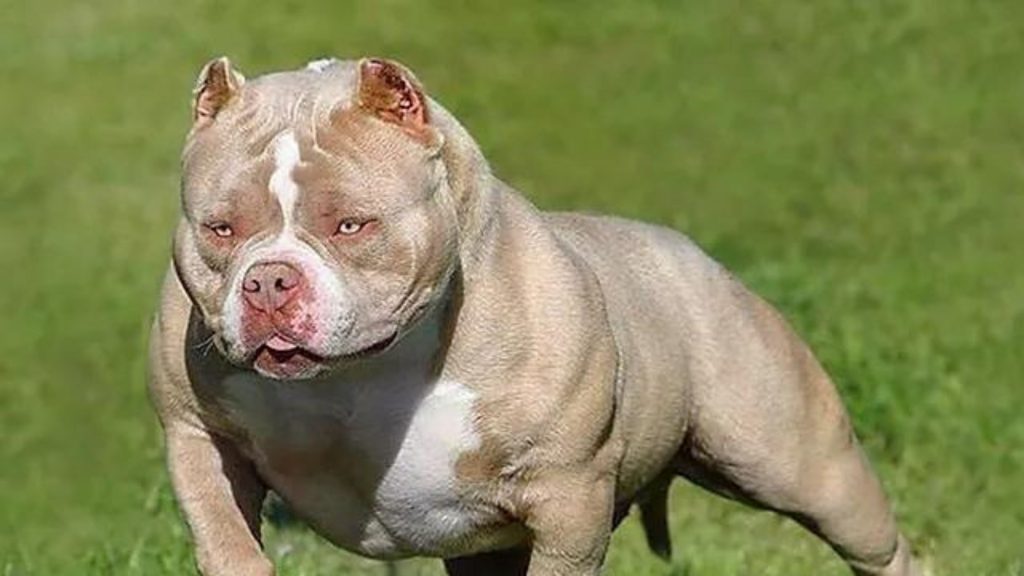
The American Bully is one of those breeds that are so popular in the United States and that arise from the crossing of two other well-known ones, although the truth is that due to its character it is increasingly appreciated outside these borders. Weight: 25 to 40 kilos hair type: smooth, very short and shiny Character: docile and very affectionate Health: good Life expectancy: about twelve years Origins of the American Bully This breed emerged in the United States, in the distant 80s, from a cross between Pit Bull Terrier and American Staffordshire Terrier. These are the two main breeds that were involved in its creation, although there are also others such as the Bull Terrier or the English Bulldog. David Wilson was the creator of this American breed and initially most of the specimens were concentrated in Virginia and Los Angeles, to be distributed throughout the rest of the country in the 90s. Already at that time the breed was recognized by the United Kennel Club, not to be confused with the Kennel Club, and by some other organizations Among which is not the main one, which is the FCI, which does not recognize the American Bully because it considers it a hybrid breed.. It seems that the idea of ​​creating this type of dog arose from the North Americans' fondness for a certain kind of aesthetics. So, they thought of an animal that seemed very strong and intimidating. However, from the beginning we worked to ensure that character had nothing to do with external appearance, since they did not want to have a fighting dog at home but rather a companion dog. Main features We are looking at a medium-sized dog with an athletic appearance.. His muscles are very marked and his head is very imposing, almost as if it were not proportional to the body and with a jaw that is seen to be very powerful. It can be said that its appearance is intimidating and that is what its creators pursued, who worked to make it look like a “fortified” animal, a definition that fits like a glove. Being a hybrid breed, there are several sizes that are recognized by canine organizations that consider the American Bully as a breed. They are the following: Pocket: the smallest of the four and reaches up to 43 cm. Standard: up to 51 cm, it has a more proportional appearance. XL: exceeds 51 cm and that makes it the largest of all. Being taller, he has a more stylized appearance that does not highlight his muscles as much. Extreme: its size is standard, but it differs in the amount of muscles, since it is much stronger than the rest of the American Bully and has a huge, very wide body. In the sizes we talk about proportions and that is This breed has a very particular appearance, with a wide, massive body, a very large head and legs that seem not to suit him due to their size, since they are usually short. Leaving aside height and muscles, it has almond-shaped eyes similar to those of the races from which it comes and whose tone depends on that of the coat. Their hair is very short and close to the skin, accepting all colors and patterns they present. Thus, we can see fawn, striped, tricolored specimens or with tones that combine with white, although albinos are not allowed. Of course, although the different federations do not want albino American Bullies, as they are considered a genetic anomaly, among fans they are the most desired and are known as “White Rhinoceros”. Character of the American Bully The character is the opposite of what we think when we see it. It is normal that if we do not know anything about the breed, its appearance imposes on us, since it gives the sensation that we are facing an aggressive and uncontrollable animal. When we approach one of the specimens we immediately notice that its appearance is just that, a facade. In fact, If the breed stands out for something, it is because of how kind and docile it is.. It is rare for him to have violent behavior even with other dogs, as he is not dominant with them or with humans, with whom he will only be aggressive if he believes that a member of his family is in danger. It is not a defense dog, but he has a strong physique and a very powerful mouth that he will use without hesitation when it comes to protecting his loved ones, especially the little ones in the house. Despite its sweetness, we must never forget that we are dealing with a dog that can do a lot of harm, so It is best to educate him positively from a young age., going to a trainer if we don't have much experience. Care The American Bully is not an animal that requires too much care, starting with its hair, which you hardly have to worry about. In fact, It is enough to wipe it with a mitten once or twice a week. Regarding the bath, if we give him that mitten, we can space it out and do it every three months or even more if he is outdoors, shortening it if he lives inside the house, although the truth is that he is not a dog for small spaces. Perhaps, the part that we should pay the most attention to is the exercise and that is that This is not a breed that can spend the day locked up at home., lying on the couch while reading a book. His muscles already give us a clue and that is that we are looking at an athlete. That is why you will have to go out at least three times a day in order for him to exercise and run a little. We can also look for a sport to do with it, such as running on foot, cycling, pulling heavy weights, etc., although here we will see that it performs better in strength training than in endurance training. to have fun we can do Agility, although due to its weight and structure it will never stand out in this discipline, which we will use in order to have a good time and make the dog's mind active. Food The diet of this breed differs from that of the rest due to the muscles it has when it is an adult. In this way, you have to start with a quality puppy food and with a high protein content, moving on to an adult feed with a lot of protein, which can be found in those that come with a large amount of meat or fish. If we want him to maintain his muscles, we will have to give him one of the best feeds on the market, because without proteins it is not possible to have those muscles. Low-quality dog ​​foods contain more grains than meat, which will only cause the American Bully to gain a lot of weight, which will have a negative impact on its health and also on its aesthetics, which will be greatly altered. American Bully Health His general health is good, but it is true that he may suffer from some problems related to size and weight. Among the most common are the hip dysplasia and the elbow, which can be prevented by buying from serious breeders, asking for x-rays of the parents and not forcing the youngest specimens to do a lot of exercise. Due to the type of body they have, there may also be heart problems, so it is advisable for the veterinarian to perform x-rays once a year in order to see the state of the heart, moving on to an ultrasound if they notice anything strange. Likewise, the shape of its head predisposes it to respiratory problems such as dyspnea, so you have to be careful. One way to prevent this is by not taking him out for a walk in the middle of the day when it is hot., and if we go out take a short and quiet walk. Given its musculature, it is an animal that will not benefit from prolonged efforts, being more a dog of explosive strength than resistance, which is more noticeable when the heat is on. They are usually gluttonous animals and due to their size they are candidates for stomach torsion, of which some cases are known in the breed. So, the best is prevent them from eating just before going for a walk or playing sports, taking away their food when they return so that they are calmer when they go to feed, with their heart beating at a lower rate and in a state of rest. Other dog breeds that may interest you: Belgian Shepherd border collie golden retriever American Bulldog Harrier english bulldog Boxer Schnauzer bull terrier
10 órdenes básicas que todo perro debería aprender

Our Blog

10 basic commands that every dog should learn

by Lobo Azul in May 11 2023
The training It is one of the most important issues in the presence of a new pet. The arrival of a puppy into the family requires a series of changes, in which the responsibility for its education is one of the basic aspects that every owner must consider as a priority. The education of the canine constitutes a fundamental basis to form the behavior and temperament of the animal from an early age. ButWhere do I start training my dog?? This question is very common, even more so when it is the first time that one takes responsibility for a pet. It is for this reason that on this occasion we will describe ten basic orders that should not be missing from the moment the dog's training begins. The commands that we will indicate below are essential in the educational training of the dog. They are the first step for the dog to learn other tasks, and above all, they will be part of its daily behavior at home and outside. Therefore, learning is essential. Sitting Without a doubt, the first and, if you like, easiest command that can be taught to a dog is to sit. This is the first of the instructions that every owner, whether expert or not, must carry out with their canine. Not only because it is the simplest, but also because through it the dog can communicate different situations such as, for example, asking for food or going outside. How to teach it? One of the most effective ways to teach this command is to show the dog a treat or reward and let him sniff it for a while. Then, enclose the treat in your hand and, with your fist, draw an imaginary line from the head to the back of the dog, while you indicate the word «sitting» or «sit«, as you prefer. After several attempts you will notice that the dog sits when you perform this action. A key aspect is that you must maintain a permanent command for this order, once you have started. For example, if your word is "sitting", you should continue training with this word. The dog will register this word in his mind to relate it to this command. [embed]https://www.youtube.com/watch?v=Pj04ZSOv_ug[/embed] still So simple that it may seem boring and unnecessary, but it is really one of the most useful and meaningful learning commands for the dog. Learn to be «still«, whether when there are visitors at home or during breaks during walks in the park, this is a basic order that cannot be missing in initial training. How to teach it? It's very simple, once the dog has learned to sit, ask him to do it. And with a signal that is of your preference (usually it is showing the palm of the hand) tells the dog not to move and take two steps back. If he does, while you move, come back and reward him with a treat. In this way, after constant training, increasing the distance when you move away, the dog will adapt to this command and will do it with great ease when you ask it to. lying down Both lying down and «lie down» in conjunction with sit and stay, are not only basic commands, but consecutive ones. Therefore, this is the third of these basic indications that cannot be missed. Especially if what we want is for the dog to stay by our side, resting. How to teach it? Tell your dog the sit command. Once there, and again with the treat in your closed hand, slowly move it towards the ground, indicating to the dog that it should lie down, following the course of your fist. Like the previous ones, after several attempts the dog will understand and relate both the word and the movement to this command, and it will do so automatically when you tell it to. Come So to speak, calling the dog to come to us is one of the most important commands, despite not being the first one they learn. what the dog answers our call When you run out and come back, it is one of the basic and necessary aspects that must be practiced with the dog. How to teach it? The popular «come here«, or simply «come«, requires a little more practice than the previous orders. However, it is not a complex process. In principle, you should place the reward on your hands or feet, without the dog noticing. Once this is done, call him with the command you want to use, remembering that this must be permanent once the training begins to make it easier for the dog to relate it. When he approaches, offer him the reward you saved and a word of motivation. At first he may not understand, but later he will associate that when you call him, there will be a reward for him and he will answer your call. Try the same exercise keeping a greater and greater distance, this way it can be useful even if you are several meters away. [embed]https://www.youtube.com/watch?v=3KQ4KLCymcA[/embed] Walk with your owner As you learn the basic commands, the level of complexity also increases. That is to say, greater perseverance and patience are required for training, especially when we teach him to walk alongside us. A process with a greater degree of difficulty, because it is normal, on a walk, for the dog to pull on the leash to stop to sniff or observe something. That is why the importance of this order is essential. How to teach it? The usual thing is that during the walk, when the dog begins to pull on the leash, you give him the command to sit. Once done, tell him to stay still and try to resume walking. If it doesn't stay still, try again. And this time, as he resumes the walk, he indicates to the dog with a "let's go» or «forward«, who must walk next to you. If he tries to walk away again, using the word "together» Practice ordering him to go to your side. If he doesn't obey you, tell him "Nope!» And tell him the order again, so he knows what you mean. An important aspect is to always select the same side to walk in this way, the dog will progressively understand the walking pattern next to you. [embed]https://www.youtube.com/watch?v=YH2LnERyMSU[/embed] Bring This is a command that will not only keep our dog entertained and release tension, but will also teach him to deliver objects that we have thrown or hidden around the house. Teach your dog to «bring» something is, without a doubt, healthy and useful. How to teach it? The first thing is to allow the dog to identify with the object, for example, a ball. And then launch it, indicating with the command «brings» that he must return to her. Once you bring it to us, it is important to reward it and continue, since it is normal that in the first attempts it entertains itself with another object. The orderssearch» and «loose«, go in conjunction with this indication, because the dog is stimulated and also taught to look for the object and return it. [embed]https://www.youtube.com/watch?v=PYM0a1f-7Rc[/embed] Search This command, like the previous one, stimulates the dog's exploratory sense, its sense of smell and its mind. It is a progressive learning because to bring the object that we have launched, the dog must search, until it is found and returned to the hands of its owner. Once the dog has returned the object, it must be rewarded for the successful exploitation. The first attempts will probably not be so easy, but later you will feel more comfortable and, above all, entertained. let go In addition to fetch and fetch, teach the dog to let go of the object It is a very necessary order, since it is common to see how they cling to anything, like a ball, and do not want to return it. Properly teaching him that he must return the object voluntarily, without having to remove it from his mouth, will help us have a calmer and more balanced pet. How to teach it? In these cases, once you have found the object and brought it back, it is appropriate to show our hand, indicating the command «loose» so that it notices that we are asking to return the object. Once you have done it, it is important to reward your action, this way you will do it more easily. Go Also known as «forward«, this command is usual to tell the dog to run or move freely, or also to stop the work it was doing. Although, in most cases, it is more common in the first aspect. It is very easy for the canine to adapt, because it is like a green light to allow it to run or move without any inconvenience. To practice this order, it is important to first educate him to respond to the call and be still, so that if we notice him moving away, we can be sure that he will respond to our indication to return. Jump Although it is the last on this list, it is no less important. A very useful order in dog training, and carrying out exercise routines, is “jump”. This indication is more common when dogs practice sports such as Agility. However, it is appropriate to help them overcome walls or fences. When practicing games and training, this order is very useful and can even be fun to learn. [embed]https://www.youtube.com/watch?v=m1j3wjIdS40[/embed] Conclusion Without a doubt, dog training is full of endless important aspects to achieve the mental and physical balance of our dog. Training is a deep and interesting topic that must be constantly practiced from an early age of the canine and as it develops. An aspect that must not be forgotten under any circumstances is the positive reinforcement. Education based on the reward and motivation of this technique will allow the results to be more noticeable and faster, instead of wrongly adopting an authoritarian and aggressive behavior towards the pet that will not produce good results. It is important to emphasize the practice of the positive reinforcement method in training, with the certainty of visualizing an adequate education, where in addition to learning, bonds of trust and comfort will be established between the dog and its owner or trainer. More about dogs: How to train a puppy Train dogs anxious about food Is your dog afraid of other dogs? Causes and solutionnis
Lakeland Terrier

Our Blog

Lakeland Terrier

by Lobo Azul in May 09 2023
The Lakeland Terrier is one of dozens of breeds native to the United Kingdom. and they belong to the group of terriers, where we have dogs of all sizes, colors and with the common denominator of having fought against wild animals. Weight: around 8 kilos hair type: medium length and very hard Character: affectionate and sociable, very active Health: very strong, although they can suffer from some genetic diseases Life expectancy: between 12 and 14 years Origins The origins are in the United Kingdom, specifically in the lake region, in an area very close to Scotland, where due to its mountainous terrain, fox hunting could not be hunted on horseback, but rather on foot. For this reason, it is said that the Lakeland Terrier is much more resistant than the Fox Terrier, with which it has a great resemblance, since while the former was carried in a bag on the horse, the Lakeland Terrier always ran on foot. There is already evidence of it from the beginning of the 18th century and it seems that it arose from a mix between the English Black and Tan and the Fell Terrier, breeds that are extinct today, something that has happened to many of the primitive terriers. A breed made to work This breed was created with the purpose of hunting vermin in areas with difficult access, something in which it stood out because it not only showed the hunter where the prey was located, but was also capable of killing them. His energy was such that he could eliminate even foxes, which gives us an idea of ​​the strength that the primitive lakeland had. Now it's not like that anymore and its appearance is due to several crosses with other terriers, such as the Fox Terrier, the Airedale Terrier, the Border Terrier and the Bedlington Terrier, the latter dog that may have provided such a graceful constitution to the breed in question. As for the recognition by the Kennel Club, it is quite old, since it was done in 1921, although the breed club differs and says that it was in 1928, something that is not important and shows that this dog has been recognized for a century now. Main features Among the terriers, the Lakeland is one of the medium-sized ones and has a very proportional appearance that gives a feeling of strength, but without looking like a rough animal. This gracefulness is provided by a skeleton of very fine and resistant bones, which provide the speed characteristic of the breed and its liveliness. They have an average height at the withers of about 35 cm and their weight usually does not exceed 8 kilos., which helps make it look like a dog that is made to run. Its head and jaw give it a very characteristic appearance. The first is rectangular, while the second is almost as long as the skull and looks very strong as it really is, since this animal has a good bite. As for the coat, a large number of colors are allowed, such as black and tan, blue and tan, red, bluish, fawn, reddish, etc. The layer is double, the first one very dense, close to the body to give it warmth and insulate it from the elements. On the contrary, the second is hard in order to protect it from attacks by vermin, branches or spikes. The way it looks in the exhibitions is real, but If we want it to look the same at home, we have to go to the hairdresser from time to time., since you have to trim the hair in several areas and leave more of it above the eyes. Character They have a fun character, very friendly and quite mischievous. That is with their owners and acquaintances, since with strangers and other animals it changes completely, so it is important to carry out early socialization, which will avoid problems later. No wonder he is aggressive towards dogs., so we will have to be careful with the walks and what other animals we bring him together with. The same happens with other pets, since we must not forget that it is a hunting dog that was responsible for killing vermin. It is good with children, but it is better not to leave it with the little ones in the house. He is not very patient, and will not tolerate being hit, having his ears pulled, etc. They are barking dogs and that makes them excellent guards, although they will not limit themselves to barking, but will not hesitate to attack that person or animal that tries to enter their home. Another of its peculiarities is that they love to explore and access everywhere. Therefore, if we want them to not enter an area, we will have to close it well, because they will try to sneak into it. Care Unlike other dogs, the Lakeland You don't have any special needs when it comes to keeping your hair in perfect condition.. In fact, brushing it once or twice a week will be more than enough. Due to the type of hair that dirt has, it does not usually stick to it, so baths can be spaced out a lot in time, shortening the periods between each one of them if we have it inside the house and it starts to smell. Yes, you will need physical activity. In fact, whenever we can, each of the walks has to last more than half an hour, and if there are small animals like cats, it is better that they be on a leash, since their hunting instinct will not take long to come to light. The eyes and ears do require a little more attention and It is advisable that we clean them often with gauze and physiological saline., thus avoiding infections that are more common if the dog goes for a walk in the countryside. Food He has no special feeding needs and we can give him any feed for small breeds, finding many high quality brands on the market. This type of feed brings a croquette adapted to the mouths of these breeds, although the truth is that with the strength that the lakeland has in its jaw, it can handle any type of feed that we put in it. There are some brands that have presentations for the Fox Terrier. If we want we can give it to them, since it is very similar to this breed, but it is not necessary to be so specific. Yes, we have to look carefully at the quantities, not because we are going to gain weight, but so that we don't end up too thin. For this reason, we will always give him the amount intended for active dogs, exceeding it if we go out with him a lot for walks in the countryside and he can run freely. We can talk about this with the veterinarian, although we see if the weight is good or if it is a little short of reaching what is ideal. Health Like any terrier, Lakeland dogs have excellent health. Despite this, they are not free from certain genetic pathologies and perhaps one of the weakest parts of the breed are the eyes. Therefore, we commented that they had to be cleaned often. Among the eye diseases to which the breed is prone are lens dislocation, cataracts or glaucoma.. Therefore, it is advisable to have your veterinarian check your eyes at least twice a year. The bones are not spared either. some diseases such as patella dislocation, which causes pain and lameness, and can be treated in various ways and may require surgery in the most serious cases. There is another bone pathology known as Legg-Calvé-Perthes disease. This causes the part of the femur that is housed in the dog's hip to degenerate very quickly, which is due to the fact that the blood does not reach it well. There are no other notable diseases and although they may seem like too many, the truth is that the Lakeland is one of the strongest dogs we can find.   Adopt In Spain it is difficult to adopt a lakeland, since they are not abundant unlike other similar terriers such as the fox terrier, of which there are many specimens that are used mainly in hunting. In any case, we can do a search on the internet. There are specialized search engines that track dogs in Spain and also associations dedicated to finding adopters for terriers. We can turn to them, since they are the ones who can best help us when adopting an animal of this breed. In fact, they will know if it is common to see Lakeland animals for adoption or if it is a mission impossible in our country. If we do not find any in Spain, which will almost certainly happen, it is best to go to the United Kingdom, where there will be copies available. The Internet has made everything easier, so from home we can search for shelters in that country and get in touch with them, being able to propose a remote adoption if possible, something that is feasible due to logistics. There are companies specialized in transporting pets, and if we can't find any or they don't want to send it we can always go pick it up, in which case we will have to find out about the regulations for transporting animals now that the United Kingdom is no longer part of the EU due to Brexit. We have the possibility of flying to the United Kingdom for very little money, and Since Lakeland has a small dog, they may allow us to bring it in the cabin.. Other dog breeds that may interest you: Australian Terrier Welsh Terrier yorkshire Czech Terrier Scottish Terrier Jack Russell Terrier Boston Terrier bull terrier
Rhodesian Ridgeback: el cazador de leones africano

Our Blog

Rhodesian Ridgeback: the African lion hunter

by Lobo Azul in May 08 2023
The Rhodesian Ridgeback, or rhodesian crested, is one of the most beloved and well-known dogs throughout the world. Its story is, to say the least, interesting, attractive and exciting. Over the years this faithful companion has accompanied humanity in their work and together with them he has forged his calm and sweet character, which coexists with his innate tendency to protect. Size: Giant. Weight: 40kg approximately. hair type: Short. Character: Affectionate and calm. Health: Prone to dysplasia. Life expectancy: From 10 to 12 years. In fact, The Rhodesian Ridgeback is a breed of hunting and protective dog.. Its history tells us about this and helps us understand, very clearly, why even today it is a reliable and friendly breed with the people who provide it with a home. Join us and learn more about the Rhodesian Crested: its exciting history, its physical and behavioral qualities. The Rhodesian Ridgeback, like any other breed of dog, has physical traits that distinguish it from others, but it also has a unique personality and way of living together. The Rhodesian Crested Care They are also particular elements that may interest you, especially if you have thought about adopting one of these puppies. History of the Rhodesian Ridgeback How do breeds get their names? Generally, they obtain it because the first humans to spot them highlight some of their most striking physical characteristics. The case of the Rhodesian Ridgeback was no different. Its name, Rhodesian Crested, is a product of its physical qualities and its historical and geographical origin. By being originating from the Republic of Rhodesia, located in Africa, the Rhodesian Ridgeback got the nickname 'crested' for the characteristic fur that grows around its spine, that is, what we commonly know as crest. Also known as the “african lion hunter”, the Rhodesian Ridgeback was first seen during the 16th century by European colonizers who entered the African continent. There they encountered Khoikhoi tribes, who already coexisted with the Rhodesian Crested. Given the need of African inhabitants to protect their crops and property, they needed a protector adapted to abrupt changes in climate and prolonged droughts. This breed of dog was presented as the best option. Years later, in Zimbabwe, a group of breeders from the region created the Rhodesian Ridgeback standard that survives to this day. These specimens were introduced in various parts of the world, mainly in the United States, in the early 1950s. Physical Characteristics of the Rhodesian Ridgeback Although it may sound redundant, its distinctive feature is none other than its striking crest along its spine. However, there are other notable features. For example, the height of male specimens ranges between 60 and 70 cm high, corresponding to an approximate weight of 40 kilograms. As for Rhodesian Ridgback females, they measure between 60 and 65 centimeters tall with a relative weight of approximately 32 kilos. Their fur usually varies between light colors similar to wheat and towards more reddish tones. It is a breed that also stands out for its short coat. Being native to lands with high temperatures such as Africa, they could not have thick fur that would be bothersome. On the contrary, its coat is short and smooth, so the frequency and need for grooming of the Rhodesian Ridgeback is relatively low. This does not mean that they do not require efficient and regular grooming. It just means that they don't tend to get excessively dirty or have the annoying problems of tangled fur. Additionally, this quality implies other care, since if we intend to take it to a very cold place it will be necessary to provide it with some type of shelter to help it withstand the weather. Its snout is long, deep and extremely powerful, let's not forget that it is a hunting dog. As for its eyes, lively, round and bright, they are moderately spaced. A final characteristic of the Rhodesian Ridgeback consists of its drooping ears and the particular way in which its crest It starts at shoulder level. At this point you can see the presence of two symmetrical crowns that later join and end before the hip. Rhodesian Ridgeback Health Like other breeds, Rhodesian crested dogs have a tendency to certain specific diseases as a result of their particular physiognomy. Some of these are: elbow dysplasia, hip dysplasia, arthritis, etc. Rhodesian Ridgebacks, with the wear and tear of the years and the lack of physical activity, become more prone to suffering from this type of diseases. Rhodesian Ridgeback Personality The Rhodesian Crested is a traditional hunting and protection dog.. It is not an aggressive dog towards humans, on the contrary, it is an extremely sweet and calm breed. However, since their protective instinct is too strong, they must be trained in obedience to control this innate tendency. He is a slightly tougher dog than traditional hounds and sometimes gives the impression of being a little lazy. should not be underestimated the character of the Rhodesian crested But you should not be afraid of the threatening aspect that they can sometimes present. It is a breed that must be trained and cared for by people who have experience in such tasks. Even so, these dogs are considered easy to train compared to other dog breeds. Therefore, the Rhodesian Ridgeback is one of the favorites for families and coaches professionals. Rhodesian Ridgeback Coexistence In line with what was said above, the Rhodesian Ridgeback is a breed with a high level of coexistence. This means that they adapt easily to the human environment and tend to present few everyday problems or discomforts. First of all, their need for attention and socialization is moderate. This means that he will not go too far with guests or household members in search of affection or fun. But this does not mean that they are distant dogs and hermits. The Rhodesian Ridgeback is somewhere in the middle where it is sociable but not excessively so. On the other hand, the Rhodesian Ridgeback has a very low tendency toward behaviors that some people consider annoying or problematic. Some of these are: barking, drooling, snoring or digging. Perhaps drooling and snoring are the least of the concerns, but on the other hand, it is very normal for the dog's excessive barking to be annoying to both the owners and the rest of the neighbors. Also the tendency to dig can be a big problem because, after all, it will be necessary to clean up the mess caused by our pets. However, as we already mentioned, the Rhodesian Ridgeback is very unlikely to exhibit the aforementioned behaviors, so it will not be a problem for the family and the community in these aspects. Rhodesian Ridgeback Care Rhodesian Ridgeback Health Care As we have said before, The Rhodesian Crested does not require constant bathing. However, it does require combing at least weekly to remove dead hair and thus keep its coat much healthier. To avoid common diseases of the Rhodesian Ridgeback breed such as hip or elbow dysplasia, it is very important to keep its weight under control (around 40 kilos in males and 35 kilos in females) which has a direct relationship with its height. The Rhodesian Ridgeback must, therefore, maintain a balanced diet with the best quality feed to avoid being more prone to these evils that occur with age. A balanced diet should be complemented with constant physical activity, so taking him for walks and playing in open places should be part of his daily or weekly routine. Their teeth must be cared for weekly, to prevent them from losing their teeth at an early age. This is very useful, especially for when the Rhodesian Crested begins to age. This will be a preventive measure that our Rhodesian Ridgeback will greatly appreciate. In addition, it must be said that it is highly recommended to make regular and periodic visits to the veterinarian in order to maintain the health of the Rhodesian Ridgeback at its maximum capacity. Care regarding the behavior of the Rhodesian Ridgeback Another care that owners should take with Rhodesian Ridgebacks is to keep them on a leash in open places where there may be squirrels or cats. This is because due to their natural hunting instinct they can often cause terrible accidents and damage to other people's pets or other animals present on the street. Although This is a docile and sweet puppy.It is important to avoid resorting to violence during training, the Rhodesian Ridgeback is a hunting breed, which although it is very noble towards humans, its trust should not be abused. It is important to educate and warn family members and visitors to the home to be careful and respectful with the pet in order to reduce to a minimum any possibility of attack by the dog, given that they could do so if they feel harassed or cornered by strangers. Finally, it is worth adding that this dog is ideal for open places, for houses located on the outskirts of the city or in rural areas. Due to their innate hunting instinct, as already mentioned, they can cause a lot of problems when walking around the city. The Rhodesian Ridgeback needs, by its nature, open places in which to run freely without posing a danger to others. Rhodesian Ridgeback Temperament When talking about the temperament of the Rhodesian Ridgeback it is worth emphasizing their differences, especially when they have a controlled temperament. All this depends on their breeding and training. There are, as can be imagined, behavioral differences between Rhodesian Cresteds, but most of them tend to have a fairly firm and reserved character. We had said that his need for attention is moderate and precisely, given that They are calm and docile animalsThey generally do not seek conflict or excessive attention. Their character is ideal to be guard dogs and only on very rare occasions can they be difficult to train. However, they are one of the favorite options for trainers already started in the practice, since Rhodesian Ridgebacks are extremely reliable and helpful animals. A very important note is that Rhodesian Ridgeback education It must start early, if this is not done in this way, its training could become a headache. What to do if I want to adopt a Rhodesian Ridgeback? If you want to acquire a Rhodesian Ridgeback, make sure you know the details of its behavior very precisely. If you consider that you will be able to handle this breed, you should also take into consideration the technical aspects to give it a pleasant and pleasant life. Therefore, try to get him a large place where he can play daily and not feel confined. Also, for this reason, you must consider the resources that the dog will have to have fun, as well as your availability of time to train him from puppyhood. Remember that The Rhodesian Ridgeback requires a lot of physical activity and early discipline for their training. The Rhodesian Ridgeback will also require a lot of care regarding its health: vaccinations, periodic visits to the veterinarian, grooming of nails and teeth. You must consider all of these factors before taking on the great responsibility of being their guardian and caregiver for the rest of their life. We remind you that, like all dogs, the Rhodesian Ridgeback requires, above all, a home where it can receive love. This means that the commitment when purchasing it is extremely large and that therefore, you must comply with most of the aforementioned factors before making the firm decision to buy it. adopt a rhodesian crested. The Rhodesian Ridgeback repays its caregivers with much joy and protection for its home. It is an unmatched dog in this regard, since it is the guard dog par excellence. If you liked their profile as a pet, one may be waiting to be adopted by you. And remember that there are many other dog breeds that you can adopt, such as: bullmastiff Cane Corso Newfoundland spanish mastiff Neapolitan Mastiff Akita Inu Argentine Dogo Great Dane Saint Bernard  
El Bodeguero Andaluz: características de un perro ratonero

Our Blog

El Bodeguero Andaluz: characteristics of a rat dog

by Lobo Azul in May 04 2023
Small, adorable, useful and very energetic, those are perhaps the most recognized reasons why the Andalusian winemaker, over the years, has become increasingly popular in Spain and other parts of the world. To the point that it is currently considered by many to be the flagship canine of the Iberian nation. Size: Small-Medium. Weight: Between 5 and 18kg. hair type: Short. Character: Nervous. Health: Excellent Life expectancy: Around 18 years old. Being such a popular dog, the Bodeguero Andaluz is everything a family could want, it is very small, playful, loyal, and also helps keep homes free of rodents and vermin that could threaten the tranquility and safety of family members.  Whether you want an Andalusian Bodeguero, or any other canine species, it is necessary that you know the general characteristics that identify them, as well as the care they require for their well-being, before allowing them into our homes. Only in this way can we know if we are really qualified for this responsibility or if it has the behavior that we think can adapt according to our lifestyle and that of our family. This will prevent any surprises or unfortunate changes for us or the dog in the future. It will also help us better understand the nature of the dog and what it needs to be the long-awaited new member of the family. Therefore, on this occasion, we will be getting to know the pErro Ratonero Andalusian Winery and we will see for ourselves why he is such a popular dog. History and origin of the Andalusian Winery As we must assume, thanks to its name, the Andalusian Wine Cellar Ratonero Dog has its origin in Spain, in the region of Andalusia at the end of the century XVIII, specifically in the province of Cadiz. When the owners of the wine cellars wanted to have a dog that would allow them to eradicate the rodents and vermin that roamed the warehouses and threatened the health and quality of their products, they decided to integrate a dog that would help them combat it. That is why they decided to use a canine that was commonly used by English businessmen, who at that time frequented the area, to deratize the ships in which they were transported. That dog we are talking about is nothing more than the Smooth-Haired Fox Terrier, which was mixed with other local rat dogs that existed at the time. Always ensuring that the Fox Terriers were mostly white, thus finding this wonderful breed, the Bodeguero Andaluz. Currently, the Andalusian Winery is affiliated and accepted by the Royal Canine Society of Spain since the beginning of the century. XX. Although it has not yet been admitted by the International Canine Federation (FCI) or the International Canophile Association (ACI), the most relevant canine associations worldwide. The reason for using the Smooth-Haired Fox Terrier, and especially that they were white, was because we wanted to enhance their hunting ability and for their size to not be so small. Furthermore, it was desired that its owners could recognize the dog in the darkness of the wineries.  Another justification would be that these dogs being small-medium in size would not make it difficult for them to hunt larger rodents such as rats, which were considered a big problem in those days. Likewise, the aim was for the dog to be light and fast, as well as to have energy and perseverance, which would make it easier for it to always have the necessary disposition to hunt vermin and any type of rodent. Firstly, the dogs with which Smooth-Coated Fox Terriers were usually mated were usually of the Small Andalusian Podenco breed. Which also has a strong hunting instinct and extraordinary resistance. According to the information that has been obtained from the time, there was almost no human interference in the matings in terms of control and for this reason, many decades of indiscriminate mixing passed that led to what the Bodeguero Andaluz is today. After the Bodeguero Andaluz's territory had expanded throughout Spain, it was used as a stable dog, helping to manage horses, and they even became dogs for hunting excursions. Nowadays, quite a few Bodeguero Andaluz are often seen in pet shelters throughout the Spanish nation, and it is very common to see them in homes as members of families, especially when they can be playful and tireless companions of children. Characteristics of the Andalusian Winery As we already know the Andalusian Wine Cellar Mouse Dog NO is a big dogIn fact, it could be said that it is halfway between a small and a medium-sized dog, so for many, it is ideal if the home where you live is small. As for their appearance, the truth is that they have a lot of similarity with the Smooth-Haired Fox Terrier and even, in their personality, they share many aspects. But despite this, the Bodeguero Andaluz is larger in size and volume, something in which it is more similar to the Podenco Pequeno Andaluz.  Regarding its head, it is triangular in shape. They have small eyes relatively close together. The ears are normally set high and fall forward, which gives them a friendlier appearance. Its most common physical characteristic is its body with white fur starting from the neck and its face with a black or brown mask.. It is common for them to have some spots; There may be specimens with faint black spots around the body or rather with black spots of considerable size on the back. As for its fur, it is smooth, soft and short. The Andalusian Bodeguero is not a heavy dog, this helps him to be fast and very agile. The weight In the specimens from the Bodeguero Andaluz it is usually: Males: Between 7 and 8 kg. Females: Between 5 and 6 kg. As for the height average of the Andalusian Winery, is between: Males: Between 37-43 cm. Females: Between 35-41 cm. As usual, the males are larger and heavier than the female; However, females are more elongated. The tail can be set high or perpendicular to the back for the most part, although specimens with a twisted tail have been seen, this is not usually very common. As far as the neck is concerned, it tends to be elongated, without a dewlap and muscular. The front limbs are athletic and of medium development, while the hind limbs are strong and muscular. The ribs, for their part, have a slight arch, but a strong and short loin. Temperament of the Spanish Wine Dog If we talk about the personality or temperament of the Andalusian WinemakerThe first thing that can be mentioned is playful and for others energetic what they are. Even today, when he almost no longer serves as a mouse or vermin hunter and is more of a companion dog. Something that made the Andalusian Winemaker so popular was his hunting skill that combined perfectly with his pleasant character that made him able to live in the homes of his human families. It is a very brave dog, the agile Andalusian winery dog, is not afraid to go out in search of a new adventure, so he is always attentive to any movement or sound that could activate his hunting skills. This is thanks to the fact that it has a great and precise auditory system, which has sometimes earned it the reputation of being a dog with a nervous character.   The Andalusian Winemaker has a pleasant, curious and intelligent look that combines well with great tenacity, a happy and friendly personality that harbors a great feeling of fidelity or loyalty. He tends to be very restless, which is normal for hunting or working dogs. These require always staying active to be able to release all that energy that they frequently show. Furthermore, the Andalusian Ratonero Winery He needs his caregiver to educate him correctly and as soon as possible. Because, if he does not feel that his owner is the alpha of the pack, he will immediately think that he is, and will become disobedient and stubborn, especially when there is the possibility of obtaining prey; something that can greatly absorb your attention. It doesn't cost the Andalusian Winemaker anything to adapt to the circumstances, whether it's hot weather or not so hot, a country or a city, a big or small house, they don't care about that as long as they can be with their family. The Andalusian Bodeguero dog loves to be very active, so it is always willing to run everywhere, especially when its owner allows it. The Andalusian Winemaker and his Behavior with Children As expected, having so much energy and sympathy the Bodeguero Andaluz is really good with childrenIn fact, they love living with them and become absolute fanatics, who leave them neither in the sun nor in the shade. One of the reasons for this unconditional love is that children provide them with attention and playful and curious energy that the Bodeguero Andaluz loves, and normally both are tireless companions who constantly go on adventures. Even so, it is always advisable to be aware of children when they are in the company of a dog, especially when the infant is very small, because as we well know, a dog can have ways that are not so delicate, and could unintentionally mistreat the child. So, to avoid inconvenience, it is better to be cautious in supervising the interaction of these two friends. Life Expectancy of the Andalusian Winemaker The Bodeguero Andaluz is considered a very long-lived dog, so it can live a few years longer than other breeds, their life expectancy being around 18 years, as long as it is attended to and cared for correctly. Regarding its health, the Bodeguero Andaluz dog exhibits, throughout most of its life, excellent health. They do not usually suffer from diseases, much less serious conditions. At most you may have mild flu or allergies. Although generally the Bodeguero Ratonero Andaluz will have optimal health conditions, these will depend on its diet. By this we mean that, if you gain weight due to eating foods, or amounts thereof, that do not benefit you, this could have consequences that will significantly affect you.  Necessary Care of the Andalusian Wine Dog As previously mentioned, the Andalusian Bodeguero dog breed is a breed that requires frequent activity, requiring exercise and that its owner give it the attention due to its excess energy. Especially if you want to avoid bad behavior that can lead to disobedience, aggression and destruction of objects found in the home. That is why it is always recommended take walks of approximately 30 minutes duration and daily frequencyIn this way he releases his energy, stress or tensions, becoming much more docile. It is also recommended to have several dog toys so that he can distract himself, thus keeping himself busy and releasing his tension. As for the feeding, it is suggested that you avoid giving cereals such as corn, soy, wheat, rice, etc. This corresponds to the fact that this type of food can cause allergies. It is necessary to be attentive to the composition of the food we give since it is common for companies to include cereals in the recipes of their dog products. Ideally, the Andalusian Bodeguero should be provided with food rich in animal protein, they love white meat (chicken, rabbit, etc.). A dog food Super Premium Grain Free like that of Blue WolfHe is the ideal food. Even so, the ideal is to consult with the veterinarian about the type of food we should give our pet. For the Bodeguero Ratonero Andaluz, as well as for the rest of the breeds, it is important to comply with their vaccination schedules to the letter. This will reinforce the excellent health conditions that characterize you. Hygiene of the Andalusian Bodeguero Mouse Dog Regarding the physical care that must be provided to the Andaluz Winery, this consists of brush him about twice a day when it is summer, and once a day when it is winter. The Bodeguero Ratonero Andaluz should bathe approximately once a month, otherwise it becomes significantly dirty. And it should always be done with a special shampoo for dogs, and if possible one aimed at short-haired canines. Regarding the maintenance of the ears and eyes, this should be done with implements and substances that are special for dogs. If we talk about your nails, they usually grow quickly, so we must be prepared to cut them frequently; probably with every bath. This aspect is of great importance, since as they grow so quickly, they tend to break frequently, causing great pain. If you work as a hunter, you must always take care of the wounds that rats or mice can cause, if you have them. Clean them and use antiseptics. Andalusian Ratonero Wine Cellar Dog Puppies For the puppies of the Andalusian Ratonero BodegueroLike other types of puppies, it is very important to socialize and interact with other people and environments other than the family. This puppy is extremely playful and curious, so he will make friends easily and will always try to have a good time. It is vital to start exercising him and inviting him to interact with other dogs from an early age, this way we will prevent him from unleashing his energy with objects that do not belong to him, potentially harming them.  Games are not only important when leaving the house, it is also necessary to implement toys in the home and try to invest as much time as possible in playing and giving attention to the adorable Bodeguero Ratonero Andaluz puppy. From the 3 months It is recommended to start walking the puppy, and after completing the 6 months You should start with training that will allow you to develop good behavior in adulthood. It is also important to start visits to the veterinarian from this stage and follow the vaccination schedule recommended by the veterinarian. Education and Training of the Andalusian Ratonero Winemaker If we talk about education, it is always good to start when the Andalusian Bodeguero is a puppy, this because it makes it easier to consolidate the teaching for the rest of his life. The recommended method is education based on positive reinforcement, which consists of providing small rewards that will encourage the dog to associate the tasks with something positive. This is much more effective than any other kind of method. If we talk about training, the ideal is to start when they are one year old, since at that age their personality and intelligence will be more established, which will help them understand more easily what you want to instill in them. The Andalusian Wine Cellar Ratonero Dog has extraordinary intelligence, making it easier for you to learn during training and performing tricks, it will just take a little patience and time. A recommendation that can help a lot is that, as far as possible, the Andalusian Wine Cellar Mouse Dog is relaxed and calm when teaching it something, this allows understanding and learning to occur more easily. Something important is to never neglect the dog's exercise. If not, the Andalusian Wine Cellar Ratonero Dog can become loud, nervous and destructive, as well as very stubborn and not very obedient.  When we talk about acquiring an Andalusian Bodeguero Ratonero Dog, there is the option of looking for a professional breeder who can provide us with a pedigree puppy. In this case the prices They range between 300 and 400 euros, as long as they have the corresponding certificates. On the other hand, if we buy it in a store or individual, the price is lower, oscillating mostly between 200 and 300 euros. Although this is usually not recommended, unless you know the breeder well. It is also important to keep in mind that white-skinned and black-faced dogs with some brown features are in high demand, being the most sought after, which can affect the price of the dog. Now, if what you want is to give a home to a dog that needs a little love and care, perhaps it is best to go to a shelter and give it a chance to a wonderful dog who will surely love you unconditionally. Conclusion The Andalusian Bodeguero Ratonero Dog is undoubtedly one of the most active dogs we can find.. It can be an ace in hunting rodents or vermin, keeping our home free of these pests. It is a dog that is recommended for athletes who like to enjoy outdoor exercise or for families with small children who want to include a new and affectionate member as a pet. There are no problems with these dogs being in yards or gardens, as this will help them stay active and exercise one of their favorite entertainments, hunting; but from time to time they will need to live with the family inside, since they are also very sociable. They can be taught to relieve themselves outside and if they live in apartments or small houses that do not have access to gardens, then they will need to take walks 3 times a day, lasting approximately 30 minutes. They can become training dogs, being so active, they will love to do tricks frequently but we must be very patient with them because although they are very intelligent, they are also very restless and easily distracted. They tend to take the initiative, so they always need the alpha to reaffirm that position to them, otherwise they will feel that they are the ones who have that rank in the family and they will become disobedient. The Andalusian Wine Cellar Ratonero Dog needs owners who are as active as they are and understand their need for games that can serve to fulfill the desire for hunting that they have well rooted in their personality and origin. You may also be interested in: jack russel terrier border collie Beagle Bolognese Bichon Pomeranian Australian Terrier pinscher yorkshire Mal-shi dachshund Chihuahuas Corgi Westy

El Perro de Montaña de los Pirineos | Origen, características y mucho más

Our Blog

The Pyrenean Mountain Dog | Origin, characteristics and much more

by Lobo Azul in May 02 2023
If you live in the mountains with a huge yard or plenty of outdoor space, and you haven't yet decided which breed of dog to choose as your life companion, the Pyrenean Mountain Dog or Great Pyrenees, may be the ideal one for you. Size: Giant.Weight: Between 50 and 60kg.hair type: Semi-long, double-layered coat.Character: Independent and dominant.Health: Possible congenital diseasesLife expectancy: From 10 to 11 years. Being an affectionate, independent, guardian and shepherd dog, the Pyrenees Mountain easily adapts to the natural environment. It is a breed that, by nature, cares for and protects its owners, its family, and has great patience with children. Although he has good behavior with other animals, he does not act the same with other dogs, especially those of the German Shepherd type breed or those with a threatening appearance. With these it can become aggressive to defend itself or its people and its territory. You must consider that The Pyrenees Mountain is of large size and stocky body, suspicious when he doesn't know other people, but discreet and calm. Unable to cause harm to its owners or property, its loyalty and protective sense keep it patient. Even though they belong to totally different breeds, people confuse the Pyrenean Mastiff with the Pyrenean Mastiff. The Mastiff is a giant breed of dog, while the Mountain is a large and majestic breed. Origin of the Pyrenean Mountain Dog It belongs to one of the oldest documented breeds, its origin dates back to approximately the end of the century XIV. It was considered a companion dog in the 17th century. Its name comes from France, where he was baptized as “Patou” in the French area of the Pyrenees. The ability of this breed to protect herds and its own owners impressed the inhabitants of the French area, since it fearlessly faced bears and wolves, risking its life without giving in. The Pyrenees Mountain was used to guard castles in ancient times due to its nature as a guardian, it was the breed chosen by the French Court until its disappearance and was used as a pack dog in Belgium and northern France. Currently valued and considered a guard dog and shepherd in countries such as Australia and the United States of America. In the book published by Count of Bylandt In 1807, the first description of this breed was released. Bylandt was a Dutch Aristocrat dedicated to being a Judge at dog shows, becoming one of the main judges, and publishing books specialized in dog breeds. The Pyrenees Mountain was registered in The Royal Canine Society of Spain (RSCE), which was founded on June 27, 1911. Breed Characteristics The Pyrenees Mountain is a brave dog willing to defend. It is not considered an aggressive or dangerous animal. It has an elegant and loose gait, despite its size. Its color is uniform snow white in some cases, but usually it is white with gray spots, pale yellow or dark spots ranging between brown and black, or reddish browns. With a semi-long, double-layered coat, the inner coat is thick and soft, unlike the outer coat, which is rough, slightly wavy and in some cases smoother. The life expectancy of the Pyrenean Mountain is 10 to 11 years. Molosser type dog, but with more stylized features than usual. The weight of the male is 50 to 60 kilograms, with a height that ranges between 70 and 80 cm. Females weigh 40 to 50 kilos, with a height ranging from 65 to 75 cm. With a tender face and floppy ears. His eyes are small and his eyelids are rimmed with black. With a strong body and long, bushy tail. The head of the Pyrenees Mountain is medium compared to its body, which is long and robust, and its snout is wide. An unusual feature is that it has six toes on its hind legs, this is because the original breeders wanted to improve walking and grip on snowy terrain. He likes to wander around constantly, passing by the same place on his steps. Typical of guard dogs. Pyrenean Mountains are determined when they want to go somewhere. It is advisable to have a strong barrier to support the dog, otherwise nothing will be able to stop it. The Pyrenees Mountain Puppy Receive your puppy with a lot of love, the only thing he needs at his young age is dedication, love and special care so that it grows healthy. Place it in a safe, dry place, where you can monitor it during the day and night. Comfort, warmth and hygiene are essential to make you feel comfortable and avoid illnesses. If your Pyrenees Mountain puppy was weaned and separated from its mother early, the ideal is to provide it with warm milk in a soft bottle or dropper. Do not reserve the milk if you have already tried it, it may go bad. His diet must be adequate; solid foods cannot be introduced until he is 6 weeks old. At only three months old, he already has a significant size for his age. The Pyrenees Mountain grows rapidly in size and strength. Be alert for any anomalies during its growth. Their weight increases considerably during the first year of life. Take care of your nutrition so that you do not suffer from digestive problems. Because he is a puppy, what he wants is to play and explore, his learning capacity is in full development, do not be demanding with him until it is the right time to start educating him. It is important to get used to everyday life at home and your lifestyle outside the home. The Pyrenean Mountain breed, like large breed dogs, reaches maturity at two years. Feeding of the Pyrenees Mountain Because it is considered a large breed dog, its nutritional dose is in proportion to its growth and development. Generally does not need special nutrition, unless in a specific case the veterinarian says otherwise. By supplying you with a quality feed like the ones we offer in Blue Wolf It will always be the best option. Each puppy or adult is fed according to its needs. Due to its size and weight, giving it large doses of food can cause it to become overweight. Exercises and walks of at least one hour daily will help maintain the physical and mental health of the Pyrenees Mountain. Keep the area where they eat clean and dry, this way you will avoid any infection or contamination of their food. The water should be clean and fresh, it replaces the water served during the day as well as food. Health and care of your pet Before having a Pyrenean Mountain Dog, you must consider the care and possible diseases that may affect it. Visits to the veterinarian provide you with the information necessary for its development and care. By keeping his vaccinations up to date, you help your dog stay healthy and happy. Treatment and prevention will be of great help in your lifestyle. With the Pyrenees Mountain, These are the precautions to follow, although they generally enjoy good health: Due to its large size, exercise is of vital importance for its health, since it can lead to Hip Dysplasia. This disease is not detected until they are 2 years old, but it is possible that the offspring are born with some predisposition to develop it in the future. Pay special attention if your Pyrenees Mountain presents any of these symptoms: Stiffness of the hind legs when running Your dog limps for no apparent reason You find it difficult to get up after a long rest Pain when walking or being touched in the hips or hind legs Stands with legs very close together Bone wear is one of the consequences With these symptoms we must be vigilant since hip dysplasia, in advanced cases, can lead to painful arthritis. Other possible diseases are Epilepsy, Gastric Torsion, Deafness, hereditary eye diseases and Dermatitis. With the Montaña de los Pirineos, the care regarding its coat is not excessive, just by brushing it four times a week, you will keep it untangled and soft. When he is shedding, you should brush him daily to remove dead hair. As for bathing, it is recommended to do it once a month or when strictly necessary. He does not need a haircut and his nails should be cared for frequently. As puppies, starting at 5 months a year, they lose their baby teeth and this causes them to chew a lot. Buy him a suitable toy so he doesn't make messes at home. The cold or temperate climate is ideal for the Pyrenees Mountain, the fresh environments and the outdoors keep it comfortable, as for heat, it does not tolerate it very well. Education of the Pyrenees Mountain Patience should be your best ally, since the Pyrenees Mountain is independent and dominant, becoming disobedient. You should speak to him in a firm tone of voice to attract his attention, especially when he is still a puppy, although in some cases it will not help as an adult due to his sense of independence. The call command is the main one that you should teach your dog, you must be firm and determined when teaching it to obey, be consistent. Never underestimate a Pyrenean Mountain, its friendly appearance and intelligence will tell you when it does not want to follow some orders. Start training him from a puppy, so that he socializes with family members, other animals and knows the home environments, especially the outdoors. The ideal time to start training it is from 8 weeks of age, starting with basic obedience. With 5 or 10 minutes a day, you will be able to get your Pyrenees Mountain's attention and it will start working on it. One order at a time. When you see that your pet understands, you can move on to the next command. As your dog's learning progresses, you can do it from a week to ten days. Reviewing learned commands once a week will be rewarding. Remember to reward him when he responds positively. You must be the only person who trains him so as not to confuse him. Once the commands are learned, another member of the family can begin to give them. Get your Pyrenean Mountain dog used to walking on the leash from a puppy. When he is big, you won't be able to do anything when you want to take him for a walk, it will be more difficult to handle him due to his large size. As puppies they like to bite, so you must educate them and prohibit that action. As adults they can develop an aggressive character due to having created the habit of biting. Eliminating bad habits in your pet, such as biting what is in their path, jumping on people and not respecting your space while eating, will allow them a more relaxed and calm life. Educate him that he has to relieve himself outside the home. Stimulate your Pyrenees Mountain with games and physical activities appropriate to its age, it will allow it to develop its canine skills. To take into account: The Pyrenean Mountain Dog is not a city dog, small or enclosed spaces make it uncomfortable, to be able to have it, the most advisable thing is a large house and a lot of outdoor space that gives it freedom to walk. Never take them outside without a leash if you are in or near the city, they are very curious and usually get lost and return within hours or days. During the day it is very calm and at night its guardian instinct is higher. Their cautious nature can sometimes become uncomfortable, as they react unfriendly to strangers or animals, without being aggressive. The Pyrenees Mountain has the ability that, despite its mistrust, it adapts quickly when meeting other people. They are dogs of resistance and strength, so they sometimes endure pain and high levels of discomfort. Now that you have detailed information of the Pyrenees MountainI hope you don't hesitate to raise a beauty of this breed. Brighten your life and that of your pet with love and dedication. You may also be interested in reading: Spanish Mastiff Rhodesian Leonberfer Kangal Italian Mastiff Newfoundland Neapolitan Mastiff Komondor bullmastiff Akita Inu Argentine Dogo Tibetan Mastiff Saint Bernard  
Terranova | un verdadero perro de peluche

Our Blog

Newfoundland | a real stuffed dog

by Lobo Azul in Apr 27 2023
Did it ever happen to you that when you were little you always wanted your teddy bear to become a real bear? Apparently it wasn't absolutely necessary for us to adopt a bear to achieve this dream. At the highest point on our planet, on a group of islands northeast of Canada, a beautiful breed of dog was bred and over the years it has become the most faithful and playful life companion of all. We refer to the Newfoundland dogs. A breed of dog that can not only be an excellent guard dog, but is also the most tender and loyal companion for the family. Newfoundland dogs, if they are well trained, can also become very good lifeguards, since their swimming skills are unique in the canine world, ideal if you have children around a pool or if, on the other hand, you like to take your children to lakes or rivers, the Newfoundland will jump to their aid without hesitation if it considers that they are at risk. What do you know about this spectacular lineage of dogs? Join us to discover much more about the beautiful and playful newfoundlands. Size: Giant.Weight: Between 65 and 85kg.hair type: Medium and long.Character: Affectionate, intelligent and loyal.Health: Possible problems with joints and bones.Life expectancy: Possible problems with joints and bones. Where do Newfoundlanders come from? These dogs began on the Canadian island of the same name, perhaps not in the same way we know them today. It is not known for sure where they descended from, although the theory that has become more famous over the years is that they evolved from the Great Pyrenees, brought to the island of Newfoundland by Basque fishermen. While it is not completely clear how the Newfoundland dog we know evolved, what is known is that it arrived on the island through European fishermen. This dog evolved both on land and in the ocean, for this reason it developed flat, wide legs and its coat has a double waterproof layer. The Newfoundlander was formed by his environment and the work he did, even pulling sleds. Helped shipwreck victims reach shore, too helped children when these ended up in deep water or moved away from the shore, and even helped the sailors to spread the heavy fishing nets in the sea. All this allowed him to train and become the dog we know today. How can we distinguish a Newfoundland? Newfoundlands are not the typical breed that we will find in neighborhood houses, “They are large and are classified in the dog category.”giants”. Males can weigh from 65 to 80 kg, while females weigh 55 to 65 kg. Its height can be up to 76 centimeters, however, much larger specimens have been recorded, some have weighed up to 120 kilograms, and others measuring more than a meter in diameter from nose to tail. Newfoundlands are known for having a flat, water-resistant double coat of fur. The outer coat is quite thick and long, while the inner coat is soft and thick. Your beautiful fur It can come in various colors. Although the most common is black, you can see brown, gray, or white specimens with black spots. Personality of a Newfoundland These They are very sweet dogs, known to be intelligent and very loyal. It is one of the best options for a family dog, since, regardless of its size and rudeness, A Newfoundland will always be willing to be gentle and docile.. Be that as it may, each breed of dog must be correctly socialized with other breeds of dogs, with humans and with the little ones in the house who have an energy almost equal to that of any dog. This is so that there are no incidents with the people and animals with whom they will share space at some point in their lives. These dogs need the attention of the family, leaving them aside in the yard or garden could lead to negative behaviors. Inviting family friends, kids' friends over, or even letting them meet the neighbors is a great way to improve your social skills. Because they are so large, it is not advisable to have one of these massive dogs in an apartment. They are active and mobile, and they also grew up in nature between lakes and seas. A house with a patio will be what will work best for you. Dogs, like humans, can develop different personalities. It's not just as if they copy the attitudes of their owners, it's more like someone who is introverted, extroverted, lazy or very hyperactive. We must think very carefully before acquiring any pet and take into account its personality, a Newfoundland dog will frequently bark and not because it feels threatened, but because it is part of its way of being. A Newfoundland can become an ideal companion for any family member, is one of the most noble, calm and loving races. Adopting a Newfoundland translates into adopting a life partner who can also save our lives on more than one occasion. Special care of the Newfoundland When you have a pet with such a thick and abundant mane, it is common to expect that at the end of the day our pet will come to us with remains of leaves, twigs and lint trapped in its fur. Even worse, on rainy days your Newfoundland will surely end up with muddy paws. Sometimes the owners of these dogs prefer to take them to stylists, as it is very difficult for them to take care of all the personal grooming they need. However, at home it is important that we brush their fur daily to avoid the accumulation of dirt, to prevent it from getting tangled and, in the same way, to clean it of any hair that has fallen, thus preventing the carpets, floors and furniture from being filled with its abundant fur. The Newfoundland breed dogs They need to brush their teeth as frequently as possible to prevent tartar buildup, gum problems, and bad breath. If you brush your teeth daily, this will greatly help your dog's oral health. In addition to caring for their coat, like any pet, we must take care of their nails and cut them every month (if we hear them clicking against the ground when they walk, we will know that they are very long and need to be cut). It is also necessary to clean their ears properly with a damp cotton ball every time they show dirt accumulation. To make grooming time more enjoyable for your pet, make sure you get him used to these regular check-ups and care from a very young age. This way, in adulthood, they will not have problems when they undergo veterinary checkups. It is vitally important to carry out these checks on your Newfoundland, checking its legs, fur, eyes, nose and mouth, seeing the signals that its body gives us, and in this way prevent any abnormal condition that it may be suffering from. Health of a Newfoundland Like every living being, Dogs are not exempt from suffering from certain conditions or diseases., we must always keep in mind that caring for a life is something of utmost value and that we must ensure that this living being has a quality of life comparable to that of a human being. Being such a large dog, it is common for them to develop joint or bone problems, such as hip or shoulder dysplasia. They can suffer heart problems, cataracts, gastric torsion and even cancer. Therefore, it is very important that the dog or bitch be periodically checked by your trusted veterinarian and it is good to take this into account when deciding to adopt one of these puppies, no one said that adopt a big dog It would come with small challenges. The life expectancy of a Newfoundland ranges from 8 to 10 years. Eating habits Having said the conditions that our Newfoundland could suffer from, it is very important that we do not overfeed it, since large dogs have a greater tendency to develop overweight and obesity, which in turn could lead to shoulder or hip dysplasia. Keeping our dog in good shape is essential for its health, especially since it is a dog categorized as “giant.” Giving our pet high-quality food is an essential step for their good digestive and oral health, for the good conservation of their mane, for their good growth when they are puppies, and to strengthen their immune system. What is recommended is feed our dog twice a day, two cups of your high-quality dry feed will be enough, emphasizing that the food should be high in protein and low in fat percentage. If the dog is an adult, the amount of food we give it will be subject to the size of our pet, it will depend on how physically active it is: dogs that do more physical activities usually need more food than dogs with more sedentary behaviors. What to expect when our dog is expecting? Regardless of their breed, and even if they cannot speak with words, receiving our pet's puppies is an equally magical process. We already know how beautiful our Newfoundland pets are, now imagine how beautiful their babies will be. The birth process begins the same as with all canines: the pregnant dog will isolate herself and look for the most comfortable place to bring her babies into this world. Dogs do not always choose the best places to give birth, they are worried that their puppies are born well and they only tend to look for a remote, quiet place, where they can spend their long hours of birth, which in some cases can be up to 36. During this large number of hours, the dogs do not consume food or drink any liquid. The most advisable thing when it comes to such a large breed of dog is to call a veterinary doctor who can assist you in that moment of so much physical and emotional stress.   The gestation of the Newfoundland dog lasts sixty days (two months). However, puppies should not always be expected on day 60, they may be born a few days earlier. How many babies can we expect? It is well known that large dogs have the ability to produce a large number of puppies, ranging from eight to twelve puppies, and give birth to them more easily than a small dog would. The newborn newfoundland dogs They fit in the palm of our hand, and it is vitally important that the temperature of the room is warm for them, even when the mother provides them with warmth. Another thing to take into account in this process is the size of the mother, the place she chooses to give birth must be reduced, not to the point that the animal is uncomfortable, but so that she does not turn around and end up crushing the fragile babies. At the end of the day you will have some beautiful newfoundland babies and you will end up more in love than the first time you saw your dog, now a mother. Conclusion A Newfoundland is a dog that upon entering the family will leave an indelible mark in our memory. Its nobility, leadership, empathy and affection will make our hearts melt just thinking about the great friend that awaits us at home, or when we take them for a walk, I can assure you that more than one passerby will be hypnotized by their mane and charisma.   They are lifesavers, and we are not only referring to the maritime field, the Newfoundland comes home to heal all those wounds: loneliness, sadness, and His disposition towards his owner will always be the best, whether at home, in the garden, in the park or wherever we take our beautiful guard dog. More interesting articles from our blog: Cane Corso bullmastiff Tiban Mastiff Spanish Mastiff English Wolfhound Great Dane Komondor Argentine Dogo Saint Bernard  
¿Cómo debes pasear perro a tu perro?

Our Blog

How should you walk your dog?

by Lobo Azul in Apr 25 2023
Walking the dog is one of the main obligations we have as owners. In the street he relieves himself, entertains himself by smelling aromas of all kinds, interacts with people, with other dogs and exercises. How long is it advisable to walk your dog? A healthy dog should walk at least one hour a day, although nothing happens if we walk it more. In fact, the best thing is to go outside whenever we can and for as long as possible. These sixty minutes of daily walking are an estimate, so it's okay if one day we only go out for forty because we don't have time for more, but we do have to try to be outside for at least an hour every day. How many times to walk a puppy Puppies are one of the special cases when it comes to walking, since when they are small we must go out more times and for less time, which is the opposite of what is recommended in the case of adults. So, With puppies you have to start by going outside about five times a day (better to take him where adult dogs do not go until we finish vaccinating them) and in very short periods of just a few minutes. There is a reason that explains why they have to go out so much and it is that they are not able to control themselves. For this reason, they will do their business inside the house, so while we get them used to it we have to take them out more times. As for time, you have to be very careful. If we force them to exercise too much, they can suffer bone problems when they reach adulthood. How many times to walk an adult dog As the puppy grows and when we consider that the dog is an adult, the walks can be reduced in quantity and increased in time. It is always said that you should go out at least three times a day with an adult dog, walks that should last at least 20 minutes whenever possible, although this is only indicative. This way, if daytime walks are very short due to work or other obligations, we will compensate for it at night when we can have more time. The daily hour is just an estimate, since there is no problem in going out twice if we can. Furthermore, here you have to take the breed into account, since walking with a Chihuahua is not the same as walking with a Labrador, since their exercise needs are very different. How many times do you walk an elderly dog? Another special case is that of elderly dogs, whose walks will be very similar to those of puppies. When a dog reaches senescence there is a period in which we see that gradual changes occur, so that It will be enough for us to walk a little slower, without the need to shorten distances. However, as the months go by, we have to completely change the way we carry out walks, as we notice how the deterioration advances at high speed, affecting the capabilities of our best friend. It is at this time that we introduce changes, walking around five times a day, shortening the distances considerably. and the rhythm. The reason is that they can no longer hold their pee like before (if we don't take them out they will often urinate at home) and that on many occasions we have to give them diuretics for their heart, so they urinate a lot more and need to go out often. Tips for walking your dog Walking your dog is very important. Therefore, we must follow a series of guidelines or rules in order to make it pleasant for both him and us. You have to walk with many dogs since the animal is very young Once the puppy has completed the vaccination schedule, it must be taken to a place where dogs gather for walks, always asking for the calmest ones so that it can begin to socialize. If we do this, the puppy will become a balanced adult who will be able to walk with any dog, without aggression or fights. Be careful during the hottest hours At the end of spring the heat is already suffocating in Spain, so we have to be very careful when we go for a walk, avoiding the central hours of the day and moving the exits to the cooler ones, which are usually the first and last of the day. This care must be taken extra in the case of puppies, elderly dogs and brachycephalic dogs such as boxers or pugs, which breathe worse due to the shape of their head. We must always keep this in mind, because if we forget it, the animal can suffer heat stroke that leads to death. We avoid humid areas In many places there are water courses such as rivers and streams, which invite relaxation and are cool places, but are usually crowded with mosquitoes when we go out for a walk. In addition to the discomfort of the bites, Mosquitoes transmit leishmaniasis to dogs (also to us), so it is advisable to stay away from areas where there are many insects of this type. We move away from cars The biggest danger we face every time we take a dog out for a walk is getting hit by a car. In this way, you should do everything possible to stay away from cars, going out to remote areas or going to parks with spaces for dogs, where there is a fence that separates them from other users and cars. You have to change routes from time to time Routines are part of our lives, so little by little and almost without realizing it we will be walking the same route every day. This is not bad, but the truth is that Dogs love to explore new places, face different smells, etc., so they will appreciate if we make a change of itinerary. You don't have to take the car and go to the mountains, but it will be enough to go through other streets, enter another park or exit through another area of ​​the city. Other training tips that may interest you: Teach your dog to crawl When should I reward my dog? What should I do if my dog ​​eats too fast? Why is my dog ​​afraid of other dogs? Why does my dog ​​follow me everywhere?
Bichón Boloñés - Un perro con una mirada que cautiva

Our Blog

Bichon Bolognese - A dog with a captivating look

by Lobo Azul in Apr 18 2023
The Bolognese is one of those dog breeds that dazzles us when we see it, since his white fur is spectacular and he has a captivating look, the kind that tells us that we are looking at a very alert dog. Weight: about 5 kilos hair type: with wool-like texture and curly Character: intelligent and very sociable, but distrustful of strangers Health: very good, although with some genetic diseases Life expectancy: between 12 and 14 years Origins Although it is one of the dog breeds that was recognized late, the FCI did not do it until 1989, the truth is that its history is much older. Animals of a similar typology are already known in Roman times, and it seems that Aristotle already referred to them as “melitense dogs”, a name that was used when defining companion dogs in ancient times. As always happens, these ancient origins are not very clear, since there is no reliable way to verify that this is the case, but there is now less doubt that The Bolognese bichon, or very similar dogs, were highly valued in the European courts of the 11th century.. Later, in the 15th and 16th centuries, the popularity of these dogs continued at its peak, and in fact even Philip II thanked the Duke of Este for giving him two of them. We can see it in paintings from the Renaissance In this era of the Renaissance there is already evidence that a dog like this bichon existed, as it appears in some paintings by Titian, and the same in later centuries, since Goya painted it in the portrait of “The Duchess of Alba in White”. A white dog very similar to the Bolognese bichon appears to the right of the duchess (on the left according to our perspective) with a red bow on one paw. He is not the only famous person who had one of these white-furred dogs, but others such as Catherine the Great of Russia also owned some specimens of the breed. Despite the popularity that this dog has had for centuries, after the Great War it was on the brink of disappearance. So much so, that if it were not for a group of Italian breeders, the Bolognese Bichon would have disappeared, this being the reason for its inclusion as a breed at such a late time. Main features Its main characteristic, and What distinguishes it from other breeds of companion dogs is its white coat., very compact and is the result of selection, since it was originally brown. Right now, the standard only accepts the color white. It has a single coat, without undercoat and is very curly, with a very soft texture to the touch that reminds us of wool when we touch it, which gives a very pleasant sensation and makes it look cottony or like a cloud. His hair falls out like all dogs, even though they put him on lists where they say he doesn't lose hair. It is true that it loses less than other breeds, since its growth cycle is very slow. The height does not usually exceed a maximum of 30 cm nor the weight of 4 or 5 kilos., although there are specimens that can weigh around 2 kg, from which it is better to avoid, as they are a sure source of health problems in the medium term. Their black eyes stand out, very bulging, especially with that immaculate white coat, creating a contrast along with the nose that makes them even more striking, which is pink when they are born and darkens around three months of age. Character of the Bichon Bolognese It is a family dog and one of the best for people without experience, since due to its size it is easy to handle, being very attached to its owner and those who live with it. He loves to be with his master and does not like to be separated from him, so perhaps he is not the best dog if we are not always going to be at home, since he will not be happy if we are separated from him for many hours a day. In fact, those who live with the breed say that it is a bit heavy because it is always looking for the cuddles of its owner with whom it tries to sleep in the bed, get on the couch with it, etc., so we may have to set some limits for it. Due to this character, he can live with other dogs, as long as they are not aggressive, and It is an ideal breed when it comes to living with other pets., as is the case with most bichons. Intelligent and good guardian despite his size Another characteristic of its character is intelligence, so this, added to the fact that it always wants to please its owner, makes training it very simple, and hence it is a breed recommended for novices. This intelligence is one of the “dangers” of the breed, since if we do not show him that we are the leader (which is not complicated with these dogs) he will soon discover our weak points and will use them when he sees fit. With strangers, the character of the Bolognese changes completely. He is usually reserved and distrustful to such an extent that it is said of him that He is a good watchdog, not because of his size or because he is intimidating, but because he barks immediately. and alerts us to the presence of intruders. Care of the Bichon Bolognese Your cotton cloud or teddy bear appearance has a price to pay and that is the work we are going to have to do in order to always keep your hair in perfect condition. For this you will have to brush it daily with a suitable comb, which can be made of quite open metal spikes, always designed for soft hair and in which we will have to invest some money in order for it to be of quality, since we are going to be using it every day of our dog's life. It is important not to neglect brushing, since if we do so the hair will become a tangle of knots that are impossible to untangle, something that will lead to having to shave it and strip it of its essence. You will also have to visit the hairdresser several times a year and there we should ask for a good shampoo, since many of the ones on the market (especially the cheapest ones) can turn your hair yellow, which is a shame. As for exercise, like all dogs, He needs to go outside several times a day, but he is not going to ask us to be outside for hours nor is he a dog to play sports with.. In fact, it is an ideal breed for older people, who walk at a gentle pace every day. Finishing this section, we must keep in mind that it is not a dog that can be alone. It's okay if one day we have to go away and leave it at home, but if we are away a lot, we will have to look for a more independent breed. Food You have to be careful when feeding the Bolognese Bichon, since we tend to give it everything we eat and that makes it gain weight, something we should avoid. The best way to get the right feed is to ask the breeder who sells us the dog, who will know the breed well and will be able to make a recommendation based on his years of experience feeding them. In any case, it is enough to buy a good quality feed, with natural ingredients and without preservatives or colorings, which we will find in any specialized store or veterinary clinics. It is very important that in this case the feed does not have artificial coloring, since otherwise it is possible that the white hair will begin to turn yellow., which can also happen with quality ones if they contain corn or carrots. The food must have a small kibble, adapted to its mouth, and in the end the choice is made by trial and error, trying several brands until we find the one that best suits our bichon. Bichon Bolognese Health Here there is a drawback that has to do with the almost disappearance of the breed, and that is that the breeders had to recover it with what they had, which meant many problems derived from inbreeding. In fact, any breeder who has been with the Bolognese Bichon for years can tell us that they have been working to improve aspects such as the longevity of the breed, which was not the best, although that has now been overcome. Among hereditary diseases we can name patella dislocation and eye problems such as retinal atrophy., both very common in bichons and here perhaps a little more frequent due to the problems that we have mentioned before. They also have another disease called white dog shaker syndrome. This consists of a tremor that is annoying, but does not harm the animal's health and seems to have something to do with stressful situations. Obesity is another pathology that has more to do with us than with the dog, since with these breeds there is always a tendency to give it whims and extra foods that should not be included in its diet, although luckily it is easy to tackle. If we see that he is gaining weight, it is best to talk to the vet and use a light feed., always avoiding giving him whims that do him no good. Other dog breeds that may interest you: maltese bichon Havanese bichon frize Pug Pomeranian yorkshire pinscher dachshund
El Komondor o Pastor Húngaro: una raza particular

Our Blog

The Komondor or Hungarian Shepherd: a particular breed

by Lobo Azul in Apr 13 2023
The dog has always been the favorite pet for humans; among many of its qualities, its intelligence and loyalty are the main reason for this preference. Throughout history, dogs have accompanied man and played important roles in the development of civilizations. Initially they helped with hunting tasks, at the same time they monitored their master's surroundings. As time went by, they adapted to other types of work and man dedicated himself to searching for dogs with specific qualities for different tasks. All this gave rise to different breeds, guide dogs, hunting dogs, guard dogs, herding dogs, among others. Among so many races, today we are going to talk about komondor or hungarian shepherd. One of the most popular breeds in Hungary, frequently used as guard and shepherd dogs. Its unique characteristics arouse the curiosity of many, learn a little more below. Size: Giant. Weight: Between 40 and 80kg. hair type: Curly and long. Character: Calm and calm. Health: Possible problems derived from size such as hip dysplasia and gastric torsion Life expectancy: From 10 to 12 years. Origins of the komondor The Komondor race has a rather uncertain origin, with several theories being put forward. However, they all point to migration from Asia. It is believed that it accompanied the Magyar tribe when they settled in the steppes of Hungary around the year 900, it was used for combat and to protect their settlements. Other theories indicate that it was the Mongols who brought it or that it is related to the Tibetan dogs that were found in the Himalayas. In 1920 established itself as a modern breed class, by defining the standards that characterize it. The Komondor breed is the largest of all Hungarian shepherds.. Its great size and ferocity led humans to involve it in different tasks over time, especially highlighting its ability in shepherding and as protector of flocks. Its padded fur was an advantage, as it protected it from the elements and attacks from wolves. It was even brought to North America to protect flocks of sheep from coyote attacks. However, currently This breed is very rare to see., being in Hungary where the highest population density of these specimens is found. Although they are still used as herding dogs, this is not very common. The most common thing is to see it as part of a home as a pet or companion dog. The komondor He is a very obedient dog. By nature they adopt a hierarchical behavior, they identify a leader to follow, if you want to have it as a pet you must take this into account. This quality leads it to develop strong bonds of friendship, protecting its owner as if it were a worried friend. They will support you when you are sick, in painful situations, when you find yourself in dangerous situations... they will become tireless companions in your life. Physical characteristics of the komondor It is a large breed of dog. It is characterized by being robust and muscular. It falls within the typology of the molosser dog. They reach a height of approximately 70 cm for males and 65 cm for females. They can weigh between 35 and 60 kilograms. This breed of dog has the heaviest coat in the world, to the point that if it is cut it can weigh up to 7 kilos. It is recognized for its beautiful, long and abundant white fur. Its appearance is quite curious, because as its fur grows it forms curls, which look similar to a mop or mop. Many compare them with dreadlocks or dreadlocks that Rastafarians use. It is a truly wonderful coat, considerably woolly, it covers its face, acting as protection against climatic variations. It can measure up to 27 cm in length, while the shortest coat, the one found under its limbs, can measure up to 11 cm. Its head is large, proportionate to the body, its snout is also very large. It has oval brown eyes. They generally have a black truffle. Long hanging ears, long forechest, neck without dewlap, hanging tail at rest. Although this is an extravagant and unusual breed, it is not the only one that has this appearance, there are some similar breeds, mainly Hungarian Shepherds. Among these we find: the Pulí, with similar fur, this can be found in different colors and is smaller; the Pumi, with curly fur but much shorter, and the Mudi, another breed of sheepdog with curly fur. komondor puppy Komondor puppies have short curly fur close to the skin. As the 8 to 9 months pass, it becomes thicker, beginning to form the characteristic coat of the Komondor. This is the right time to educate him and soften his character, teach him to adapt to his environment both with people and other animals, especially dogs of other breeds. The exercise need of this breed is quite high, especially in the first stage. It will be necessary to have spacious places for him to run and release his energy. Whoever chooses to have one of these specimens as pets must be aware of this characteristic. Feeding and care Like any other canine, it must be fed in a balanced way that meets all its nutritional needs and helps keep its teeth clean. It is a surprise to see this dog feeding, because the amount of food it can swallow becomes relevant. administer correct amounts of foodAlthough it is not common to see this breed gain weight, it should not be overfed. Always keep in mind the veterinarian's recommendations in this regard. As for care, keep in mind that this breed of dog requires high aesthetic maintenance: The Komondor should not be combed, your hair strands must be separated with your fingers from time to time. It is necessary to separate each curl or dreadlock from the roots or, otherwise, they will join together, which changes the dog's appearance and can cause problems. Bathing them is a complicated task, which can take hours. This dog should not be bathed frequently, even 3 or 4 times a year will be enough. If you think it is more convenient, you can take him to specialists for his bath and hairstyle. It is vital take care of your eyes and ears, especially when they are covered in all that fur. Don't forget that any dog's teeth require sufficient care to avoid cavities, be sure to clean them regularly. It is important to accustom the dog from puppyhood to brush your teeth periodically, you can take a cloth or gauze and rub it on the oral area. If necessary, apply special products for the dog's oral hygiene. Furthermore, it is necessary take him to the vet frequently and keep your vaccines up to date. Also make sure to clarify all your doubts with the specialist so that you can have a healthy and happy pet. Komondor dog health In general, These dogs are in good health.. The center of their attention continues to be their coat, because if not properly cared for, the dog can suffer from frequent skin irritations, such as dermatitis. To dry your hair, you need a good electric dryer, at a low temperature so as not to curl it, since drying at room temperature will take more than 24 hours, and this humidity is a risk factor for the health of your fur. The Komondor does not usually present hereditary diseases, but because it is a large dog may have hip dysplasia. Likewise, you can suffer from otitis and ectropion, an eye disease that consists of the unfolding of the eyelid. It must be kept in mind that any disease can be prevented as long as it is detected in time, so at the slightest symptom, you should visit the veterinarian. Komondor training The Komondor is a one-owner dog. This means that, although he will be affectionate with all members of the family, there will only be one that he considers his owner. It will be with this person that you develop a greater degree of rapport and dependency. The key to training a Komondor is not strength or the number of times we teach it things, on the contrary, this usually bores it. The idea is to make training happy and fun for both the owner and the dog. The Komondor's ability to think for itself will lead it to decide that some commands are worth learning and others are not. Training a specimen of this breed is not an easy task., there are many factors that you must take into account: Space and freedom The garden is the perfect place for these dogs to feel comfortable. It is their nature to be outdoors. It is not the most suitable breed to live in small environments such as apartments, much less if they are small. Even if it feels like another member of the family, it avoids staying inside the house. On rainy days it is important to avoid getting it wet, since its fur dries with great difficulty, making it a candidate for the proliferation of fungi. Character His character is very strong: They are self-confident and somewhat stubborn.. Do not hesitate to show him that you are the leader at all times, do not let him confuse you because of his cute characteristics, this dog will seek to dominate. If he loses respect for you, it will be very difficult to regain it, because he will have the idea of ​​being the leader of the pack. To achieve good training you must have a firm, secure, coherent, constant, inflexible and energetic attitude. A komondor must be trained from a puppy, since it is somewhat restless and is characterized by its strength and speed, if it does not know its limits it can become very aggressive. Advantages of having a komondor This dog has a great guardian and protective instinct. When strangers approach, they will react based on their intuition; by nature they try to detect if a person is approaching with good or bad intentions. With great effort, especially in his care and training, will be an excellent pet, very loving and affectionate even with the little ones in the house. They are calm, brave and determined dogs, they do not usually have problems with regular visits as long as their owner has shown them that they are trustworthy people. On the other hand, he is very independent, balanced and discreet, he loves having his own space and freedom of movement. An advantage that is interesting to highlight is that, despite what you may believe, it does not shed its fur, It is one of the few dog breeds that does not leave hair all over the house. Considerations to take into account Due to their size, it is not advisable for them to live in an apartment, as they require space to exercise properly. It is not a dog recommended for people with a docile personality. You will always be alert in order to protect those you love in any circumstance. Depending on the environment where the puppy grows and develops, it can become aggressive with other dogs. Therefore, it is important to introduce him to socialization from an early age. The first thing we must take into account are its basic needs, so if you are not willing to have the patience necessary for its care, this is not a dog for you. Conclusion The Komondor dog breed is one of the most beautiful in the world, his main characteristic being his serenity and his nature as guardian of his family or pack. It is an imposing dog not only in height and appearance, but also in strength and speed. Despite being a very widespread breed, there are not many specimens outside its land of origin, mainly because it requires extreme care and a diet that involves large amounts of food, constant veterinary check-ups, frequent walks and living in large places. Remember that having a pet is one of the greatest responsibilities we can acquire. It involves care, dedication, time, and effort, all of which will be rewarded with a lot of love and loyalty. It will not be easy for those of us who really love dogs to choose the breed that best suits our family environment. A Komondor is an imposing dog, and if we are willing to give it everything it needs, it will be completely worth having. Take a look at the other articles on our blog for more information:   Irish Wolfhound Kangal Cane Corso or Italian Mastiff Pyrenean Mountain Dog  
Cockapoo - Descubre este curioso hibrido

Our Blog

Cockapoo - Discover this curious hybrid

by Lobo Azul in Apr 11 2023
The hundreds of dog breeds that exist today have not appeared by magic, but rather the hand of man has had a lot to do with it, as has happened in the case of the cockapoo, a hybrid between an English cocker spaniel and a standard poodle.. Weight: a maximum of 10 kilos, although it varies greatly between specimens hair type: long, curly and fine Character: It is a sociable, balanced, affectionate and very docile dog. Health: average, with several hereditary diseases Life expectancy: around 15 years Origins of the Cockapoo Although there is no exhaustive documentation on this hybrid breed, we do know that the first puppy emerged in the United States in the 1950s, where this toy-type dog soon became popular. These puppies attracted attention, so the breed spread throughout the world, but right now it is not too popular outside the country in which it was born. In fact, Although it emerged around 70 years ago, it still does not have the recognition of the International Canine Federation, which speaks of a mixed race and there is no standard. That means that if we cross a cocker spaniel and a poodle standard size (the least popular of the three types of poodle) we will obtain cockapoo puppies, something that is not recommended due to all the diseases they suffer from. Features If we intend to buy an animal of this hybrid breed, we must assume that a puppy may not look like its littermate, since as a breed without a standard the characteristics of each specimen differ greatly. The size is medium, but the weight varies between 5 and 10 kilos.s, while the difference in height between the specimens is such that we could think that they do not belong to the same race, since it ranges from 25 to 40 cm. Its external appearance is also very different. There are dogs that look like poodles, others that are similar to cockers, and the most “mixed” ones, which have characteristics of both breeds. Most cockapoos are medium-sized, have long, drooping ears like cockers, and have long, curly hair., very similar to that of poodles. Curiously, they lose very little hair. The same thing happens with the tone of his coat as with his appearance. There are many colors and all are accepted as long as they are present in the cocker or poodle, with white, gray, chocolate coats, or half and half mixes such as black and white. Cokapoo Character Character is one of the advantages of the cockapoo, since there are very few dogs that are similar to it in this aspect. In fact, here we can say that the mix has been a success. They are very affectionate and sociable animals, with above-average intelligence.. They love being with people and are very balanced, which is not always a characteristic of many breeds. This balance has made the breed one of the favorites when it comes to working as an assistance or therapy dog, a job for which few dogs are suitable. They do not stop expressing love to their loved ones and establish very strong bonds. In fact, they follow their owners around the house, sit on them and are always asking for attention, something they also do with dogs and other pets at home. Therefore, They will coexist very well with cats, because they will be playful and attentive with them, without any aggression. This has a negative part and that is that they cannot be alone. Needing constant attention, when they are alone daily or for many hours, they develop anxiety and depression. In fact, in this case it is not uncommon for it to become aggressive or cause damage inside the house, such as torn cushions, eaten chair legs, etc. His hunting instinct and barking are the worst of his character These are ideal dogs for beginners, but their toy appearance (especially in the smaller specimens) should not deceive us, because when buying one we must remember that it comes from two breeds that have been used in hunting for centuries. From a puppy you have to control your hunting instinct. Otherwise, it will be difficult for him to always obey the call, as he will get lost following trails or following wild animals. Barking can also be a problem, something that must be controlled from a very young age, since they tend to bark very loudly and constantly.  Care The hair is what is going to give us the most work, since we are going to have to brush it daily, otherwise this breed will become full of knots and tangles that will be impossible to eliminate, forcing us to go to the hairdresser. Anyway, we'll have to go, especially if the cockapoo's hair looks like the poodle's, because it doesn't fall out or barely does. That means they will have to be cut several times a year. The ears also need some attention. Since they are drooping like those of the cocker spaniel, they do not ventilate well. They accumulate dirt and that is why if they are not cleaned frequently they can develop otitis. Furthermore, since they have hair on the inside, when we go out to the field or the street, all kinds of objects get caught on them, so it is always a good idea to cut this inner hair. We can do it ourselves or ask the dog groomer. Leaving aside the hair issue, This hybrid breed needs exercise to be happy and in order to be calm at home., because he has a lot of energy and will always ask us to play. He loves walks in the countryside, where he will sniff everywhere looking for other animals, so he is a good hiking companion or can even accompany us on short bike rides. The ball will become one of their favorite toys and there are those who recommend signing them up for a tracking course, since they have a good sense of smell and this way we can keep their mind busy while having fun with them. Cokapoo Feeding In specialized stores we find specific feed for poodles and others for cocker spaniels. Which one should we give them? We can choose any of them, but the truth is that it is not necessary to provide them with feed of this type. Just look for a feed intended for mini dogs, the cockapoo is one because of its weight.Please note that this dog has a small mouth and discreetly sized teeth. Of course, the I think that what we choose must be of quality, nothing of the typical supermarket feed on sale, as it will only cause your health to suffer in the medium and long term. There are a large number of brands that we can give them, always ensuring that they do not contain artificial additives and do not contain grains, which will help these dogs not gain weight. They have a tendency to be overweight and we tackle that with a good diet and regular exercise.  Health Health is perhaps the weak point of the breed, since despite what is often believed, hybrid breeds like this are not the ones with the best health. In fact, the opposite happens, since there is no decades-long work by breeders in order to eliminate these pathologies, although we must also say that it is not the breed of this type that presents the most diseases. Otitis One of the The most common diseases in these dogs is otitis, since their ears hardly receive ventilation. In addition, they usually carry spikes, spikes and all kinds of elements that end up inside the ears. Therefore, It is advisable to check them often and go to the vet if we notice that they smell bad., the dog scratches, shakes its head or walks with it tilted. Patellar dislocation This is one of the diseases that have been inherited from cockers and that occurs when the knee bone moves, in this case without any trauma, but due to genetic causes. There are various degrees and sometimes the only solution is for the cockapoo to undergo surgery, in an intervention that is usually expensive. progressive retinal atrophy It is also a genetic disease, which in this case comes from the poodle. It is degenerative, meaning that the dog's blindness is inevitable. Diagnosed early on, you have to go to the vet once every six months for check-ups, it can be treated in order to delay blindness. The time that the end of the disease can be delayed depends on when it appears. If you do it when the cockapoo is very young, the atrophy will progress very quickly, making it very difficult to slow it down and causing the dog to stop seeing in a short time. Other dog breeds that may interest you: Cavapoo Bichon Frize Puggle Pomeranian pinscher malshi schnoodle Teckandl Jack Russell Terrier yorkshire Chihuahua Westy Boston Terriandr Pug French Bulldog
Pastor del Cáucaso - Una de las razas más grandes y populares

Our Blog

Caucasian Shepherd - One of the largest and most popular breeds

by Lobo Azul in Apr 04 2023
The Caucasian Shepherd is a large dog that has become popular in recent years., especially as a guard animal, since among the characteristics of this shepherd dog is being very territorial, which does not make it suitable for everyone. Weight: between 50 and 70 kilos hair type: abundant and smooth, forming a large coat that can be a little rough Character: obedient and faithful. Very territorial Health: Excellent, no known genetic diseases Life expectancy: ten to twelve years Origins The origins of the Caucasian Shepherd, the name by which it is also known, are in the Caucasus mountain range, which is located between the Black Sea and the Caspian Sea, in what are today the territories that belong to Azerbaijan, Armenia, Georgia and Russia. Right now it is considered a Russian breed, although the truth is that if we see the specimens that exist today we realize that there are many different constitutions and heights, as well as various colors. This means, especially when the territory covered by the breed is so extensive, that the breed was not established in Russia, but is typical of a broader area and that there is an enormous variety of dogs that have been called Caucasian shepherds. Yes, it is certain that it is a shepherd dog, but as with large dogs, it is not a hunting dog, but rather it guarded livestock from attacks by animals such as wolves or thieves. Regarding antiquity, it is said to be around six centuries old., but as always happens, this is almost impossible to verify, especially when the territory where the breed originated is so dispersed. Main characteristics of the Caucasian Shepherd One of the main characteristics of the Caucasian Shepherd is its large size, since it is a huge animal that It can reach 70 cm in height and exceeds 70 kilos in the case of males.. This gives them a rather fierce appearance, especially in the varieties with longer coats, since there are two others, one with short hair and one with intermediate hair, that are accepted in the standard, which is quite permissive in this regard. Regarding its morphology, we also find differences between the Caucasian Shepherd of the steppe and the mountain one, the first being more graceful and lighter, while the second is a more square and robust animal. The coat is accepted in white, straw, black or brown, although the one most seen now is straw with black areas such as the snout. Its head is very characteristic, since in these Caucasian shepherds it is very large and powerful, with very strong jaws that can exert great force. As a curiosity, It is one of the races in which sexual dimorphism is most marked, so that the females are much smaller than the males. Character When talking about the character of the Caucasian Shepherd, controversy immediately begins, since an image of him has been given that does not correspond to reality. In fact, if we look for photos of this breed of dog, we will see that there are several in which it has an unfriendly attitude. What is said about him is that he is unpredictable and that he has excessive and uncontrollable aggressiveness, something that is not true, although what Yes, it is true that this is not a breed for a first-time owner.. Yes, you can expect a quick and very violent reaction when this animal sees that there is a threat to its home or family, since this is how it has acted for centuries, hiding among sheep so as not to be seen and attacking wolves by surprise. Needs good training A Caucasian Shepherd can be a good companion dog, as long as we know the breed of dog we have in hand and it receives adequate training from a very young age, starting right away. He will thus become a polite and more or less obedient dog, since there are times when he can disobey his owner, something that we must ensure does not happen when he is loose and out of our control. Although it may seem like it sometimes, it is not a teddy bear, so We cannot expect from him the submission of other more familiar races.. Thus, he does not like to be petted very much and if he is petted he will take a step back as long as he is a specimen with a balanced character. The relationship with children is excellent, whom he does not consider his owners, obeying above all one of the family members, whoever manages to dominate him without using violence at any time. It is advisable to expose him to many people and other dogs from a young age., always with the idea of socializing and controlling his dominant character, although perhaps it is best to go to a trainer to help us in this aspect. Care We must begin by talking about hair care, which is the most obvious, since if we have a specimen with a long coat (they are the ones that are seen the most) we will have to comb it regularly, better if it is daily. With good brushing every day we avoid knots and keep their coat clean., silky and shiny, a frequency that may have to be increased during shedding periods, when they shed enormous amounts of hair. You should always use a specific comb for long-haired breeds, and given how big the Caucasian Shepherd is and how much hair it has, you will have to invest in a quality brush. Exercise is another of the pillars of caring for this animal, which under no circumstances should live in an apartment, where it would feel confined and could become dangerous. It will require several daily walks, long ones if possible.. Leaving your house and burning energy will be very good for you, because then you will be calmer. You don't have to bathe him often, especially if he lives away from home, but it will have to be done at least once every two or three months, depending on how dirty he is. We will use a quality shampoo and let it dry in the sun after removing excess water. Since it has so much hair, it is advisable that we check it daily for parasites, since they can hide in a very simple way, infecting the dog without us realizing it. Caucasian Shepherd Feeding Food is essential in any breed of dog, but it is crucial when we talk about large animals like this one, which belongs to the giant breeds with its 70 kilos. It is advisable to establish a feeding plan with the veterinarian, giving him a suitable feed for this type of breeds in each of the stages of his life, the most important being that of a puppy. Here, we are always going to buy food for puppies of large and giant breeds, since they are the ones that have all the nutrients that the dog needs when developing a huge body. When this stage has passed, it is crucial that we opt for a grain-free feed, all with the idea that the dog does not gain weight, which can cause many health problems by adding more weight to what its legs already support. We can say that the more we spend on food, the more we will save at the vet, so their food always has to be of the highest quality, avoiding the feed sold in supermarkets. The Caucasian Shepherd does not eat as much as it seems, they are austere dogs, but Yes, it is a good idea to split portions in order to prevent stomach twisting., a serious problem that affects large breed dogs. It seems that eating too much at once can trigger it, so we will talk to the vet to advise us when to give him his food and what amounts to put in his bowl. Health We are facing one of the breeds with the best health of all those that exist, since due to its genetic variability and the way in which it has been bred for centuries, there are no known hereditary diseases. Yes, there are several that can suffer, but they are due to their size and not their race. Specifically, The two most common are hip dysplasia and stomach torsion.. Hip dysplasia is prevented by avoiding buying dogs whose ancestors have had this problem, which is achieved by going to a responsible breeder and asking for x-rays of the parents, grandparents, etc. It can also be caused by environmental factors such as obesity., which is why it is so important to feed these animals well when they are puppies and not force them to exercise too much until they grow up. Another disease, which we have already talked about, is stomach torsion. Here the stomach rotates on itself, which can cause death if immediate intervention is not performed with an emergency operation. Its origins are not clear, but we do know that it can be prevented by dividing food into several meals and preventing the Caucasian Shepherd from feeding before going out for a walk or upon arriving home. Giving him a natural diet like BARF can also be good, as it seems to strengthen his stomach muscles. Other large and giant dog breeds: Bullmastiff Argentine Dogo Cane Corso Neapolitan Mastiff Saint Bernard German Shepherd chow chow Great Dane Dalmatian Rottweiler Labrador
Las mejores razas de perros para niños

Our Blog

The best dog breeds for children

by Lobo Azul in Mar 30 2023
Choosing a dog as a pet involves taking into account different important aspects. According to the tastes of each individual, there are an innumerable number of dog breeds that, in some cases, make selecting the perfect four-legged companion more difficult. In the case of a home with children, the decision seems to become more delicate, because, in general, a dog is sought that has skills such as patience or energy, so that it can adapt properly to the little ones in the house. What are the best dog breeds for children? This question is common when choosing a furry friend for our children, which is why below we will present a brief description of the breeds popularly described as ideal for living with children. Benefits of coexistence between children and dogs Before displaying the list of most common dogs in homes with childrenIt is important to clarify that there is no specific breed of dog for children as such. However, some have qualities that make them more inclined to be a playmate and adventure companion for little ones. It is important to remember that the formation of behavior and character of dogs is influenced entirely by the breed or lineage to which it belongs and the training it has received. Therefore, education plays a vital role in the life of canines. This means that there are no bad pets for children, it's just that some breeds, usually large in size and known for their strong and not very patient temperaments such as the Bulldog or Rottweiler, are sometimes not suggested for homes with children. However, any pet can bring great benefits to children's lives. First of all, dogs are characterized by being loyal by nature. This, without a doubt, will be a value that from the first days the little one will see reflected in the canine, and will learn it progressively. Some pets are also patient, obedient and protective. Each of these qualities will be reflected daily in living with the little ones, providing important lessons for children's behavior. In addition, responsibility is encouraged, because a pet requires daily care, which if left in the care of the child, must learn to perform it properly to guarantee its well-being. As observed, the cognitive, emotional, social benefits and the acquisition of fundamental values ​​for the behavioral development of the child are some of the positive aspects that come with the presence of a pet in the home. What are the most suitable breeds? As we have mentioned, there is no specific breed intended for children. However, there are a few dogs that, due to their innate qualities, have been more recommended to be companions for the little ones in the home. Next let's see which are the best dogs for children: Poodle The qualities of the poodle They are numerous, among them, their intelligence stands out. It is characterized by being the second most intelligent dog in the world, so teaching tricks will not be a problem. They also have the ability to sense when their owner is sad or discouraged and use pampering and pranks to cheer them up. He is a loving, loyal and very friendly dog. Plus, its compact size makes it ideal for homes with little space. They have a lot of energy, they love to walk, run and play. With proper education, these dogs will be the ideal companion for the little ones in the house. Beagle If what you are looking for is a slightly larger breed, The Beagle is also a very pleasant option for the company of the little ones.. A fairly active, friendly dog ​​with a temperament that children will love. He loves games, fun and is always energetic, so he can spend much of the day entertaining the little ones. Although they adapt to any space, they require a lot of outdoor activity, so you must take constant walks and do exercises that you will surely enjoy with children. border collie If what you are looking for is a protective, balanced, patient and also intelligent dog to share with children, the border collie It can be the ideal pet. This breed is the most intelligent in the world, so Your training will not be a problem. He is able to adapt to different spaces and is very good at coexistence, especially with children, to whom he will offer his unconditional loyalty and protection. You will enjoy their company and be patient with them. yorkshire terrier A dog of tiny stature but with a great personality, who will become the dynamic and playful friend of any little one. The Yorkies They can enjoy the tranquility of the countryside and outdoor activities or be in urban life with great comfort. They love to play, run and jump for hours, so They will be great entertainment for children. They are faithful, affectionate and kind. The best thing is that they are hypoallergenic, which adds a big point in their favor. They require a considerable amount of exercise and fun to stay balanced. Boxer If we combine strength, intelligence and protection with his playful, friendly and faithful personality, The Boxer is one of the most suitable dogs to share with children. Eliminating the belief that a large breed is not suitable, these dogs are splendid companions, as they love to play and are patient and fun with the little ones. They also need a lot of exercise and walks, so they will thoroughly enjoy their routines in parks or places where they can run and have non-stop fun with the infants. Labrador and Golden Retriever Although they require greater care and maintenance, both Labradors and Golden RetrieveThey have very good character. Ideal for sharing family moments and above all to be companions for the little ones since they are intelligent, balanced, patient and loyal. They love walks and outdoor exercises, they really enjoy the company of children and are protective when necessary. Although they are large in size, these dogs are a valuable companion for children. Conclusion Regardless of the breed you choose, it is important to consider that it is a dog that receives the necessary education and care, in this way they will be able to provide valuable company to the entire family, especially to the little ones in the house, who will enjoy and obtain valuable learning in the company of their best canine friend. In case you have any doubts: https://www.youtube.com/watch?v=HELf5g4hjqc
Otitis en perros - Diagnostico, tratamiento y prevención

Our Blog

Otitis in dogs - Diagnosis, treatment and prevention

by Lobo Azul in Mar 28 2023
Otitis in dogs is a fairly common disease. It can occur in any dog throughout its life., although the truth is that there are some breeds more prone than others and environmental conditions also have a lot of influence. Causes of otitis in dogs There are several causes that can cause this inflammation in the ear of dogs, starting with the animal producing a lot of wax or having too much hair inside the ears (a combination of both also produces otitis). It also occurs if a foreign object is introduced, which is common in dogs that go out into the countryside often, although it can also occur if we use cotton swabs when cleaning their ears. Mites are other culprits, as well as allergic reactions. Otitis in dogs can also develop due to tumors in the ear, due to hormonal changes or because the animal produces a lot of keratin. Even the breed can predispose a dog to have otitis, as is the case of those with large, floppy ears., of the type cocker, the basset and hounds in general. Finally, a humid environment helps dogs suffer from this infection from time to time, which does not happen as often if they live in dry climates. How do I know if my dog has otitis? There is no better way to know if a dog has otitis than by going to the vet, although we will see that the animal behaves in a strange way, as if it had pain in the upper area of its head. Symptoms Although we have to go to the veterinarian, who will make the diagnosis through a series of very simple tests, The truth is that otitis in dogs is very easy to detect. because it has characteristic symptoms. The dog walks with its head tilted One of the most characteristic signs is that the animal begins to walk with its head tilted, which catches our attention and makes us immediately alert. The side towards which you place your head indicates the ear in which you have otitis, because although it can occur in both, the normal thing is that the disease only occurs in one of them, or at least that it does not appear in both at the same time. Bad smell in the ear Another symptom of otitis is a bad odor inside the ear. The smell is quite nauseating. It reaches us when it is close to us and places our ear near our nose, or when we are grooming it. This bad odor is usually accompanied by yellow or green secretions, which are another indication that there is an infection. The animal does not stop shaking its head If the dog has otitis, it will have pain, which it tries to relieve by shaking its head very often., especially on the side of the ear where the infection is. This symptom is usually accompanied by the first one we have seen, having the head tilted to one side. Pain in the ear when touched and may even stop eating When the pain is not as severe, there may be no visible symptoms. However, if we touch it, it complains when we put our hand near its ear and may even stop eating due to the discomfort caused by the movement of its jaws. Loss of balance and deafness Luckily, severe otitis in dogs is not common, but it does occur (it is more serious the further it gets into the ear) the symptoms go further and even cause the dog to fall. As in humans, the balance organ is in the ear, so when it is affected the dog is not able to stand. Deafness is also another of the complications of severe otitis in dogs, something that we notice if we call it and it does not come (before it always did) or in sudden reactions when we touch it, there is a very loud noise, etc. Diagnosis The diagnosis is very simple for a professional, who just by seeing the symptoms that the dog has as soon as he walks through the door of the clinic, he will know what is happening to him. The first thing you will do, even if you already suspect that there is otitis, is check the ear in order to check if there is a bad odor, if there are secretions and what color they are, since this guides you about the type of bacteria that caused it. You can take a sample in order to look at it under a microscope, thus ensuring the diagnosis and advising the best treatment. You will also use the otoscope, although the truth is that if the dog is in pain it will not be easy, although it is possible to use local anesthesia in order to facilitate the task. This is done to see the damage in the ear, in order to verify how far the infection has reached, and especially when it comes to make sure there are no foreign bodies that are responsible for causing otitis. In the event that there is something inside the ear, such as a piece of branch, if it is not removed, the medications will be of little use, since the otitis will continue its course. Treatment The treatment is usually quite simple and It almost always consists of broad-spectrum antibiotic ear drops., which fight the bacteria that cause otitis. In turn, the veterinarian usually cleans the ear and will tell us how to do it in order to remove the wax, as well as the secretions. The reason is that although the drops work in dirty ears, they do better if the inside of the ear is clean. When there is pain, which is noticeable because the dog shakes its head a lot or scratches, you can also administer some medication to alleviate it. They almost always give him the first dose, so he acts immediately, and then they can prescribe us some pills. Cases of severe otitis in dogs are less common, but if we are unlucky enough that our dog suffers from it (a good way to avoid it is to go to the vet at the first symptom) Treatment usually consists of an operation to fix the damage caused by the infection. Prevention Otitis can be prevented in most cases by following a series of guidelines that are quite simple. With regular cleaning we will avoid a good part of infections. It can be done a couple of times a week and we only need some gauze and saline solution, although we can also buy a specific product. Another way to avoid infections is to shave the hair inside the ear. We can do it with a clipper for dogs, with one for people with a narrow comb or with scissors, thus preventing the wax from having places to accumulate. Checking the ears when we come from abroad also helps a lot., since this way we will see if there are objects inside that will cause otitis in dogs with complete safety. If we see a branch, a leaf, etc., and we cannot remove it, we will go to the vet immediately. Thus, we will ensure that the infection does not occur. Other articles that may interest you: Leishmaniasis Diabetes in dogs Conjunctivitis - Causes, symptoms and treatment The rage Parvovirus Gas in dogs Asthma in dogs elbow dysplasia hip dysplasia
Bichón Frisé - uno de los mejores perros de compañía

Our Blog

Bichon Frize - one of the best companion dogs

by Lobo Azul in Mar 21 2023
The Bichon Frize is one of the best companion dogs that exist., despite which they are now not among the most popular breeds and it is rare to see them on our streets, which is a shame. Weight: between 3 and 7 kilos hair type: long, fine and curly Character: affectionate and very sociable Health: normal, but with several problems associated with its size and breed Life expectancy: between 12 and 14 years Origins The origins of the bichon dog breed are in Europe and there is a division of opinions among fans, as some say that it is French and others that it is Spanish. It is known that dogs of this bichon type have been around the Mediterranean area for many centuries and that this breed may come from a crossbreed. water dogs from centuries ago with white pets. In the 16th century the breed was known as the Bichon de Tenerife., whose name comes from the fact that it was developed on the island, where it arrived at the hands of Spanish sailors starting in the 12th century. Already in the Renaissance, this Tenerife Bichon was a court dog, being very abundant in Spain and Italy. In fact, the breed appears in several Renaissance paintings and also in those of Goya centuries later. It didn't take long for it to become popular in France, where Marie Antoinette was one of the most famous owners of this Bichon, falling into oblivion later and remaining like a stray dog. When it was on the streets it attracted attention because it was very pretty, so people collected it, until in 1930 the breeders in France got to work and hence it is said that the Bichon Frize has its origins in this country. At the end of the Second World War its population was very low, but the breed was able to be saved thanks to the fact that in the 1950s it was taken to the United States, where the American Kennel Club* did excellent work. Now it is known all over the world, but it is not one of the most popular breeds, although being out of fashion is not always a negative thing. Main features In the Bichon Frize dog breed, the first characteristic that stands out is its hair, long and silky in the shape of a ringlet, creating the curls that give the breed an unmistakable appearance. It is up to 10 cm in length and must always be pure white, as it is the only color currently accepted by the FCI*. We are looking at a small dog, less than 30 cm and its weight is very contained.. The standard does not say anything about the minimum or maximum weight, but the average is five kilos, not exceeding seven or eight. The tail is striking, which is raised and folded in a rather funny gesture, which combines very well with the expression on his face. When he looks at us he always seems alert, as if he were waiting for something. Their look is not coincidental, since they are one of the easiest breeds to train due to the great intelligence they possess. Character of the Bichon Frize The Bichon Frize has what we can call an ideal character to be a companion dog. He is very happy and playful, but he is not nervous like other small dogs, since he is also very affectionate and sensitive towards his owners. Furthermore, Even though he is small, he loves to exercise, making him a good dog for people who like to walk or even take small hiking routes. When he is at home he is not heavy and he loves to rest on the sofa or in bed with his owners, whom he always looks for in order to have their company, so he is not a dog to be left alone in a garden unless he has a canine companion. They tend to be sociable animals with strangers, dogs and other pets. This makes them ideal for those who have cats, with whom they will get along very well from day one. The same goes for children. They will play with them without ever showing aggression, which is not always possible in small dogs, many of which quickly show their teeth if the children in the house tire them out. Despite their character, it is best to socialize them well from the time they are puppies. This prevents them from being shy when they are adults, which leads to them being aggressive out of fear even towards their owners. Care Whether we are going to adopt a dog of this breed or buy one, The first thing we need to know is that hair takes a lot of work and tends to form knots., which means you have to comb it every day. In our hairdressing bag we should always have a soft comb and a card. With the comb we brush it along the hair (so we don't tangle it or break it) while the card will be very good when it comes to removing the knots. Even though we comb it often, it is best to take it to the hairdresser at least once every three months, where they can bathe it and leave it looking impeccable. Not only will we dedicate ourselves to combing his hair, but we will have to take him outside a couple of times, preferably three, so that he can exercise. He is not an athlete, but he needs to run, fetch the ball and play with other dogs. As a companion dog, he adapts very well to small apartments as long as he is accompanied. Can't stand loneliness, so if you are going to spend a lot of time alone because we are away from home most of the day, the Bichon Frize is not a breed that we should consider. Feeding the Bichon Frize He has normal feeding needs, but you do have to give him quality food for dogs of this size, with a kibble adapted to his mouth, which is made up of very small teeth. Due to their tendency to gain weight, like most small breed dogs, we can opt for what is called a “grain free” feed, since it will possibly do better than one that contains wheat, rice or corn. We must be careful with the quantities we give, always paying attention to the manufacturer and the veterinarian, who will be the one to tell us if we are overdoing the ration or falling short, although we can see that with the naked eye. Health There are several health problems that the Bichon Frize dog suffers from. Some are specific to the breed, genetic, and others come due to the size it has and are common in breeds like these. Bladder stones This disease is always associated with small breed dogs.. Because they do not have intense physical activity, they drink little water, so in the end they accumulate stones in the urine that are deposited in the bladder. They can be eliminated with a specific wet diet as long as they are caught in time, since if the stones have reached the bladder it is best to operate. Dental problems The Bichon Frize has crowded teeth, as occurs with other small breeds. There is not much space between the teeth, so infections are common if we do not clean the teeth frequently. We can also go to the veterinarian, who can carry out a thorough cleaning if necessary (for this the dog must be put to sleep). Juvenile cataracts Here we talk about a genetic disease that can lead the dog to lose its sight.. Cataracts usually appear in elderly animals, but in this case they are seen in specimens that are not yet adults. Patellar dislocation Patellar dislocation causes the kneecap to move out of place, something operable, although an attempt is always made to solve it through less invasive means such as chondroprotectors and rehabilitation. It is another of the hereditary diseases of the breed, although it can also be caused by a blow or excessive exercise with which care must be taken, especially in juvenile specimens. When this disease appears, responsible breeders remove them from breeding, as their descendants will almost certainly have this problem. Idiopathic epilepsy This type of epilepsy occurs in all breeds and in the Bichon it has a higher incidence than in others. The origin is not known (hence its name) and appears when the dog is very young, before three years. Luckily, medications have already been developed that help the animal have a very good quality of life. Other dog breeds that may interest you: maltese bichon Havanese yorkshire Pomeranian Chihuahua miniature pinscher dachshund or sausage dog Jack Russell Terrier poodle Westy Pug French Bulldog Boston Terrier References: (*)https://www.fci.be/es/nomenclature/BICHON-DE-PELO-RIZADO-215.html (*)https://www.akc.org/dog-breeds/bichon-frise/  
Cavapoo o Cavoodle | Todo la información que necesitas

Our Blog

Cavapoo or Cavoodle | All the information you need

by Lobo Azul in Mar 16 2023
Among the great variety of breeds, there is one that is particularly tender, energetic, intelligent and playful: the Cavapoo or Cavoodle. These canines, originating from a cross between the Miniature Poodle and the Cavalier King, stand out among the favorites thanks to their unmatched behavior. Furthermore, the combination of these two excellent breeds has allowed him to gain different abilities and great personality. To discover the different aspects of this very special dog, we will leave you below an article dedicated to this breed of dog. Be sure to read every detail of this important information and learn everything you need to know about these animals before adopting. Features: Size: Small. Weight: Between 3 and 10kg. hair type: Medium, curly and long. Character: Intelligent, calm, sociable and affectionate. Health: Healthy Life expectancy: Up to 14 years old. Origins of the Cavapoo Also known by the name of Cavoodle, this dog breed is characterized by having become known in the mid-90s, thanks to campaigns that connoisseurs of the breed in Australia carried out to promote love for them and their adoption. In principle, those responsible for carrying out the Cross between the Cavalier King and the Miniature Poodle, they sought to combine the virtues and personality of both races into one. Process that was evidently successful because the Cavapoo is a dog completely similar to its parents. Because this is a recent dog, it has not been officially recognized as a breed. However, within the group of hybrid canines, this one shares enormous recognition along with other dogs such as the Maltipoo, which share similar characteristics as they are both descendants of the Poodle. Within the hybrid breeds, the Maltipoo and the Cavoodle are placed in the group of goldendoodles, that is, a canine born from the cross between the golden retriever and the poodle. physical appearance Although they are small breed canines, they are characterized by having a robust and well-proportioned body. Coupled with its abundant and curly coat that gives it the appearance of a heavy dog, when it is the opposite, light, although muscular. A distinctive aspect of this breed is that the adult and the puppy are not usually easily differentiated physically, since they remain physically the same, except that they can be seen a little smaller when they are puppies. Weight and size The height and weight of these specimens determines that they are small dogs. Regardless of sex, these canines can reach between 5 and 12 kilograms in weight, and from 25 to 38 centimeters in height at the withers. head and face These canines have a formidable skull, well pronounced, wide and rounded. Their eyes are medium in size, usually dark in color, their nose is short, black in color and medium in size. On the other hand, the ears of these dogs are flattened and rounded, set high hanging just on each side of their head.   Fur The coat is another distinctive aspect, as it is diverse in terms of structure. It can be wavy or with very tight curls. What is certain is that it will never be any other way. It has abundant, dense and thick fur, although it is not difficult to handle. An important detail is that these dogs are hypoallergenic. That is, they do not shed as much hair, so they are ideal for those who want to have a pet but have problems with this type of allergies. As for color, different varieties are allowed within the recognition of the breed: Cinnamon, blonde, brown, beige, gold, black or white are some of the most popular. Personality If there is something that can attract people, it is undoubtedly their wonderful behavior. These canines stand out for their gentle and very balanced character. These are intelligent, friendly, affectionate and playful dogs. But they are also usually calm and very peaceful, which is ideal for being pets for people of any age and any family, especially where there are children. While it is true that the dogs from which this one descends are recommended as the best pets for childrenIn this case, it is no exception. It is among one of the most recommended, since it adapts to any context and is truly loving. There are usually no problems when living with other pets. He feels very friendly and comfortable with the presence of other dogs. However, it is important to reinforce education, especially socialization, so that it is truly a balanced animal. In general, their temperament when they are puppies is usually more active, energetic and in many cases unstoppable. However, as they reach adulthood, they may become more calm, stable, and peaceful canines. Education Training is an extremely simple topic. His character and intelligence help make it very easy to put into practice all the necessary aspects to ensure the education of the canine. Carrying out the training of this dog will not be a problem, even if its owners do not have experience in the subject of dog training. The main thing will be to teach this canine to socialize. This is important, because although it is a naturally friendly canine, education will significantly influence the formation of our dog's character. Subsequently, it will be necessary to take him for a walk and establish interaction with his environment. Tricks and other teachings will come later. Not without first having practiced the basic commands both inside and outside the home. In addition, it is important to establish guidelines for dealing with children and, above all, how children should treat this canine, since it will be in direct contact with the little ones in the house most of the time. Health In addition to being balanced and stable, this breed is characterized by being physically healthy animals. Its life expectancy can reach up to 14 years, as long as it remains cared for and receives the attention it requires. There are some pathologies that can affect your health in some cases, however they are not very common. Among the most frequent are: heart disease, knee dislocation and eye disorders such as progressive retinal atrophy. It is also possible that these canines are prone to being affected by conjunctivitis or other less serious vision disorders. Each of these diseases can be treated with adequate time if visits to the veterinarian and other essential care are carried out to maintain the good health condition of this canine.   Care Although we are talking about a healthy canine, like any pet requires constant care that is easy to comply with. This will ensure that your health is maintained and your life expectancy is extended as long as possible. Let's see below some of the most necessary and essential care that this breed of dog requires to remain mentally and physically healthy. Hygiene One of the most essential details for the good condition of the canine is to maintain adequate hygiene. Starting with daily brushing or every other day, because their dense and abundant hair can easily become tangled or, failing that, acquire dirt that can trigger skin allergies. On the other hand, the hygiene of your teeth, eyes and ears is just as important. Bacteria tend to accumulate in these areas that can affect the health of our canine, which is why proper cleaning on a regular basis is essential. Feeding In small breed dogs, feeding is an issue in which special care must be taken. This is because if the quantity of food is exceeded and it is not of quality, it can cause not only gastrointestinal diseases, but also obesity, which can be detrimental to the dog's well-being. Something that wouldn't happen with our 100% natural feed. Exercises Although in moderate quantities, it is important stick to a light but effective exercise routine. This will help the dog stay physically active and mentally balanced, in addition to helping to avoid canine obesity, together with a good diet. Deworming and vaccination Medical check-ups are essential. Especially if they go hand in hand with a correct deworming and vaccination schedule, where the canine will receive the necessary medication to stay healthy and counteract some diseases. Conclusion Once we know the different aspects related to the breed, it is impossible not to think about making this canine part of our family. His character, personality, and skills make him one of the first options to adopt. It is important, first and foremost, to consider adopting any pet. In this way, you will be contributing to reducing the rates of abandoned dogs. However, before considering adopting, it is important to analyze if you have the time to meet the needs that every pet requires. In this way, we will be complying with the proper care of the canine and ensuring its present and future well-being, so that it grows as a happy and balanced pet. Now that you know this breed, and you have the time that these dogs require, then don't wait any longer and start looking for your dog now so that you can enjoy the love, affection and tenderness that these dogs have to offer. Other dog breeds that may interest you: Schipperke Puggle Pomeranian yorkshire terrier poodle Chihuahua French Bulldog maltese bichon Welsh Terrier Mal-shi
Boyero Australiano: una raza nacida fruto de la necesidad

Our Blog

Australian Mountain Dog: a breed born out of necessity

by Lobo Azul in Mar 14 2023
Sheepdogs did not emerge only in Europe. In fact, In Australia there are several breeds, among which is the Australian Cattle Dog., which is born as a result of necessity. Now it has become a companion dog, which is not suitable for all owners. Size: from 43 to 51 cm Weight: between 17 and 23 kilos hair type: short, smooth and very thick Character: shy, faithful and very active Health: prone to various hereditary diseases Life expectancy: from 12 to 14 years Origins of the Australian Mountain Dog Unlike very old breeds, whose origin is not documented and are the result of random crossings, in the case of the Australian Cattle Dog we can follow its creation process very well. It all begins at the beginning of the 19th century, when many European settlers arrived and needed dogs to work with wild livestock in very harsh conditions. They had brought their pets with them, but the heat ended up killing them all. Already in 1840, a certain Hall thought that it would be a good idea to cross collies with dingoes., the wild dogs of the area. The result was regular, but more were added to that crossing breeds like the Dalmatian or the bull terrier. A tough dog was obtained, which Thanks to the blood of the dingo he was not afraid of any kind of livestock.or, in addition to withstanding the extreme heat of Australia without problems, although over time it has been losing popularity. Today it is widely used in dog sports. and it continues to be seen, working with livestock in the most inhospitable areas of the Australian continent, something that few dogs can endure. Characteristics of the Australian Mountain Dog They are medium dogs with a maximum of 51 cm at the withers in the case of males, which can reach 50 kilos. This weight is not because they are molossers, but because the Australian Cattle Dog is a very strong and muscular dog.. In fact, despite these kilos, they are very agile and have great resistance. The hair is very soft and has a double layer, the outer coat being made of hard hairs that protect it from environmental aggression, while the inner coat is very dense and short-haired. It can have various colors such as blue or mottled red, in both cases with spots all over the body. If the color is blue, the spots will be blue, black or tan, while if it is the dog with the red coat it usually has red spots distributed over the body and head. The colors are used to name these dogs as red heeler and blue heeler., the first being red and the second blue, with no other colors accepted. Character of the Australian Mountain Dog Like a good sheepdog, the Australian Cattle Dog is loyal, never gets tired, is very intelligent and expends a great amount of energy. It is a one-master dog, so it will choose its own in the family and follow it everywhere, leaving the others a little aside. Although it is not a guard dog, it is used to protecting livestock from attacks, so it guards its territory and if it feels threatened, a fierce and aggressive dog will emerge that does not hesitate to use its teeth. These qualities are both what makes it an incredible animal and prevents many owners from having it, especially those who have no experience or are short on time. They need an energetic owner who can exercise with them daily. and that is able to stimulate his mind with games, training or dog sports of all kinds. Education of the Australian Mountain Dog His education should begin with socialization when he is a puppy.. It is advisable that we take it with us everywhere, since it has to see people, deal with dogs, other pets such as cats, be exposed to traffic noises, etc. This guarantees that as an adult they will not have fears and phobias that make it difficult for us to live with them, since they tend to distrust strangers. Regarding its training, it can be said that it has two very different aspects, such as sports training and that which must be given for daily coexistence, which we call obedience. Being a working dog, training it to play sports will be very simple, since it is very smart and is always willing to listen to its owner, so it will love what we teach it in this regard. Another thing is obedience, since he does not have much self-control. His energy prevents him from staying still for long., so we will have to resort to positive reinforcement techniques and be patient, seeking the help of a professional if necessary. You should never punish them, since that will make them unstable, just as you should never stop offering them stimulation, since their character will change for the worse. In fact, it is not uncommon to see Australian Cattle Dogs abandoned because their family does not know how to treat them.   Australian Mountain Dog Health Although it comes from a crossbreed with a dingo and is a working dog, which usually have excellent health, in this case that is not the case and There are a few hereditary diseases to which you are prone, perhaps even too many Hip dysplasia is one of themAlthough this may have to do with its size, it is also predisposed to others such as deafness, which comes from Dalmatians. In addition, it can suffer from cataracts, dislocation of intraocular lenses and retinal atrophy, which means that if we have one, it is best to talk to the veterinarian so that he can check his eyes very often, several times a year. He also experiences obsessive-compulsive disorders, although the truth is that this is more than a disease, it is a problem that can appear if it is not treated in the way that this dog requires. As we see, With this breed you will have to go to the vet a lot as a preventive measure., something that must be taken into account, since this means that time and money must be dedicated to these visits. Care of the Australian Mountain Dog The hair is very easy to care for, since you only need to brush it once a week and it can eat anything, although It is best to give him good quality feed., premium ones with natural ingredients. Another thing is the issue of walks, since you will need to exercise a lot, which will be very complicated in a city, since you have to go out at least three times a day and run freely, which is not always possible in an urban environment. It is a country dog, where it can run loose., while we can go out with him to do exercise such as running, swimming, riding a bicycle or even seeing some sheep in order to remember his origins. Of course, just because it is a “town” dog does not mean that it can spend the day alone in a garden, because here it will suffer a lot and in the end the dreaded behavioral problems will appear. In fact, If you are going to spend many hours alone outside, it is best to find another dog to be together, because he does not feel very well alone or doing sports without his owner or other dogs around. Adopt an Australian Mountain Dog Adopting an Australian Cattle Dog in Spain is almost impossible. In fact, within our borders the breeders can be counted on the fingers of one hand, since it is a very unknown dog in our country and there are hardly any specimens on the street. The same thing happens in the rest of Europe, so if we want one we only have the option of buying it, being lucky that we know that the few breeders that exist are passionate about the breed, since it is not an animal with which they are going to make money. If we decide to buy, we must take into account what we have talked about about its character, the need for attention and exercise, reviewing what our life is like on a daily basis in a sincere way and thinking about what this Australian Cattle Dog is going to ask of us. In the event that we cannot have it, It is always possible to adopt another sheepdog that does not have that complicated nature and that does not demand so much of us. Other dog breeds that may interest you Bernese Mountain Dog Flanders Mountain Dog Basset Hound Belgian Shepherd golden retriever border collie Harrier english bulldog shar pei Boxer Cocker Spaniel Samoyanddo Schnauzer French Bulldog Beagle References: Federation cynologique internationale: FCI - Standard Nr. 287
Leishmaniasis en perros: síntomas, tratamiento y prevención

Our Blog

Leishmaniasis in dogs: symptoms, treatment and prevention

by Lobo Azul in Mar 09 2023
Leishmaniasis is the medical term used to describe the disease caused by the protozoan parasite known as Leishmania. In dogs, it is a condition that can be fatal. Also known as leishmaniasis, occurs in two different forms: cutaneous leishmaniasis and visceral leishmaniasis. Different species of the parasite are associated with each form of the virus. It is believed that there are around 20 types of Leishmania that can transmit the disease to different mammals, including humans. Transmission of leishmaniasis disease Leishmania is a diphasic parasite which completes its life cycle in two hosts: a sand fly that harbors the flagellated extracellular promastigote form and a mammal in which the intracellular amastigotic parasite form develops. That is, the parasite is inactive while it is on its first host: the sand fly or sand fly. Once the parasite has contact with the next host, a mammal, it develops and reproduces, becoming lethal.Transmission is a complex process that requires a special adaptation between the sand fly host and the particular species of Leishmania transmitted. There are numerous species of sand flies, of which only a minority can act as competent carriers of the parasite. The incubation period of infection until symptoms appear ranges from a month to many years. Some dogs may be infected with the leishmaniasis parasite for an extended period of time and not show any symptoms of the disease.. In asymptomatic dogs, the parasite may remain inactive for some time, even for years, before an external stimulant such as stress or an illness activates the parasite, causing it to multiply and attack the body where it resides. Eventually the dog could develop a skin infection or a visceral reaction. However, in both symptomatic and asymptomatic cases, the hosts are capable of infecting the sand fly which would subsequently infect other animals.Symptoms and types of leishmaniasis Each of types of leishmaniasis in dogs, visceral or cutaneous, presents different characteristics, below are the most common symptoms in cases of leishmaniasis: Visceral leishmaniasis. It is sometimes referred to as systematic leishmaniasis. It commonly occurs two to eight months after the bite of the sandfly. It mainly damages internal organs, such as the spleen, kidneys or liver. It also harms the animal's immune system and spinal cord. If it is not treated, this type of leishmaniasis can be fatal.Main symptoms of visceral leishmaniasis: Loss of appetite. Severe weight loss as a result of lack of appetite. Diarrhea. Tarry stools. Vomit. Nosebleed. Movement intolerance. Cutaneous leishmaniasis. This can cause ulcers on the dog's skin, it is the most common form of the disease. Sometimes treatment is not necessary, however, it is advisable to speed up the healing process and prevent complications. Main symptoms of cutaneous leishmaniasis infection: Hyperkeratosis is the most common symptom. Epidermal peeling with thickening of the skin, depigmentation (loss of color in the skin) and cracks in the paw pads, in some cases abnormal growth may be shown in the hooves of the canine. Alopecia, dry and brittle hair with symmetrical hair loss. Nodules on the surface of the skin. Intradermal nodules and ulcers. Brittle nails are normal in some cases. Other symptoms associated with leishmaniasis: Lymphadenopathy: disease of the lymph nodes with skin lesions in 90 percent of cases. Slimming. Signs of kidney failure: excessive urination, excessive thirst and possible vomiting. Joint pain. Inflammation of the muscles. Swollen spleen in about a third of patients. [embed]https://www.youtube.com/watch?v=ghJ3_0WELYE[/embed] Causes of leishmaniasis Pets, and even humans, can being exposed to the virus when traveling to endemic regions, areas where it is most common to find the sand fly, this being the most common way to contract the disease. The parasite lives and multiplies inside the female sand fly. This insect is most active in humid environments during the hottest months of the year. Domestic animals, such as dogs, can serve as vessels for the parasite. Leishmania is a parasite that affects rodents, carnivores, marsupials, dogs and humans. The disease becomes more serious when the host is human or in dogs, It is characterized by skin lesions or deterioration of internal organs, especially those in the abdominal area.In which places is leishmaniasis most common? Geographically, this disease is found anywhere in the world, except Australia and Antarctica, however, 95 percent of cases occur in the following places: America Central Asia The Mediterranean basin The Middle East In 2015, about 90 percent of the cases occurred in the following countries: Brazil Ethiopia India Kenia Somalia Sudan Portugal and Spain are the most common places to find this parasite. However, there have been sporadic cases in Switzerland, northern France and the Netherlands. Also endemic areas of South and Central America, and southern Mexico. Diagnosis of leishmaniasis infection It is important to take into account the places that were visited, this way the veterinarian will know what to look for when performing physical or blood examinations, it will also be easier to rule out possible diseases.Diagnosis of cutaneous leishmaniasis The veterinarian must take a small sample of the skin To perform a tissue biopsy, this is taken by scraping the surface of the ulcer. Normally the DNA or genetic material of the parasite is searched; there are varieties of methods to identify what type of parasite it is. Once diagnosed and treatment started, the dog has a great chance of surviving with few or no side effects. Diagnosis of visceral leishmaniasis It is difficult for humans to remember when they were bitten by a mosquito, it is even more difficult when the person affected is a dog, this can make it difficult to early detection of infection. Knowing what the pet was exposed to can be very helpful. When the presence of visceral leishmaniasis infection is suspected, the doctor should examine the internal organs in search of lesions or inflammation, paying more attention to the kidneys, liver and spleen, as these are the main organs affected in most cases.Complications of leishmaniasis Cutaneous leishmaniasis may include: Bleeding. Other infections due to weak immune system. In the long term, ulcer scars can lead to disfigurement; treatment can reduce their severity. Meanwhile, visceral leishmaniasis usually has fatal effects since it weakens both the internal organs and the immune system. Visceral leishmaniasis is fatal due to its silent spread in the body; after two years, if not treated appropriately, it is irreparable.Treatment against leishmaniasis Regarding the treatment for combat leishmaniasis, this consists mainly of two drugs: The meglumine antimoniate, an antiprotozoan whose effect is to inhibit the glycolytic enzymes of the parasite The allopurinol, whose purpose is to reduce the production of uric acid in the body. Meglumine antimoniate is best administered in twice daily doses of 50 mg/kg or once daily at a dose of 100 mg/kg. Treatment usually lasts about 4 weeks, however, if symptoms do not disappear completely, treatment can be extended for a couple more weeks.As for allopurinol, treatment could last from six to two months, 10 mg/kg is administered twice a day. A balanced diet can be prescribed by the veterinarian, however, this may vary depending on the animal. one diet rich in antioxidants and proteins with low uric acid content is the most recommended so that the dog can recover its physical strength, muscle mass and motor abilities. Cutaneous leishmaniasis Ulcers formed by leishmaniasis usually do not require any treatment, they heal on their own. Likewise, treatment can help speed healing and reduce the risk of complications. Likewise, ulcers can cause disfigurement in the host of the infection. Depending on their severity, these lesions may require plastic surgery.Visceral leishmaniasis Visceral leishmaniasis will always require treatment. Various medications are available. Commonly used medications include sodium stibogluconate, amphotericin B, paromomycin, and miltefosine. How can we prevent leishmaniasis? There is no vaccine or medicine that helps prevent contact with the Leishmania parasite. The safest way to avoid contracting this infection is avoid sand fly bite.Some of the preventive measures that can be taken are: Dogs should undergo periodic clinical and laboratory checks to detect infection early. Every dog ​​(healthy, infected or sick) should be protected with pyrethroids (which antiparasitic pipettes contain) to reduce contact with sand flies. Surely you are also interested in finding out in our blog about: kennel cough Hiccups in dogs Common diseases in dogs