Carbohydrates in our dog's diet
The carbohydrates They are present in the composition of almost all dog foods on the market. Although in general, pet owners tend to focus on the amount of protein in foods, the truth is that carbohydrates and fats are two equally important factors for a quality diet that promotes the health and vitality of our dogs.
Function of carbohydrates in canine diet
There is an intense debate regarding the function and the need real that dogs have in terms of carbohydrates. But despite the debate among nutritionists, the reality is that the vast majority of foods available on the market contain between 30% and 70% of carbohydrates.

When we analyze the diet of the closest relative of domestic pets, the wild dog, we do not find that they consume carbohydrates from berries, fruits and intestinal contents of their prey, but in general, consumption does not usually exceed 30% of the diet.
The body of dogs has the ability to convert proteins into energy that they use to fulfill their vital functions, nourish their muscles and other actions that allow optimal health. The same goes for carbohydrates, which can convert them into the same type of energy and use that energy to fulfill the same functions.
The ability of dogs to use both protein and carbohydrates as sources of energy is a quality that explains why we are able to feed them a diet high in carbohydrates, especially the carbohydrates in dog foods that are easy to process and digest.

In this sense, there are two classes of carbohydrates, both have a plant origin and have specific functions within the animal organism.
-
digestible carbohydrates: they are digestible carbohydrates that are used by the animal organism, namely there are two:
- Lactose: it is what is found in milk and should be offered with caution, since an excess can cause alterations in the digestive system and it is necessary to know that adult animals have a predisposition to develop intolerance to this compound.
- Starch: is the vehicle for the transformation of glucose. It serves to provide energy to the most important organs such as the brain and heart. Inside the body, enzymes such as pancreatic amylase cause starch to release glucose.
- Non-digestible carbohydrates: This type of carbohydrate has the particular function of regulating and directing the animal's intestinal transit. This type of carbohydrate does not remain within the body but is very useful because it helps the dog expel intestinal waste and do so much more easily.
Digestible carbohydrates are available in rice, barley, corn and oats., all foods that have 60% starches.

Something that needs to be taken into consideration is that excess energy caused by a poorly balanced diet in terms of nutrients can have undesirable consequences for our pet, mainly:
- Obesity
- Cardiovascular problems
- Decreased defenses
- Joint problems
- Bone problems
- Predisposition to overweight in puppies
As you can see, Excessive carbohydrates in the canine diet can be responsible for health damage. of the animal and we can avoid that by choosing the most appropriate food for its requirements.

Importance of carbohydrates in canine diet
The use of carbohydrates as an energy source represents an advantage for both the food manufacturer and the consumer, mainly associated with cost. It is much more economical to use carbohydrates as an energy source than it would be to use energy sources of animal origin.
It is for this reason that carbohydrates are so common in dog food, because they add texture and shape to food and therefore make it much easier to consume and digest. Carbohydrates are important in the diet but they cannot be abused, the concentration in the food should not exceed the 30%, since otherwise the animal will be prone to various complications, so in general their intake should be balanced.
Carbohydrates are important in canine nutrition For the reasons we have explained above, but they cannot be the basis with which a dog is fedThey should only be a balanced part of the daily diet. That is why it is necessary feed our pets with Premium quality feed, that in their nutritional table show a percentage of carbohydrates that is around 30% and that the amount of protein is greater than that of carbohydrates.

It is always necessary to keep in mind that dogs are carnivorous animals and therefore their organism is prepared to function by transforming protein into energy. Although they have the ability to transform carbohydrates, it is not really the type of energy source that should be preferred, due to the potential negative consequences for health.
The main consequence of carbohydrates is that they are very easily converted into glucose, a simple sugar that circulating in excess in the blood can lead to diabetes, a condition that puts the quality and life expectancy of the dog at risk. In addition to that, carbohydrates ingested in excess can cause digestion problems that often manifest themselves in excess gas, stomach torsion, vomiting and diarrhea, a product of excess bacteria caused by excess carbohydrates in the diet.
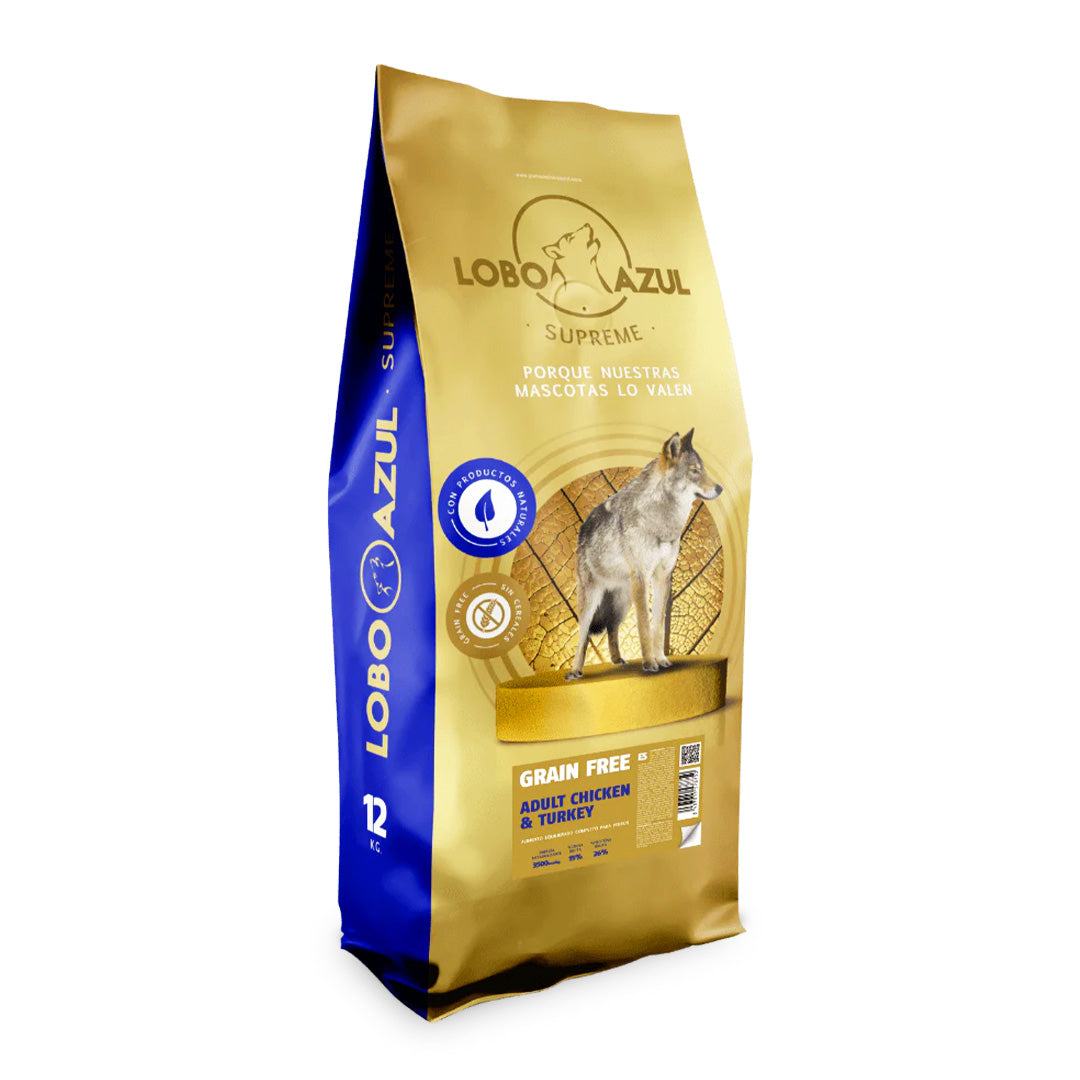
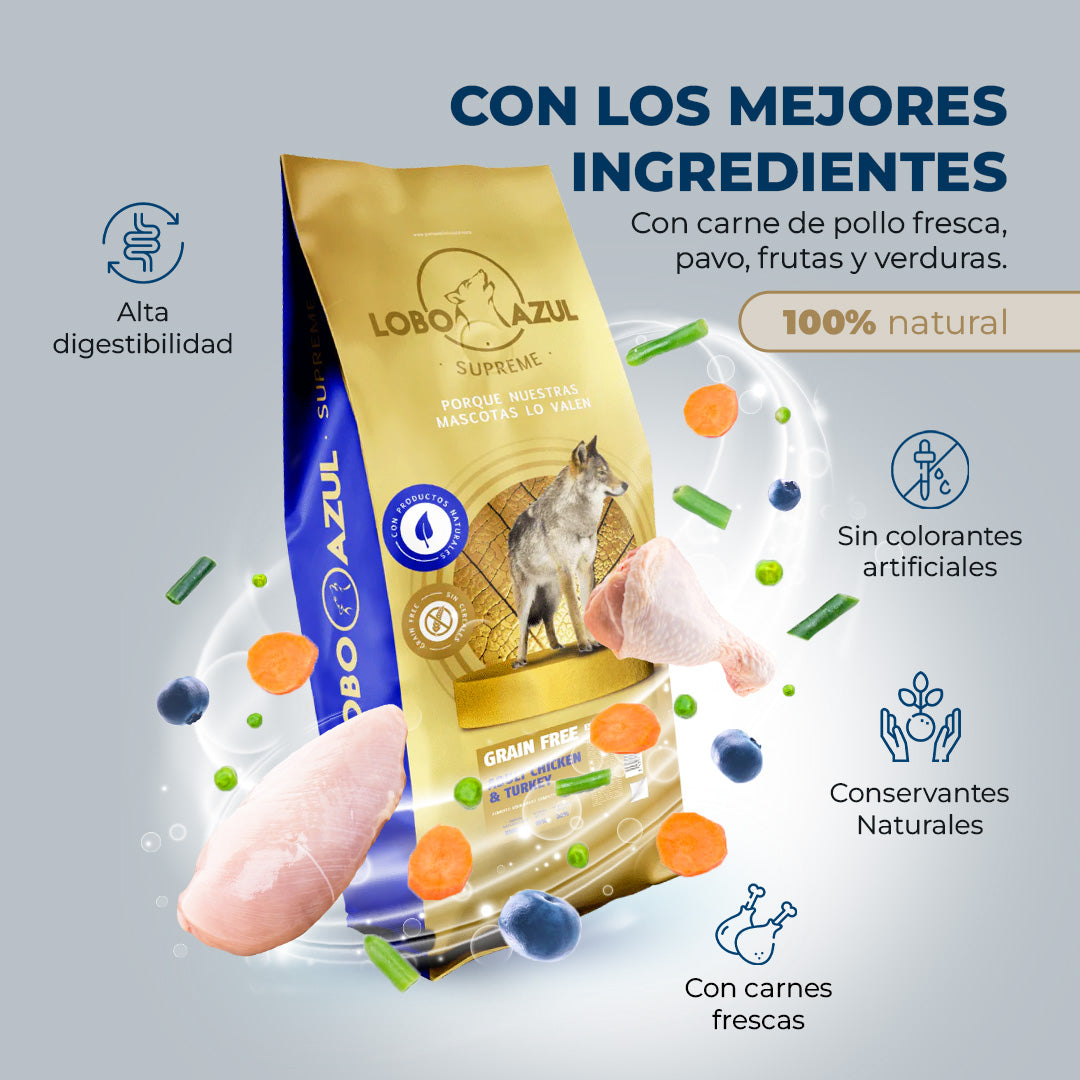
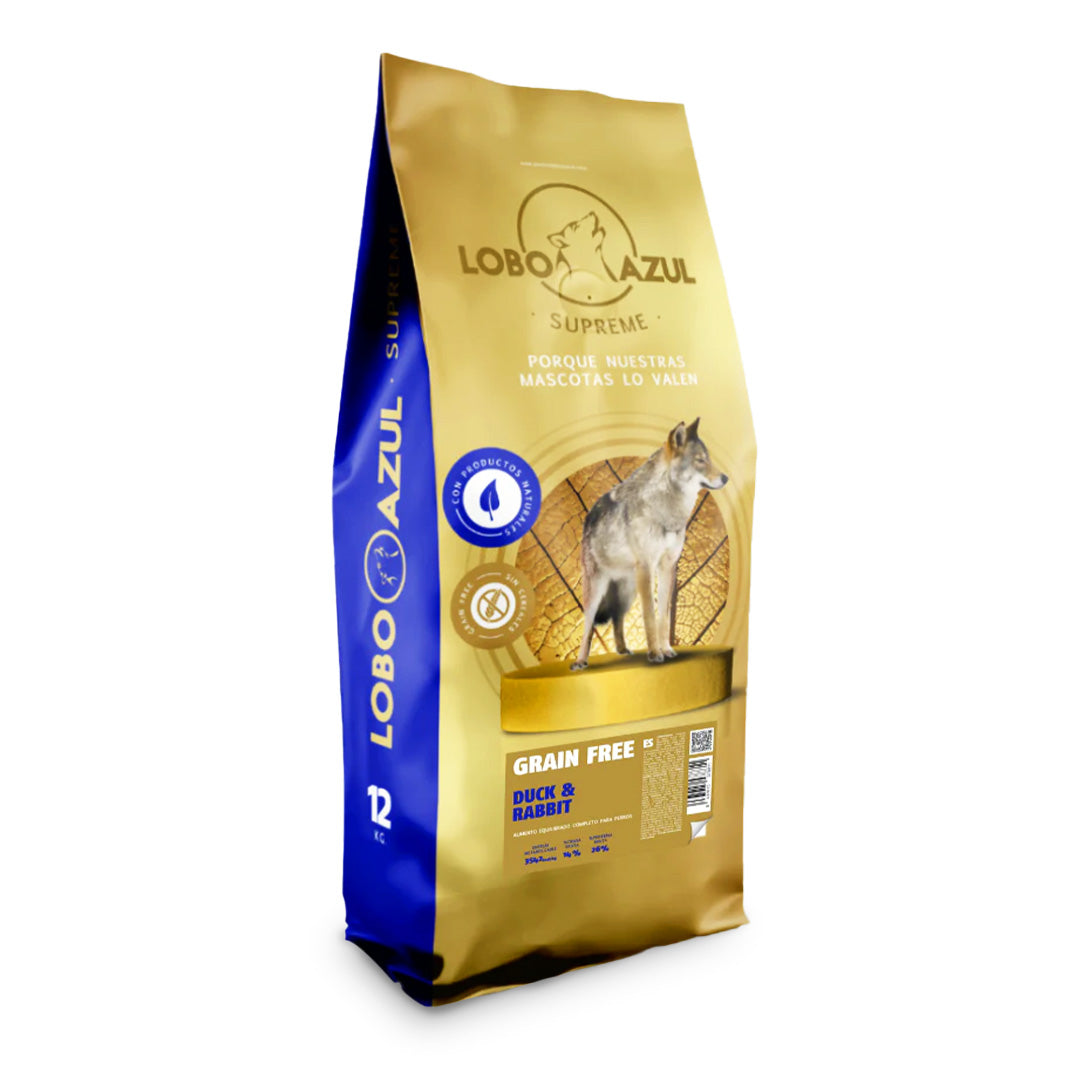
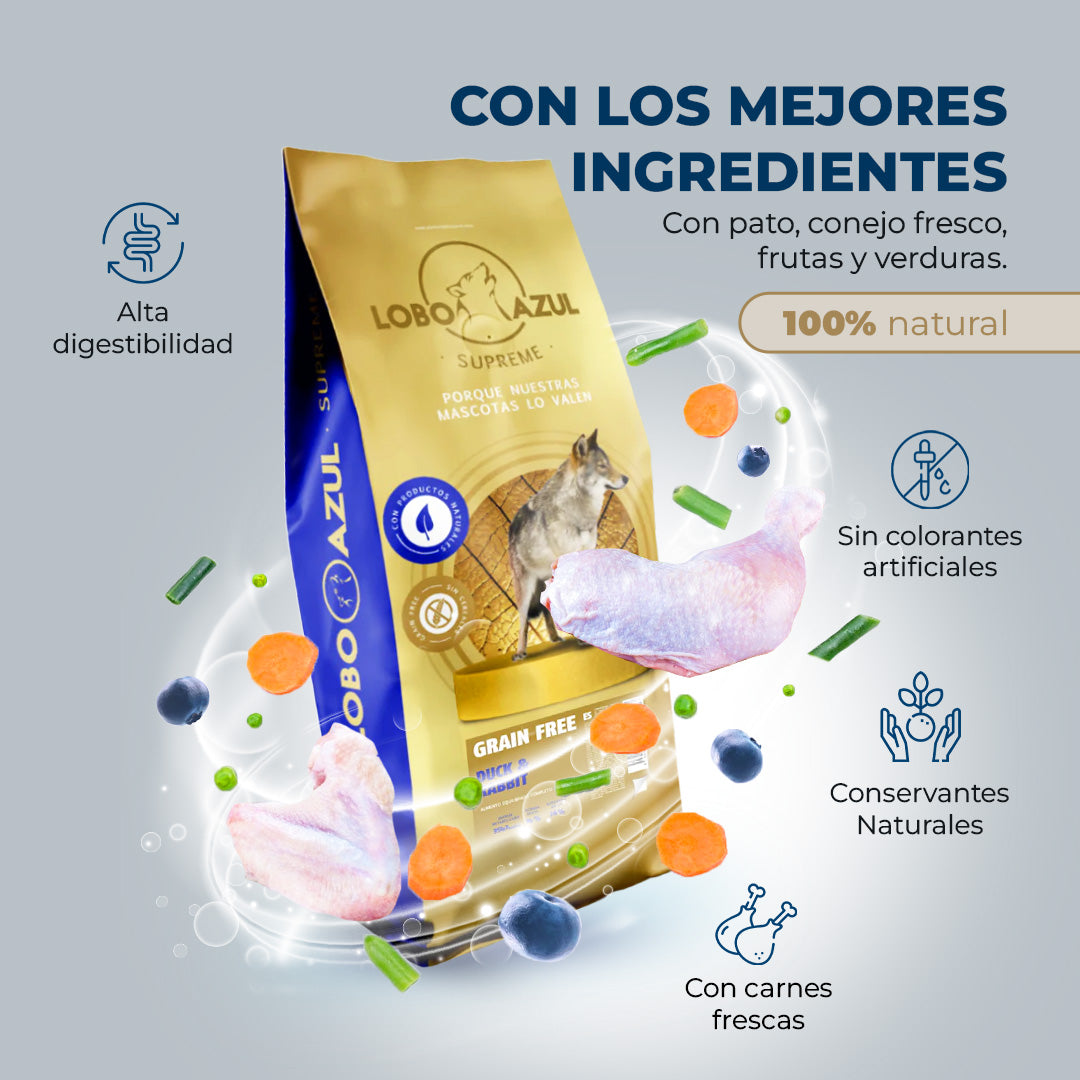
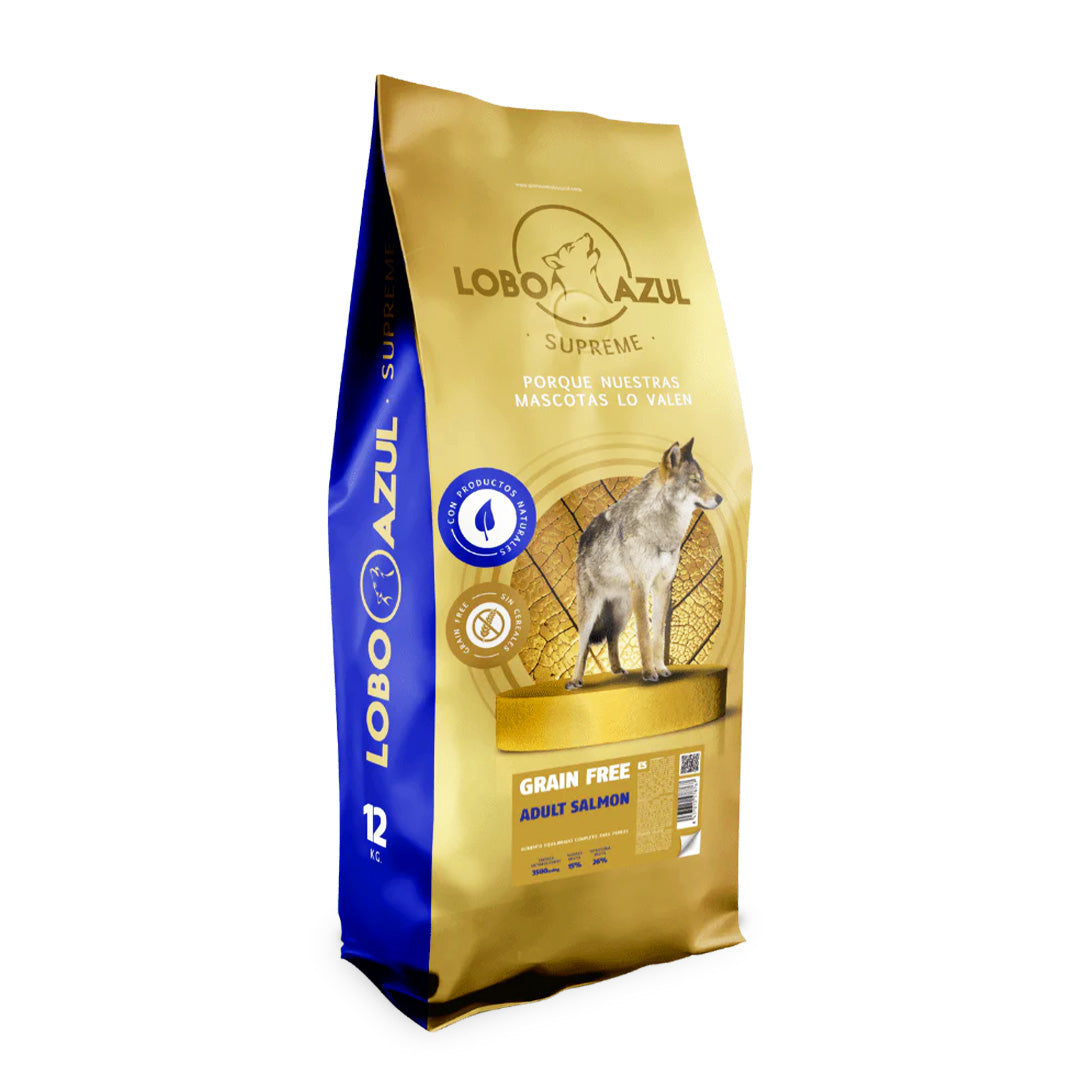
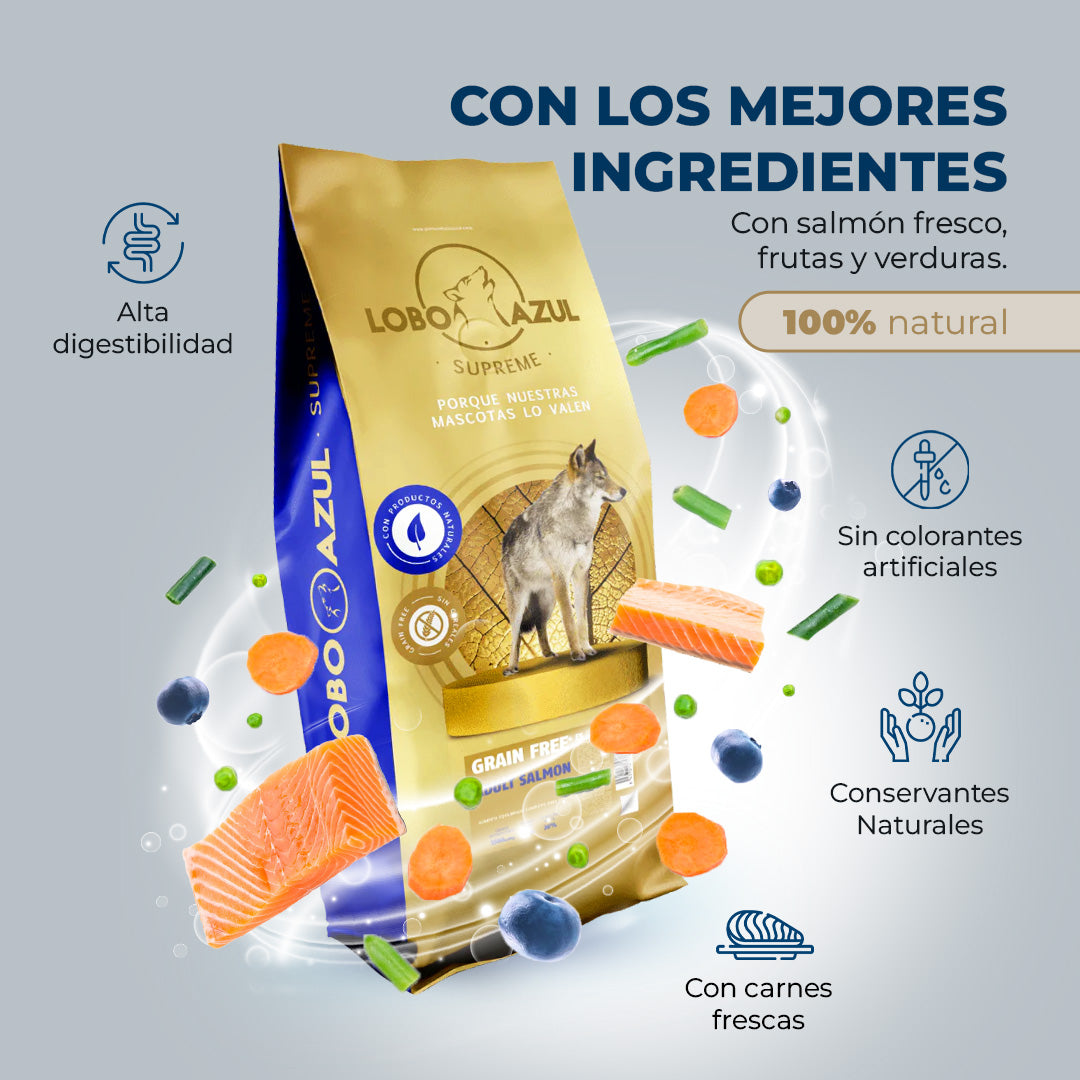
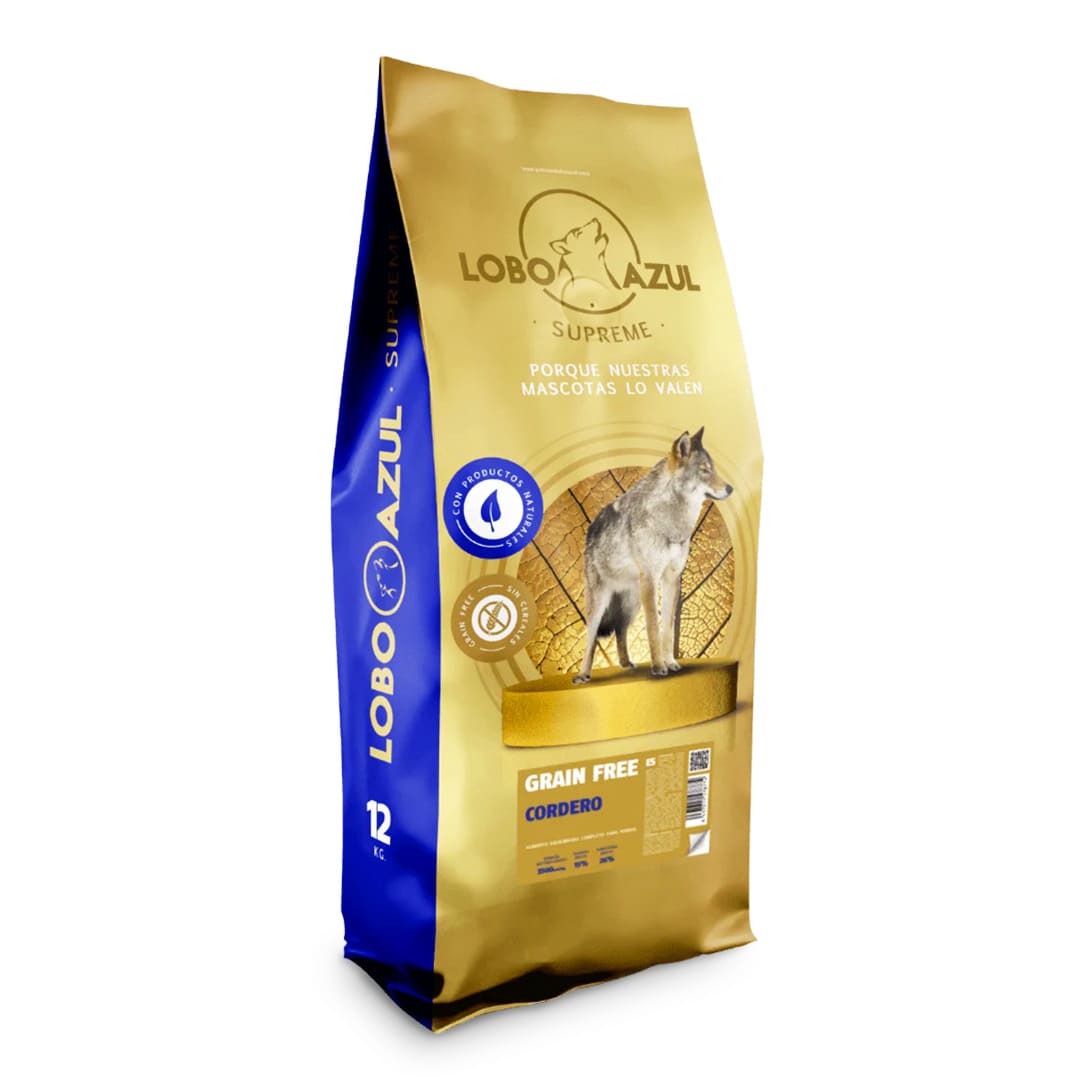
It is necessary to select the food that has the best balance between proteins and carbohydrates as a source of energy. Here you can see how our feed meets the required and appropriate characteristics for the correct feeding of the dog.
Other articles that may interest you:
- Benefits of fish oil for your dog
- Tips to strengthen your dog's defenses
- What vegetables for dogs can my pet eat?
- Should I give my puppy calcium?
- 10 signs that your dog is not being fed well
- 5 healthy eating guidelines for your dog
Share