
Our Blog
Our Blog
by Lobo Azul in Feb 01 2022
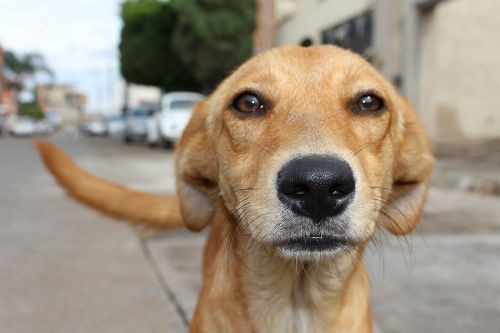
Having a dog implies great responsibility and commitment in all circumstances. It is very common to compare the arrival of a puppy at home with the arrival of another member of the family, especially with children, since it is a being that requires food, basic care and, above all, a lot of affection. However, there are currently people who take this issue lightly and decide to acquire a pet from a very young age. It is throughout living with the dog that they discover the level of commitment assumed and prefer to abandon the animal or leave it in a shelter or kennel. This situation has caused an increasing number of dogs to be found on the streets or in animal shelters, so adopting has become a very viable alternative not only to help save the lives of dogs, but also for the benefit of the people who make this decision.
Reasons to adopt a dog
The adoption of animals, especially dogs, is a topic that is becoming increasingly relevant. This is because non-profit organizations such as shelters or foundations, among others, have dedicated their work to spreading messages about this process. In this post we will leave some reasons why Adopting a dog is one of the best options for lovers of these animals.
Save the dog's life
Through adoption it is possible to save a large number of animals that have been abandoned and have even suffered abuse from their previous owners. This process will allow the adopted dog to have the possibility of a better quality of life, adequate nutrition, the care necessary for its well-being and to extend its life expectancy.
Meet your new friend
A very common mistake when purchasing a dog is not giving importance to the breed or the care it requires. When we are going to adopt, it is advisable to receive guidance about these aspects, which will allow learn more about the new pet and know how to serve you correctly.
You will create a strong bond
Although it may not seem like that, An abandoned dog will create a really strong bond with the person who decides to adopt it. The loyalty and love that these puppies show usually surprises many. This is largely due to the fact that they have not perceived affection from their previous owners, quite the opposite, so they will greatly appreciate your affection.
You contribute to adoption sites
This reason is as important as the previous ones. Adopting a dog will not only help save lives, but also maintain a little better conditions for animals that have not yet been adopted within the spaces where they live. And, in addition, you also free up a space to accommodate another animal in a state of abandonment.
You gain a new friend
Adopting a dog will guarantee you a friend for a few years. Going for a walk, exercising, playing some sports... all of these are experiences in which your dog can accompany you and fun will undoubtedly be guaranteed.
Awareness to others
Adopting a dog can also help you generate social awareness within the family group or with friends about this topic. You can become a role model and be a spokesperson for the experience and responsibility that this entails.
How to adopt a dog
There are a large number of shelters and places where it is possible to carry out the adoption process. Many of these are free, some request some type of collaboration. In any case, adoption will always have a lower cost than purchasing a dog.
In Spain, adoption can vary between 100 and 180 euros, depending on the characteristics of the animal and its age. Typically, dogs over 10 years old are adopted for free. In places where adoption is paid, the canines usually bring with them their respective vaccination, deworming and sterilization card, so the expense incurred is justified. Adoption cannot be taken lightly, as the aim is to prevent the dog from ever going through a situation of abandonment or another bad experience, such as abuse. That is why the committed entities carry out the relevant investigations of the new owners and, although it is a quick process, they seek to establish the ideal conditions so that the dog is in a safe and well-cared for environment. The key thing in these cases is to make sure you choose the right pet for you and be aware of the commitment that comes with adopting a dog. Learn more about dog care:
Traveling with a dog - Everything you need to know
The most original gifts for dogs
Can dogs predict earthquakes?
Top 10 Guard Dog Breeds
All about canine ethology
Our Blog
My dog scratches a lot, how to fix it?
by Lobo Azul in Jan 31 2022
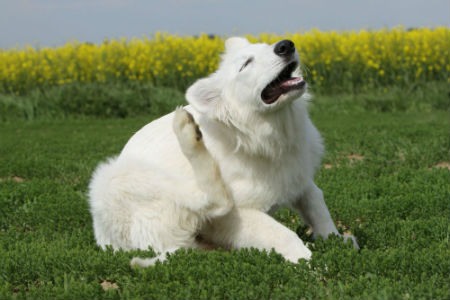
The see a dog scratch Sometimes during the day it is totally normal. It is not a cause for concern to see the canine scratching due to an insect bite or for any other reason. However, noticing that your dog scratches frequently or shows excessive itching may be the first sign that something is not right with him. If you have observed that Your dog has been scratching more than usual lately., and you perceive discomfort and despair during scratching, it may be due to a more severe reason. Given this, in addition to paying special attention, we recommend that you recognize the reasons why you are scratching and what to do to stop it. relieve the itch of our canine friend. On this occasion, in this article we will delve not only into the causes why your dog may scratch more than normal, but we will also provide some solutions that can help eliminate this problem in a simple way.
How do I know that my dog is scratching more than normal?
As we have already mentioned, it is normal for the dog to scratch occasionally during the day. However, There is often the question of how and when to know that a dog is scratching more than normal.. We will explain how you can find out.
First of all, the dog's scratching is accompanied by an alteration in its behavior. Knowing your pet allows you to notice some strange and even possibly compulsive behavior when it comes to scratching more. Another sign to identify that your dog scratches a lot is that doing so may possibly cause skin injuries. Which, depending on their depth, may be perceived with redness and even licking of the skin. Being attentive to these aspects and continually visualizing your dog at the moment he is scratching will allow you to perceive if something is wrong.
My dog scratches a lot: causes
There are numerous reasons why a dog may scratch a lot, which must be known before providing solutions for this situation. On this occasion we will list some of the most common ones, this way you will be able to more easily recognize if your dog scratches because of some of them.
Allergies
Allergies are one of the most common causes of dogs scratching.. They can be allergic to different things. Some plants, such as grasses, tend to make dogs itch and, therefore, increase scratching. Garden fertilizers or cleaning products are another factor that can cause allergies in canines. Thirdly, you can mention some types of foods that, by generating joy, produce piquiña.
Dermatitis
Mostly prone to young dogs. This skin disease in canines occurs due to hypersensitivity or allergy to external factors in the environment, such as pollen, mold or mites. In addition to redness of the skin, This disease produces high itching on the dog's bodyTherefore, seeing that he scratches desperately can be a sign of dermatitis.
Scabies
Caused by the presence of different mites on the skin of the canine. This dermatological disease is, without a doubt, one of the most prominent causes why a dog scratches a lot. Due to the existence of different types of mites, scabies is also usually of different types, and therefore, there is a treatment indicated for each one depending on its severity.
Parasites
The presence of parasites in our dog's body is another reason why you may constantly scratch and desperately. The presence of insects such as fleas, lice or ticks in dogs can cause bites that cause frequent scratching of different parts of their body.
Feeding
Whether it is a change in the canine's diet, or an imbalance within it, it can occur. alterations in your metabolic system that bring with them excessive itching, so seeing the dog scratching could be the product of a dietary alteration. You can avoid this situation by feeding it with quality hypoallergenic food.
Hygiene
This is one of the most common reasons why a dog scratches a lot. Lack of hygiene can produce not only dirt, but also irritability of the skin, which would cause the dog to scratch constantly and desperately.
My dog scratches a lot: solutions
It is important to know that, if your dog scratches a lot, the most prudent alternative is to take it to your veterinarian, this way they will be able to identify the cause and generate solutions to eradicate the itching much faster. However, there are some simple options with which you can improve the situation.
Toilet
If the cause why your dog scratches a lot It is the lack of hygiene. Bathing periodically every two weeks, using specialized dermatological shampoos for canines, can help eliminate this problem. If they have thick coats, combing them will also contribute to their well-being.
Nutrition
If it is a dietary problem, the ideal first thing is to identify what caused the dog's joy. In this way, avoiding providing that food again will help avoid the itching. Providing the dog with a balanced diet, with proteins and vitamins, through quality food, is another way to prevent it from scratching a lot.
Antifungal treatments
In the case of dermatitis or scabies, the veterinarian should be the one who provides the instructions for the medications necessary to reduce scratching. Whether they are antifungal lotions or other medicines that help the problem disappear.
Antiparasitic treatments
If your dog scratches a lot because of mites, fleas or ticks. An antiparasitic treatment will surely help you in this situation. Whether in pills, necklaces or injections. These treatments are generally very effective. In any case, the veterinarian will recommend the one that is most useful to your dog.
skin lesions
If it is a skin lesion, placing ice towels on the affected area will effectively reduce irritation and reduce scratching. Likewise with apple cider vinegar, in a cotton ball can help reduce injury and itching. Learn more about dogs:
How to deworm a puppy
Kidney failure in older dogs
Canine anemia: causes, symptoms and treatments
care for your dog's pads
How to treat my dog's cold
kennel cough
Our Blog
by Lobo Azul in Jan 26 2022
Maintaining your puppy's health is a topic that consists of various aspects: hygiene, feeding, exercises, vaccinations. Within these, deworming a puppy is essential if we want not only to prolong their life expectancy, but also to keep them in an optimal state of health. As is already known by most people with dogs as pets, parasites often cause serious illnesses in dogs, even more so in the first weeks of life, as that is when they are most susceptible to suffering from this condition. Due to the aforementioned, it is essential to regularly comply with a schedule to deworm a puppy, this will produce greater strength in your little friend's immune system, keeping him healthy and full of energy to enjoy more time together. But how do you know that the puppy has parasites? And how to deworm a puppy? If you still have this concern, in this article we will detail the information you need to facilitate the process of deworm in a simple and effective way.
When is it necessary to deworm a puppy?
In general, deworming a puppy is one of the first things you should do just weeks after its birth. Because it is during this time when our little friend is most vulnerable and needs to counteract the parasites that are forming since he is inside his mother's womb.
A timely visit to the veterinarian when it does not exceed two weeks after birth is essential to start deworming a puppy, because, since it is the first days of life, it is prone to be more affected by the presence of larvae or eggs that have already been formed since its conception. Therefore, The veterinarian will provide treatment according to the puppy's age. to eliminate parasites.
How do I know if my puppy has parasites?
The presence of parasites in the puppy produces different symptoms that help us identify that our dog needs to be cared for, among them we can mention:
lack of appetite
When there is the presence of parasites, both internal and external, the puppy may manifest it through frequent inappetence or loss of appetite.
Diarrhea or vomiting
Both diarrhea and vomiting are common features to indicate that a puppy needs to be dewormed. This can also contribute to the dog's dehydration.
Malnutrition
Because the parasites feed on the food that the dog consumes, weight loss is visible in the puppy, also associated with the loss of appetite caused by the same condition.
Discouragement
Both malnutrition and the presence of parasites can cause a puppy to lack spirit and energy.
distended abdomen
A tense abdomen can be another cause that alerts us that it is necessary to deworm a puppy.
Dull coat
When it comes to external parasites, such as fleas or ticks, it is common for puppies to have a dull coat, with a rough and dull texture.
excessive itching
In the case of internal parasites, it can be observed that the puppy drags its anus along the ground or dirt as an act of scratching, this in most cases is indicative of parasites. In the case of the presence of external parasites, if you see that the dog scratches desperately and frequently, it may be the presence of fleas or ticks.
How to deworm a puppy?
Once you know the symptoms and when you should deworm a puppy, we will talk about the most important thing: how to do it. Depending on the type of deworming, there are some details to consider:
External deworming
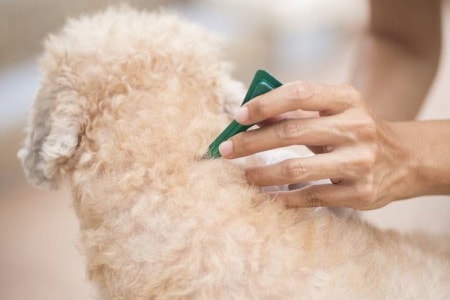
Deworming a puppy externally It is necessary after he is around 8 weeks old. However, if before that time the puppy becomes infested with fleas or ticks, you should go to a veterinarian who will recommend the products to use. In general, the product begins its effect after three weeks, depending on its application. Therefore, it is necessary to combat these parasites promptly before they multiply.
Internal deworming
As mentioned, deworm a puppy internally It is a process that must be carried out after two weeks of birth. Depending on the age and intensity of the parasites, the veterinarian will indicate a treatment, the composition of which does not affect the puppy's digestive system. In the first weeks because it is still newborn, the puppy will receive oral treatment in syrup form. While after approximately six or twelve weeks, you will begin to give him pills, every three or four months, for complete deworming, according to the veterinarian's recommendation.
Some recommendations
It is important to remember the need to Go to a vet before proceeding to deworm a puppy the first time, because their young age and vulnerability can cause unwanted poisoning and affect the life of our little friend. Furthermore, compliance with a deworming schedule, combined with veterinary consultations, will prevent the dog from being affected by parasites. Preventive behavior is the best way to prolong the life expectancy of our puppy. Another equally important aspect, in the case of external deworming, is to maintain control over the hygiene and grooming of the puppy, as well as checking it manually to verify that there are no fleas or ticks.
Regardless of whether the dog presents symptoms or not, all puppies, after two or three weeks of age, must be dewormed, even when they are in perfect health, because this is part of their care and will be part of their well-being. Finally, it is necessary to remember that parasites are not only transmitted between animals, but can also affect humans, so deworming the puppy will be beneficial for all members of the family to which it belongs. More tips like these:
Kidney failure in older dogs
Coronavirus in dogs
Soft diet for dogs with diarrhea
Hip dysplasia in dogs
Elbow dysplasia in dogs
canine anemia
kennel cough
How to treat my dog's cold
Our Blog
Traveling with a dog: everything you need to know
by Lobo Azul in Jan 25 2022
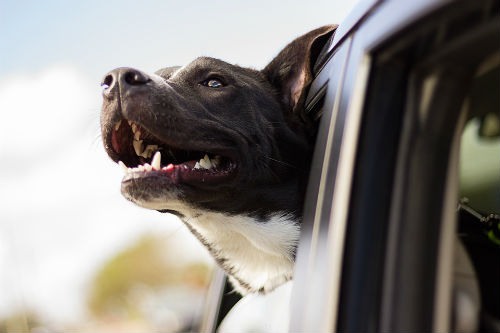
The holiday season is coming and enjoying a family break is essential to recharge the energies of the entire group. But what will happen to your dog? It is increasingly common to see family groups that have taken the initiative to travel with their dogs, making them part of this well-deserved rest for everyone. But what do you need if you want to travel with a dog? What are the recommendations? Is it dangerous? These are some of the most common concerns when decide to travel with a dog to any destination. For this reason we developed this article with information that will be of great help when traveling with a dog, so that you can enjoy every moment before and during the trip.
Before traveling with a dog
If you have already made the decision to include your dog in your vacation plans or in your weekend getaway, you should know the steps to ensure that traveling with a dog is a successful process and together you can fully enjoy your days off. Here we will guide you in what you need to know to make this a reality:
Get your dog used to short outings
one very useful recommendation if you decide to travel with a dog It is to adapt him to short outings from when he is a puppy. This way when you decide to take trips, whether by car, train or plane, you will not feel so strange and will not show restlessness or fear.
Plan the trip in advance
Although traveling with a dog has never been as easy as it is now, thanks to the accessibility of places where you can go with your canine friend, the trip needs to be planned in advance. From the destination you will visit to the documentation and luggage you need to travel with a dog. Thinking about your dog when you choose the destination must be very important. Choosing a place that is not suitable for traveling with a dog can be a stressful situation for the dog, causing changes in its behavior and neither of them enjoying the trip.
Select the appropriate transport
Selecting the means of transportation you will use for your departure is another important aspect when traveling with a dog. Because it's not just about your comfort, but also that of your canine companion. Even if you travel by car, train or plane, one of the common recommendations is to select a travel cage, also known as a carrier, for transporting the dog. This ensures your comfort and safety during the journey. The carrier should be chosen according to the dog's height and build, so that it can remain comfortable throughout the trip. If you travel by plane, the first step is to review the airline regulations, whether they allow travel with pets and the procedure you must follow to carry it out.
Check the documentation you need
If you plan to travel with a dog to another province or state of your country or to another territory, it is important that you know what certificates they request to allow your canine access to the area. This is because the documentation may vary depending on the place you decide to travel with your dog. Certificates of routine control, vaccination, deworming and anti-rabies are some of the most common requirements to be requested if you travel with your dog.
One of the requirements that has become very common is that the dog be around three months old, so that its immune system is stronger and there is no risk of getting sick or something similar.
Make sure you choose the right accommodation
Traveling with a dog involves a countless number of steps you must take to ensure you have a comfortable stay for both of you. Accommodation is an essential part of those steps. Nowadays there are numerous lodging places where you can stay with your pet, so you just have to choose the one that is most attractive to you.
Prioritize your pet's health
One aspect that you should take care of long before traveling with a dog is the health of our little friend. It is essential before making the trip to go to the veterinarian for a routine check-up, where in addition to verifying that you are in perfect health for the trip, you can obtain the certificates in order that may be requested depending on the place you are traveling. It is advisable to consult with the veterinarian about medications to mitigate any dizziness or nerves that the pet may suffer during the trip.
Bring the right luggage
Once you have the destination, the mode of transportation, requirements and documents, and you have visited the veterinarian, you can start packing your bags. Luggage for traveling with a dog must be made up of the basic elements: containers for drinking and eating, leash, harness, basic groceries, bags to collect waste, the tag with your identification data and, if necessary, your bed to sleep on. These are some basic elements that will undoubtedly They cannot be missing when traveling with a dog..
During the trip
During the trip it is recommended that you be as attentive as possible to the dog's physical and emotional state, because it may cause dizziness or stress. Avoid overloading it with food, this will reduce the risk of nausea or vomiting during the journey. In addition, it visibly identifies the carrier, so that, if at any time you must be separated from the dog, it can facilitate its location.
Familiarize your dog
Traveling with a dog to a place unknown to him can cause him to feel distrustful and permanently alert. Try, when you arrive at your destination, Provide a trusting environment that helps the dog become familiar with the space, this way your stay will be more comfortable.
Take care of your diet
It is essential, when traveling with a dog, to take care of its diet. On many occasions, trips can cause nutritional imbalances due to unexpected changes in feed or foods that are not recommended. To avoid these alterations, you can take with you the usual feed that you use for their diet and do not feed them anything strange during the trip.
Other curiosities that may interest you:
Can dogs predict earthquakes?
Why do dogs howl?
The best guard dog breeds
How does our dog talk to us with his tail?
How long does a cat live?
Agility: Everything you need to know
The most popular dog breeds in the world
Our Blog
by Lobo Azul in Jan 25 2022
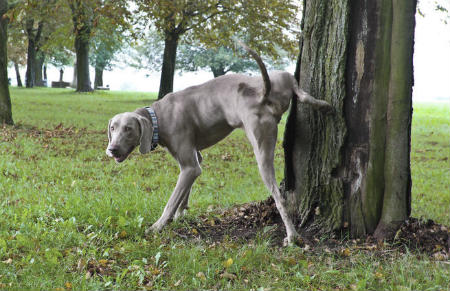
Currently there are numerous conditions that can limit the good physical condition and well-being of our canine friends, even more so when they are older. One of them is kidney failure.
The kidney failure in older dogs It is one of the most common diseases that can attack the health of these animals. In fact, it is one of those with the highest canine mortality rate in recent years.
That is why in this article we will talk a little about kidney failure in older dogs: its causes, consequences and treatment are some of the important aspects that anyone with a pet dog should know to combat this condition.
Kidney failure in dogs: what is it?
Kidney failure in dogs is a condition that occurs when the animal's kidneys are not able to function properly in the elimination of waste, which produces the concentration of urine.
The animal body generally naturally produces numerous toxins throughout the day. These toxins travel through the bloodstream to the kidneys, where they are filtered by water, and are later eliminated from the body through urine. Since this process is not carried out correctly, but rather the toxins remain stagnant in the bloodstream, this is when kidney failure occurs in dogs.
Kidney failure in dogs can occur acutely or chronically.
Acute
It is a sudden process associated with different aspects, such as excessive blood bleeding, or conditions of the circulatory system in animals due to the ingestion of inappropriate medications or toxic substances. Generally anorexia, dehydration or urinary problems can be the cause of this kidney failure in dogs, and in most cases it is reversible.
Chronicle
It is a irreversible condition. Chronic kidney failure is generally referred to in older dogs because it is a slower process that grows as the dog ages. It is caused by prolonged acute kidney failure when it is not treated. Canine diseases, such as hypertension or diabetes, can negatively contribute to the appearance of this disease. Chronic kidney failure is referred to in older dogs when there is only 30% functionality in the kidneys.
How do I know if my dog may have kidney failure?
We can notice the presence of kidney failure when the dog ingests excessive amounts of water during the day and it increases more and more. There will come a time when the level of water ingested by the animal will not be sufficient and conditions will begin due to the presence of harmful substances in the blood and the incorrect functioning of the kidneys in their elimination.
This is known as excessive thirst: you will watch your dog constantly looking for water and urinating repeatedly. Discolored and poorly concentrated urine is another common symptom, as are loss of strength, pain when urinating, vomiting, decreased urine output, and breath that smells like ammonia. These are symptoms that the disease is constantly progressing, increasingly deteriorating the dog's health.
In addition, kidney failure in dogs usually presents other symptoms, such as loss of coordination. In this case, the dog appears disoriented and discouraged. The absence of appetite, weight loss and decrease in muscle mass are other symptoms. characteristic symptoms of possible kidney failure in dogs.
What consequences does kidney failure have in dogs?
The complications of kidney failure in older dogs They tend to be diverse. From the deterioration of the canine's health and well-being, to other aspects of the animal, they can be some of the most frequent. Because harmful substances accumulate in the dog's body that should be eliminated through urine, one of the consequences of kidney failure in dogs is usually bad breath and the appearance of mouth ulcers.
Alteration of the dog's blood pressure is another result of kidney failure. That, in turn, can cause visual disturbances. Anemia, dehydration, pain and fluid retention are some of the most visible complications when kidney failure occurs in older dogs.
Treatment of kidney failure in dogs
Once kidney failure in dogs is confirmed, the veterinarian will prescribe medications to maintain the canine's state of health. If it is an acute disease, the recommendations are aimed at improving the dog's diet, necessarily supplying amino acids and vitamins in the feed given to our friend, as well as vitamin supplements that help reduce this alteration in the animal.
In more serious cases, in addition to feeding and supplying vitamins, we seek to establish a balance in the dog's body and kidney function, indicating medications to increase circulation and others that contribute to suppressing the toxins produced by the dog's body.
Prevention of kidney failure in dogs
Although kidney failure in dogs is difficult to detect and prevent in many cases, some aspects could contribute to reducing the risk of contracting it.
Take care of the canine's diet: It is undoubtedly one of the most important aspects to avoid this disease. Taking care that food and water consumption is balanced will ensure that the possibility of kidney failure in dogs is minimized.
As far as possible, reduce the use of medications of different types and surgical procedures: it also contributes to preventing kidney failure in dogs from appearing.
Administer appropriate treatment indicated in time by a veterinarian in case of bacterial infections: It is undoubtedly another key element to eliminate the possibility of kidney failure in dogs.
Finally, regular visits to the doctor and constant monitoring of the dog's health are an important part of this preventive process. Routine examinations and checkups are essential to keep the dog in good health and eliminate the possibility of kidney failure affecting its condition and well-being.
Other articles about dog health that may interest you:
Hip dysplasia in dogs
elbow dysplasia
canine anemia
How to treat my dog's cold
Food allergy symptoms
kennel cough
Our Blog
The most original gifts for dogs
by Lobo Azul in Jan 24 2022
Whether because our dog's birthday is approaching, a special month like Christmas is coming, or simply because we want to have a tender gesture towards our best canine friend, giving him something useful and meaningful will always be of great importance. Traditional gifts, such as food or other items, are easy to obtain and will not take much work. But if it is a original gift, we must search a little more until we find what we are looking for. To make the decision of an ideal gift a little easier, we have developed the following article, where we present the most original gifts for dogs. Innovative and fun ideas that you will surely love and will also be very useful for your pet.
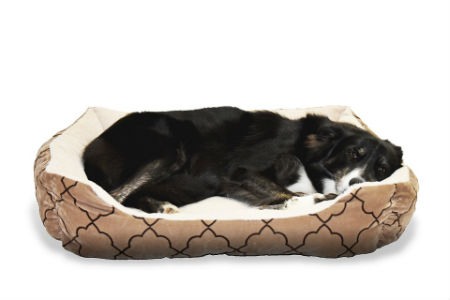
Special bed for dogs
Surely when you start reading this you will ask yourself: What is so original about a bed? Certainly, the dog beds They are one of the first and most common gifts that pets receive. However, beyond the bed, its design is what makes it an original gift. For example, currently there are quite comfortable and innovative beds that become pets' favorites.
bed slippers
A very original idea is a design called bed slippers. In this case, the beds, commonly for small or medium-sized dogs, are made like a slipper, specifically imitating the popular ones. Crocs, modern, comfortable and unique so that your puppy can rest peacefully.
Cave or den bed
These are other original models that can be found on the market and be an excellent gift option. The cave bed They are very sophisticated designs so that your canine is comfortable in a beautiful space, while the den bed They are a type of blankets, where dogs lock themselves up in search of warmth, ideal especially for cold climates.
Collars and leashes
Another option that, although it may seem unoriginal, may surprise you, are the collars and leashes. Although they are accessories found in any pet store, some more eccentric and even comical models are not so easy to find.
sausage strap
If you like to attract attention and even be a little funny when you arrive somewhere with your dog, with a sausage strap You surely won't go unnoticed, nor will your dog. It is a very original strap design, in the shape of sausages, which gives a funny and very original appearance.
Luminous necklaces
If eccentric and striking things suit your pet, one of these collars can be an ideal gift, and also very original. It is about some necklaces with fluorescent colors and great comfort for your furry friend. Also a very useful device, especially if night walks with your dog are common, these collars help identify it from a distance.
Identifier
There is nothing more important than keeping your dog identified, in case it accidentally gets lost, they will know where to find you to return it. But just because it is useful does not mean that it is unoriginal, on the contrary, there are very novel ideas and eye-catching nameplates for your canine, which can become a unique gift.
Clothing
The clothes It never goes out of style, and in the case of clothes for animals, is not the exception. There are countless designs adapted to any canine that will undoubtedly attract attention. Who better than the owner of a pet to buy the appropriate and original outfit. Let yourself be carried away by the most striking, exclusive models that are ideal for making your canine look like a fashion lover.
dog umbrella
If you love walks on rainy days but don't want your dog to get wet, a umbrella It is the perfect option for your pet. Protecting him in rainy seasons is a priority and giving him an original umbrella will be very useful for both of you.
water fountain
If it is about useful and original gifts, purchase one for your pet. water fountain It is one of the options that fits this description perfectly. Nothing brings more distinction to you and your friend than having your own water source. From where several pets can also drink at the same time. And besides, animals love it and you can avoid urinary tract diseases by having to bend down more to drink from other places. Consider this gift as one of the main ones.
ball launcher
If your dog is one of those who enjoys running in search of the ball excessively, this device is ideal for you. With its use, you will avoid the fatigue of throwing the ball all the time and your dog will have the most fun looking for it every time you send it away from where it is. It is not only a useful gift, but also fun and original. There are different shapes and sizes of ball throwers. You can choose the alternative that best suits your budget and preferences.
Technological artifacts
If you thought that technology had not reached the canine world, you are wrong. There are various very innovative gadgets that, although expensive in some cases, can be very useful for your pet's life and even for you. Let's look at some of them:
Automatic food dispenser
This gift is one of the most authentic on the market. A food dispenser can be programmed to provide up to four servings of food to your canine while you're away from home. As if that were not enough, this excellent device has a water dispenser And it also has a hearing aid that allows you to record messages for your pet that will play automatically as you program, so your pet won't feel so alone. A real novelty that will be of great help when you are alone.
Neck surveillance camera
When it comes to eccentricities, why not have one surveillance camera on the neck of your dog? With this tiny and very light device, you can record what your dog does while you are away. Record special moments during your walk and even show aspects such as intruders entering your house or anything else. If it comes to original details, this is undoubtedly at the top of the list.
To finish
As you can see, there are a large number of gifts that you can offer your pet on an important date or simply to show your affection for him. They are also a great gift idea for a friend or family member who has a pet. The possibilities are many, you just have to look for the one that fits your tastes and budget, so you will make your four-legged best friend happy with a very special gesture. More curiosities about dogs:
Our Blog
by Lobo Azul in Jan 24 2022
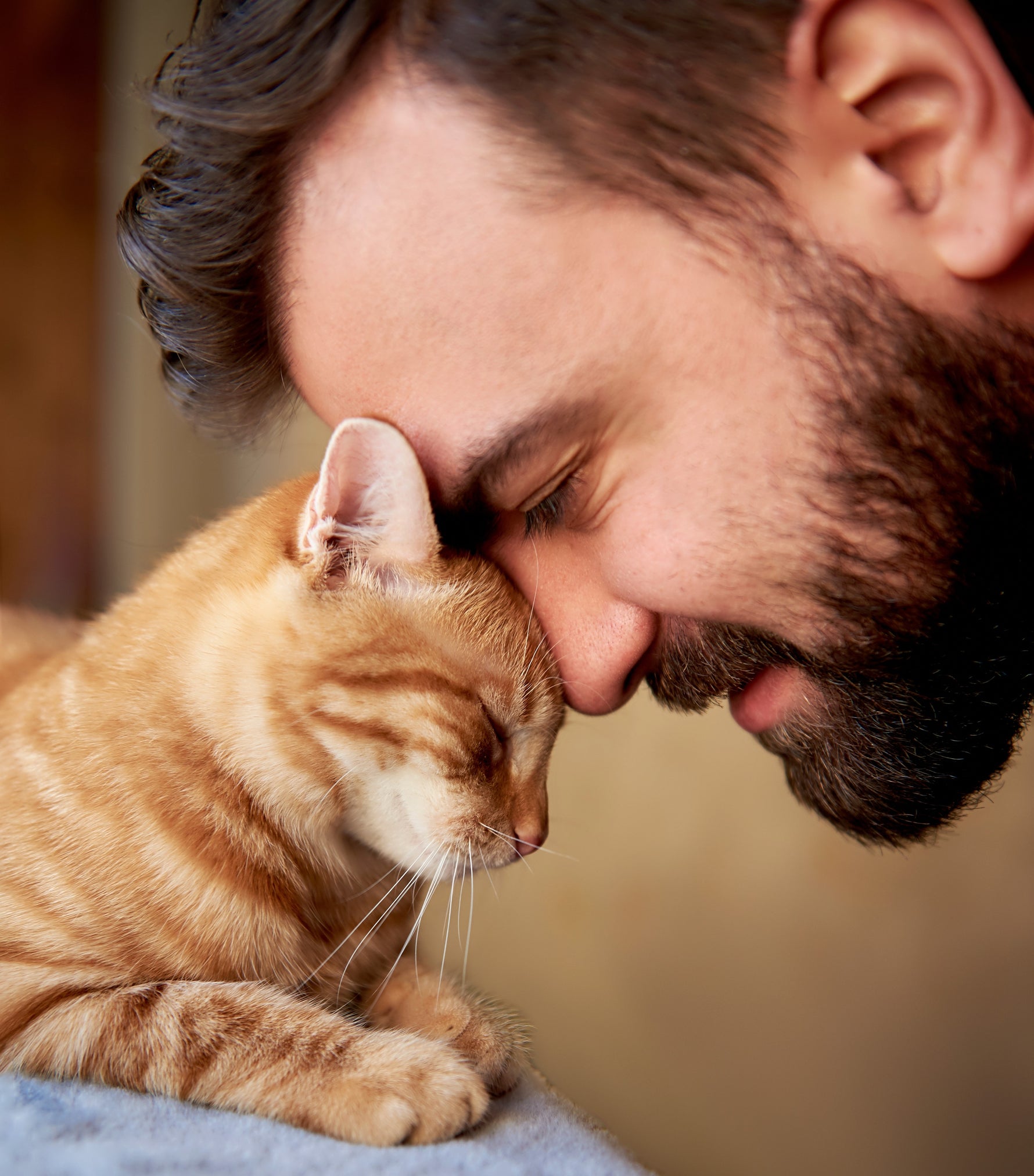
We always talk about dogs on our blog, and we know for a fact that many of our readers are great animal lovers. Therefore, today we want to talk to you about the 9 best reasons to adopt a cat, taking into account everything that the second most popular pet in our country (and the first in the rest of Europe, according to statistics) can give you.
Unique
If you are used to dealing with dogs, the character of a cat will surprise you, and you will experience it in your flesh when you can observe it every day in your home. This is something you have to see for yourself to understand. They say that they are very independent animals, but this is not always the case. In fact, there are dog-cats, who always need to be accompanied and are very affectionate. Others, of course, are more solitary and will not need that dependence on constant social contact that characterizes dogs. You may be hesitant to give them a chance right now, but throughout the article you will see that they have their own way of showing you their love, and you may end up adopting one. Each cat is different, but they all share a great personality and overwhelming charm. Having several types of pets (each unique in its own way) can enrich your family environment and make coexistence much more fun. Having dogs and also cats (each unique in their own way) can be good for children's education.
Relaxing
According to some studies on psychology and cardiovascular health, having a cat could reduce the chances of you having heart problems. As you can see, the purring of a cat while you caress it has a therapeutic effect that relaxes us and makes us feel good. How would you feel if, when you got home stressed from work, you lay down on the couch and your kitten appeared on top of you, purring and kneading you? This is what most cats are like when they are cared for and fed well, and we can attest that it is the best thing in the world. Of course having a cat is relaxing, we don't need a study to know that! Having a cat has its own charm for the most calm and reserved people.
Smart
Do you think cats are not as intelligent as dogs? Think again. Our attribution of canine intelligence is due to the ease with which we can train them and how obedient they are. What we do not take into account is that we are unfairly comparing dogs and cats. Dogs are the gregarious animal species that has spent the longest time being domesticated in history, which means that they have been hand-selected to satisfy us. On the other hand, cats have domesticated themselves and are also solitary animals, who only obey if they want or are interested. It has been shown how cats can solve puzzles in any test, if they are motivated enough. This means that they do not usually obey for the sake of it or because they want to satisfy their caregiver, as many dogs would do. The capacity and intelligence are there, and luckily we understand this better and better thanks to science.
Sleepyheads
Another reason why you should adopt a cat is the peace of mind with which you will live, at least most of the time. In addition to being intelligent animals, they are also very quiet and calm. In fact they have a tendency to sleep 70% of the day. Some older cats can live up to almost 20 hours. Therefore, they are a very calm type of pet, at least on the vast majority of occasions. When you have a cat and you see it sleeping, this can also make you feel more relaxed, since it conveys that tranquility and comfort of home just by watching it stretched out on the couch.
Fun
Even though they sleep a lot, when they are awake at home they make themselves noticed. Especially when they are little, they can be very playful or have striking hobbies (like climbing on the door frame) and do very comical stunts, which makes them a perfect candidate to star in the most viral and funniest videos on the entire internet.
[embed]https://www.youtube.com/watch?v=317jz-PU7Mg[/embed]
It is no coincidence that these adorable pets are one of the most popular searches on the entire internet.
Nice and clean
Why deny it, the beauty of a cat is indescribable! The shapes of their eyes, cheeks and even their fur are beautiful, in any breed of this species. Since they are animals that take very good care of themselves and clean themselves often, their coat is always shiny. When you have a cat, forget about bathing or showering it, because it will do it itself. They don't need as much care as dogs, although that doesn't mean you should stop caring for them and giving them your love.
Hunters
As part of their instinct, cats have a tendency to look for prey to hunt, even if their stomachs are full. In fact, the regions of the brain destined for hunting have nothing to do with those for searching for food. Simply put, the characteristic movements and noises of their prey become irresistible to them. Thanks to this habitual behavior in them, they can help you eliminate pests and annoying wild animals that are roaming around your garden. No more unwanted rodents, birds and reptiles.
They do their things where they belong
If you know your cat well, you will know that he will always poop and pee in his litter box. For this, it would be important to choose the right place to place it, among other things, but once the cat learns where to do its things, you will stop having surprises in the living room. This is something that does not happen with many dogs, since they are more chaotic and you know that any day you can find a surprise anywhere.
They can be left alone
Another of the best advantages of adopting a cat is that, thanks to its characteristics as a solitary animal, it will have no problem being left alone. If it is young, you may have to take measures at first to avoid accidents, but if it already has some experience and education, you will have a calm pet that will almost never cause damage at home. Remember that a cat also has a series of needs, just like dogs, and that you must cover them well. You must stimulate it and give it a correct diet, like the one we recommend, with Lobo Azul food for cats.
What do you think of these reasons to adopt a cat? Do you dare to give them a chance and add a kitten to your family? We assure you that you will not regret it!
Other articles that may interest you:
What are the best treats for dogs?
Can dogs predict earthquakes?
10 Best Guard Dog Breeds
How does our dog's tail speak to us?
How long does a cat live?
The most popular dog breeds in the world
Our Blog
by Lobo Azul in Jan 18 2022
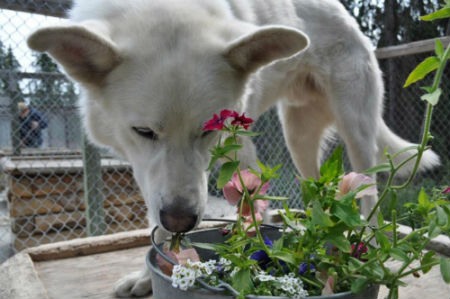
If you are a pet and plant lover, we advise you to be especially careful with the combination of both, as you should know that there is a great variety of plants that are toxic and they represent a terrible threat to dogs. Plants contain substances that can cause severe poisoning in animals. Therefore, it is important to know both the plants that can cause harm to dogs, like the symptoms of poisoning caused by them and what to do if they occur.
Symptoms of plant poisoning
We don't always see our furry friends when they ingest any herb or plant that could harm them. Therefore, it is important that you know the symptoms that occur when they suffer poisoning by eating or licking any of the plants that contain substances toxic to them. The most common symptoms are:
Respiratory problems: that occur with asphyxiation and drowning.
Kidney failure: which can cause the loss of an organ and even death.
Nervous system problems: causing tremors, paralysis, seizures, disorientation and, in extreme cases, can induce a coma in the dog.
Digestive conditions: They normally manifest with diarrhea, vomiting and abdominal pain, which can worsen by causing intestinal bleeding.
heart problems: which present as arrhythmias and can even lead to a heart attack.
Mucous membrane lesions: which manifest themselves with bleeding gums, excessive salivation and difficulty swallowing.
Skin inflammation and rashes may also occur on your delicate skin. If you notice any of these symptoms in your pet, do not waste time, as it is key in a case of poisoning. You must go urgently to the vet. You should not improvise and it is recommended not to give the dog water, food, or any type of medication, as it can be counterproductive.
If you have plants, take a sample of them to the veterinarian to possible rule out the cause of the poisoning, and thus apply the appropriate treatment as quickly as possible. In any case, it is advisable that you identify the type of plants you have at home to know whether or not they are toxic to your dog. You should be equally careful when you take it for a walk.
Flowers and plants toxic to dogs
There are numerous seemingly harmless flowers and plants that adorn our homes, inside or outside. But if there are pets in the house, attention must be paid to the type of flora we select to avoid accidents that could harm our furry friends. Below we mention some of those dangerous plants for dogs:
Aloe Vera
This plant has many healing benefits for humans. However, It is very dangerous for canines. This gel can cause problems in the nervous and digestive systems.
Colchicum autumnale
Commonly known as autumn daffodil or dog killer. Its name is due to toxic effect that it produces if a dog consumes it. It can cause severe vomiting, respiratory failure, and kidney and liver damage in the animal.
Mistletoe
If a dog eats the berries or leaves of this plant, it is very dangerous, since they contain substances capable of causing diarrhea, vomiting and convulsions, and can even induce a coma in dogs.
Lily of the valley (Convallaria majalis)
This is a plant with very striking bell-shaped flowers and a sweet smell, so it may attract the attention of our playful companions. However, It is a very plant poisonous. Therefore, you should pay close attention and not leave them close to the animals' reach. These seemingly harmless flowers contain toxins that cause diarrhea, vomiting, serious heart problems and seizures. If a dog ingests this plant, an emergency visit to the veterinarian should be made.
Azalea and Rhododendron
These beautiful and decorative flowers are normally found in every garden. But they are as beautiful as they are toxic to dogs. Therefore, if your faithful friend consumes the flowers or leaves, the effects can be fatal: starting with vomiting, diarrhea, tremors, paralysis, serious heart problems and coma.
Dieffenbachia and Philodendron
These are other very ornamental plants that normally adorn homes. However, represent a danger to dogs, since its toxicity can cause severe digestive problems, suffocation, tremors and injuries to the mucous membranes, such as bleeding in the gums, excess saliva and difficulty swallowing.
Cyclamen
The roots of this plant are particularly dangerous. Poisoning, if a dog eats it, causes severe vomiting, abdominal pain, kidney failure, paralysis, seizures and can even cause death. This, due to the component it contains called cyclamine, that has the effect of a powerful purgative.
Kalanchoe
These can cause vomiting, diarrhea and cardiac arrhythmia problems.
Oleanders
Its leaves and flowers are very toxic. They can cause severe vomiting, slow the pulse and can even cause death in dogs. This plant is found anywhere, so you have to be alert so that the dog does not come into contact with it.
Lilium
There are various types of this plant, some can cause irritation to the tongue, mouth and esophagus, among them are Callas, Alstroemeria and Spathiphyllum.
Narcissus
If your dog ingests these flowers you should take him to the vet, since this plant contains a substance called liquorine, which is a toxic crystalline alkaloid that causes diarrhea, vomiting, pain, and even cardiac arrhythmias.
Sago Palm (Cycas revoluta)
Also known as false palm tree, consumption of its seeds and leaves can cause dogs to vomit, damage to the stomach, blood in the stool, severe liver problems and can lead to death.
Tulips and Hyacinths
The toxic part of these plants is found in the roots, so you must pay attention that your dog does not remove them from the ground, because if they bite them they can cause irritation in the mouth and esophagus, excessive salivation, diarrhea and vomiting.
Marijuana
Cannabis has been tested on dogs in some scientific studies. Although it is not fatal, the consequences of its consumption due to the toxicity it contains can result in loss of consciousness, tremors, cardiac arrhythmias, disorientation and excessive salivation.
To finish
Now that you know which plants are harmful to our dogs, be careful when you go out for a walk with your faithful friend to play in the park or pay attention to the plants and flowers you have in the garden. More articles that may interest you:
Kennel cough: symptoms and treatments
How to treat my dog's cold
Food allergy symptoms in dogs
How to change our dog's feed
Toxic dog food
Prevent and cure dandruff in dogs
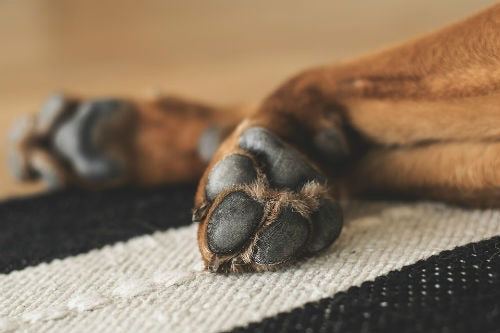
Our Blog
by Lobo Azul in Jan 15 2022
Comprehensive care of every pet is an essential issue to guarantee its health and well-being. From the physical to the emotional aspect, giving your four-legged companion timely attention will allow him to grow strong and healthy.
However, within the hygiene that is provided to the dog, in most cases, it is usually left aside. caring for your pads. An aspect that, although it is not very taken into account, is of great importance, because they keep the canine paws protected.
Buthow to care for my dog's pads? This question is very common among people who have a four-legged friend. Therefore, in this article we will focus on describing the care that canine pads require to stay healthy and provide protection to our best friend.
What are our dog's pads for?
Before talking about the care that this part of the legs needs, we must know what its function is in our pet's body. This will make us aware of their importance and the benefits it will bring to the dog if we keep them properly protected.
Referring to the dog's pads is as if we were talking about the palms of our hands or the soles of our feet. The main function of these is, in addition to maintaining the dog's balance, to support the weight of its body without the legs suffering major damage, especially in large breed dogs.
During our dogs' walks, hikes or exercises, these serve as shock absorbers, preventing the legs from being abused by the weight and pressure exerted in these movements.
Although all this shows that Dogs' paws are one of the toughest parts of their body., they can present wounds, crack and even bleed. Climate changes also tend to affect them. That is why knowing the care they need and complying with it properly will allow them to remain in their usual form and continue protecting our dog.
What can affect dogs' paw pads?
From dryness to burns, wounds and punctures, dogs are prone to different conditions in their paws. Let's look at some of the most common ones below:
Hyperkeratosis
It consists of a excessive keratin buildup in the outer layers of the skin. This thickening occurs especially in dogs that suffer from obesity. The appearance of this condition requires veterinary guidance to alleviate the ailments it may cause to canines.
Dryness and cracks
In very heavy dogs, which also have hyperkeratosis, it is common to notice the presence of cracks and lack of hydration on the legs. This requires more common treatments aimed at moisturizing dogs' skin and keeping them crack-free.
Cuts and burns
It may also happen that, when stepping, the dog cuts himself on some object, or if the ground is very hot, he burns his “feet”, which would cause injuries to that part of the skin.
There are also cases in which the dog can be attacked in that area by another animal, or step on some thorns or glass, and this can cause some injuries. However, all of these injuries can be prevented with proper care and treatment.
Asphalt
The asphalt represents one of the biggest causes of injuries in the canine pads, even more so when the animal's passage through these spaces is constant. Producing dryness and even cracks or burns due to high temperatures. Avoid, as far as possible, your pet walking on it for long periods of time.
How should a dog's pads be cared for?
Within this topic, there are different alternatives and strategies to keep dogs' pads well cared for. Both the practices carried out by the owners, as well as natural and topical products special for canines, can work if you want to keep this area of the body in perfect condition for the dog's well-being.
Let's look at some alternatives and products that can be used:
Alternate walks
A very practical way to combat the damage caused by asphalt to the dog's paws is alternate walks in different spaces. This will allow the canine to progressively adapt to walking on asphalt, in this way its “feet” will become resistant to this ground and will not suffer as much damage.
Constant review
After each walk with the canine, it is important carefully check their legs to rule out the existence of wounds or any sharp object embedded in them.
Use of booties
If the dog is going to be exposed to asphalt or other soils at high temperatures, the use of booties. In this way, the risk of burns or cuts, among others, will be reduced.
In these cases the canine must progressively adapt to the use of the ankle boots.
Check the area
Making sure that the space where we are going to release the dog or where it walks and plays is free of risky objects is equally important to avoid injuries of any kind to its legs.
Hydration and cleansing
The hydration and hygiene of canine pads is an important factor in the well-being of any pet..
First of all, the use of creams that help to continuously hydrate the aforementioned area will keep them soft and help prevent the formation of cracks.
It is important to highlight that moisturizing creams should be exclusively for use on animals. You cannot apply a cream for human use, since the pH of dogs is totally different and they may have an allergic reaction to human products.
Complementary to hydration is hygiene. In these cases it is important to continually check the pads to remove any dirt that may accumulate on them.
Likewise, carrying out baths according to the needs of the pets, also removing excess hair around the paws.
Natural products
The application of some natural products such as aloe vera are of great benefit for hydration and healing of wounds in the canine pads.
It will be enough to apply a small amount once a day to these areas and wait for it to be absorbed, making sure that the dog does not lick its paws while they are wet since aloe vera, despite its multiple benefits for the skin, may contain some elements that are harmful for canine consumption.
To summarize
As we have seen throughout this text, there are different ways to keep our pets' pads cared for and healthy, without requiring great effort, just dedication and attention to the well-being of man's best friend.
You may also be interested in reading:
How to treat my dog's cold
Food allergy symptoms in dogs
How to change our dog's feed
Toxic dog food
Kennel cough, symptoms and treatments.
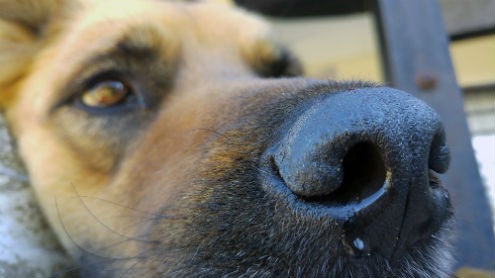
Our Blog
by Lobo Azul in Jan 14 2022
The cold is not only common in humans, our furry friends are also prone to suffering from it. These discomforts are relatively frequent, especially in the fall and winter seasons. The causes may be due to viruses and pathogens that are maintained in the environment, such as Adenovirus type 2 or Parainfluenza, and due to the excessive cold.
The canine cold It causes great discomfort, makes the dog tired and loses its appetite. In addition, you should be careful with the symptoms, since they are very similar to those of distemper, a very contagious condition that is caused by a Morbillivirus of the Paramyxoviridae family, and those of the disease known as kennel cough, which is often caused by a bacteria called Bordetella bronchiseptica. Therefore, when in doubt, we recommend going to the veterinarian for a more accurate diagnosis.
If the cold is mild, the dog may improve within a week, as long as you give it proper care. You should know that, like humans, dogs also need to be warm, not get wet, and receive adequate nutrition when they are suffering from an annoying cold. Therefore, if they do not receive adequate care, what may be considered a simple cold could become serious and bring with it serious complications. That is why you must be very attentive to your dog's state of mind and health. It is part of the care you must give it and it is your responsibility to detect any anomaly in time.
Symptoms of the canine cold
Some of the symptoms What does a dog have when it is suffering? cold, are: Constant sneezing, runny nose and runny nose, cough in some cases accompanied by vomiting, respiratory distress, congestion, general muscle pain and weakness, lack of appetite, drowsiness, eye watering or discharge, fever, headache, inactivity and depression.
If any of these symptoms are detected, it is best to have it examined by a veterinarian, since, as we have mentioned, they can be confused with those of distemper, which is a dangerous disease and can even be fatal.
Other important aspects that you should pay attention to if your dog has a cold are:
If the dog passes blood in nasal secretions or when coughing.
If your faithful friend is already an old man or if he is still a beautiful puppy, his defenses are not as strong as those of a young dog.
If you hear a strange whistling noise in your dog's chest when he breathes, similar to what is felt in people who suffer from asthma.
What NOT to do if your dog has a cold
The first thing you should know if your furry friend catches a cold is that NO you must medicate him without a veterinarian's prescription. As with humans, for dogs there are also dosages according to the patient, and medications cannot be administered to dogs in the same way as to people.
Try not to expose it to cold or sudden changes in temperature. If the dog has a cold, it is preferable not to take it out for its routine walk, since its situation may worsen due to the cold and contact with other dogs. Well, your immune system will be weaker and you can catch any virus more easily.
You should not give paracetamol, since it is contraindicated for dogs due to the serious problems it can cause in the liver and liver failure can cause death.
One of the most affected areas when the dog has a cold is the throat, so be especially careful and do not touch it with sudden movements or place tight collars.
The supply of expectorants, antibiotics, immunoglobulins and vitamin complexes must be done under medical prescription.
You should avoid smoke and dust. Normally it is advisable to avoid the dog being exposed to cigarette, tobacco or any type of smoke but, especially when he is suffering from a cold, due to the respiratory problems what this represents.
What to do if your dog has a cold
With a medical diagnosis and appropriate treatment, in addition to following the specialist's instructions, you should pamper your pet more than you normally do. Due to the tiredness caused by the cold, you will need to sleep more than usual. You should let him rest as long as he needs.
Make sure the house is warm, without annoying noises, and make their little corner a comfortable and quiet place. Prepare his bed with a blanket, place the bowl of water and food nearby so he can eat whenever he wants. Likewise, we recommend that you make sure that he drinks enough water to hydrate himself and that he eats enough to recover.
If the dog is very congested, you can take him to the shower and turn on the tap with very hot water, so that he inhales the steam and helps him decongest. It is one of the most effective home remedies for cure a dog's cold. You can do this for about ten minutes. You can also inhale the steam of hot water with eucalyptus.
If you have to bathe him, do so with warm water and then dry him well with a hair dryer. Although It is preferable not to bathe him while he has a cold.
Due to the congestion caused by mucus, the canine will not be able to perceive the flavor of food well, making it difficult for it to eat. In this case, mix his food with a little hot unsalted chicken broth, this way the aroma of the food will motivate him to eat, or provide special wet canned food for convalescent dogs.
If you notice that he is not drinking enough liquid, you should help him by giving him water with a syringe without a needle, this way you will keep him hydrated and the mucus will flow well and become diluted.
If the dog's cough is very bad, you can give it a little honey, this will help relieve the cough. This is another effective home remedy to help our furry friends improve their cold.
You can also read:
Food allergy symptoms in dogs
How to change our dog's food step by step
Toxic dog food
Diseases that pets and humans have in common
Dandruff in dogs
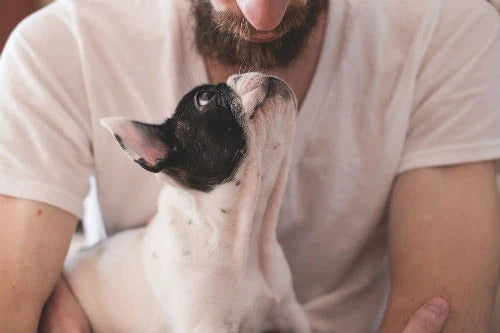
Our Blog
Diseases that pets and humans have in common
by Lobo Azul in Nov 23 2021
In addition to affection and companionship, humans can share other things with their pets, including some illnesses. Well yes, there are different diseases that, although it may seem incredible, can affect the health of both humans and that of a dog or cat.
Although the manifestations of some of these pathologies may be different in dogs than in humans, the condition is the same, and its presence could put the lives of pets at risk.
What are these diseases that dogs and humans can share? How to identify them in our pet?
Below, in this article we develop some of the most common pathologies that humans can share with their pets. And we will also present some symptoms that will allow them to be identified in time.
Diabetes
This is one of the most common pathologies between humans and their pets. Specifically, in animals such as dogs and cats, the appearance of Diabetes type 1 or 2 is becoming more common.
In humans, the appearance of this disease is caused by a sedentary lifestyle, poor diet or genetic reasons. In the case of animals, the causes do not usually vary, and diabetes is linked to the same risk factors.
Inadequate pet nutrition, lack of exercise or walks, and even hereditary causes can cause type 1 diabetes in our dogs, which is the most common in these animals.
How to identify Diabetes in a dog?
The symptoms of this disease in our pets are very precise. Noticeable weight loss is the first evidence that something is wrong.
If, in addition, this is accompanied by an excessive need to drink water and urinate frequently, it is very likely that the pet is being affected by some type of diabetes.
Going to the veterinarian immediately if you observe any of these irregularities is the most reasonable thing to do to determine whether or not it is this pathology.
Thyroid problems
Although it can occur with different frequency in each animal. The presence of hyperthyroidism in cats and hypothyroidism in dogs It is quite common.
The causes of this disease in animals have not been clearly determined, however, it is usually closely associated with hereditary reasons, to a large extent.
How to identify a Thyroid problem?
When it comes to very active animals that are affected by this disease, it is identified with a clear decrease in energy on the part of the animal. Our dog is seen tired, slow and with a tendency to constantly gain weight. If these symptoms are observed, they may indicate that the dog is suffering from a Thyroid problem and it is recommended that a veterinarian examine it to determine if this is the case.
Epilepsy
Episodes in which frequent seizures occur, both in humans and animals, are signs that identify Epilepsy. This disease affects both humans and their pets considerably.
A neurological condition, or genetic reasons, are the most common reasons why this disease manifests itself.
How to recognize epilepsy?
The detection of the epilepsy in animals It's not usually that simple. The disease is usually discovered by the presence of a seizure.
Some veterinarians recommend dog food rich in fatty acids for their reduction and even prevention. In other cases, this condition is treated with drugs, although they are not always effective.
In any case, it will be the veterinarian who will be in charge of indicating the best way to treat this pathology.
Pulmonary hypertension
Another common disease that humans and pets share is pulmonary hypertension. Very common, especially in dogs.
The causes of this pathology can be diverse, so determining a specific one is a bit complicated.
Although it may seem unusual, the treatment provided to pets with this condition is Viagra. Although it is used in humans for very different purposes, in dogs it is used to reduce high pressure in the lungs.
How to identify it?
The dog's collapse or shortness of breath is the most direct way to discover this disease. If you notice the presence of any of these symptoms, it is ideal to consult your veterinarian as soon as possible.
heart problems
The heart disease They are another very common disease in both humans and pets.
Arrhythmia and even heart attacks can affect the central muscle of our animals, as well as our own.
Inadequate diet, a sedentary lifestyle and hereditary causes are the main factors that intervene in the health of humans and pets to keep their hearts healthy.
Dogs that tend to have nervous behavior are more prone to suffering from this disease.
How to identify it?
Nervousness and weakness are some of the ways to identify this condition. However, it is very common for a heart attack to come unexpectedly. Maintaining veterinary control is a way to prevent this pathology.
Obesity
This is a very common condition in both people and animals. In both cases, the cause of the disease may be associated with inadequate or uncontrolled diet. This pathology is more inclined towards the lifestyle and nutrition that the individual has, and the same happens with animals.
How to identify obesity?
The way of identify obesity It's very simple. A progressive weight gain that causes difficulty moving, discouragement or apathy on the part of the dog when performing physical activities is the most obvious.
Maintaining a balanced nutrition, combined with exercises or long walks, will help the pet avoid this pathology. You can also read our tips to help our dog lose weight.
To summarize
All of the aforementioned diseases can occur in both humans and pets, commonly in dogs and cats. And in both, the causes may be similar.
Although some of the pathologies presented are genetic, most can occur due to inadequate or uncontrolled diet, sedentary lifestyle and other causes that can be prevented.
Keeping your pet well fed, exercising daily and maintaining proper follow-up with the veterinarian will be enough for your companion to lead an adequate lifestyle and stay healthy.
[embed]https://www.youtube.com/watch?v=2YWSV1oJwQI[/embed]
Other curiosities that may interest you:
The best dog breeds for children
How to read dog food labels
Why do dogs howl?
The most famous dogs in film history

Our Blog
Dandruff in dogs: tips to cure and prevent it
by Lobo Azul in Nov 06 2021
In the same way that occurs in humans, dogs can also suffer from dandruff, which can be dry or related to seborrheic dermatitis. In any case, you need to give the pet the proper treatment to correct the problem and take the necessary preventive measures to prevent this annoying condition from occurring that affects the quality of life of our pets. Food is an essential part of preventing and improving the quality of hair and skin. At Lobo Azul we have a feed high in omega 3 and omega 6. Super Premium Salmon Feed is formulated with more than 30% dehydrated fish and salmon oil. Thanks to the high fish content, the coat is improved.
What is dandruff?
It is a set of scales or dead cells that come off the skin cornea for different reasons and remain on the dog's skin and hair.. Although dandruff appears to be a cosmetic problem, in fact it has other symptoms that can be annoying for the animal, such as irritation, small bumps, scabs and hair loss. Additionally, because of the itching, the dog will scratch, which causes wounds and infections to appear.
It can be of different types and causes, which will be decisive in applying timely treatment and taking the most appropriate preventive measures. It is necessary to understand that this is not an aesthetic problem, but rather a health problem.
Causes of dandruff in dogs
Understanding the reason why dandruff is occurring is the first step to correcting it permanently.
Poor grooming routine. Using human hygiene products, bathing too much or too little, applying colognes that are not suitable for them... all are signs of a poor grooming routine and can be a potential cause of the skin problem.
Dry climate. There are environments that at certain times of the year are very dry and eliminate the natural humidity of the canine dermis, something that usually happens in winter. Restoring skin moisture may require dietary changes.
Infections. It is not a common case, but bacterial and fungal infections can cause this problem and even cause blisters with pus. These are treated with specific treatments.
Nutritional deficiencies. Food is important to ensure the general health of the pet and not providing it has consequences such as dandruff and poor functioning of its vital systems.
Allergic states. Exposure to an allergic or irritating element can cause this condition. Irritations can come from grooming products such as human shampoo.
Other factors. A sedentary lifestyle, Cushing's disease, and thyroid disorders are other possible, but less common, causes.
How to eliminate dandruff in dogs
The first stage of treatment is always symptomatic, aimed at correcting the problem directly. Generally, a canine shampoo is used that has in its formula a principle that helps control the discomfort. To choose this product, the type of damage that is occurring in the dermis must be taken into consideration, in order to properly choose the products to be used. Mistaking treatment can trigger severe dermatitis, so diagnosis is an important step.
The selection of the treatment must be carried out by a specialist, since each type of shampoo has particular chemical elements that fulfill specific functions, such as sulfur, selenium sulfide, coal tar, benzoyl peroxide, salicylic acid and iodine. It is necessary to dispense with all those hygiene items that may cause imbalances in the dog's skin, in this way we avoid causing further damage to our pet's skin.
Tips to prevent canine dandruff
Brush the coat weekly and groom your furry friend with a mild shampoo, specially created for dogs, it is necessary, as well as complying with the recommendation for bathing frequency according to the breed. This is one of the basic guidelines to avoid the appearance of skin problems in dogs.
Diet is another key factor in ensuring that canine skin is healthy enough to prevent dandruff from occurring. Foods that offer a correct balance of vitamins and minerals are appropriate, especially those that have Omega 3 in their formulation. Consult your veterinarian beforehand and do not change food abruptly. If it has been determined that one of the causes of the problem is stress, then the solution may be small doses of painkillers that eliminate the nervous state in dogs with a high level of stress and making them do physical activities so that they use up energy. Start with natural products to avoid the use of drugs, always under strict veterinary supervision.
Home remedies to treat canine dandruff
There are certain recipes or home remedies that can be used to alleviate this problem in a simple way:
apple cider vinegar. Due to its strong smell, it prevents dogs from scratching, and it also has the ability to reduce irritation, making the problem decrease significantly and in a very short time.
olive oil. If it is due to dryness, the simplest step is to place a little olive oil on the dog's skin, and with that restore its hydration level.
oatmeal. Bathing your dog with oatmeal can be a quick relief for skin problems because it helps restore the natural balance of skin oils and thus eliminate itching.
tea tree oil. This only serves to make our dog stop scratching, due to its unpleasant taste, but be careful, because if he ingests it he can end up with terrible indigestion.
lavender essential oil. The concentration to use this product is 1% in fresh water. Lavender has healing, antiseptic and anti-inflammatory properties, which is why it can relieve irritation and itching.
Following the tips from this guide, you can ensure that your pet will find dandruff free very soon if you are suffering from this problem and, in addition, you will know how to avoid these episodes in the future. Carefully follow your veterinarian's advice along with the recommendations given today to ensure that the treatment is effective. Learn about the health of other dog breeds here:
Why do dogs eat grass?
Gas in dogs
Vaccines for dogs: Which ones are mandatory?