Our Blog

¿Los perros pueden comer pan?

Our Blog

Can dogs eat bread?

by Lobo Azul in Feb 23 2022
When it comes to our dog, one of the issues we should pay the most attention to is food. We have the habit, in many cases, of providing in their diet the foods that we consume, and that is a mistake. This act can be harmful to the canine's health, since its diet is usually different in many aspects compared to that of a human. However, there are some foods for human consumption that, eaten properly, can be a contribution to our dog's diet. One of them is bread. Surely you are wondering if you really dogs can eat bread. The answer to this question will be given throughout this article. In it we will not only guide you on your canine's bread consumption but we will also provide some recommendations on how to include it in the diet and what kind of bread man's best friend can eat. Can I give bread to my dog? A very normal question both on social networks and in veterinary consultations is this. Como parte de la clase de animales omnívoros, los perros tienen numerosos alimentos dentro de su dieta que les aportan los nutrientes necesarios para su bienestar. However, we must not forget that the canine diet should be fundamentally based on the consumption of proteins, minerals and vitamins. The carbohydrate requirement in our dog's diet is minimal. That is why, although a small piece of bread can be given to our dog, This food should not be included regularly in your diet. Much less be the basis for it, since excess consumption can increase your weight excessively and generate obesity or glycemic disorders. Like the human body, the presence of carbohydrates such as bread in moderation is necessary to achieve the proper metabolic and nutritional balance. In the case of dogs it is exactly the same. For this reason, the consumption of bread is recommended, but taking into account some important considerations before providing it, thus avoiding causing problems to your good health. What should I consider before giving bread to my dog? As we mentioned in the previous section, there are some considerations before proceeding to give bread to our dog. One of the main ones is that this food should not be the fundamental basis of the canine's diet, since it is not a protein, but rather a carbohydrate, the frequent consumption of which can be dangerous for its health. In addition to this, another key point is to know what type of bread can be provided to our dog and in what way. This is because industrialized breads generally contain large proportions of preservatives or additives, which are not recommended for dogs to eat, in addition to dairy products to which they may be intolerant. What type of bread is best? Providing our dog with homemade bread is the best way to take care of his health and not alter his diet. Preparing the bread that we will give to our canine at home will undoubtedly save us money and headaches, since we will use the right ingredients to cook delicious bread that contributes favorably to the health of our little friend. Keys in preparing homemade bread for dogs: Before getting into the preparation, we must consider the ingredients, since the commonly used ones used for the preparation of industrialized breads are not recommended. The first thing to take into account is the type of flour to use. Thinking about the dog's health, and also about preparing bread with an exquisite flavor, the use of whole wheat or cereal flours is recommended. You can use oats, barley, rice or flax, as these products not only facilitate digestion, but also help the intestinal process. Unlike traditional preparation, in these cases you must completely avoid the use of yeast or baking powder, because they can cause illness in the dog. Instead, using brewer's yeast will be very beneficial. Thirdly, you must avoid the use of salt and sugar. As an alternative to these ingredients, if you want to sweeten the preparation of the bread, you can add a tablespoon of honey to the mixture, the effect of which on dogs is not harmful at all. While if what you want is to provide a salty flavor, you can use other spices such as turmeric, whose properties are wonderful for the health of our dogs. Recommendations If our dog is gluten intolerant, the consumption of bread should be left out of his diet. Unless it is bread made with other ingredients such as oat flour. This food should not be included regularly in dogs' diet. It can be given sporadically and moderately, like a treat, without exceeding its consumption. If your dog suffers from overweight problems, it is not advisable to give bread, because as a carbohydrate it can cause greater alterations to his current condition. Check out articles about dog breeds here: Why do dogs lose their appetite? Should I give my puppy calcium? Soft diet for dogs with diarrhea The 10 human foods that do the most harm to your dog 10 signs that your dog is not being fed well  
Consejos para fortalecer las defensas de tu perro

Our Blog

Tips to strengthen your dog's defenses

by Lobo Azul in Feb 22 2022
Just like humans, or any other living being, When dogs are in good health they are less likely to contract diseases such as infections or parasites. To stay healthy, the immune system Your dog must be the protagonist and our duty is to keep it strong through a series of care that strengthens its defenses and its health is not threatened. Dogs have a natural defense mechanism that allows them to fight diseases; This is known as the immune system and it works in the same way as it does in humans. Over the years, and with the advancement of technology, man has developed ways to provide an external defense to the dog, which contributes to the functions of its immune system, helps the dog fight these diseases, strengthening its defenses. How to strengthen the dog's immune system? It is through vaccines, and the timely placement of the corresponding doses, that we can help our dog improve its immune system. However, there are other types of measures that we can implement to help improve and strengthen the dog's natural defenses.  Food: It is the first enriching source of the dog's health. This should consist of a balanced diet rich in proteins, vitamins and minerals through a high quality feed that covers all the dog's nutritional needs. You must be careful that it does not contain ingredients that may be harmful to your health. Fresh fruits and vegetables supply a high amount of vitamins, as do barley grass and fresh wheat. Food should always be washed correctly to prevent the dog from ingesting any pesticide residue that could be toxic to its health. Hydration: It is important that your dog is always well hydrated, and in addition, the water you provide for consumption must be clean and fresh. It is also necessary to ensure the constant cleaning of the container where you regularly drink water, with metal containers being the most recommended, since they do not have a porous surface where bacteria can lodge. Exercise: It is essential that your pet stays active. Exercise turns out to be a vital point, although not all races need it in the same way. The appropriate thing is to create a routine that contains walks that allow them to stimulate their muscles. Keep in mind that both the walker and the dog benefit since they both exercise and take advantage of the physical activity. Including toys in this routine is a good option, you motivate the dog to walk and have fun. After playing, be sure to wash their toys frequently with soap and hot water to eliminate bacteria. Hygiene: This aspect is very important. Groom the dog as frequently as indicated by your veterinarian according to its breed and coat. In this way we can ensure that it does not have parasites or insects on its body, and it is also important to brush them regularly. Also take care of your eyes, nose, mouth and ears carefully to avoid diseases. Regular grooming of the dog will allow its health to benefit. Deworming: the dog is in constant contact with the floor and with the polluting agents found therein, so it is not difficult for it to contract some type of internal parasite that could harm its health. This is why it is essential to keep the dog's deworming up to date, through different medications, including natural ones. Responsibility: we must be especially careful when we use personal hygiene products, air fresheners or insecticides, it is necessary to make sure that our dog is not nearby, since the toxins contained in these products can adhere to the dog's paws and/or fur and when it grooms itself, it can pick up these toxic residues with its tongue and ingest them, which is highly harmful to its health. Food supplements In the market there are various nutritional supplementss that help strengthen the dog's defenses, at any stage of life. For example, there are products that contain high amounts of proteins, vitamins and minerals that help the dog prevent infections and diseases at different stages of development. This type of food is recommended that strengthens your digestive system, through the elimination of harmful bacteria contained in your intestines, strengthening the immune system and the absorption of nutrients from your diet. However, before giving these types of products to your dog, from Blue Wolf we consider that It is advisable to consult with the veterinarian..  Pay attention to the signs That the dog is healthy and happy will always be the priorities of its owner, so you have to pay close attention to the mood and body changes that our dogs can present. It is important to keep in mind that when it comes to puppies or elderly dogs, they require more care and attention to the signals they may give us since their health is more delicate, making them more vulnerable. If the dog is depressed, it may get sick more frequently. Changes at home, such as a pregnancy or even a move, can affect the dog's mood, since the level of stress they present affects them, even compromising their health. You must pay close attention when the dog begins to have ear infections, conjunctivitis, allergies or skin problems. If these appear frequently, they may be a sign that our dog has low defenses and his immune system is compromised.  A nutritional deficit, very strong temperature changes and even the level of pollution in the environment can significantly weaken our dog's defenses, so we must take these factors into account when diseases in the dog begin to be frequent and we do not understand what is happening due to the frequency of its discomfort. However, the best recommendation we can give you for strengthen your dog's defenses is to take it to the vet regularly and follow their recommendations to the letter. These actions and a lot of love will make your pet a healthy and happy dog. You may also be interested in: Why do dogs lose their appetite? What vegetables for dogs can my pet eat? Should I give my puppy calcium? Soft diet for dogs with diarrhea 10 signs that your dog is not being fed well
¿Por qué los perros pierden el apetito? Causas y soluciones

Our Blog

Why do dogs lose their appetite? Causes and solutions

by Lobo Azul in Feb 16 2022
Is your dog eating little lately? The loss of appetite in dogs It can represent a headache for its owners, even more so when the reason why the canine rejects food is unknown. In addition to this, the issue of our dog's health and well-being is closely linked to a balanced diet, which would be altered due to this situation. If you have a canine that is experiencing a loss of appetite, in this article we will give you some signs of the reason why this is happening, also accompanied by some solutions that can help make the loss of appetite that your puppy is suffering disappear. Be sure to read the following information, which will surely be of great help to you. Loss of appetite in dogs The reasons why a dog can lose its appetite are numerous, from feeling depressed to an illness. In general, loss of appetite may be the manifestation of some imbalance in the dog's life. Discovering the reason why this situation is occurring is of great importance to determine how to stop it and get our dog to return to its regular eating habit. Below are some of the causes of loss of appetite in dogs. Bad perspective On many occasions it happens that, beyond a feeding issue, we see that our dog consumes less food than others. Therefore, thinking that this could be a sign of alteration would be a mistake. Furthermore, it should be said that an adult dog can go up to two days without eating without affecting its health. So worrying about this may be unnecessary. Of course, if it exceeds two days, it is necessary to take the situation seriously and investigate the cause. Disease Loss of appetite too It could be a symptom of some disease. or discomfort that the canine presents. Stomach pain, kidney or liver problems, and even chronic diseases such as cancer, are scenarios in which the dog can lose its appetite. In this case, consulting a veterinarian is essential to determine if it is a disease. And, even more, to determine its severity. Lack of attention Although on many occasions the lack of attention towards our dogs seems insignificant, it can cause them, in a search to attract the attention of their owners, to stop feeding. Dental problems When a dog has any tooth or gum condition If it causes frequent pain, you may stop eating to avoid getting worse. In many cases, dental problems can be prevented by practicing proper oral hygiene and providing quality feed. Depression or anxiety The depression, anxiety or nervousness, can be a cause of loss of appetite in dogs. The loss of a close person or returning from vacation are the most common scenarios for dog depression. Boredom Although it may seem like an uncommon cause, consuming the same food for a long time can cause the dog to get bored of the food and no longer eat it as frequently. Therefore, it is an essential issue that must be given due attention. What should I do if my dog ​​loses his appetite? When faced with a dog's loss of appetite, the first thing to do is determine the cause. In this way, the problem will be eradicated and the dog will eat normally again. If it is, for example, a disease, whether stomach or other, it is best to counteract it. In this way, the dog will regain its health and, therefore, its appetite. Now, if the lack of appetite is due to other causes such as depression, it is essential to have veterinary or psychological treatment that leads to overcoming this state. Among other things, making variations in our dog's food, changing feed from time to time, and combining it with other foods that are of adequate consumption, can help the dog maintain interest in food and not get bored with its eating routine. On the other hand, if it were a need for attention, the ideal would be to make sure that you are giving your dog proper attention. Taking care of him and making him feel cared for will be very helpful in ensuring that he is fed properly. Other dog food articles that may interest you: What vegetables for dogs can my pet eat? Should I give my puppy calcium? 10 human foods that do the most harm to your dog 5 healthy eating guidelines for your dog Times a dog should eat Toxic dog food
¿Qué verduras para perros puede comer mi mascota?

Our Blog

What vegetables for dogs can my pet eat?

by Lobo Azul in Feb 14 2022
Since dogs all the time want to eat what their owners eat, many wonder if some vegetables for dogs can be included in their diet. A healthy snack never hurts, as long as you choose the right option, since it is not recommended to give them just any food. A healthy diet must be balanced and to do so we must keep fruits and vegetables in mind since they are essential for our dog. They provide large amounts of nutrients that help reduce and control many diseases. Lobo Azul has a variety of food rich in vegetables, for adult dogs we have the reference of Lobo Azul Salmon and for puppies with the reference of Lobo Azul Puppy Sensitive, specially formulated to satisfy the healthy state of our dog. Among them we highlight peas, carrots and potatoes, essential for strengthening the immune system. Some vegetables for dogs contain vitamins and minerals, plus they are low in calories and provide fiber that promotes proper digestion. Care must be taken with the portion and the way of preparation. Recommended vegetables for dogs There are many ways to give vegetables and greens to canines, without being raw, such as cooked, steamed, baked, roasted, grilled or dehydrated. Next We show you a list of vegetables good for dogs which will be useful if you want to administer a healthier diet to your pet. Potatoes Potatoes are vegetables for dogs that provide a good source of vitamins C and B6, potassium, manganese and fiber. They should be washed well and cut into small portions without peeling. The best way to cook them is in the oven. asparagus Some well-roasted asparagus gives your pet a good dose of vitamin K, in addition to containing vitamins A, B1, B2, C and E, folic acid, iron, fiber, manganese and potassium. Broccoli Not only in humans, Broccoli is one of the most recommended vegetables for dogs, due to its contributions of vitamins C, K and A, along with folic acid, manganese and fiber. You can give them to your pet boiled or cooked in the microwave. Brussels sprouts Your dog will enjoy boiled Brussels sprouts. Consider adding them to your canine's diet so he or she receives a good helping of manganese, folic acid, fiber, potassium, and vitamins A, B1, and B6. Carrots carrots are some excellent vegetables for dogs. These snacks become a great source of vitamins A, K and C, fiber and potassium, essential for the development of the furry dog. Cauliflower Your dog will love cauliflower and it will improve his health for many reasons. It is recommended to grill it well washed in order to provide vitamins C, K and B6 and folic acid to your pet. Cucumber Boiled cucumbers become a nutritious snack for dogs. You must wash them, peel them and remove the seeds. This way you will give your pet an important portion of vitamin K. Edamame Green soybeans, or edamame, are vegetables for dogs that are prepared by steaming. You can get them frozen in the supermarket if you are looking to increase your furry friend's dose of protein, iron, fiber, phosphorus, potassium, copper, magnesium, omega-3, and vitamins K and B2. green beans Boiled green beans They constitute a food for dogs that help improve their vital functions, thanks to the fact that they are a good source of vitamins C, K and A, manganese and fiber. peas Peas can be prepared in several ways and provide a good source of vitamin K and C. They also contain manganese, fiber, folic acid, phosphorus, proteins, magnesium, copper, iron, zinc, potassium and vitamins B1, A, B6, B3 and B2. What can be better? sweet potatoes If you choose to dehydrate some sweet potatoes, you will get high quality vegetables for dogs. This food provides vitamins A, C, B6 and B5, manganese, potassium and fiber. Some fruits for dogs In addition to the dog-friendly vegetables As we mentioned, there are some fruits that are also recommended if you want your canine to eat healthily with nutritious food. Among them are: Apples Bananas Blueberries Mangoes Oranges Pears Peaches Pineapples Raspberries watermelons Toxic vegetables for dogs Not all vegetables are recommended for canines, since there are foods that, instead of providing nutrients, deteriorate the health of your pets. Some toxic vegetables for dogs that you should avoid in food are the following: Onions: Dogs should not eat onions because they are poisonous to most pets. They can cause a breakdown of red blood cells, as well as causing vomiting, diarrhea, stomach pain, and nausea. mushrooms: Wild mushrooms are often toxic to dogs, and could even cause the animal's death. Maybe some species are good, but better safe than sorry. Tomatoes: Although the red part, the one most consumed, is considered safe for dogs, the green parts of the plant contain a toxic substance called solanine, which in large quantities makes dogs sick. Some fruits that should also be avoided are avocados, cherries and grapes, as they can cause serious illnesses. Important tips The best way to feed your pet correctly is to consult with a veterinarian, who has the knowledge to design a food intake according to the breed, age and size of your canine. Some additional tips on vegetables for dogs: Although dogs enjoy raw vegetables, these animals have short digestive systems, so they don't get as many nutrients from eating raw vegetables as humans do. A good way for canines to get all the nutrients from dog-friendly vegetables is to puree them. All vegetables for dogs should be well washed before cooking. Regardless of how you prepare vegetables for dogs, do not use salt, as it could cause heart problems. Watch out for any adverse reactions, such as nausea or loose stools. Vegetables often cause gas in dogs, so don't go overboard with the amount you give them. If you are giving your dog the vegetable for the first time, give him only a small portion and see his reaction before increasing the size or quantity. Now that you know the good vegetables for dogs, you will be able to design a varied diet that includes a greater amount of nutrients. That way, your pet will live happily, because the food will promote better health and prevent the appearance of diseases. Find answers to other questions about dogs like: Soft diet for dogs with diarrhea The 10 human foods that do the most harm to your dog 5 feeding guidelines for your dog Symptoms of food allergy in dogs Toxic dog food

¿Debo darle calcio a mi cachorro?

Our Blog

Should I give my puppy calcium?

by Lobo Azul in Feb 01 2022
A fairly common doubt in veterinary consultations is the possibility of give calcium to dogs. Due to ignorance, it is believed that in any context calcium will always be beneficial for our canine friends, when in reality, not having adequate considerations when providing this supplement can be harmful for different reasons. Since Inadequate calcium supply can affect the health of our dogs, we consider that this topic should be explained in detail. That is why, in this article, we will develop one of the most popular questions for those who are pet lovers: should I give calcium to my puppy? Calcium in puppies Calcium is one of the crucial elements that should not and cannot be missing in a puppy's life. Its presence is synonymous with well-being, as it helps prevent diseases and maintain an optimal state of health in our canines. A puppy dog ​​requires around 320 mg per kilo of calcium per day, while in the case of an adult dog, the dose usually decreases to about 120 mg per kilo per day. It must be taken into account that an important source of calcium is breast milk, but this supply stops reaching the puppy the moment the puppy is separated from the mother. However, supplying more than it should consume can be harmful to the animal's health. instead of contributing to its correct development and growth. While it is true that calcium is associated with the growth and strengthening of bones in puppies. But, we must keep in mind that the excessive supply of this supplement will not make our puppy grow faster or stronger. On the contrary, its abuse can cause serious side effects in the canine's life. There are puppy foods on the market that contain adequate levels of calcium, which can provide what our dog needs, considering aspects such as breed and age. In addition to this, homemade dog diets also offer the necessary supplement. However, these diets must be guided by a veterinarian so as not to exceed calcium consumption. In any case, it is necessary to recognize when a dog needs calcium, this way we can know how to act. A veterinarian will know how to determine if our canine has a calcium deficiency or not. Lack of calcium in my dog: how to identify it? Realizing that our dog lacks calcium is a somewhat complex task. In some cases, calcium loss may be gradual and symptoms do not appear immediately, so identifying this problem at first glance is difficult. However, the lack of calcium in puppies It can be perceived through some signs, which we mention below: Growth As we have mentioned, calcium directly influences the strengthening of bones and, therefore, the growth of puppies. Therefore, one way to notice that there is a lack of calcium in your body is to notice that your growth is not occurring adequately. If you think this is happening to your puppy, go to a specialist, he will determine if it is due to a lack of this component. cardiac disorder Lack of calcium in dogs not only affects their bones, but also their heart. Frequent tachycardia or arrhythmia are usually other symptoms that show the deficiency of this component. Given this, the dog will show apathy or fatigue with certain activities such as running. Spasms The presence of muscle spasms or convulsions is another recurrent manifestation in dogs with a lack of calcium. Hip and diluents In older dogs, hip dysplasia, and even tooth loss, can give us an idea that there is a calcium deficiency in our canine's body. So pay attention to these demonstrations. greenish urine If you see your dog urinating green, it may be because it is eliminating calcium through this route. And if it is complemented by vomiting, lack of appetite and fever, there may be a problem that is causing calcium to not be maintained in the blood. What to do when there is a lack of calcium Surely you are already thinking that your dog urgently needs calcium and you are looking for a way to supply it. Not overdoing it is one of the main things to avoid, because more than contributing to the health of our dog, we would be negatively influencing its well-being and growth. The first thing we should do in these cases is go to a veterinarian. He will tell us if our puppy really has the necessary calcium to grow healthy and strong. And, if not, it will give us recommendations to provide enough calcium appropriately. Food is one of the most influential factors and one of the main sources to provide the calcium required by our little friend. That the food we provide to our puppy is quality, adjusted to its age and size, is what assures us that it will be receiving the dose it needs. Bones are another good source of calcium. Letting our dog eat or bite a bone from time to time is not bad. Remember that they cannot be birds! And always be careful with excesses. Your calcium needs will always depend on growth and size. Don't forget to avoid a larger supply than you need, as well as the supplements associated with this component. An excess of calcium and phosphorus in the dog's body will produce an imbalance in its development that would permanently affect its life progress. Consulting with the veterinarian and naturally providing a diet that provides the right proportions of calcium will make our furry companion grow healthy and happy. Other articles of interest: My dog scratches a lot SOLUTION How to deworm a puppy Kidney failure in dogs Canine anemia: Causes, symptoms and treatments How to treat my dog's cold kennel cough
Anemia canina: causas, síntomas y tratamiento

Our Blog

Canine anemia: causes, symptoms and treatment

by Lobo Azul in Jan 19 2022
Like ours, our dogs' health is conditioned by different aspects. Food, exercises, attention and care are the main elements that pets require to remain in stable well-being. A good diet is essential, especially when our dog has low defenses. It is recommended to use quality feed to offer a good diet. At Piensos Lobo Azul we have a wide catalog of Super Premium quality feed, references such as the super premium Lamb food for adults and the super premium Puppy Sensitive food for puppies would be two good options to feed our pets. However, there are diseases that affect dogs progressively and whose symptoms are not recognized with the naked eye. One of the most common is canine anemia. It is a disease caused by a lack of red blood cells, causing dogs to weaken and present different symptoms. But what is canine anemia? How do you know when a dog suffers from this condition? How can you treat it? These issues are unknown to many owners, causing the dog to be greatly affected. For this reason, we have prepared an informative article where we will provide all the details about anemia in dogs, its symptoms and the treatment that must be followed to reduce the disease. Be sure to read this important post and ensure good health for your dog. What is it? In the same way as happens with human beings, a large number of cells are found in the bodies of animals: from nutrients to red and white blood cells and platelets. These elements constitute a fundamental role for the health of the canine. Each one has a specific function and a certain presence in the blood that, if higher or lower than its standard, can cause alterations in the dog's health. In the specific case of red blood cells, their primary function is the transport of oxygen, not only to the blood itself, but to the entire body. Its presence in the blood of canines is usually no less than 39% and no more than 60%. A value lower than that indicated would mean the presence of anemia in the dog. Once the function of red blood cells in the blood is known, a decrease in these translates into a serious risk for the dog's health, since we would be talking about a oxygen deficiency in the canine's body. In simpler terms: canine anemia. But what is this disease due to? Let's find out below the main reasons for the appearance of anemia in a dog. Causes The causes of canine anemia They may vary according to the animal's organism. However, we will present the most common ones below: One of the main causes of anemia in a dog is that it does not produce the adequate amount of red blood cells. The body's deficient production of red blood cells is one of the problems that this disease generally causes. On the other hand, the self-destruction of red blood cells by the dog's immune system may be another cause of this disease. An external injury that causes excessive blood loss or internal bleeding can be another cause of canine anemia. The presence of parasites in the dog's digestive system, or serious infections in its body, can produce a decrease in red blood cell count, which would give way to this disease. Some medications given to the dog to treat other conditions can cause the red blood cells in the blood to decrease, causing anemia. Depending on the type of anemia that occurs, the causes may vary. Let's see the types of anemia and their causes. Types of canine anemia According to the factor causing anemia, its type or characterization can be identified individually. In this case, Three types of anemia can be distinguished that can affect the dog's health: Hemorrhagic anemia This type of anemia is directly associated with blood loss, whether due to internal bleeding, an open wound, the presence of parasites in the digestive system, the appearance of ulcers or bleeding in feces or urine, which can be causes of this condition. It is necessary to alert yourself if the dog suffers from any of these characteristics. hemolytic anemia We talk about this type of anemia when it is the dog's own immune system that destroys red blood cells, which reduces their production and prevents them from acting favorably on the animal's health. It can be of two types: Immune-mediated The destruction of red blood cells is produced by antibodies produced by the body itself. congenital The destruction of red blood cells is caused by inherited conditions. aplastic anemia It is caused when the number of red blood cells produced by the body is not enough to compensate for those destroyed. This may be associated with the presence of tumors or infections. Surely you are wondering how to identify canine anemia? Well, below, we will see some symptoms that will help you detect this disease. Symptoms of canine anemia Weakness in the canine is one of the most visible ways to show anemia in our dog. The deficiency of red blood cells results in a lack of oxygen in the tissues, therefore, you will not have the necessary strength to carry out your daily activities. Lack of appetite, depression and even fainting are also aspects that are commonly seen in a dog suffering from canine anemia. Also accompanied by bleeding in the stool, tachycardia and paleness in specific areas such as gums and mucous membranes. If you observe any of these symptoms, it is necessary to go to a veterinarian to diagnose the cause. Treatment Talking about a specific treatment for dogs suffering from anemia is a bit complicated, because it depends largely on the cause of the disease. Once the cause is determined, the veterinarian will be able to establish a treatment based mainly on diet, supply of vitamins and other aspects that significantly improve the dog's health and the disease disappears. Beyond talking about treatment, emphasizing the prevention of this disease is really important. Well, although not all causes are preventable, there are aspects that, when taken care of, can favorably improve the health of our dogs in this regard. In the first instance, take care of the diet, ensuring that it contains the vitamins and nutrients necessary for the dog to remain in good health. Likewise, periodic visits to the veterinarian and adequate care of the dog based on its quality of life will be enough to prevent this disease in some cases. Due to diet, there are some foods that can promote the health of a dog suffering from anemia: liver, yogurt or vitamin C are some of the most recommended foods. However, it will be the veterinarian who determines the diet and care that the dog should receive to improve its defenses. Other articles that may interest you: Toxic plants for our dogs How to treat my dog's cold Food allergy symptoms in dogs Kennel Cough - Symptoms and Treatment Leishmaniasis in dogs
Los 10 alimentos humanos que más daño hacen a tu perro

Our Blog

The 10 human foods that do the most harm to your dog

by Lobo Azul in Jan 18 2022
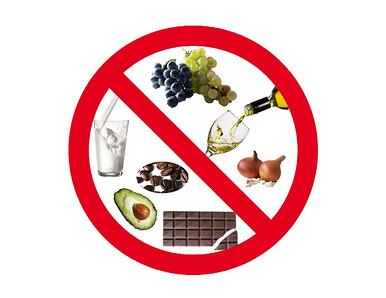
Although feeding our dogs is not a very complicated issue, it should not be taken lightly, since it requires certain care and special attention to guarantee the health of the canine. One of the most frequent mistakes in the nutrition of our pets is feeding them foods that are not suitable for consumption. Generally, we believe that they can consume the same nutrients as us, and the reality is that these can affect them considerably, some to a greater extent than others. ButWhat human foods are bad for my dog?? This question can be very common and ignorance of the foods that affect our pet's health causes us to share foods with them that are not indicated. Next, we will show the 10 human foods that do the most harm to your dog. chocolate Although it is a delicious food that our dogs may love, it is highly harmful. Chocolate is characterized by providing energy to our body thanks to a substance called theobromine, component that the dog's digestive system does not easily process. Consumption of chocolate can cause everything from vomiting, diarrhea and low blood pressure, to heart attacks or paralysis. Dogs have a much weaker nervous system than a human to protect themselves from this, so processing chocolate is a more complicated issue. Preventing our canine from consuming this product can be harmful to the canine's health.   Grapes and raisins Regardless of the breed or age of the canine, the consumption of grapes or raisins in minimal quantities will immediately negatively affect the canine's well-being. This can cause vomiting, lethargy and even depression in the canine. In addition, raisins can affect the functioning of the canine's kidneys. Therefore, avoiding sharing these foods with dogs is really essential if we want their health to remain stable. onion and garlic Both foods contribute to the destruction of red blood cells in the canine's body. Most of the foods cooked at home are seasoned with these products, and although a small amount may not cause discomfort, the frequency with which it is consumed can cause severe poisoning, which also causes anemia. In canines, anemia manifests itself with loss of appetite, difficulty breathing, vomiting, weakness and fatigue. Macadamia nuts This is one of the foods with the highest level of toxicity if they are consumed by a canine. Although peanuts are suitable for dogs to consume, all nuts are harmful, including macadamia nuts. They can instantly end your pet's life.. Tachycardia, muscle spasms, frequent vomiting or high fever are the most visible symptoms when the puppy consumes macadamia nuts. Even more so if you consume nuts with chocolate, as both are toxic separately, and together they can be even more harmful.   Avocado Despite being a natural food and beneficial to humans, feeding a dog with avocado, even a minimal amount, will considerably affect its health. The content of a substance called persina makes canines unable to consume it. This substance is found throughout the avocado, so Under no circumstances is it recommended that dogs try this food.. Dairy Consumption of dairy products in minimal quantities is not harmful. However, overfeeding your canine with dairy products is not recommended. When it comes to giving your dog rewards, a little cheese is an excellent option. However, consuming ice cream in large quantities or milk can cause parasites, vomiting, diarrhea and even stomach upset that leads to a severe allergy. Caffeine Like the consumption of chocolate, caffeine is a highly dangerous product for canine consumption. So much so that in large and frequent doses it can considerably affect the dog's health. Dogs' bodies cannot process caffeine in the same way as humans, and the effect will not be the same for the canine, who will be highly affected if you share your coffee with him. Hyperventilation, heart attacks and muscle spasms are the most frequent symptoms that can be observed when the canine has consumed a dose of caffeine that considerably affects its health. Sweets with xylitol The xylitol It is a component used as a sugar substitute, it considerably harms the health of our canines, so it is necessary to prevent it from being consumed by them. As much as possible, try not to share the sweets you eat with your canine friend. Xylitol as a sugar substitute causes insulin levels in the blood to decrease significantly, causing the liver to function inadequately and the puppy's body to progressively deteriorate. The dog, upon consuming this component, may experience vomiting, lethargy and even seizures.   alcoholic substances Although it may seem fun to give alcoholic substances to animals, this joke can end up harming your canine's health. Certainly the effect of alcohol consumption is the same in humans and dogs, but it can cause greater harm to the latter. Difficulty breathing, diarrhea, vomiting, and even death are some of the consequences triggered by the supply of alcohol to canines, especially if they are puppies. bones Thinking that bones are good food for dogs is a mistake, especially if they are small, sharp bones that can cause choking. Worse still, perforation of the intestine or an intestinal obstruction are the most serious consequences. Although it seems natural, feeding dogs bones is not recommended. They can be replaced by other foods that are of greater benefit to our canines. Now that you know these 10 human foods that should not be consumed by canines, you can avoid feeding them to your pets and make their health a priority. The well-being of our pets is our main responsibility, therefore, to take care of them, aspects such as the foods they can or cannot consume must be considered and in this way keep them healthy. Discover more articles about dog care here: kennel cough Food allergy symptoms in dogs Toxic dog food Dandruff in dogs Common canine diseases due to poor diet
10 señales que indican que tu perro no está siendo bien alimentado

Our Blog

10 signs that your dog is not being fed well

by Lobo Azul in Jan 17 2022
IF there is a topic that is transcendental in the lives of our pets and it is, without a doubt, feeding. This aspect of the life of a dog or any other animal represents great relevance, since aspects such as its health, its physical appearance or its behavior will depend on it. Identifying when our canine is not receiving adequate food, in the proportion and frequency it should, is essential. In this way, we will ensure that you maintain physical and mental balance. However, the large number of dog food brands has caused confusion among pet owners. This, on many occasions, results in the dogs not being well fed and presenting some difficulties and even diseases. For this reason, in the following article we will define 10 signs that will help you identify when a dog is not being well fed. Many of them are also common problems in our pets that can go unnoticed. Be sure to read the following information and discover the best way to keep your dog well fed and healthy. How do we know if our dog is well fed? We know that our pets do not speak, however, through their behavior or actions we can realize how their health is and how it may be affecting their well-being.   It is important, then, to observe each behavior in our canine. From their attitude, to those less pleasant aspects such as their feces, smell and appearance. These signs will allow us to get an idea of ​​how the dog is maintaining itself. 1. Gastric disorders This is usually one of the main signs that our dog is not receiving a correct diet. Although we cannot distinguish when they present upset stomach, it is possible to notice that something is not right through their bowel movements. We must know that our dog's stools are normally hard and wet. If we observe that his defecation has a different appearance, it may be due to a gastric alteration resulting from a food he has ingested. Another important detail is the time the canine takes to defecate, as this process should take no more than a minute. If you notice that it is difficult for him to pass stool, it is another sign that something is not right in his stomach. Both constipation and diarrhea are indications of a gastric disorder that can be caused by poor diet. 2. Gases Although some breeds have a tendency to be very flatulent, this appearance is not common when it becomes excessive. For this reason, it is considered a sign that something is not right. As in humans, the excess gases It occurs when some food is fermented in the stomach. This produces not only flatulence and constant repetitions of the taste of food, but also stomach upset. It should be noted that, when the food is suitable for the canine, it will under no circumstances cause stomach pain, discomfort, much less gas. If your dog has this condition, it is because the food you give him is not adequate and you must replace it immediately. 3. Unpleasant smell No breed of dog should have a bad odor. This appearance is not normal, for those who assume that canines normally have a bad odor. That is, if you notice an unusual smell on your dog, it may be that the food is not adequate. A normally unknown fact is that Feeding directly influences the smell of animals, especially dogs. Therefore, if you feel that it gives off an unpleasant odor, this may be the reason.   4. Frequent itching Parasites or dirt are not always the cause of continuous itching in our pets. In general, poor diet also influences this aspect. The deterioration of the body due to poor diet is more normal than it seems. This means that our canine can see its health affected by this aspect on a regular basis, and even more so if appropriate measures are not taken for it. One way to notice that something is not right is not only through itching, but also because it has duller, dryer, damaged fur and also excessive hair loss. 5. Obesity Unfortunately, canine obesity is a fairly common disease and the main cause of this problem is poor diet. The excess weight It causes different discomforts to canines, so taking care of their diet should undoubtedly be the priority of pet owners. Diabetes is one of the most recurrent diseases caused by obesity. Thanks to good nutrition it is possible to prevent the animal from having any pathology. 6. Frequent vomiting If a food is bad for our canine, the most reliable proof of this is that it presents symptoms of frequent vomiting. Thinking that it is normal excessive vomiting in our pets It is one of the most common and least valued errors.   Poor nutrition can cause repeated episodes of vomiting and other stomach discomfort, which can also cause loss of appetite in the dog. It is important, upon noticing that our canine friend vomits frequently and abundantly, to leave the used food in his diet. In addition, it is necessary to go to the veterinarian, in order to prevent this from being an inconvenience that affects your health more seriously. 7. Persistent otitis Although it is curious, and for some people almost impossible, it has been determined that the recurrent otitis In dogs it is closely related to poor diet. Allergies to some food can trigger an infectious process that is reflected in the canine's ears, which is why we must focus on adequate nutrition. 8. Discouragement If there is something that reflects a poor diet in canines, it is, without a doubt, their lack of energy. Dogs are generally energetic animals, although some more than others. When you notice that there is a decrease in this aspect in them, it may be due to poor nutrition. By not receiving a balanced meal, the necessary nutrients are not provided to your body, therefore, your body does not produce enough energy to stay active. The lack of nutrients such as vitamins and other essential elements in canine nutrition is consequently reflected in the dog's mood.   9. Behavior changes Especially if a dog is well trained, this aspect will be very noticeable. When there is a poor diet, the dog begins to bother about food, since what it receives cannot satisfy its hunger. Annoying at the table, rummaging through the trash, asking for food with exaggerated frequency... these details are essential to determine that the canine is not being well fed. It is not about the amount or frequency with which the dog receives food, it is about whether the food provided has the necessary nutritional components according to its age and size. This way, you can stay satisfied and not present anxiety crisis due to poor diet. 10. Loss of appetite Another very common case of poor canine nutrition is loss of appetite. It is actually the most common signal, because by not liking the food it eats, the dog will show it through the rejection of food that is supplied to you. It is not normal, but in these cases the canine prefers to spend a whole day without receiving food than to consume what it does not like or the same food as always. It is also necessary to change food from time to time, this way the dog will be attracted to the new dishes and will not lose its appetite. However, it is necessary to keep in mind that, when doing so, it is within what they can consume and ensure that they receive the necessary nutrients to feel healthy and strong. In conclusion As you can see throughout the article, there are different ways to notice when your canine is not being fed well. The importance of this topic lies in reducing the lack of knowledge surrounding canine nutrition, and ensuring that those responsible for pets acquire appropriate information on how to identify when there is poor nutrition. Taking care of your canine's health is making sure you have a long-term companion, so be sure to observe each of these signs and, if any occur, take the appropriate measures to avoid aggravating your dog's health. You will find more information about dogs here: 5 healthy eating guidelines for your dog Importance of proteins in our dogs' diet How to know if the food you give your dog does not agree with him Times a dog should eat Food allergy symptoms in dogs Toxic food for dogs.
5 pautas de alimentación saludable para tu perro

Our Blog

5 healthy eating guidelines for your dog

by Lobo Azul in Jan 13 2022
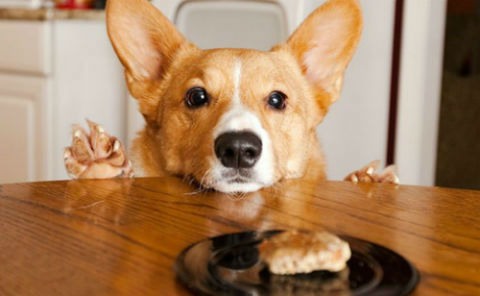
The feeding our dogs It will always be a topic of great relevance. The well-being of each pet will largely depend on this aspect. Therefore, taking care of what you eat, when you eat, and how many times you eat will be essential to ensure that you maintain an adequate balance in your health. In general, pet owners tend to share their food with their canines, a situation that is not recommended. It also happens that they provide the dog with a type of food that is not recommended or of low quality feed, which does not contribute to a healthy diet. It is important to always consider that every aspect of canine nutrition is covered, so that the dog receives, at all times, the necessary nutrients to maintain an adequate state of health. But how to feed the dog correctly? In the following article we tell you 5 guidelines especially aimed at your dog's healthy diet. Don't stop reading this important information. Discover simple and efficient steps to improve your dog's nutrition. Provides food according to your needs When it comes to food, there are different aspects that define the type of food we should give our pets. The age and size of the canine will always be relevant when providing any feed. In the puppy stage and in youth, dogs need a greater amount of energy and protein, these aspects must be supplied through feed. It is necessary that dogs, through adequate nutrition, receive the precise amount of nutrients. In relation to size, the growth of a dog varies according to the breed and, based on this, the diet will also vary. Our pet's nutritional needs will vary depending on its breed and the growth process. of this.   It is also important to highlight that there are different types of feed on the market, with special characteristics to contribute to the nutrition, growth and specific well-being of our pets. Furthermore, it is important to consider the exercise factor in our dogs' diets, since a canine that has an active exercise routine must receive nutrition that provides it with a greater amount of energy and keeps it strong. In these cases, the feed and all the food that the dog receives daily must be indicated for this purpose. Control portions properly If there is a common problem in the lives of canines, it is obesity. This condition frequently occurs due to having an incorrect type of diet, almost always from providing food in an exaggerated manner and a large number of times a day. Canine obesity occurs when the animal is fed more times than its body, size, age and breed require. In addition to this, if the feed provided does not meet the nutritional needs, the risk of the dog being affected by excessive fatness will be much greater. Although obesity is not considered a serious problem by most people, the health problems that it can cause to dogs are abundant. From limiting your movement, to heart and bone diseases and even death.   A positive aspect is that overweight can be avoided in different ways. The main thing is to feed the canine rigorously. Although there are human foods that can be shared with the dog, it is not always the most appropriate, as this contributes to its weight gain. It is important to avoid falling for canines' requests for food, since not only does it create a habit in the animal of making faces to ask for food, but it also causes the canine to not be satisfied with the portion of food provided and insist on receiving more. The best is control portions appropriately. To do this, it is important to get a feed that meets its nutritional needs and also provides what the dog truly requires to remain satisfied until receiving its next portion of food. Choose a good quality feed Seeking to economize when talking about dog food is one of the most common mistakes and one of the biggest risks that exist. We must remember that our canine's diet influences a large percentage of its health and well-being. For this reason, it is important that he maintain a medium-high level of quality in his diet. In general, feed with these characteristics is more expensive. However, this will ensure greater benefit to our pet. The best way to guarantee a balanced diet that in turn provides the canine with the nutritional needs it requires for its growth, is by providing it with a feed that meets all these characteristics of greater digestibility, a large amount of nutrients and energy contributions, among others. It must be considered that although feed with the aforementioned aspects usually costs more than a simple feed, the benefits it provides to our pet will be reflected in its behavior and even in its physical appearance, since a quality diet even influences the shine and condition of our friend's coat and skin. Another important detail is that quality feed not only benefits its diet, but also contributes to the dog's dental health. Generally, more expensive foods help prevent gum inflammation and gingivitis. These reasons are more than enough to provide an adequate and quality diet in the life of your canine friend. Remember that our pets deserve the best and one way to ensure their well-being and health is by providing them with a large amount of love and good nutrition. Don't feed him outside of time One of the main causes of obesity and overweight in our pets is feeding them outside of their normal time. Our dogs are naturally olfactory, when they perceive the smell of a pleasant food, they will want to receive some and will insist until they get it. This fact can be repeated frequently, but instead of doing our pet a favor, what is being caused is that there is a notable lack of control in its diet, to the point of becoming overweight. If we want our pet to be adequately fed, it is important Do not provide food outside of normal hours. In addition, it is necessary to avoid giving more than your share at the correct time.   Although it is difficult to resist the tender look of our dog asking you to share your meals, you should ignore his request and get his attention seriously, so that he understands that he should not ask for your food. With this, you will not only get your pet to stop the bad habit of asking for food, but you will also be able to have a healthy and balanced diet. Also, don't forget to keep your food out of your pet's reach, because if it were to consume the wrong food, it could trigger an allergy or a severe gastric condition. The best option will be to avoid snacking between meals and thus keep our dog healthy and strong. Discuss your canine's diet with the veterinarian. Although there are aspects known to anyone in relation to feeding a canine, it is best for the veterinarian to guide you about what foods are appropriate for our pets and in what quantity. It is important that every aspect related to our pet's diet and feeding be previously advised by the specialist. In this way it will be carried out in the most correct way possible and the well-being of the dog will be guaranteed. If you intend to change any detail in your pet's nutrition, be it the feed, the schedules or the food rations you provide, it is necessary to consult directly with the veterinarian first. This is essential. Your dog's doctor is the one who will determine what the process will be to make any changes to his diet. In addition, he or she will be able to advise you about the reactions that these changes may have in the dog and will also prepare you to act favorably in the face of it. In cases where canines have special dietary needs, whether due to some health condition or another aspect, the specialist's guidance should be essential, because they will provide information about what the canine can consume and in what quantity. Although simple, these five guidelines are essential to carry out a healthy diet for your dog. Each of these aspects will help you have a healthy, strong and happy pet. Check out more tips on dog feeding: Importance of proteins in the diet of dogs. How to know if the food you give your dog does not agree with him. Times a dog should eat. Can dogs eat fruit? Toxic food for dogs.
La importancia de las proteínas en la alimentación de nuestros perros

Our Blog

The importance of proteins in our dogs' diet

by Lobo Azul in Jan 12 2022
Dogs are carnivorous animals and for that reason their digestive system is prepared to receive and process high amounts of protein, which fulfills multiple functions within their body. to understand the importance of proteins in the lives of our pets It is necessary to know what they are for and why the body needs them for its proper functioning. Within the animal organism, proteins fulfill basic functions that can be classified into two types: Structural: are those proteins that make up bone and muscle tissues as well as hair and nails. Metabolic: are those proteins that have active participation in the physiology of the organism. This group includes enzymes and hormones that serve as catalysts of the metabolic process. Proteins perform vital functions within the body. These are structural components that are present in tendons, nails, ligaments, skin and hair. In addition, they are directly involved in the maintenance of muscle mass during all stages of canine life.  Proteins are considered all those substances that have direct participation in basic metabolic processes. There are hormones that are proteins and that perform transport functions, for example hemoglobin. In fact, the immune system itself is made up of proteins since antibodies, which are responsible for the body defending itself against diseases, are also protein molecules. In puppies, proteins allow tissues and muscles to be created and formed, therefore, a good amount of protein will help the puppy grow correctly, with health and strength. In adult dogs, proteins serve to maintain muscle mass, hair, skin, bones and maintain the correct functioning of vital systems. As dogs age, their protein needs decrease, but they remain equally necessary.  Dogs receive the necessary amount of protein they require directly from the food they consume, for this reason the diet must be adequate based on feed formulated to cover the nutritional needs corresponding to the stage of life in which the dog is, as well as its size, breed and general health. In contrast, When we feed our pet inadequately we can cause vitamin and protein deficiencies. which directly affects the dog's quality of life and accelerates the aging process and the possibility of degenerative diseases such as osteoporosis appearing. Importance of proteins from the canine diet The proteins that we provide to our pets through food are of vital importance, as they have the ability to provide them with the amount of essential amino acids they need to synthesize new proteins that will help them repair their tissues and maintain muscle mass in an optimal state.  The The quality of the proteins that the dog requires will depend directly on their digestibility.. Those that are digestible are those that contain essential amino acids that cover the animal's requirements, while those of low quality are difficult to digest and have a deficit of amino acids, so we need the former and we only get that in Premium quality foods. Proteins do not accumulate within the animal organism, the body is simply responsible for transporting it to the body tissues that require it and it is used by them, hence the bioavailability and value of the proteins that we provide to our pets is important, since their good health and quality of life depend on it. When the dog ingests excess protein, its body will get rid of it through urine. If excess protein lasts for a long time, it will begin to be stored as fat. So, if the dog is fed with little protein, the animal will show symptoms such as weakness, weight loss and its coat will become rough and dull. Finding the right protein balance Protein can be found in meats, dairy products and eggs and can even be found in some vegetables, grains and legumes. The dog's body does not have the capacity to store proteins as it does with fat and other nutrients, which is why protein has to be delivered daily in its diet and depending on the breed, age and health condition and the type of activities it does, it will have its own need to complete. For example, animals that have heavy work every day, such as guide dogs, hunting dogs, and rescue dogs, are all in constant activity and wear and tear, therefore they require a much greater amount of protein than a dog that leads a somewhat more sedentary life. Therefore, it is appropriate for dogs that perform demanding activities to be fed with feed with good energy and protein content.  The same occurs with pregnant and lactating dogs, which will require a higher nutritional and protein intake to satisfy their body's needs, as is the case with dogs that are injured, sick or in the process of recovery or convalescence, which require a greater amount of protein to recover satisfactorily. Now that we have learned the importance of our pet receiving a good protein intake in their diet, we need to learn to choose the right food and for this we need to look at the nutritional table that the feed bags have on the back. It shows the percentage of vitamins, minerals and proteins that the dog will be ingesting with each serving of food and depending on the ingredients involved in preparing the food, we can determine the quality of the protein that we are feeding our pet. Protein sources such as chicken, beef, ox, lamb and fish are preferable and in concentrations greater than 20%. Other articles that may interest you: Times a dog should eat. Food allergy symptoms in dogs. Can dogs eat fruit? German Shepherd Feeding. Toxic food for dogs.
Cómo saber si el pienso que le das a tu perro no le sienta bien

Our Blog

How to know if the food you give your dog does not agree with him

by Lobo Azul in Jan 10 2022
Nowadays there are a large amount of food to provide our pets. Especially if it is a dog, it is difficult to list the types of food products that can be found on the market. Food and treats of different varieties are found in pet stores and supermarkets, available so that canine owners can provide a diet appropriate to their age and size, among other aspects. However, given the numerous options, it is possible that at some point we come across a feed that is not suitable for our dog, which could trigger different negative aspects, which in some cases go unnoticed. Knowledge about this topic will help, not only to take care of your pet's diet, but also to prevent diseases due to poor diet. ButHow to know if the food I give my dog is not good for him? There are different ways to identify if the food you provide to your canine friend is not the right one. In the following article we will explain this important topic to you in greater detail. Can I give my dog ​​any food? Generally, those who adopt a dog consider that it is enough to provide any feed, without considering important details such as the nutrients that the canine needs depending on its age, size, or simply because it is intolerant to some ingredient in the food. This means that we cannot feed our pets with any feed without first taking into account the aspects mentioned above. But why would the feed affect your dog's health?   In general, there are two reasons why a feed would harm the canine, these are: It is not of good quality The feed quality It may vary depending on the ingredients with which it is prepared. The high quality feed They contain a large amount of protein (chicken, meat, fish or turkey) as well as other nutrients such as vegetables. While those that are of lower quality are prepared with soy, among other products that do not necessarily provide the amount of nutrients that a dog needs at any stage of its life. It's not the one Another reason why the feed would deteriorate the health of our pet is, simply, because it is not the right one for him. This does not mean that the feed is of poor quality, it is simply not what our dog needs. There are special foods for active dogs, intolerant to some component, smaller or larger. Everything will depend on the type of canine and, therefore, it is better to visit a veterinarian who can help us determine which one it is. the right feed in order to keep our furry friend healthy. How do you know if the feed does not suit you? Although our dog cannot communicate with words, there will be many actions in his behavior that will help us determine if the food does not suit him. Below, we will mention some of the most common: Food allergies One of the most common ways to identify that the food causes harm to our dog is by observing if it causes allergies. These can manifest themselves in different ways, from skin lesions, irritation (dermatitis) or even chronic diarrhea. When our dog is intolerant to some food, it is possible that it affects him to the point of causing one of these symptoms, which will indicate that it is necessary to change his feed immediately. Excessive hair loss Detect the excessive hair loss It is very necessary when we want to know if the feed is bad for him. Except for the shedding seasons, which generally occurs in spring and autumn, there is no reason for dogs to lose hair excessively. Inadequate and low-quality food is one of the reasons why our canine's hair will grow weak, dull and fall out easily. It is one of the simplest ways to notice that something is not right in our pet's diet. When we give a low-end feed, digestion may not be carried out adequately and causes poor absorption of nutrients to be reflected in hair loss. Weight loss or obesity Although low-quality or inappropriate feed for our dog can lead to consequent weight loss, it can also be the main cause of obesity. This is because the dog can suffer a eating disorder by not receiving the necessary nutrients to have an adequate weight. Obesity or excessive weight loss are symptoms that tell us that something is not right with our dog. If we observe considerable excess weight, it may be due to feed that is high in flour and cereals and low in protein, which will cause a notable imbalance. In addition to this, if the dog does not lead an active life, with an adequate exercise routine and consumes excessive treats, obesity can accelerate and considerably affect its health. It is important to take these signs into account if we want to ensure that the canine maintains an ideal weight and stays healthy. Produces a lot of excrement Although it is a little-known fact, low-quality feed causes the dog to have poor absorption of nutrients, which ends up causing excess excrement. If this is the cause of the excessive defecation, replacing the feed with one of better quality will be enough to correct the problem. Constantly eats grass Although the image of a dog eating grass is familiar to us, we must know that this behavior is sign of a digestive disorder. When they do it consecutively it is because they use it as an antacid, to relieve stomach pain that low quality feed can cause, or to compensate for the lack of nutrients that the feed provided has. If you observe this behavior, it is advisable to offer your dog another type of food, first consulting the veterinarian if the one you plan to give him is the right one, to avoid even greater discomfort.   How do you know if a feed is good? For a person who knows little about the subject, it can be somewhat complex to find the right food for your pet the first time. However, it is important to keep in mind some aspects that can help distinguish which is the best to ensure the nutritional well-being of our canine. We must look at the composition of the feed, preferably that it contains chicken, meat and vegetables in a greater proportion than other ingredients, then we will know that it is a I think adequate. It is also advisable to check if it is a product that is appropriate for the age and size of our dog. It is important, among other recommendations, to observe if our dog is not intolerant to other products. In this way, the necessary provisions will be made at the time of acquire a feed that provides good nutrition. These are some practical tips to keep our dog on the margin of adequate nutrition and proper health. Check out more dog tips here: How many times should a dog eat? Food allergy in dogs. How to change your dog's food Toxic dog food
Veces que debe comer un perro

Our Blog

Times a dog should eat

by Lobo Azul in Jan 05 2022
How many times should a dog eat a day without any problem? In this section we are going to see how many times a day a healthy, normal, adult dog that does not suffer from any disease, and that is not in a peculiar phase of its life, should do this. In general, an adult dog should eat at least two meals a day, one for breakfast and one in the afternoon or evening. This applies to all dogs, both small and large. In the first case, it prevents the dog from quickly running out of food for most of the day, that is, it prevents problems from arising such as an increase in the amount of acid produced that causes gastritis and vomiting (this is typical of small dogs that eat only once a day, or that instead of taking their first meal in the morning they do so at noon, this causes too much time to pass from dinner to noon and the acid produced increases). In the case of large dogs, however, the speech is mainly related to stomach dilation or torsion: One of the main factors of this ailment is the only daily meal. If we choose to eat three meals a day (or five), breakfast, lunch and dinner, although they are often not met for work reasons, it is because it is the best way to feed ourselves, distributing the nutrients throughout the day. Well, something similar happens with our dog. But why are there still many people who recommend only one meal a day for the dog? This causes a bit of confusion. Sometimes some owners think that giving the dog two meals a day means doubling the ration, but they are wrong. Feeding the dog twice means dividing the portion in two, not doubling it. For example: if the dog has to eat 100 grams of dry food or dog food per day, the decision to feed it twice a day does not mean that I give it 100 in the morning and 100 at night, it means that I should divide it into 50 grams in the morning and 50 at night. The daily ration should always be the same regardless of the divisions in daily intake. At the end of the day, the total number of grams is the same. This does not even take into account those who recommend only one meal for reasons of convenience or laziness: these people must be re-educated about what it means to care for a dog. Of course, water should always be left available, while meals are given at a specific time, the food bowl is left and the dog has 10 or 15 minutes to eat, then the bowl should be removed. The dog should not always have the bowl full and available as a matter of education, he should know that you have control over the food, not him. What is the number of times dogs have to eat per day in particular situations? All of the above does not apply if the dog is in special situations. For example, puppies need to eat little and often have to eat at least 4-5 meals a day until they reduce them to the minimum of two meals as they grow. Even females during pregnancy and lactation have to eat more frequently: they need more food, but to avoid eating large amounts of food, they eat more frequently. Dogs with special digestive problems may need to eat little and often, while diabetic dogs usually eat twice a day shortly after giving them insulin. As for working dogs, in the active phase, their behavior must be modified to ensure correct energy intake. Other food items for your dog that may interest you: How to change our dog's feed Foods your dog should never eat Importance of proteins in our dog's diet Why do dogs eat grass?  
Síntomas de alergia alimentaria en los perros, cuidados y prevención

Our Blog

Food allergy symptoms in dogs, care and prevention

by Lobo Azul in Jan 03 2022
The food allergy It is a condition that can appear at any age in your canine friend. It is, in fact, one of the most frequent poisoning reactions suffered by these domestic animals, after insect bites. Generally, this type of adverse reaction to certain foods appears after continued consumption, so it is a process that takes time to both detect and improve. Warning signs There are certain messages that dogs emit when they are affected by allergic reactions resulting from the consumption of some foods. So you should pay attention to their body language and review it carefully. These are some of the food allergy symptoms in the dogs that occur most frequently. He looks discouraged and has no appetite Generally, their body language tends to be sedentary. He also does not rest properly and appears between sad and aggressive. His ears move back and his eyes appear glassy. You have inflamed skin It looks reddened, swollen. You may also develop a rash on your belly and legs. Another warning sign is that small bumps or pimples are appearing on your skin. These tend to be very itchy, so they will constantly scratch themselves, causing further damage to their skin.  He is losing a lot of hair Dogs lose hair constantly, just like humans, but shedding to the point of shedding clumps is a clear sign of a unfavorable reaction to what you are eating. His fur looks different If the hair weakens, loses its thickness, has a dull appearance and, furthermore, it does not look like the standard for its breed (or if it is a mixed breed, it does not look the same as usual) you have to evaluate what your dog consumes in its daily diet. Has abrasions around the snout This is another sign that the diet your dog is receiving is negatively affecting him. It is a clear indicator of a condition in the mucous membranes in your digestive tract. Redness of the paws This symptom is characterized not only by redness per se, but by show signs of inflammation, hairless areas, and when touching them, the increase in temperature in the epidermis can be perceived. If your dog licks his paws a lot, it is also a symptom of a food allergy. Swollen ears Also red. You may notice your skin is thicker than usual. In some breeds, like the Rottweiler, They look a little “bloated” when they have an allergic reaction to food. red eyes Both the red eyes and the very drooping eyelids, excess eye discharge or excessive blinking, are signs of an allergic reaction. His teeth are falling out Either they have lost their density or they have a lot of tartar. Dogs' food should not accumulate between their teeth in an exaggerated way, this is already a characteristic of being very soft, so digestive processing will not be correct. Stomach and digestive tract signs These are the immediate food allergy symptoms, a sudden poisoning, rather than being a reaction to a specific food to which it always reacts. Among them are: Bad breath, different from the common product of salivary secretion. Vomit. Diarrhea. Lots of flatulence. Nausea, that is, retching. Excess salivation. He is drinking a lot of water. He complains when doing his physiological needs. Foul smell of stools. Change in texture and color of stools. His belly looks swollen. Why does my dog ​​have a food allergy, if I have always given him the same food? There are several factors that affect the fact that your dog has an adverse reaction to the food that you have always given him. On the one hand, smaller breeds or those of very large size usually have a certain sensitivity to specific proteins or carbohydrates and starches. Part of the common diet or the contents of kibble meals are precisely rice and chicken, two of the foods that contain starches and fats that affect dogs. This does not mean that all dogs present the same type of reaction, since not all organisms function in exactly the same way. But how is a reaction possible if it's the same brand of food you've always used? Well, as in all industrialized processes, it is possible that traces of other foods have sneaked in, or that there is a new ingredient in the recipes, especially when the brand launches an improved product. Surely your dog has a greater sensitivity to the change in diet and therefore has these symptoms. How to help my dog get out of the allergic crisis Once this symptomatology occurs, It is vital to go to the vet to be placed on detoxification treatment and evaluated. He will give you guidelines to improve your dog's eating process, however, also follow these instructions that will help in the process: Don't drastically change their diet. Eliminate some of the processed food and combine it with homemade recipes that include vegetables and lean meats. Avoid giving your dog fatty foods, as well as carbohydrates or foods that produce high levels of starches, such as potatoes, corn, wheat, rice and pasta. Always keep fresh water in your dog's bowl. Don't forget to give him the anti-allergy prescribed by the vet. Avoid the midday sun and rather sun it in the morning, so your skin will be less irritated. Bathe him only with soaps specially designed for dogs in an extra mild formula, to reduce the effects of the reaction on the skin. Offer your dog more foods with fish. Don't give him excess food. Just like humans, dogs must maintain a weight commensurate with their size. See if the food you give your dog has coloring. Avoid those that contain it. Maintaining your dog's health is vital so that it can continue to accompany you for a long time, maintaining physical and mental balance. Remember that when presenting any type of symptomatology described, you should go to your veterinarian as soon as possible to receive precise instructions that will make it improve. You may also be interested in reading: Kennel cough. How to change our dog's feed. Foods your dog should never eat. 13 myths about your dog's nutrition. Tips to strengthen your dog's defenses.
¿Los perros pueden comer frutas?

Our Blog

Can dogs eat fruit?

by Lobo Azul in Dec 28 2021
    Many people like to share food with their pet, without knowing the consequences that this can bring. Although, sometimes it is not something serious, Yes, it can be counterproductive for the dog's health., especially if it is unknown which foods can seriously harm you. That is why today we dedicate this article to the fruits that dogs can eat, in detail. Different species of dogs must eat different foods, especially during their growth stage. But it is always good to get your pet used to eating fruits that can provide energy, vitamins or fiber. We recommend consulting a veterinarian to guide you through the entire canine feeding process. It is important to note that there are fruits and vegetables that can be harmful or toxic. That is why good information and research should be a priority. And even more so when something new is introduced to the diet of the animal, which is carnivorous by nature. Fruits that dogs can eat Including fruits in your dog's diet can be a good idea. Whether as a snack or reward, or as part of the daily meal, it can be a positive change in your dog's health. These are the fruits that you can add to your menu. Apples. Dogs can eat apples without any problem. You just have to be careful with the seeds since they contain a minimal amount of cyanide that can be dangerous in the long run. We recommend cutting them into small cubes and removing the seeds. Bananas or plantains. They are easy to digest and their smell is striking for dogs. A few pieces of banana daily can provide a number of important vitamins for the well-being of your puppy. Pear. Containing 80% water, it is the ideal fruit for your dog and even more so on hot days or in summer. It will refresh your puppy while providing it with the necessary nutrients and the dose of energy needed for everyday life. It is undoubtedly one of the best snacks you can share with your pet. Handle. Although it may seem a little strange, mango provides Vitamin A that helps hair and skin growth. It is necessary to note that, for dogs, mango has a very strong smell so not everyone may be attracted to that fruit. We recommend combining it with other fruits to camouflage its aroma. coconut. Coconut is perhaps the fruit that provides the most minerals and vitamins to dogs. It is a natural antioxidant and also helps digestion, as well as internal cleansing of toxins through urine. Watermelon. Watermelon is another example of fruits that dogs can eat. By containing a lot of liquid, it helps maintain freshness on days with high temperatures. Toxic fruits and vegetables for dogs Just as there are natural foods that are good for canines, there are also fruits or vegetables that can be harmful. Cherries. While the fruit itself is not dangerous for dogs, it is not recommended as the seeds contain amounts of cyanide that cannot be digested by the pup. These seeds can cause multiple respiratory problems or even death for your pet. Although this can be avoided by removing the seeds, we recommend not including this fruit in your daily diet. onion or garlic. These foods can affect your dog's health and even more so if they are fed in high quantities. They are dangerous as they can destroy red blood cells in canines and cause anemia. These vegetables can cause serious respiratory problems and tachycardia. Avocado. Indigestion is the main problem that avocado can cause in dogs' bodies. Contains a substance (Persina) which is even harmful to many domestic and wild animals. Grapes or raisins. These fruits cannot be digested easily and cause irreversible damage to the kidney system. This is perhaps the most dangerous fruit and should be kept away from dogs since its smell is striking. Gooseberries. The level of toxicity is similar or similar to that of grapes. They can cause irreparable kidney problems and damage the entire digestive system over time. Fungus. Problems caused by ingesting mushrooms can be fatal. 90% of mushrooms are harmful to your dog. We recommend going to the vet if you suspect that your dog has consumed any of the aforementioned fruits or vegetables. Remember that dogs, especially puppies, are very curious and are guided by instinct. Some recommendations The inclusion of fruits and some vegetables in the dog's diet can be relevant if you want to give a different touch to your pet's diet. As we already said, fruits can help raise your dog's defenses and add nutrients. It is important to note that fruits should not be included as the main food.. Remember that they are a complement that can be provided as part of an appetizer or some reward. Prudence in including new elements to the dogs' diet is vital. Your dog's diet should be based on a high quality feed that provides you with all the necessary nutrients. You must also be careful about your dog's behavior and likewise in the way your pet evacuates. If you consider that there is a significant change in routine or behavior, you can consult the veterinarian or simply suspend the inclusion of natural foods in your dog's diet. If the fruits you are going to feed your puppy have bones or seeds, you should be careful. Canines often swallow fruits in large pieces and end up having trouble digesting them. This without leaving aside the fact that they can be toxic. That is why we advise you to cut each fruit into small cubes to facilitate digestion and prevent bones or seeds from being ingested. The dogs NO They are herbivorous animals and that is a factor that can change the way you see things. Do you still have more questions about this topic? Don't worry, you can write to us, we are always attentive to your comments. https://www.youtube.com/watch?v=klcHIwMXL50 Other articles that may interest you: How to read dog food labels. Times a dog should eat. How to choose the best dog food. Tips to strengthen your dog's defenses.
Así es la alimentación del pastor alemán en todas las etapas de su vida

Our Blog

This is the diet of the German Shepherd at all stages of its life

by Lobo Azul in Dec 27 2021
The German Shepherd is one of the most beautiful and rewarding breeds in the canine universe. However, monitoring their diet can be a challenge for inexperienced owners. As with other dogs, food for a German Shepherd must be nutritious and adapted to its growth stage and specific needs. Originating in Germany at the end of the 19th century, the German Shepherd stands out for its intelligence, its obedience and its dedication to physical work, traditionally herding, although it has proven its worth in rescue and even police operations (this was reflected in television serials such as Kommissar Rex). However, the breeding and care of these noble animals do not always receive the attention they deserve. Are you considering adopting a puppy or adult male of this breed? In the following lines you will discover all the keys to feeding the German Shepherd. Will you join us? All information about the German Shepherd What is the diet of an adult German Shepherd? The diet of a German Shepherd is essentially carnivorous and is governed by the natural diet. The natural diet can be administered through feed or homemade preparations that provide balanced amounts of ingredients. There are a large number of feeds and cans on the market that meet the standards of the ACBA regime, being a more than recommended solution, as long as their ingredients are of quality and of animal origin. Remember that, during the dog's adulthood, it is important to increase the portions as its nutritional needs increase. And what about feeding a German Shepherd puppy? After weaning, it can be said that feeding the German Shepherd is the owner's responsibility. This is when the diet should be introduced progressively, distributing them into 3 or 4 portions adapted to your dietary needs. Naturally the dog food and the cans cannot be the same for an adult dog as for a puppy. The latter require greater amounts of nutrients. On the other hand, the diet for a German Shepherd puppy must be specific for this breed, and it is inadvisable to rely on generic products. Just as important as the frequency of feedings is the quantity, which we recommend adjusting to the proportions indicated by the manufacturer in relation to the age of the puppy. On the other hand, you should reduce the portions from 4 to 3 from the third month of life. From 6 months onwards we will reduce the frequency of feeding to 2 servings again (without reducing the quantity, which we will adapt to your needs). In addition, it is important to incorporate shatterproof bones, so that your teeth and gums begin to work and get stronger. It is worth remembering that food suitable for human consumption should not be included in the diet of the German Shepherd, or any other breed of dog. The presence of sugars, salt and other elements are harmful to canine health. [embed]https://www.youtube.com/watch?v=R3FvEjqekqU[/embed]
Cómo cambiarle el pienso a nuestro perro paso a paso

Our Blog

How to change our dog's food step by step

by Lobo Azul in Nov 30 2021
Although he dog food It is something that should normally remain constant and without variations, at certain stages of its life, or under certain treatments, a change in diet may be necessary. Here we give you a summary of how you can do it step by step in a safe way for your pets, even puppies, also considering some complications that may arise in the food transition process and how you can solve them in the best way. The dog's digestive system We must begin by understanding that our dog's digestive system is very different from the human one, and while it is more nutritious for us to have a changing diet with multiple foods, due to the bacteria found in our pet's body, they a constant diet is convenient for themThat is, it is healthier to eat the same type of food every day. The dog has a greater problem facing a change in diet, so if we simply change their feed from one day to the next, it is likely that we will cause diarrhea or other eating disorders, which is why we must plan to carry out a change. gradual diet change. Make sure it is the right time for the food transition The first thing we must do is be certain that the time has come to change our pet's diet. The most common reason is due to age, although remember that it is recommended to consult with your veterinarian, since the maturation process is different for each breed. For example, small dogs normally only require a few months to stop being considered puppies, although large breeds must spend up to more than a year, and sometimes almost two, on the same type of initial food. Improve the quality of your pet's feed, is also another reason to make a dietary transition, as this can allow you to improve your health, physical condition, and of course also your appearance with a shinier coat. For health reasons, they may also require changes in a dog's diet, and unless it is an urgent change indicated by the veterinarian, the process should be carried out gradually. How to apply the diet change The recommended period of time to make our dog's food transition is one week, of course it can be a little less or a little more, although you can take this period of time as the main basis. Days 1-2 The first two days, it is recommended to add 25% of the new feed Within the dog's food bowl itself, certainly not separate, it is good to stir it, so that our pet cannot divide it so easily either, and thus begins to get used to the new flavor. Days 3-4 If everything goes well, and your dog has not had a negative reaction to the new food, from the third day you can mix the food bowl with 50% of the new food and 50% of the previous food, at this point, Your pet should accept the new flavor more easily.. Days 5-6 From day 5 onwards it is recommended to maintain a proportion of 75% of the new feed and only 25% of the previous dog food, just to somehow keep the previous consistency present, but already having a greater proportion of the new food. Day 7 If you have passed the sixth day without problem and your pet eats the new food acceptably, you will then be ready to take the final step from the seventh day, that is, giving a full ration of the new dog food, and so you can continue until necessary. Complications that may arise, and some tricks to overcome them Of course, not all dogs have the same ease in changing food, if you notice that yours is reluctant to eat the new food, here we present some possible solutions. Get them used to their time In general, a recommendation that is always in force for the feeding dogs and puppies It is the fact of trying to get them used to eating at their own times, although sometimes this is a factor that we do not give importance to and that, particularly in processes of changing their diet, can generate even more complications. If you notice that your dog has no appetite for new food intakes, then you have a great excuse to start generating a more exact feeding rhythm. A trick to pressure him a little to eat the new food is to serve him his meals only for short periods, for example an hour. In this way, your pet will begin to get used to it, and will know that it has to eat at a certain time, otherwise it will no longer have food available. It may sound a bit cruel, but it is actually quite beneficial for dogs, as it is also beneficial for their digestive system. Improves consistency On some occasions, the consistency of the food may be different, which may cause some confusion and repulsion in your dog towards the new food. Although you can also indulge him a little during this food transition stage and add a little warm water or chicken broth to the food. Of course it doesn't have to be very hot and your dog doesn't need salt either, but this way it will have a more appetizing presentation that encourages it to consume the new food. You won't have to do it every time, but at least it will be helpful in this phase to change your diet. Any special ingredient Yes not even with this your pet accepts the new food, you can also consult with your veterinarian about some alternatives to season the new food in an even more attractive way. For example, by adding a little melted butter you could add an attractive smell that your dog will hardly resist. Also some other strong ingredients, such as a little tuna, can serve to attract your pet's sense of smell and seduce him to try the new food. Just remember that each change in your dog should always be made gradually, and if you are advised by a specialist you can have greater confidence that you are taking your pet through a safe process that will end up being beneficial for its health. Other tips that may interest you: Foods your dog should never eat. 5 healthy eating guidelines. Why do dogs lose their appetite? 10 signs that indicate your dog is not being fed well.  
¡Atención! ¡Alimentos tóxicos para perros!

Our Blog

Attention! Toxic dog food!

by Lobo Azul in Nov 27 2021
It is well known that people like to eat good things. Sometimes it is even difficult to resist a good dish or entering a sweet shop... Who hasn't wanted to share their food with their dog? But be careful, we should not believe that our dog has the same nutritional needs as us, your body is different from his, a product that is good for us will not necessarily be good for him. So that the kitchen, the basement or the garden do not become dangerous places for your dog, here are some foods that it is advisable to keep away from his snout. The chocolate Indeed, chocolate is not good for dogs, especially dark chocolate, which causes rapid heartbeats due to the theobromine contained in the product. If the dog has ingested chocolate, it may have vomiting or diarrhea. Namely, 50 grams of dark chocolate can kill a 5 kg dog. Mushrooms We all know about mushrooms that are toxic to humans, and they can also be toxic to dogs. Therefore be careful when you see each other during the walk. The bread Daily food for us, bread, especially fresh, represents a danger for the dog. The yeast contained in the dough can rise in the stomach and cause it to rupture. If the dough rises, it can also cause alcohol poisoning after the release of ethanol contained in the product. Walnuts Macadamia nuts and nutmeg are the most dangerous for dogs. They can cause fever, weakness and hallucinations if the dog eats too much. Avocado All avocado is extremely toxic to dogs. The leaves and bark contain Persine, a toxic fatty acid derivative that can cause respiratory distress, intestinal disorders, and even death if ingested in large quantities. onion and garlic Onion is the more dangerous of the two, as it contains a higher amount of thiosulfate, highly toxic to dogs. Ingestion of onion causes shortness of breath and intestinal disorders in dogs due to toxins that affect red blood cells. Symptoms do not appear immediately, but do appear a few hours after ingestion. The grapes Grapes, raisins specifically, contain an unknown toxic substance that causes kidney failure in dogs. It is essential to avoid raisins as well as fresh grapes. These are just a few examples, a small part of the foods that attract humans and are, in parallel, toxic to animals. If your dog is a victim of poisoning, immediately contact the nearest veterinarian, only he or she can diagnose the poisoning and tell you what to do.It is important to remember that the dog does not need to have a varied diet and it is better that you reward him with a dog treat and your affection. Give your dog a high-quality dog ​​food to provide him with everything he needs in his nutrition and enjoy a long and healthy life. Other feeding tips for your pet: How many times should a dog eat? How to feed a puppy Should dogs eat fruit? Food allergy symptoms in dogs