

The food allergy It is a condition that can appear at any age in your canine friend. It is, in fact, one of the most frequent poisoning reactions suffered by these domestic animals, after insect bites. Generally, this type of adverse reaction to certain foods appears after continued consumption, so it is a process that takes time to both detect and improve.

Warning signs
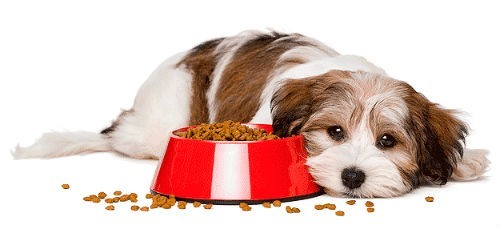
There are certain messages that dogs emit when they are affected by allergic reactions resulting from the consumption of some foods. So you should pay attention to their body language and review it carefully. These are some of the food allergy symptoms in the dogs that occur most frequently.He looks discouraged and has no appetite
Generally, their body language tends to be sedentary. He also does not rest properly and appears between sad and aggressive. His ears move back and his eyes appear glassy.You have inflamed skin
It looks reddened, swollen. You may also develop a rash on your belly and legs. Another warning sign is that small bumps or pimples are appearing on your skin. These tend to be very itchy, so they will constantly scratch themselves, causing further damage to their skin.
He is losing a lot of hair
Dogs lose hair constantly, just like humans, but shedding to the point of shedding clumps is a clear sign of a unfavorable reaction to what you are eating.His fur looks different
If the hair weakens, loses its thickness, has a dull appearance and, furthermore, it does not look like the standard for its breed (or if it is a mixed breed, it does not look the same as usual) you have to evaluate what your dog consumes in its daily diet.Has abrasions around the snout
This is another sign that the diet your dog is receiving is negatively affecting him. It is a clear indicator of a condition in the mucous membranes in your digestive tract.Redness of the paws
This symptom is characterized not only by redness per se, but by show signs of inflammation, hairless areas, and when touching them, the increase in temperature in the epidermis can be perceived. If your dog licks his paws a lot, it is also a symptom of a food allergy.Swollen ears
Also red. You may notice your skin is thicker than usual. In some breeds, like the Rottweiler, They look a little “bloated” when they have an allergic reaction to food.red eyes
Both the red eyes and the very drooping eyelids, excess eye discharge or excessive blinking, are signs of an allergic reaction.His teeth are falling out
Either they have lost their density or they have a lot of tartar. Dogs' food should not accumulate between their teeth in an exaggerated way, this is already a characteristic of being very soft, so digestive processing will not be correct.Stomach and digestive tract signs
These are the immediate food allergy symptoms, a sudden poisoning, rather than being a reaction to a specific food to which it always reacts. Among them are:- Bad breath, different from the common product of salivary secretion.
- Vomit.
- Diarrhea.
- Lots of flatulence.
- Nausea, that is, retching.
- Excess salivation.
- He is drinking a lot of water.
- He complains when doing his physiological needs.
- Foul smell of stools.
- Change in texture and color of stools.
- His belly looks swollen.
Why does my dog have a food allergy, if I have always given him the same food?
There are several factors that affect the fact that your dog has an adverse reaction to the food that you have always given him. On the one hand, smaller breeds or those of very large size usually have a certain sensitivity to specific proteins or carbohydrates and starches.
Part of the common diet or the contents of kibble meals are precisely rice and chicken, two of the foods that contain starches and fats that affect dogs. This does not mean that all dogs present the same type of reaction, since not all organisms function in exactly the same way. But how is a reaction possible if it's the same brand of food you've always used? Well, as in all industrialized processes, it is possible that traces of other foods have sneaked in, or that there is a new ingredient in the recipes, especially when the brand launches an improved product. Surely your dog has a greater sensitivity to the change in diet and therefore has these symptoms.
How to help my dog get out of the allergic crisis
Once this symptomatology occurs, It is vital to go to the vet to be placed on detoxification treatment and evaluated. He will give you guidelines to improve your dog's eating process, however, also follow these instructions that will help in the process:- Don't drastically change their diet. Eliminate some of the processed food and combine it with homemade recipes that include vegetables and lean meats.
- Avoid giving your dog fatty foods, as well as carbohydrates or foods that produce high levels of starches, such as potatoes, corn, wheat, rice and pasta.
- Always keep fresh water in your dog's bowl.
- Don't forget to give him the anti-allergy prescribed by the vet.
- Avoid the midday sun and rather sun it in the morning, so your skin will be less irritated.
- Bathe him only with soaps specially designed for dogs in an extra mild formula, to reduce the effects of the reaction on the skin.
- Offer your dog more foods with fish.
- Don't give him excess food. Just like humans, dogs must maintain a weight commensurate with their size.
- See if the food you give your dog has coloring. Avoid those that contain it.
- Kennel cough.
- How to change our dog's feed.
- Foods your dog should never eat.
- 13 myths about your dog's nutrition.
- Tips to strengthen your dog's defenses.