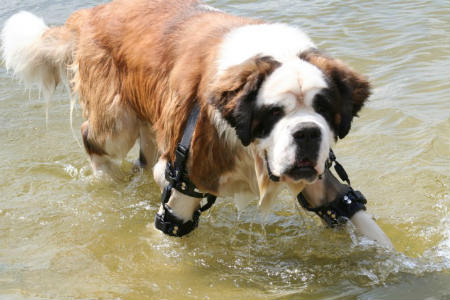
The health of our dogs is conditioned by different aspects: diet, exercise, care and hygiene are some of those that are given the most importance. Well, they not only define the quality of life of our pets, but they can also contribute to reducing the presence of diseases in their bodies. However, there is an aspect of canine health that is difficult to control. It's about genetics. The appearance of diseases due to hereditary causes is becoming increasingly important and frequently affects the well-being of our pets, causing the appearance of pathologies in some cases that are little known, such as, for example, elbow dysplasia or hip dysplasia. Although it is a common disease in large breeds, it is not surprising that it is little known, so we will dedicate this article to developing the most notable characteristics of it. What it is, how it manifests itself, what breeds it affects and what is the most appropriate treatment to combat the disease are the points that we will discuss below to help understand more about this canine disease.
What is elbow dysplasia in dogs?
It consists of a degenerative pathology which occurs during the growth of the canine, because the bones that form the elbow joint do not develop properly due to different factors. It unilaterally or bilaterally affects the bones of the elbow, causing the mobility of the canine to be compromised as a result of the malformation.
Likewise, it is gradually triggered, in the first instance in the dog's skeletal system, with a disease called arthritis and evolves until it becomes a osteoarthritis, pathology associated with the wear of bone tissue, in this case, the elbow. It is widely related to the growth of the dog, since its central point is that the elbow bones, located in the front legs (radius and ulna), do not form correctly. Pain is a great denominator within this alteration, both in the arthritis and osteoarthritis stages, even disabling the dog as the pathology progresses.
Most affected breeds
Commonly, elbow dysplasia can be related more to a disease present in large dog breeds. However, no dog is exempt from suffering from this alteration.
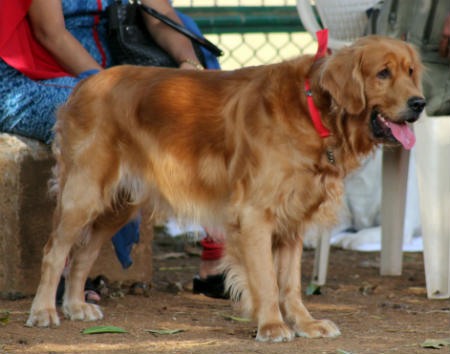
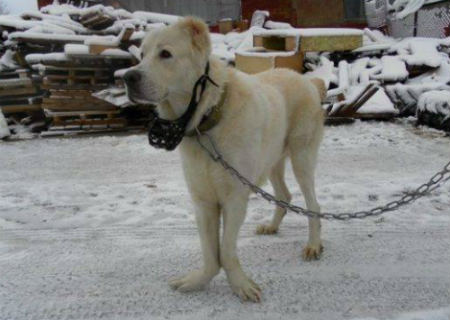
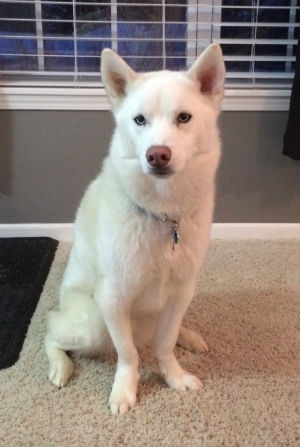
Below is a short list of breeds in which this condition has become a recurring disease:
In any of the aforementioned breeds, this type of dysplasia is increasingly common. First of all, because it is a disease associated with genetics as the main factor, which causes it to be transmitted in different generations. It should be noted that in males of these breeds the disease usually has a higher incidence than in females.
Causes
Over time, this disease has been defined as a multi-causal condition. That is, it is linked to different factors. However, the factor that has gained the most ground in being associated with elbow dysplasia is genetics, whose incidence is related to more than 70% of the cases where this alteration occurs.
In the rest of the dogs, where the hereditary aspect is ruled out, factors such as diet, exercise, weight, calcium levels and injuries or trauma have had the most influence on the appearance of this canine dysplasia. With the exception of genetics, these factors are perfectly controllable. Ensuring that a regular process is carried out in the dog's quality of life will guarantee its well-being and, as far as possible, keep it away from diseases like this.
Symptoms
In general, dysplasia is a progressive disease associated with growth, that is, symptoms can appear between the first 4 or 5 months of life. But, due to ignorance or disinterest, it can take years for dogs to be diagnosed. Let's look at some of the most common symptoms below:
Limited mobility
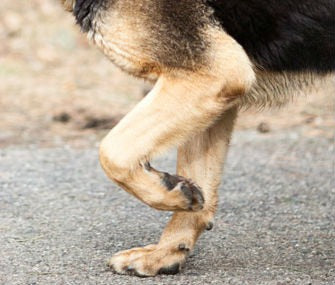
Dogs with elbow dysplasia have many limitations when it comes to moving. Limping when starting or finishing movement is the most common, due to the discomfort caused by the wear of the bone tissues.
Apathy towards exercises
Due to the discomfort when making movements, it is very normal for dogs to present apathy or intolerance to exercises or walks. This is a very common symptom in this pathology.
Pain
Manifestations of pain are undoubtedly one of the fixed symptoms in dysplasia, especially when making any movement, because the pain is persistent. These are the signs and symptoms associated with elbow dysplasia in dogs. Although, in some cases, the disease may be asymptomatic and make early diagnosis difficult, it is important to go to the veterinarian in the presence of mild manifestations, as in this way the presence of the pathology can be determined and appropriate treatment given.
Treatment
The treatment to alleviate this condition depends in any case on the severity of the injury and the progression of the disease. Well, in any case, we seek to perform procedures that are less invasive for the dog. If a early diagnosis, it is possible that the treatment is based on orthopedic, rehabilitation and physiotherapy processes, which can produce adequate progress in the health of the canine, while reducing the episodes of pain and inflammation associated with arthritis. However, when diagnosed in an advanced stage, it is advisable to perform corrective surgery which, in most cases, is very favorable.
Afterwards, it is advisable to maintain a rehabilitation routine, because this will help minimize inflammation, pain and relieve the dog's tension due to the entire process to which it was subjected. In general, the prognosis of surgery is usually very positive, even more so when it is performed before the onset of osteoarthritis. Otherwise, it is possible that mobility will be somewhat limited, even after having performed the surgical treatment.
Can elbow dysplasia be prevented?
Although the issue of genetics makes the prevention of this disease a complex issue, its association with external factors suggests that its prevention may be possible, at least in some breeds. Providing a healthy diet to pets, making sure not to give excess calcium during their growth and controlling exercise practices, appropriately according to their age and size, are some of the ways in which a dog can stay completely healthy and reduce the risks associated with dysplasia. Regular check-ups with the veterinarian to rule out any illness is another effective way to maintain good health and care for your canines and ensure that you can enjoy their company for a long time. Finally, knowing the breed that we have as a pet or plan to adopt will help us to more emphasize the care it needs to remain healthy.