Why is my dog afraid of other dogs? Causes and solutions
The sociability It is one of the characteristic features of the canine species. In general, dogs are animated when sharing with their human family, with their peers and with other species. Even so, it is normal to come across domestic pets expressing fear and insecurity in front of other dogs. Each dog has a different personality and behavior, appropriate to its habits, life history and even breed. Therefore, just as there are extroverted dogs, there are others that are more shy and withdrawn.
How to interpret what my dog expresses?
Body language is the main tool you have at the time of identify what your pet is feeling. The postures and movements, especially of its tail and ears, in addition to barking, growling and vocalizations, are the way it expresses its emotions. By being aware of this set, it will be easier to act appropriately to help you overcome fears.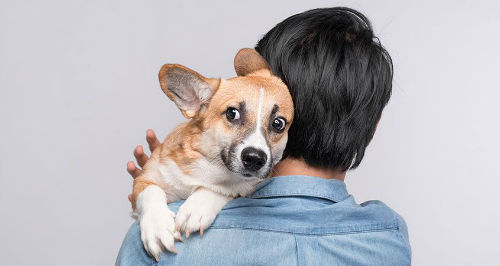
Identifying body language
- The look: When feeling vulnerable, the dog's gaze appears from below, taking care not to lose sight of the figure or situation that generates distress and at the same time trying to look threatening.
- the ears: They tend to be backwards as a sign of alert and close to the head.
- The body: The contraction of the muscles and the shrinking backwards is intended to show helplessness, as well as remaining paralyzed or using the human as a wall of protection.
- the tail: The shrunken rear area and the tail tucked between the legs shows nervousness and is a protective maneuver for the body.

If your pet adopts some of these postures and attitudes towards other dogs, keep in mind that your goal should not be to eliminate fear, understanding that it is a natural alert reaction to any situation that represents danger to it. Your job will be to make him progressively understand that he can relate to your environment without it being a problem and that you will be there to guarantee their well-being. Otherwise, fear can become a phobia capable of causing greater harm.
Causes of fear in dogs
To determine which situations involving other dogs make your pet uneasy, pay attention and study their behavior. There are various factors that influence the way they establish bonds with other canines.
- Traumatic experiences: A dog's fears, even towards others of its species, can be the product of strong or traumatic emotions from the past, especially from its first years of life.
If your dog is adopted, ask his previous family for details about his puppy life. Any data, no matter how minimal it may seem, is important. Even a rough game you had with a larger, more energetic partner could have caused the damage.
- Poor socialization: The lack of contact with the outside world during the puppy stage, essentially between 2 and 4 months of age, harms the dog's adult life. If it was not related to other dogs, with children and adults; or with sounds, smells and public spaces, now it will be more complex.
- Reinforced fear: Your behavior can also reinforce their fears. Although it may seem cruel, avoid petting it, hugging it, or speaking in too soft a tone when it appears distressed in front of other four-legged dogs. By doing so you would be approving his behavior and telling him that he does have something to fear. Just because you don't consent to it doesn't mean you're indifferent to what it's expressing.
What can I do to help you?
Help your furry friend overcome his fears of other dogs requires an action plan with clear strategies and a period of adaptation. The effectiveness of the two elements will depend almost 90% on your dedication. The key words are: patience, love and progressiveness. When we talk about strategies we are referring to the techniques used for dog training. You don't have to be an expert to apply them, but you do have to be consistent and follow them almost to the letter.- Progressive desensitization: Despite sounding complicated, these are simple tasks like walking with your pet in places they generally frequent and where they will face their fears.
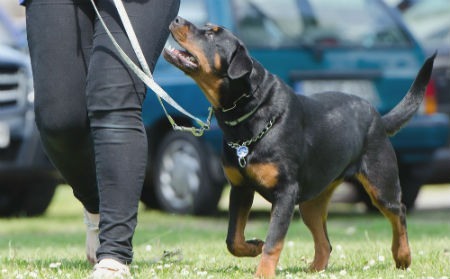
If you have a pack, your support stick will be the canine with leader attitudes (the one who is insecure will then be his follower), but show the excitable and dominant dog that you are still the boss, in this way you will be claiming the territory of the insecure one and making him strong. Don't push the shy one, wait for him to just come into contact. The same thing that applies in situations with unknown dogs with your pet.
- positive reinforcement: Once you consider that your pet is already overcoming its greatest fear, being in the same environment with other animals, then apply positive reinforcement. It is about rewarding him for what is considered good behavior, the incentive can be anything from a cookie to a toy.
It must be taken into account…
It is important respect your pet's learning process and adapt the techniques according to the answers you give. Affection and patience will be the basis of a new and happy experience for your pet with others of its species. That said, if you don't feel confident that you can perform these techniques without putting your dog at risk, then it is best to turn to a professional.Share