Teething in dogs: when do dogs get their teeth?
The teething in dogs It is a process that takes place in two stages, one of which is the appearance of the first baby teeth and after a while the change towards permanent teeth. It is a process that all puppies must go through, since they are born without teeth, something that usually causes problems for the mother during the nursing process. Today we will learn a little more about the teething period in dogs and some tips and advice to help you complete it satisfactorily, since your oral health is an important issue for your overall well-being.
Puppies and the teething process
Like any mammal and carnivore, dogs go through the teething process necessary for food, part of the sustenance of animal life. At the time of birth, puppies lack teeth, this is because they do not need them because their initial diet is mother's milk. During the weaning process, the first teeth begin to appear to be used as a tool that allows them to crush food when they start a solid diet.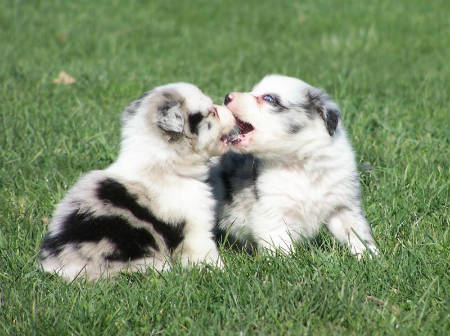
What does the teething period consist of in puppies?
As with human babies, puppies have the need to bite everything, since they have sensitive gums and anxiety about using their new cutting tools. Teething in dogs is a process that occurs in two stages General: first the baby teeth emerge and, subsequently, these are replaced by the permanent ones on the puppy's path to adulthood. From 15 days of birth teeth begin to emerge in dogs. The sequence may vary a little due to breed and some other conditions, but in general the process is carried out as follows:- Around the 15th fangs appear higher and by the 20th the lower ones. In a period of 15 days, the rest of the pieces that make up your teeth will have appeared.
- Once all your teeth have made their appearance, They will have a total of 28 to 32 teeth, depending on the breed. This rash begins to occur at the end of the first month of life.
- Baby teeth remain until they are progressively replaced by the definitive ones after the puppies are 3 months old.

How to help you during the process?
If you've already had a puppy, you've probably noticed that even though they don't have teeth, they already want to bite everything in their path. And like a child, Dogs' gums are sensitive during the process of teeth appearing, therefore, they will be much more desperate to calm the sensation and will do so by biting. So it is necessary to provide them with a toy to bite and take advantage of the opportunity to teach them that it is not correct to bite people and objects that are not their toys. If you want more information about caring for puppies of other breeds, you can consult it here: dog training bobtail and care of bullmastiff.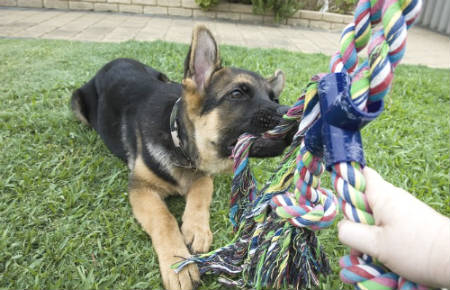
At what age do dogs change their teeth?
After three and a half months of life, The replacement of baby teeth begins and the first permanent teeth emerge. This would be the second stage of teething in dogs and occurs from that moment, until the dog reaches the age of one year, which is when the dental replacement is complete. The permanent teeth are completely white and have what is known as a “fleur-de-lis”, that is, that characteristic saw-like shape at the bottom of each incisor piece. Teeth level out with wear and tear. This stage often occurs without any symptoms, therefore we may not even notice that it is happening.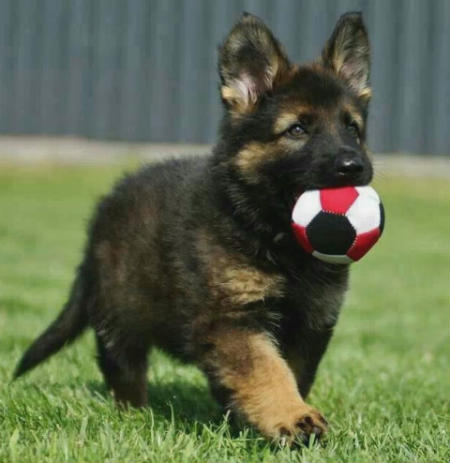
Function of dog teeth
Each of the teeth has a specific shape and that is because it fulfills a certain function. Hence the teeth of a carnivorous animal is far removed from that of those who are herbivores.- Incisors: They are located in the front part of the jaw and have the function of facilitating tearing and piercing.
- Canines: They are used to tear and puncture. They are located behind the incisors.
- Premolars: They collaborate in the cutting process.
- Molars: teething in dogs appears as they advance to adulthood and their function is to mole and crush food.

In total, an adult dog should have 42 teeth, while a puppy only has 28. In some cases, a piece may be missing without significantly affecting the functionality of the bite.

Importance of taking care of canine teeth
The Teething in dogs is an important issue, as well as the general care of canine teeth. Once the dog permanently changes its teeth, it will have these teeth for the rest of its life, so we must help it take care of them. For this, it is necessary to establish a very simple oral care routine and follow some tips:- Prevent your dog from playing with stones, since they wear down your teeth unnecessarily.
- Prevent tartar brushing your teeth occasionally.
- Make use of dental snacks during your workouts to help you clean your mouth of tartar and at the same time reward their behavior.
- Offer him a balanced diet based on feed specially designed for their size, breed and age.
- Go to the vet annually, and during the consultation you can tell him how solve any oral problem such as swollen gums or excess tartar on the teeth.
Teething in dogs is a key process in the life of dogs, because the teeth are the tool they have for the beginning of the digestive process and therefore it is a matter of vital importance for the general health of their body and their quality of life. Today we have taught you everything you need to help your pets while they go through this phase. Dogs, like any living being, require care if we want them to remain healthy and happy by our side. Therefore, we must help them prevent conditions such as hiccups in dogs or canine infectious tracheobronchitis.
Other articles on canine health that may interest you:
Share