La digestión en los perros: ¿cómo funciona el sistema digestivo de un perro?
The dog digestive system It has particular characteristics that make it very different from humans. We must keep in mind that Its origin is carnivorous.
Today, in this post, we explain how it actually works through each of its different phases.
from the mouth
The conscious part of digestion begins from the snout, and from here its carnivorous qualities become evident, with its sharp teeth, marked incisors and powerful molars that help the dog begin to swallow food.

Although unlike humans and other species, in dogs, saliva does not have digestive enzymes They begin to degrade food, so this process falls more on the internal organs.
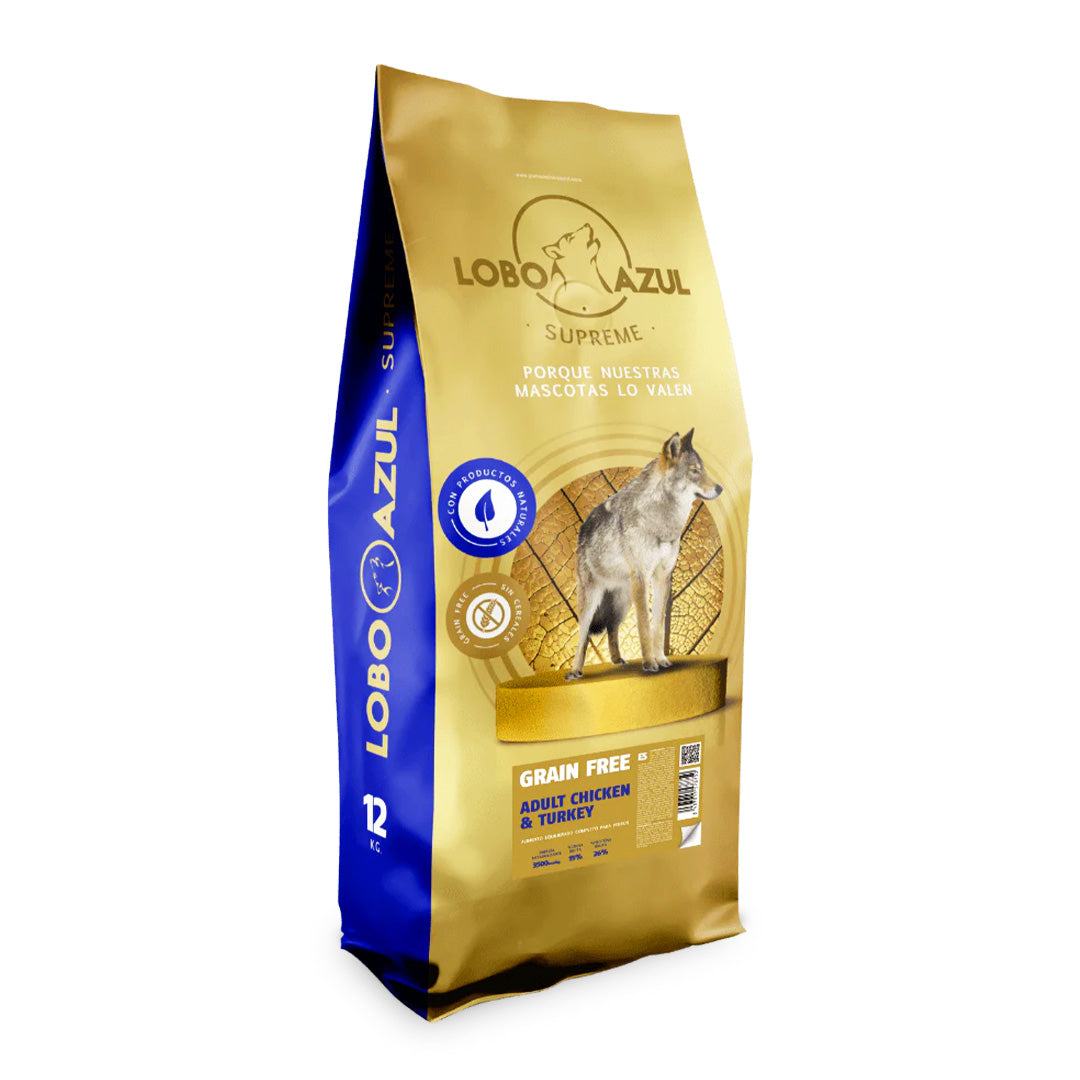
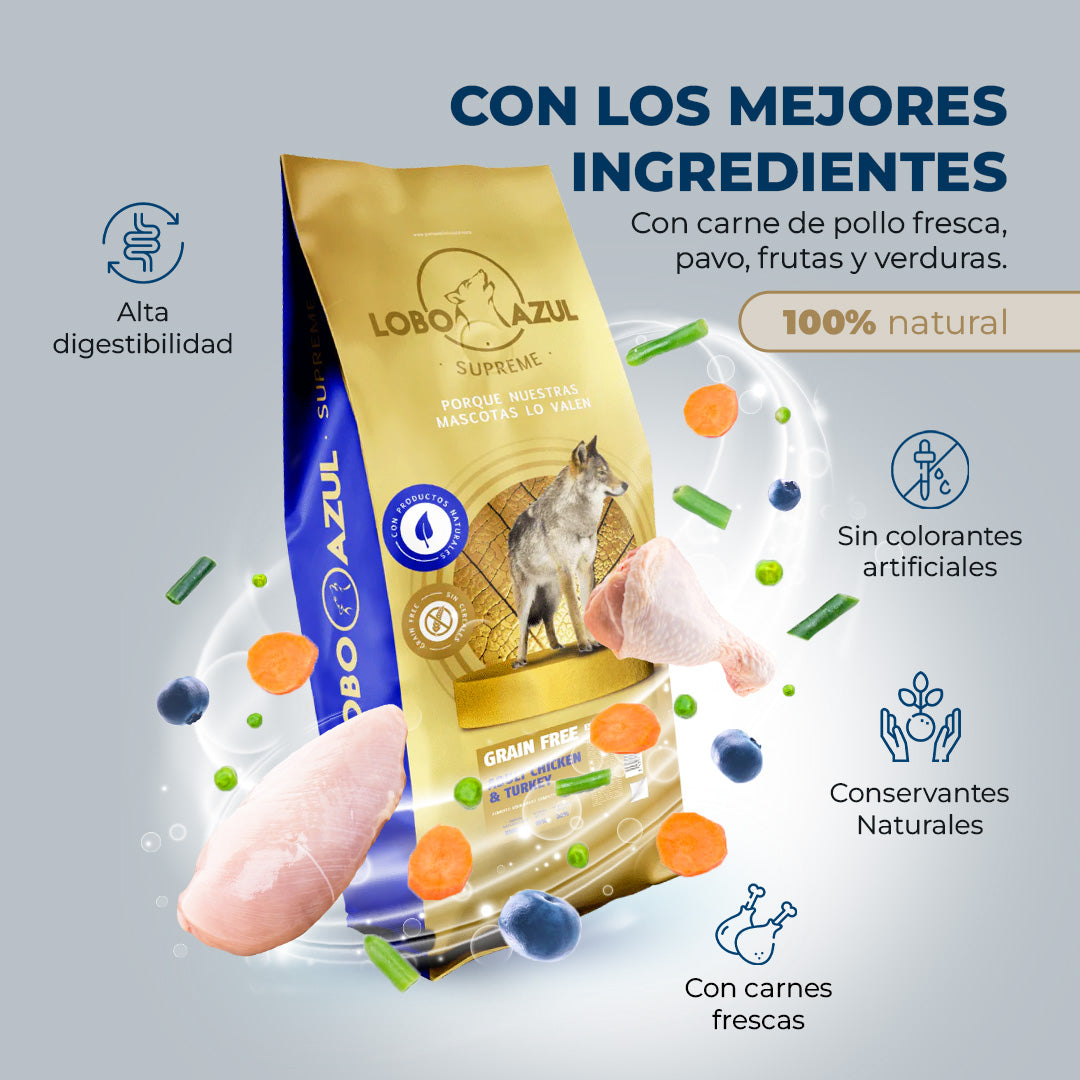
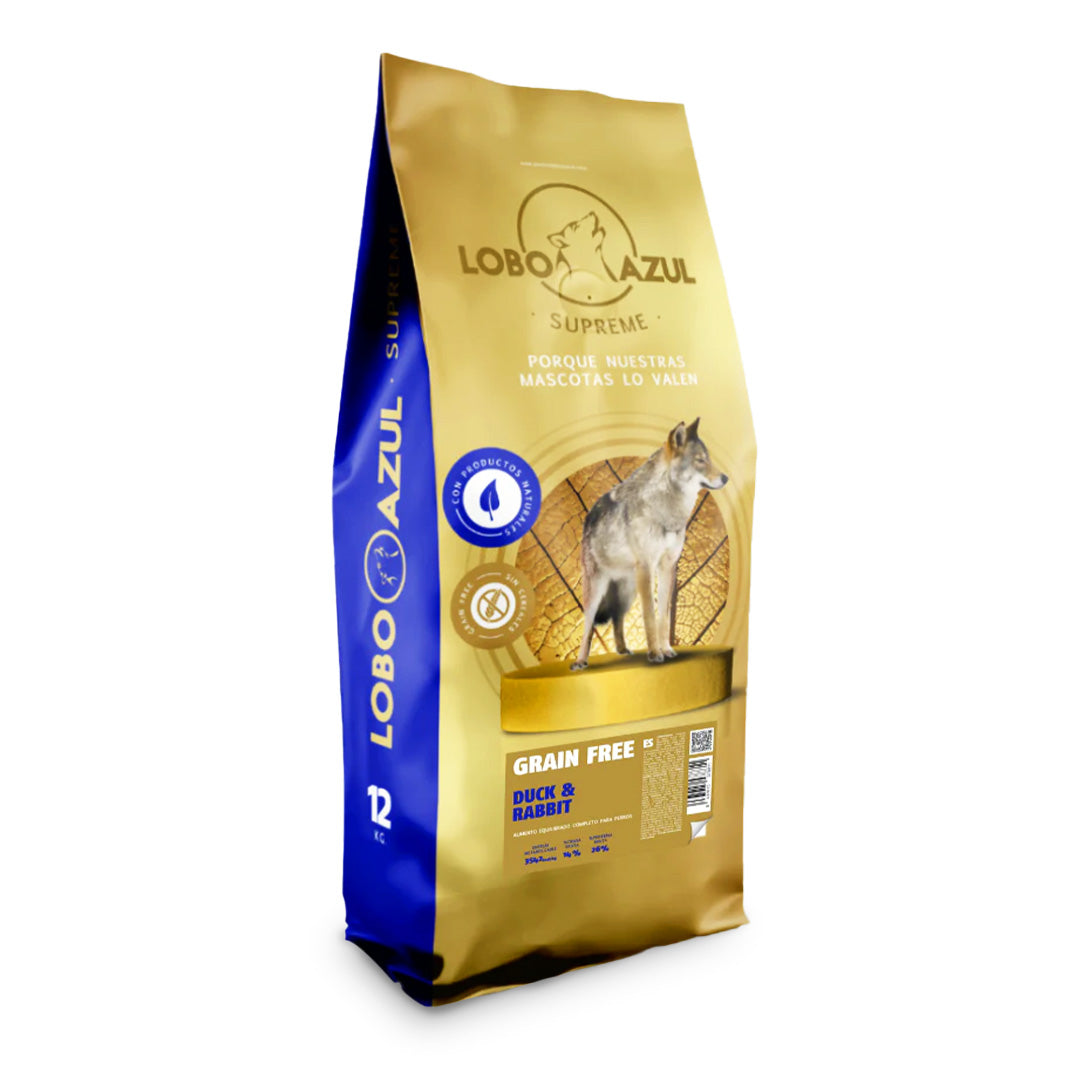
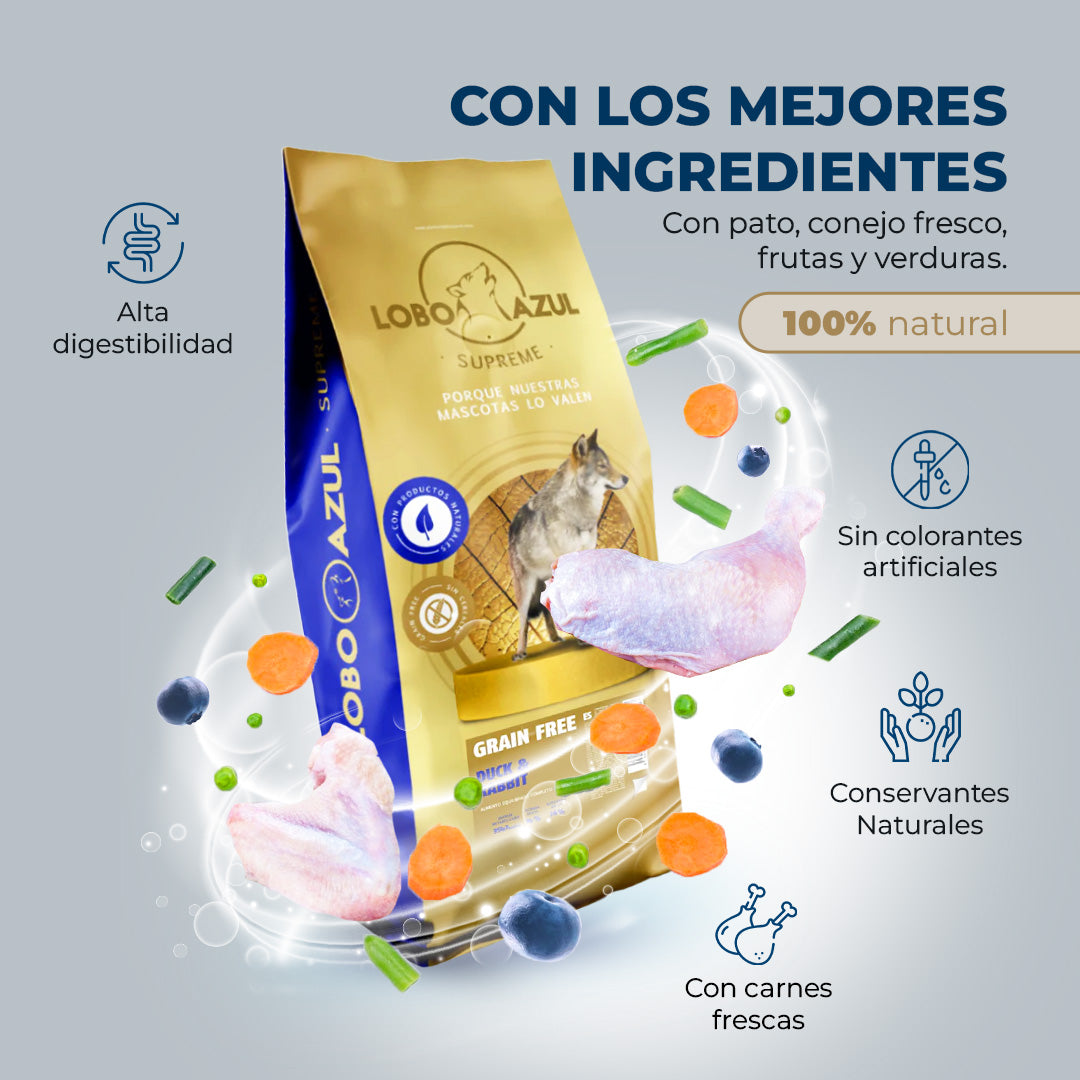
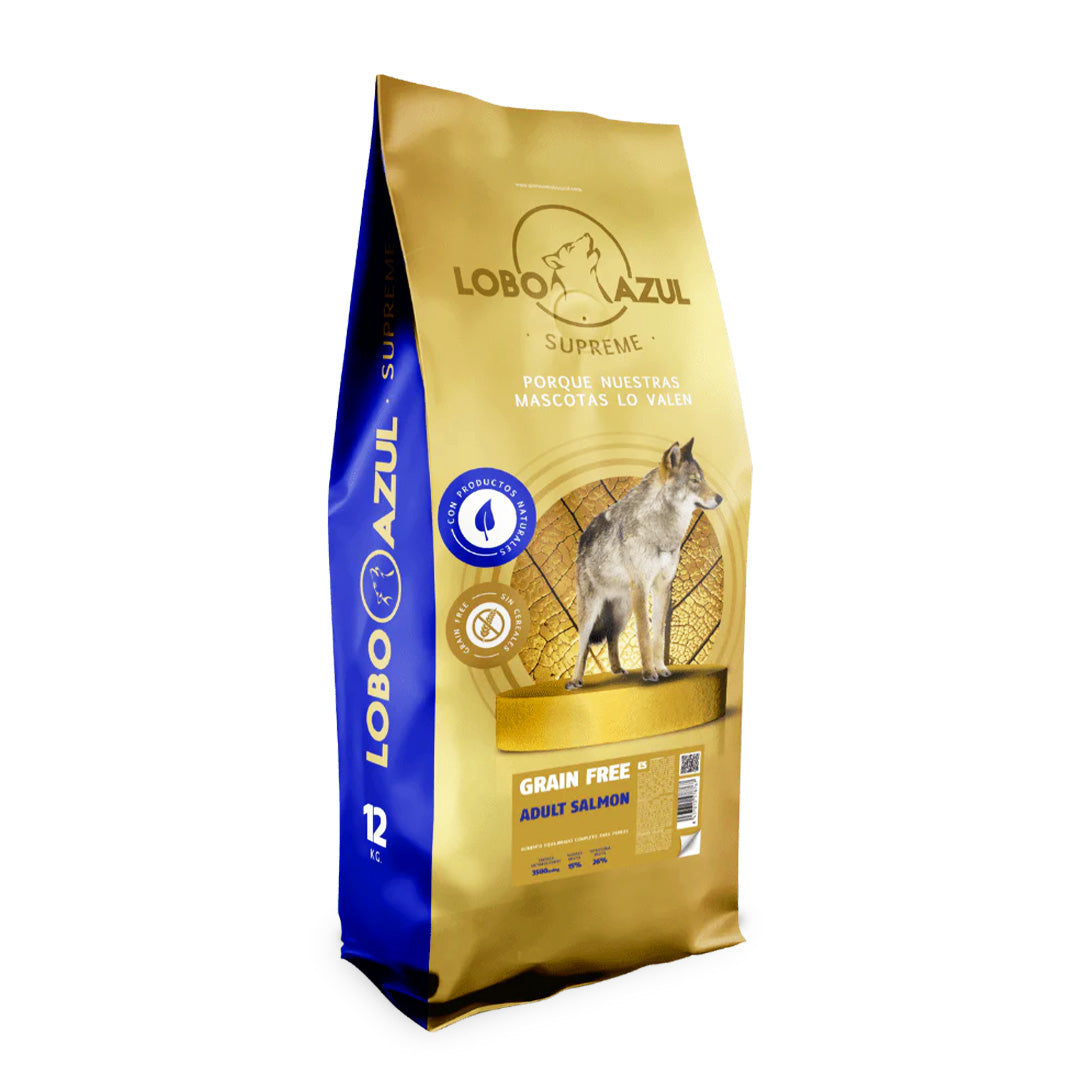
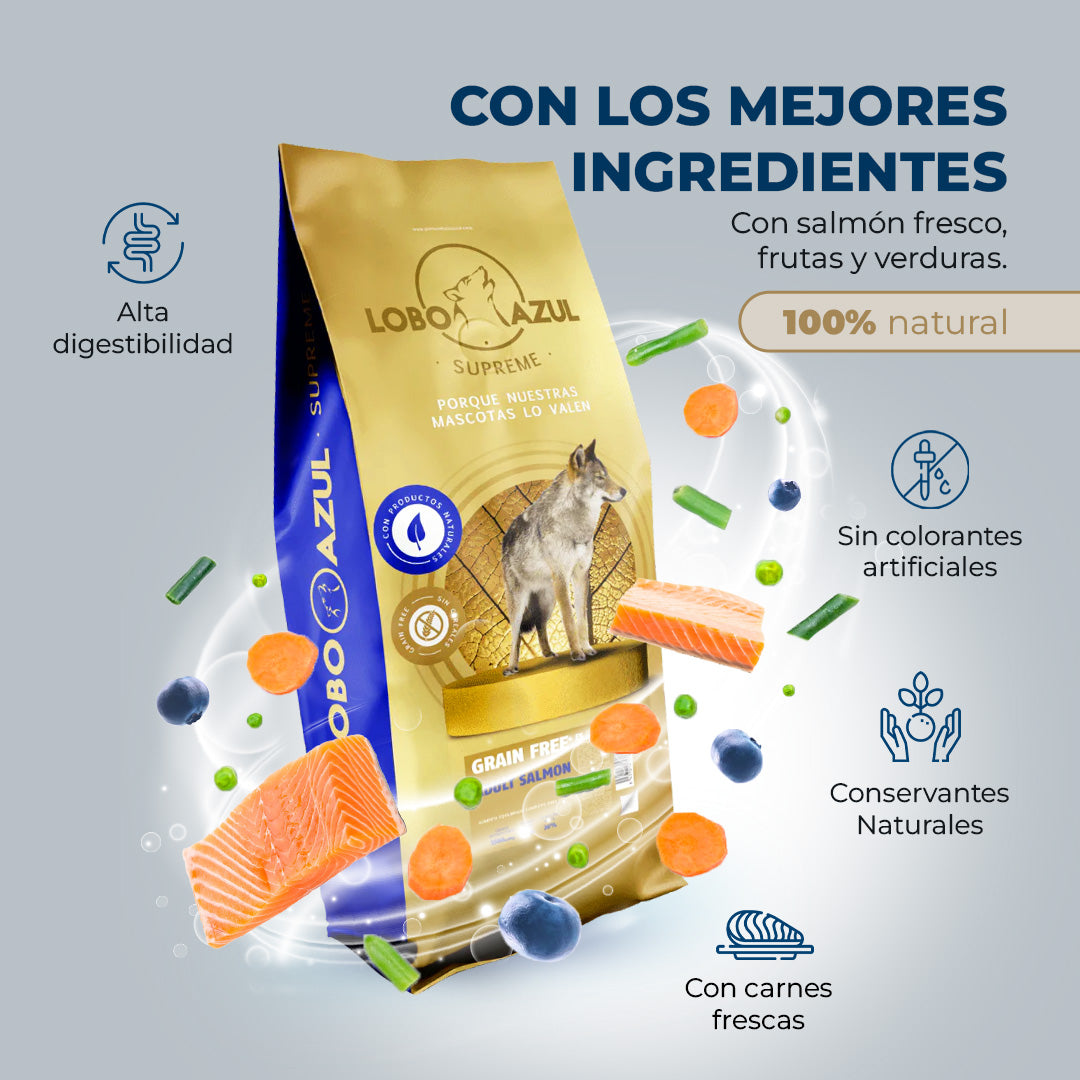
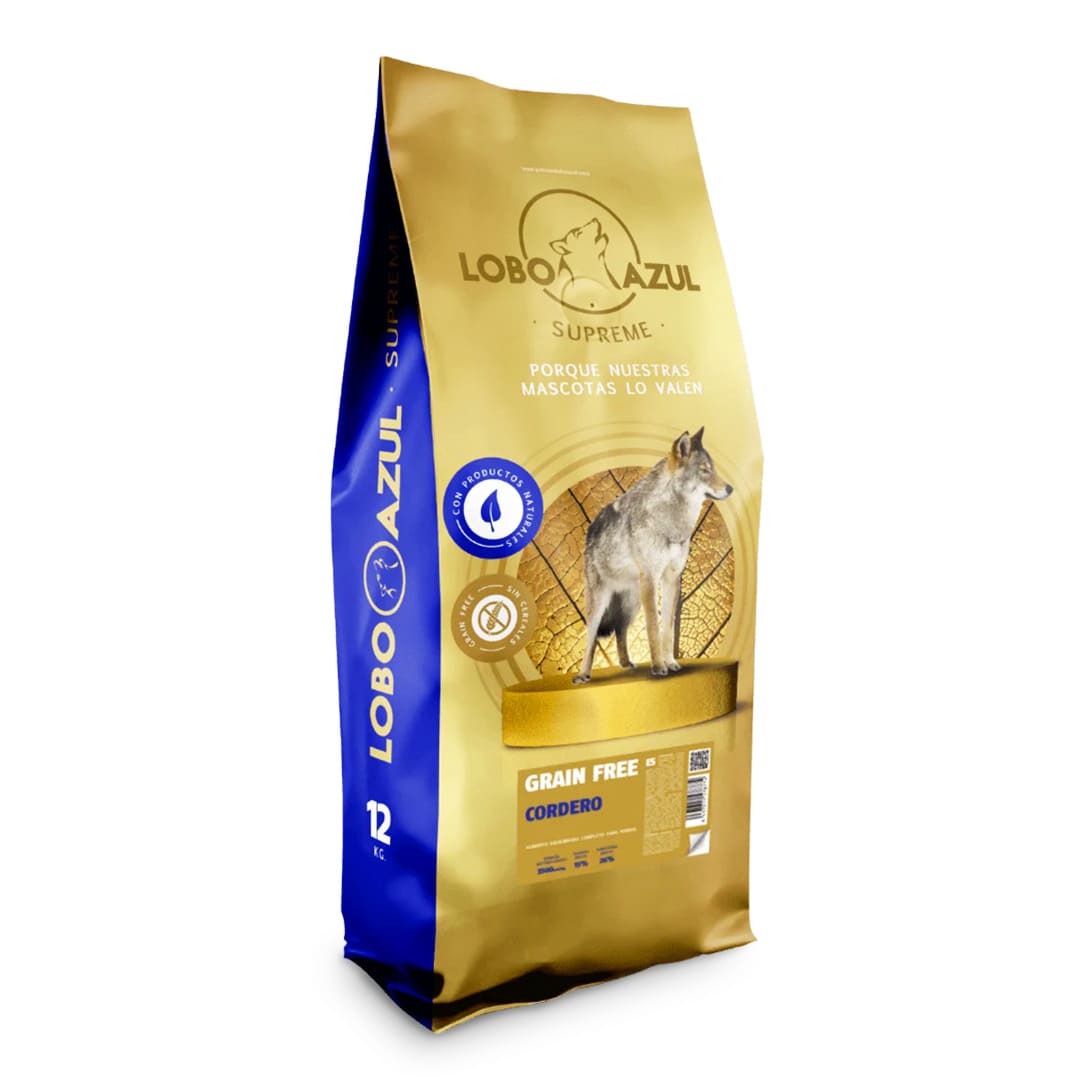
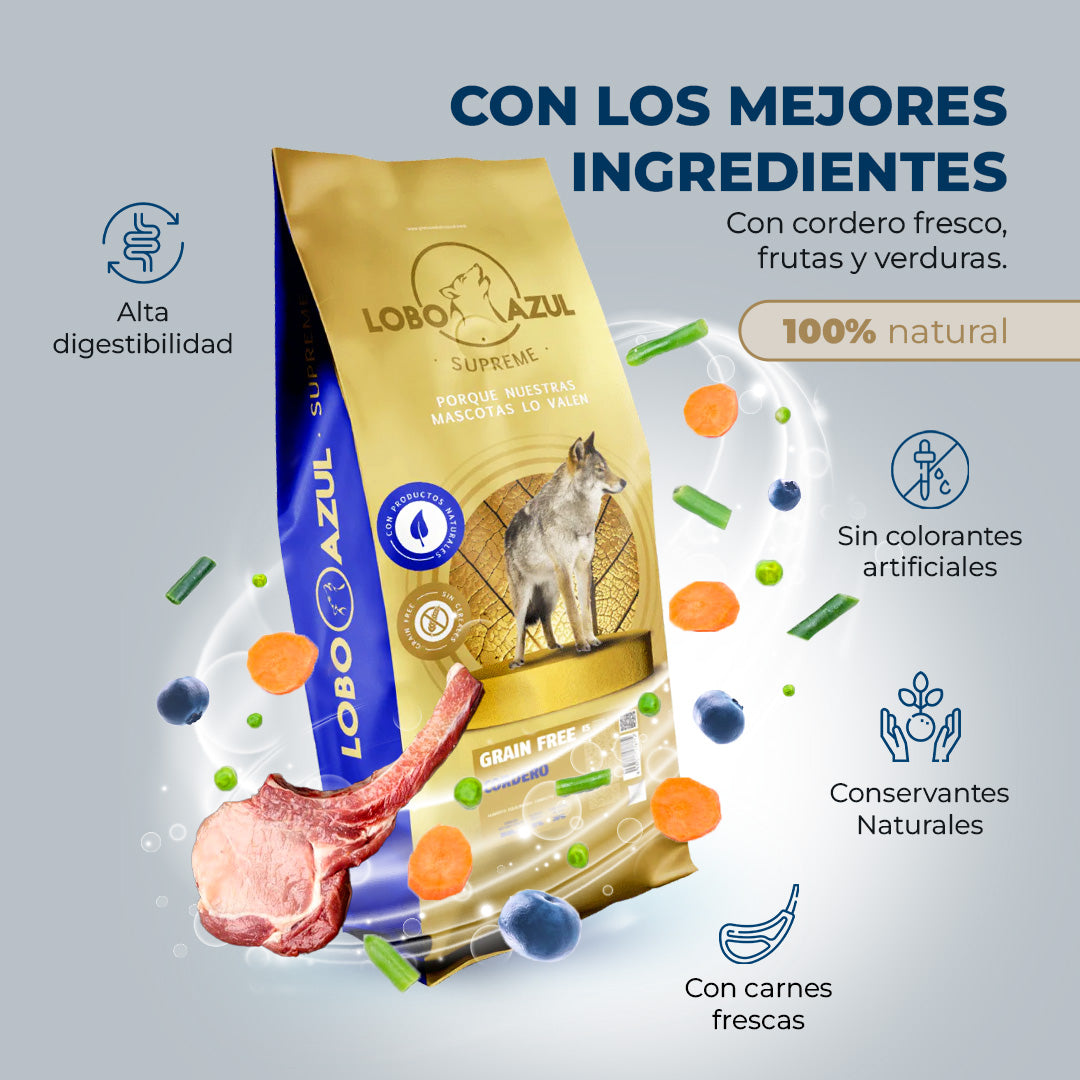
For this reason, it is not easy for them to digest foods such as cereals. Thus, a true quality dog food, such as I think Blue Wolf, it is much easier for them to swallow due to its reduced intake of cereals and its high proportion of meat, suitable even for human consumption.
through the esophagus
The esophagus is that tube through which food will begin to circulate through the dog's internal organs. In this case it is a long organ where a type of mucus is released that helps facilitate the advancement of the food. Although a system of contractions is also generated, through which the bolus is formed.
in the stomach
As usually happens in carnivores, they have only one stomach, but this is of a large size, since both storage and digestion functions are fulfilled here.
It is in the stomach where food is stored long enough for the gastric acids can do their job. It should be noted that in dogs, these acids are up to 6 times more corrosive than in humans, which is also motivated by their natural function to digest meat more easily, and likewise has a greater resistance to bacteria, such as those of decaying meat.

Gastric glands are distributed in the internal walls of the stomach, which release gastric acids that begin to carry out various chemical processes in the food; por ejemplo, propiciando la corrosión y posterior absorción de proteínas a través de estos mismos conductos.
However, it is important to remember that proteins are broken down into amino acids. However, almost half of these cannot be synthesized by the dog, so it is necessary to provide them through their diet. For this reason, super premium dog food, such as Lobo Azul, is widely recommended by veterinarians, as it includes a proportion of different foods of both animal and plant origin, which allow covering the all of your different nutritional needs.
Enzymes such as pepsin are also released in these glands, which transform both proteins and fats.
Covering the internal tissues of the stomach is a layer called connective tissue, which - among other functions - helps begin the distribution of nutrients to various parts of the animal's body.
through the liver
The liver is also large in dogs, as it also fulfills multiple functions. It highlights that bile is generated here, which is essential for digest fats, before being stored by the gallbladder.
This vital organ also serves as a kind of warehouse, where reserves of various nutrients such as vitamins and minerals.
Proteins and glucose are synthesized in the liver, and it has an essential function for eliminate toxic substances that have reached this point in the digestive system.
to the pancreas
Although it is a much smaller organ, it also performs important functions in digestion; particularly with respect to the fat assimilation, which has a major significance for dogs.

However, the dog's pancreas is also responsible for other functions such as regulation of glucose levels in the blood.
Continues through the small intestine
Se trata del más largo de los órganos del perro, y debido a su sistema con abundantes vellosidades intestinales, el espacio en centímetros cuadrados termina multiplicándose aún más.
This elongated shape allows the food circulation is regulated, as the flow of nutrients is also required; thus initiating most of the chemical digestion that takes place inside the dog.
It is made up of three main parts; The main function of the first is to receive gastric juices, in the intermediate phase nutrients are absorbed and the final section has the mission of leading to the large intestine.

Empties into the large intestine
This intestine is where absorbs most of the water ingested by the animal, after it has also fulfilled lubrication functions throughout the digestive system.
Although this is where they are stored and finally expelled into the rectum area waste from digestion; And yes, the chemical processes that give this waste its characteristic smell are also generated here.
It should be noted that food that could not be digested can also reach the large intestine. For example, if you eat too many bones, it is likely that some pieces can reach this part almost whole, which can cause various damages. For this reason, these types of foods should be only sporadic or even avoided completely, and in no way form part of an abundant or regular diet.
As you can see, digestion in a dog has very particular characteristics that deserve a special diet. Its base has to be of animal origin, because without a good diet, which is mainly cereals and a minimum contribution of animal protein, you will be contributing to the deterioration of its health. Instead, apply a feed that takes into account the need for fats and proteins and is also complemented with essential vitamins and minerals, as is carried out in the production of premium feed such as Lobo Azul, allows you to guarantee a more complete and healthy development for your pet.
Other curiosities that may interest you:
- When and how can a puppy be separated from its mother?
- Dog therapy: What is it and what are its benefits?
- The most famous dogs in history
- The best police dog breeds
- The smallest dog breeds in the world
Share