We use cookies and similar technologies to provide the best experience on our website.
HomeOur BlogAsthma in dogs - Its causes, symptoms and how to treat it
Asthma in dogs - Its causes, symptoms and how to treat it
Although in some cases the necessary importance is not given, there are elements in the environment that can cause different diseases to our pets. Allergies, stomach problems and even asthma, are some of the conditions that an external factor can generate in our dog. Until now, it is rare in canines, this is a respiratory pathology that occurs due to localized phenomena in the environment and that in most cases are not taken into account as a risk factor. It is a condition that can have different effects and significantly influence the health and well-being of our dogs. Therefore, knowing its symptoms and causes is essential if you want to control its appearance as much as possible. In consideration of this, we have developed this article to provide more information about this disease, what causes it, how it manifests itself and the treatment that dogs with this condition should receive. This way you can give your four-legged best friend the care he needs.
Can a dog suffer from asthma?
A forceful statement is the best way to answer this question. Yes, dogs can suffer from asthma at some point in your life. However, this pathology is usually more common in other animals such as, for example, felines.
According to a study carried out by veterinary specialists, only 10% of the dog breed is affected by it. However, the rate varies depending on breed conditions and other factors that will be detailed later. Now what is it? It is an alteration in the functioning of the lower respiratory tract, due to the presence of some trigger element, which causes the contraction of the bronchi and prevents the passage of air to the lungs, also producing notable secretions, cough and difficulty breathing.
Causes of asthma in dogs
Although it has not been possible to determine all the causes that may cause this respiratory disorder in dogs, some factors have been established that may be associated with its appearance.
Environment
Considering this as the main generating element, it has been determined that allergens such as dust, environmental pollution, smoke, pollen and mites are some of the main triggers of this and other respiratory disorders. In some dogs these elements can cause hypersensitivity and initiate symptoms related to the condition, so it is important to consider if our pet is sensitive to these allergens and take the appropriate preventive measures.
Genetics
There are theories in which it is associated with hereditary causes. That is why, in some breeds, this disease may be present more frequently than in others.
Other factors
One aspect that should be kept in mind is that there are conditions whose symptoms can be similar to those of asthma. For example, heart disease and lung parasites cause similar respiratory disorders, so we must be attentive and rule out that it is an even more serious condition that is affecting the canine's health, like some of those mentioned.
Asthma symptoms in dogs
Because it is a disease that compromises the respiratory system, symptoms may vary, depending on some contexts. Firstly, the contact that dogs have with the triggers of this pathology and, secondly, depending on the physical activity that our pet performs. The most noticeable symptoms are:
Difficulty breathing
Especially at times when the dog is doing some physical or recreational activity, you may notice how its breathing is faster than normal. This is because it requires a greater amount of oxygen.
Breathe with your mouth open
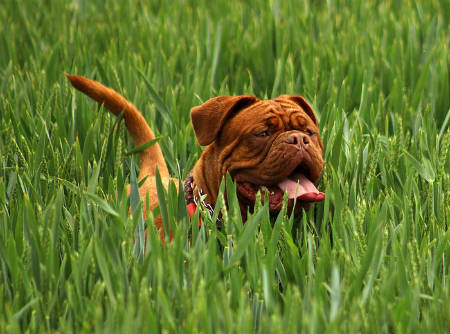
A very common symptom in dogs with respiratory disorder is that they always remain with their mouth open and tongue out, as a measure to get more oxygen.
Cough
Another common manifestation is cough, generally dry, without secretion. It can be mild at first and become more severe if adequate attention is not given.
Sibilants
Breathing sounds, such as whistling or sighing, are very common in dogs with this disorder.
body posture
It is common in cases of asthma for a dog to keep its front legs apart in order to obtain a better respiratory process. Other symptoms that may appear are lethargy, bluish mucous membranes, weight loss, exercise intolerance and lack of appetite.
It must be taken into account that, sometimes, the manifestations of the disease occur mildly, so they are not considered part of a serious condition. However, if you do not pay attention, the dog could suffer a respiratory crisis and even collapse, seriously compromising its life. Consulting the veterinarian immediately if the dog presents one or more of these symptoms mentioned is of great importance to prevent the development of the disease.
Asthma treatment in dogs
Since it is a disease that causes obstruction of the airways, treatment will focus precisely on regulating the flow of air to the lungs. This is why the dilation of the bronchi through the use of corticosteroids and bronchodilators It is the best remedy to achieve it. In more serious cases, in which the dog is seriously affected by an asthma attack, it is complemented with the supply of oxygen to contribute to the canine's respiratory process. The use of inhalers, instead of oral medicine, is preferable, because the side effects are reduced and their action is faster. However, in any case, it will be the veterinarian who carries out the appropriate prescription according to the dog's condition. In other cases, when faced with chronic asthma, the medication will be focused mainly on reducing coughing spells and trying, as far as possible, to keep the dog calm.
Can it be prevented?
Since it is a disease associated with external factors in most cases, the answer is yes, prevention of this respiratory disorder is possible. The reduction of risk factors related to this pathology is the main prevention measure. Controlling the diet to avoid being overweight, eliminating flavorings, additives, scented candles or at least avoiding their use in the presence of the canine, is an important measure. Avoiding smoking in the presence of the dog and, in turn, controlling contact with pollen and smoke, among others, when taking walks is also considered part of prevention. Finally, maintaining adequate veterinary control will allow any signs of the disease to be ruled out in time and keep the dog healthy to enjoy your company. We recommend these other articles on canine health: